
Stepping into a kitchen should feel like a warm hug, a space where memories are made and shared. For years, the appeal of a farmhouse kitchen has held a special place in our hearts, marrying comfort with timeless style. As we look ahead to 2026, this beloved aesthetic is evolving, blending its signature rustic charm with contemporary touches and smart functionality. This article dives deep into the emerging trends and enduring elements that will define the farmhouse kitchen in the coming years, offering inspiration for anyone dreaming of a heart-of-the-home refresh.
1. Reclaimed Wood Warmth
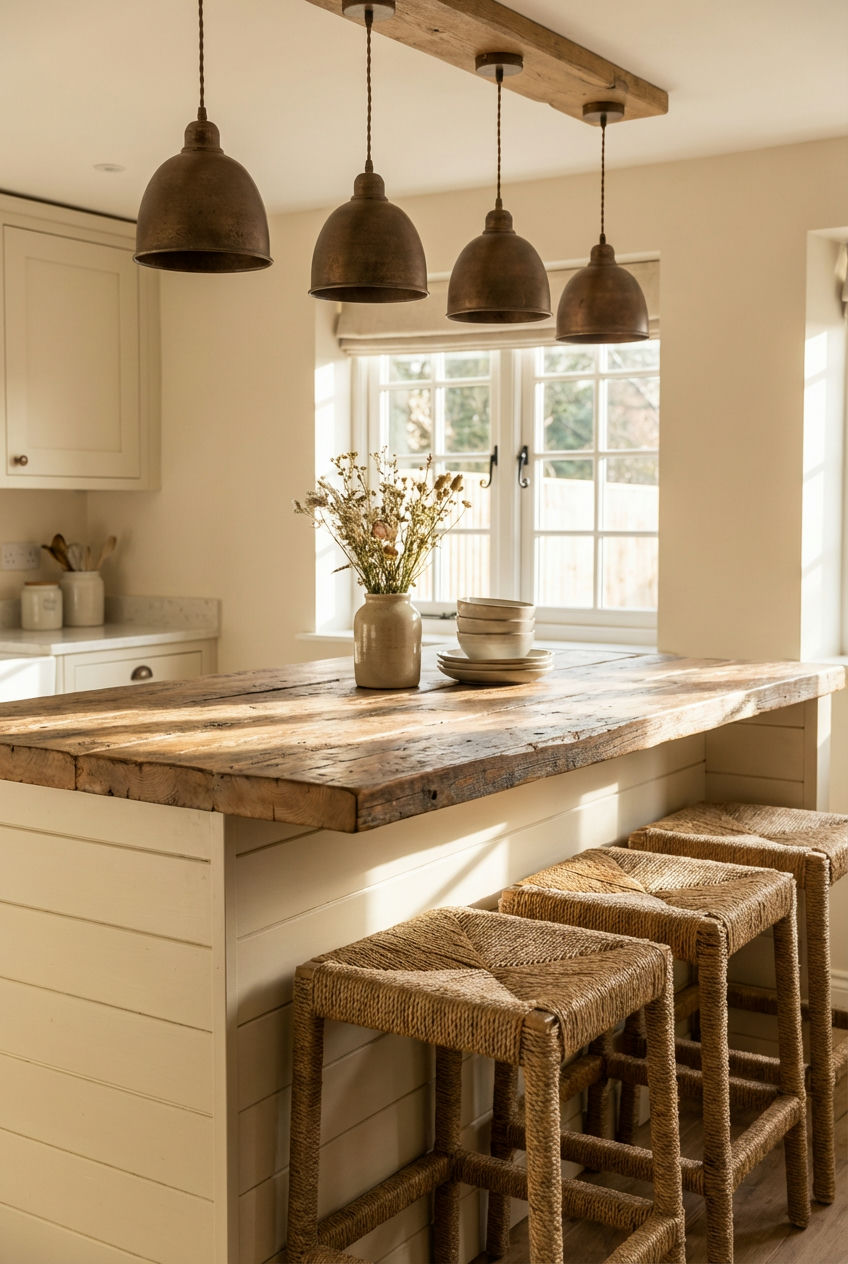
The beauty of incorporating reclaimed wood into your farmhouse kitchen cannot be overstated. It brings an unparalleled sense of history and character, with each knot and grain telling a story. Imagine countertops crafted from old barn wood, or open shelving made from salvaged beams, instantly grounding your space in authentic, rustic charm. This trend embraces sustainability and conscious design, making your kitchen not just beautiful but also environmentally thoughtful. The tactile nature of aged wood adds a layer of warmth that new materials simply can’t replicate, creating a truly inviting atmosphere.
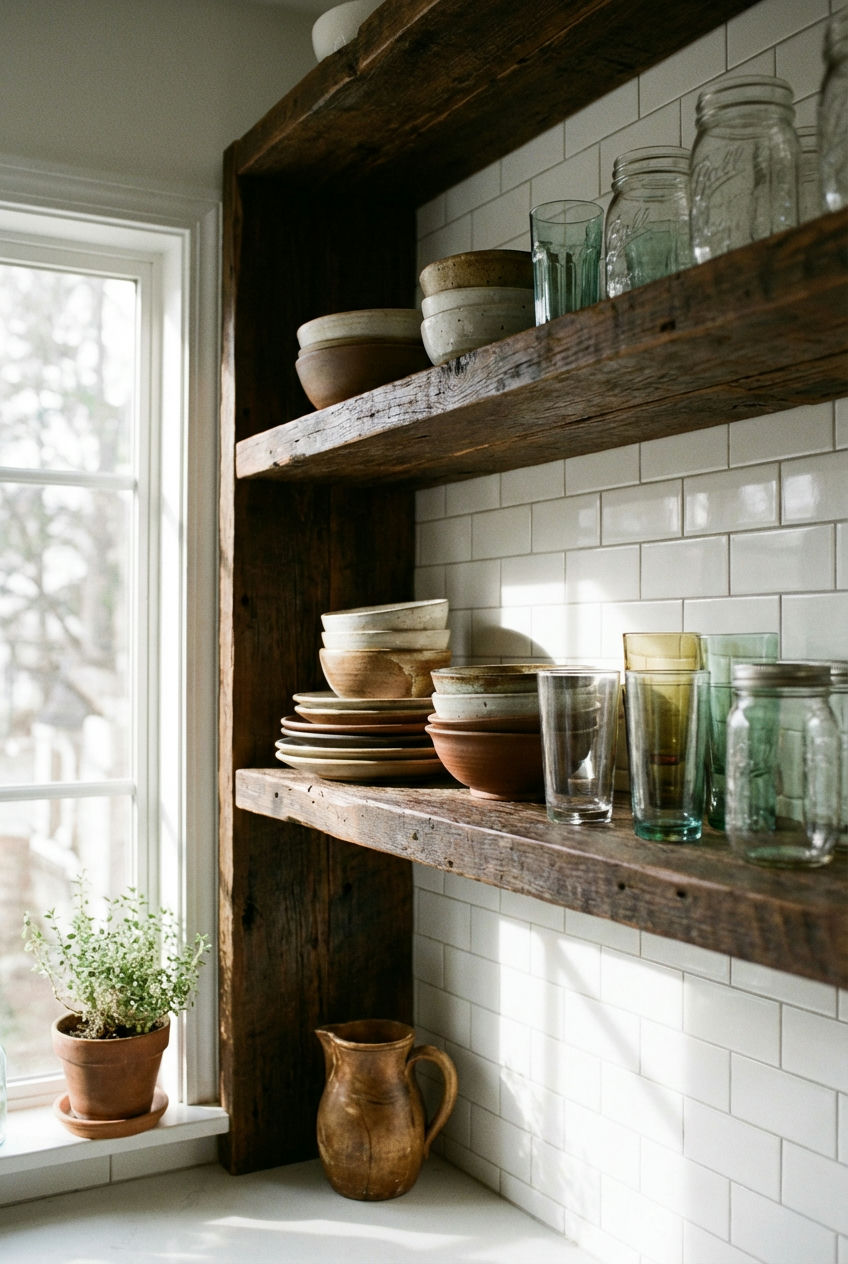
Beyond its aesthetic appeal, reclaimed wood offers durability and a unique texture that holds up well to the demands of a busy kitchen. It seamlessly blends with modern appliances and fixtures, creating an intriguing contrast that defines the elevated farmhouse aesthetic of 2026. This trend allows for a personalized touch, as no two pieces of reclaimed wood are ever quite identical, ensuring your kitchen is truly one-of-a-kind. Practical insight dictates that proper sealing is crucial to protect the wood from moisture and daily wear, preserving its beauty for years to come.
2. Statement Range Hoods
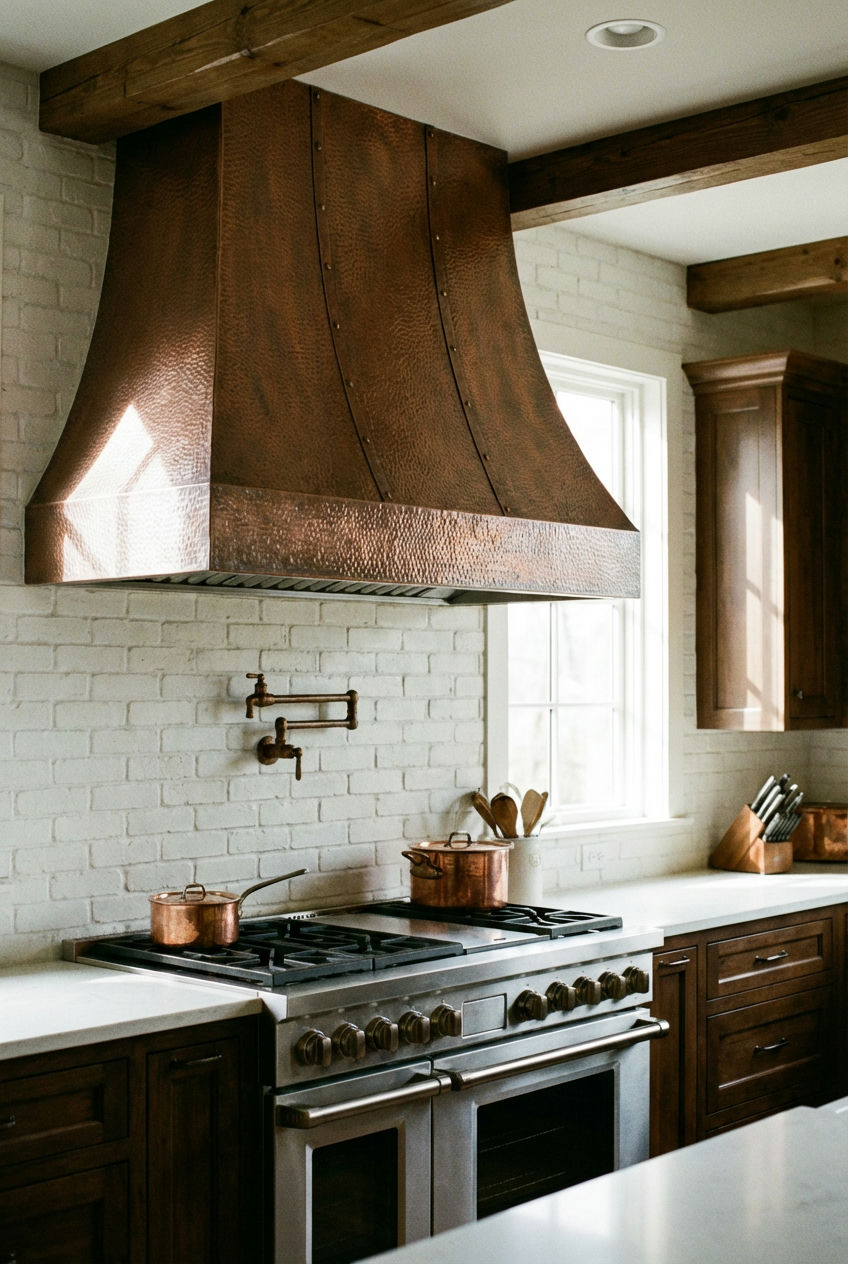
The range hood is no longer just a functional necessity in the farmhouse kitchen; it’s becoming a focal point, a true design statement. In 2026, expect to see range hoods crafted from unexpected materials like hammered copper, distressed wood, or even concrete, adding architectural interest and a touch of drama. These pieces often extend to the ceiling, drawing the eye upwards and enhancing the verticality of the space. They provide an opportunity to introduce a sculptural element that elevates the entire kitchen’s aesthetic, moving beyond standard stainless steel. It’s an easy way to infuse personality.
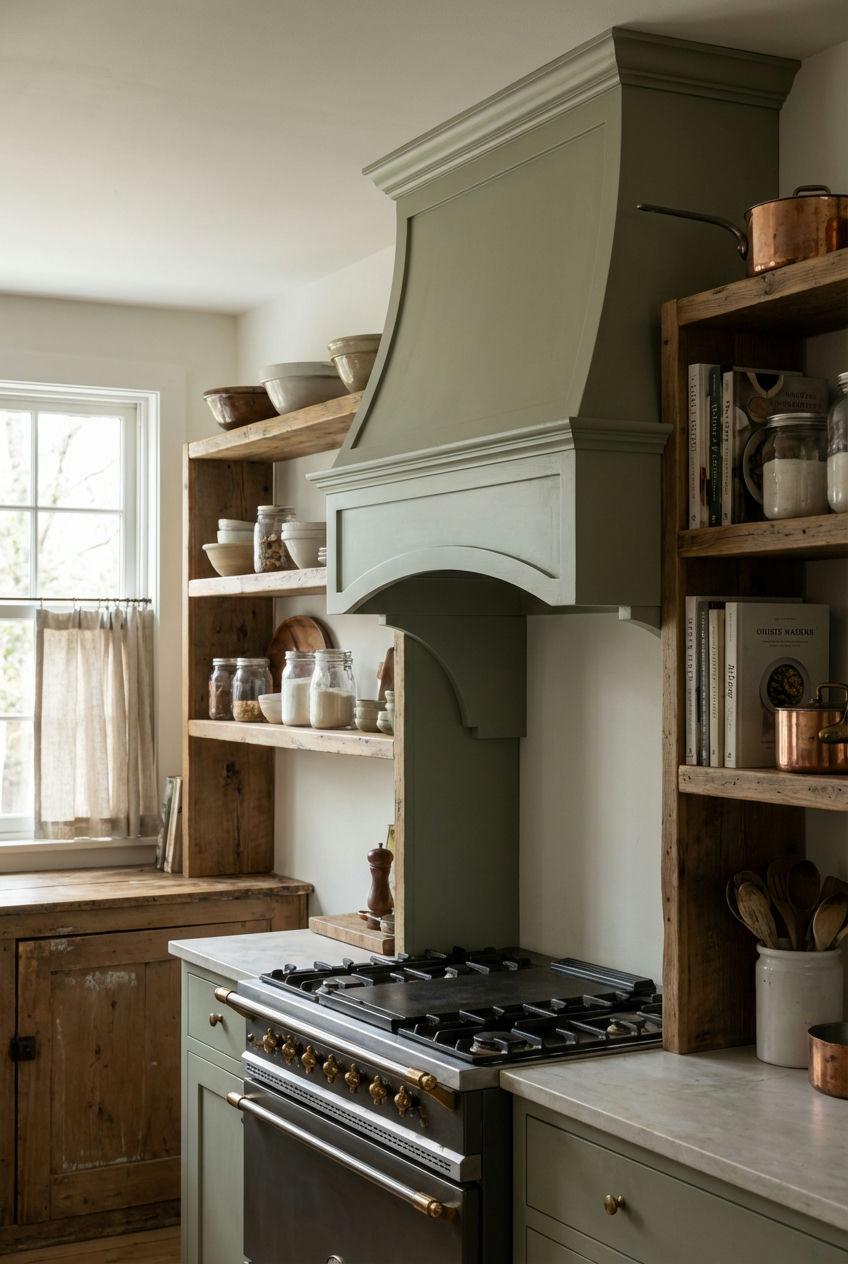
These statement hoods are often integrated with subtle lighting, further highlighting their design and providing ambient illumination for cooking areas. They can serve as an anchor for the surrounding cabinetry and backsplash, tying the entire cooking zone together. The selection of materials and finishes for the range hood can significantly influence the overall mood of the space, from industrial chic to rustic elegance. For the American lifestyle, a robust and visually appealing range hood often signifies a well-appointed kitchen, ready for hosting family gatherings and holiday meals.
3. Soft Earth Tone Cabinetry
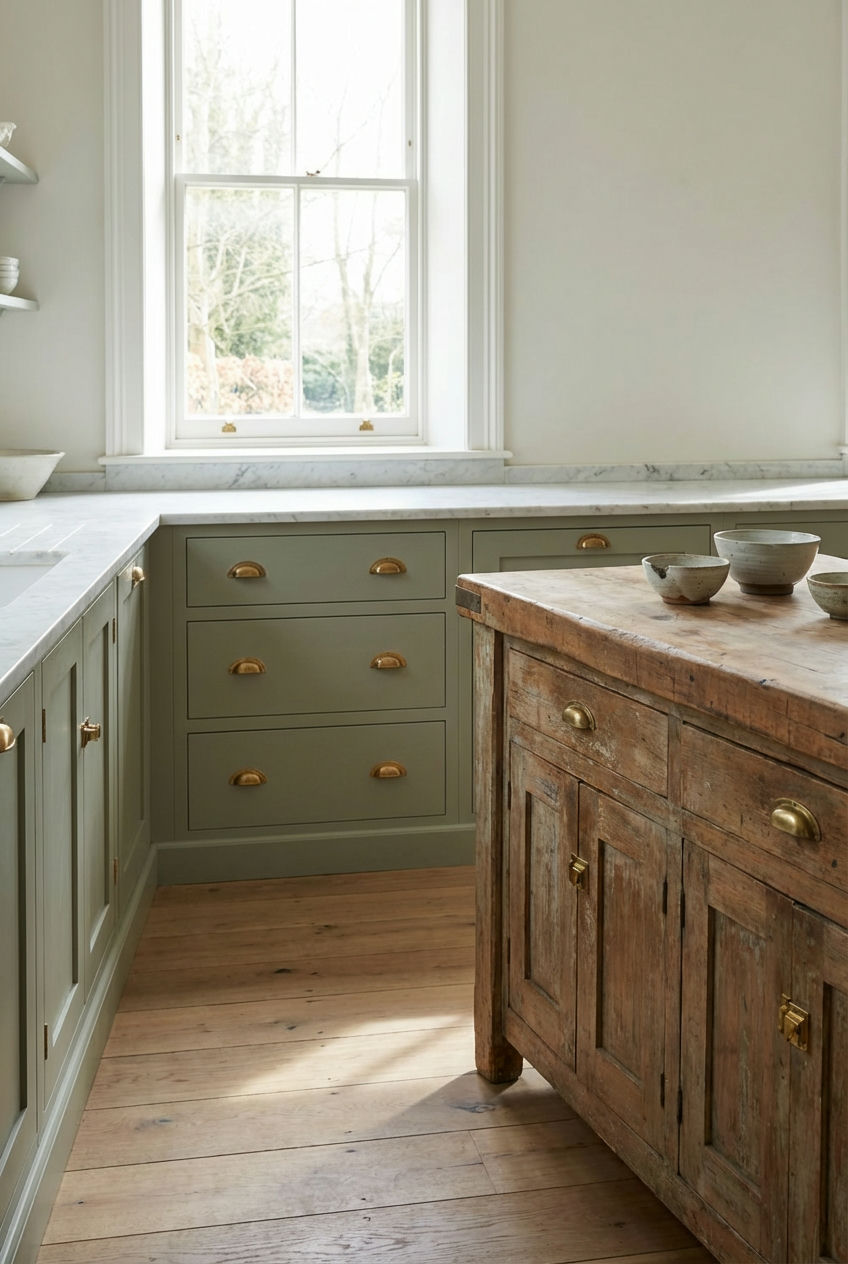
Moving away from stark whites, the farmhouse kitchen 2026 embraces a palette of soft earth tones for cabinetry. Think muted sage greens, dusty blues, warm greys, and even subtle terracotta shades. These colors create a calming, organic feel, connecting the indoor space with nature, which is a hallmark of the modern farmhouse aesthetic. Such hues offer a sophisticated backdrop for both traditional and contemporary decor elements, making the kitchen feel inviting and lived-in without sacrificing style. They are less visually demanding than bold colors, promoting a serene atmosphere.
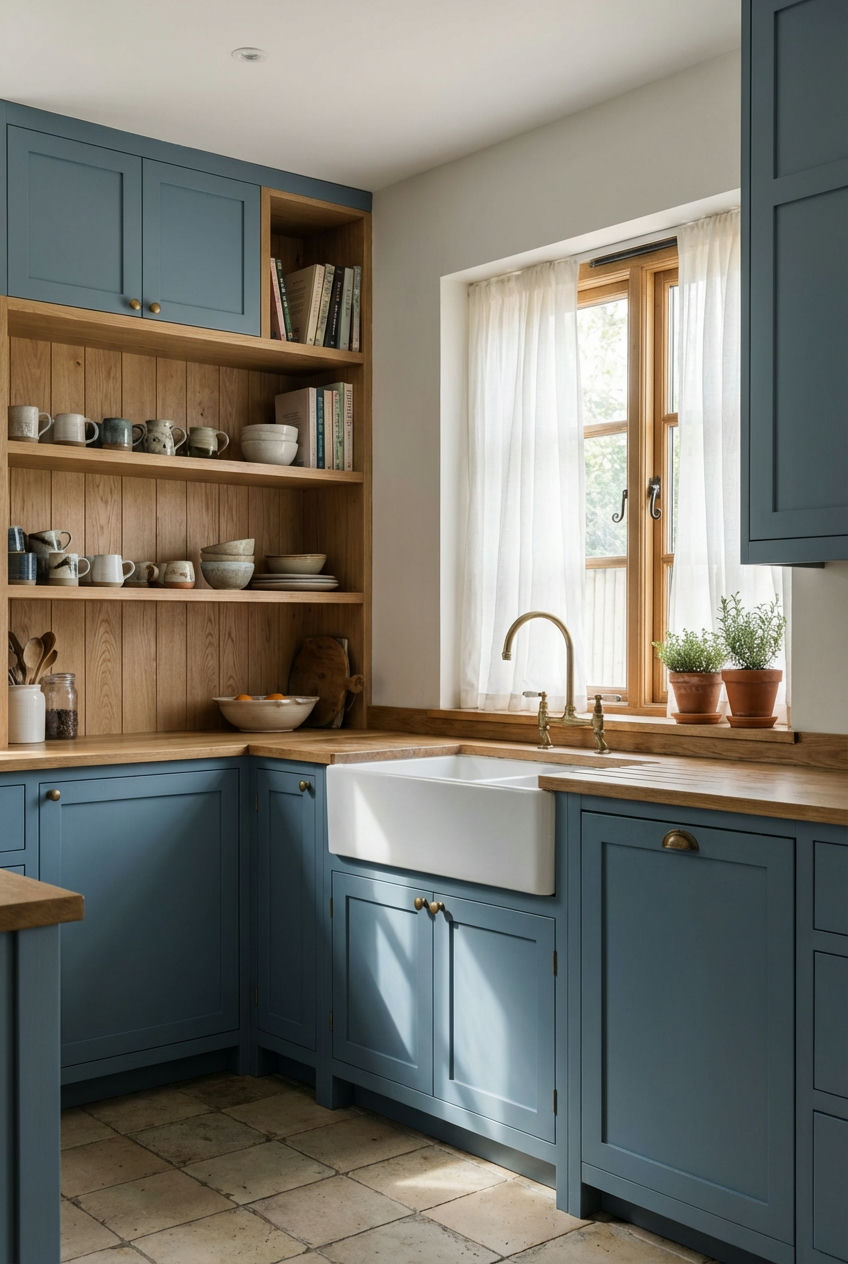
These gentle colors provide a wonderful foundation for layering textures and materials, from natural wood accents to woven baskets and stoneware. They allow the architectural details and unique finishes of your farmhouse to truly shine, rather than competing for attention. This trend is particularly effective in creating a sense of spaciousness and airiness, especially when paired with natural light and lighter countertops. Expert-style commentary suggests that these tones offer more longevity than trend-driven bright colors, ensuring your kitchen remains stylish for years.
4. Integrated Appliances
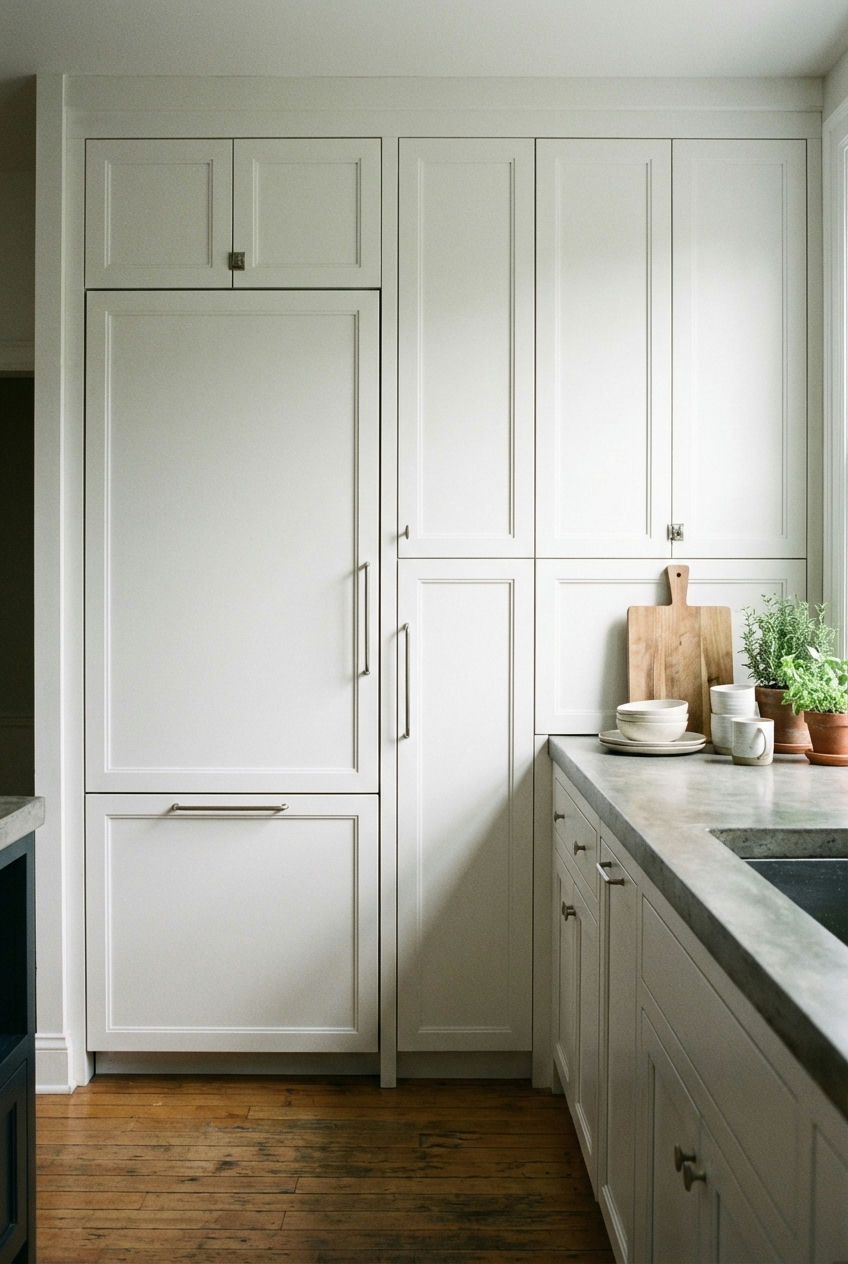
Sleek and seamless integration of appliances is a key feature for the modern farmhouse kitchen in 2026. Refrigerators, dishwashers, and even microwaves are being discreetly hidden behind custom paneling that matches the surrounding cabinetry. This creates an uninterrupted visual flow, enhancing the clean lines and uncluttered feel that defines refined rustic design. The goal is to make the kitchen feel less utilitarian and more like a cohesive living space, where functionality is paramount but subtly concealed. It’s about achieving a minimalist aesthetic while maintaining all necessary conveniences.
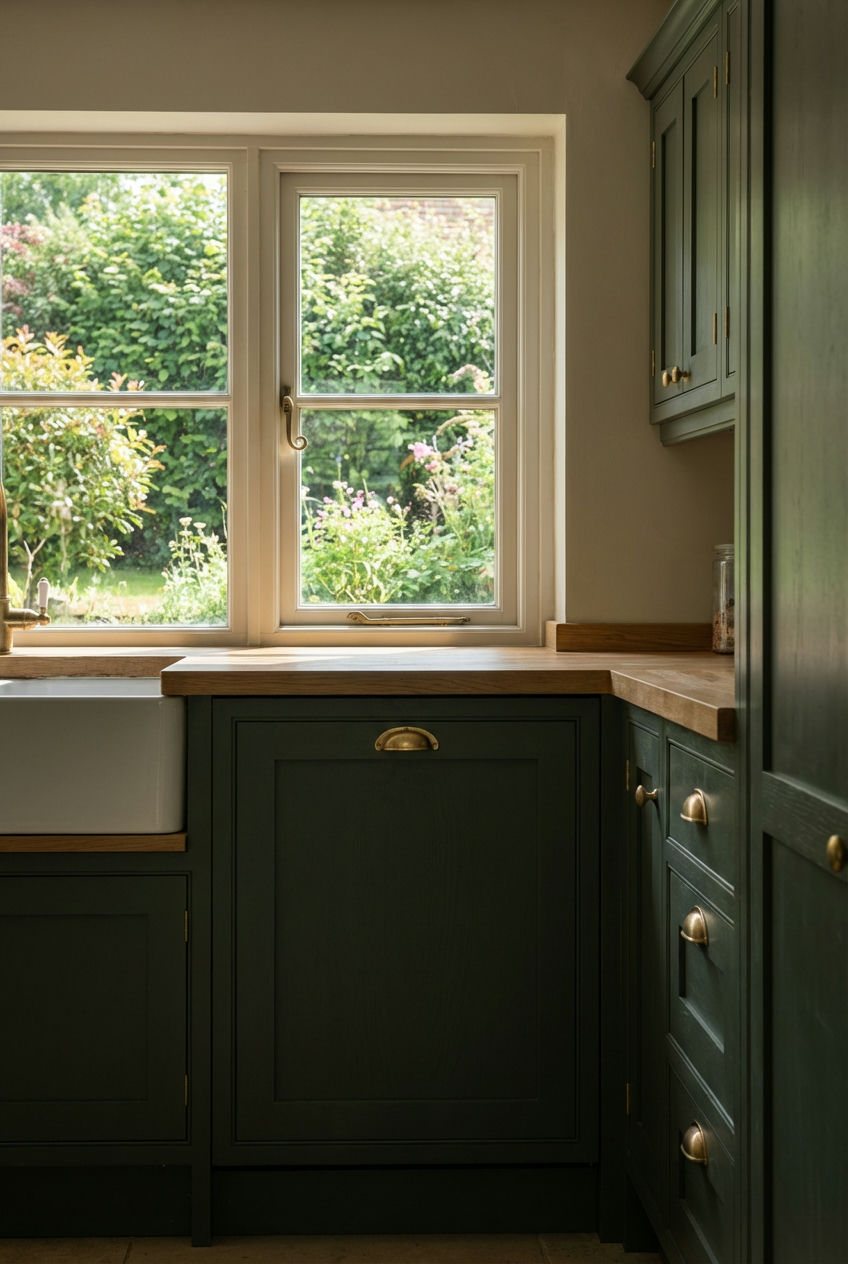
Integrated appliances contribute significantly to the sophisticated yet relaxed ambiance of the contemporary farmhouse. They allow other design elements, such as unique lighting fixtures or a striking backsplash, to take center stage without visual distractions. This trend is especially appealing in open-concept homes where the kitchen flows directly into dining or living areas, maintaining a cohesive design language throughout. A common mistake is assuming integrated appliances are only for ultra-modern kitchens, but they adapt beautifully to the warmth of farmhouse style, creating a high-end, uncluttered look.
5. Open Shelving with Curated Decor
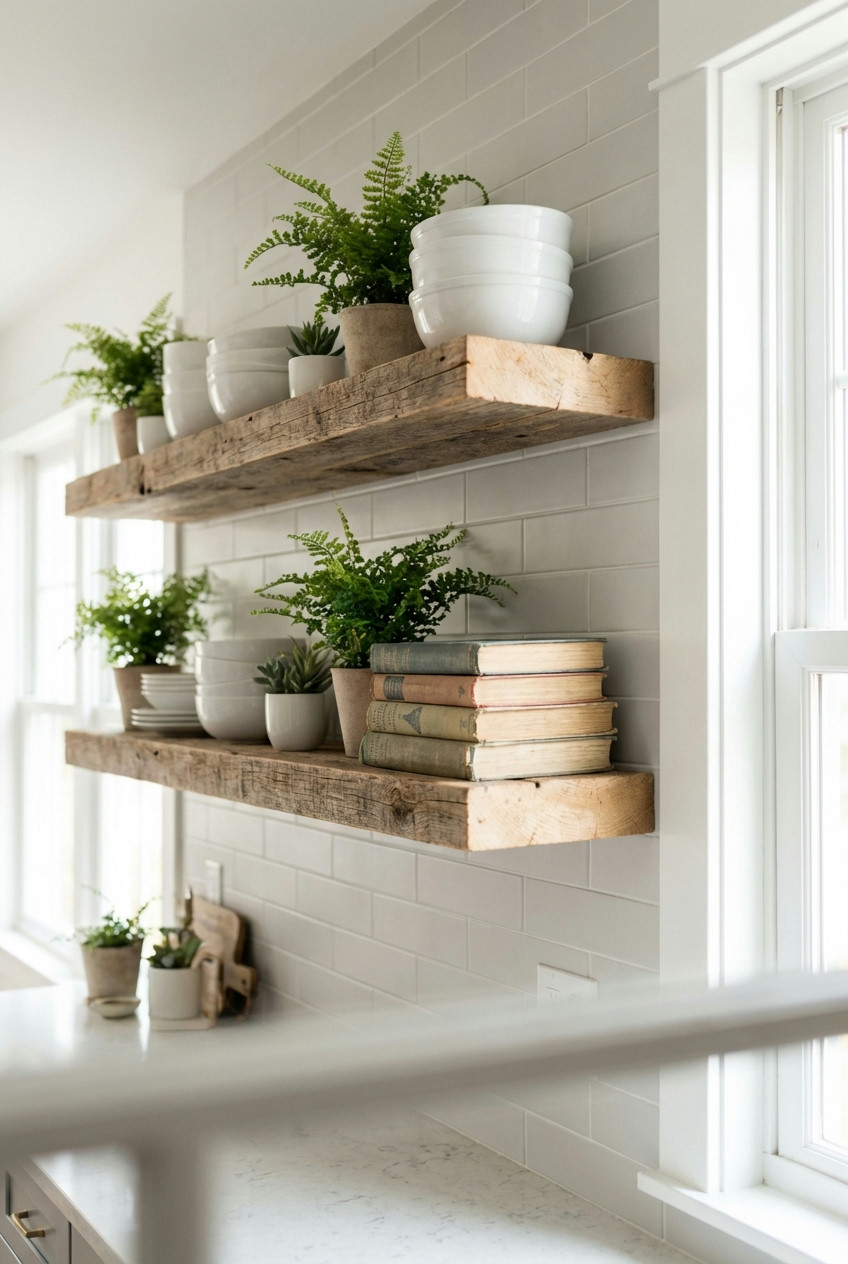
Open shelving continues its reign in the farmhouse kitchen, but with a refined twist for 2026. It’s less about utilitarian storage and more about artfully displaying curated collections of dinnerware, handmade ceramics, vintage finds, and even small potted plants. This approach adds personality and a sense of life to the kitchen, allowing homeowners to showcase their individual style and cherished possessions. The shelves themselves might be thick, chunky wood or sleek metal, contrasting beautifully with the wall behind and drawing the eye to the displayed items. It’s a moment for visual storytelling.
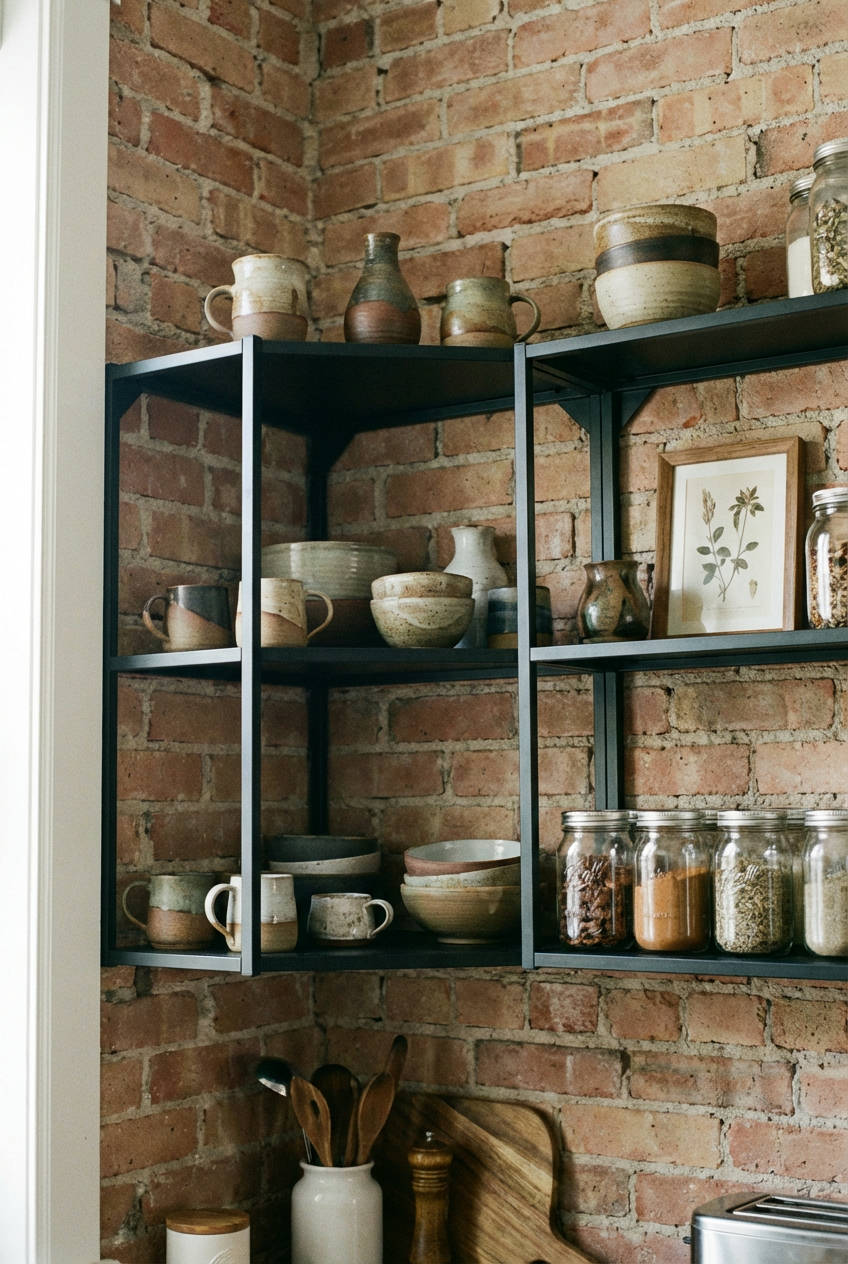
The key to successful open shelving in a farmhouse setting is careful curation rather than clutter. Each item should feel intentional, contributing to the overall aesthetic and narrative of the space. This trend allows for easy updates—swapping seasonal decor or refreshing your culinary collection—without a major renovation. It’s where it works best in kitchens that thrive on layers of texture and visual interest, adding warmth and approachability. However, be mindful of dust and organization; less is often more when it comes to display.
6. Large Farmhouse Sinks with Apron Fronts
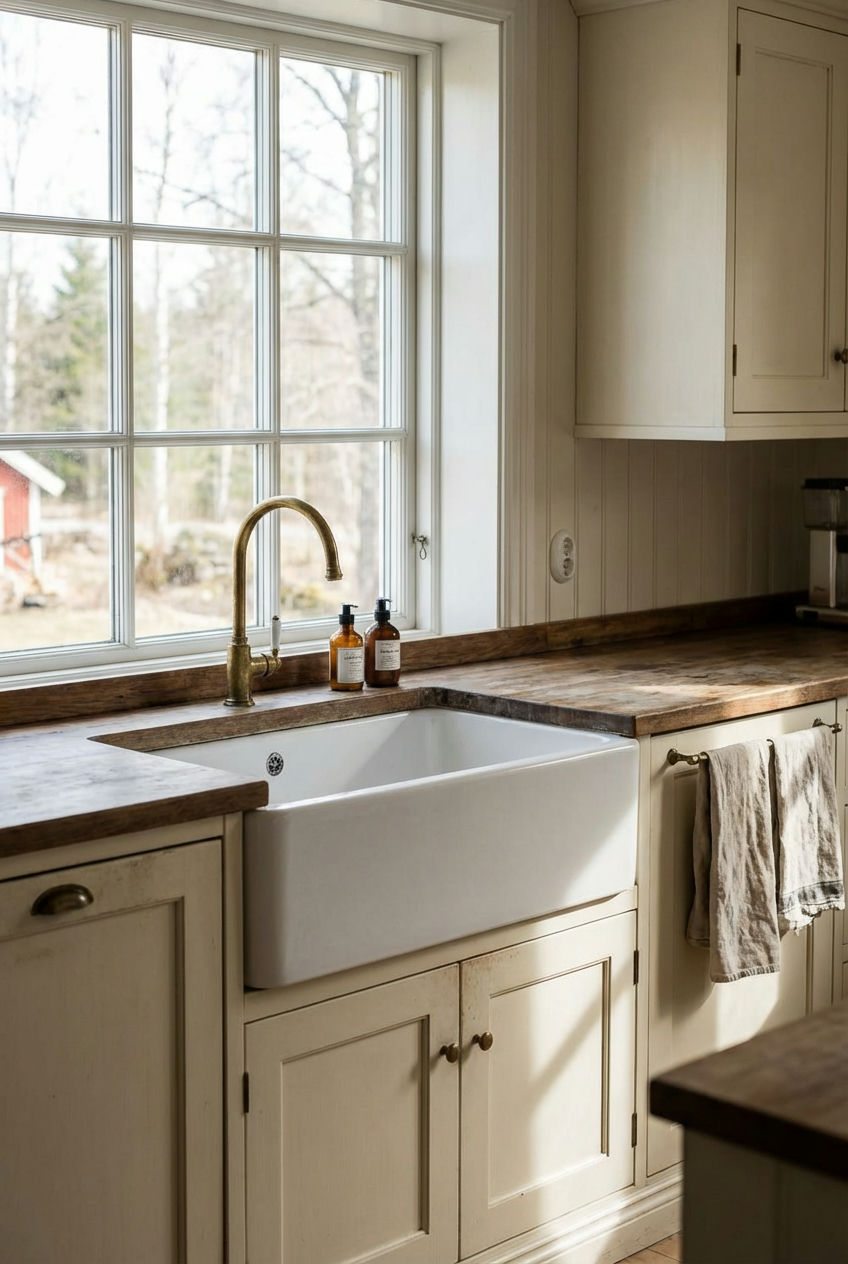
A quintessential element of any farmhouse kitchen 2026, the large apron-front sink remains a beloved staple, evolving slightly to meet modern demands. While classic white fireclay continues to be popular, we’re seeing variations in material and color, including black granite, polished concrete, or even stainless steel with a brushed finish. These sinks are not just beautiful; their generous size is incredibly practical for washing large pots and pans, making meal prep and cleanup a breeze. They instantly convey a sense of traditional craftsmanship and durability, blending seamlessly with both new and vintage aesthetics.
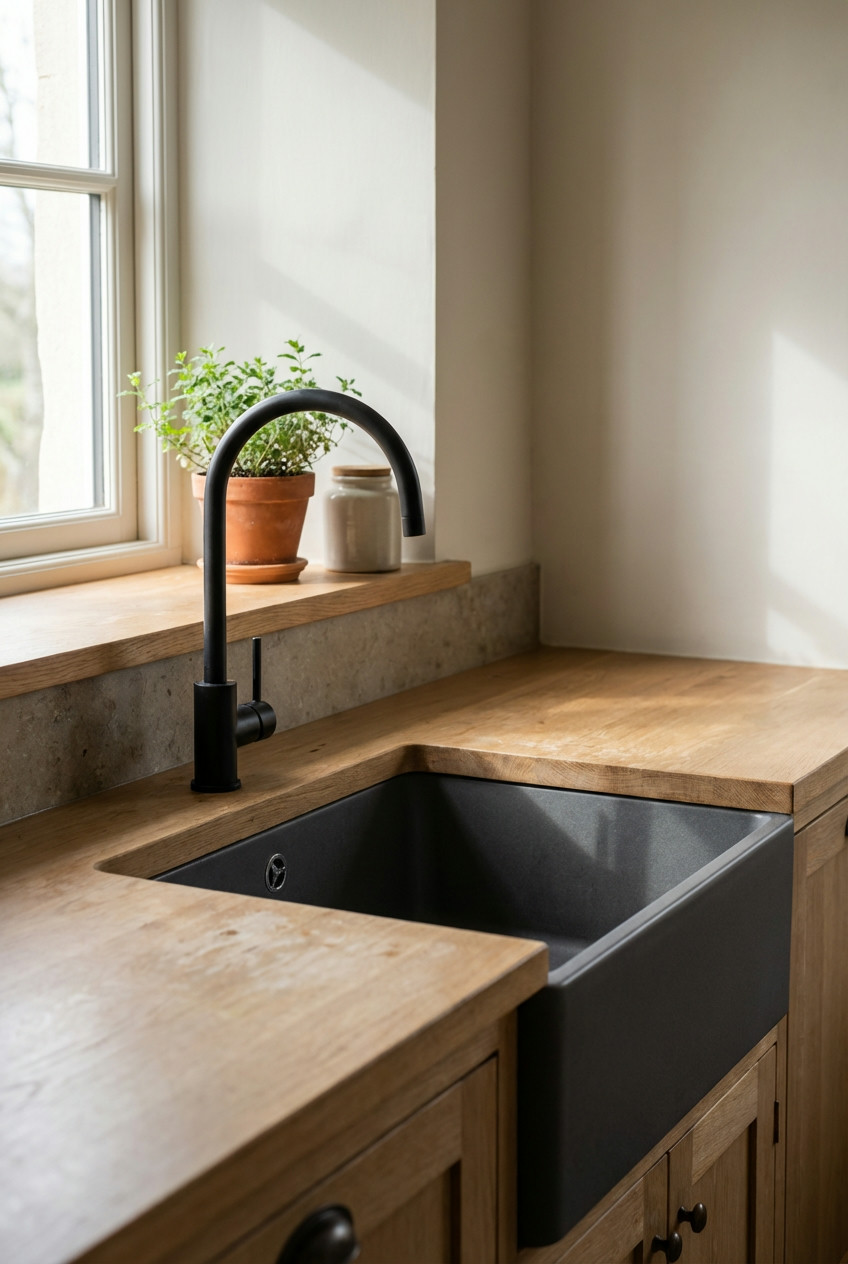
The apron-front sink is often considered the heart of a farmhouse layout, a nod to its historical roots in functionality and communal living. Its design allows for easy access and comfortable use, reducing splashes while offering an undeniable visual anchor. When considering your budget, be aware that while the sink itself can vary in price, installation for these larger, heavier models might require specific cabinetry modifications, potentially adding to the overall cost. However, its enduring style and utility make it a worthwhile investment for many homeowners.
7. Mixed Metal Hardware
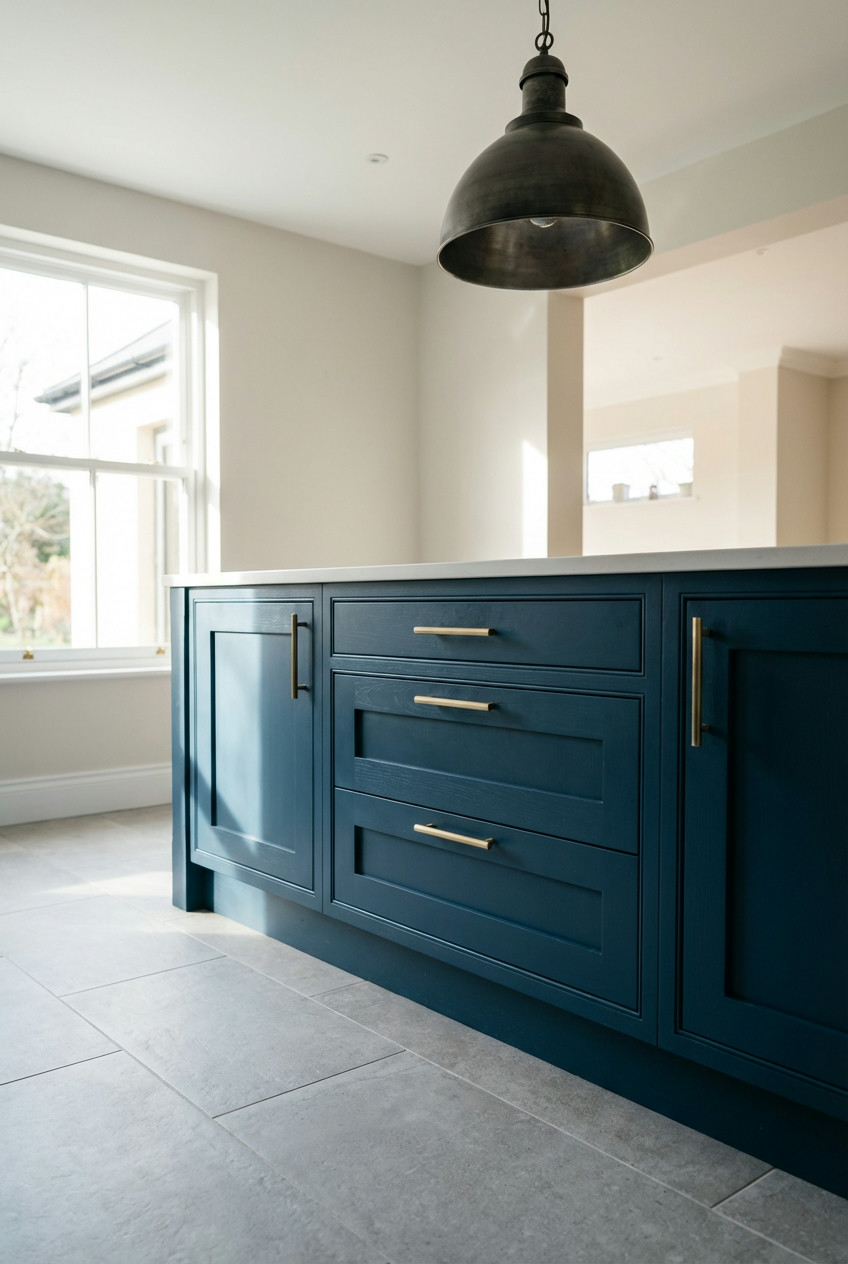
In the evolving farmhouse kitchen 2026, mixing metal finishes for hardware is a sophisticated way to add depth and interest. Gone are the days of strict matching; now, it’s about thoughtful contrasts. Imagine brass cabinet pulls paired with black iron pendant lights, or polished nickel faucets complemented by matte gold accents on open shelving. This trend allows for greater personalization and avoids a monolithic, overly coordinated look, making the space feel more curated and layered. It adds a touch of bespoke elegance that elevates the rustic charm of farmhouse design.
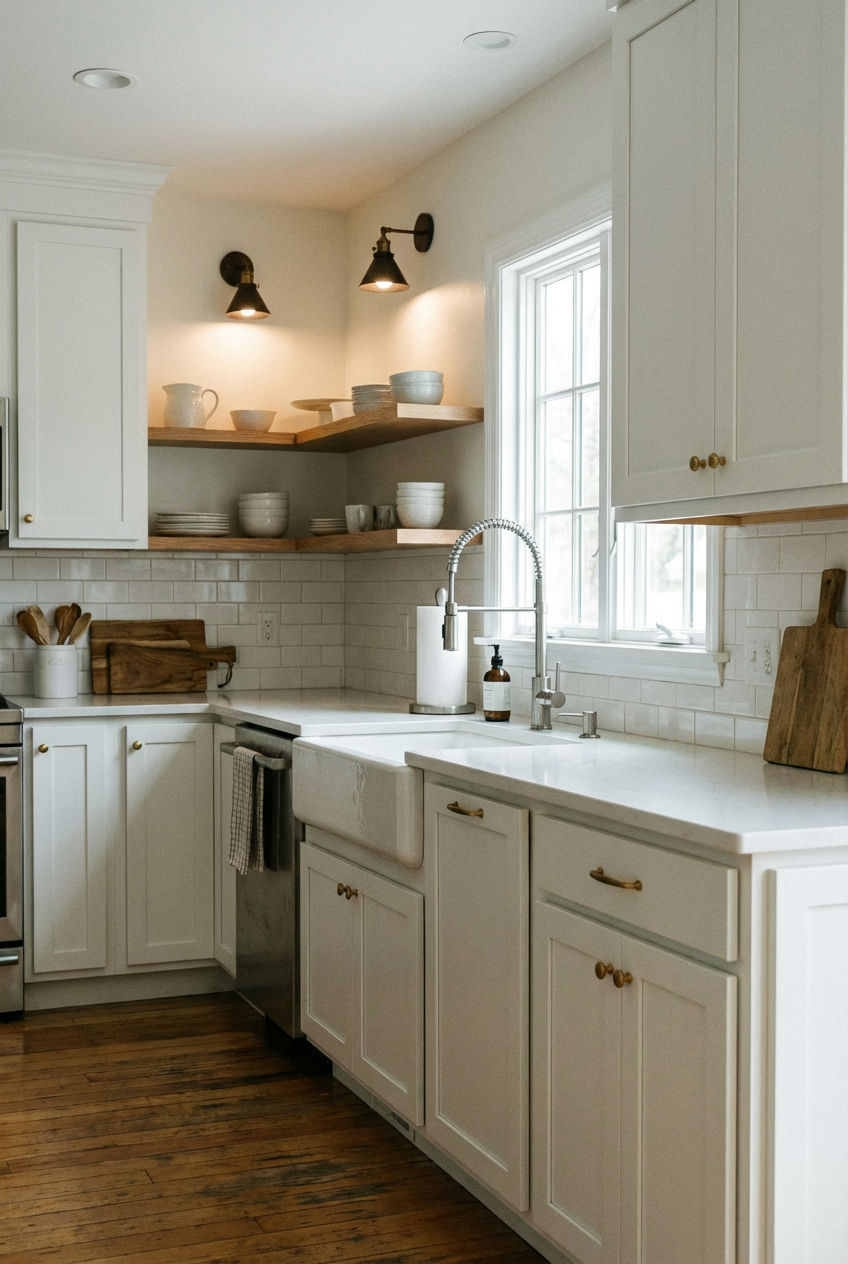
The key to elegantly mixing metals in a farmhouse space is to choose one dominant finish and then introduce a secondary accent metal. This prevents the look from becoming chaotic and ensures a harmonious balance. It’s also wise to consider the undertones of each metal to ensure they complement rather than clash. For instance, warm brass pairs beautifully with cool black, while polished chrome can stand out against a darker bronze. This approach embodies a real homeowner behavior of wanting unique, personalized spaces that reflect their style, moving beyond cookie-cutter designs.
8. Decorative Tile Backsplashes
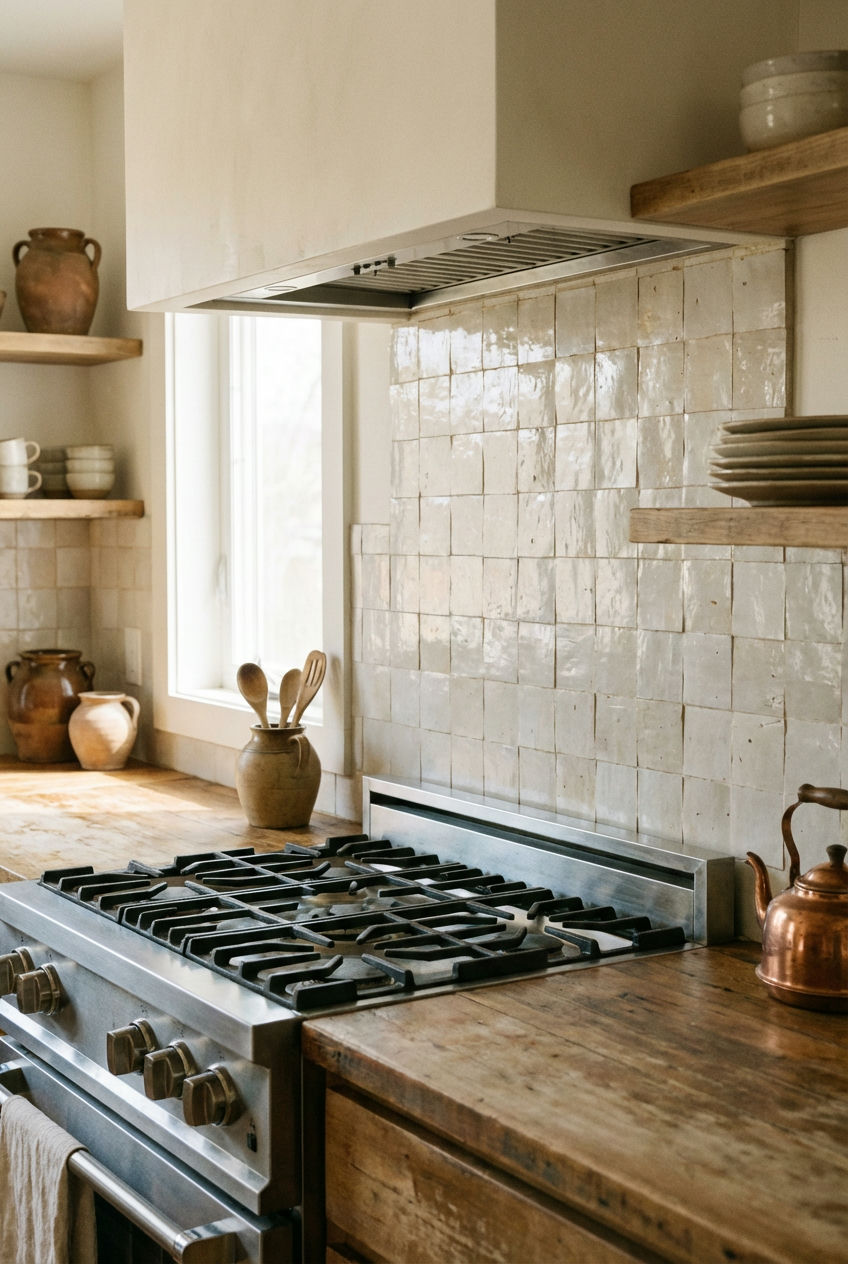
While classic subway tile certainly has its place, the farmhouse kitchen 2026 is seeing an exciting surge in decorative tile backsplashes. Think patterned zellige tiles, subtle herringbone layouts, or even intricate ceramic mosaics that add a touch of artistry and visual texture. These backsplashes become a focal point, injecting personality and a bespoke feel into the space. They can range from softly textured, handmade tiles that whisper elegance, to bold geometric patterns that provide a contemporary edge. It’s an opportunity to experiment with color, shape, and unique craftsmanship.
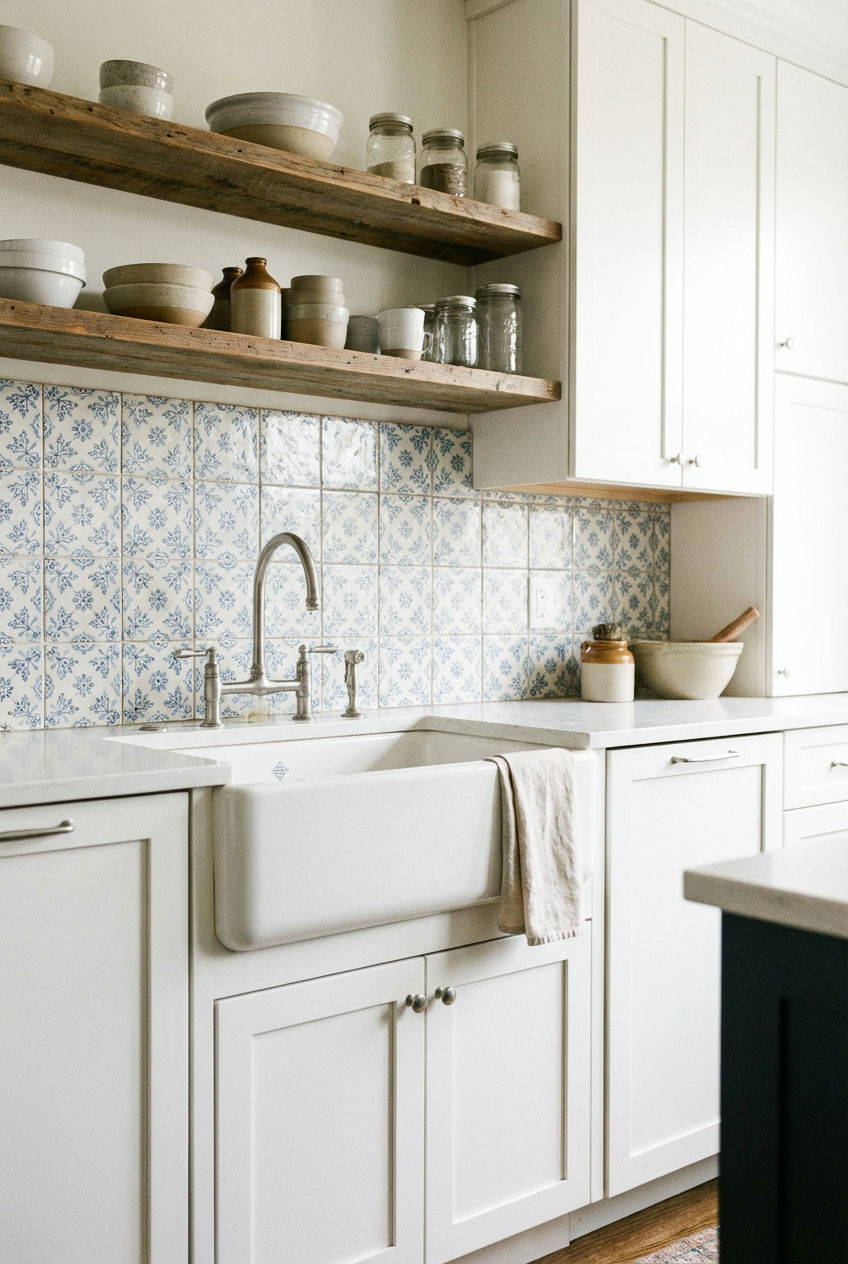
Choosing a decorative backsplash allows you to introduce a unique narrative or a global influence into your farmhouse space, whether it’s Moroccan-inspired patterns or classic European motifs. It’s a design element that can easily be updated down the line if your style evolves, offering flexibility. While beautiful, a common mistake is going too bold with pattern in a very small kitchen, which can overwhelm the space. For smaller areas, consider a subtle texture or a tone-on-tone pattern that offers interest without being visually heavy.
9. Bistro-Style Lighting
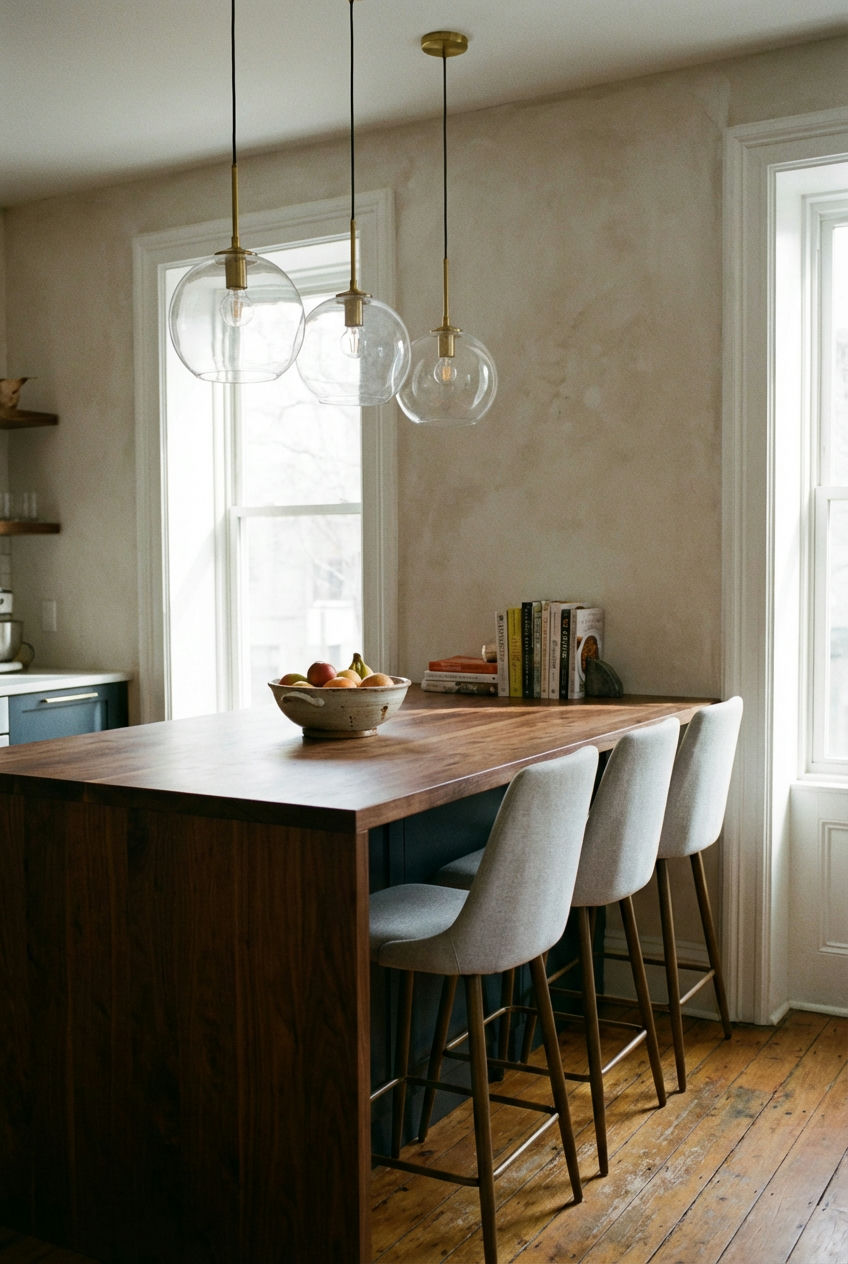
To enhance the warm and inviting ambiance of the farmhouse kitchen, bistro-style lighting is making a delightful appearance. Think delicate globe pendants, subtle schoolhouse fixtures, or even strung Edison bulbs that cast a soft, ambient glow. These lighting choices evoke a sense of nostalgic charm, reminiscent of quaint European cafes and bustling marketplaces. They add an intimate touch, perfect for creating a cozy atmosphere during evening meals or casual morning coffee. It’s a move away from purely functional lighting towards fixtures that double as decorative elements, adding to the overall character.
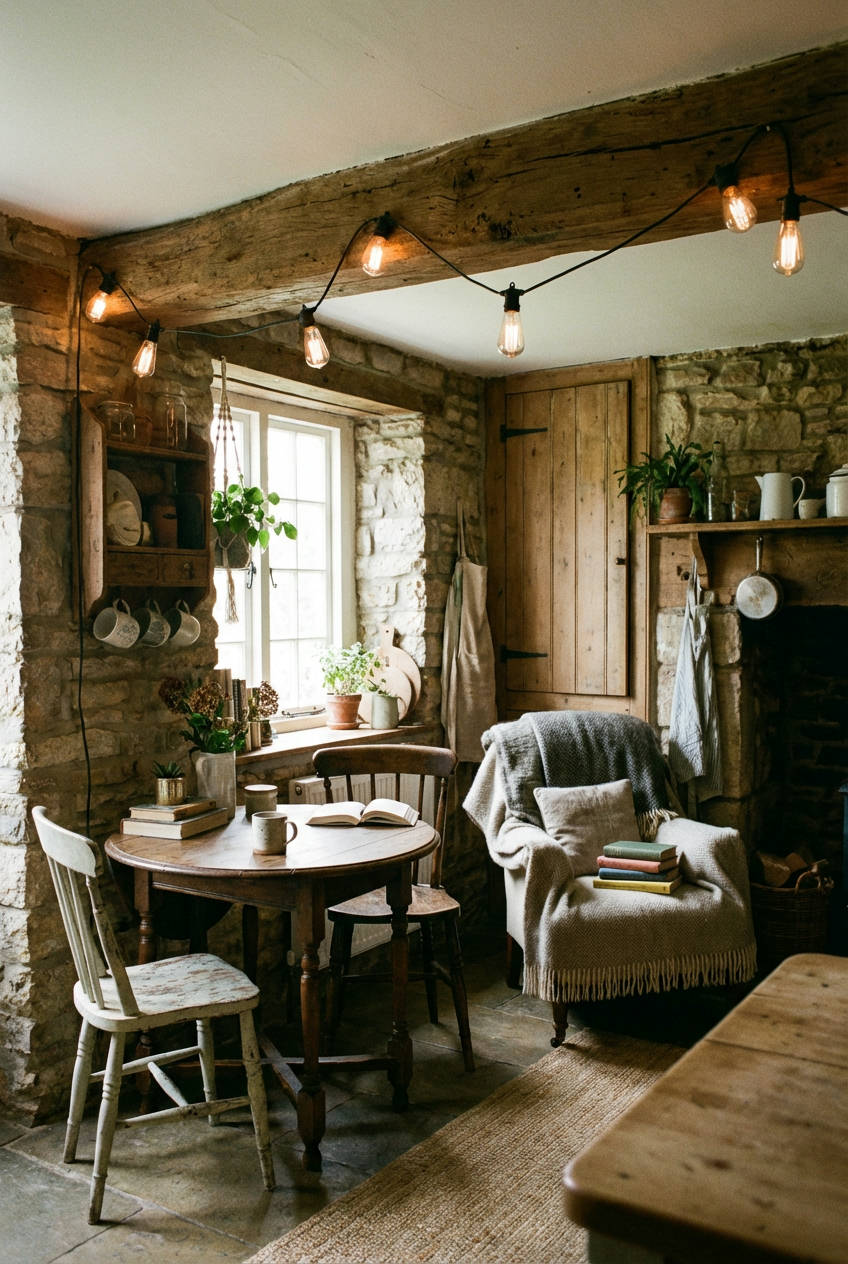
Bistro-style lighting works beautifully in the farmhouse context because it complements the raw, authentic textures and materials often found in these spaces. It’s particularly effective when layered with other lighting sources, such as under-cabinet task lighting and natural sunlight, to create a well-rounded illumination plan. This trend allows for a more playful and less formal approach to lighting, contributing to a relaxed and welcoming domestic environment. Expert-style commentary suggests selecting dimmable options to allow for versatile mood setting throughout the day and evening.
10. Butcher Block Islands
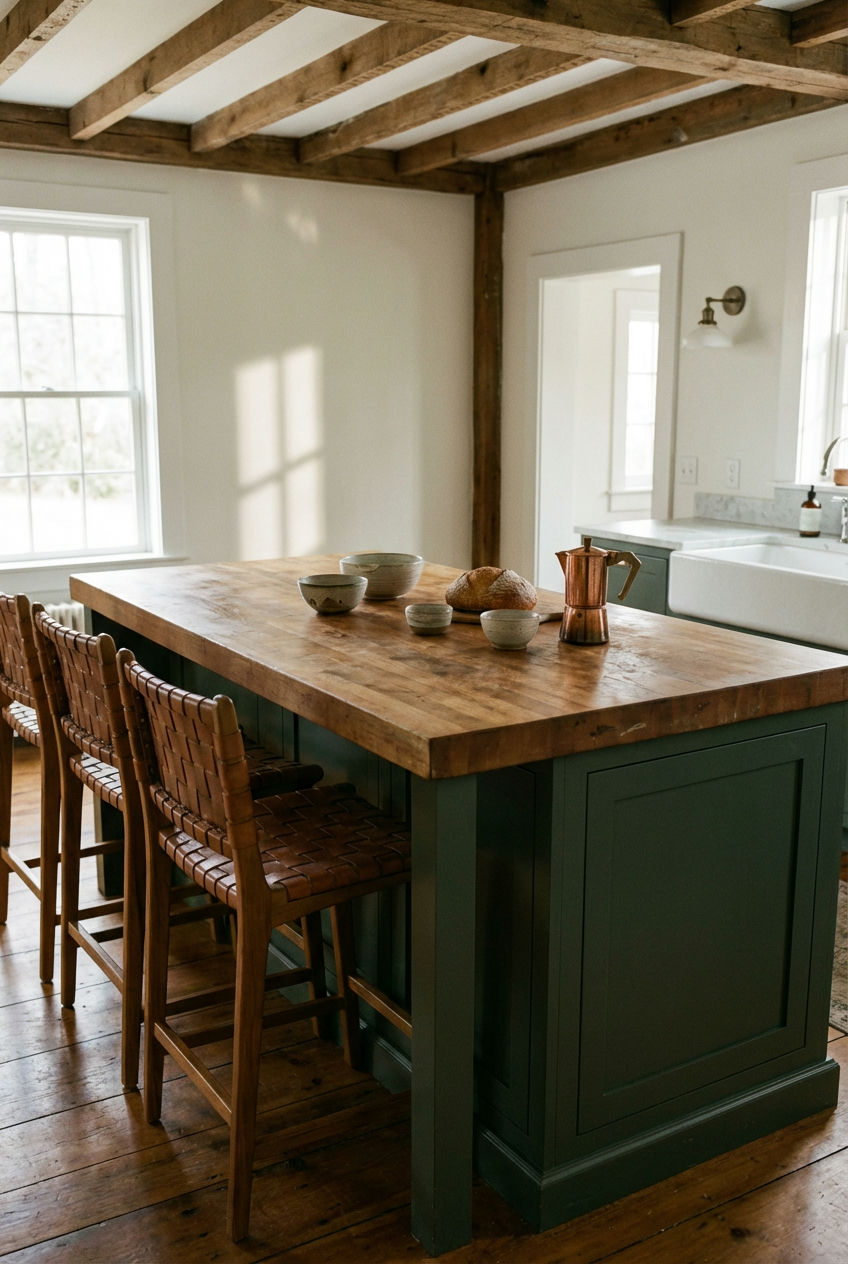
Continuing the legacy of practical beauty, butcher block islands are a key feature in the farmhouse kitchen 2026. These substantial wooden surfaces provide an ideal workspace for cooking and food prep, while also adding immense warmth and texture to the room. From rich walnut to light maple, the varied grain patterns of butcher block instantly lend a classic, timeless appeal. They offer a softer alternative to stone countertops, making the kitchen feel more approachable and less formal, perfectly aligning with the heart-of-the-home philosophy. It’s a durable and organic choice.
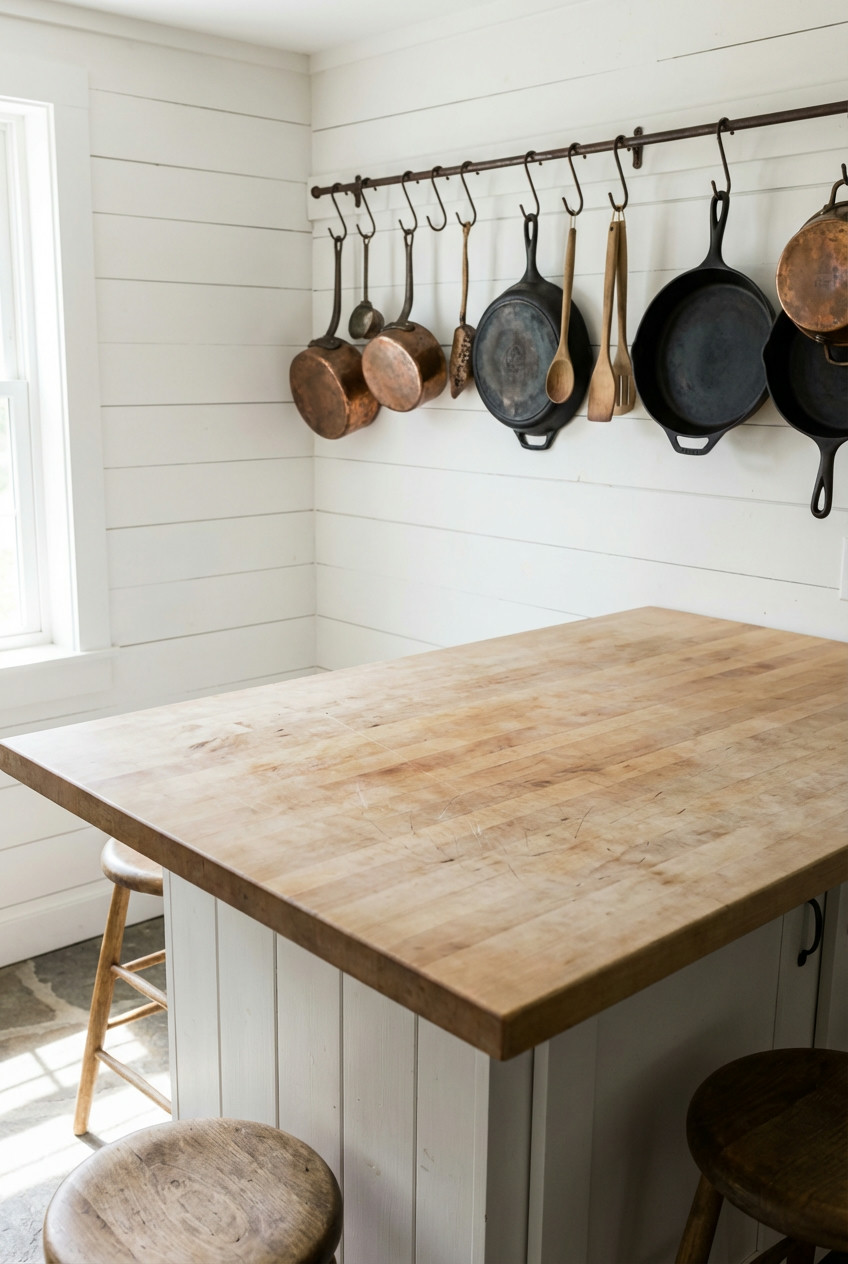
A butcher block island doesn’t just offer visual appeal; it’s incredibly resilient and can even be refinished over time, making it a sustainable choice for your farmhouse design. Its natural antimicrobial properties are an added bonus for a food preparation area. While it requires regular oiling to maintain its beauty and prevent drying, this simple care routine becomes part of its charm. Where it works best in kitchens that are truly lived in and used daily for cooking, baking, and family gatherings, offering a warm and inviting hub.
11. Vintage Rugs as Accents
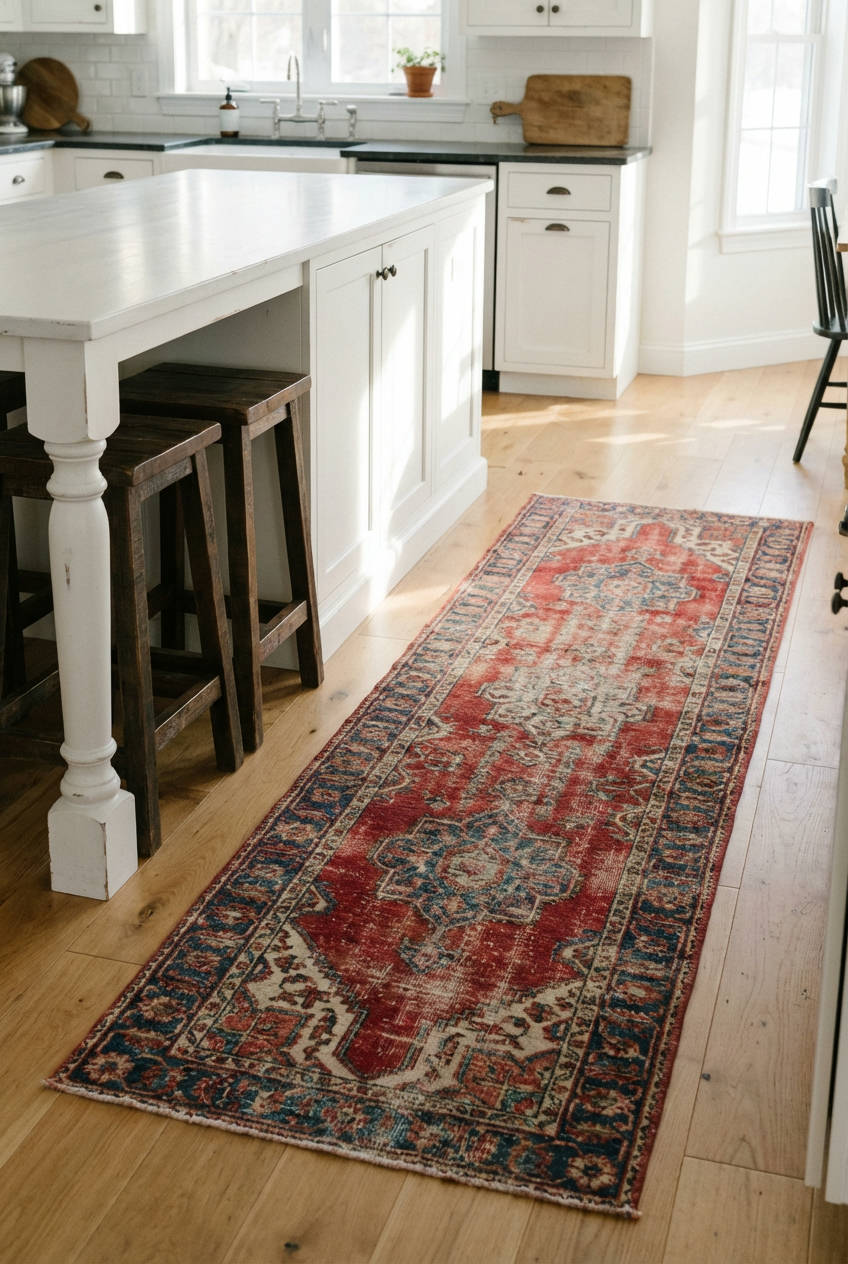
Adding vintage rugs to a farmhouse kitchen is a trend that brings unexpected warmth, color, and personality to a functional space. A well-chosen Persian, Oushak, or kilim rug can anchor the kitchen island or define a small seating area, infusing the room with rich textures and history. The faded patinas and intricate patterns of vintage rugs create a beautiful contrast with crisp white cabinetry and modern appliances, adding an element of curated eclecticism. They absorb sound, making the kitchen feel cozier and more inviting for longer conversations and shared moments. It’s a delightful touch of the unexpected.
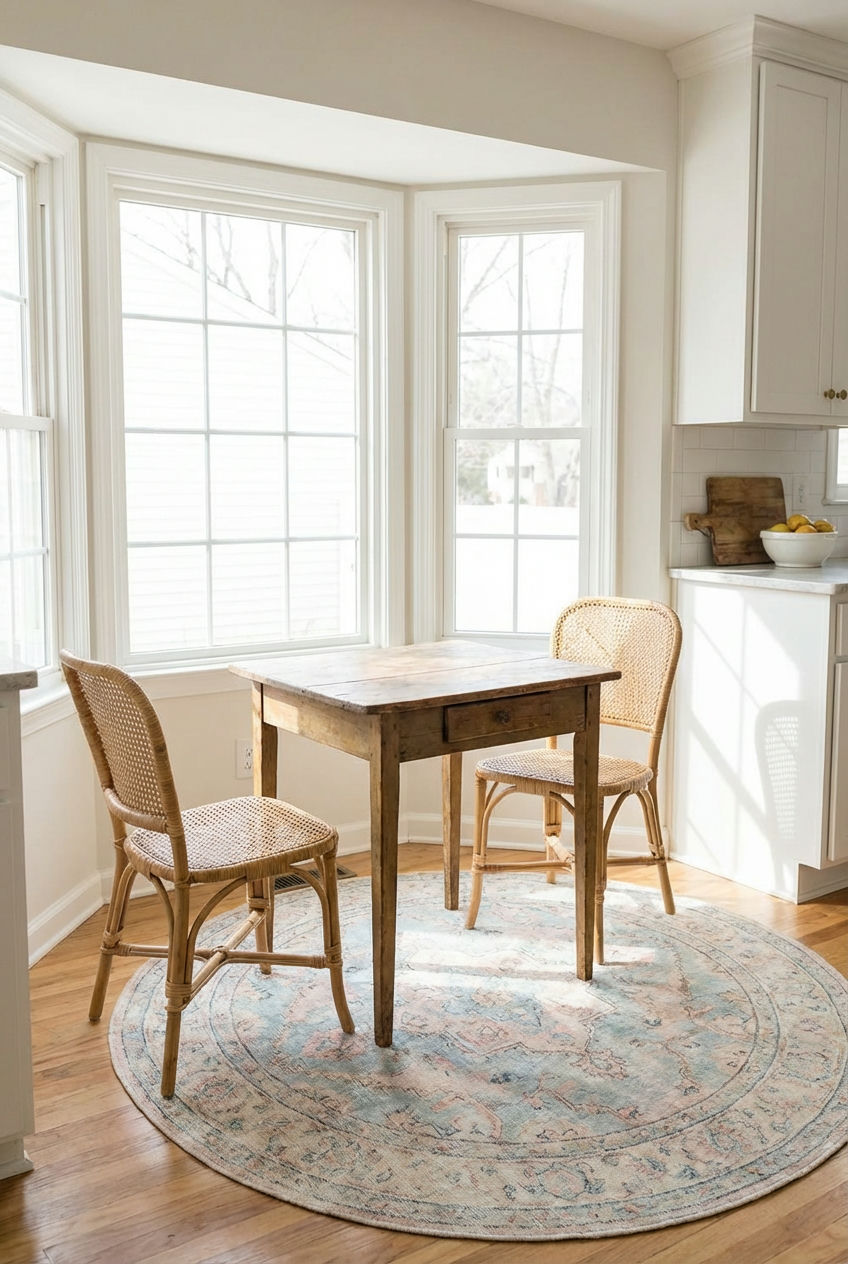
Beyond their aesthetic appeal, vintage rugs offer a practical benefit by providing a soft landing for busy feet and preventing slips on hard kitchen floors. They introduce a level of sophistication and artistry that elevates the rustic charm of a farmhouse, making the space feel more thoughtfully designed. An American lifestyle anecdote: My grandmother always had a colorful rag rug by her sink, worn from years of use, and it always made her kitchen feel so welcoming and real, a true gathering spot. Just remember to use a rug pad for safety!
12. Shiplap and Board-and-Batten
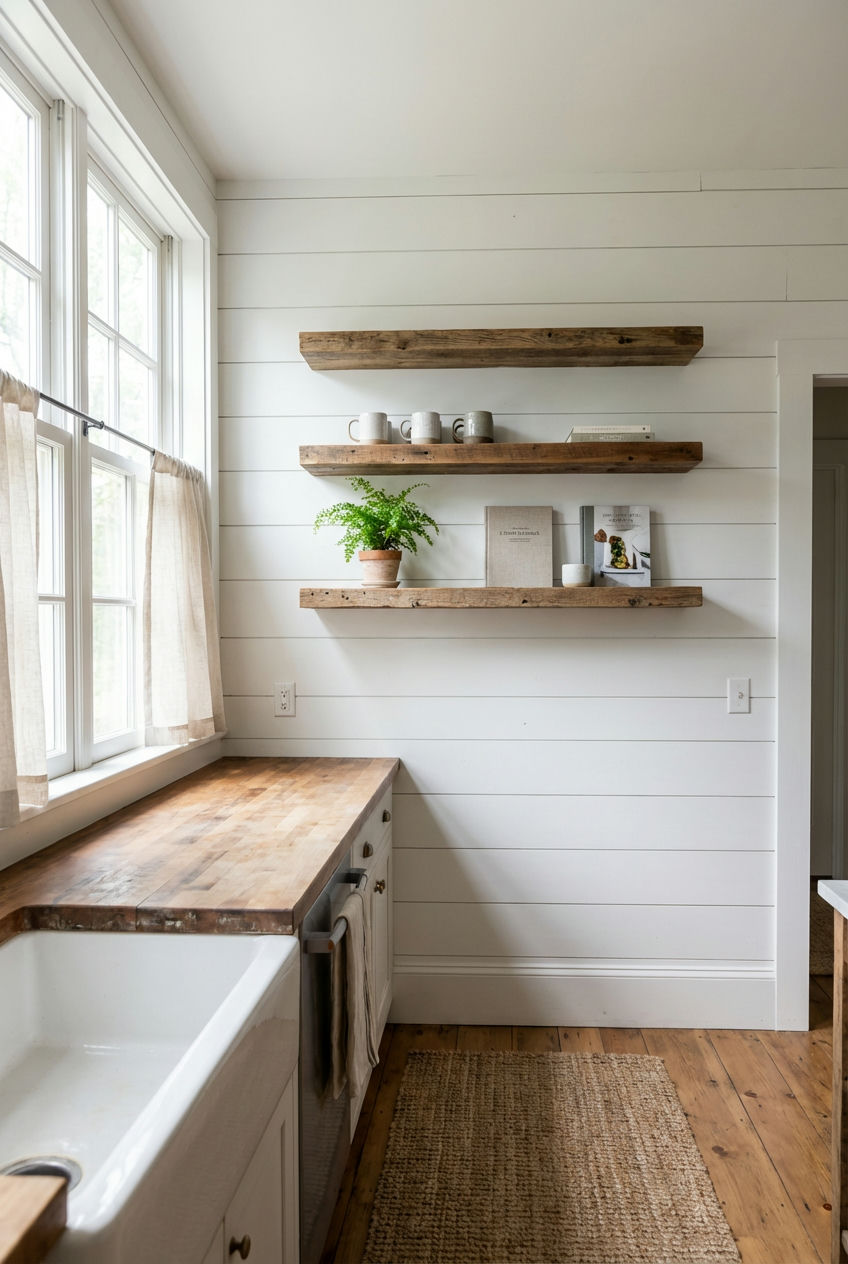
Classic wall treatments like shiplap and board-and-batten continue to be integral to the farmhouse kitchen aesthetic in 2026, but with nuanced applications. Shiplap offers a clean, horizontal texture that can instantly brighten a space and add a subtle coastal or rustic vibe. Board-and-batten, with its vertical lines, adds architectural interest and can be used to create wainscoting or full accent walls, providing a more structured and modern farmhouse feel. These elements bring an appealing layer of depth and visual rhythm to plain walls, making a strong design statement without overwhelming the space. They are affordable ways to add character.
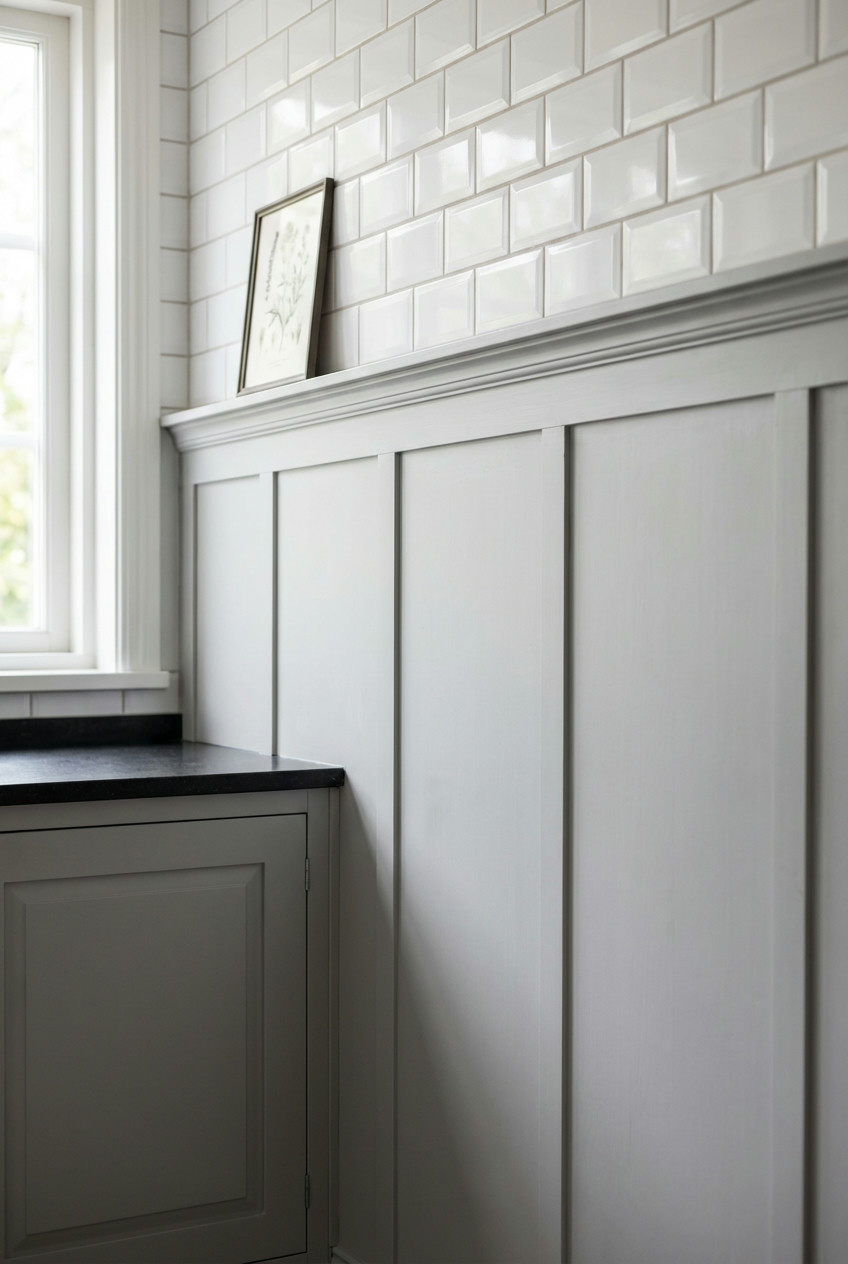
These traditional wall treatments provide a perfect backdrop for the various textures and materials found in a farmhouse, from exposed beams to antique furniture. They are versatile enough to be painted in any color, allowing for endless customization to match your desired palette. While seemingly simple, their impact on the overall feel of the kitchen is profound, lending an instant sense of history and charm. A practical insight: ensure proper installation and sealing in kitchens to prevent moisture issues, especially behind sinks or near stovetops, preserving their pristine look.
13. Integrated Pantries and Storage
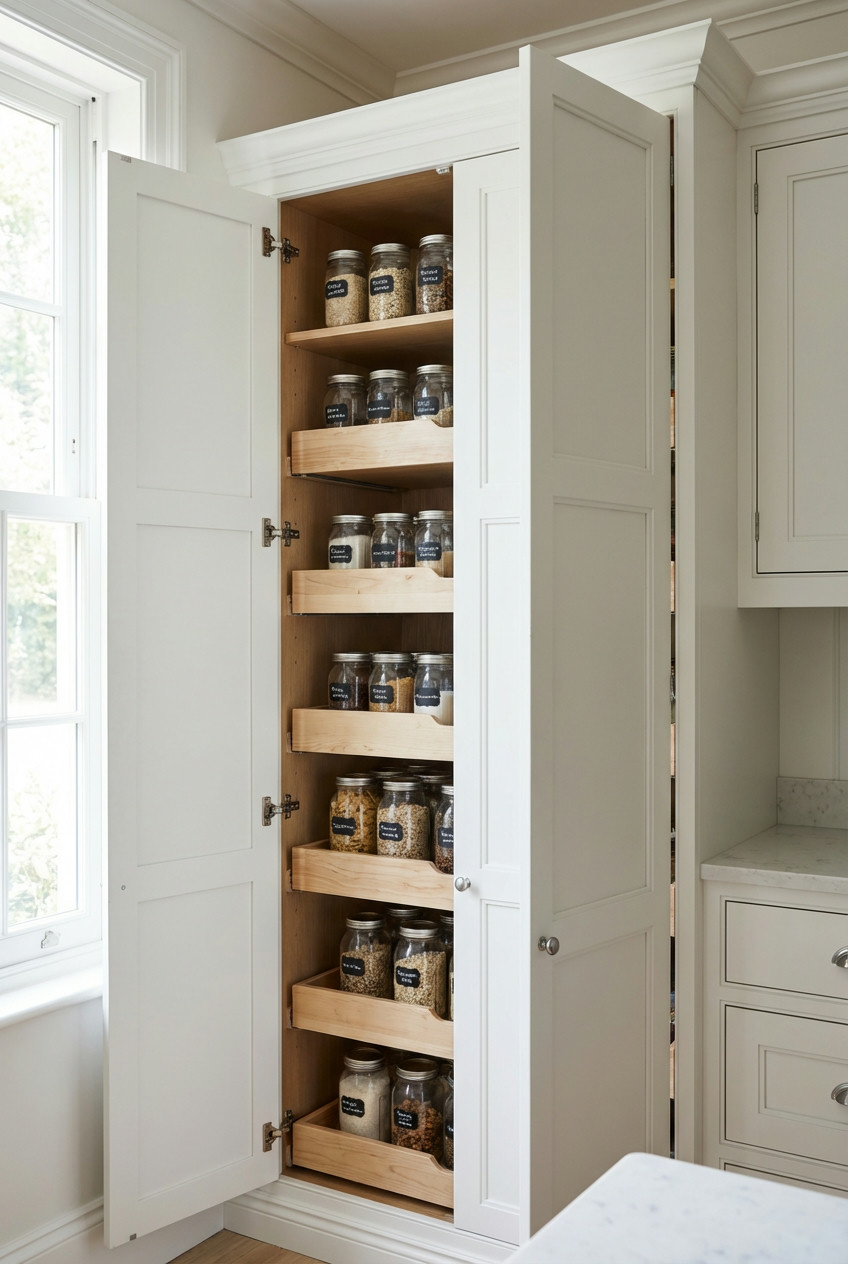
Organizational prowess is paramount in the modern farmhouse kitchen 2026, and this is beautifully achieved through integrated pantries and clever storage solutions. Think floor-to-ceiling pantry cabinets that look like part of the wall, complete with hidden pull-out shelves, spice racks, and designated appliance garages. The goal is to maximize storage while maintaining a clean, uncluttered aesthetic, crucial for the serene farmhouse vibe. These built-in elements keep everyday necessities out of sight but incredibly accessible, making the kitchen both highly functional and visually appealing. Efficiency is key.
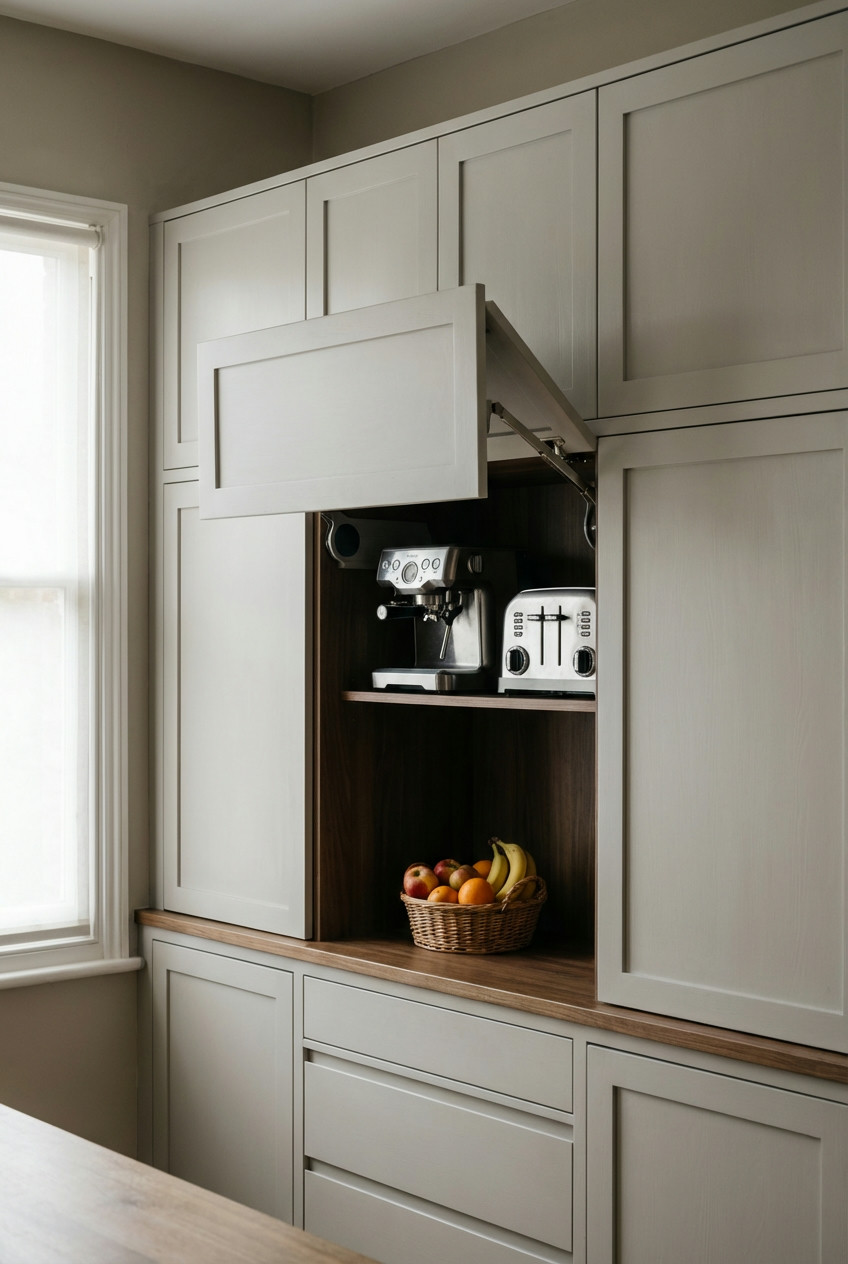
These integrated storage solutions move beyond simple cabinets, offering bespoke options tailored to individual needs, such as organized baking stations or dedicated zones for breakfast items. They ensure every item has its place, contributing to a sense of calm and order that is often desired in a busy family hub. This focus on intelligent storage aligns with the desire for a simplified, more intentional lifestyle that many homeowners seek. Budget considerations are important, as custom cabinetry for integrated storage can be a significant investment, but it often pays off in improved functionality and increased home value.
14. Heritage-Inspired Textiles
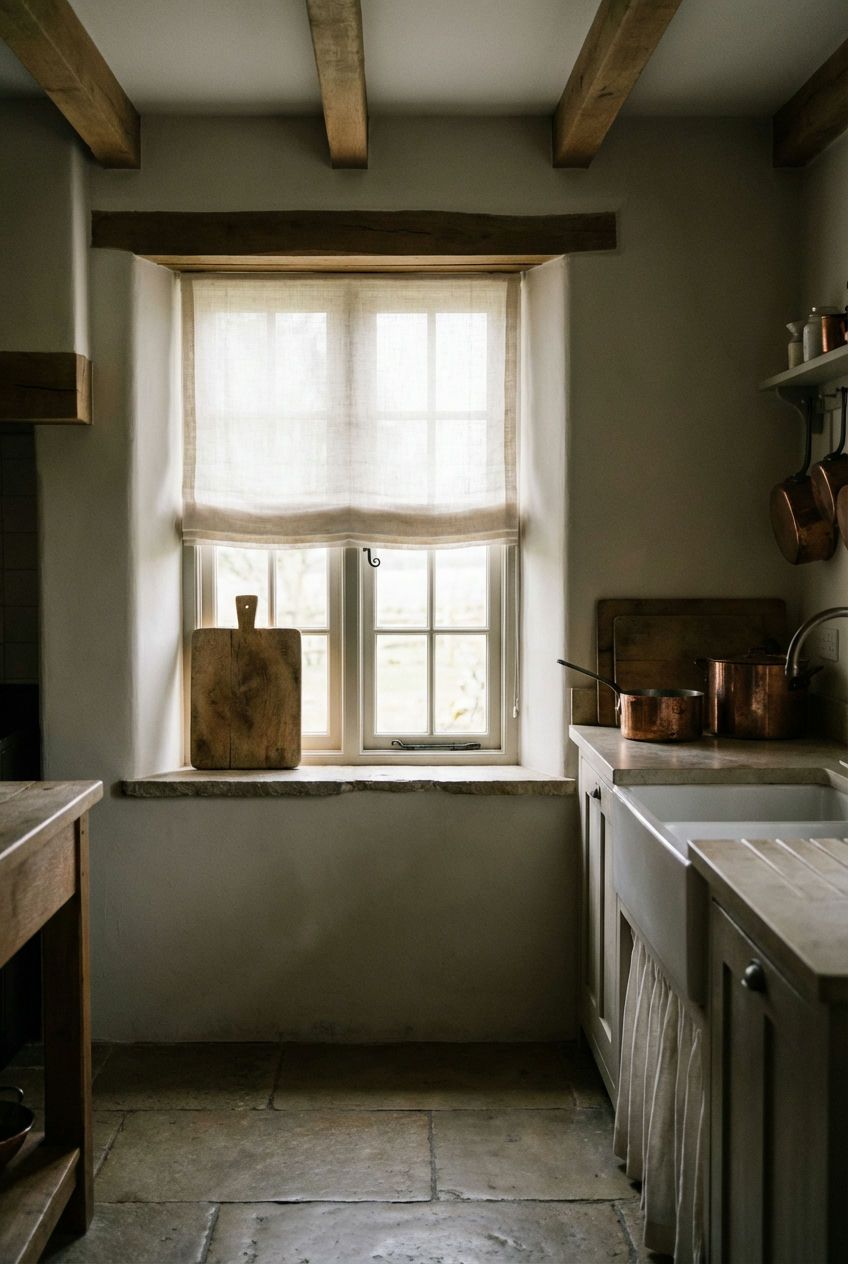
Textiles play a crucial role in softening the edges of a farmhouse kitchen, and in 2026, heritage-inspired fabrics bring a rich layer of texture and storytelling. Think linen dish towels with subtle embroidery, window treatments made from lightweight organic cotton, or chair cushions in classic gingham or ticking stripe patterns. These choices evoke a sense of nostalgia and comfort, adding to the lived-in, welcoming feel that defines authentic farmhouse style. They are small touches that make a big impact, connecting the space to a history of artisanal craftsmanship and home comforts. They add warmth and personality.
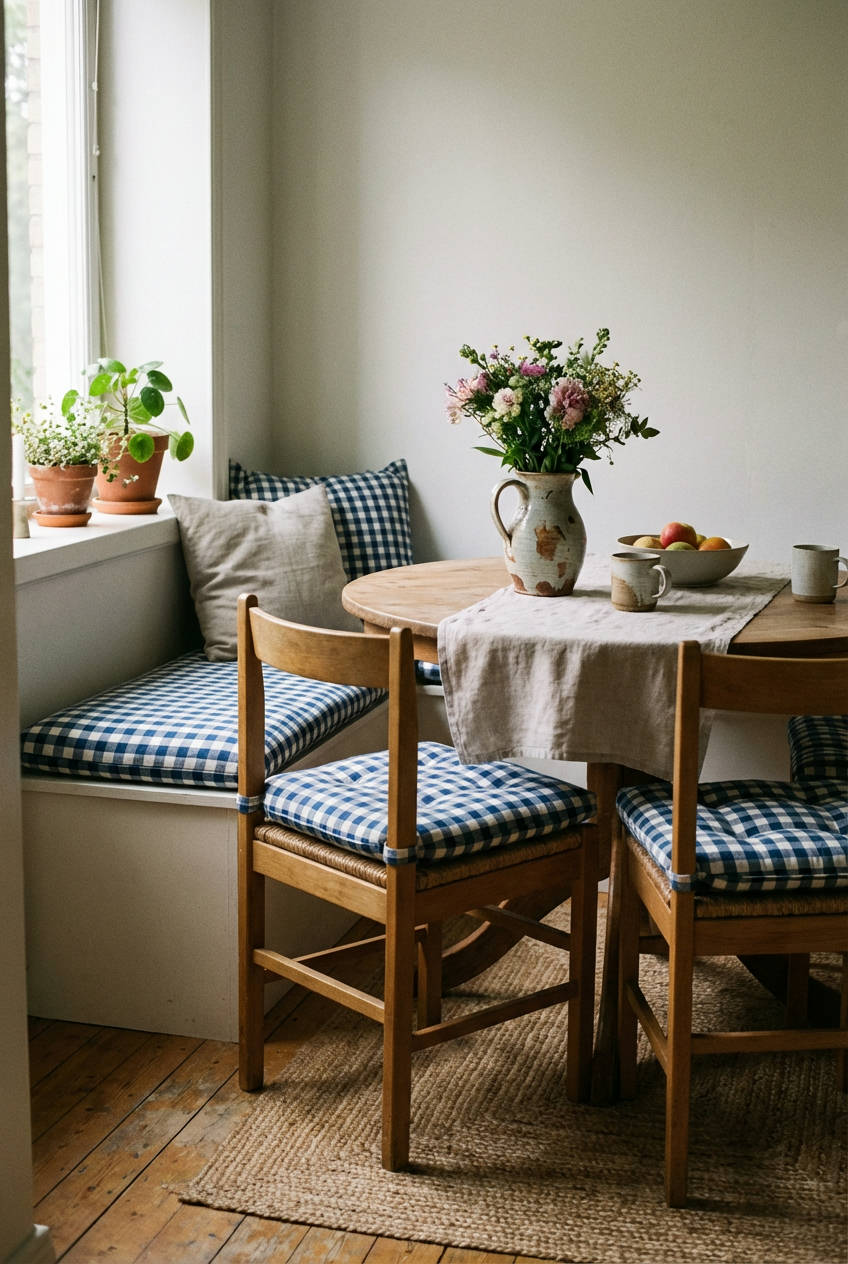
These heritage textiles often feature natural fibers that feel good to the touch and age gracefully, adding to the authentic charm of a farmhouse. They offer an easy way to introduce color and pattern without committing to permanent fixtures, allowing for seasonal refreshes or style updates. While selecting, consider durability and washability, especially for items exposed to cooking splatters. My own kitchen has linen tea towels that get better with every wash, truly embodying that hard-wearing, beautiful aesthetic of a working home.
15. Exposed Beams and Ceilings
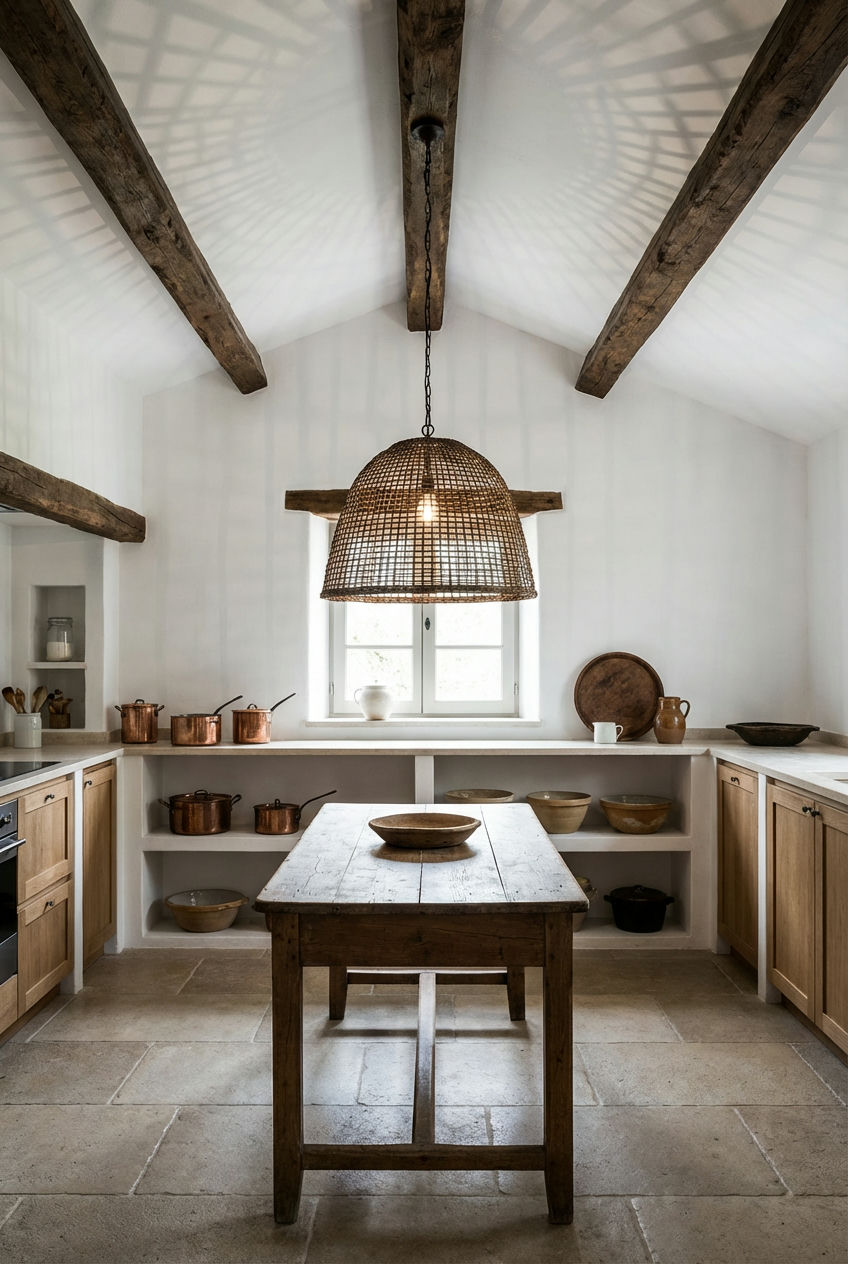
For a true architectural statement, exposed wooden beams and high ceilings are becoming a coveted feature in the farmhouse kitchen 2026. Whether original to an older home or newly installed for aesthetic effect, these elements add incredible character, height, and a rustic grandeur. Dark, distressed beams create striking contrast against lighter ceilings, while lighter, natural wood beams can enhance an airy, natural feel. They draw the eye upward, making the space feel larger and more open, connecting it to the historic structures that inspired the farmhouse style. They are natural focal points.
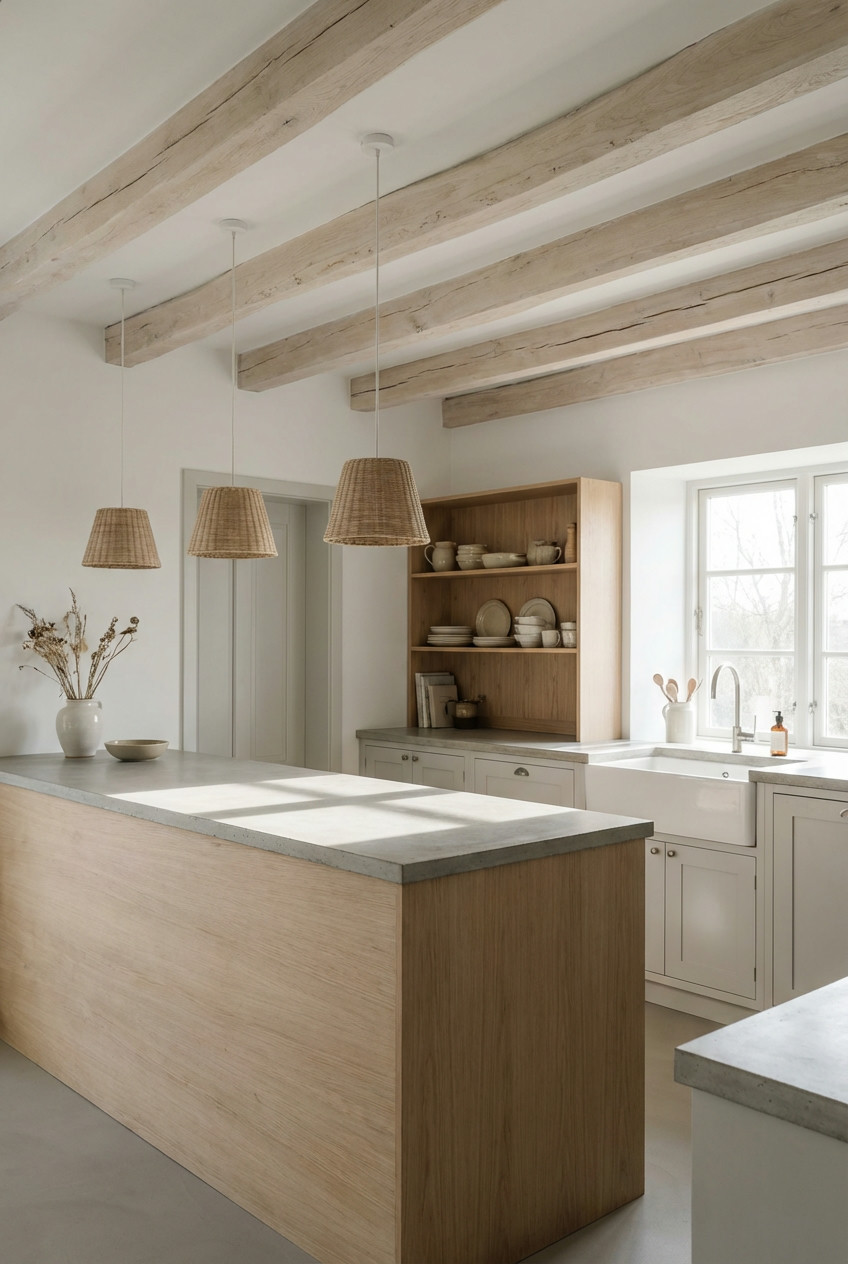
The visual impact of exposed beams in a farmhouse is undeniable, adding a layer of authenticity and a connection to traditional building methods. They provide opportunities for creative lighting solutions, such as stringing bistro lights or mounting discreet spotlights. For homeowners in the American regional context, particularly those with older homes or newly built custom houses in rural or suburban areas, exposed beams are a highly sought-after feature that instantly elevates a kitchen’s charm and value, recalling historical homesteads and agricultural architecture.
16. Walk-in Pantries
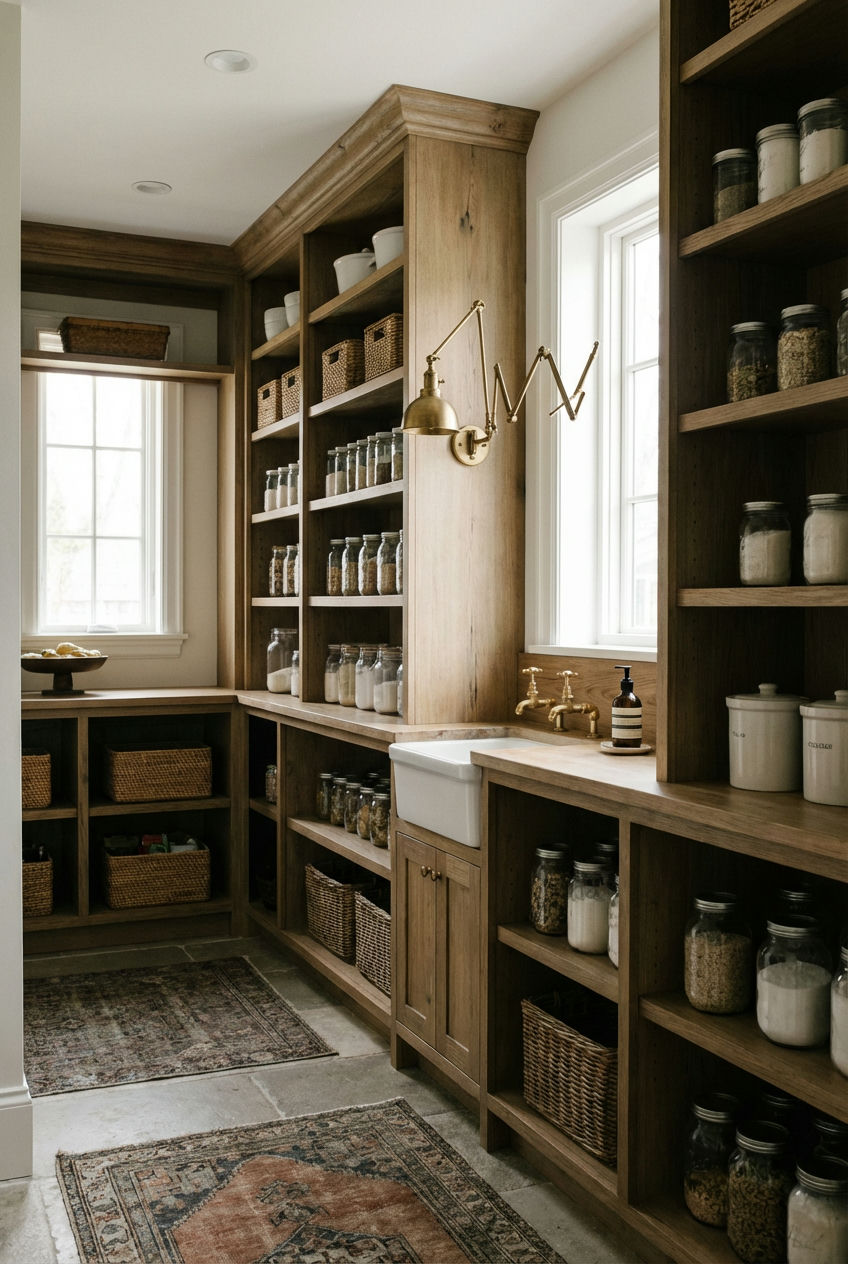
The resurgence of the dedicated walk-in pantry is a practical yet luxurious trend for the farmhouse kitchen 2026. These spaces offer far more than just shelving; they are often designed as mini-kitchens, complete with custom shelving, drawers, a prep sink, and even small appliance nooks. A walk-in pantry helps keep the main kitchen area pristine and uncluttered, stashing away bulk items, small appliances, and lesser-used dishware. It embodies the farmhouse value of self-sufficiency and orderly living, providing a functional extension of the main cooking space. It’s a dream for organization enthusiasts.
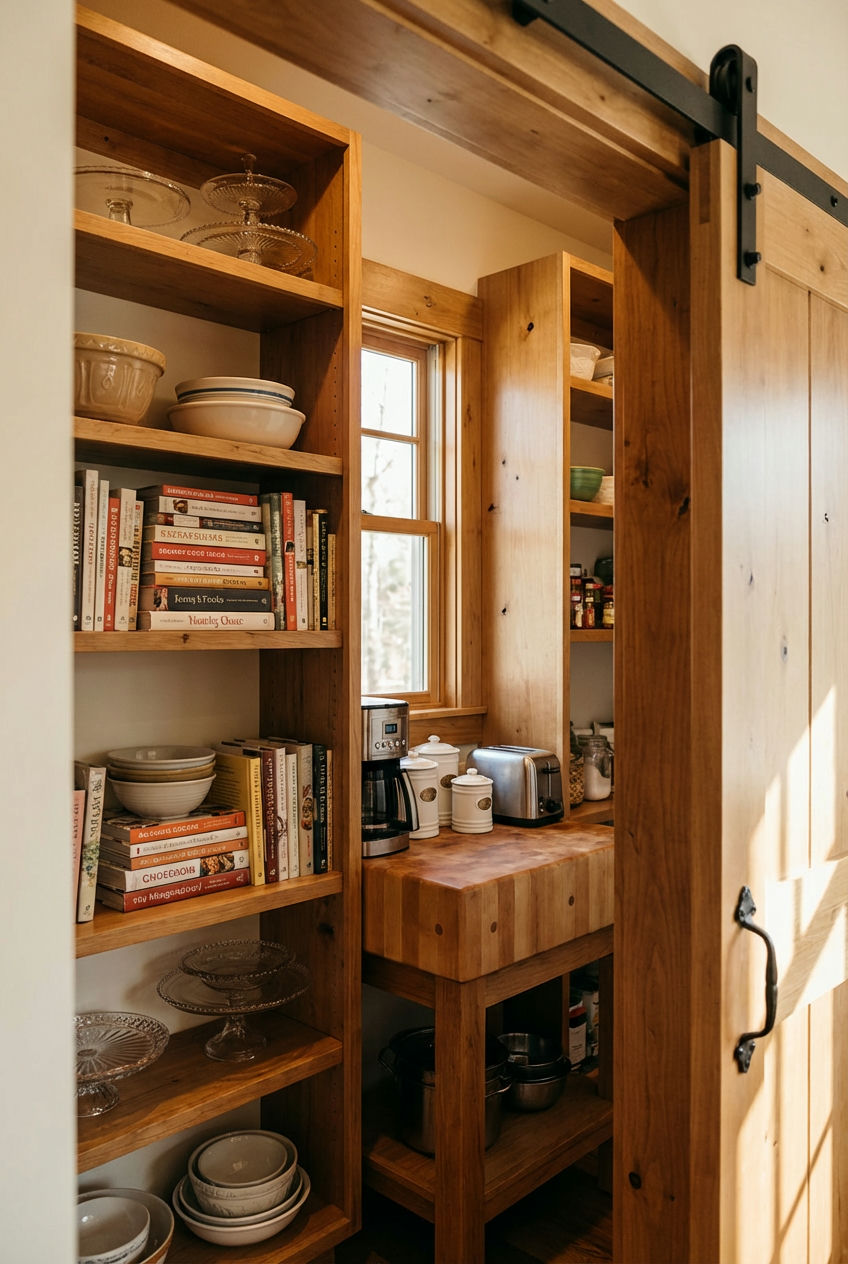
A well-designed walk-in pantry for your farmhouse isn’t just about storage; it’s about enhancing the overall functionality and flow of your home. It can serve as a buffer zone between the garage and the kitchen, and a secondary prep space when entertaining. For those who enjoy cooking and baking, it provides an invaluable dedicated area to store ingredients and tools, keeping the main kitchen visually serene. Expert-style commentary emphasizes thoughtful shelf spacing and lighting in walk-in pantries to maximize utility and make items easily visible and accessible.
17. Artful Displays of Cookware
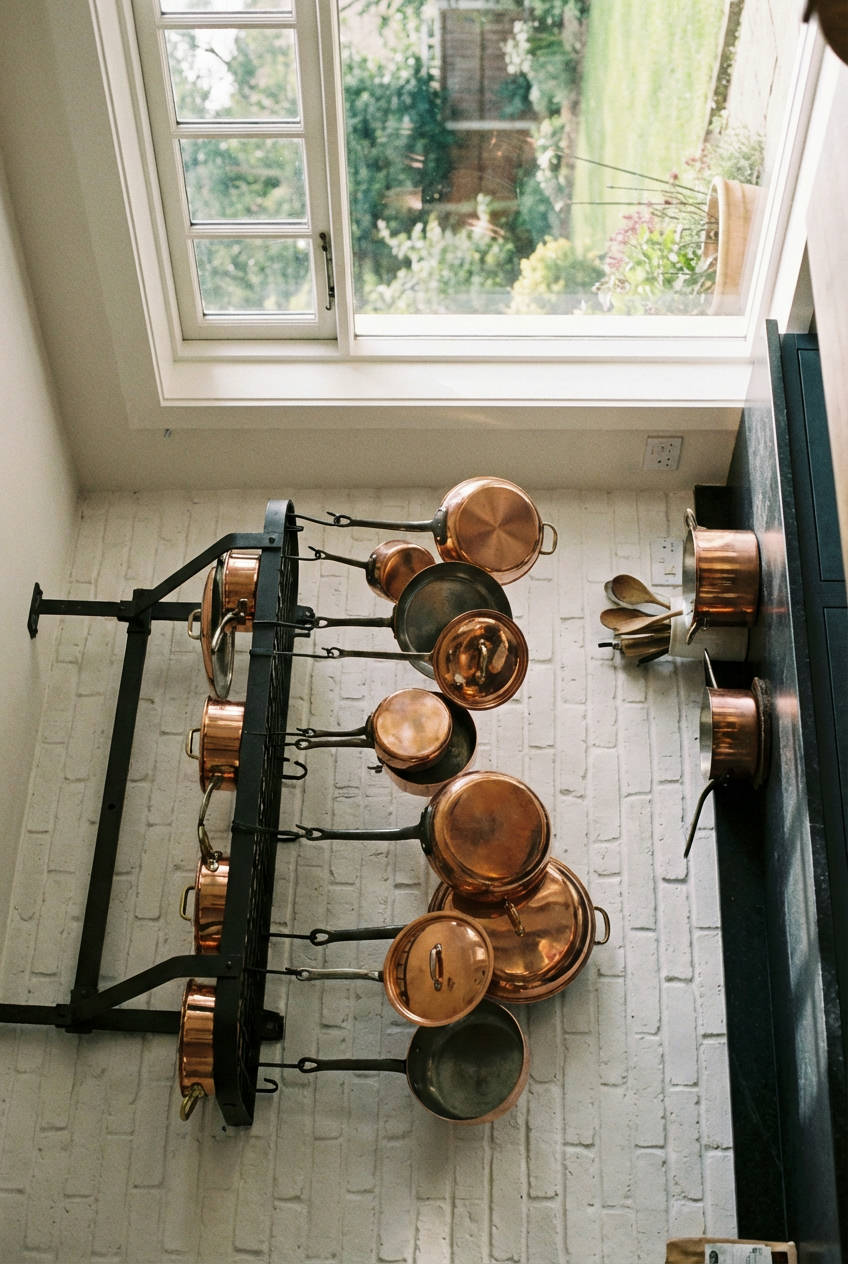
Rather than hiding beautiful pots and pans, the farmhouse kitchen in 2026 embraces artful displays of cookware. Cast iron skillets, copper pots, and ceramic bakeware become decorative elements, hung on pot racks, arranged on open shelving, or even leaning against a backsplash. This trend celebrates the tools of the trade, turning functional items into aesthetic statements. It also keeps frequently used items within easy reach, blending practicality with a charming, lived-in feel. It highlights a rustic authenticity, showing that the kitchen is truly a place for creation and sustenance.
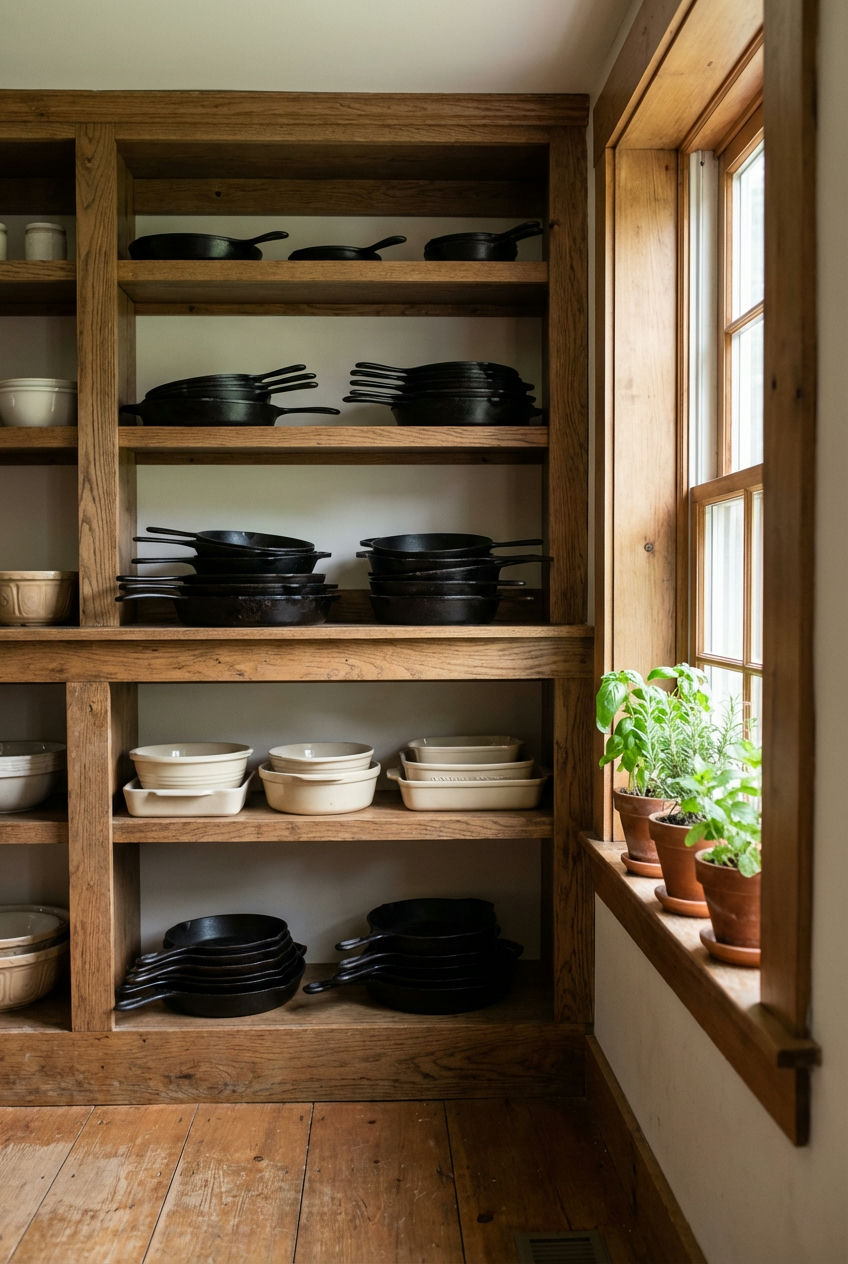
Displaying cookware is a straightforward way to add character and a professional chef’s touch to your farmhouse. It brings a dynamic element to the kitchen, reflecting actual use and passion for cooking. This approach also encourages you to invest in good quality cookware that is as beautiful as it is functional. A common mistake to avoid is overcrowding; ensure there’s enough space around each item for visual breathing room and easy retrieval. Less is often more when it comes to display, ensuring each piece can truly shine as a decorative object.
18. Vintage Art and Photography
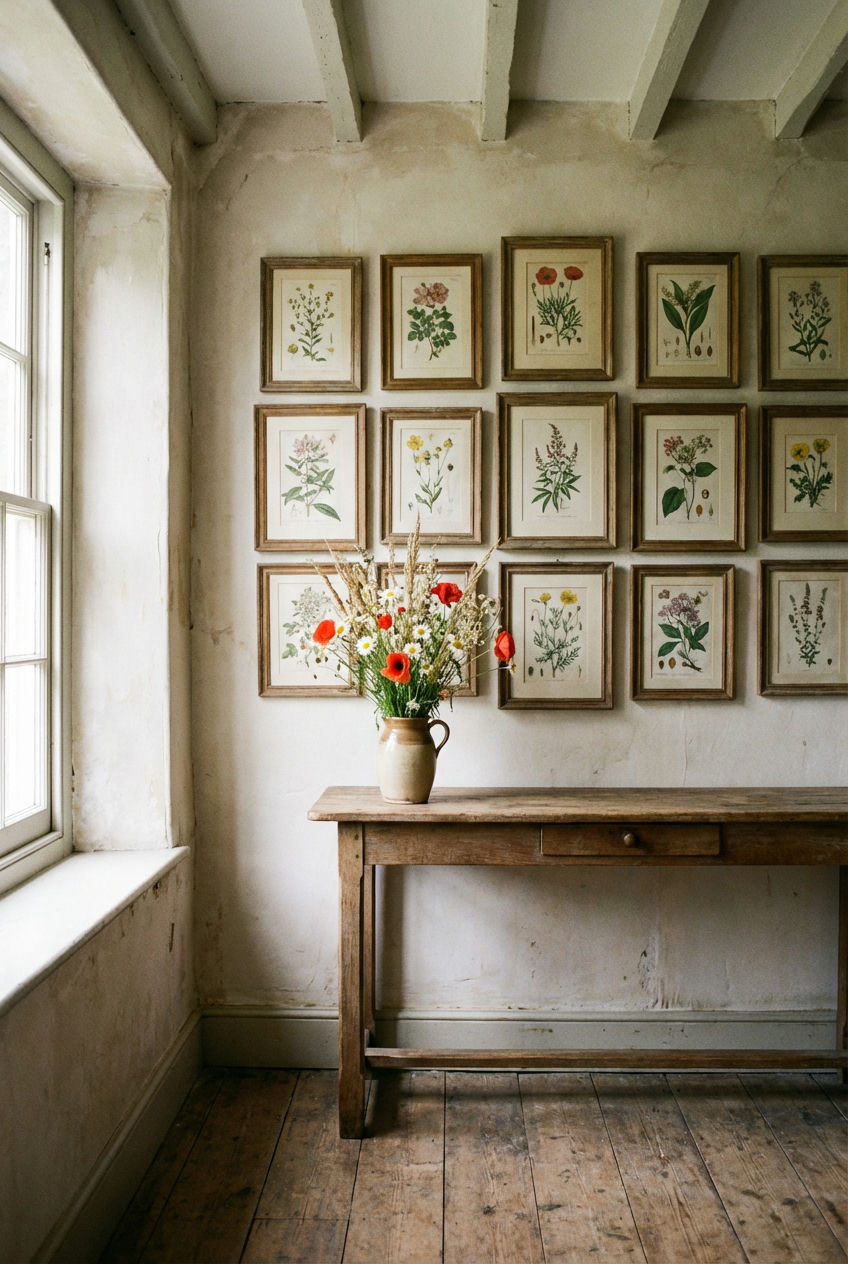
To infuse a farmhouse kitchen with personality and a sense of history, vintage art and photography are becoming increasingly popular. Collected pieces – from antique botanical prints and landscape oil paintings to black and white family photographs – can elevate the space beyond mere functionality. These elements add storytelling, a unique visual narrative that reflects the homeowners’ tastes and family heritage. Placed strategically on walls, propped on open shelves, or even leaned against a backsplash, they create an atmosphere that feels truly personal and layered. It turns the kitchen into a gallery of cherished memories.
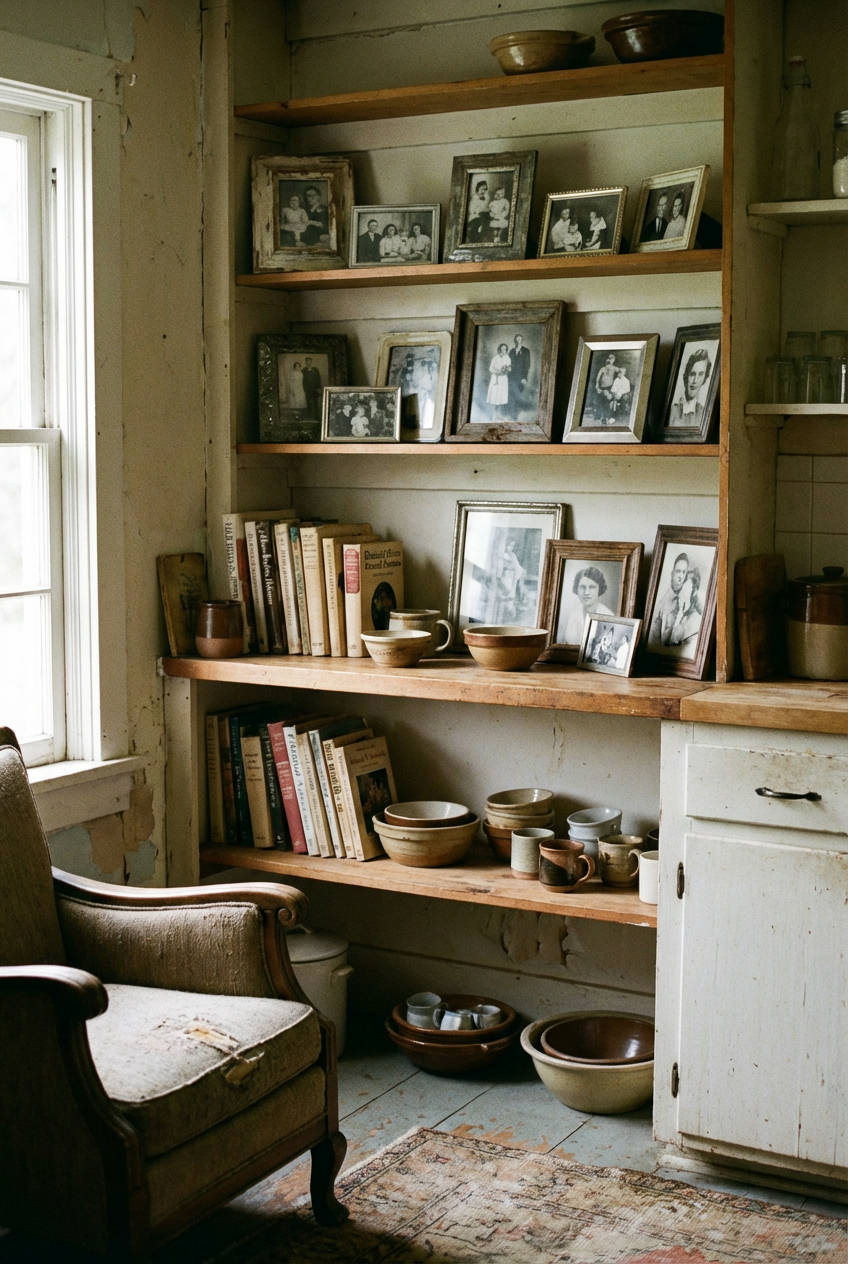
The beauty of incorporating vintage art and photography into a farmhouse is its ability to make the space feel both sophisticated and utterly welcoming. It’s an easy way to introduce color and visual interest without overwhelming the rustic aesthetic. This trend aligns perfectly with the desire for a soulful home, where every item tells a story and contributes to a rich tapestry of life. Real homeowner behavior often involves collecting these pieces over time, making the process of decorating a journey rather than just a one-time purchase, adding layers of authenticity and sentiment.
19. Wellness & Biophilic Elements
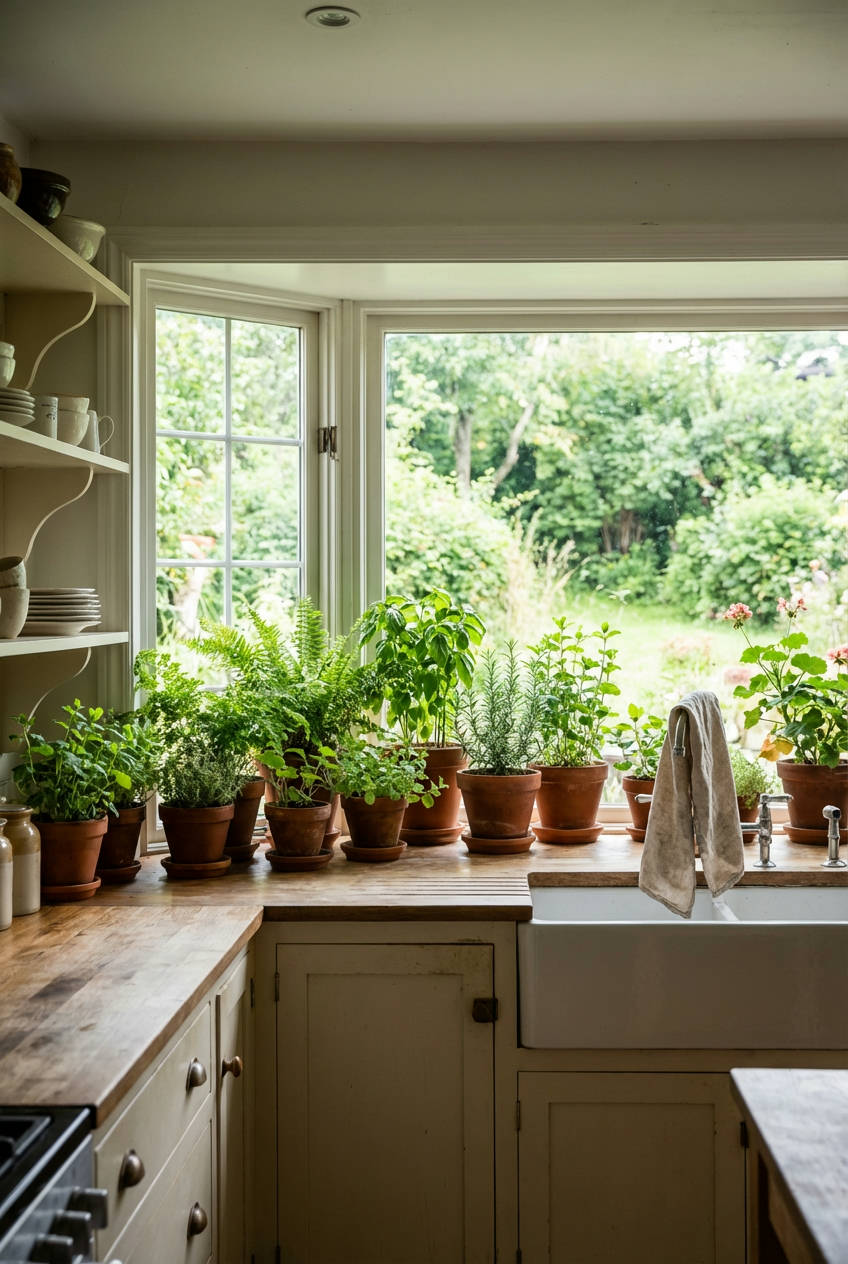
The farmhouse kitchen 2026 is increasingly focused on creating a space that nurtures well-being, incorporating biophilic design elements. This means bringing the outdoors in through abundance of natural light, potted herbs, hanging plants, and natural materials like wood and stone. Large windows and glass doors maximize views of the garden, while indoor greenery purifies the air and adds a vibrant touch of life. This trend emphasizes a connection to nature, promoting a calming and rejuvenating atmosphere where one can truly unwind. It’s about designing a space that feels good to be in, fostering health and tranquility.
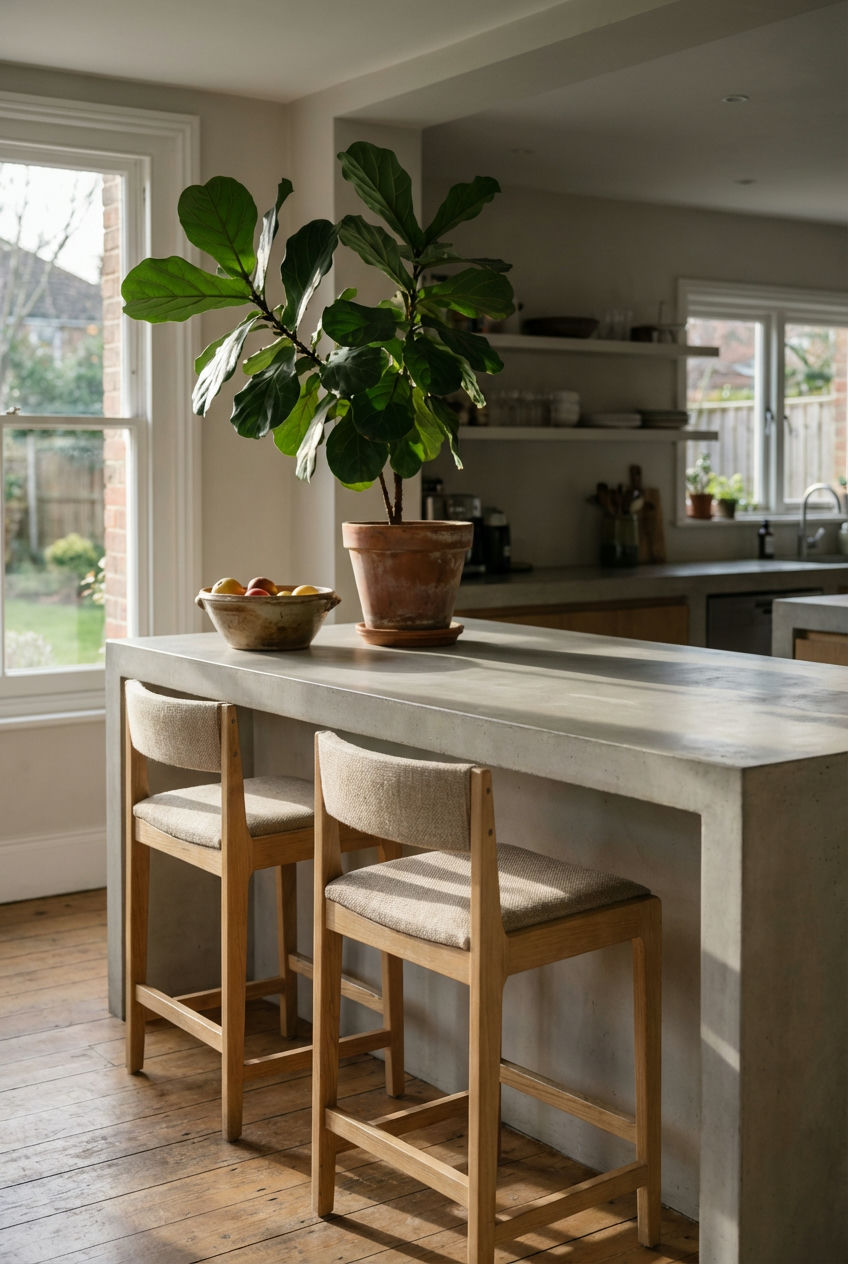
Incorporating wellness and biophilic elements into your farmhouse design is about creating more than just a beautiful room; it’s about crafting an environment that supports a healthier and happier lifestyle. From choosing non-toxic paints and finishes to ensuring excellent air circulation, the focus is on a holistic approach to kitchen design. This trend deeply resonates with the core values of farmhouse living—connection to nature, simplicity, and well-being. A practical insight is to choose low-maintenance plants suitable for kitchen environments if you’re not an experienced gardener, ensuring their longevity and continued visual appeal.
The farmhouse kitchen of 2026 is a harmonious blend of nostalgia and progress, holding dear to its rustic roots while embracing modern functionality and refined aesthetics. It’s a testament to timeless design, continually adapting to new needs and tastes without losing its inherent warmth and welcoming spirit. We hope these ideas have sparked your imagination for your own home. What elements are you most excited to incorporate? Share your thoughts and dream kitchen ideas in the comments below!