30 Jaw-Dropping Exterior Paint Color Ideas for Your House in 2026 That Will Turn Heads

Still scrolling through exterior paint colors for house 2026 photos without knowing where to start? Most of us have been there, saving countless images to Pinterest only to feel overwhelmed when it’s time to actually pick a shade. After filtering through hundreds of options across Sherwin Williams, Benjamin Moore, and PPG, we narrowed it down to 30 ideas that actually deliver, covering everything from classic farmhouse charm to sleek modern looks.
We curated these selections with the latest trends for 2026 in mind, focusing on enduring appeal and smart updates that will make your home truly shine. You’ll find a blend of fresh takes on traditional palettes and bold new directions shaping the year ahead. Go ahead and save this — you’re going to want to reference it.
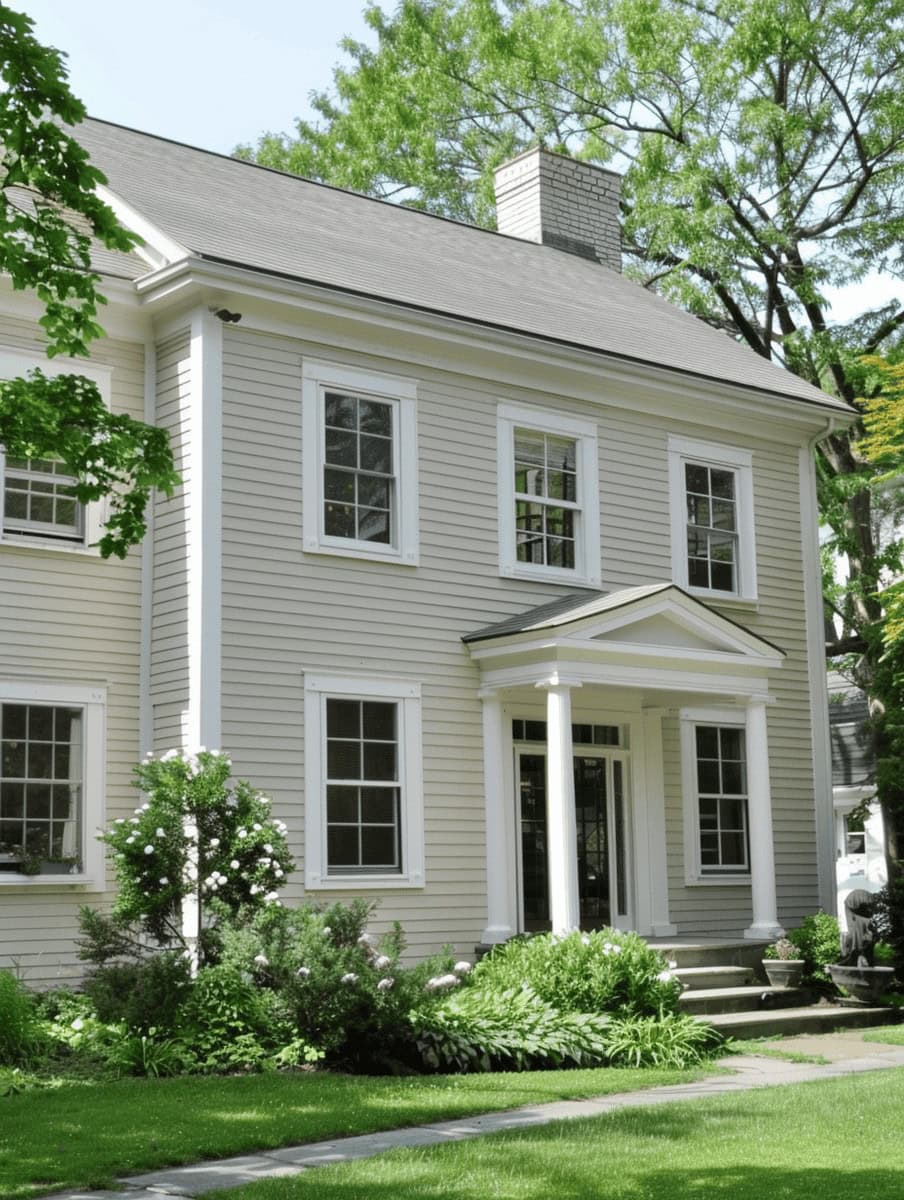
1. Relaxed Beige Wood Siding with Classic White Trim
This home effortlessly blends classic and serene with its light beige horizontal wooden siding, creating a warm, inviting base. The prominent white window trim and the elegant portico entrance with columns add a layer of sophistication, ensuring the facade feels both welcoming and well-defined. It’s a timeless pairing that always looks fresh. The light gray brick chimney provides just enough contrast without competing.
🧹 Maintenance Reality
White and beige combinations remain a go-to for many, but in 2026, we’re seeing more subtle shifts in tone. This gentle beige leans into warmer, organic neutrals that feel exceptionally grounded. It’s a natural evolution of the modern farm-house aesthetic, adding depth without shouting for attention, and it pairs beautifully with the resurgence of natural landscaping elements.
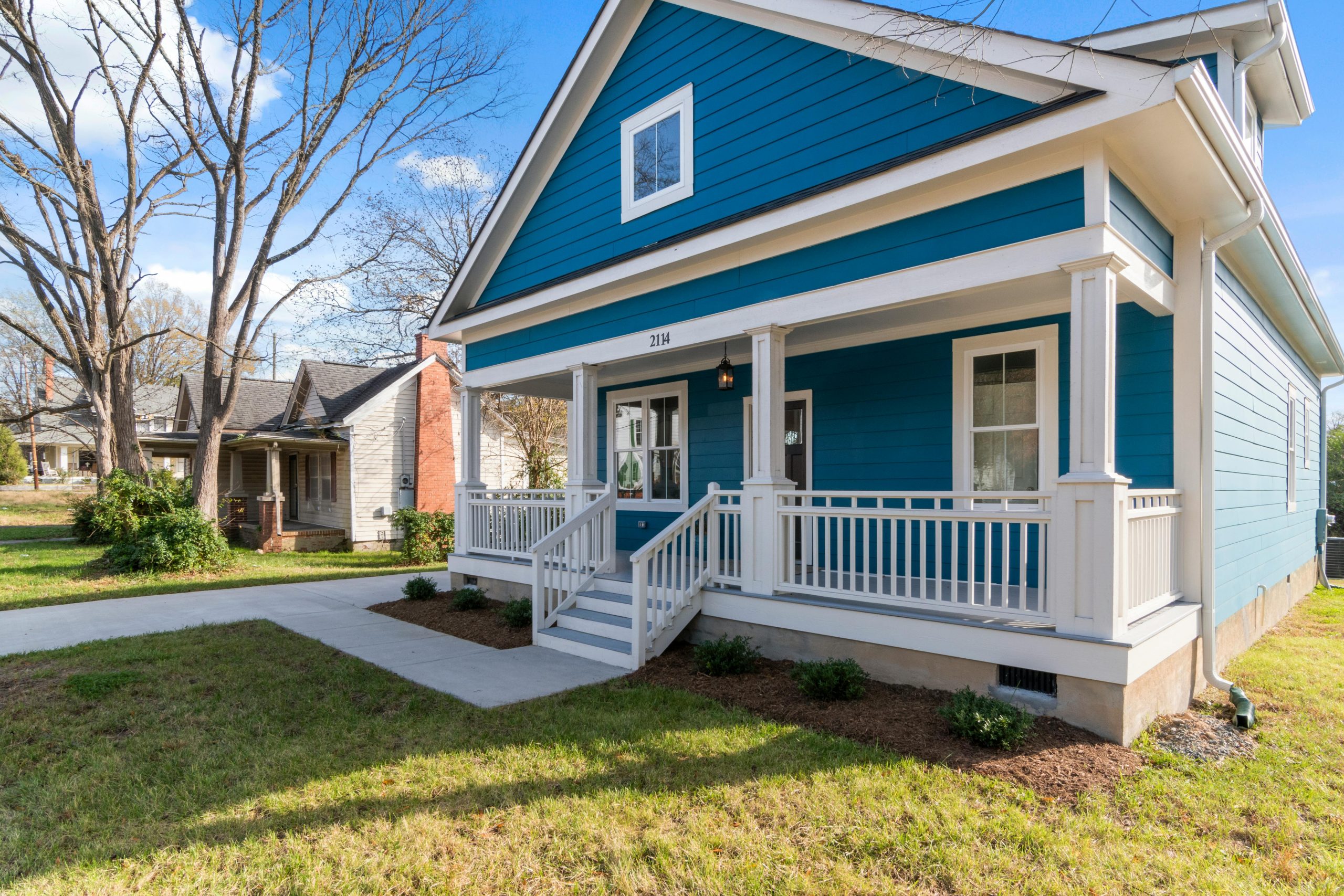
2. Bold Teal and Muted Blue Siding with Crisp White Accents
This vibrant exterior uses a smart color strategy: 70% bold teal on the main gabled section for a strong statement, softened by 30% lighter, muted blue on the side. The white trim around windows and on the porch railings provides essential crispness, acting as the perfect accent to both blue tones. It’s a formula that delivers a bright, welcoming vibe that’s also grounded by the dark grey steps.
📐 Style Math
While this vibrant teal is eye-catching, consider how it harmonizes with your home’s architectural style. Such a distinct color can feel overwhelming on a very large or overly ornate structure. And do think about your landscaping palette—some flower colors might clash rather than complement this bold blue. Make sure you truly love it before committing!
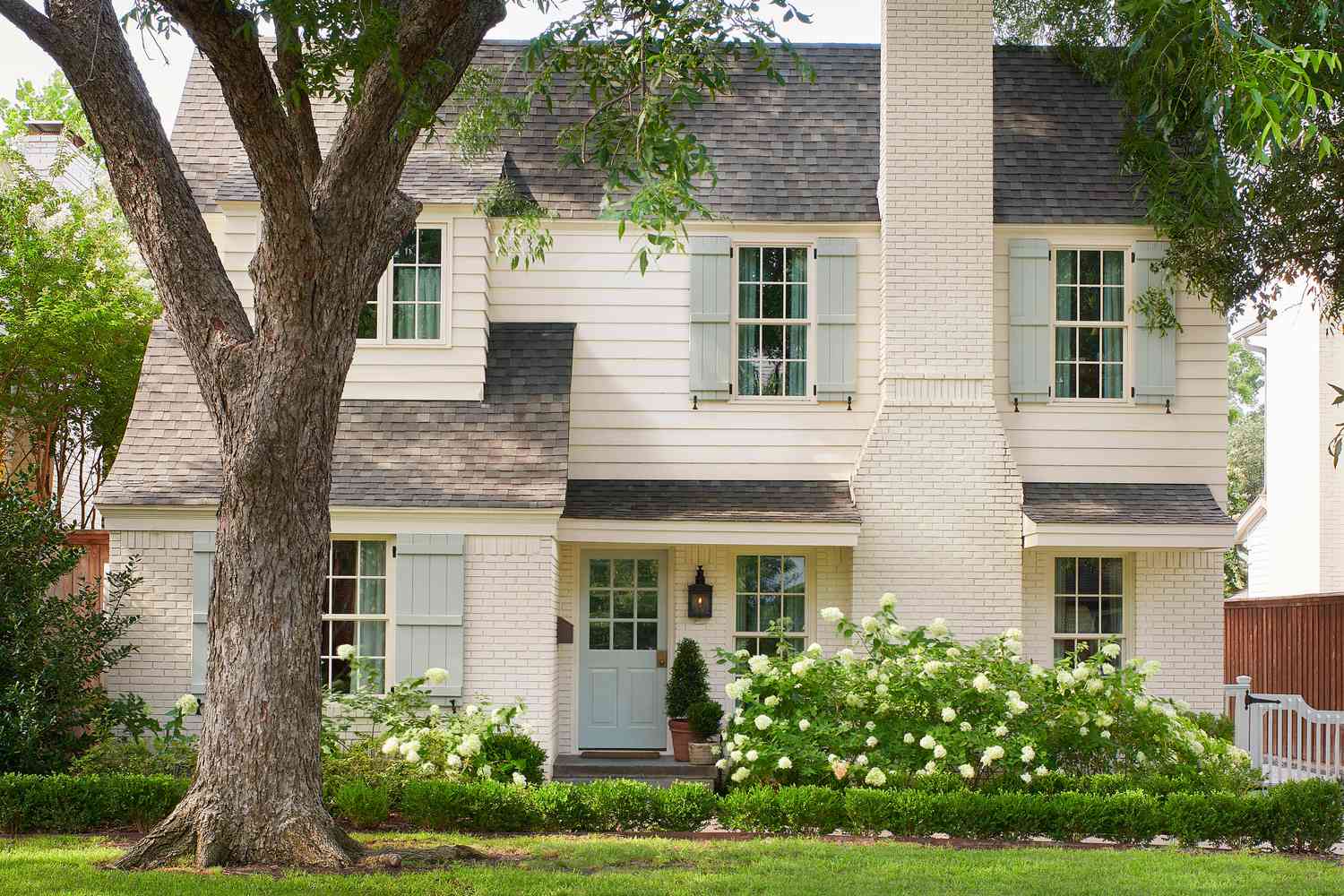
3. Cream-White Painted Brick with Pastel Blue-Grey Shutters
Want this fresh, inviting look without the full re-paint budget? Start with a clean white or off-white base. Instead of painted brick, consider white shiplap or vinyl siding. For the pastel blue-grey shutters and coordinating front door, explore ready-made options from your local hardware store or even Facebook Marketplace to find affordable pre-owned sets. A budget-friendly version of this chic look could come in around $800-$1,500 using these methods.
📏 Scale Guide
This combination of cream-white brick and pastel blue-grey shutters is incredibly versatile. It works wonderfully on homes with a traditional footprint, whether it’s a cozy bungalow or a more expansive two-story. The light palette makes it suitable for both smaller homes, making them appear larger, and grander structures where it maintains a sense of classic elegance. This palette feels right at home in most suburban and rural settings.
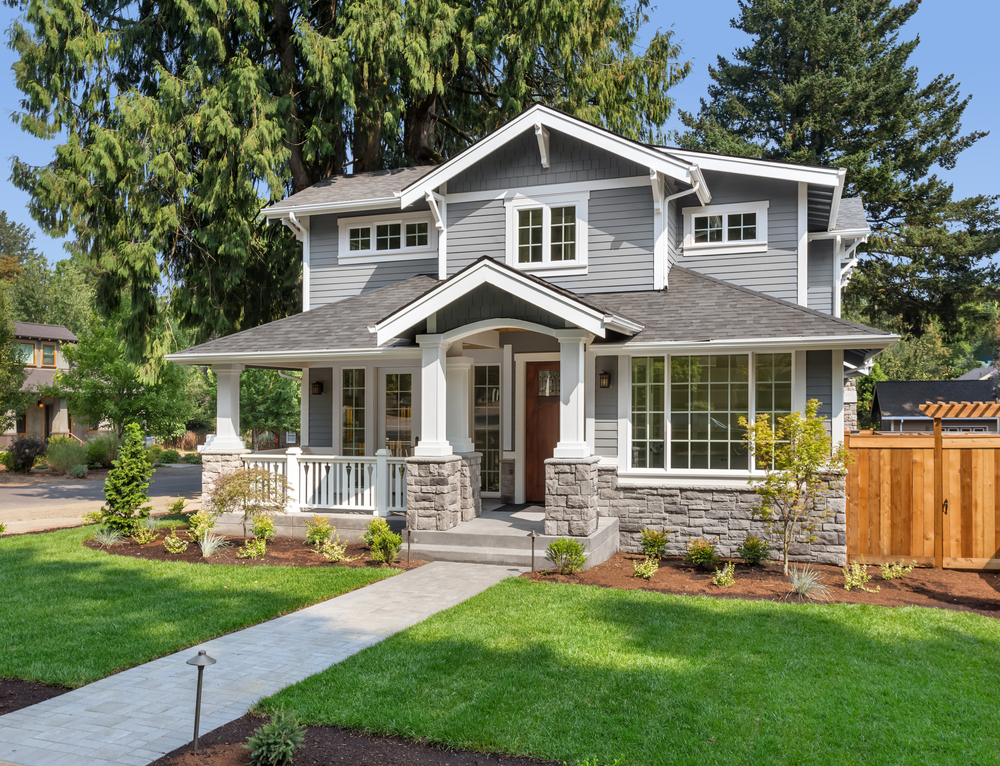
4. Gray Siding and Stone Base with Warm Wood Door
The single most impactful element here is the earthy stacked stone cladding on the lower half of the house and porch pillars. It provides a foundational weight and texture that grounds the lighter gray siding, preventing the overall palette from feeling flat. Without that stone, the house would lose its stately, classic appeal and appear far less custom.
🔥 Trending Context
While stacked stone offers incredible curb appeal, it does require some upkeep. Every few years, you’ll want to power wash it to remove dirt, mold, and mildew that can accumulate in its crevices, especially in damp climates. Consider sealing it to prevent moisture penetration and efflorescence (white powdery residue), which adds a small annual cost but keeps it looking fresh. If you live in an especially wet area, consider a darker mortar to hide stains.
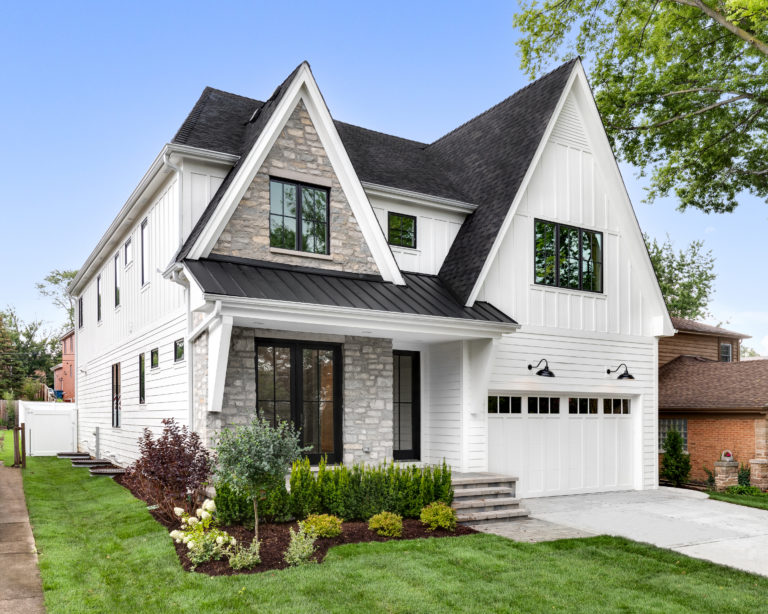
5. Modern Farmhouse with Crisp White Siding and Black Accents
When combining vertical and horizontal siding, don’t be afraid to use both on the same facade, even on a single plane! The trick, as seen here, is to use them to break up expansive wall sections, adding architectural interest and visual depth. This is particularly effective with white siding, where the texture provides subtle shadow play without color changes. A great rule of thumb: use vertical board and batten for gables or accent areas, and horizontal lap siding for the main body.
💰 Budget Breakdown
If you’re looking to replicate the high-contrast window frames and metal roof look of this modern farmhouse, here’s a brief breakdown on painting out your window trim black:
- Clean frames thoroughly and tape off glass and surrounding areas. (30 min)
- Lightly sand any gloss for adhesion. (15 min)
- Apply one coat of exterior primer. (1 hour dry)
- Apply two thin coats of exterior semi-gloss or satin black paint. (2-3 hours dry time between coats)
- Remove tape carefully before the final coat is completely cured. (5 min)
Material Cost: ~$50-$100 per window.
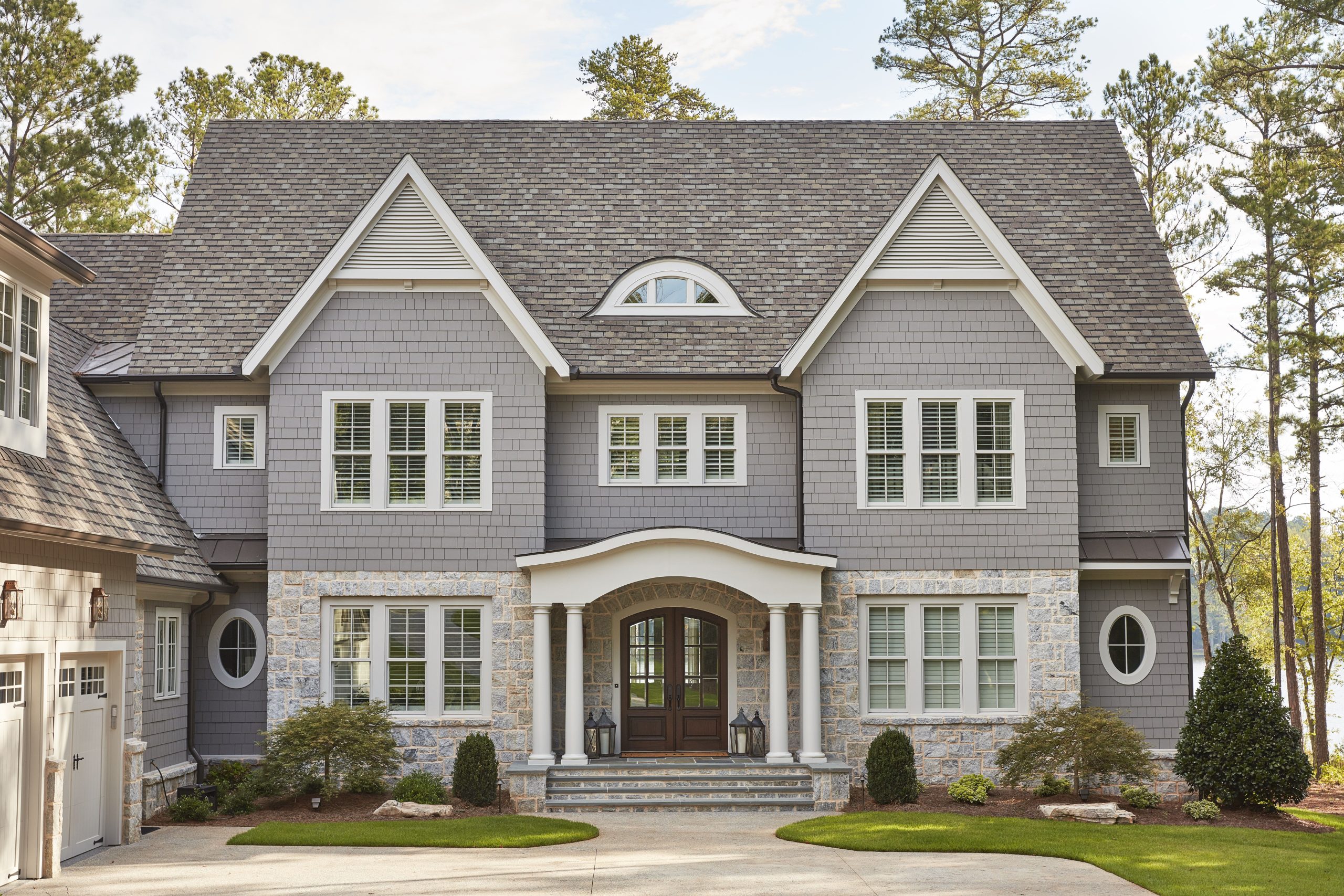
6. Elegant Gray Shingle & Stone Exterior with Dark Brown Roof
What makes this home truly work is the sophisticated layering of textures and complementary tones. The gray shingle siding provides a subtle, natural texture that contrasts beautifully with the smoother, lighter gray stone cladding. White trim then acts as a crisp separator, while the dark wood double door adds a touch of warmth and luxury. The dark brown roof pulls the whole palette together, creating a look that’s stately and harmonious without being stark. Compare this with Idea #27 for a similar shingle style with a different roof color.
🎯 What Makes It Work
- Consider your climate: Darker roofs absorb more heat, which can be a factor in very warm regions.
- Check HOA guidelines: Some communities restrict roof and siding colors.
- Get samples: Paint swatches are essential, but for shingles and stone, get actual samples to see how light hits them.
- Think about existing landscaping: Does your current garden complement these muted gray and brown tones?
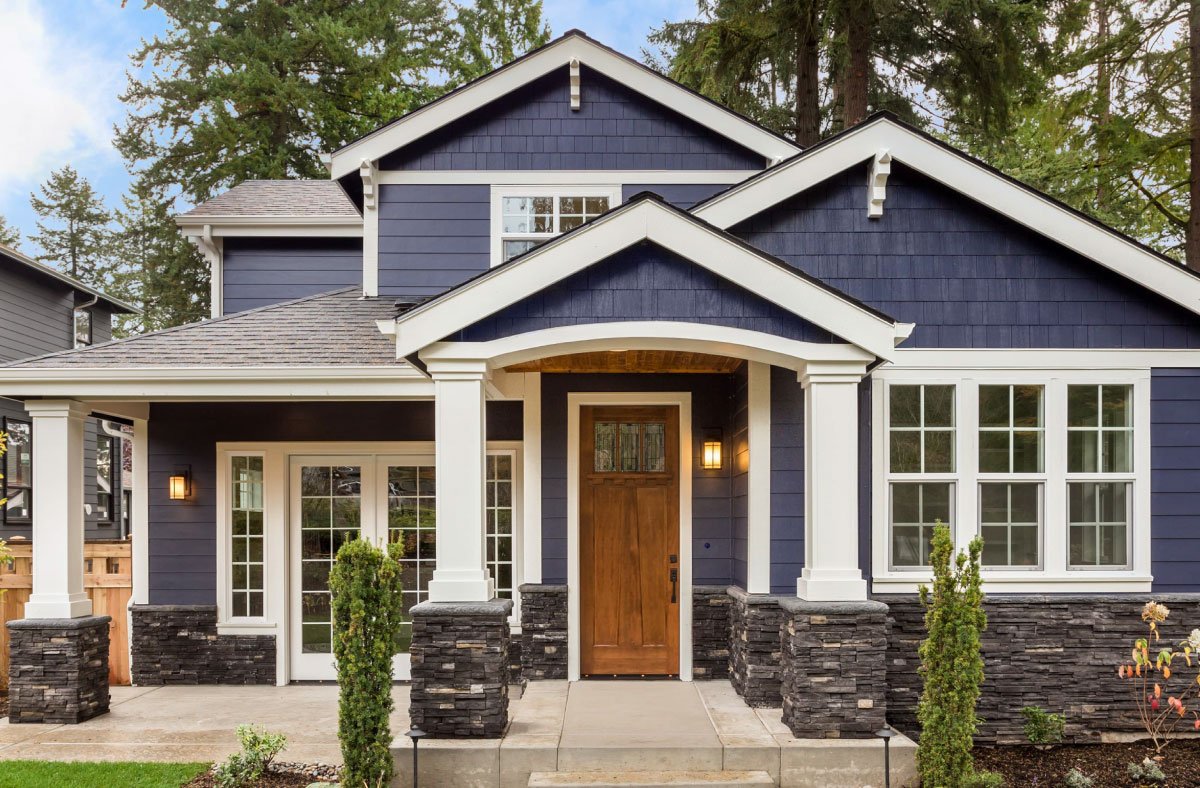
7. Stately Dark Blue Siding with White Trim & Stone Accents
This bold dark blue, mixed with white trim and dark gray stacked stone, really shines on homes with a more substantial, traditional architectural presence. Think classic two-story homes, Georgians, or Colonial Revivals. The darker color adds gravitas and depth, which can sometimes feel overwhelming on smaller bungalows or very contemporary designs. This scale helps carry the richness of the blue. Compare this with Idea #22 for a similar blue tone on a more ornate Victorian style.
⭐ The One Thing
Darker, saturated blues for home exteriors are experiencing a significant resurgence. They offer a sophisticated alternative to traditional grays and creams, providing a pop of color that still feels timeless and grounded. This trend is driven by a desire for more personality in home design, moving away from all-white exteriors while retaining classic elegance. It’s a color that evokes stability and calm, making it a popular choice for families.
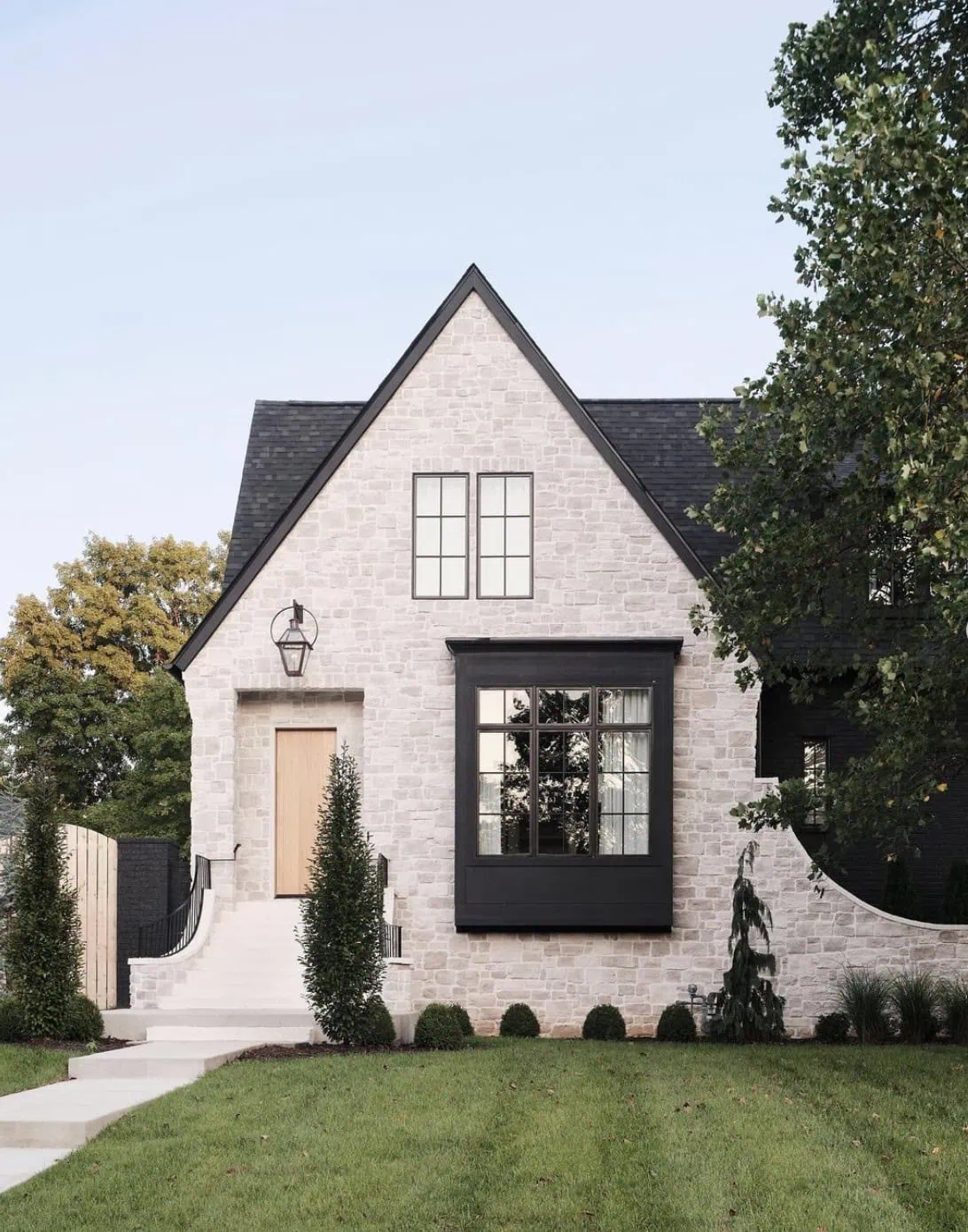
8. Chic Black & White Modern Exterior with Stone and Wood
The light wood front door is undeniably the one thing that truly makes this modern black and white exterior sing. Without its organic warmth, the facade, with its light-colored stone and crisp black frames, could feel a bit too cool or stark. That golden-toned wood serves as a vital focal point, injecting natural softness and an inviting welcome, balancing the modern contrast.
⚠️ Real Talk
This design masterfully uses a 60-30-10 rule: roughly 60% light-colored stone (your neutral base), 30% black (the strong accent in windows and roof), and 10% natural wood (the warm, inviting highlight of the front door). You could easily swap the stone for white stucco or light gray siding, and use a dark green or charcoal for the accent instead of black. The natural wood door could even be substituted with a vibrant jade or a deep red for a similar pop of focused warmth.
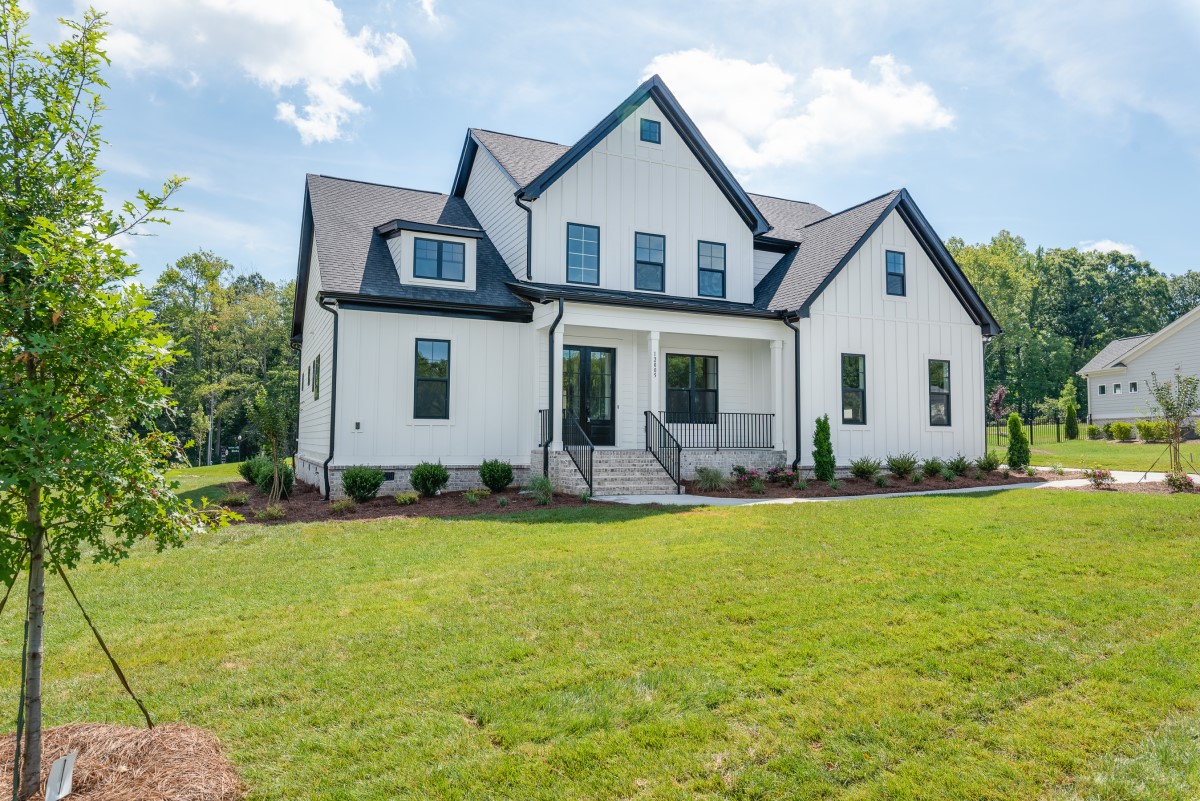
9. White Modern Farmhouse with Bold Black Trim and Railings
- Main Siding (White Board & Batten/Lap): $8,000 – $15,000
- Black Framed Windows (New/Replacement): $5,000 – $12,000
- Roof (Dark Shingles): $6,000 – $10,000
- Black Metal Railings & White Columns: $1,500 – $4,000
- Foundation (Light Brick): $1,000 – $3,000
- Total: $21,500 – $44,000
✅ Before You Start
Budget Alternative: For 40-60% less, consider painting existing siding white, painting window frames black if suitable, and using DIY-friendly black aluminum railings from big box stores.
While the white modern farmhouse look is gorgeous, keeping those black accents pristine can be a bit of a commitment. Black metal railings and window frames show dust, pollen, and hard water spots much more readily than lighter colors, especially in certain climates. Be prepared for regular cleaning to maintain that crisp contrast, particularly if you have a lot of trees or live in a dusty area. Also, ensure your black paint is high-quality exterior grade to resist fading.
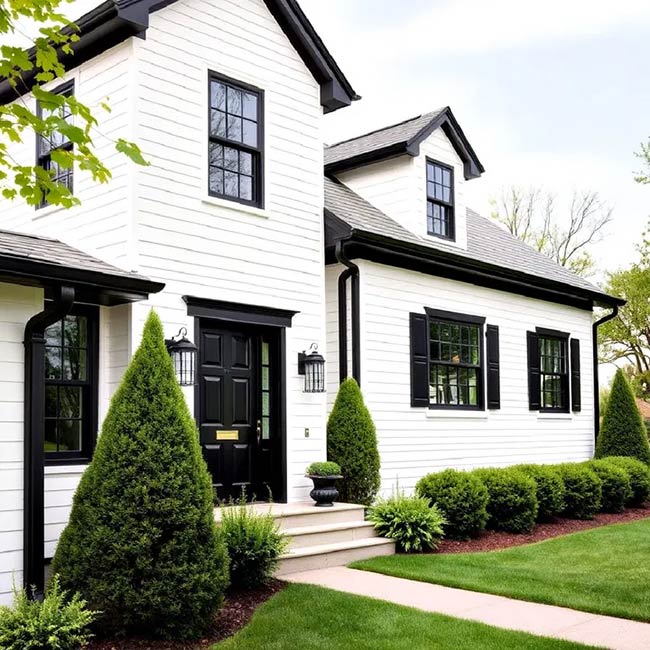
10. White Siding with Striking Black Trim and Shutters
The key to making a stark black and white exterior feel sophisticated rather than severe is in the proportion of the black elements. Notice how the trim is substantial enough to define, but not so thick it overwhelms the white. The shutters are perfectly sized for the windows, giving them purpose. Don’t just add black trim; use it to frame and highlight your home’s best features, like windows and entryways, making sure its scale feels deliberate for your home’s architecture.
💸 Get This Look For Less
This design works because it leverages high contrast in a balanced way. The crisp white provides a clean, bright backdrop, while the black trim and shutters offer strong visual anchors, creating a sense of order and classic elegance. The repetition of black elements, from window frames to the front door and sconces, creates a cohesive and intentional look that guides the eye around the facade, making it feel polished and complete.
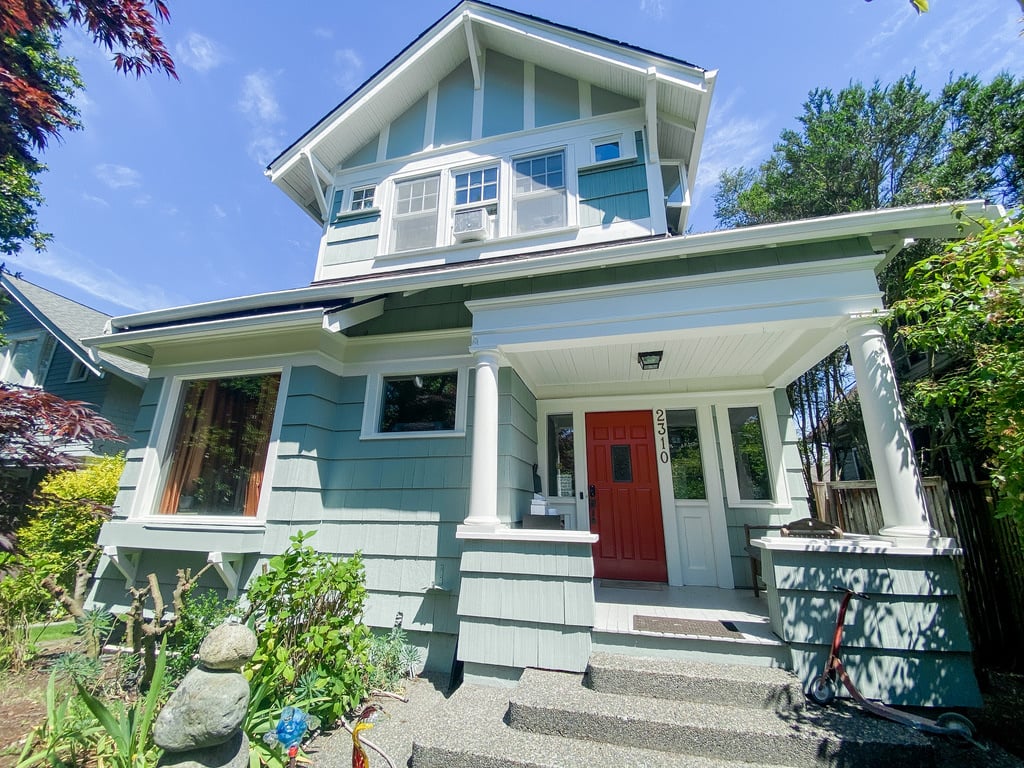
11. Lively Sage Green and Teal Shingles with Bold Red Door
The single most impactful element here is that unexpected, vibrant red front door. Against the backdrop of the sage green and teal shingles and crisp white trim, it injects an immediate burst of personality and warmth, drawing the eye directly to the entrance. Without that bold splash of red, the overall composition would lose its playful energy and welcoming charm, becoming simply pretty rather than truly memorable.
💡 Designer Tip
In 2026, we’re seeing a push towards more personalized and expressive exteriors, and this combination of saturated yet earthy tones with a vibrant accent absolutely nails it. The sage green and teal tap into the biophilic design trend, connecting with nature, while the red door provides a dose of joyful maximalism. It’s a statement that shows confidence and a willingness to move beyond strictly neutral palettes.
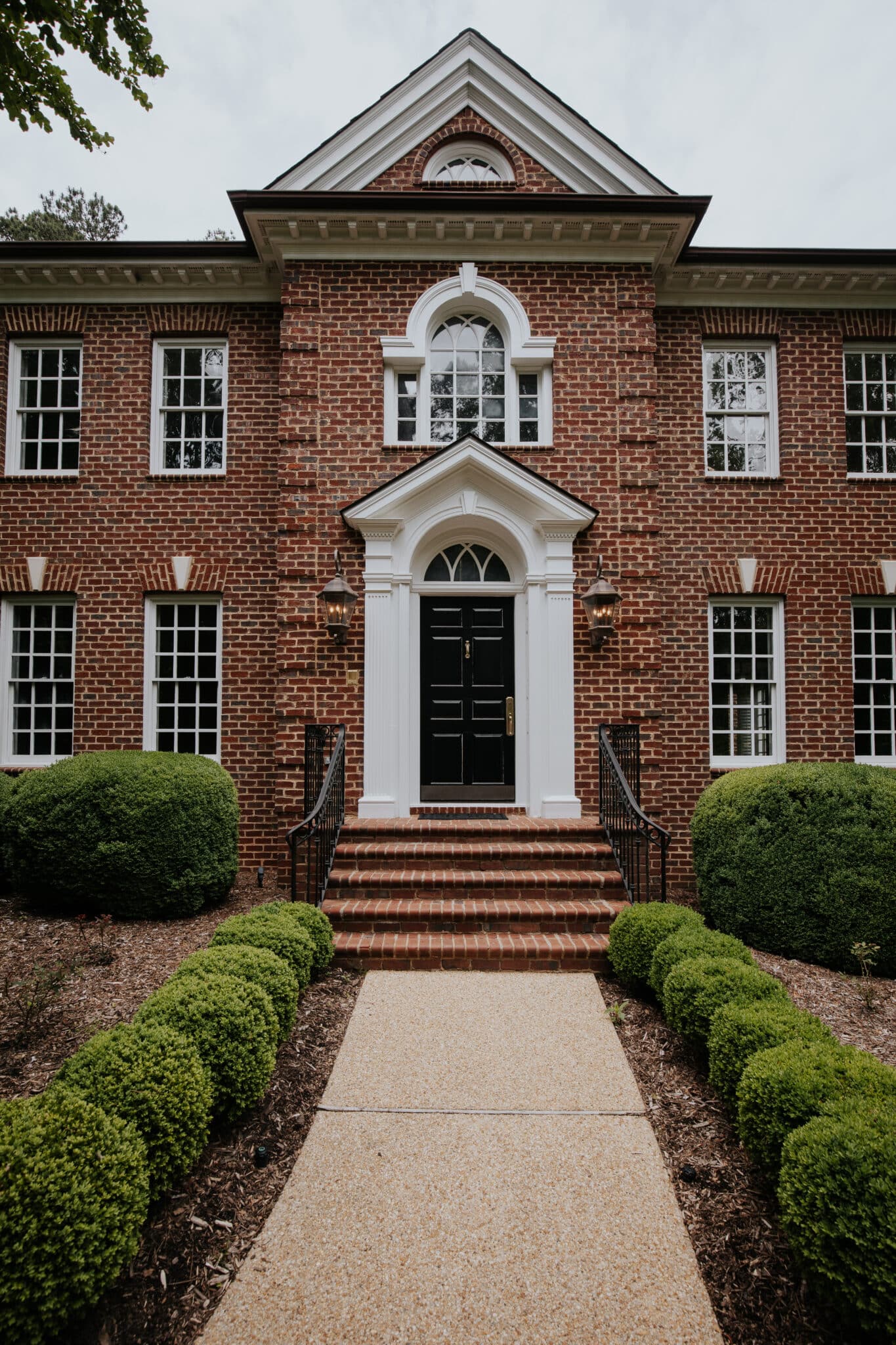
12. Timeless Red Brick Georgian Home with White Trim
- Exterior Brick Cleaning (Professional): $500 – $1,500
- Window Trim Repaint (High-gloss white): $1,000 – $3,000
- Black Front Door Restoration/Repaint: $200 – $600
- Landscaping Refresh (Bushes & Mulch): $300 – $800
- Walkway Power Wash/Seal: $150 – $400
- Total: $2,150 – $6,300
🔧 How-To Brief
Budget Alternative: For 40-60% less, focus on DIY power washing, touch-up painting with existing trim color, and planting smaller, less expensive shrubs for landscaping.
Red brick is one of the most durable and low-maintenance exterior materials out there, but even it benefits from occasional care. The main upkeep here will be power washing the brick periodically to remove accumulated dirt and mildew, especially on shaded sides. White trim, however, will show dirt and require more frequent cleaning or touch-up painting to maintain its crispness. The black door is generally forgiving but may need waxing to protect its finish.
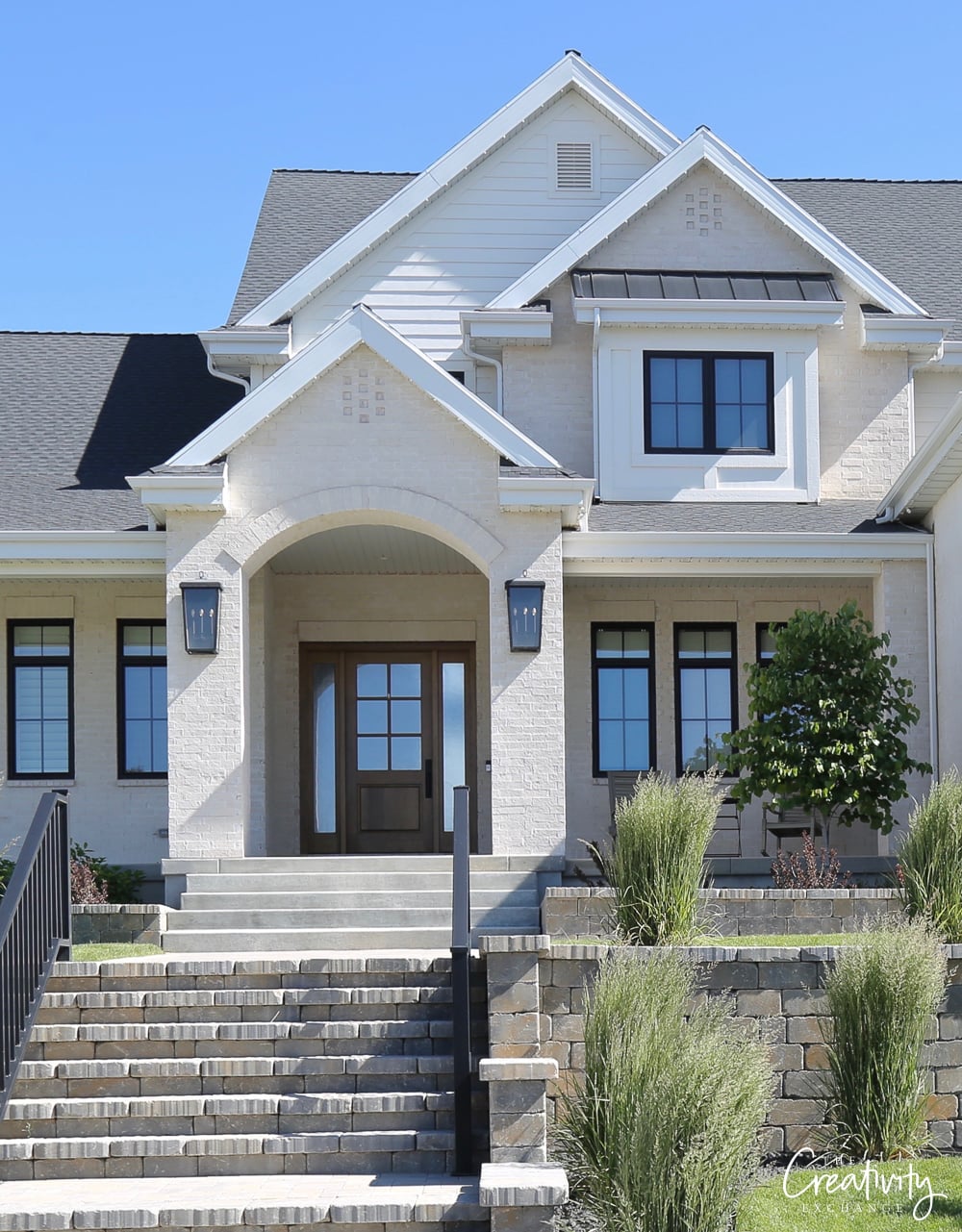
13. Modern White Brick House with Dark Brown Door
This classic yet modern facade follows a beautiful 70-20-10 style math: 70% off-white painted brick (the expansive, clean base), 20% dark gray/black (windows, roof, metal accents acting as crisp contrast), and 10% dark brown wood (the warm, inviting focal point of the front door). You could easily swap the white brick for a light stucco or a pale gray siding, and use a deep charcoal or navy for the contrasting elements. A vibrant colored door, like a deep emerald, could also take the place of the dark wood brown for a pop of personalized flair.
🧹 Maintenance Reality
Painting brick, while transformative, is a significant decision. Once painted, it requires more upkeep than unpainted brick. While new breathable masonry paints last longer, budget for periodic cleaning and touch-ups on scuffs or chips, especially in high-traffic or exposed areas. If done poorly, trapped moisture behind the paint can also cause issues. Make sure your brick is in good condition first and use a highly experienced painter.
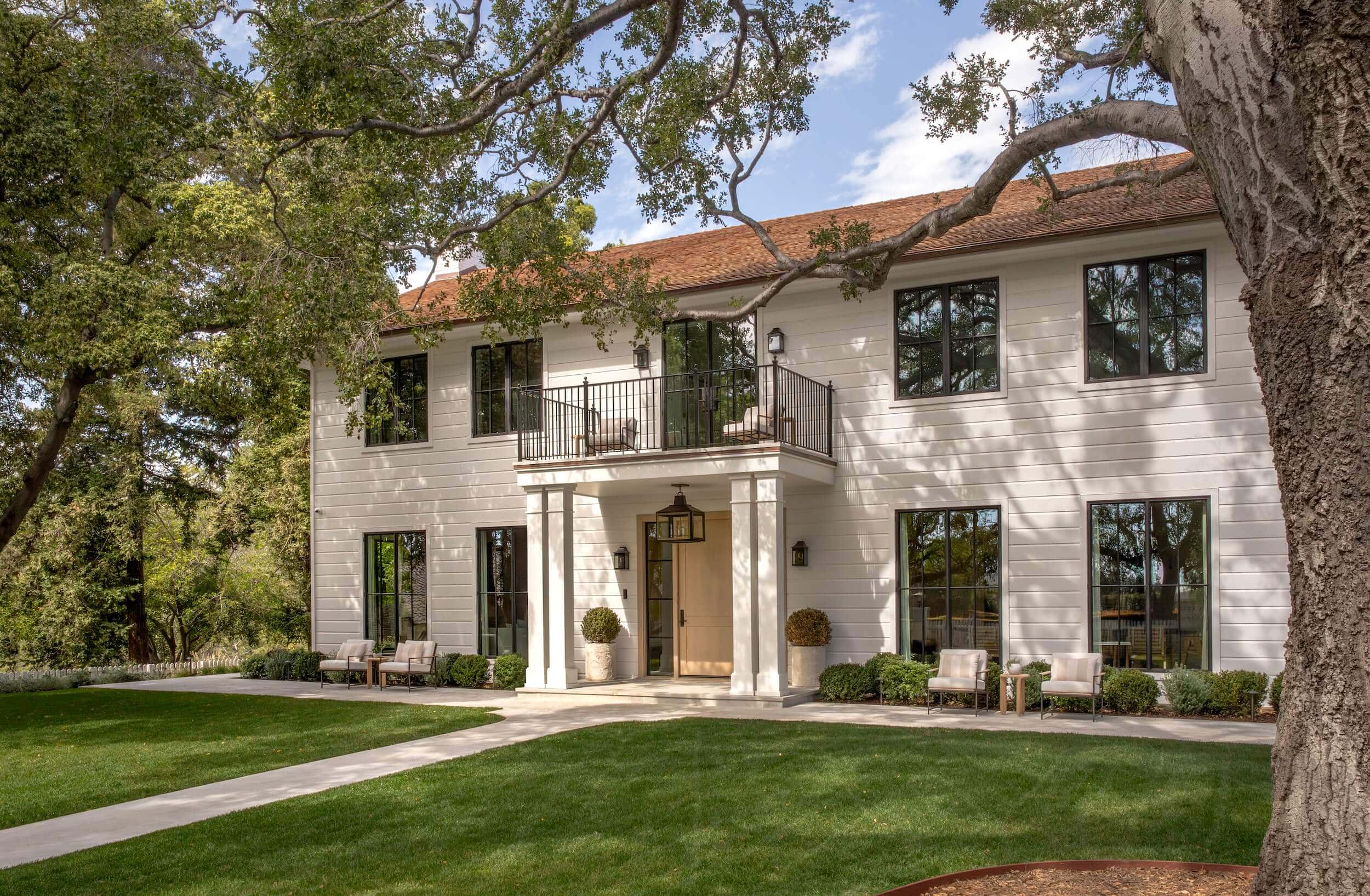
14. White Plank Siding with Black Windows and Natural Wood Door
This elegant design, with its crisp white horizontal plank siding and strong black-framed windows, is particularly effective on homes that have clear architectural lines and good natural light. It works well on both two-story and single-story homes, but benefits from some visual height or a defined porch area to fully appreciate the contrasting elements. Compare this approach with Idea #16 for a similar palette on white brick.
📐 Style Math
When choosing a natural wood front door, don’t forget about how it will age! Most natural wood doors need regular oiling or varnishing every 1-3 years, depending on sun exposure, to prevent fading, cracking, and rot. Consider a fiberglass door with a wood grain finish if you want the look without the higher maintenance, especially if your door receives harsh, direct sunlight all day.
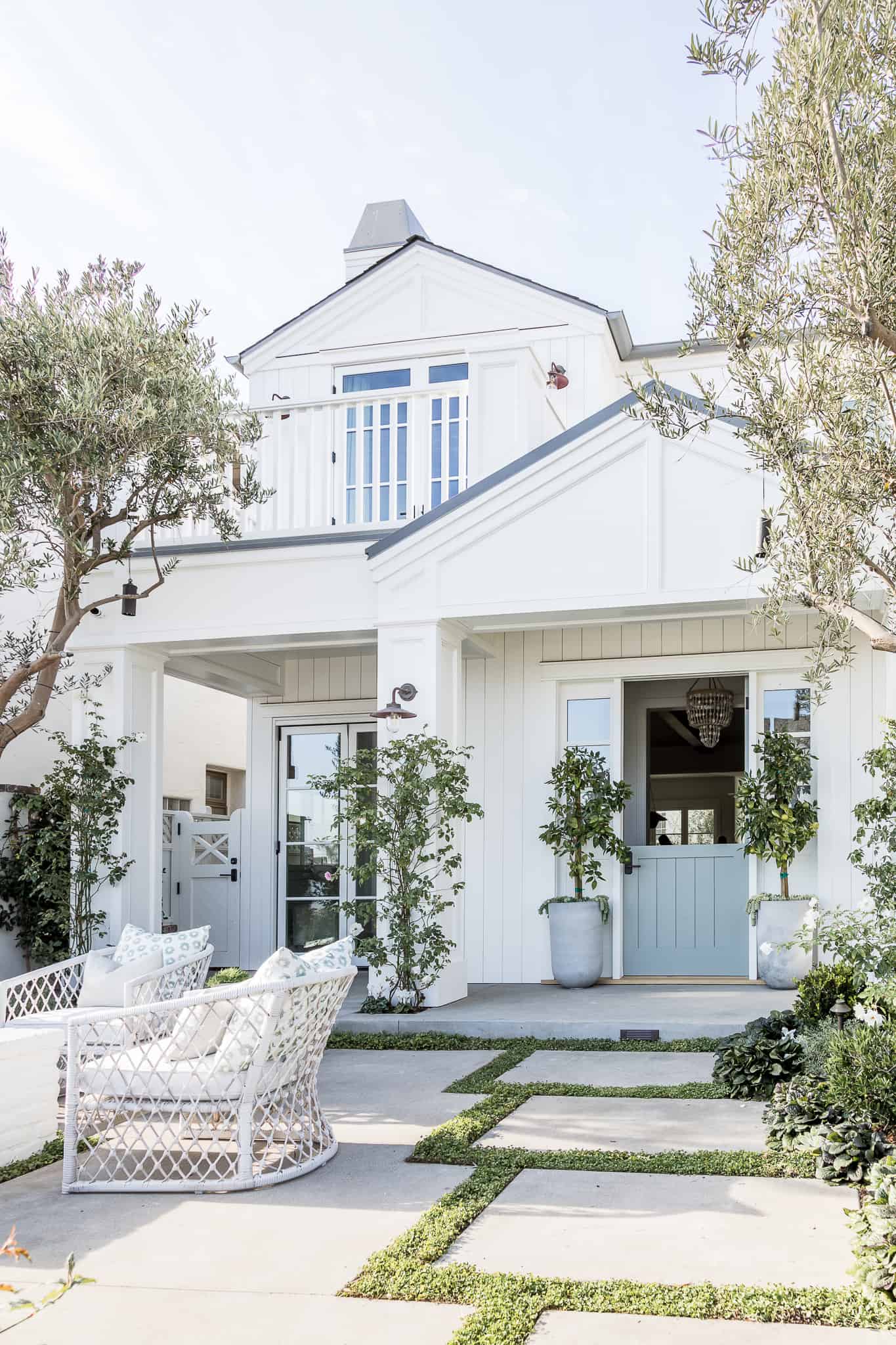
15. Fresh White Exterior with Light Blue Dutch Door
White exteriors are a forever classic, but this particular combination, especially with the light blue dutch door and patterned outdoor seating, taps into a modern desire for serene yet personalized spaces. It speaks to a growing trend of creating outdoor ‘rooms’ that feel like an extension of the interior, using soft, inviting color pops. This look is perfect for those aiming for a coastal-casual or elevated farmhouse vibe that feels exceptionally welcoming for 2026.
📏 Scale Guide
No question, the light blue dutch door is the absolute one thing that elevates this simple white exterior. It instantly creates a focal point that is both charming and distinctive, suggesting a playful yet elegant spirit within. Without that unique, inviting pop of color and style, the house would likely blend in, losing its most delightful and memorable feature.
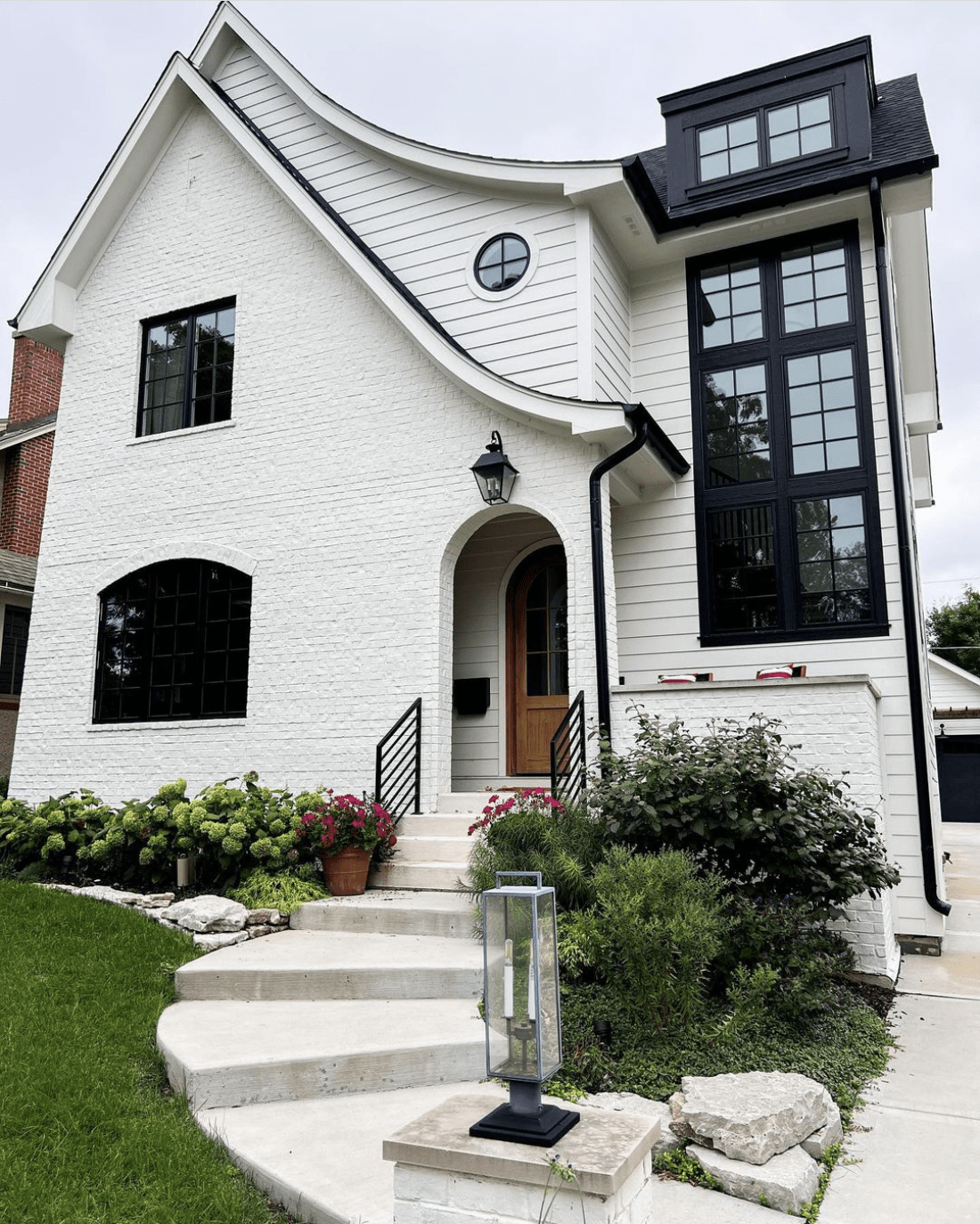
16. Modern White Brick & Wood Farmhouse with Black Trim
Recreating this sleek yet welcoming modern farmhouse on a tighter budget is totally achievable. Instead of new white painted brick, consider white cement board siding or even vertical vinyl siding to mimic the clean lines. For the arched natural wood door, look for a salvaged antique door at an architectural salvage yard and refinish it, or opt for a less expensive fiberglass door with a convincing wood-grain finish. Black trim can be achieved with high-quality exterior paint over existing trim, saving significantly on new windows.
🔥 Trending Context
Want to get that distinct arched door look without custom building? Here’s a quick guide:
- Shop for a standard rectangular door in your preferred material. (Time: Varies)
- Purchase an arched door trim kit from a specialty supplier or online. (Cost: $100-$300)
- Install the trim kit around your doorway, creating the illusion of an arch. (Time: 2-4 hours)
- Caulk and paint the trim to match or contrast your exterior. (Time: 1-2 hours)
17. Layered Blue Siding Textures with White Trim Details
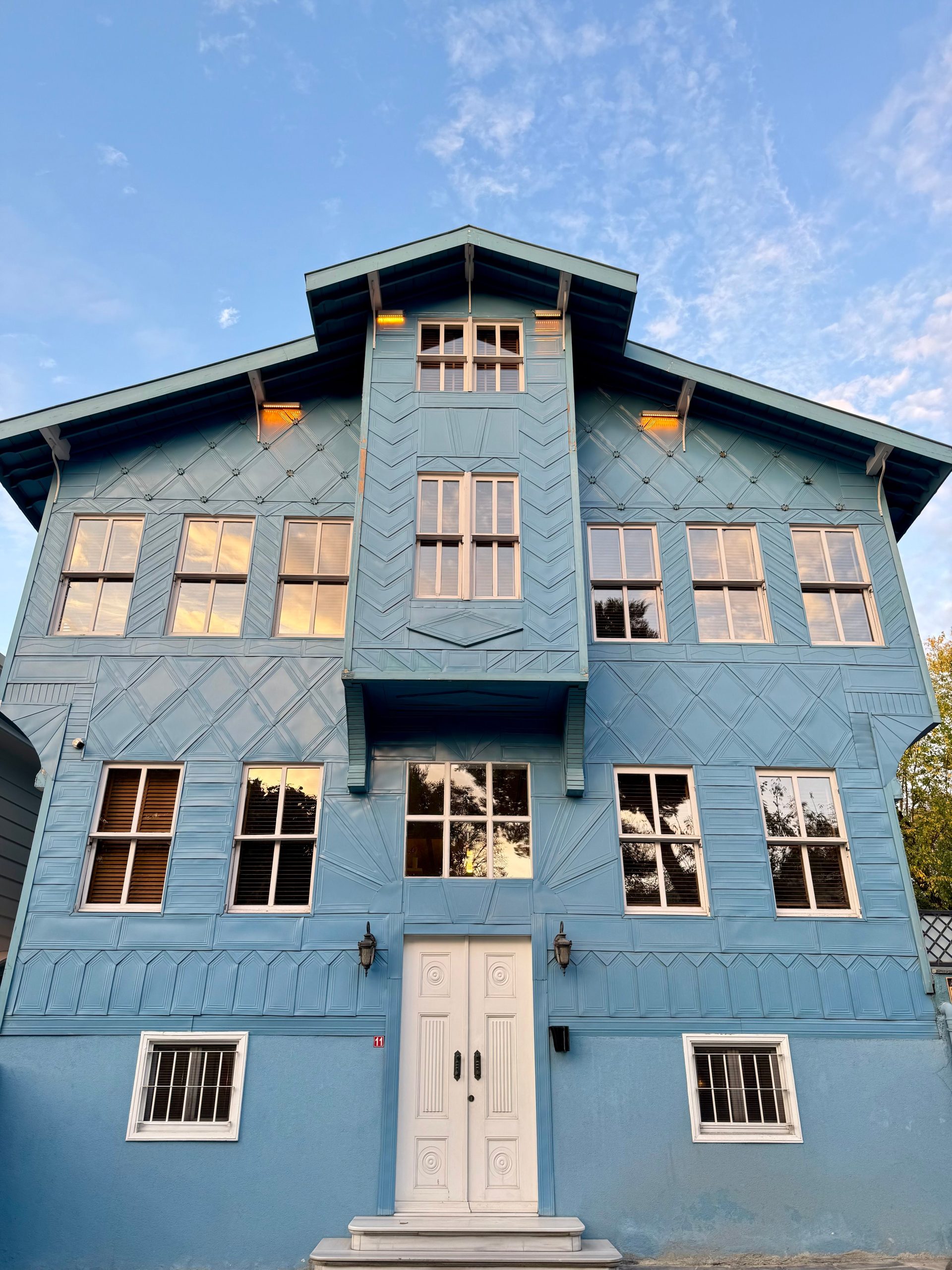
This design beautifully illustrates how varying textures in a monochromatic palette can create immense visual interest without adding more colors. The interplay of diamond, geometric, and flat stucco-like blue sidings, all within a light to medium blue range, adds depth and sophistication. The consistent white trim then acts as a unifying thread, giving structure to the varied textures and making the facade feel cohesive and intricate.
💰 Budget Breakdown
This kind of detailed, layered blue siding with varied textures truly shines on Victorian or Queen Anne-style homes, or any multi-story house with complex architectural elements like turrets, gables, and multiple window forms. The different siding patterns can really highlight unique architectural features. On simpler, more modern homes, this level of detail might feel overwhelming or out of place, so consider your home’s existing complexity.
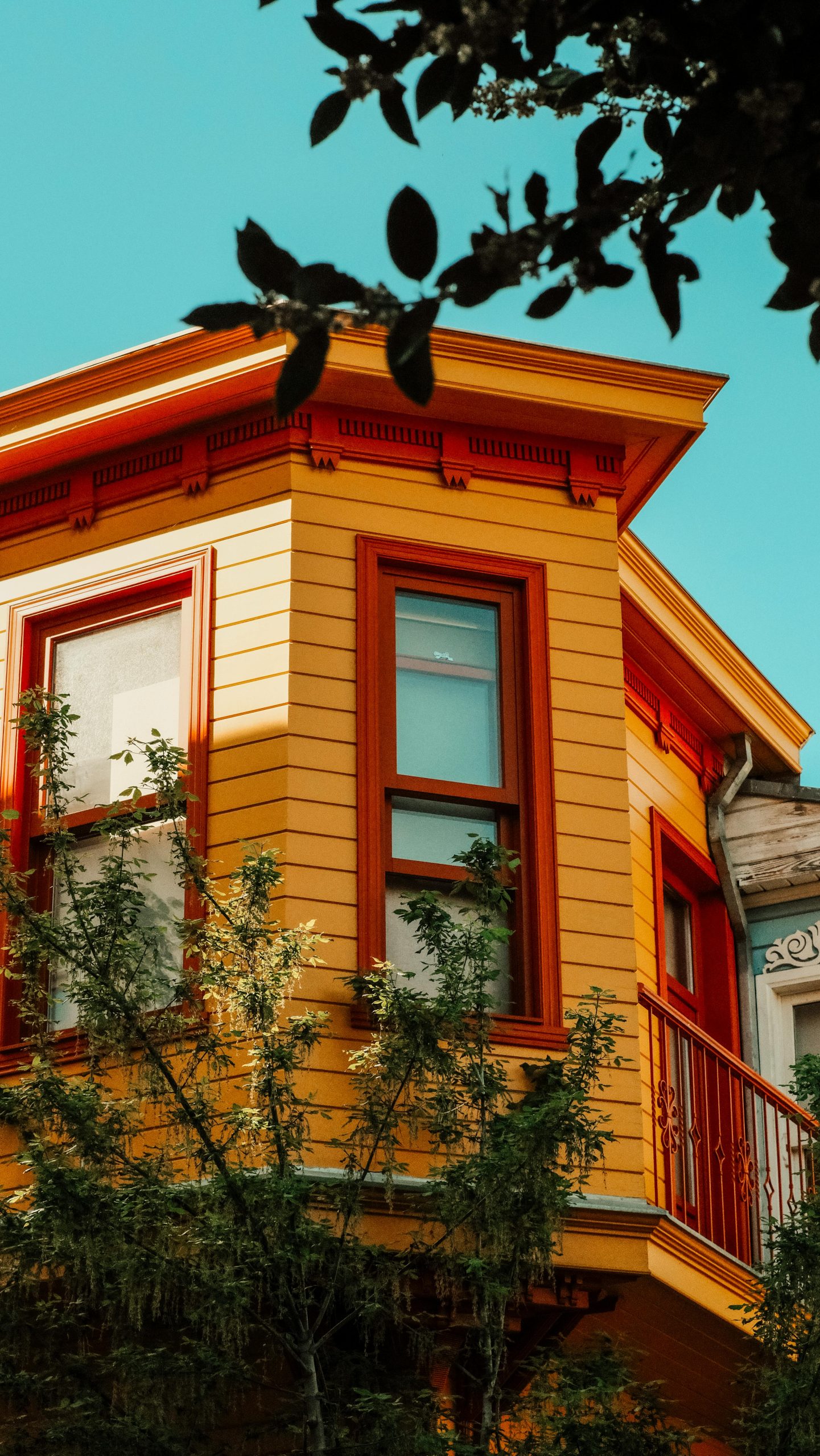
18. Bright Yellow House with Bold Red Trim and Balcony
Choosing such a vibrant yellow with bold red trim is a commitment! Be realistic about how these colors will hold up over time, especially with direct sun exposure. Intense reds and yellows are more prone to fading than neutral tones, potentially requiring more frequent repainting to maintain their saturation and vibrancy. Also, consider the impact on your neighborhood; this palette definitely stands out.
🎯 What Makes It Work
When working with such high-contrast and vibrant colors, scale is everything. Ensure your trim color is distributed judiciously, highlighting architectural features without overwhelming the main body color. In this case, the red is contained to trim and balcony details, letting the yellow shine. If the red were on every column and larger panels, it would create visual chaos. Less is often more with bold accents.
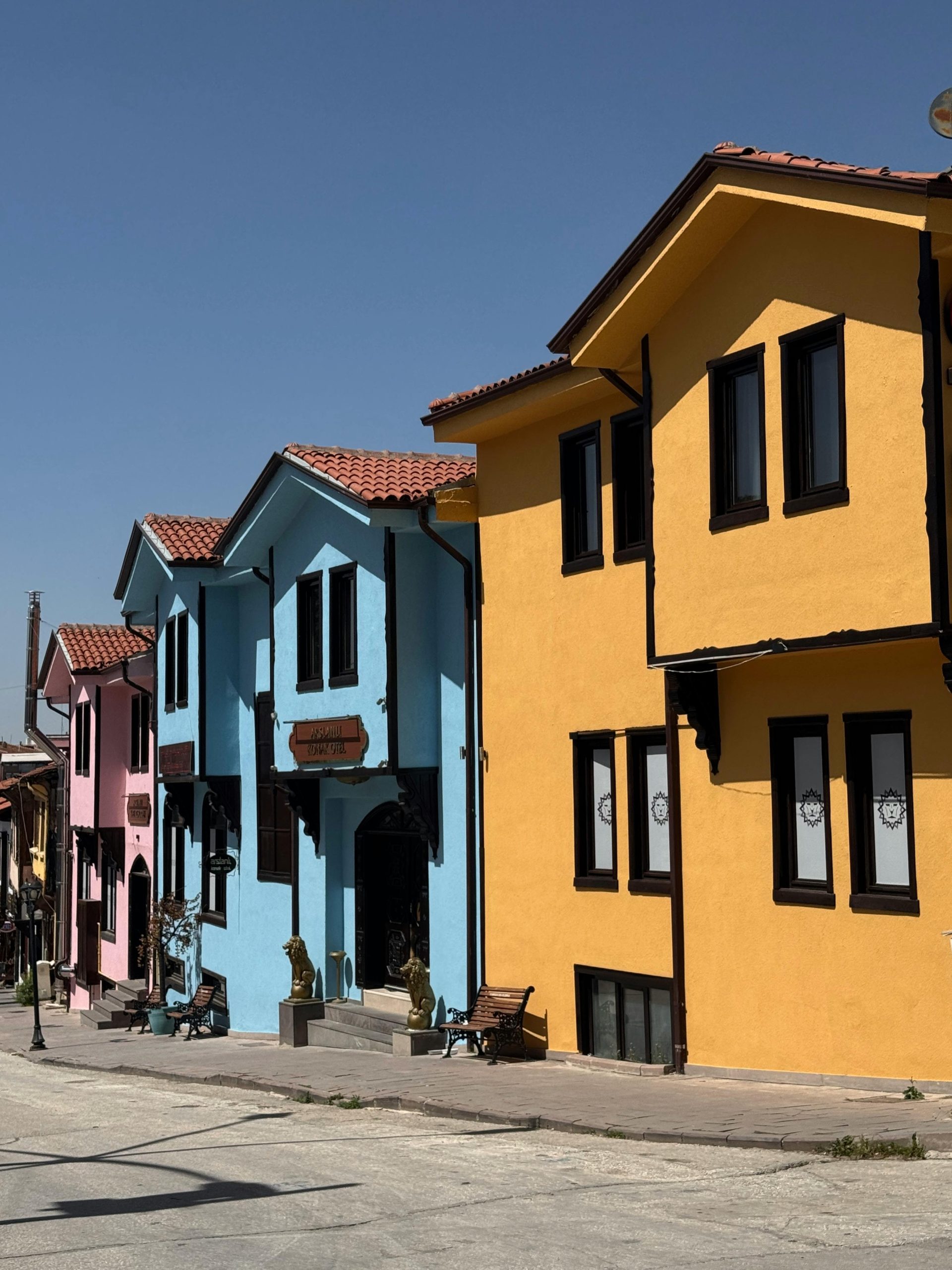
19. Vibrant Historic Storefronts with Terracotta Roof Tiles
The trend of embracing vibrant, individualized color palettes for commercial and historic properties is really gaining traction. This idea, with its mustard yellow, light blue, and soft pink storefronts, reflects a popular movement towards revitalizing downtowns and celebrating unique architectural heritage. It’s about bringing cheer and distinctiveness back to main streets, moving away from uniform, muted tones, and using color to create memorable streetscapes that truly stand out in 2026.
⭐ The One Thing
- Exterior Paint (Professional, per storefront): $2,000 – $5,000
- Wood Window/Door Trim Restoration/Paint: $500 – $1,500
- Terracotta Roof Tile Maintenance/Repair: $300 – $1,000
- Specialty Lighting/Signage Updates: $1,000 – $3,000
- Total (per storefront): $3,800 – $10,500
Budget Alternative: For 40-60% less, focus on DIY painting of trim and doors, smaller decorative elements, and sourcing vintage-inspired lighting from online marketplaces. Repurpose or refresh existing wood details rather than replacing.
20. Light Blue Siding House with Gray Shutters and White Trim
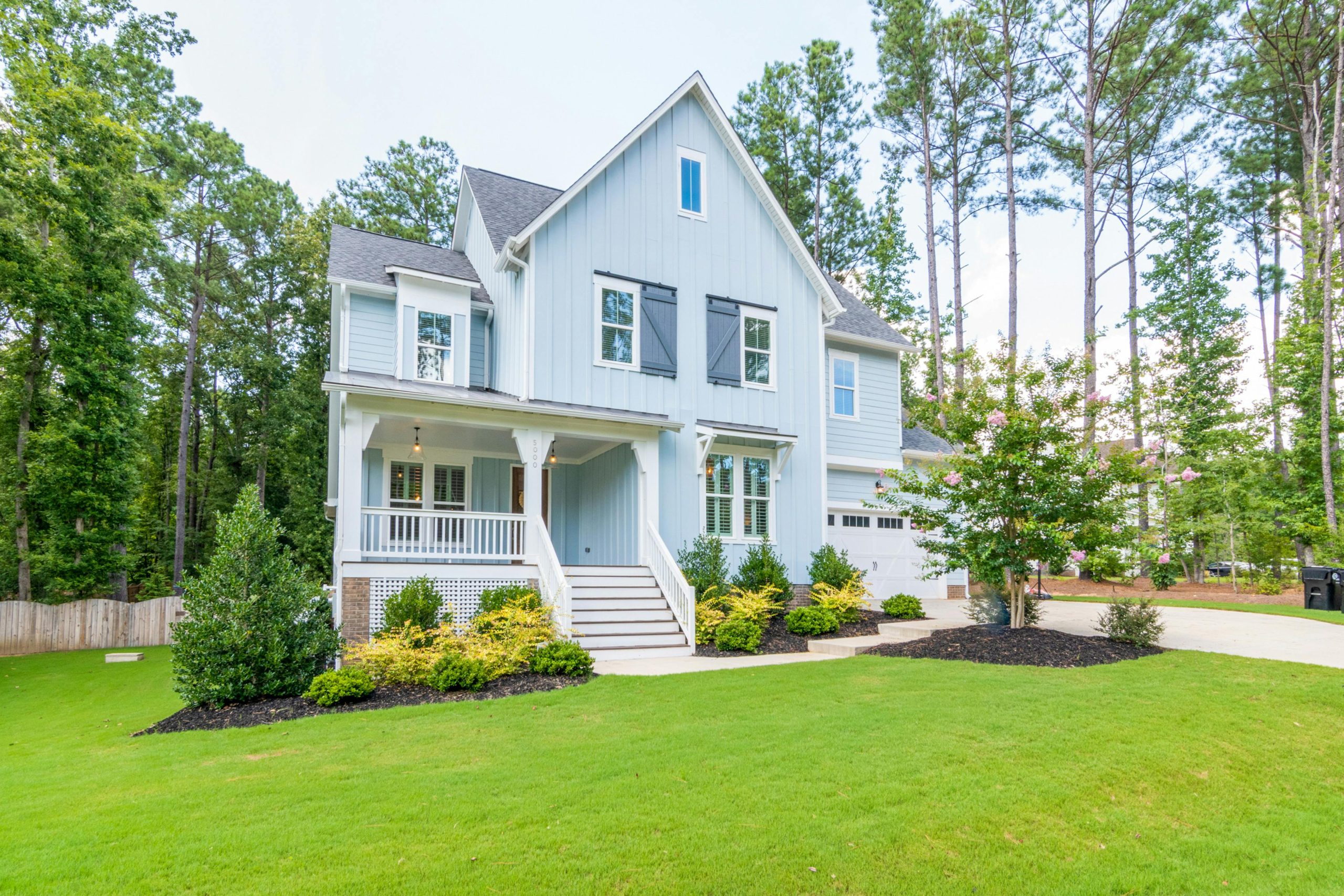
The dark gray barn-style shutters are the singular element that ties this light blue and white exterior together with a touch of modern farmhouse appeal. Without their distinct, bold presence, the house would be a pleasant but arguably less characterful light blue and white home. They provide a crucial visual weight and a contemporary edge, contrasting beautifully with the classic light blue siding.
⚠️ Real Talk
- Choose your shutter style and material; barn-style often means natural wood or composite. (Research: Varies)
- Measure your window opening accurately for proper sizing. (Time: 15 min)
- Prime and paint your shutters in your chosen dark gray. Allow for multiple coats and dry time. (Time: 4-6 hours over 2 days; Cost: $50-$150 per set of shutters for paint)
- Install mounting hardware according to manufacturer instructions, ensuring straight and level placement. (Time: 1-2 hours per set)
- Step back and admire your home’s fresh new look!
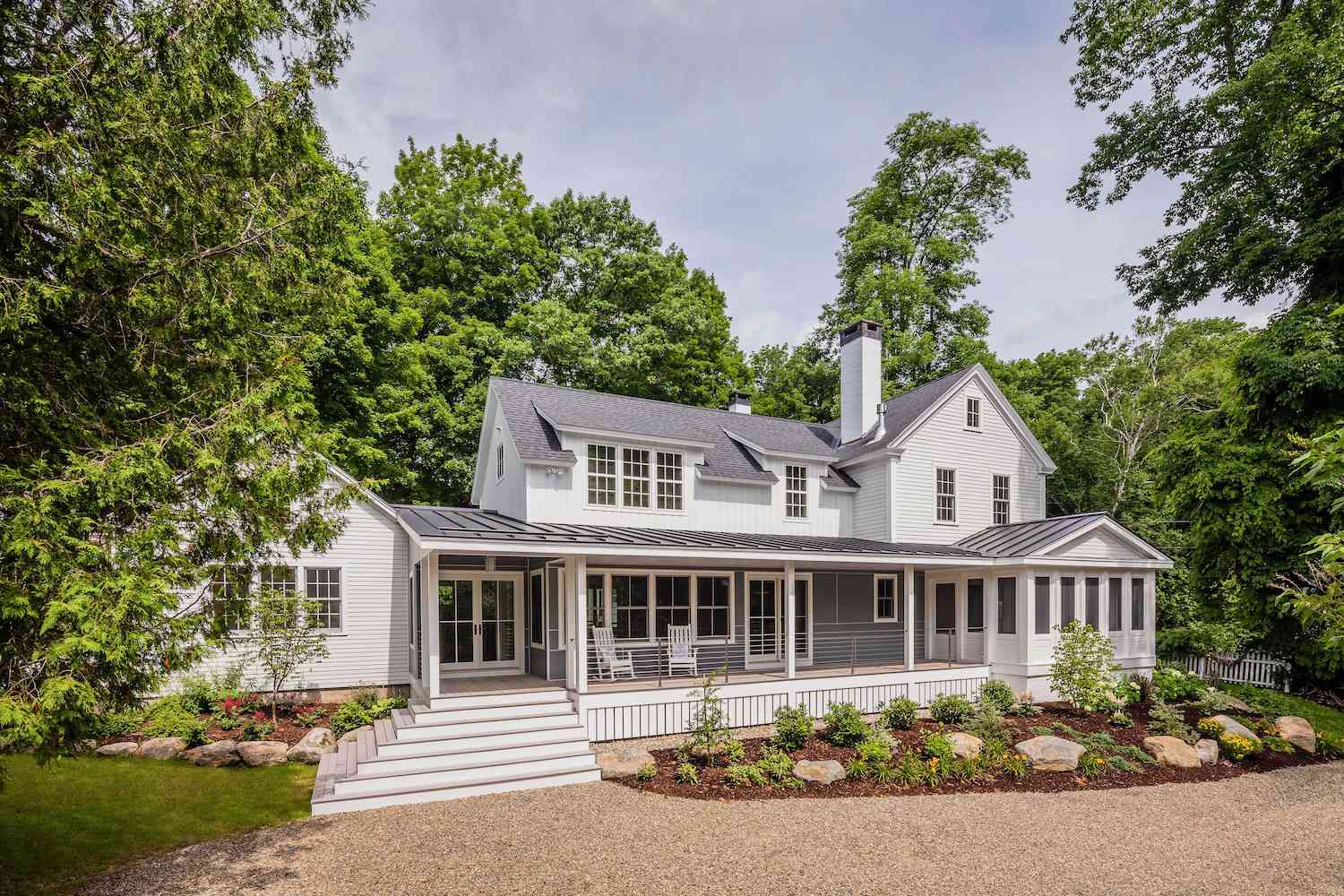
21. Modern Farmhouse with White Clapboard and Dark Gray Metal Roof
When using a dark metal roof, consider an accent wall in a slightly darker shade of gray on the porch or a specific architectural feature, like shown here. This creates an intentional transition from the very light white siding to the deep gray roof, adding depth and visual interest without breaking the clean, modern aesthetic. It prevents the jump from white to dark gray from being too abrupt.
✅ Before You Start
This harmonious modern farmhouse uses a sophisticated 70-20-10 palette: 70% crisp white clapboard siding as the main color, 20% dark gray from the metal roof and dark accent wall as the primary contrast, and 10% medium gray or green from the landscaping and porch elements for subtle grounding. To switch it up, you could use a deep charcoal siding for the 70% base, a lighter white or cream for the 20% trim, and a warm wood tone for the 10% accent on a door or railing.
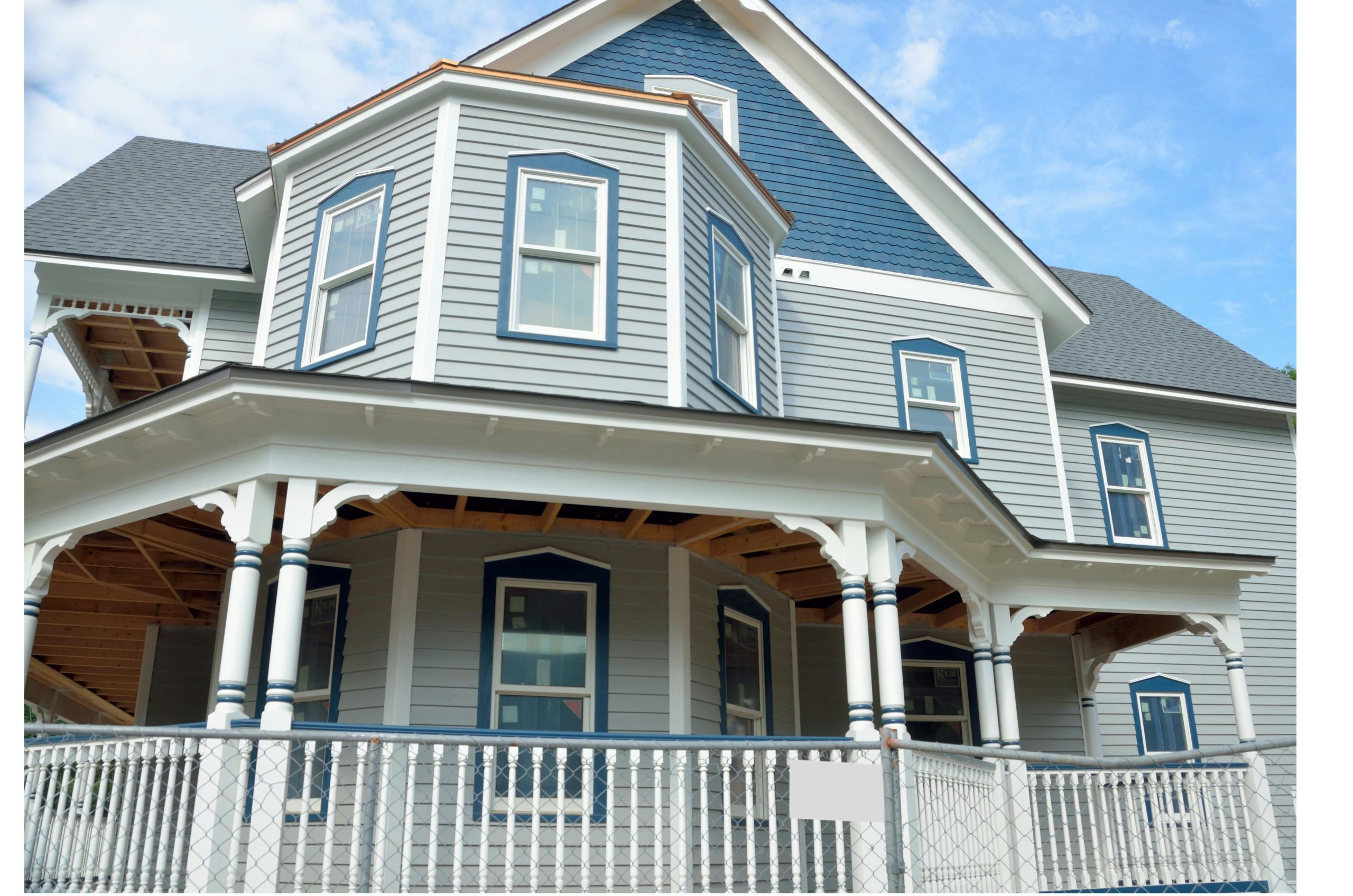
22. Victorian-Style House with Light Gray and Deep Blue Accents
To capture this classic Victorian charm with a similar color palette for less, consider focusing your budget on the main siding color and finding creative ways to introduce the deep blue. Instead of custom-painted window trim, use a high-quality exterior paint on your existing trim in that rich blue. For the decorative porch elements, look for architectural salvage pieces or even PVC reproductions that can be painted, costing significantly less than custom millwork. The overall look could be achieved for $2,000-$5,000 by strategically updating existing elements.
💸 Get This Look For Less
Victorian homes are renowned for their intricate details, and a high-contrast palette like light gray and deep blue definitely highlights those. However, be mindful of the added maintenance that comes with many different trim pieces and paint colors. All those nooks and crannies collect dirt and cobwebs, and painting can be costly due to the sheer amount of detail and cutting-in required. High-quality paint is a must to reduce frequency, but even then, it’s a labor of love.
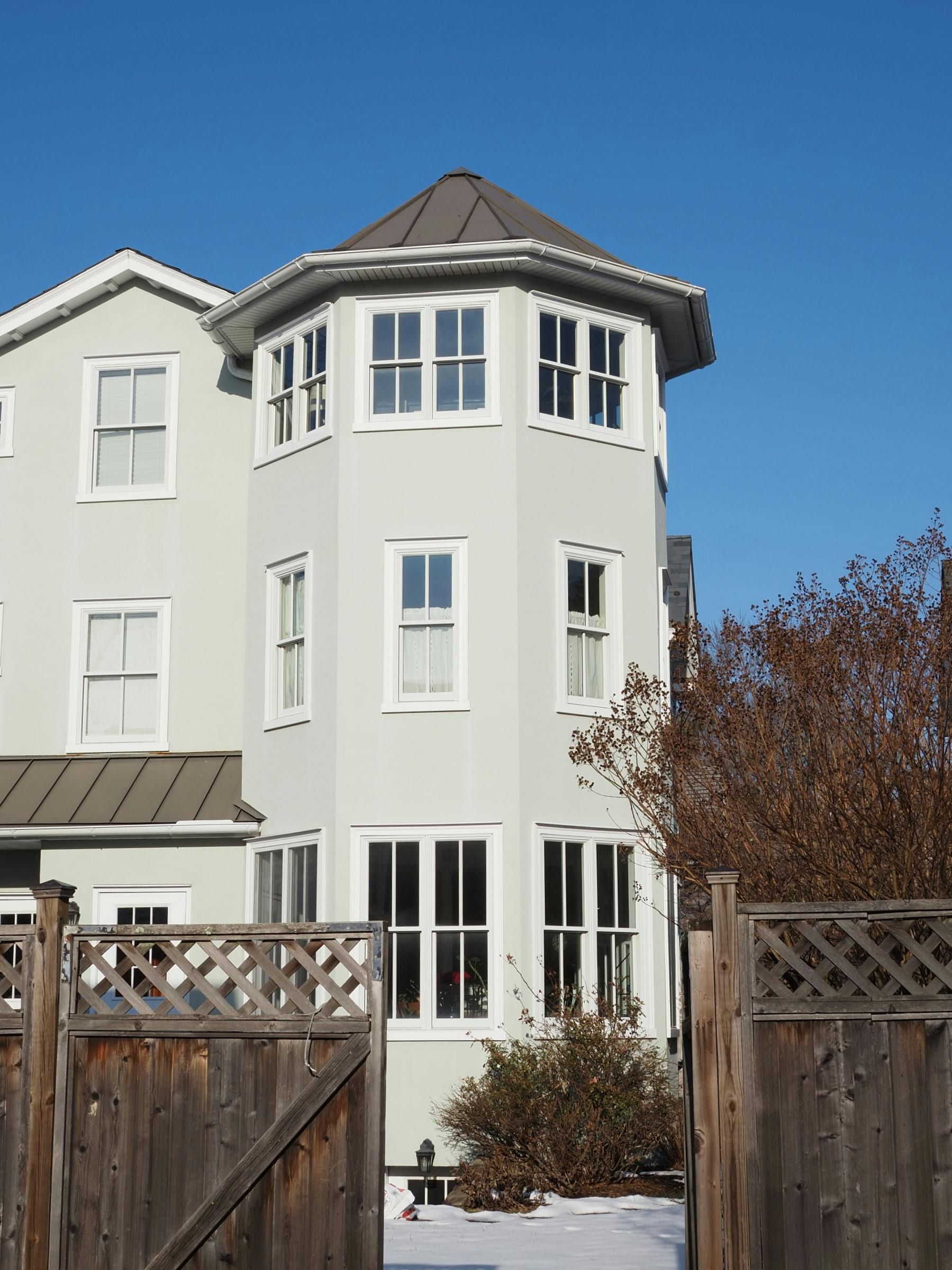
23. Serene Light Green Exterior with Dark Brown Roof & White Trim
Soft, nature-inspired greens like this one are a huge trend right now, especially as we see a renewed appreciation for classic, understated elegance. This light green feels fresh and calm, providing a gentle contrast with the dark brown roof and crisp white trim. It’s perfect for homeowners looking to create a serene, welcoming impression that feels connected to natural surroundings without being overtly rustic. This color speaks to a timeless, organic aesthetic that’s flourishing in 2026.
💡 Designer Tip
This light green exterior with dark brown roof and white trim is wonderfully versatile for a variety of home styles and sizes. It’s particularly charming on traditional two-story homes, bungalows, or even cottages where the color palette enhances a serene, natural feel. The light green expands the visual space of smaller homes, while providing a refreshing contrast on larger structures. The palette truly comes alive in settings with mature trees and lush landscaping, allowing the green to blend seamlessly with nature.
24. Light Grey Shingle Siding with Fresh Mint Green Door
This design works so well because of the unexpected pop of the mint green front door against an otherwise neutral, classic backdrop. The light grey shingle siding and white trim provide a sophisticated, calm foundation, allowing the door to become a delightful focal point without overwhelming the facade. It’s a perfect example of adding personality with a single, well-chosen accent color that feels welcoming and fresh.
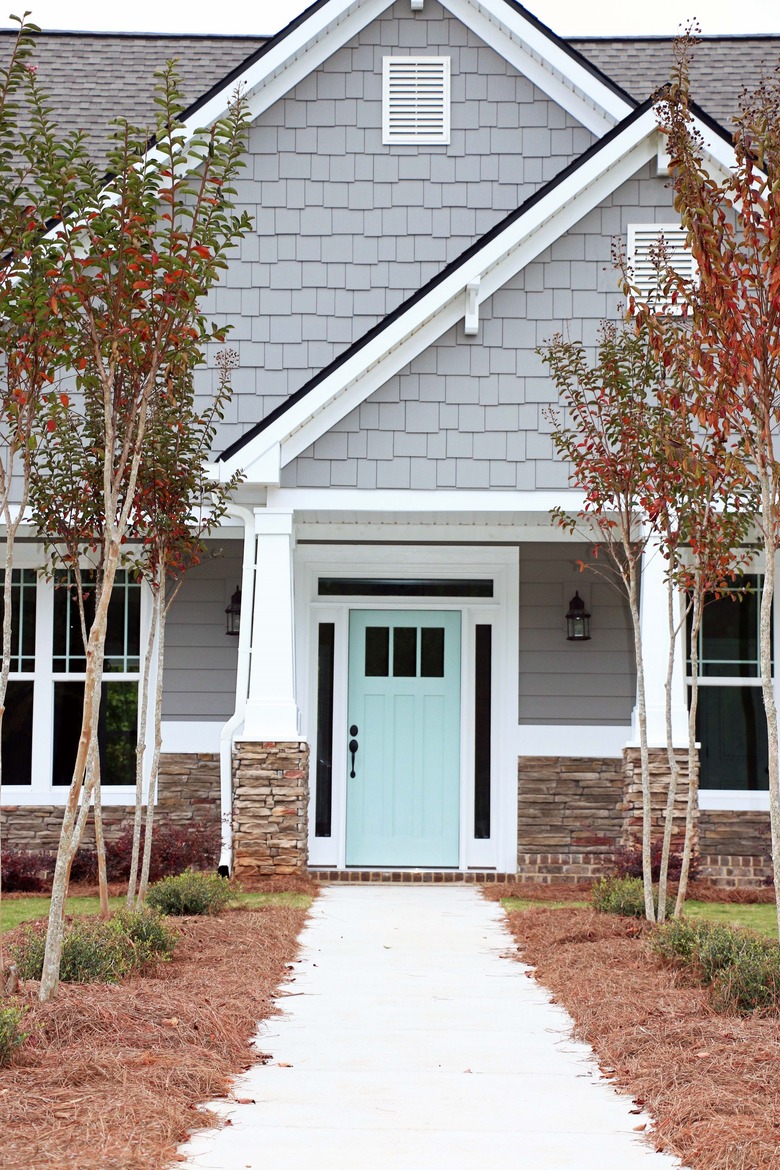
🔧 How-To Brief
- Never use interior paint for your exterior door, even if it’s the perfect color.
- Invest in high-quality exterior grade paint that offers UV protection and mildew resistance.
- Consider a durable finish, like semi-gloss or satin, which is easier to clean and holds up better to daily wear and tear.
- Prep is key: a properly cleaned, sanded, and primed door will ensure your mint green pop lasts for years to come.
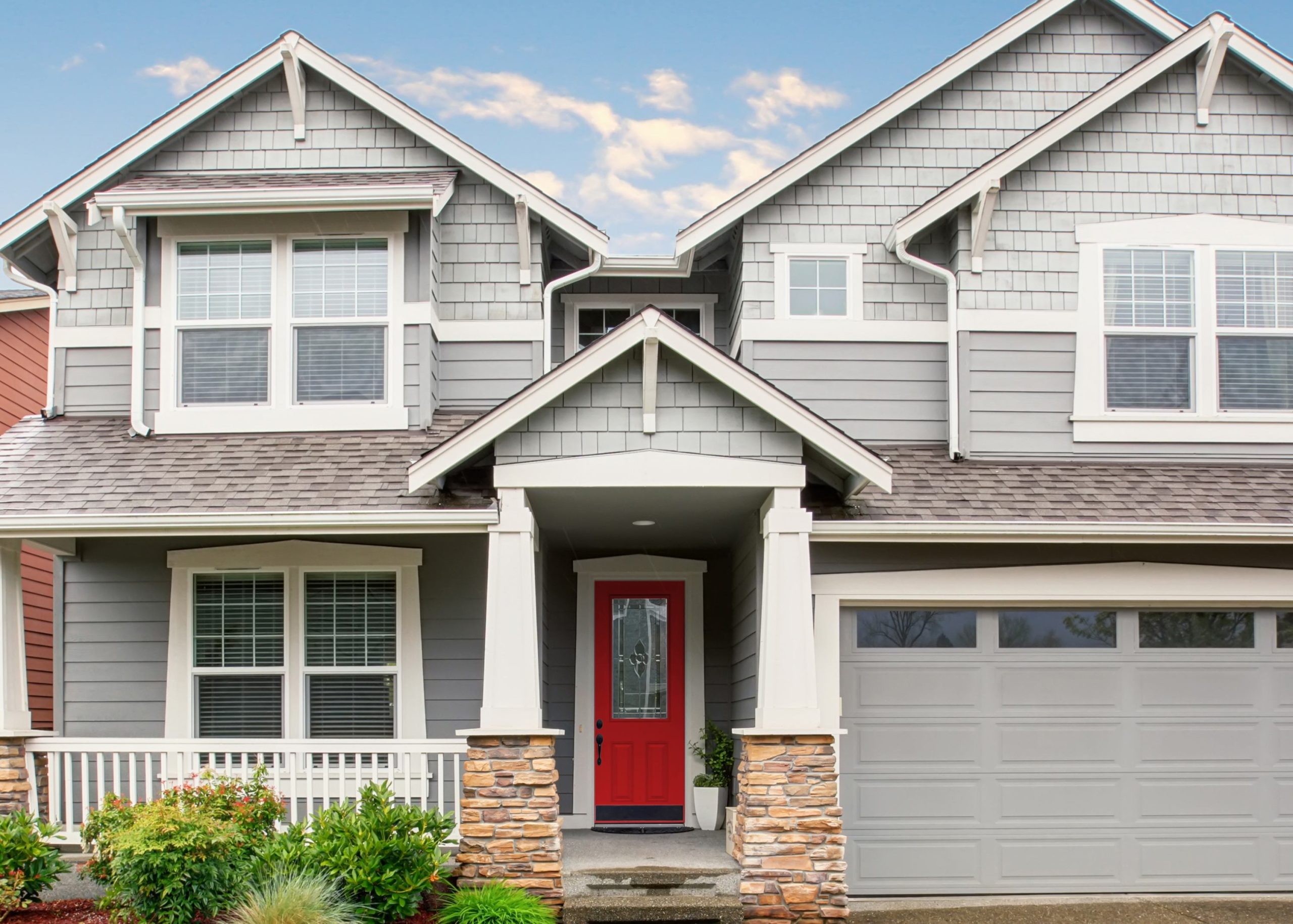
25. Welcoming Gray & White House with Vibrant Red Front Door
The undeniable
26. Modern White Stone Lakeside House with Extensive Windows
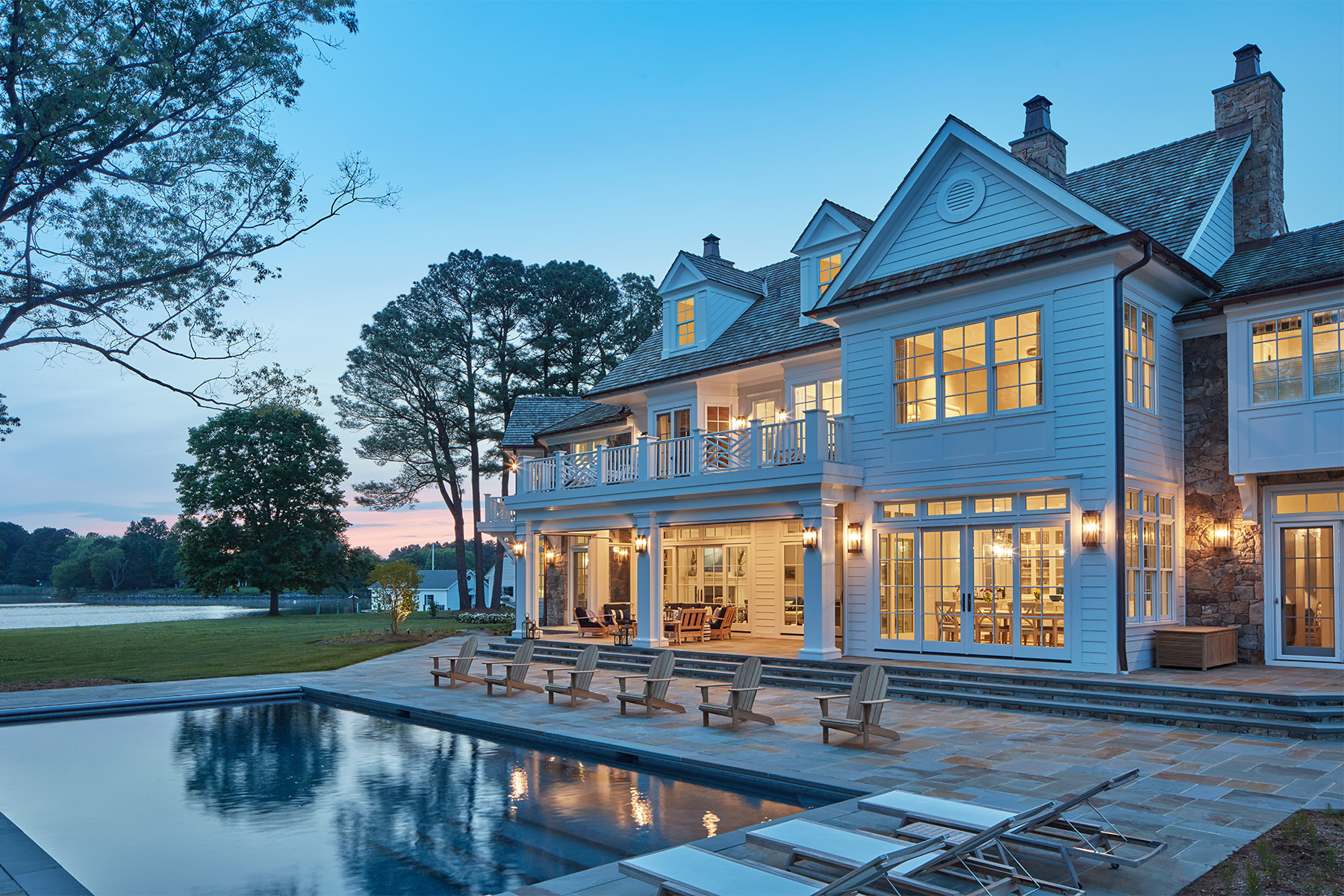
This luxurious, multi-level design with white siding and extensive natural stone cladding is ideal for larger properties, particularly those with waterfront views like a lakeside setting. The expansive white-framed windows and multiple levels are best appreciated on a generous footprint, allowing the house to truly breathe and integrate with its natural surroundings. It definitely calls for a good amount of square footage to build this dream.
📐 Style Math
This aesthetic is squarely at the forefront of luxury design in 2026. The combination of clean white lines, organic natural stone, and vast windows speaks to a desire for sophisticated indoor-outdoor living, especially for lakefront and upscale suburban properties. It’s about maximizing views and light while creating a sense of tranquil immersion with nature, a key trend for discerning homeowners.
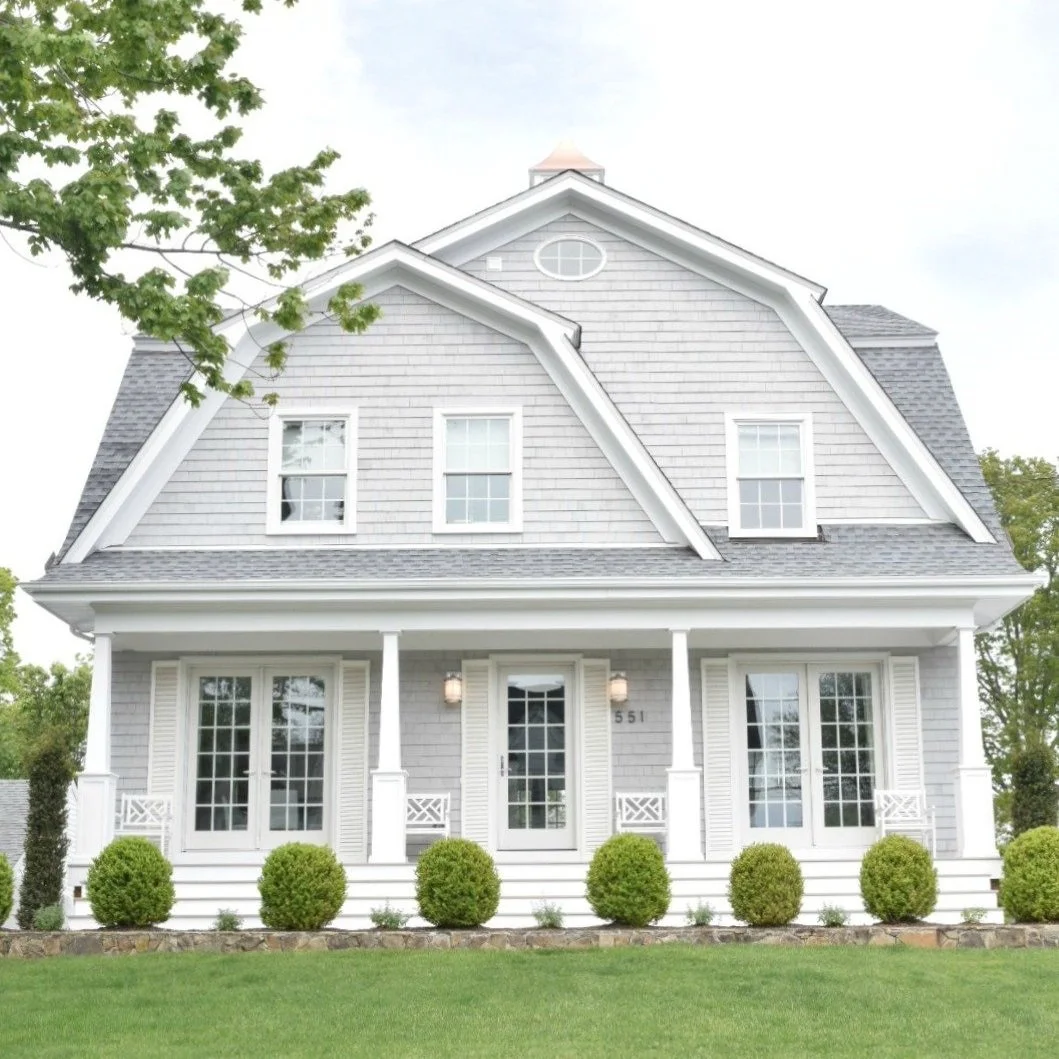
27. Coastal Light Gray Shingle House with White Trim & Cupola
To achieve this charming coastal look for less, focus on the key elements. Instead of real light gray cedar shingles, consider fiber cement shingles or high-quality vinyl siding in a similar pale gray. White trim can be less expensive pre-finished PVC rather than custom wood. For the cupola, look for pre-fabricated, decorative PVC versions that can be easily installed on your roof, costing $200-$500 compared to a custom timber one. You can get a very similar vibe for 40-60% off the cost of premium materials.
📏 Scale Guide
Light gray shingle siding, while beautiful, can be prone to mildew and algae growth in damp or shaded environments. This is particularly true in coastal areas with high humidity. Be prepared for periodic cleaning, perhaps every 1-2 years, with a soft wash to maintain its pristine appearance. If ignored, the discoloration can become deeply embedded and harder to remove, potentially requiring stronger treatments. Darker grays or blues tend to hide these issues better.
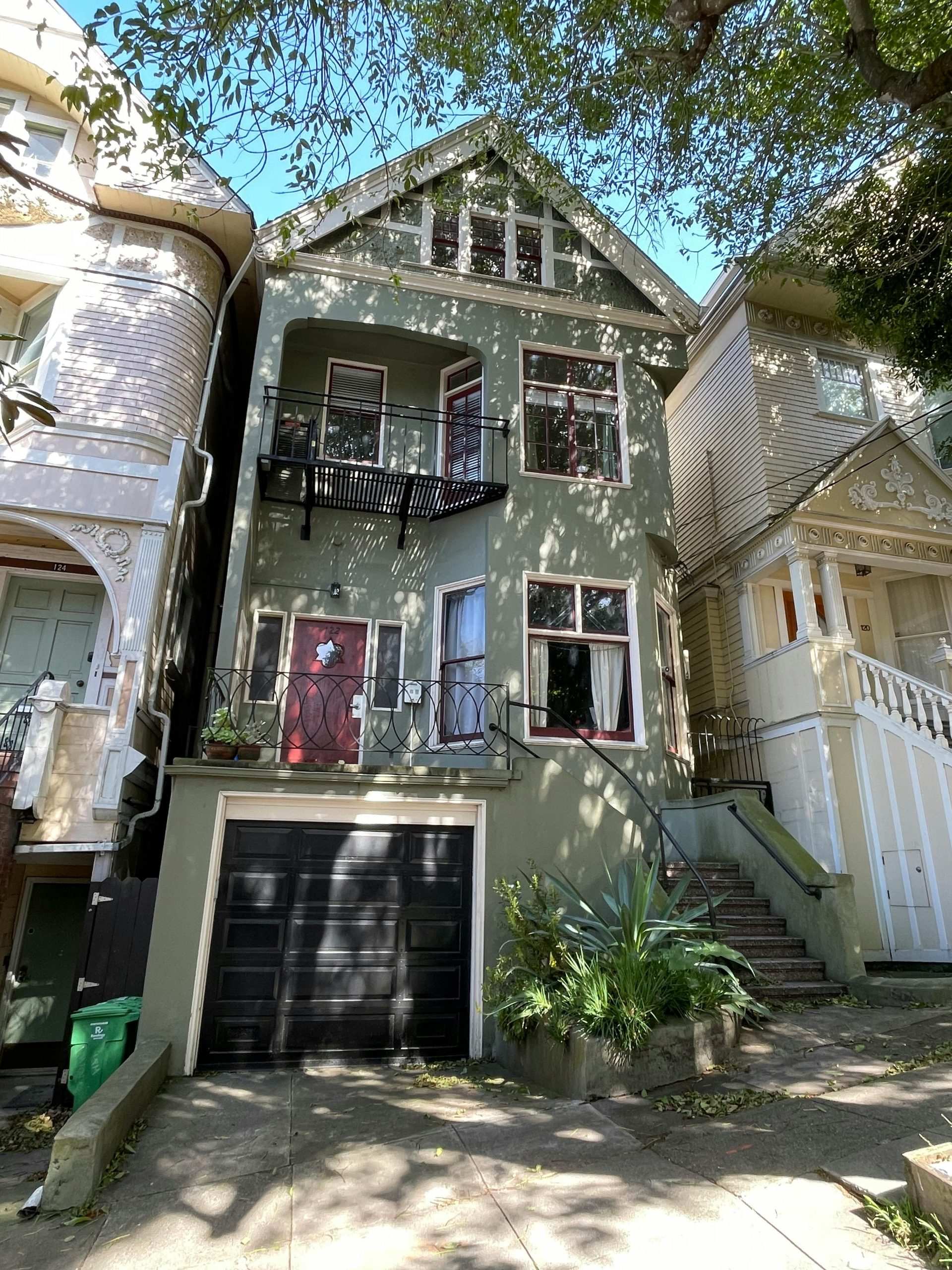
28. Sage Green Victorian with Dark Red Trim and Black Balconies
This Victorian home works beautifully due to its clever use of high contrast to emphasize architectural details. The sage green serves as an elegant, organic backdrop, allowing the dark red trim to truly pop and highlight the ornate window and door frames. The black metal balconies then provide a modern, crisp counterpoint, grounding the facade with strong, graphic lines. It’s a masterful balance of historical charm and bold, contemporary accents. Compare this with Idea #6 for another approach to mixing grays and browns and keeping a classic feel.
🔥 Trending Context
- Consider historical accuracy: For true Victorians, research common palettes of the era before going fully modern.
- Test colors extensively: Sage green and dark red vary greatly in different light conditions.
- Professional consultation: Victorian painting often requires specialized skills for trim and details.
- Budget for intricate work: More trim means higher labor costs for painting.
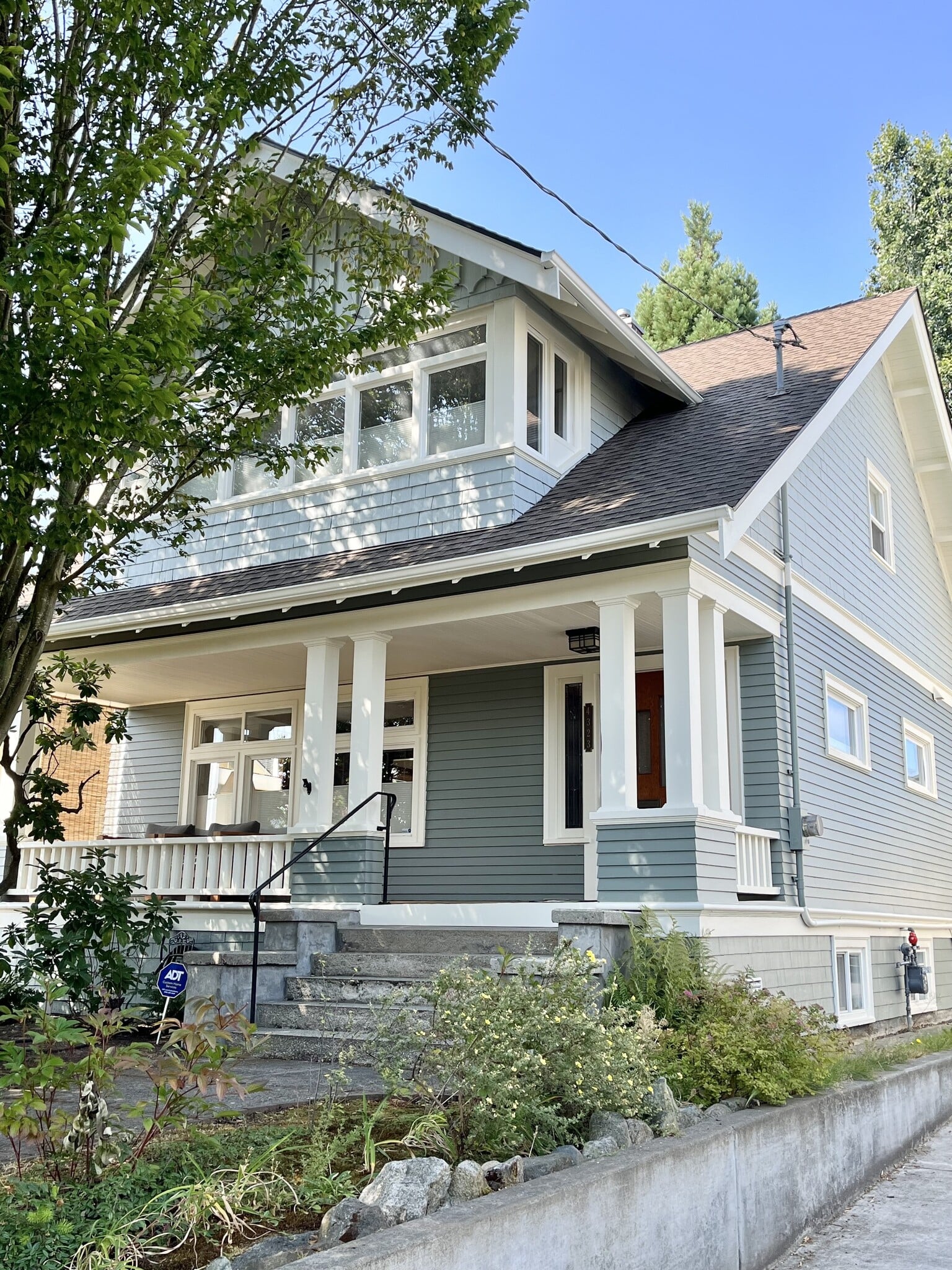
29. Historic Home with Layered Blue, Teal, and White Exterior
This home exemplifies a delightful tri-color approach the 50-30-20 rule: 50% light blue siding (expansive main body), 30% deep teal (foundation, lower accents for grounding), and 20% bright white (all trim and columns for crisp definition). You could swap these colors to a light sage green, a deep forest green, and cream/off-white for a similar layered, organic effect. The key is to keep the lightest color dominant, the darkest as the base, and the mid-tone or accent as the highlight.
💰 Budget Breakdown
Layered, tonal color palettes like this one are having a big moment in 2026, especially for historic homes. It’s a sophisticated way to add depth and interest without abandoning traditional charm. This approach allows homeowners to play with a broader spectrum of color, moving beyond single-color facades, while still retaining a classic, elegant feel. The various shades of blue and teal feel grounded and tranquil, aligning with biophilic design trends.
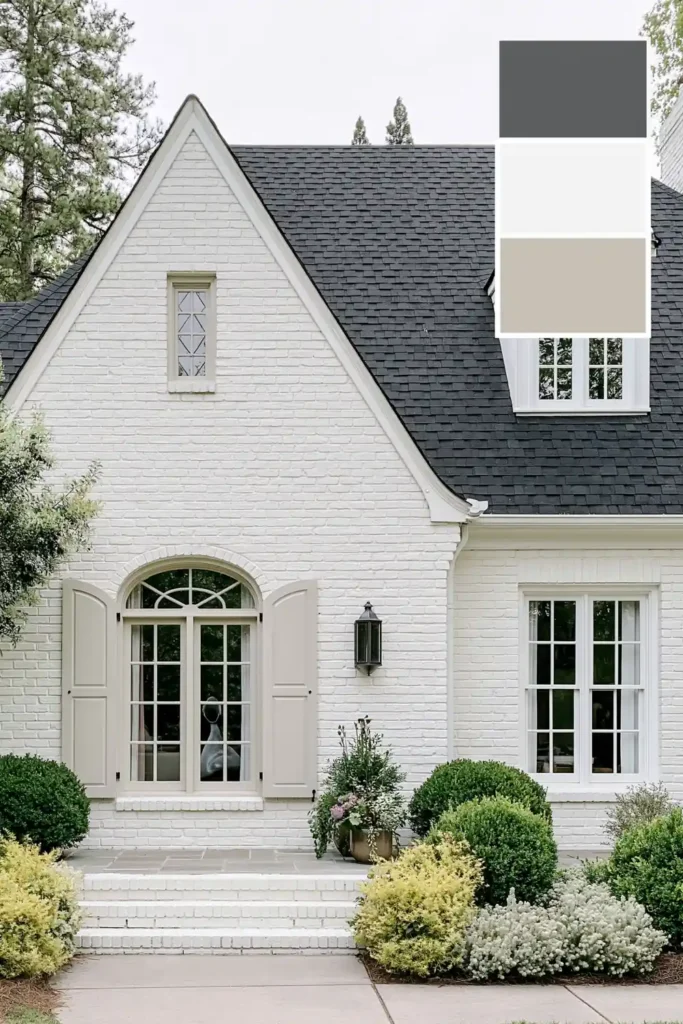
30. Classic White Brick House with Dark Roof and Beige Shutters
The singular most effective element here is the choice of subtle beige shutters against the white painted brick. They provide a soft, warm contrast without being harsh, giving the home a grounded, inviting feel that a stark black or bright white shutter wouldn’t achieve. This subtle warmth prevents the classic white-and-dark roof combination from feeling cold or purely utilitarian, making it genuinely welcoming.
🎯 What Makes It Work
White painted brick, while clean, does demand some upkeep. It will inevitably show dirt, dust, and environmental staining more readily than darker colors or unpainted brick. Plan for periodic soft-washing, perhaps every 2-3 years, to keep it looking crisp. Beige shutters are fairly low maintenance, but ensure they are made from a durable, UV-resistant material to prevent fading, as beige can show sun bleaching over time if the material isn’t high quality.
Your Home’s New Horizon Awaits
Choosing an exterior paint color is an exciting step in defining your home’s character. Whether you’re leaning towards a timeless neutral or a bold statement, these ideas provide a springboard for your vision. Remember, the best color is one that makes you smile every time you pull into the driveway.
Ready to start gathering more inspiration? Head over to Pinterest and explore even more curated ideas that speak to your style. Your home’s transformation is just a few brushstrokes away!