
As we glide into 2026, the allure of a serene backyard haven continues to captivate homeowners. Ponds, once seen as an extravagant touch, are now integral to creating personalized, tranquil outdoor spaces that reflect individual style and a yearning for natural beauty. This year, we’re seeing an exciting blend of innovation and classic charm, with an emphasis on sustainability, artistic expression, and multi-functional designs that truly elevate the outdoor living experience.
1. The Illuminated Twilight Pond
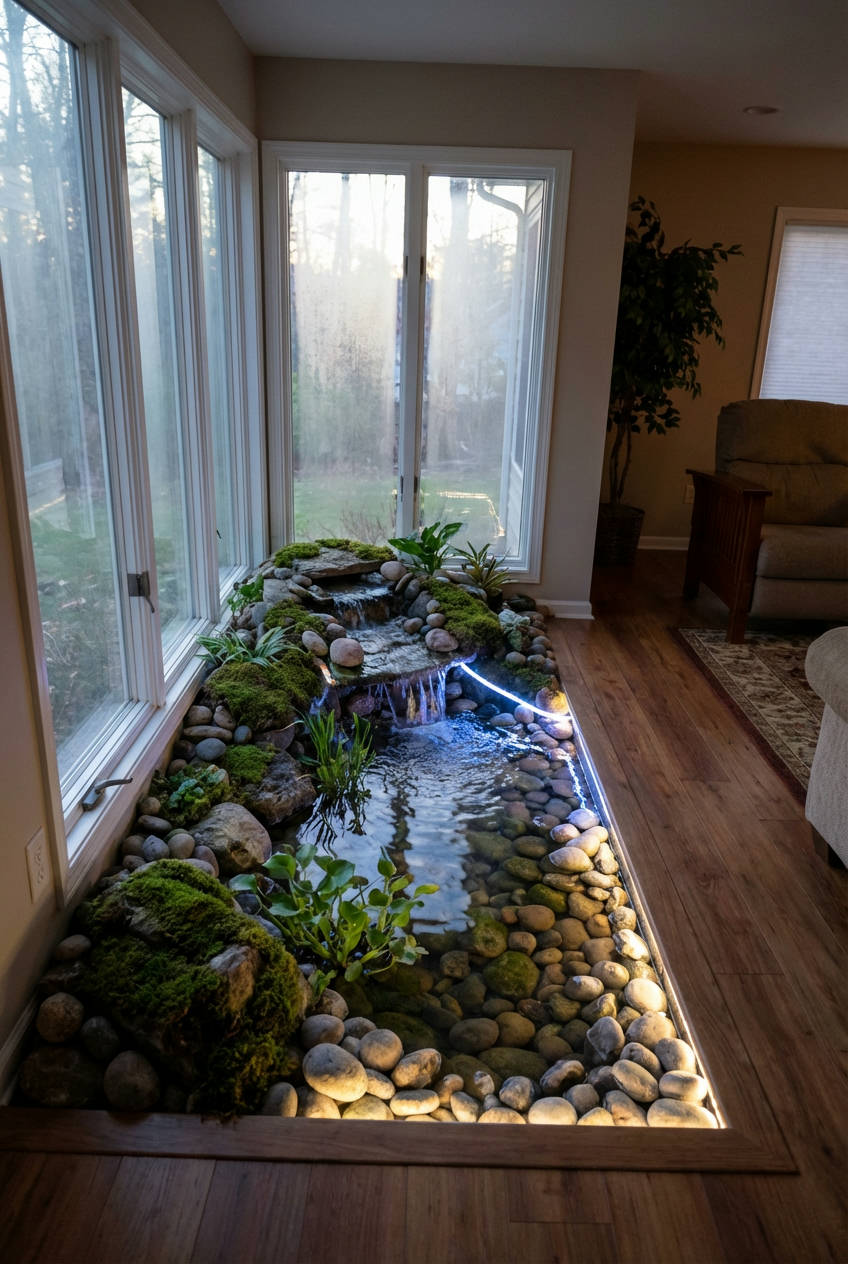
Imagine soft, ambient lighting embedded around the edge of your pond, casting a magical glow as dusk settles. This year, lighting design is less about bright illumination and more about creating mood and highlighting the natural beauty of aquatic plants and rock formations. Think subtle LEDs beneath a cascading waterfall or strategically placed spotlights to emphasize the shimmering scales of your beloved Koi fish. The goal is to transform your outdoor space into an enchanting retreat, perfect for evening contemplation or a quiet gathering. The interplay of light and water creates dynamic reflections that truly bring the space to life after sunset, making it a focal point even when the sun is down.
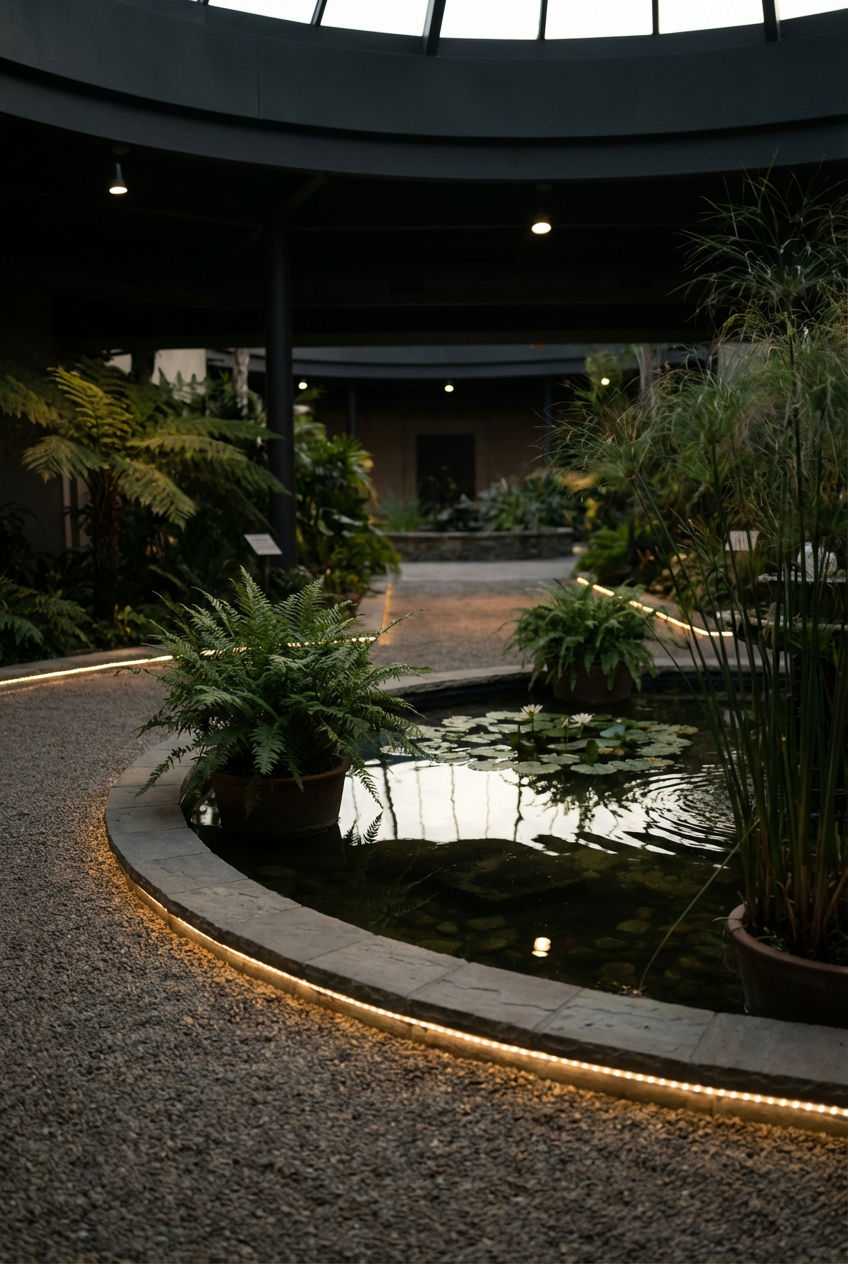
Consider low-voltage, energy-efficient lighting options that can be controlled remotely or set on timers, allowing for convenience and reduced electricity consumption. Solar-powered lights are also a fantastic, eco-friendly alternative for illuminating pathways or accentuating smaller features around the pond. A practical insight here is to test your lighting positions at night before permanent installation to ensure the desired effect and prevent any glare. It’s all about creating layers of light that invite you into the space.
2. Minimalist Reflection Ponds
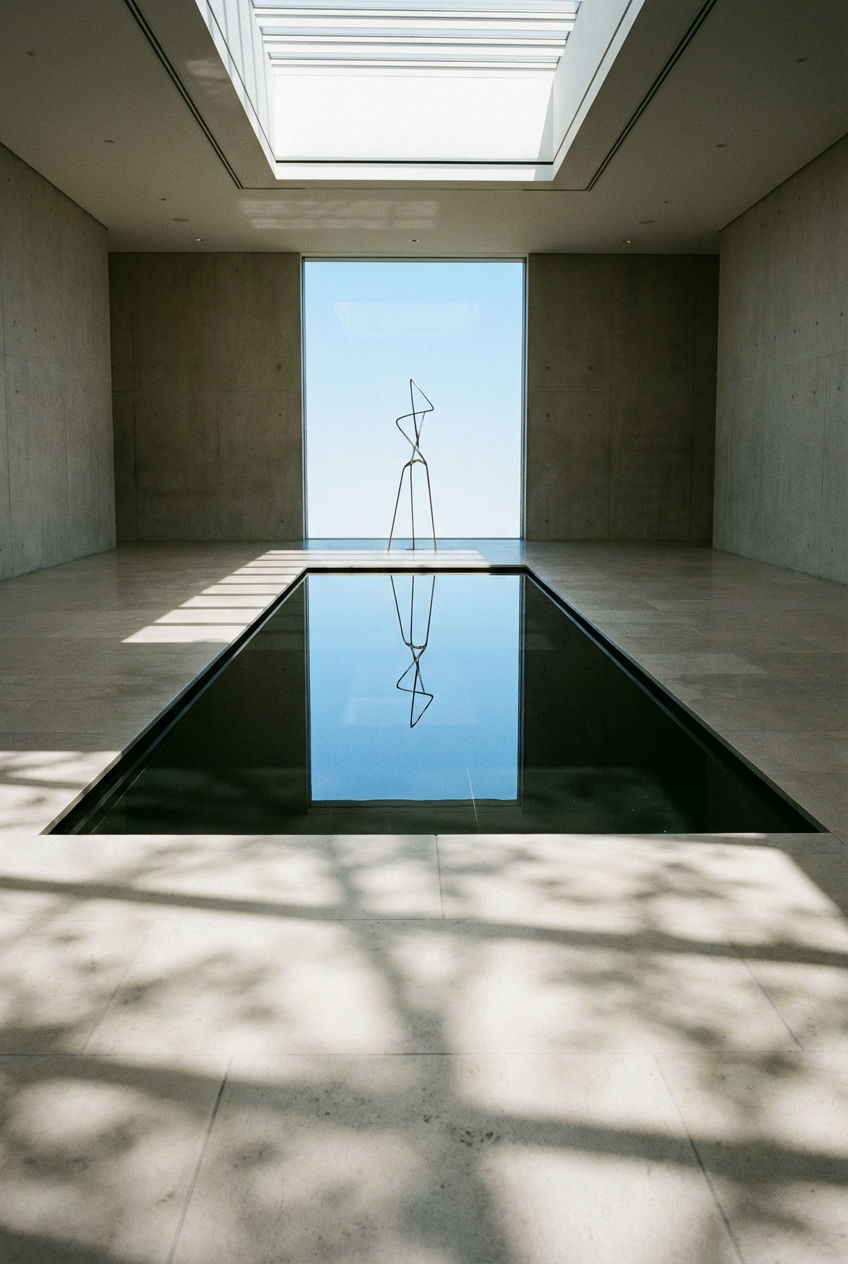
For those who appreciate sleek, modern aesthetics, minimalist reflection pond designs are gaining significant traction. These ponds often feature clean lines, dark liners that create a mirror-like surface, and very few, carefully selected aquatic plants. The emphasis is on the stillness of the water, which artfully reflects the sky, surrounding architecture, and thoughtfully placed garden sculptures. This look is about intentional simplicity, turning your water feature into a piece of living art. You won’t find an abundance of Koi or overly elaborate structures here; instead, the beauty lies in the understated elegance and the profound sense of calm it evokes.
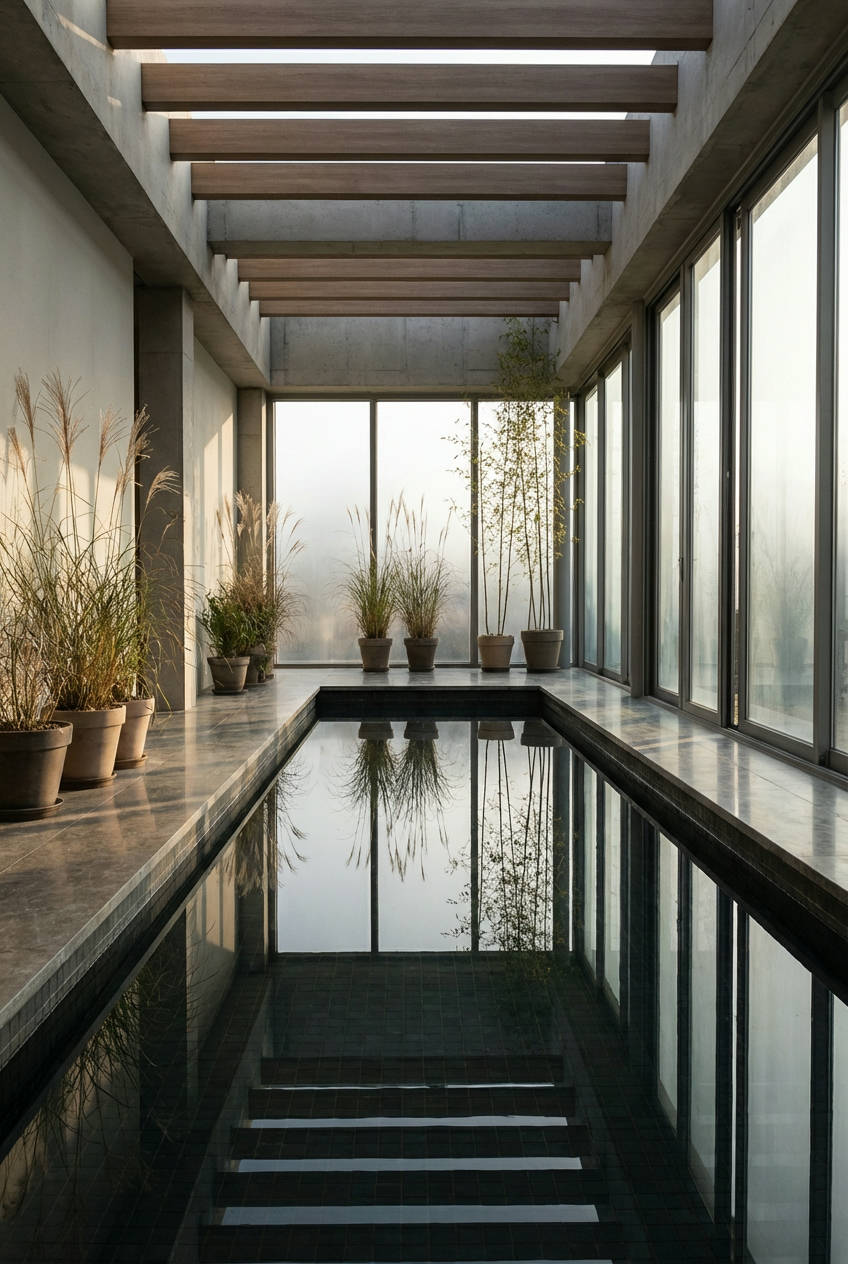
Where it works best: This style excels in contemporary garden designs, urban courtyards, or alongside homes with modern architectural sensibilities. It’s often integrated into patios or decking areas, serving as a tranquil backdrop that enhances rather than overwhelms the space. The beauty is in its ability to bring a sense of expansive calm to even smaller areas.
3. Integrated Decking Ponds
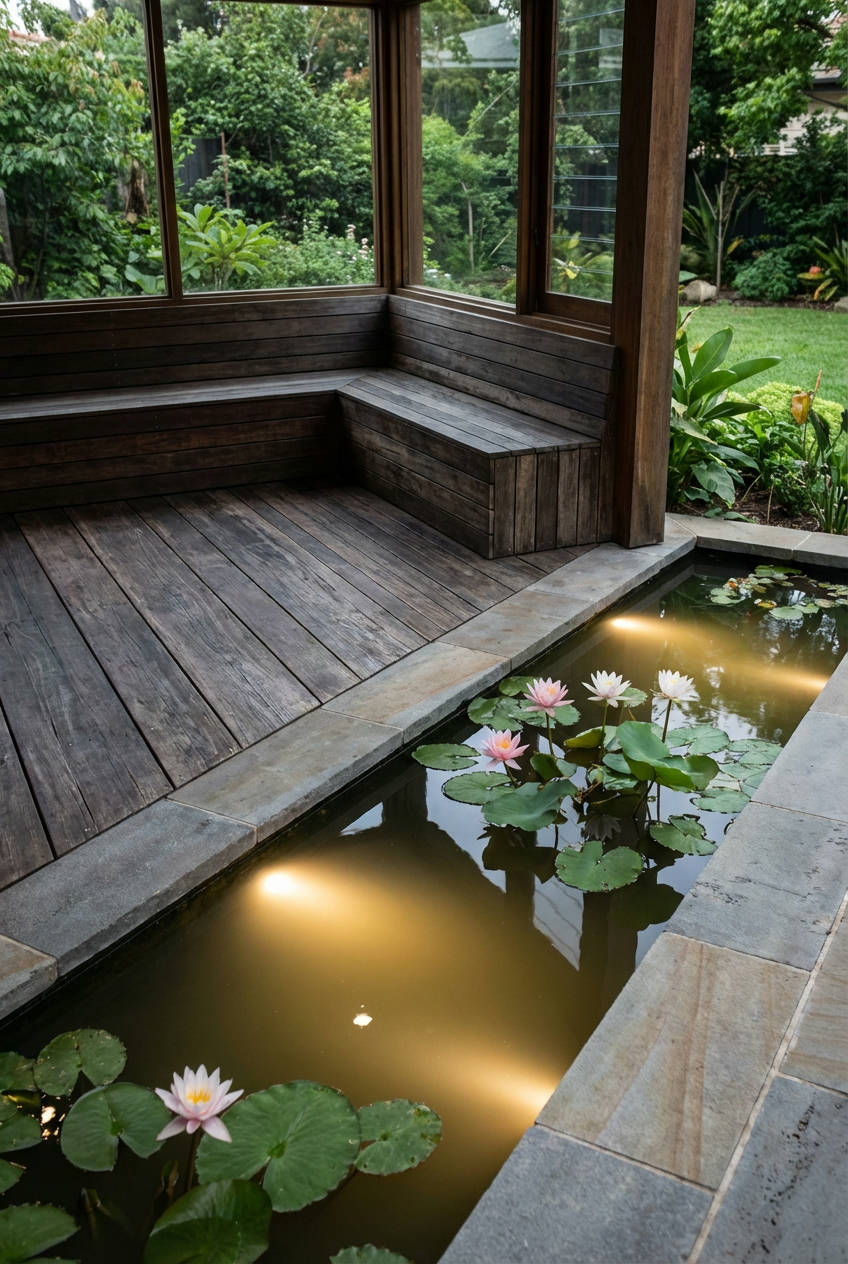
Blurring the lines between interior and exterior living, integrated decking pond designs seamlessly weave water features directly into your outdoor living spaces. Imagine stepping out onto your deck, and a serene pond with elegant Lotus flowers is not just adjacent, but actually part of the decking itself, perhaps with a clear bridge allowing you to walk over it. This approach creates a cohesive and immersive environment, making the water feature an undeniable part of your outdoor experience. It’s a fantastic way to maximize space and bring the soothing sounds and sights of water right to your fingertips, transforming an ordinary deck into an extraordinary sanctuary.
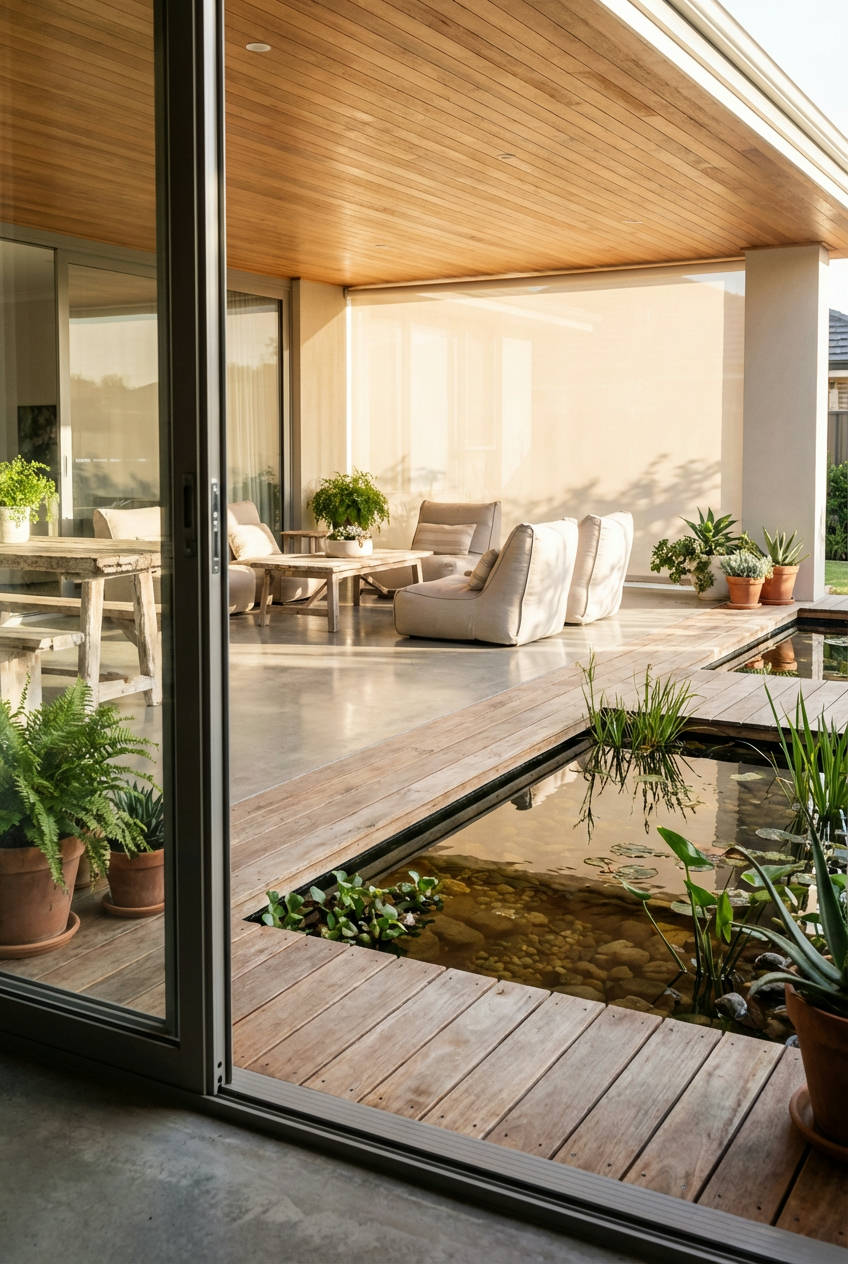
A micro anecdote: Sarah, from Austin, told us how integrating a small pond into her existing deck transformed it from a simple hangout spot to her favorite meditation area. The gentle gurgle of a hidden pump and the sight of her aquatic plants instantly brought a sense of peace she hadn’t anticipated, making her feel like she’d added another room to her home.
4. Wildlife-Friendly Nooks
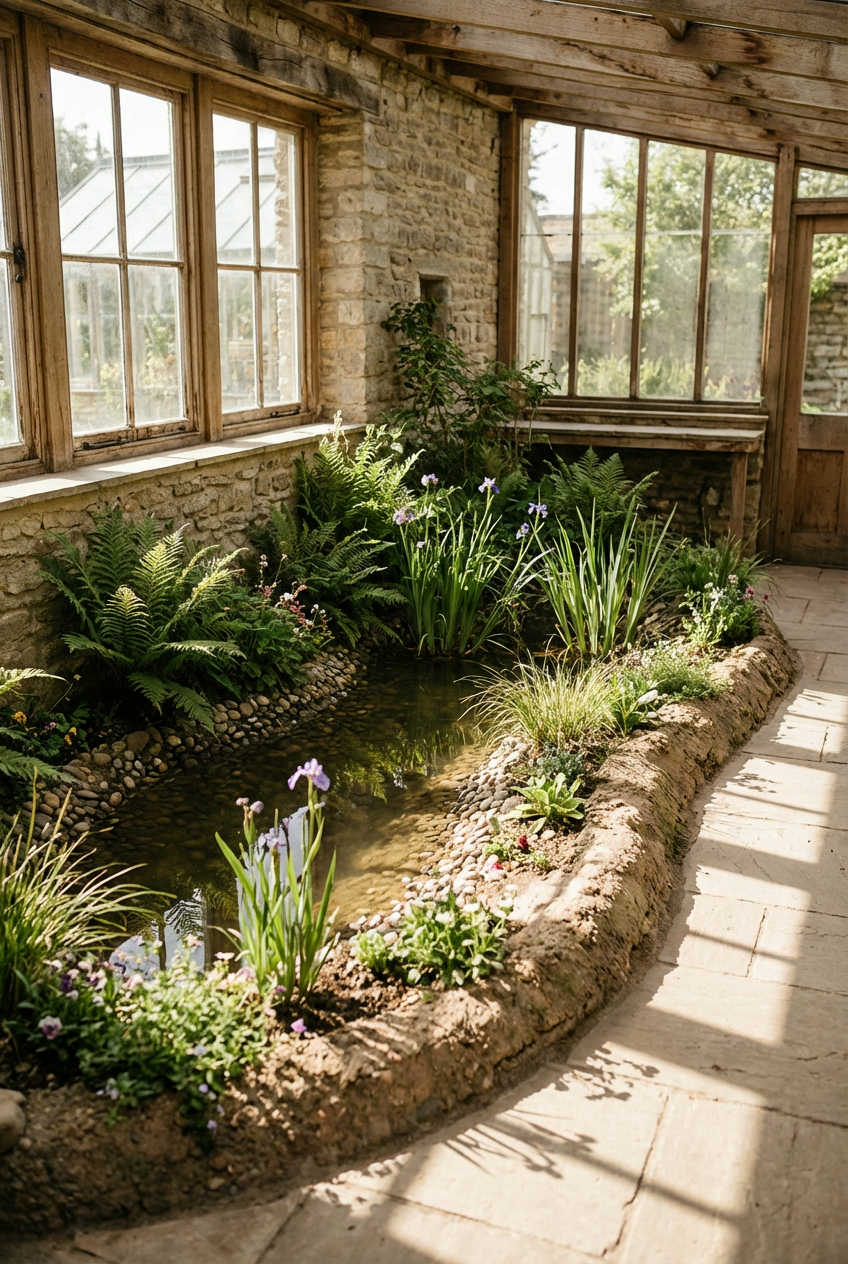
Beyond aesthetics, many homeowners are embracing the ecological benefits of a well-designed pond by creating wildlife-friendly nooks. These ponds are less about showcasing exotic Koi and more about fostering local biodiversity. think shallow edges for birds to drink, submerged plants for insect larvae, and native plants around the perimeter to attract pollinators and beneficial insects. It’s a beautiful way to connect with nature, turning your backyard into a mini-ecosystem that supports local flora and fauna. These spaces aren’t just pretty; they serve a vital role in local environmental health, making your garden a hub of activity.
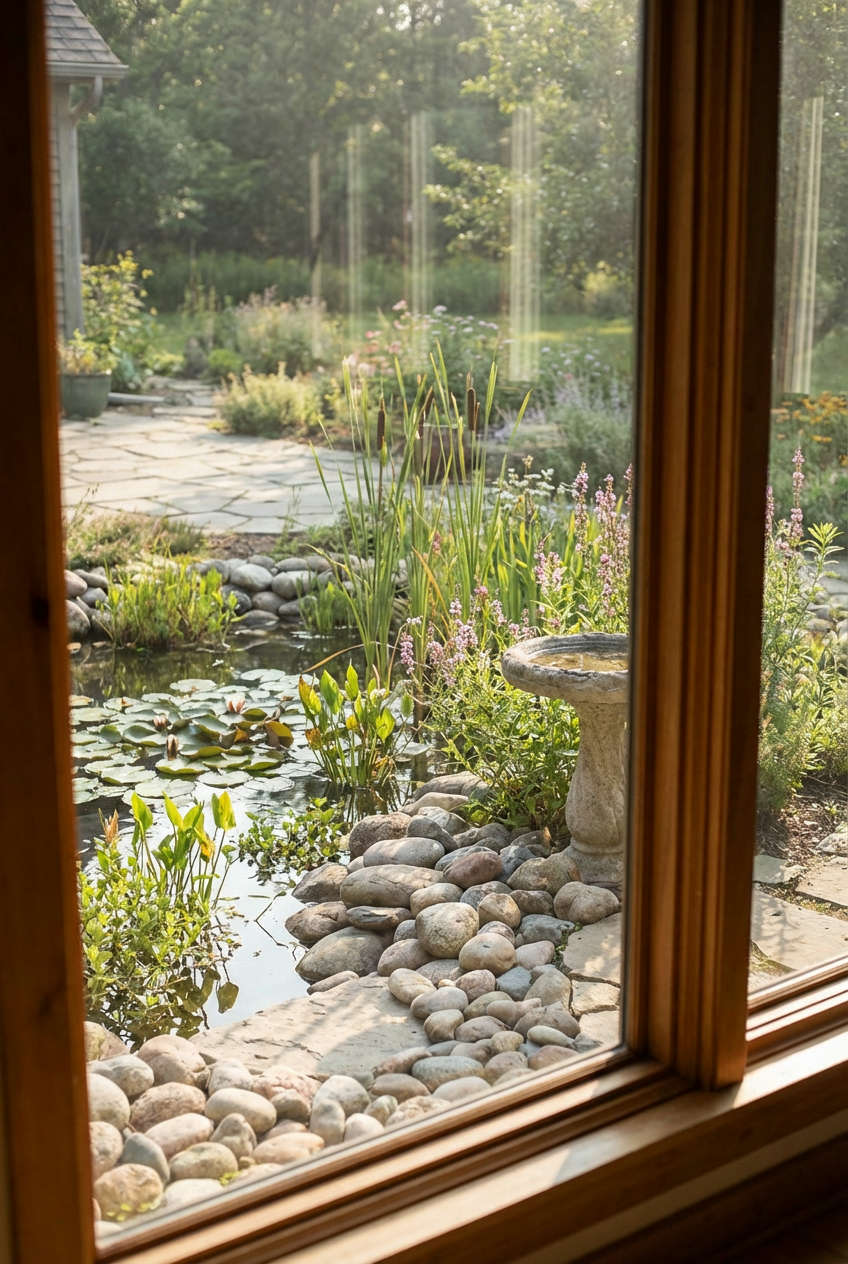
Real homeowner behavior shows a growing interest in sustainable living. People are actively seeking ways to contribute positively to their local environment, and a wildlife-friendly pond is a tangible way to do that right in their own backyard. It’s an investment in beauty that also gives back to nature.
5. DIY Miniature Ponds
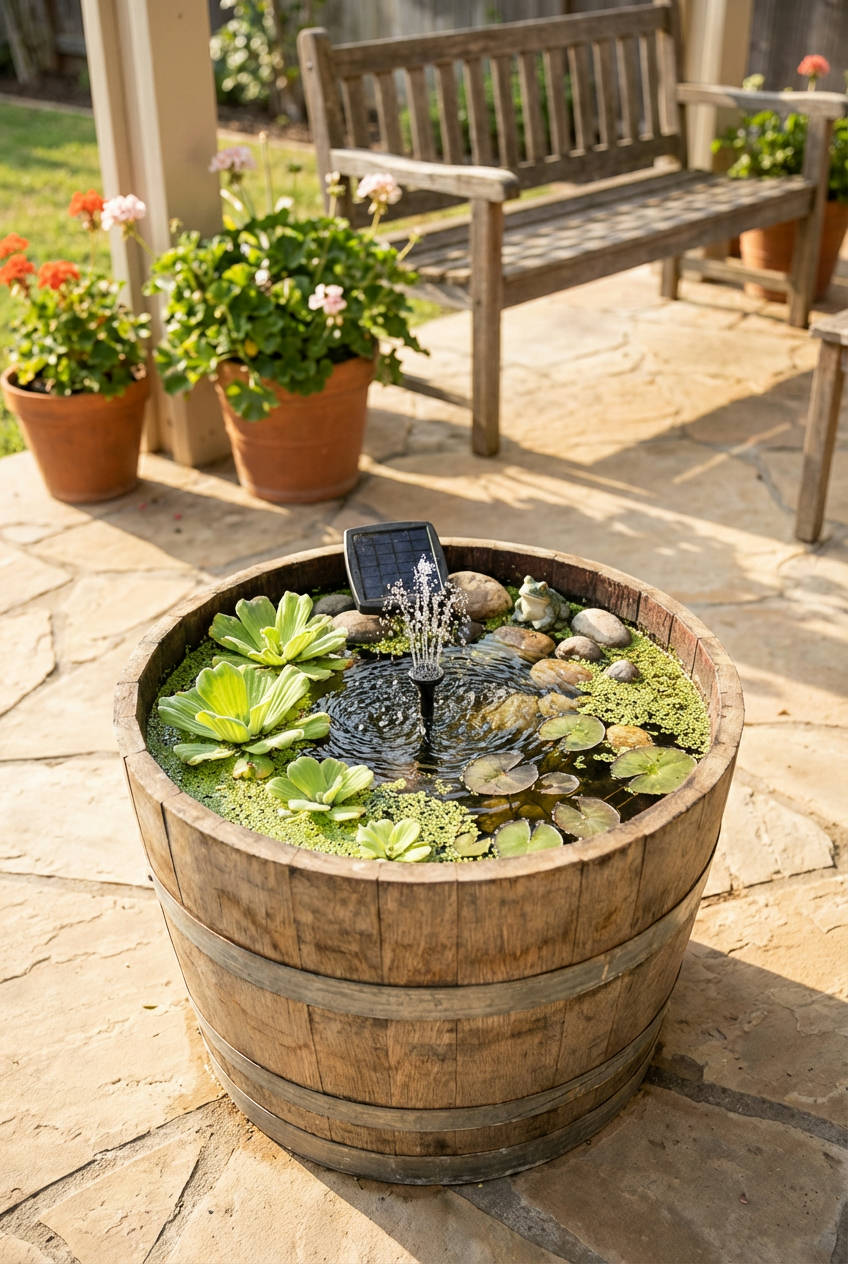
You don’t need a sprawling estate to enjoy the charm of a water feature. DIY miniature pond projects are surging in popularity, offering a manageable and budget-friendly way to bring aquatic beauty to smaller spaces. These can range from repurposed stock tanks and whiskey barrels to large ceramic pots, transformed into charming micro-habitats. They’re perfect for balconies, small patios, or even as a focal point in a compact garden. With a few aquatic plants, maybe a tiny solar pump, and some decorative stones, you can create a surprisingly impactful water feature without extensive landscaping. Plus, the satisfaction of building it yourself is pretty rewarding!
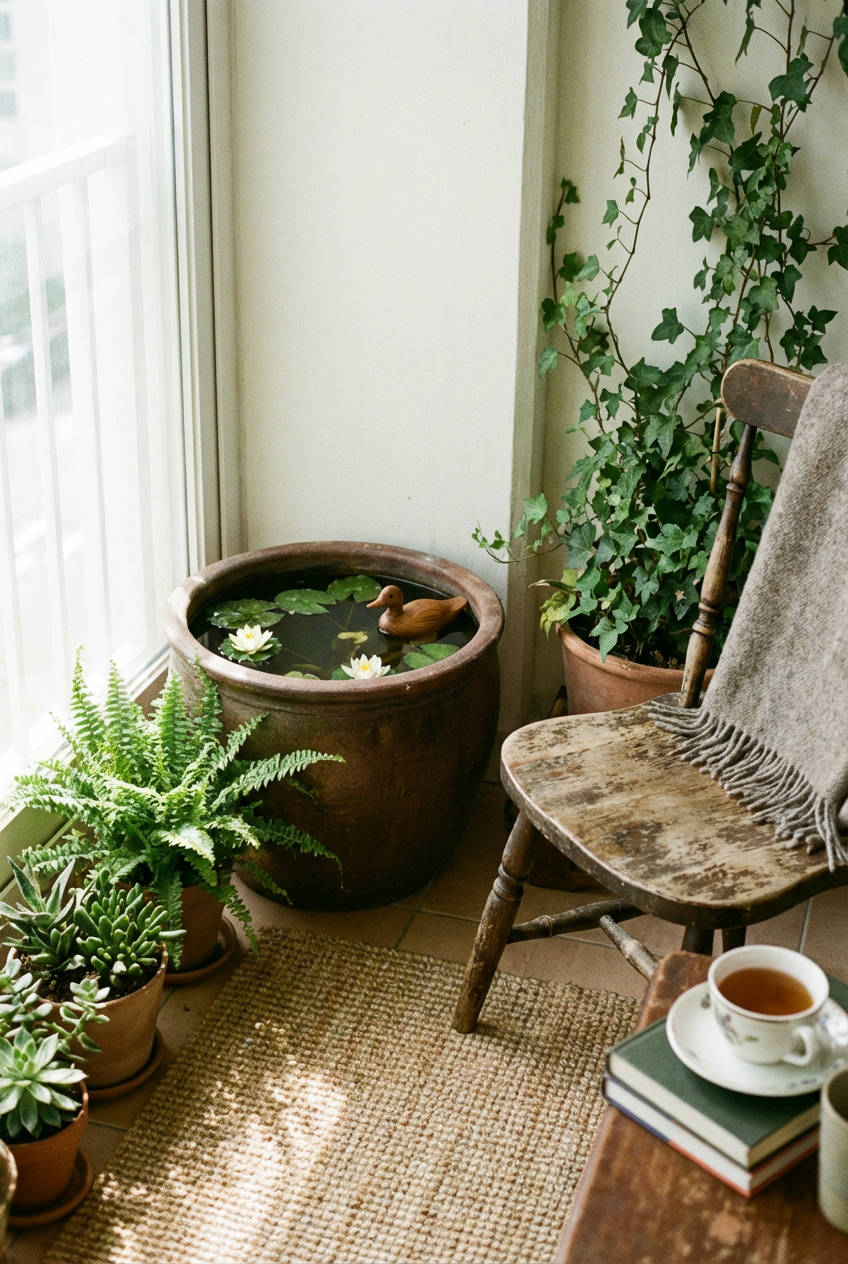
Budget/price angle: This is an excellent option for those looking to add a water feature without a significant financial outlay. You can often source containers for free or at a low cost, and the plants and small pumps are relatively inexpensive, making it a very accessible project for almost any budget. This makes the joy of a pond attainable for many.
6. Japanese-Inspired Zen Ponds
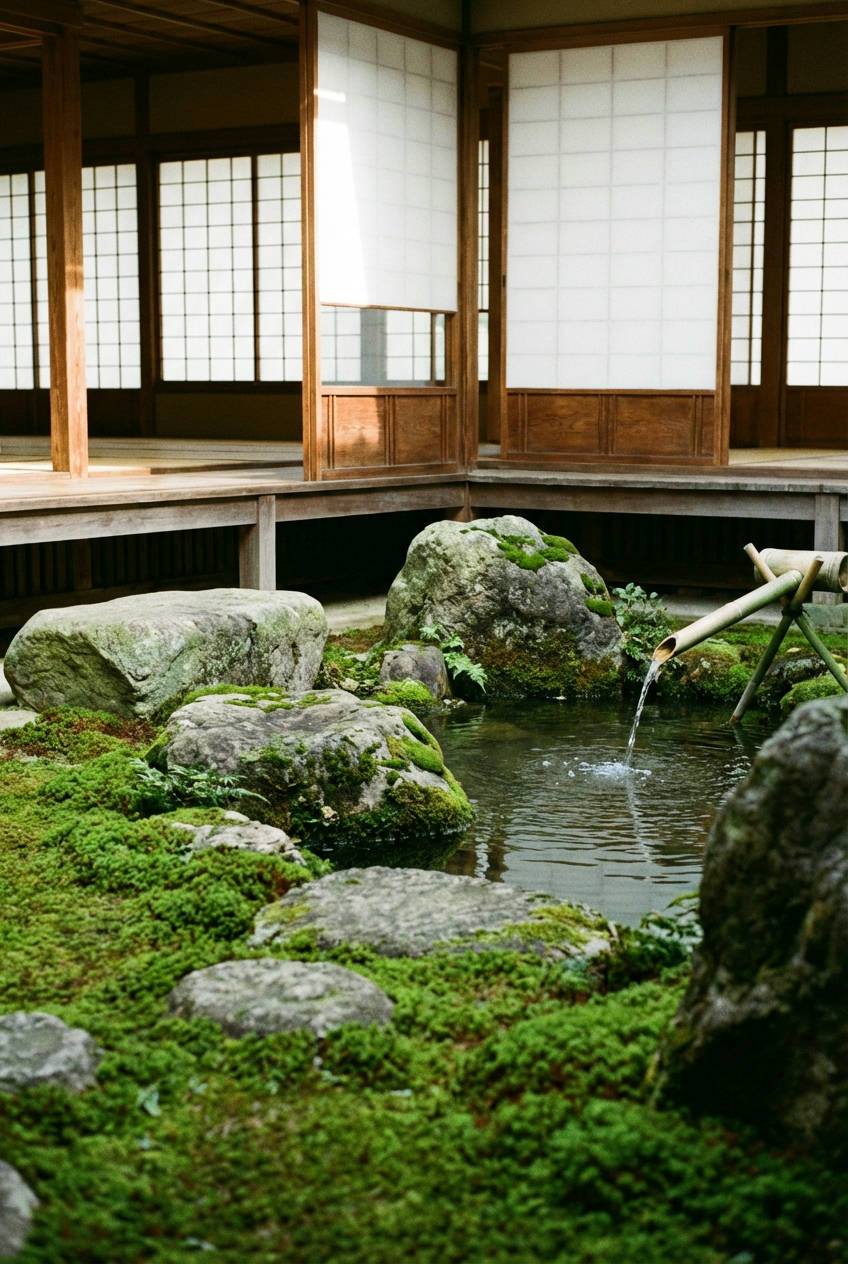
Drawing on centuries of tradition, Japanese-inspired Zen pond designs continue to enchant with their serene beauty and thoughtful composition. These ponds are meticulously crafted to evoke peace and contemplation, often featuring carefully placed rocks, moss, and precise plantings. The sound of water often plays a key role, whether it’s a gentle waterfall or a bamboo water spout. While Koi fish are a classic element, the overall aesthetic prioritizes balance and harmony, creating a space for quiet reflection. It’s about bringing a sense of ancient wisdom and calm into your modern-day garden, offering an escape from the everyday hustle.
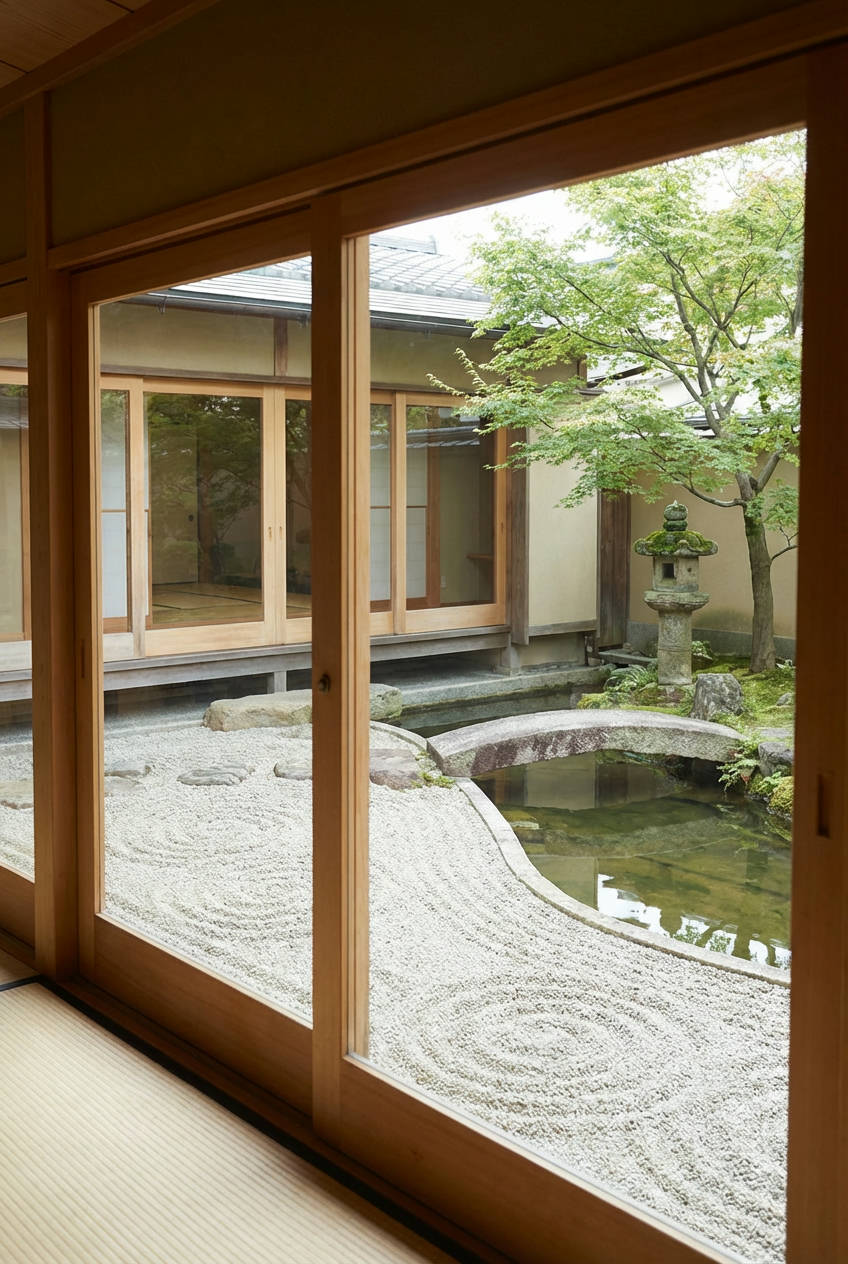
Expert-style commentary: “The art of Japanese pond design is about creating a microcosm of nature, where every element has purpose and contributes to the overall feeling of peace,” says renowned landscape architect, Dr. Kiyoshi Tanaka. “It’s not just about what you put in, but how you arrange absence, allowing the viewer’s mind to fill the space.” This thoughtful approach separates these ponds from simple water features.
7. Edible Aquatic Ponds
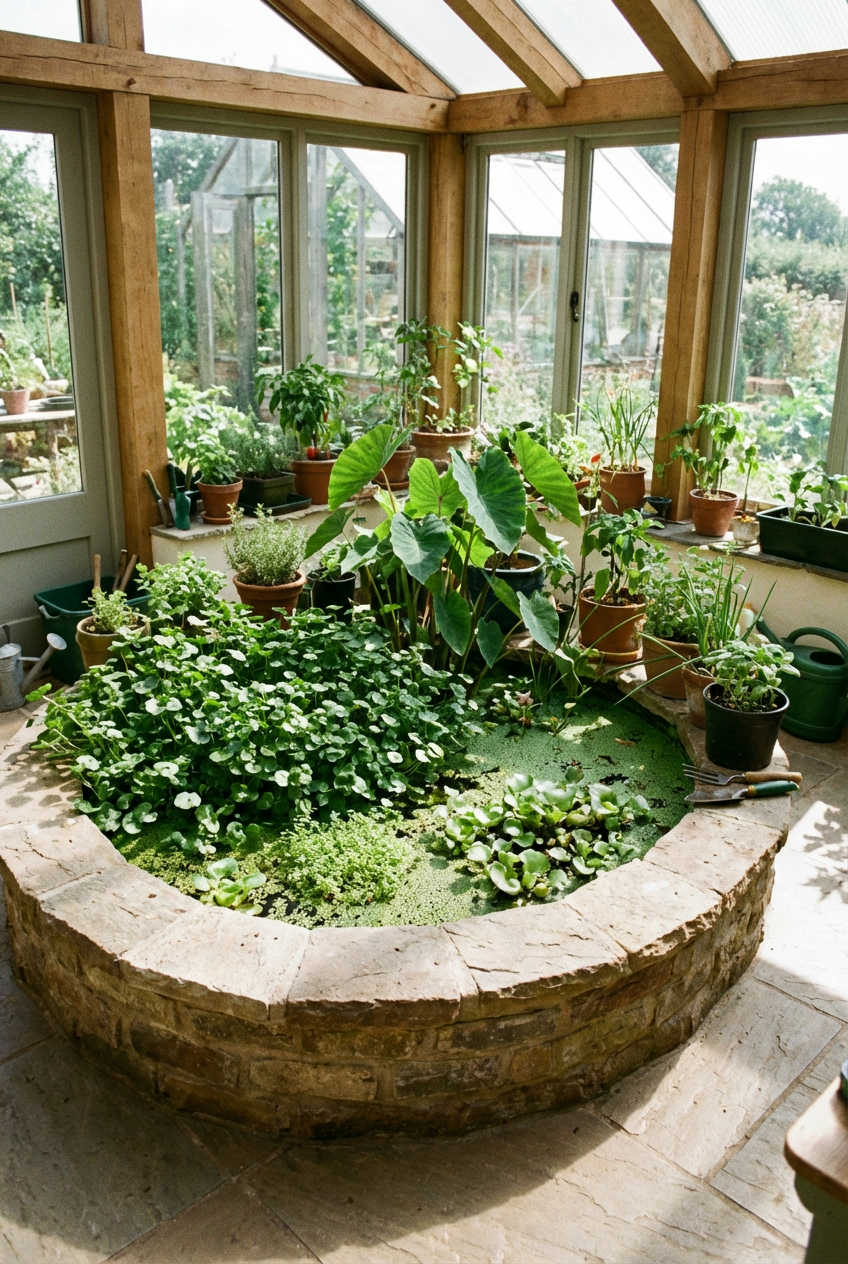
Merging functionality with beauty, edible aquatic pond designs are an exciting trend for 2026. Imagine not just admiring your water feature but also harvesting fresh herbs, vegetables, and even fruits from it. Think watercress growing abundantly, taro plants lending a tropical vibe, or even rice paddies on a smaller, decorative scale. This approach is rooted in permaculture principles, creating a productive ecosystem that also serves as a stunning visual element in your outdoor space. It’s a fantastic way to engage with your garden in a new, sustainable manner, turning aesthetics into sustenance. You can even combine this with Fish if you want to create a full aquaponics system.
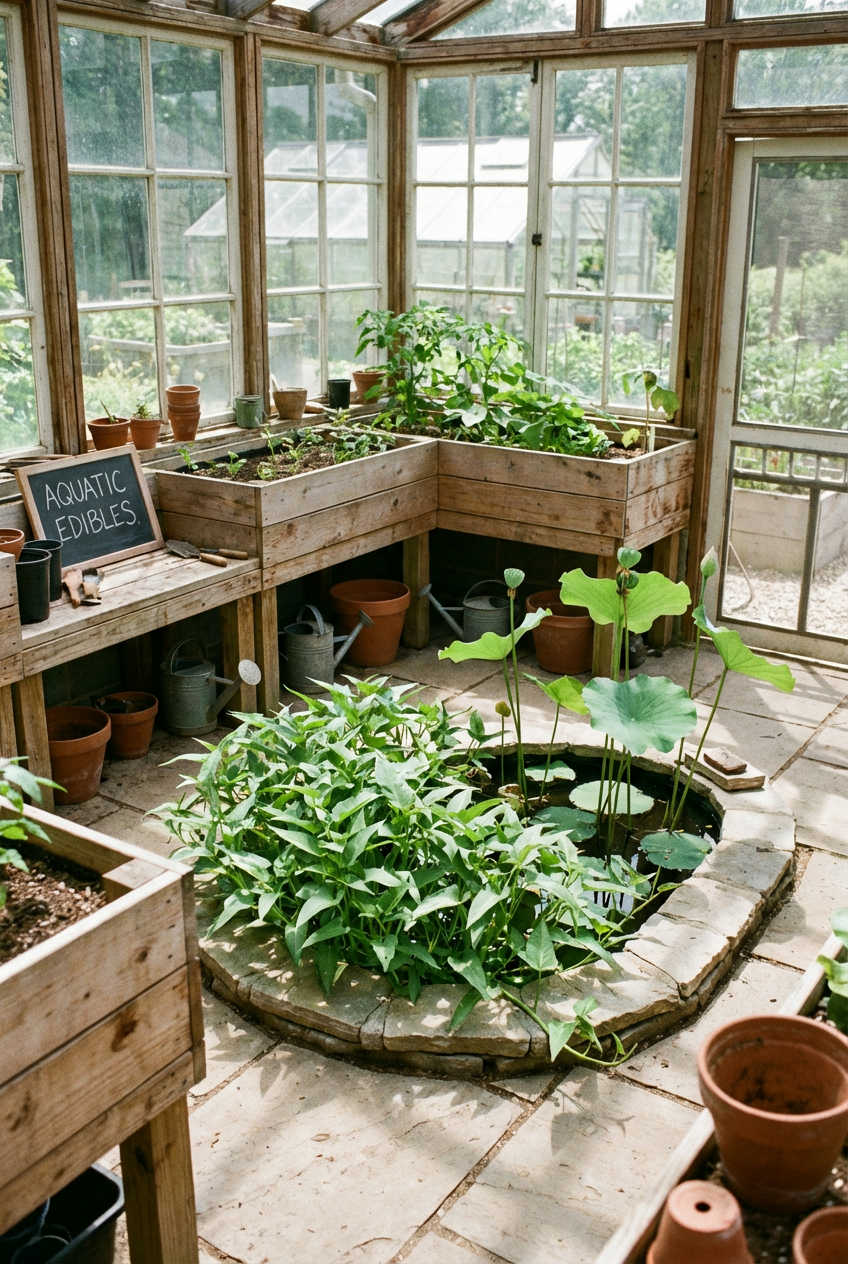
American lifestyle or regional context: This concept particularly resonates with the growing interest in backyard homesteading and farm-to-table living across the US. From urban gardeners in Brooklyn to suburban families in California, people are seeking ways to cultivate their own food, and edible ponds offer a unique and beautiful avenue for sustainable food production.
8. Cascading Multi-Level Ponds
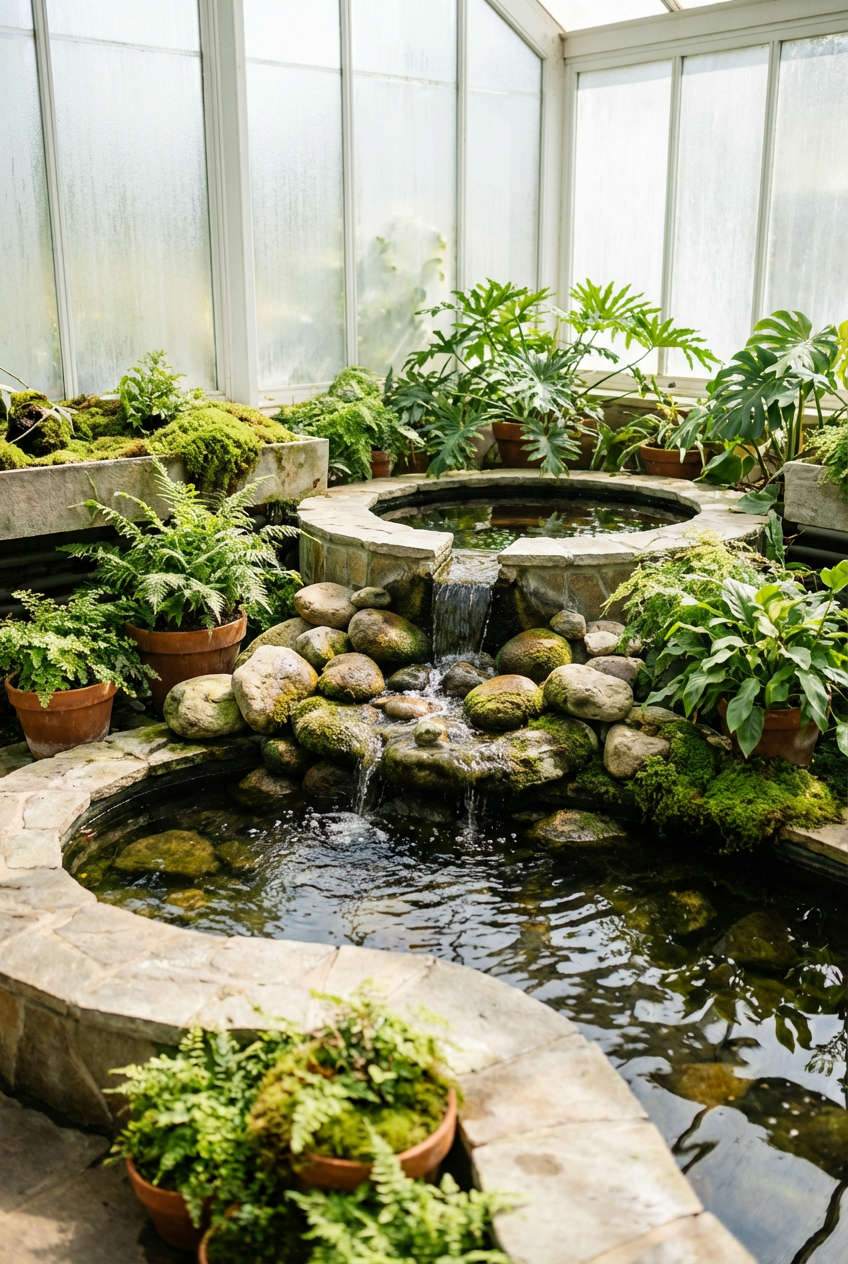
For a garden with a sense of drama and dynamic movement, consider cascading multi-level pond designs. These features utilize varying elevations to create a series of interconnected ponds, with water gently spilling or cascading from one level to the next. The effect is mesmerizing, providing continuous soothing sounds and visual interest. It’s a particularly effective way to incorporate a water feature on sloped terrain or to create distinct zones within a larger pond complex. Imagine Lotus blooms gracing one level, while another quietly nurtures small Fish, creating a rich tapestry of aquatic life and sound. This design truly transforms flat spaces into lively, textured landscapes.
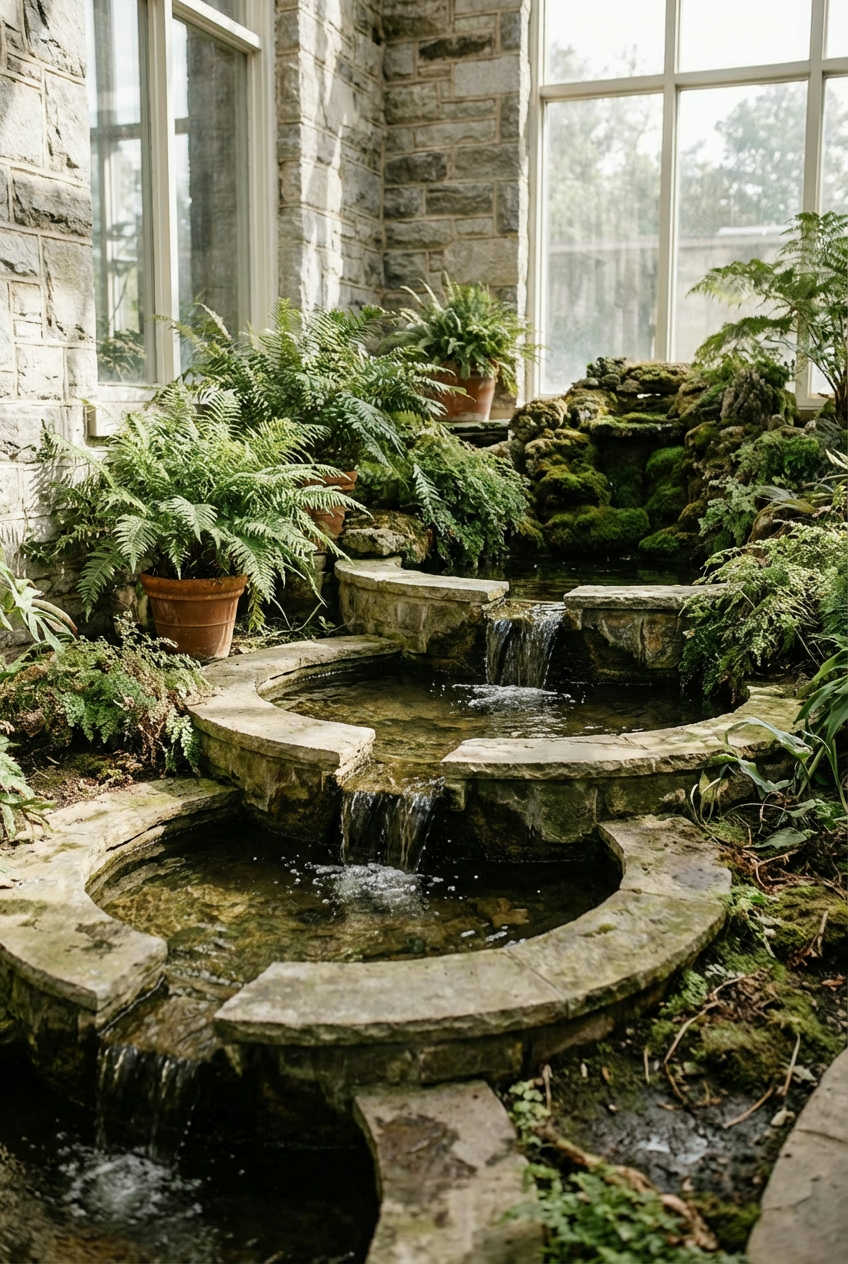
Practical insight: When designing a multi-level pond, proper waterproofing and a robust pump system are paramount. Ensure each level has adequate spillway capacity to handle heavy rainfall, and choose a pump strong enough to circulate water through all tiers effectively. It’s a complex but deeply rewarding installation.
9. Koi Pond with Viewing Windows
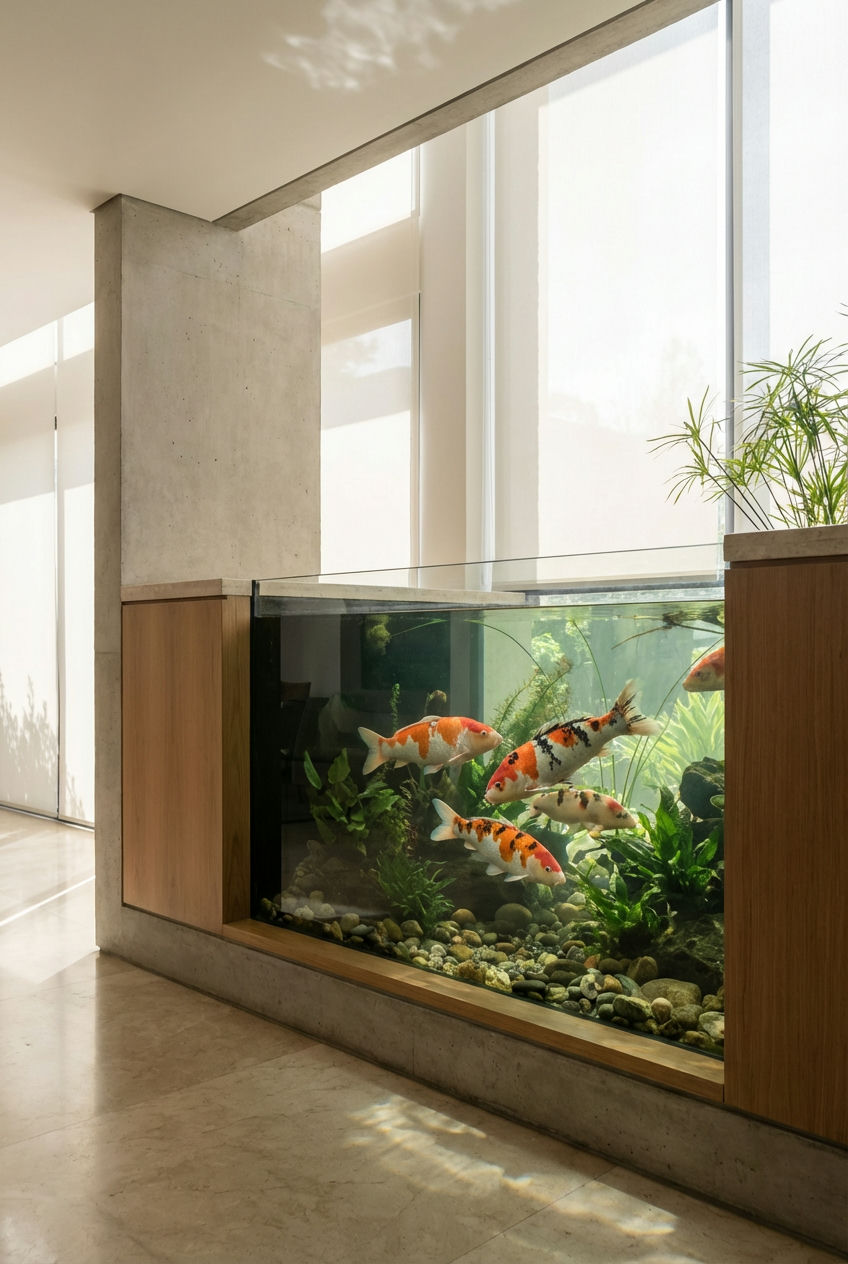
Taking the appreciation of your aquatic inhabitants to new depths, Koi ponds with integrated viewing windows are a show-stopping feature for 2026. Instead of just admiring your vibrant Koi fish from above, imagine clear acrylic or glass panels allowing you to observe them swimming gracefully at eye level. This design element provides an immersive, aquarium-like experience, offering a unique perspective on their beauty and behavior. It’s a fantastic way to make your pond a truly interactive centerpiece, captivating both adults and children alike. The viewing window integrates seamlessly, making the pond feel almost like an extension of your home.
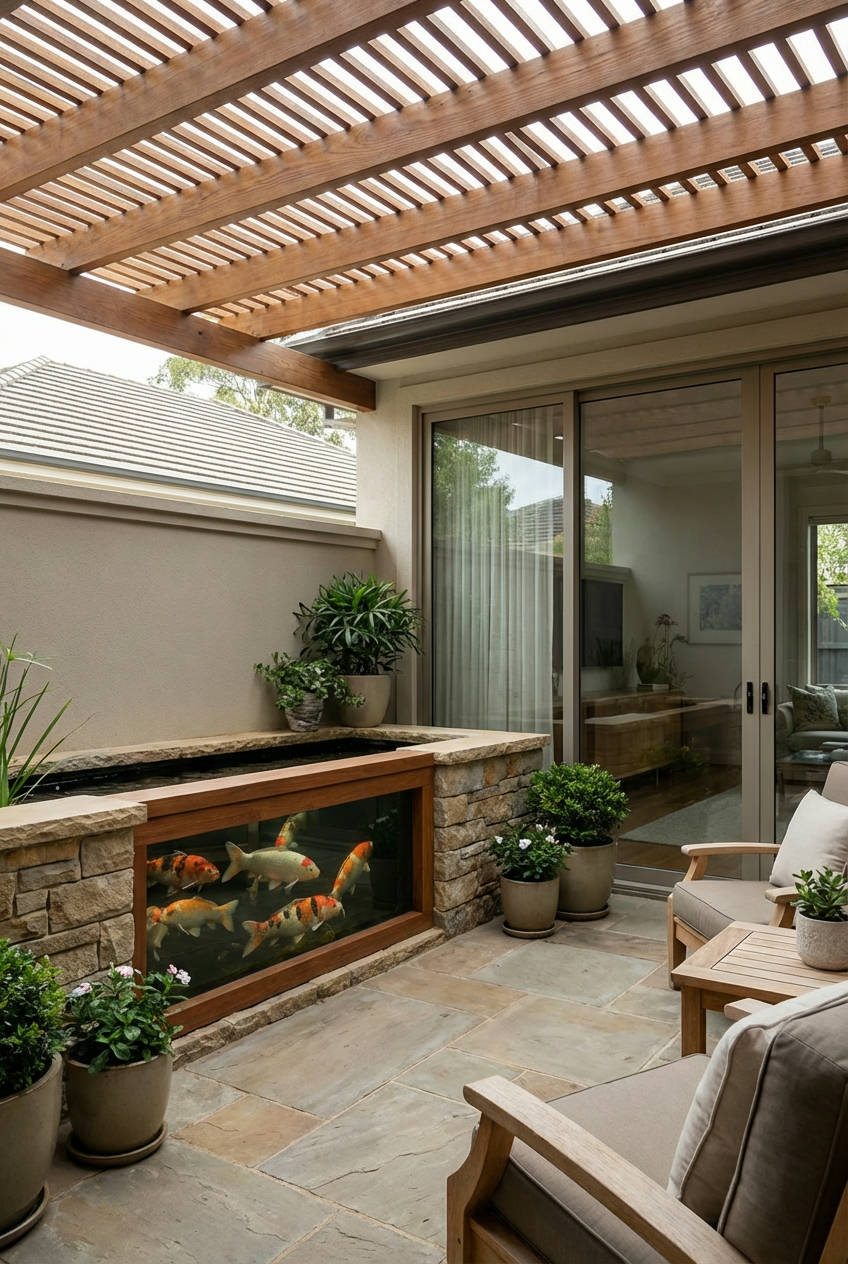
Common mistakes and how to avoid them: A common pitfall is using standard glass, which isn’t strong enough. Always opt for tempered glass or high-quality acrylic specifically designed for underwater pressure. Also, ensure proper sealing during installation to prevent leaks; this is not a DIY task for the inexperienced. Investing in professional installation for the window element is highly recommended to ensure safety and longevity.
10. Floating Planters and Islands
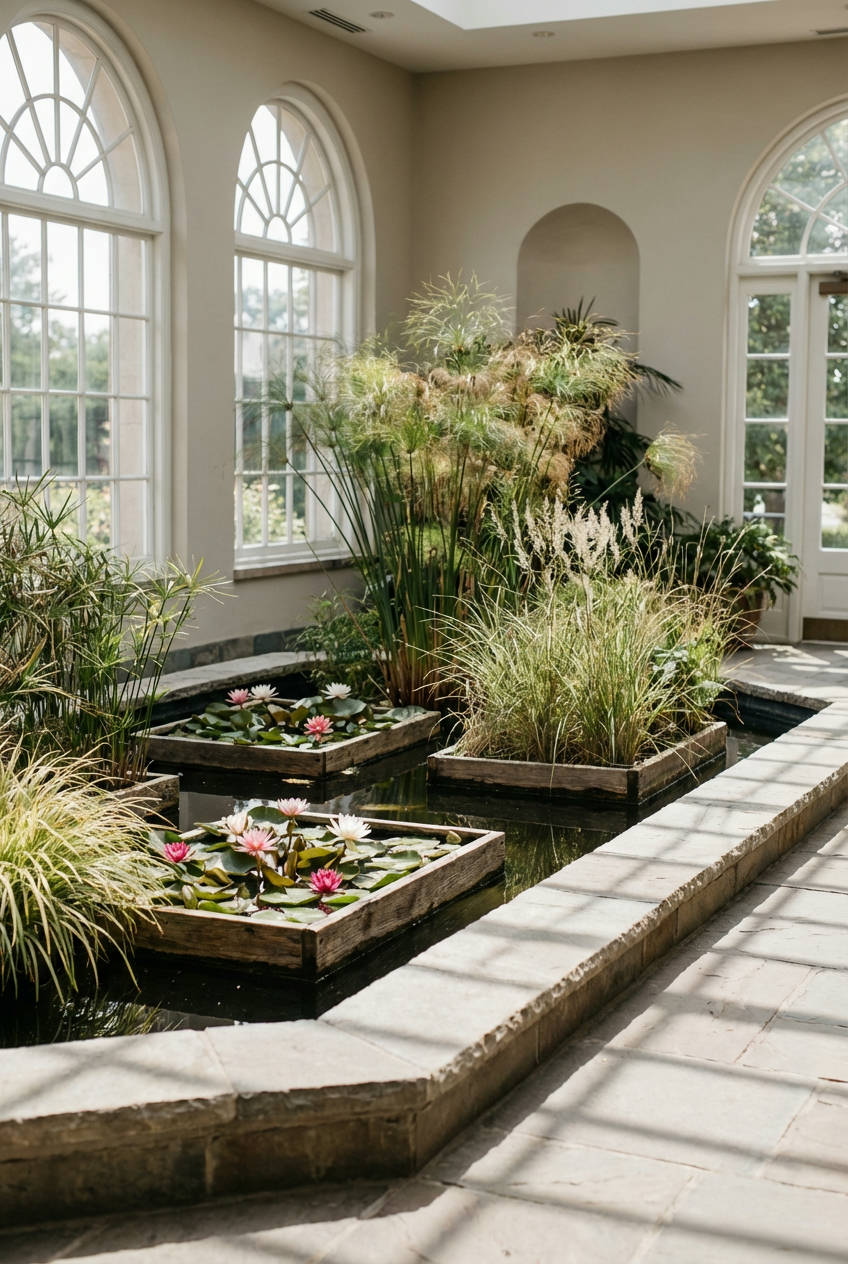
Injecting dynamic interest and lush greenery into your pond, floating planters and islands are a popular trend for 2026. These cleverly designed elements allow you to introduce a variety of plants, from vibrant Lotus to graceful grasses, directly onto the water’s surface without needing traditional planting beds. They also provide natural shade and filtration, helping to maintain water quality and offer cover for any Fish. They can be moved around, allowing for flexible landscape design and easy maintenance. Imagine a group of meticulously arranged floating planters, creating a constantly evolving tapestry of foliage and bloom.
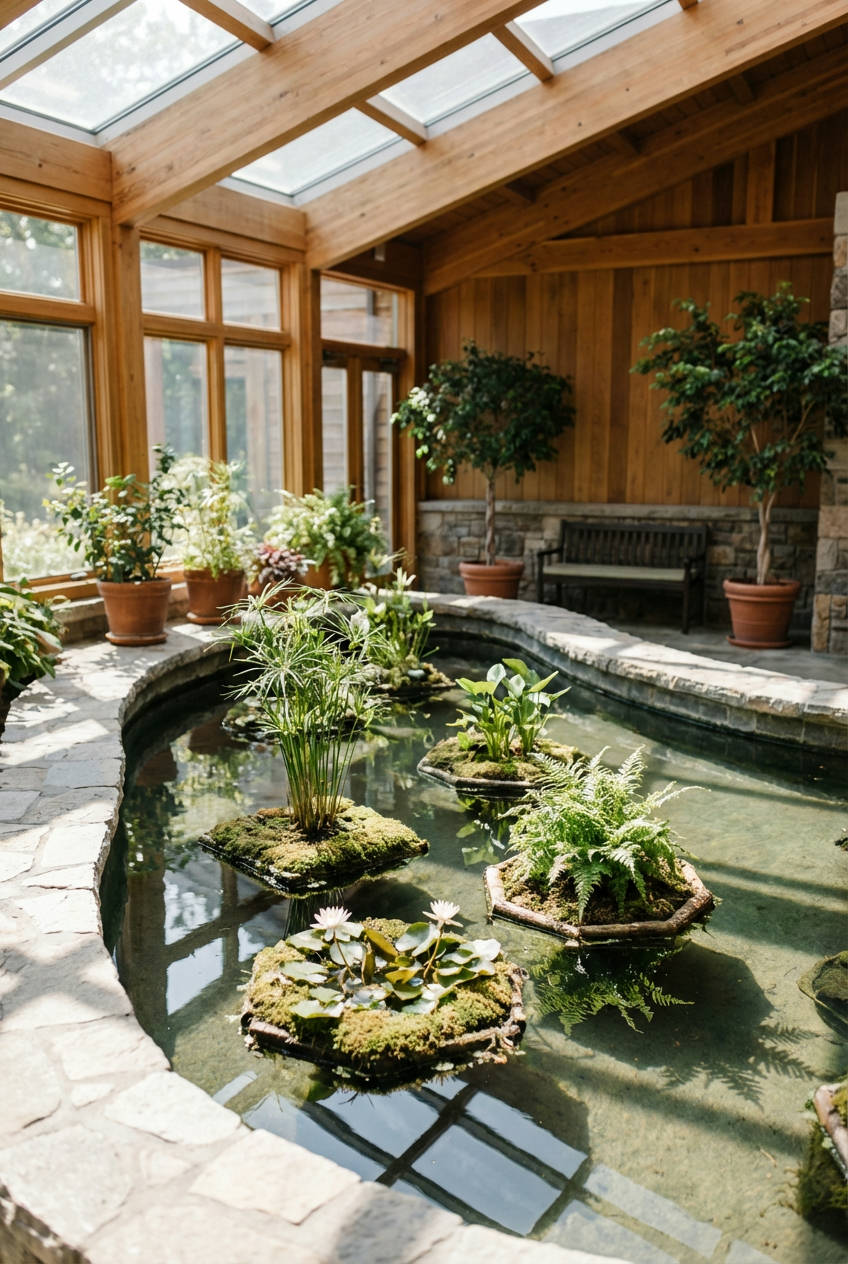
Where it works best: This idea is perfect for larger ponds where you want to add more greenery without disrupting the existing ecosystem or for ponds that lack natural planting shelves. They’re also fantastic for providing quick bursts of color and texture to an otherwise simple water feature. They offer versatility and instant impact, making them a favorite for enhancing existing ponds.
11. Smart Pond Systems
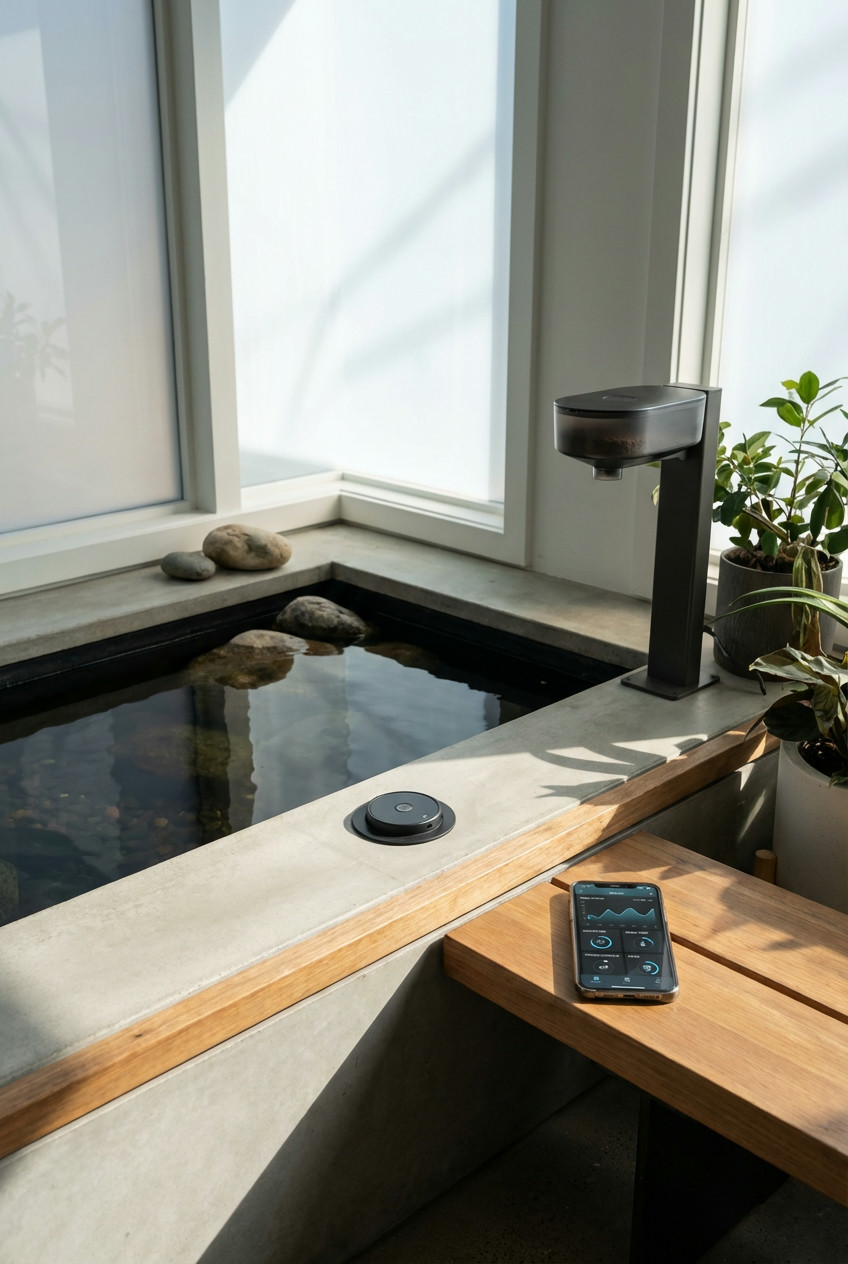
For the tech-savvy gardener, smart pond systems are bringing convenience and efficiency to aquatic landscaping. Imagine monitoring water quality, controlling pumps and filters, and even feeding your Koi, all from your smartphone. These integrated systems utilize sensors and smart devices to automate routine tasks, ensuring your pond remains pristine with minimal effort. They can alert you to potential issues, optimize energy usage, and allow for remote management, giving you peace of mind whether you’re at home or away. This tech integration is transforming pond ownership into a truly hands-off, enjoyable experience, rather than a chore.
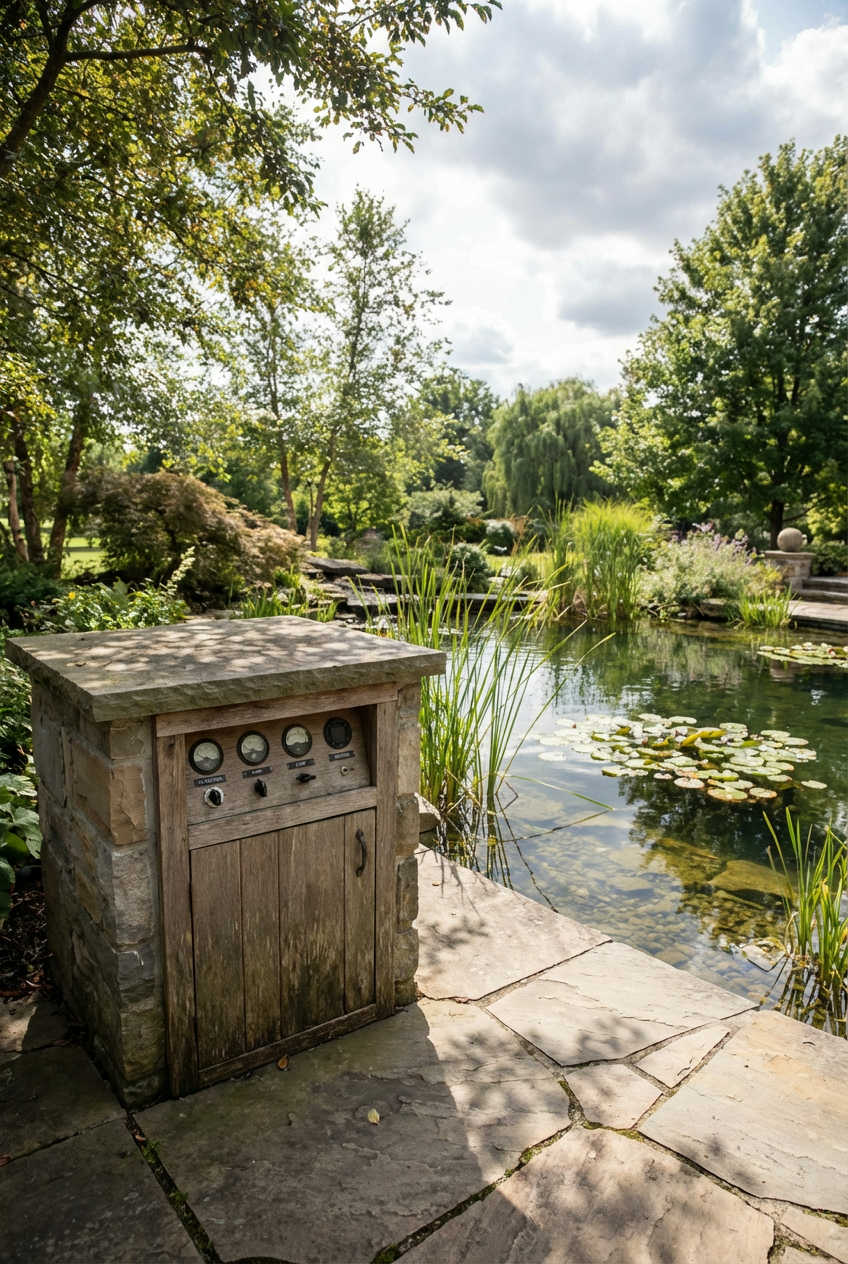
Practical insight: While the initial investment in smart pond technology can be higher, the long-term benefits in terms of reduced manual labor, optimized water quality, and potential energy savings often make it a worthwhile upgrade. Always research compatible systems and ensure professional installation for best results. This ensures your investment pays off in both convenience and durability.
12. Upcycled Material Ponds
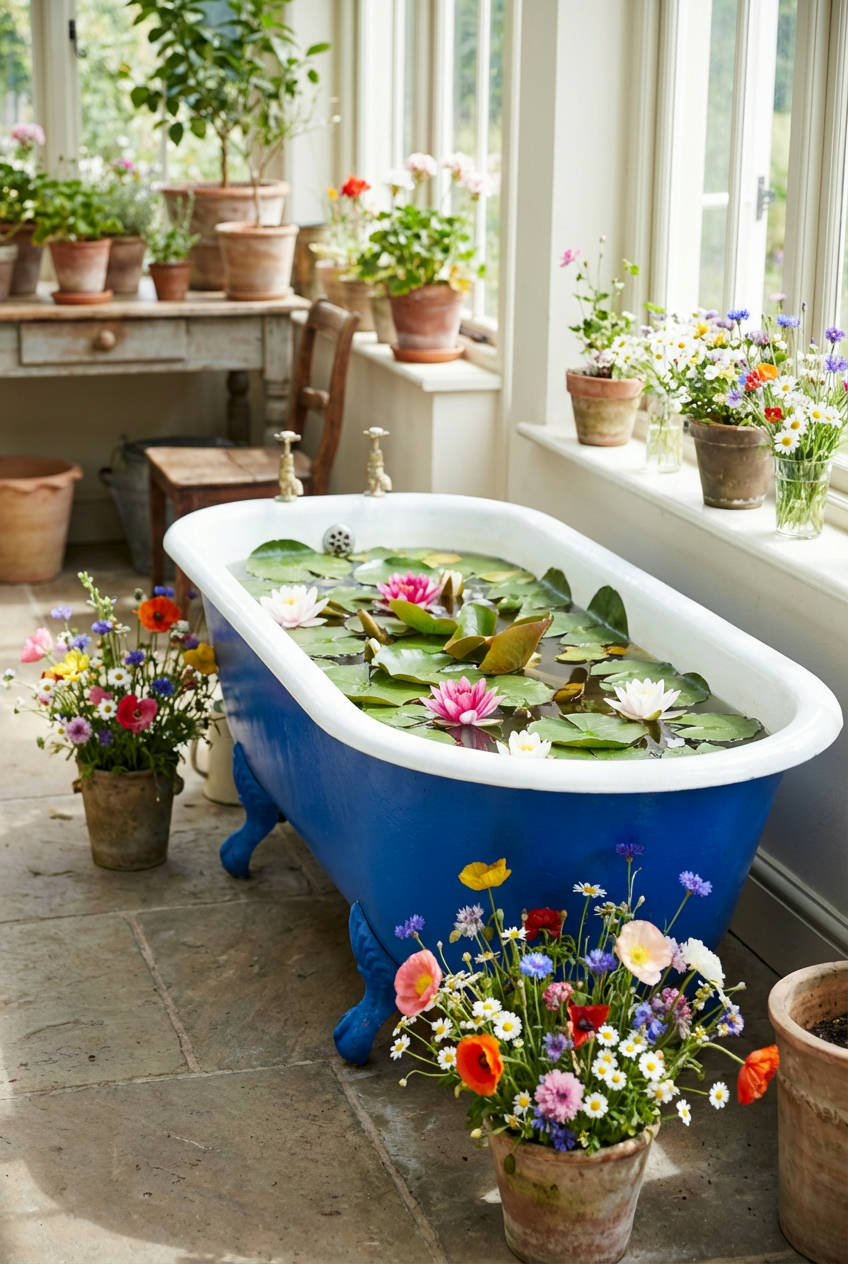
Sustainability and creative reuse are at the forefront of upcycled material pond designs. Instead of buying new, homeowners are finding ingenious ways to transform discarded items into charming and unique water features. Think old bathtubs, tractor tires, or even salvaged washbasins creatively converted into small ponds. This approach not only reduces waste but also infuses your garden with character and a distinctly personal touch. It’s a testament to the idea that beauty can be found in unexpected places, and a fantastic way to create distinctive Ideas for your outdoor haven. This method helps the environment while adding charm.
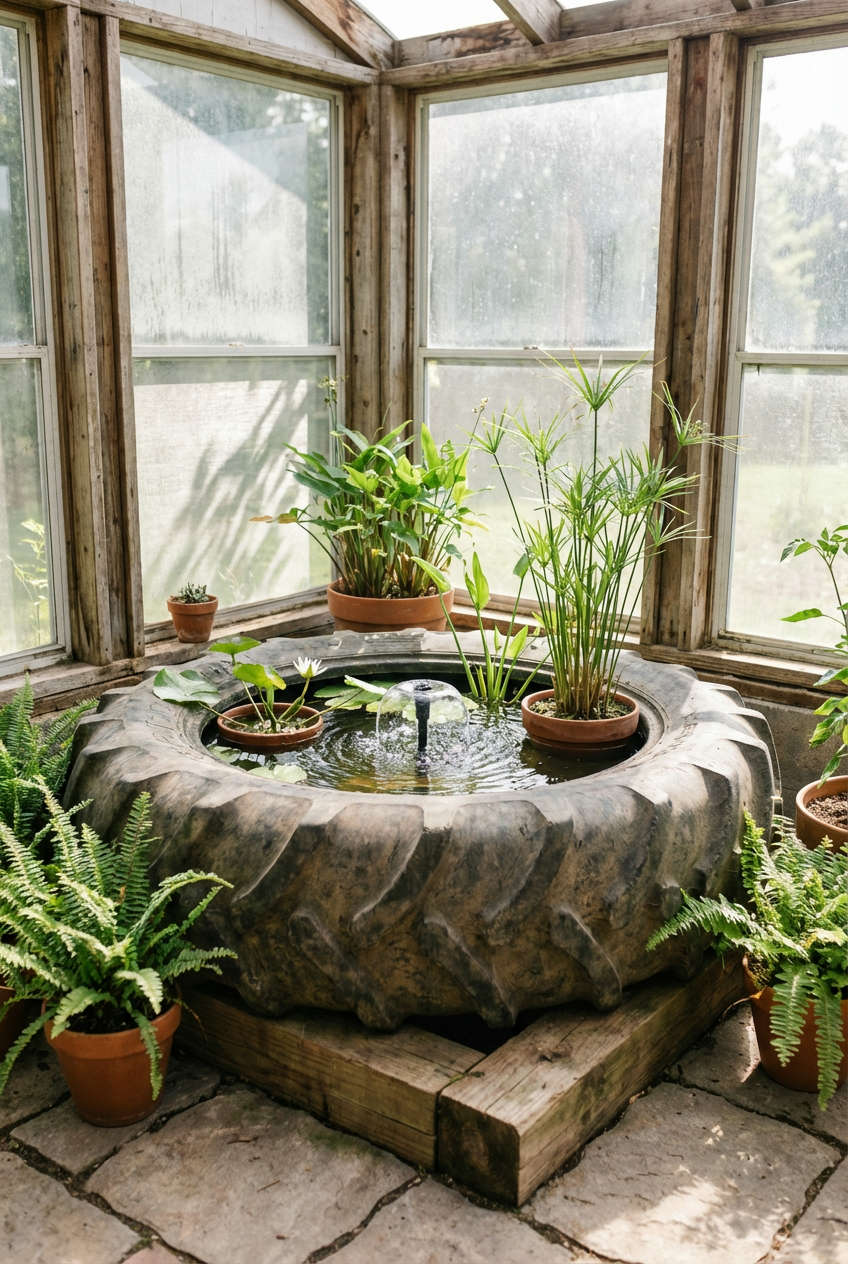
Budget/price angle: This is undoubtedly one of the most cost-effective ways to create a pond. By using salvaged materials, you virtually eliminate the cost of the main structure, allowing you to allocate more funds to plants, pumps, or decorative elements. The creativity involved makes it a unique and satisfying project, all while being kind to your wallet.
13. Vertical Garden Ponds
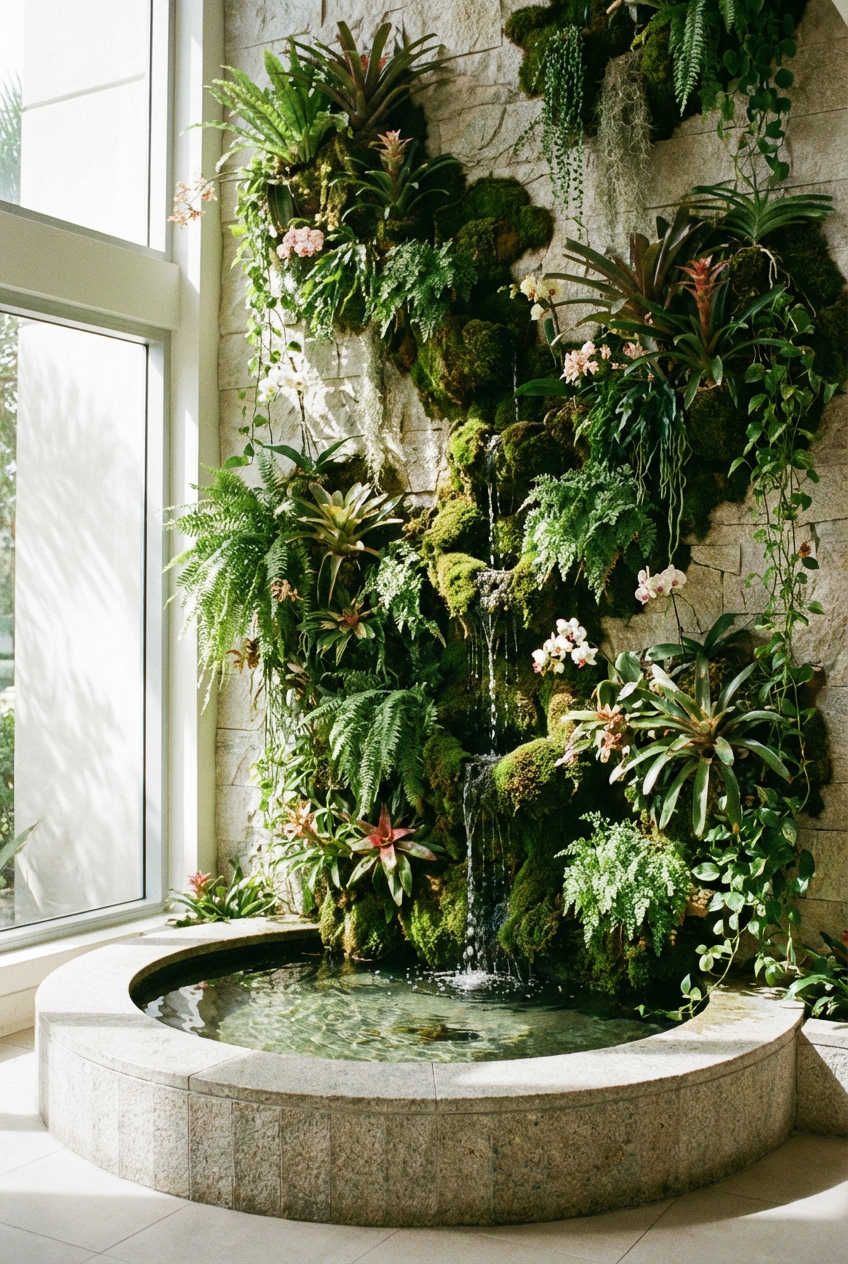
Maximizing space and visual impact, vertical garden pond designs are an innovative solution for smaller outdoor areas. These designs integrate a small pond at the base of a vertical planter system, allowing water to circulate and nourish plants on multiple levels. Imagine lush foliage cascading down a wall, with a tranquil pool at its base creating a delightful micro-ecosystem. This approach is not only aesthetically striking but also functional, offering a unique blend of water feature and living wall. It’s a smart space-saving solution that delivers on both beauty and biodiversity, perfect for urban dwellers seeking green Ideas.
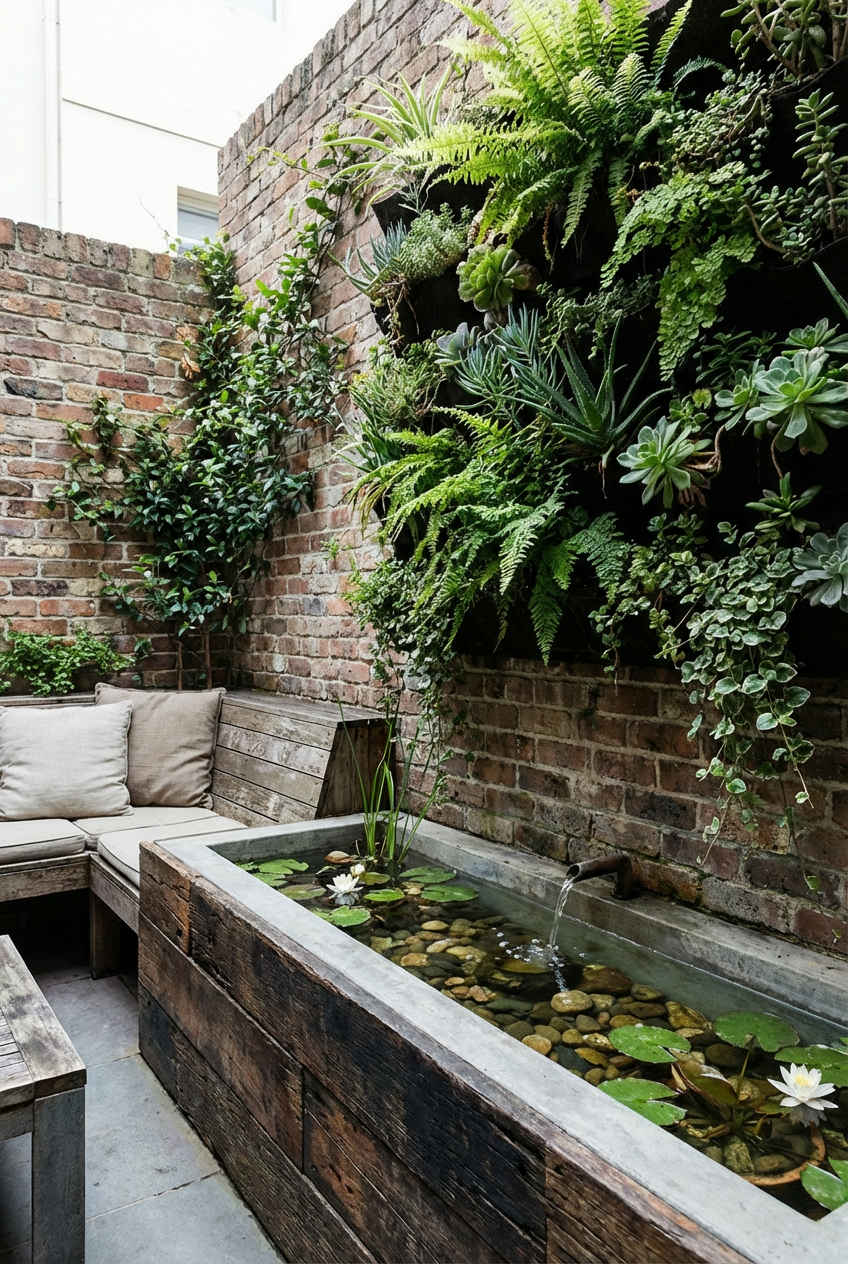
Where it works best: Ideal for urban balconies, small patios, or even indoor settings where space is at a premium. It offers a way to introduce a significant amount of greenery and the calming presence of water without taking up much horizontal footprint. It’s a clever way to bring an abundance of nature into even the most compact of environments.
14. Natural Swimming Ponds
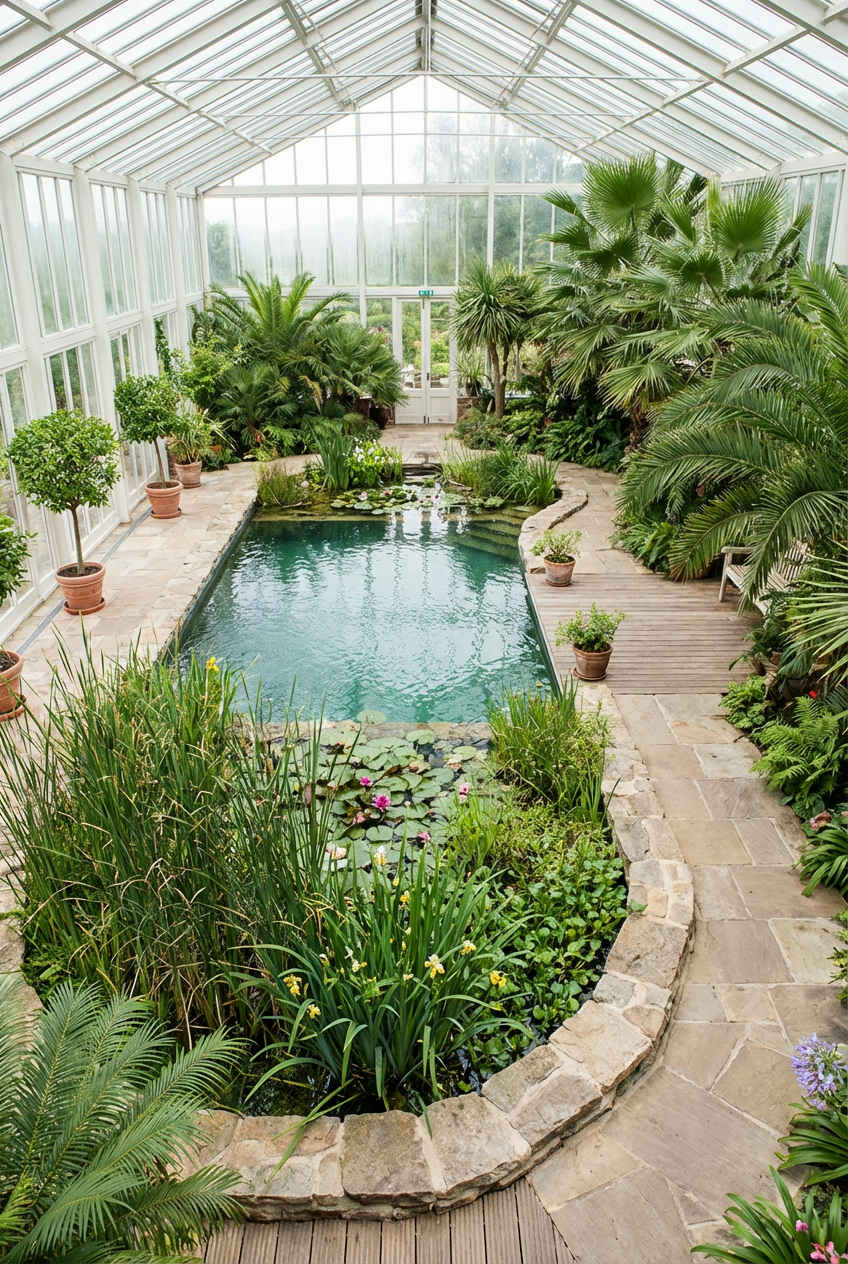
For those dreaming of a chemical-free swimming experience, natural swimming pond (NSP) designs are the ultimate luxury for 2026. These expansive water bodies are cleverly divided into a swimming zone and a regeneration zone, where aquatic plants naturally filter and purify the water, eliminating the need for chlorine or harsh chemicals. It’s like having a private oasis that’s both pristine for swimming and a thriving ecosystem for local wildlife. Imagine cooling off in water as clean and soft as a mountain lake, all while being surrounded by lush, beautiful landscaping. This is truly bringing nature right to your backyard on a grand scale.
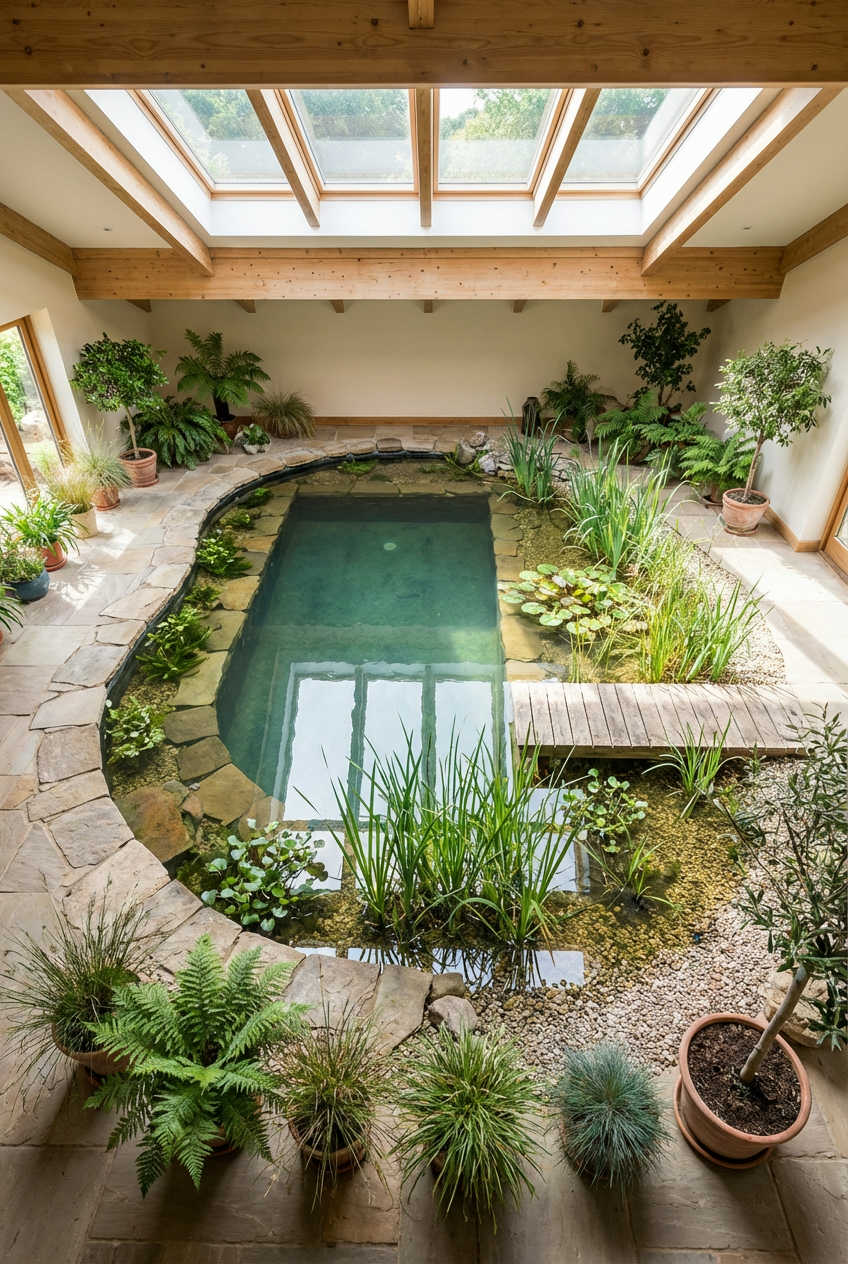
Expert-style commentary: “Natural swimming ponds require a deep understanding of ecological processes,” notes Dr. Eleanor Vance, an environmental engineer specializing in NSPs. “The balance between plant species, water volume, and circulation is critical to ensuring clear, healthy swimming water without chemicals. It’s a complex, but ultimately rewarding, system if designed and maintained correctly.”
15. Desert Oasis Ponds
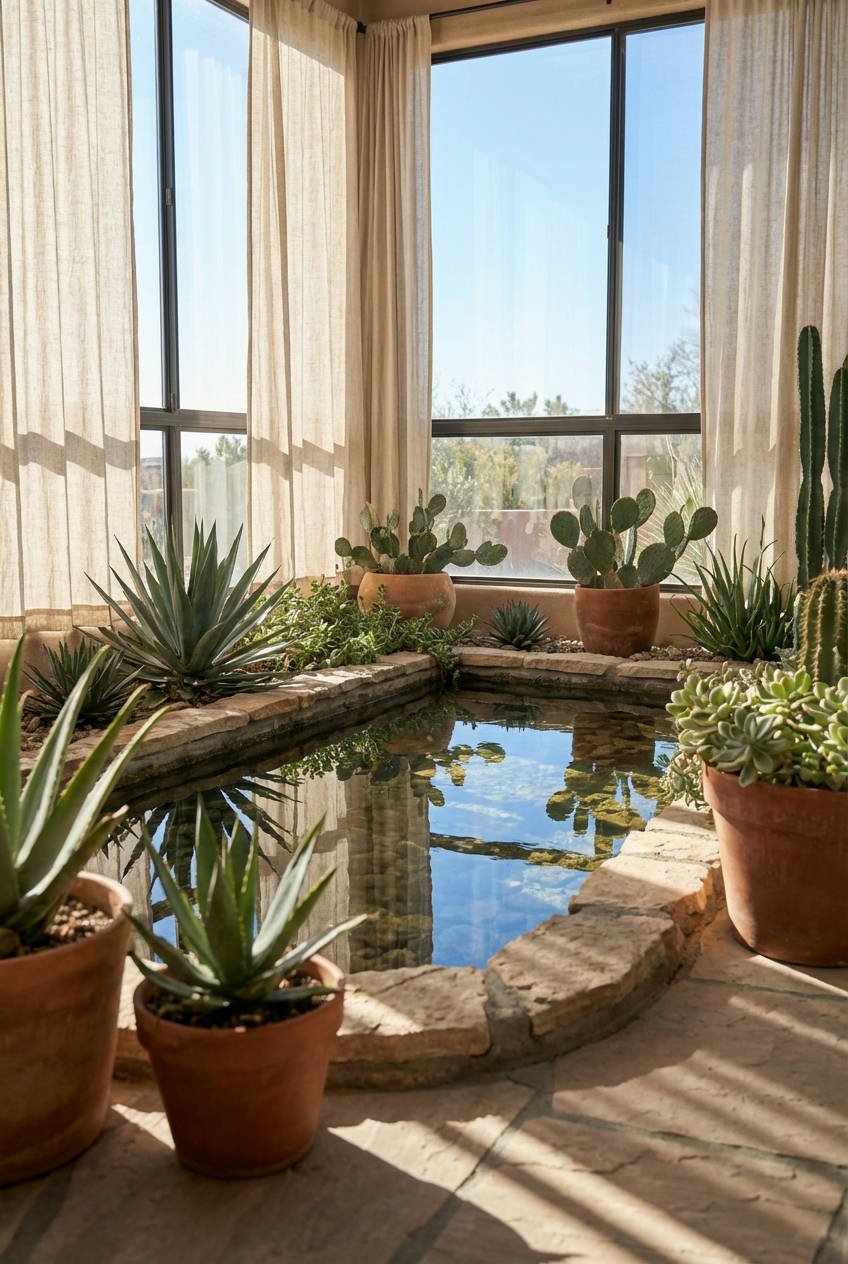
Defying expectations, desert oasis pond designs are making a statement in arid landscapes. Instead of fighting nature, these ponds are integrated with drought-tolerant plantings, succulent gardens, and stone features that complement the desert environment. They provide a vital water source for local wildlife and create a cool, refreshing microclimate in harsh conditions. While Fish can be included, the focus is often on the contrast of vibrant water against the rugged beauty of desert flora. Imagine the striking visual of a shimmering pond nestled amidst cacti and agaves, a true jewel in a parched landscape. These ponds are a testament to resilient design, turning water scarcity into an aesthetic advantage for clever Ideas.
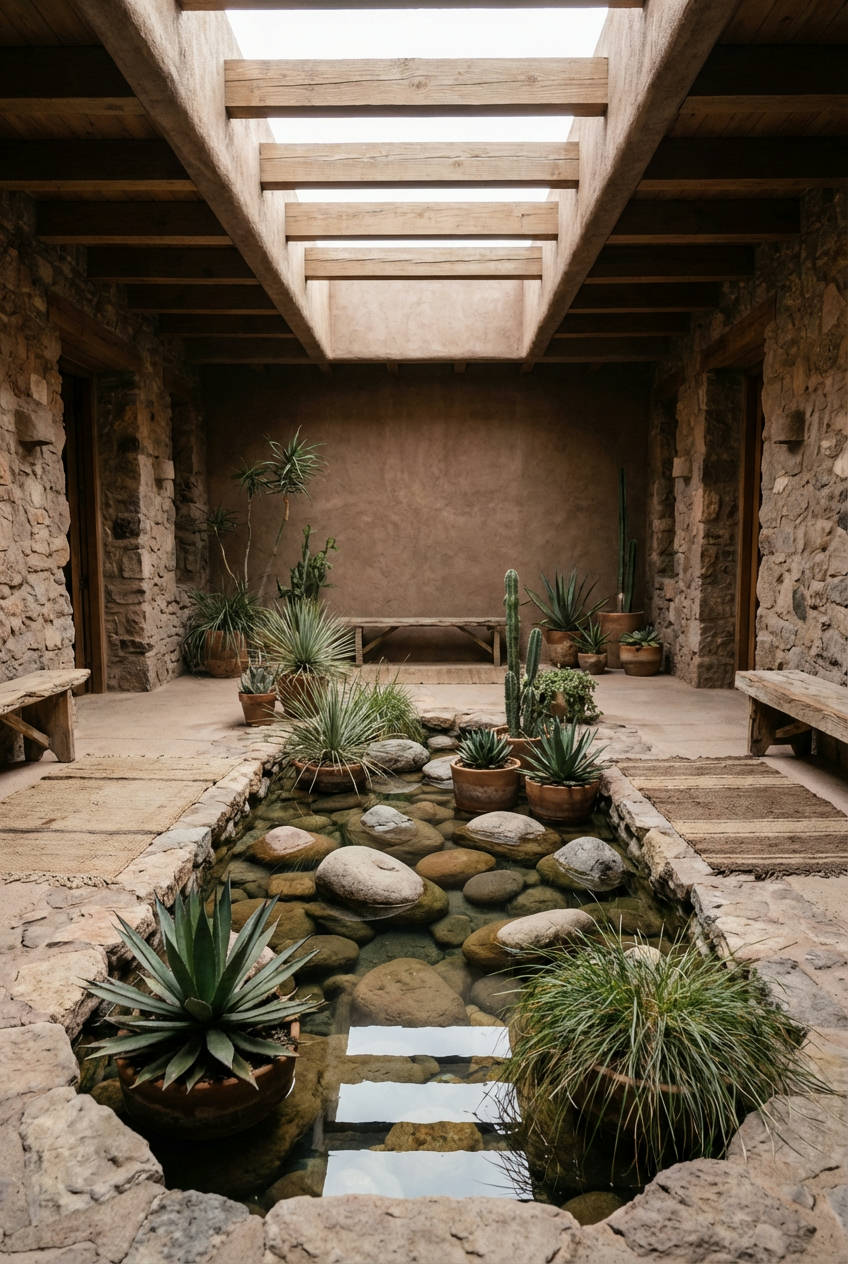
American lifestyle or regional context: This concept is particularly relevant in the American Southwest and other drought-prone regions, where water conservation is paramount. These ponds demonstrate that water features can be environmentally responsible and breathtaking, even in challenging climates, by using smart design and water-wise plant selections.
16. Art Installation Ponds
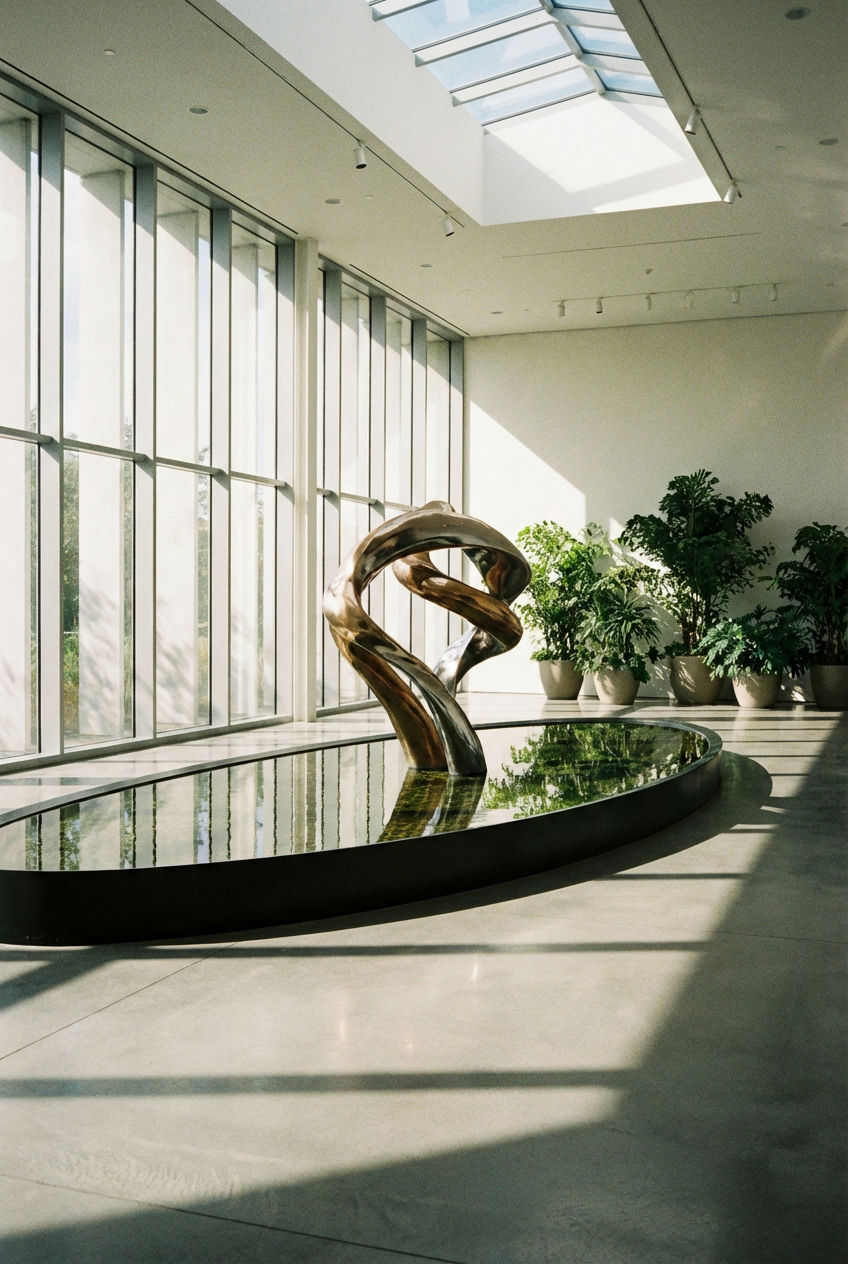
For those who view their garden as an outdoor gallery, art installation pond designs integrate water features with sculptural elements, turning them into captivating pieces of contemporary art. This could involve bespoke fountains designed by local artists, abstract metal sculptures emerging from the water, or even dynamic light installations that interact with the water’s surface. The pond becomes a canvas, showcasing unique creative expressions that elevate the entire landscape. It’s about blending artistic vision with natural elements, creating a truly one-of-a-kind statement piece that reflects personal style. Think of it as a living, breathing artwork that evolves with the seasons, making for truly unique aesthetic Ideas.
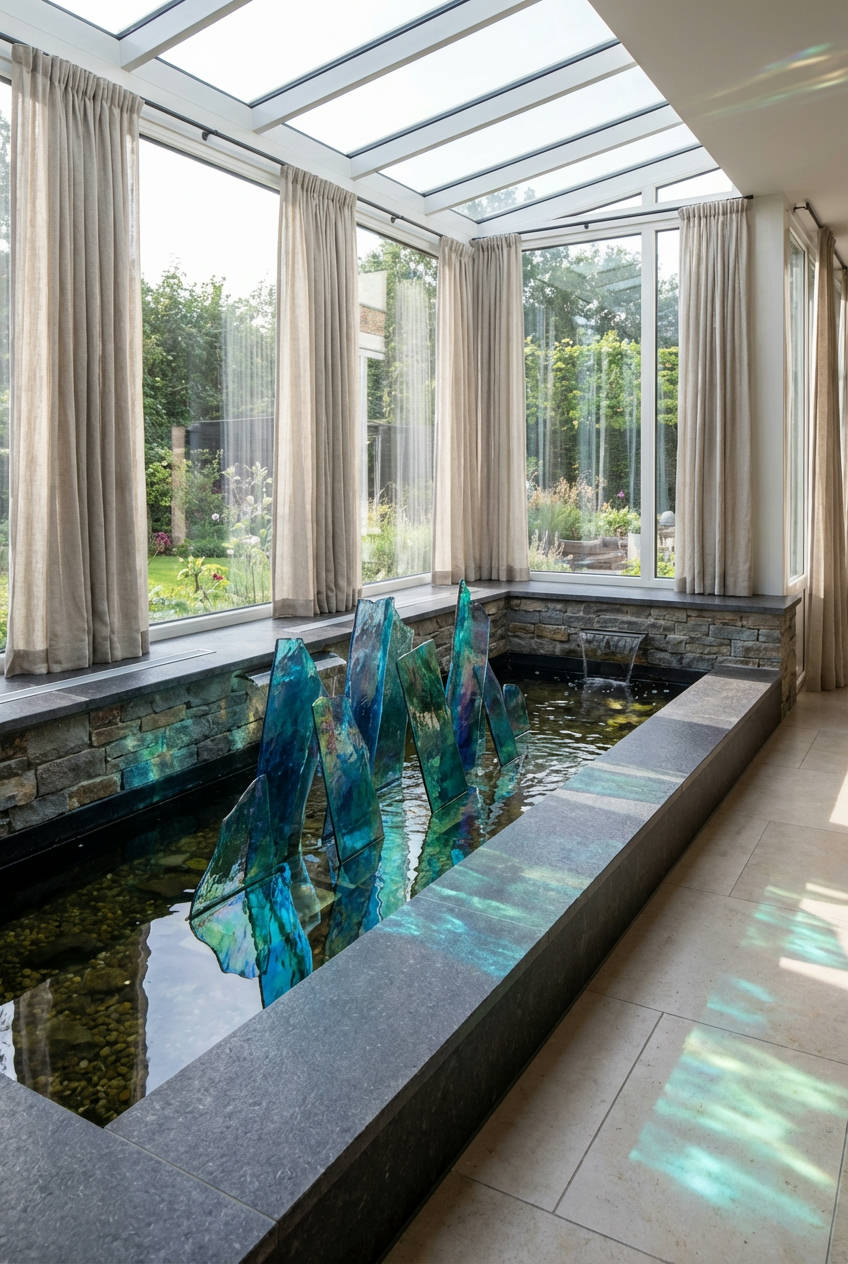
Budget/price angle: While some art installations can be quite costly, there are many ways to achieve a sculptural effect on a smaller budget. Consider repurposing interesting objects, collaborating with emerging local artists, or even creating your own mosaics around the pond’s edge. The key is to think creatively and inject your personal artistic flair. Even small touches can make a significant impact on your landscaping.
17. Raised Ponds as Architectural Elements
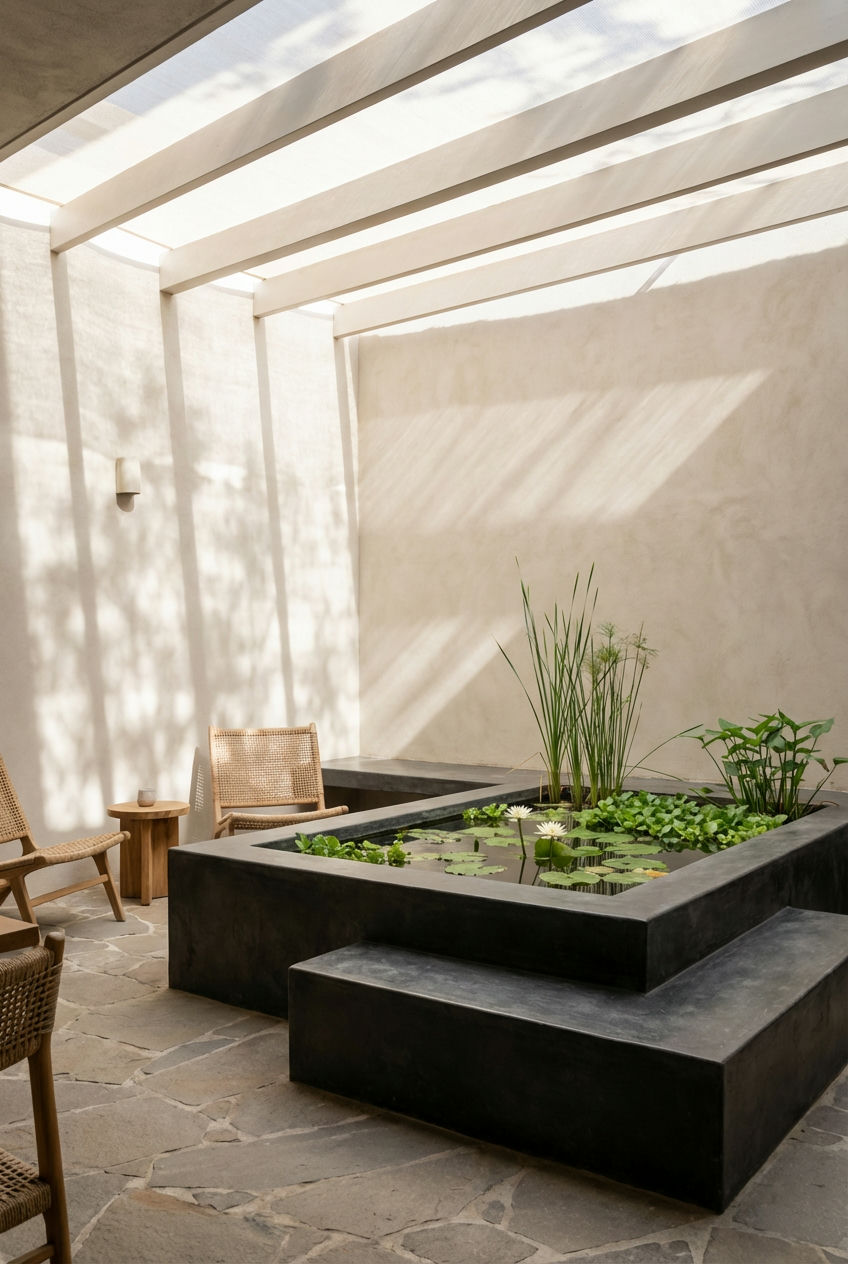
Moving beyond ground-level installations, raised pond designs are being embraced as architectural elements within outdoor spaces. These ponds are built above ground level, often with sleek, modern materials like concrete, corten steel, or polished stone, making them feel like a natural extension of your home’s structure. They can double as seating, define outdoor “rooms,” or simply create a dramatic focal point. The elevated height offers a unique perspective on aquatic life and plants such as dramatic Lotus, making maintenance easier too. They’re particularly effective in modern or minimalist gardens, adding a strong visual statement and textural interest.
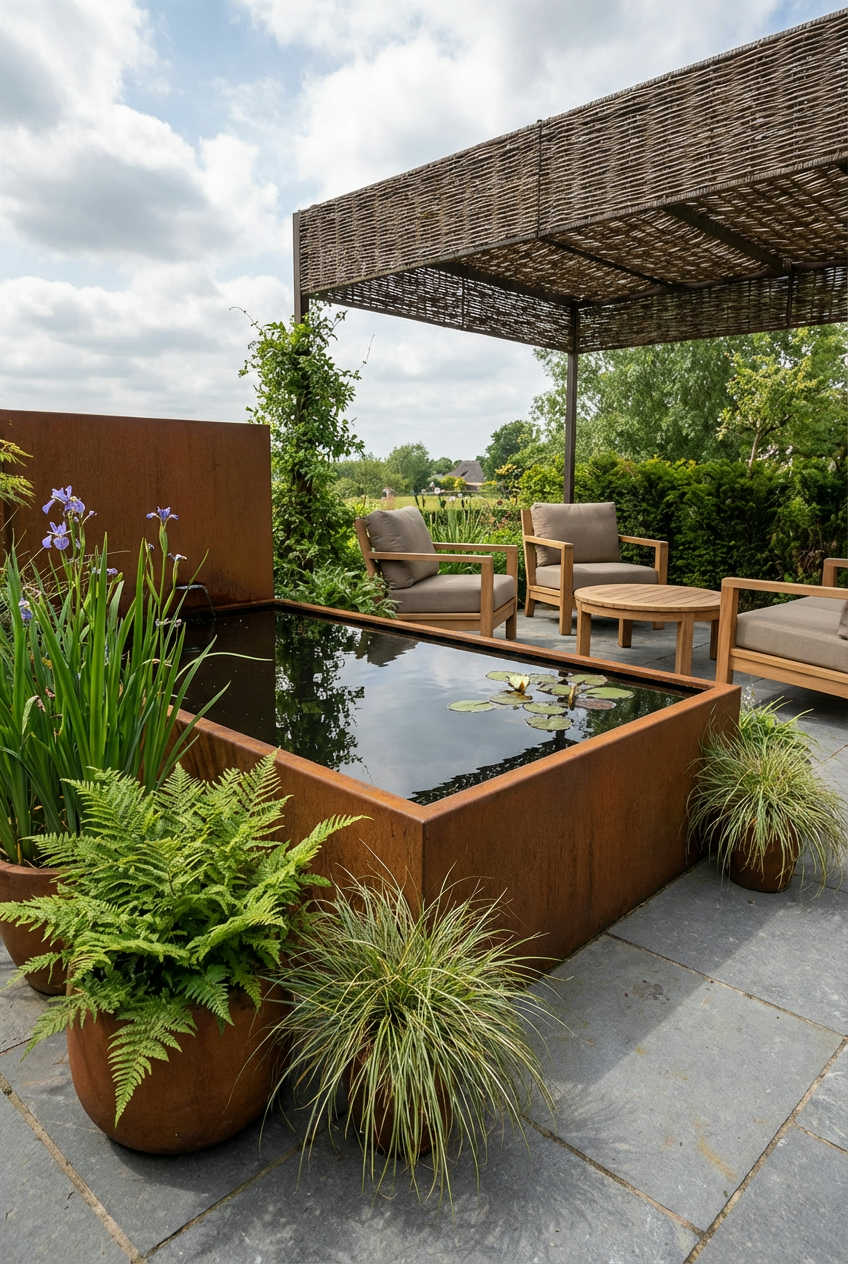
Where it works best: This style is wonderfully suited for smaller urban gardens, courtyards, or contemporary homes where integrating architecture and nature is key. The raised edge also makes them a safer option where small children or pets are a concern, offering a clear boundary. It provides a sophisticated design element with practical benefits.
18. Sensory Ponds for Well-being
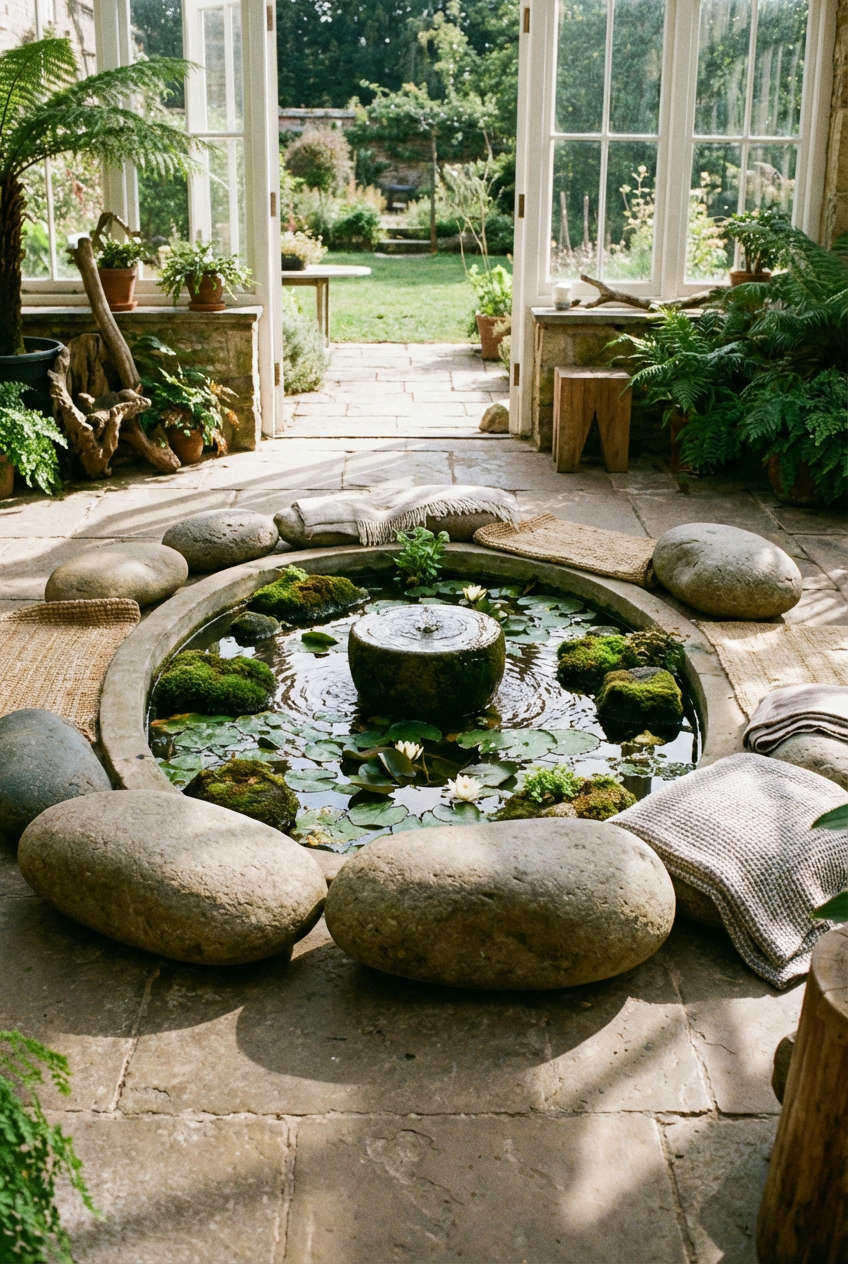
Beyond visual appeal, sensory pond designs focus on engaging all the senses to promote well-being and relaxation. Imagine the gentle gurgle of a small waterfall, the sweet fragrance of water lilies, the soft touch of smooth river stones, and the sight of colorful Koi darting through clear water. These ponds often incorporate elements like aromatic aquatic plants, textured edges for touch, and even chimes or wind features that interact with the breeze. It’s about designing a space that invites mindfulness and escape, turning your backyard into a personal sanctuary where Ideas for relaxation abound. This holistic approach makes your pond a truly restorative environment.
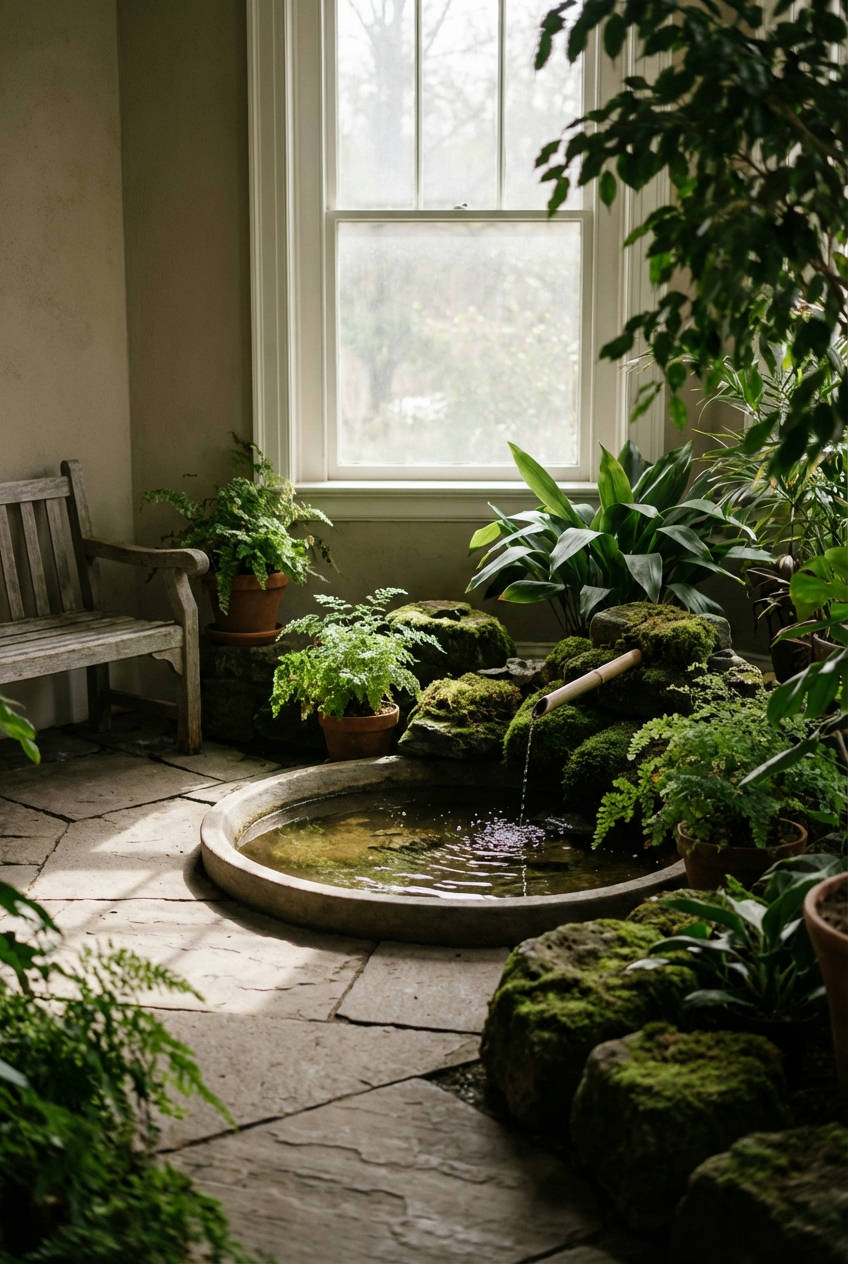
Real homeowner behavior: There’s a noticeable shift towards prioritizing mental health and well-being in home design. Homeowners are actively seeking ways to create peaceful retreats within their own properties, and sensory-focused ponds directly address this need, providing a tangible space for relaxation and stress reduction. They’re investing in their tranquility.
19. Pondless Water Features
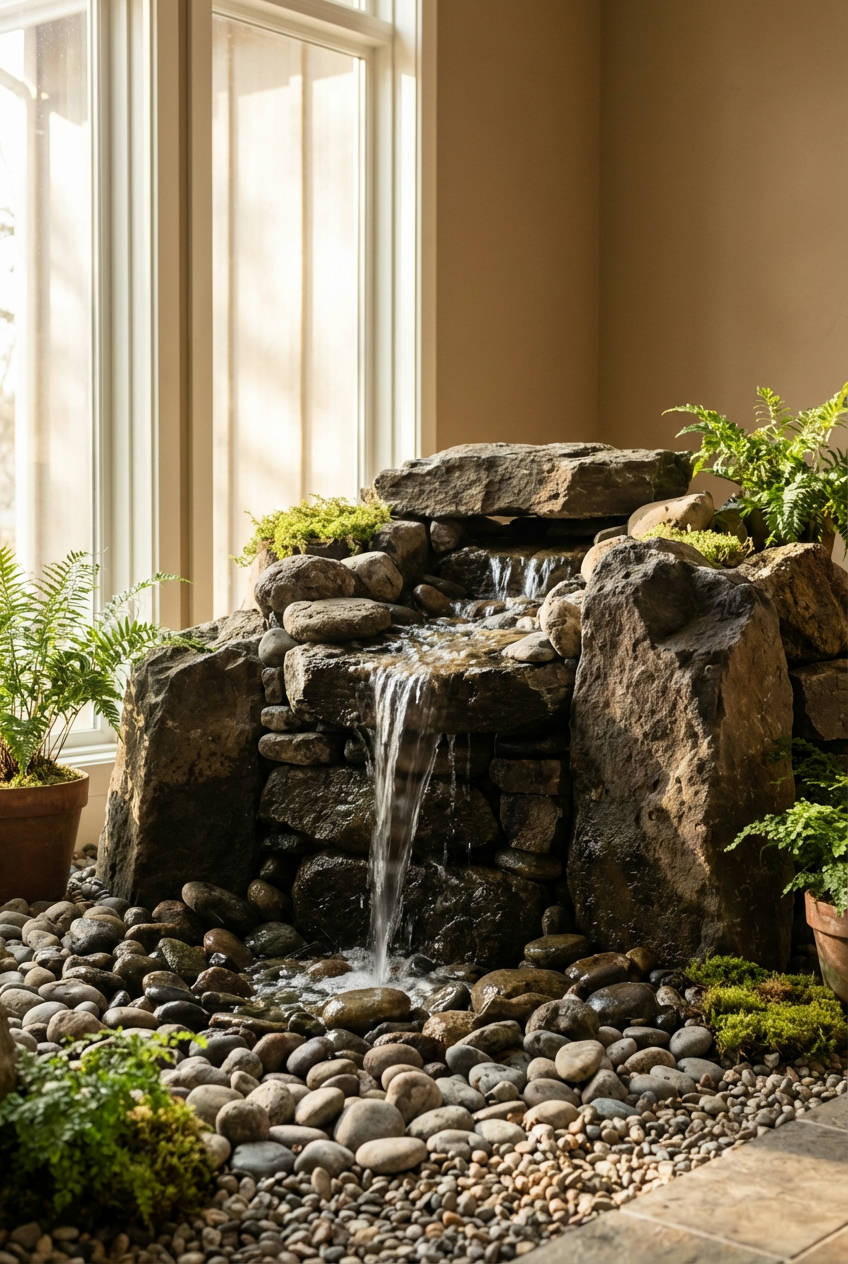
For those who love the sight and sound of water but prefer less maintenance or have safety concerns, pondless water features are an ingenious solution trending in 2026. These designs create the illusion of a traditional pond with waterfalls or streams, but the water collects in an underground reservoir, covered by rocks and gravel. This eliminates standing water, making them child and pet-friendly, and significantly reduces the maintenance often associated with open ponds. You get all the aesthetic and auditory benefits without the upkeep of Koi fish or extensive plant care. It’s a clever way to bring the dynamism of water without the footprint of a full pond.
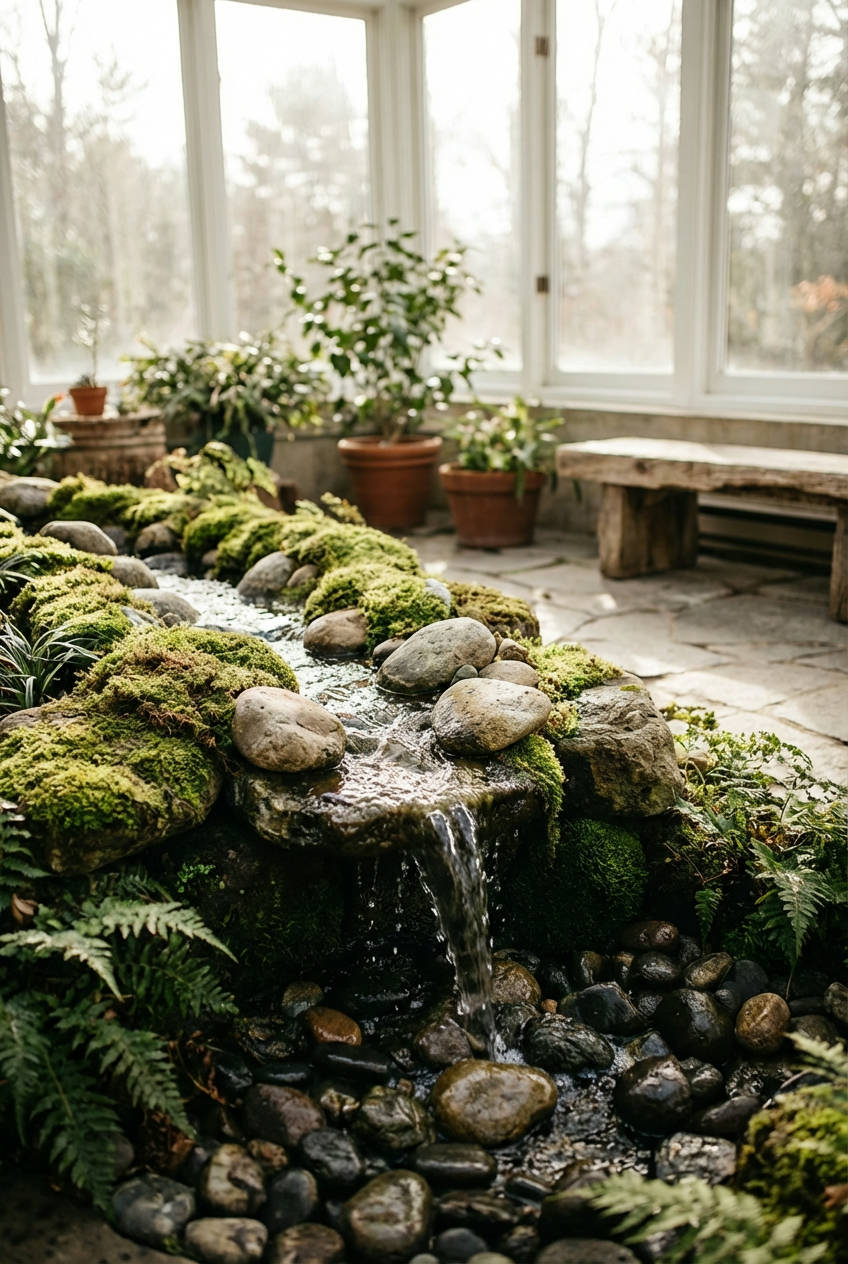
Common mistakes and how to avoid them: A key mistake is not ensuring the reservoir is sufficiently large to handle the pump’s flow rate, leading to frequent top-offs. Also, ensure the reservoir is properly covered to prevent debris from clogging the pump. Using a strong geotextile fabric between the gravel and reservoir will also prevent fine particles from entering the system. Proper rock placement is also critical for efficient water recycling in smart landscaping.
20. Biopool Integration
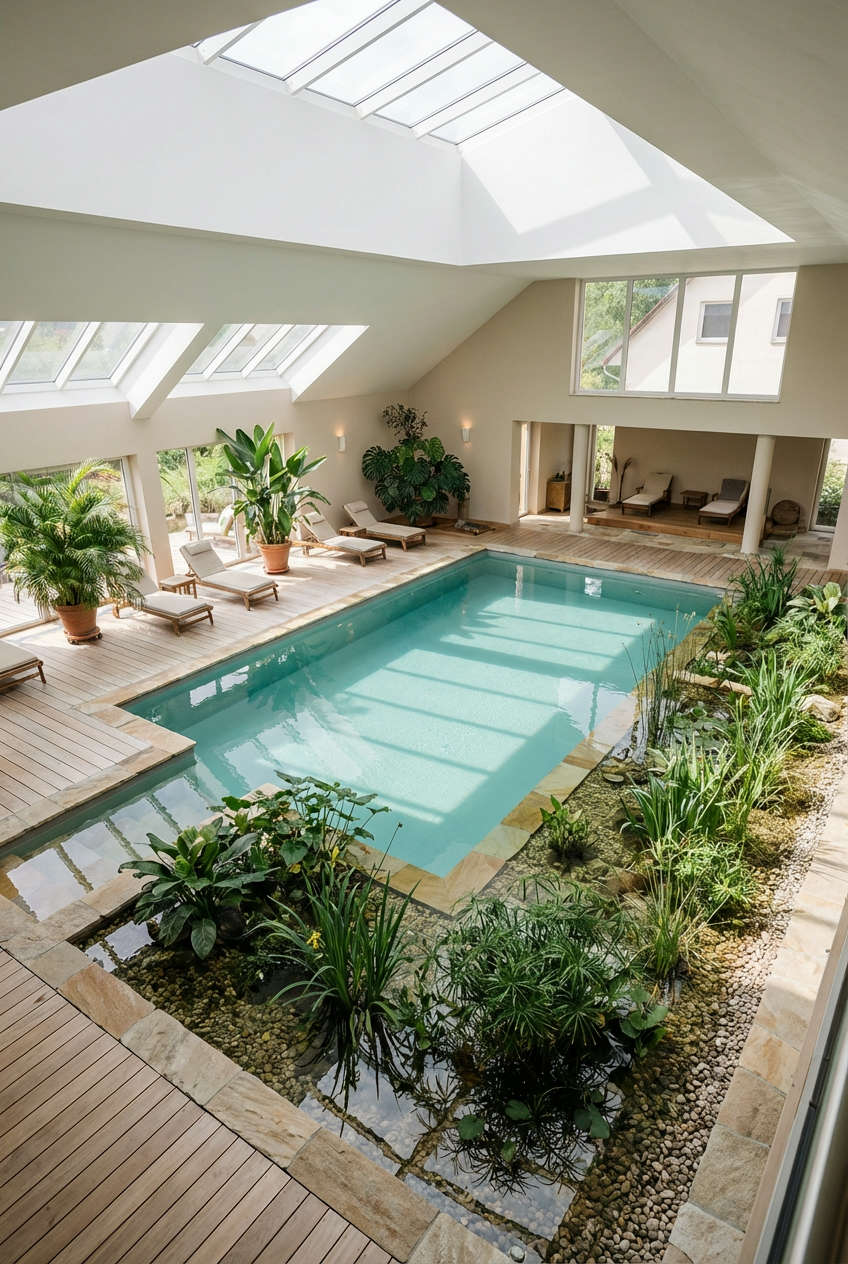
Taking the natural swimming pond concept a step further, biopool integration seamlessly combines a swimming pool with a distinct, natural regeneration zone, creating a truly harmonious outdoor environment. Unlike traditional pools with harsh chemicals, biopools use aquatic plants and beneficial microbes to filter and clean the water, resulting in a healthier and more eco-friendly swimming experience. This approach blurs the line between a recreational pool and a rich ecosystem, offering the best of both worlds. Imagine swimming laps in crystal-clear, chemical-free water, then relaxing beside a vibrant, plant-filled pond area attracting dragonflies. It’s a visionary approach to aquatic landscaping for the modern home.
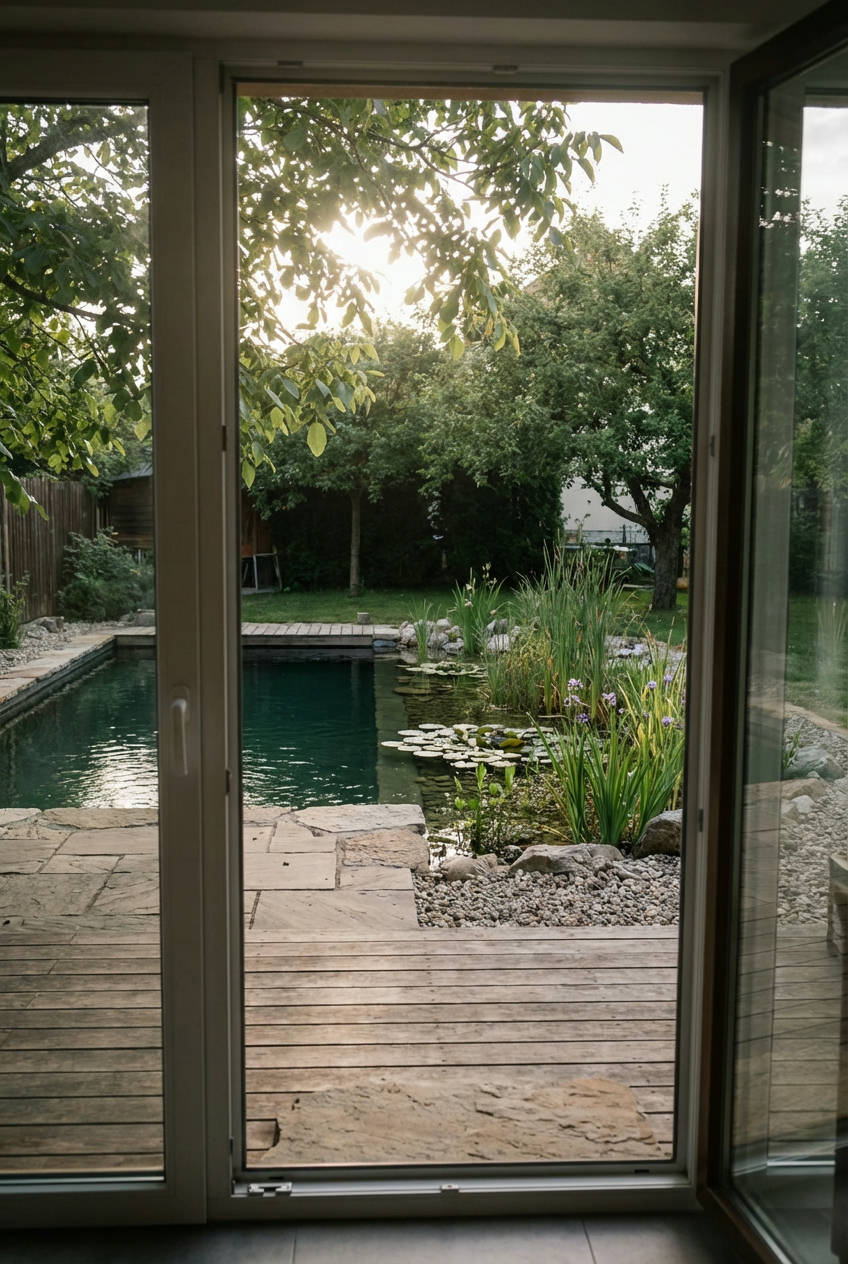
Expert-style commentary: “Biopools represent a paradigm shift in pool design, prioritizing ecological health alongside recreational enjoyment,” explains environmental aquatic specialist, Dr. Julian Carter. “The complex interplay of a well-designed regeneration zone means pristine swimming water without the need for chemicals, fostering a truly sustainable and deeply enjoyable experience.” Maintaining this balance is key for long-term enjoyment of a beautifully integrated pond and pool.
21. Geometrical Ponds
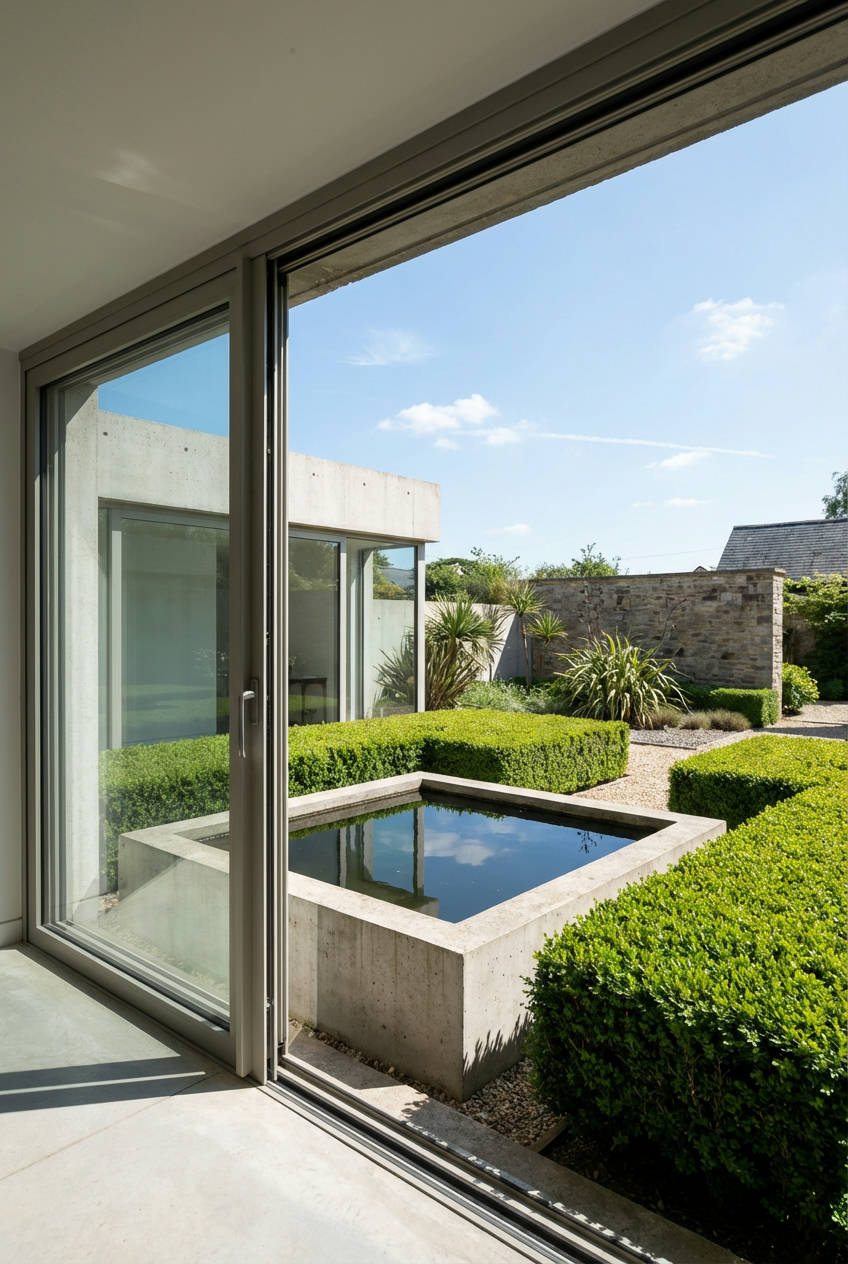
For a sleek, contemporary look, geometrical pond designs are making a strong statement in 2026. These ponds feature crisp, defined shapes – squares, rectangles, circles, or even abstract polygons – that provide a striking contrast to the organic forms of surrounding plants. Often constructed with smooth concrete, stone, or metal, they become an intentional focal point, reflecting modern architecture and clean lines. The precise edges and deliberate placement add a sophisticated, almost sculptural quality to your outdoor space. They can be particularly effective when paired with minimalist landscaping or modern hardscaping elements, creating a sense of order and sophisticated beauty that will help with your personal drawing of the perfect garden.
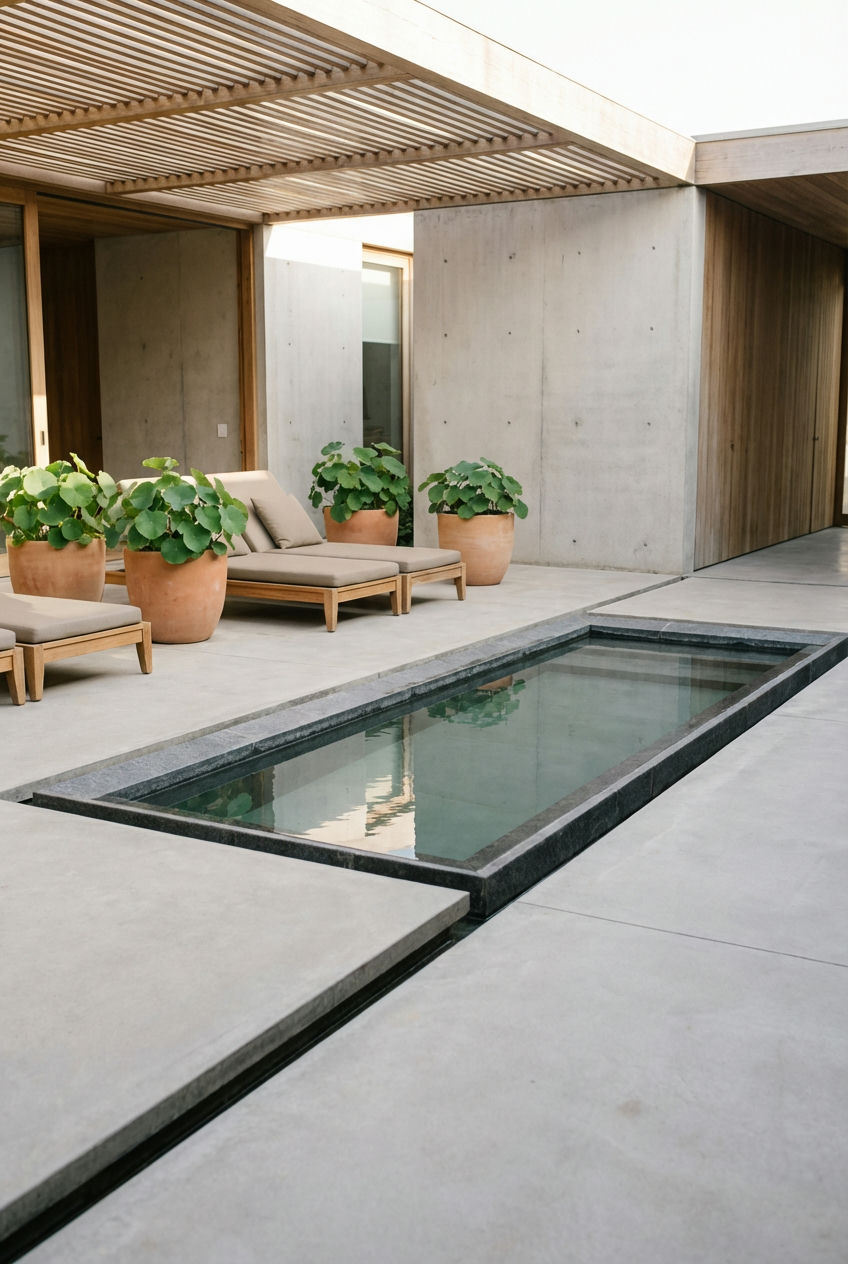
Where it works best: Geometrical ponds are ideal for modern homes, urban gardens, and spaces where a structured, architectural aesthetic is desired. They excel at defining zones within a larger area or creating a sophisticated focal point in a minimalist setting. Their clean lines complement contemporary design sensibilities beautifully and provide a strong visual anchors.
22. Fairy Garden Ponds
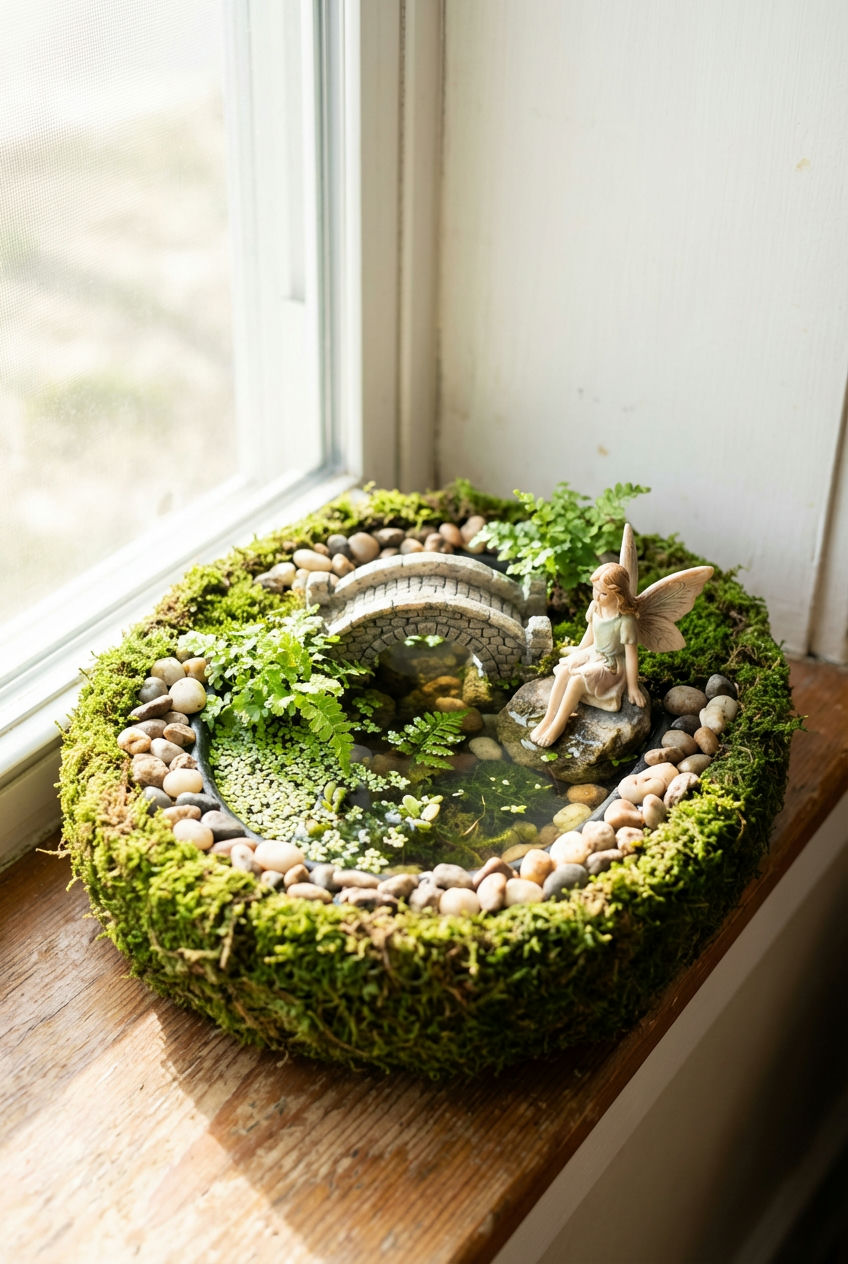
Step into a world of whimsical enchantment with fairy garden pond designs. These miniature aquatic landscapes are brimming with charm and intricate details, featuring tiny bridges, minuscule water lilies, and charming figurines that evoke a magical realm. Perfect for compact spaces, tabletops, or integrated into a larger garden feature, they invite imagination and delight. They’re a fantastic activity for families looking for creative outdoor Ideas, transforming a simple container into a captivating miniature world. Add tiny glowing lights and you have a truly enchanting display, a focal point of wonder and youthful charm. Think of all the magical Phuwin moments these ponds could inspire.
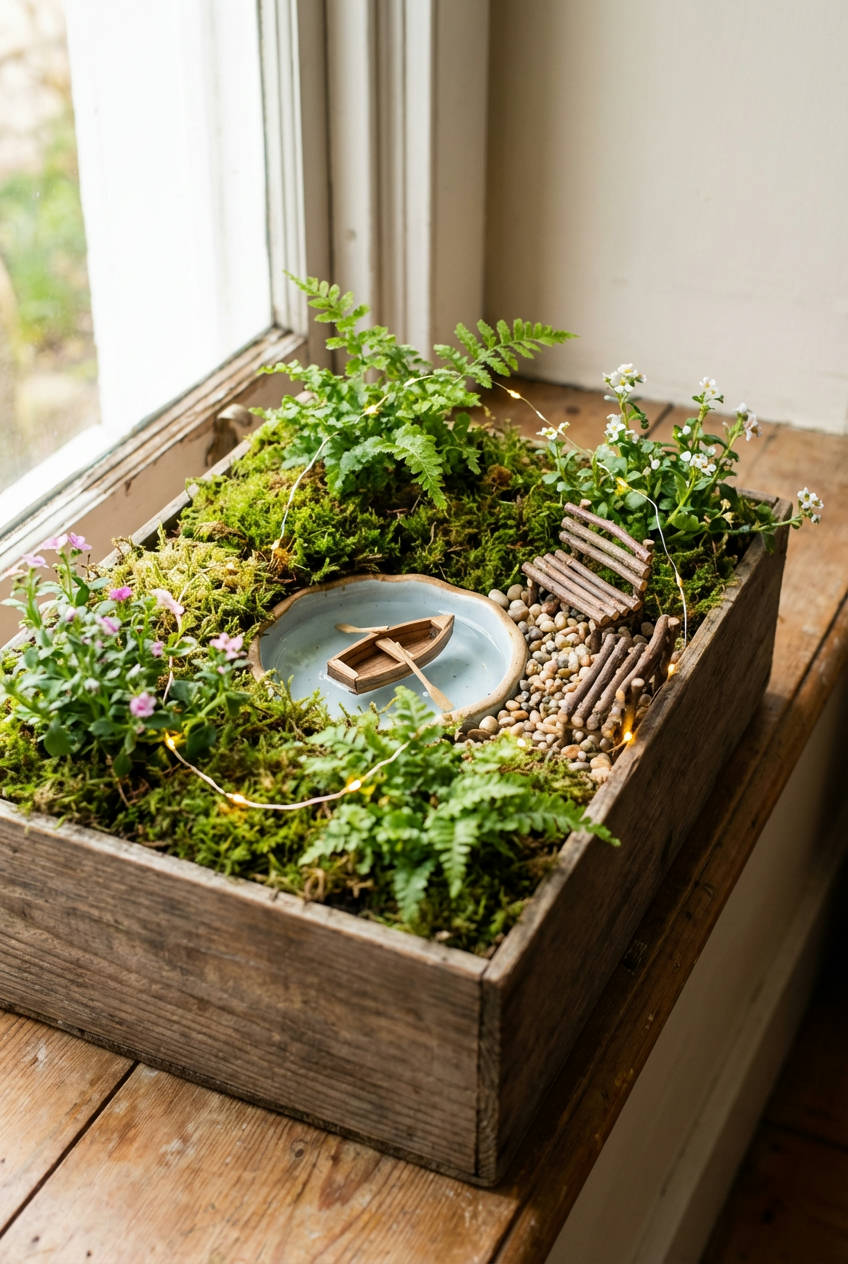
Common mistakes and how to avoid them: Don’t overcrowd your miniature pond. While it’s tempting to add many elements, a few carefully chosen pieces will have more impact. Also, ensure any plants used are truly miniature or slow-growing varieties to prevent them from quickly overwhelming the small space. Proper drainage, even in a small scale, is also crucial to avoid stagnant water, especially if you’re including anything like a mini Lotus.
23. Metaverse-Inspired Ponds (Minecraft Aesthetic)
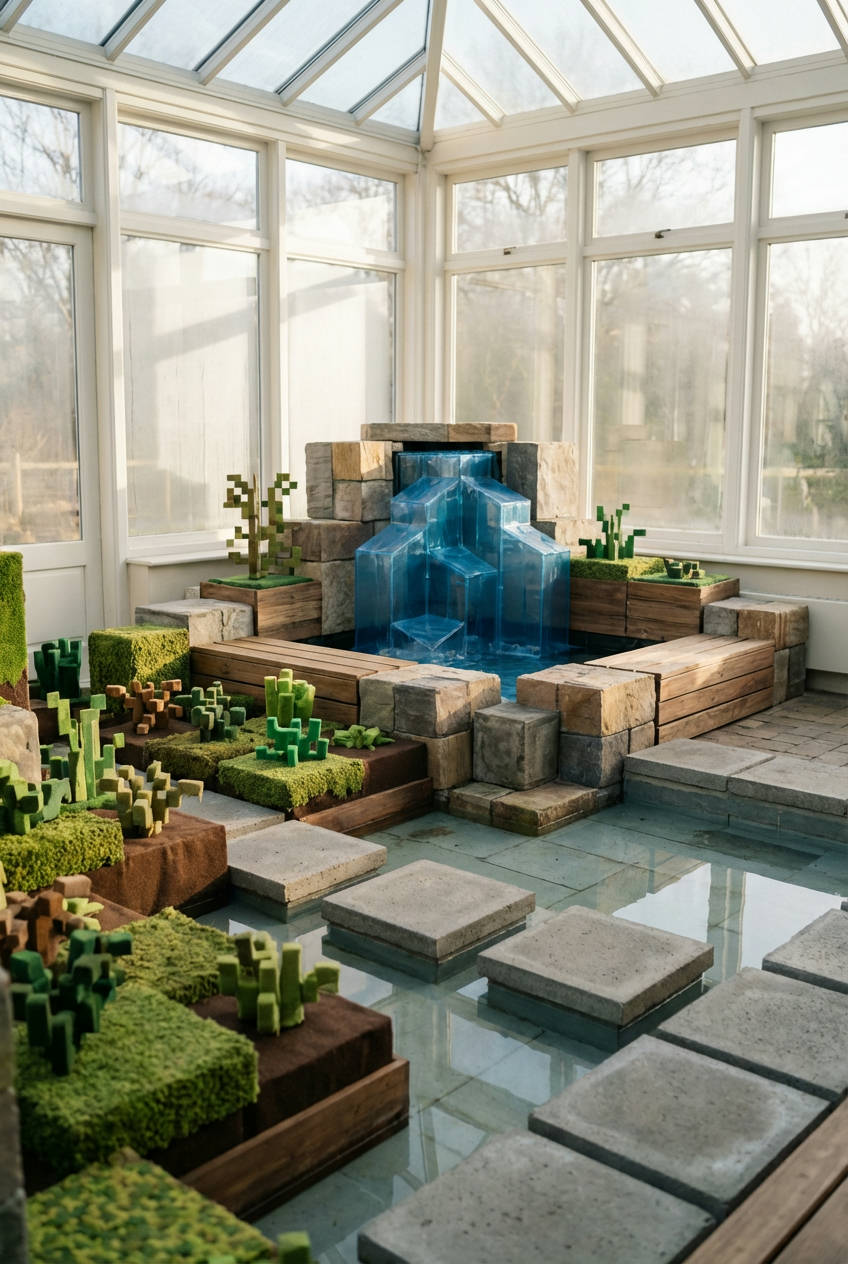
For a truly unique and playful approach, metaverse-inspired pond designs, particularly those drawing from the Minecraft aesthetic, are emerging as a niche trend. Imagine outdoor spaces featuring pixelated water features, blocky rock formations, and geometrically perfect plant arrangements reminiscent of virtual worlds. This style embraces a surreal and stylized interpretation of nature, providing a fun and conversation-starting element to your garden. It’s about merging digital creativity with tangible outdoor design, appealing to those who love gaming and unconventional aesthetics. This approach could even inspire a fun Naravit or Phuwin fan project, bringing digital elements into your real-world greenspace.
Real homeowner behavior: Younger homeowners, often avid gamers, are increasingly looking for ways to infuse their hobbies and digital interests into their physical spaces. This trend is a playful reflection of that desire, demonstrating how personal interests can translate into unique and engaging outdoor design. It’s a bold and imaginative way to showcase personality through landscape, moving beyond traditional norms to create something truly individual, much like a personalized Naravit wallpaper for your garden.
From tranquil Zen spaces to vibrant edible ecosystems, and from elegant architectural statements to whimsical fairy realms, pond ideas for 2026 are all about personal expression and harmonious integration with our surroundings. We hope these ideas have sparked your imagination and provided ample inspiration for your next outdoor project. Which of these trends resonates most with you? Share your thoughts and envision your ultimate aquatic sanctuary in the comments below!