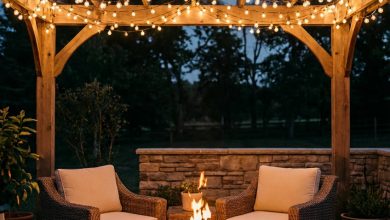
40 Jaw-Dropping Front Yard Landscaping Ideas to Wow Your Neighbors by 2026

As we approach 2026, the curb appeal of our homes continues to be a central part of personal expression and neighborhood pride. The front yard is more than just a patch of grass; it’s a welcoming committee, a reflection of your style, and an outdoor extension of your living space. With a growing emphasis on sustainability, functionality, and personalized aesthetics, upcoming trends are set to transform how we envision our exterior landscapes. Get ready to be inspired by ideas that are fresh, innovative, and perfectly suited for the modern American home.
1. The Native Plant Oasis
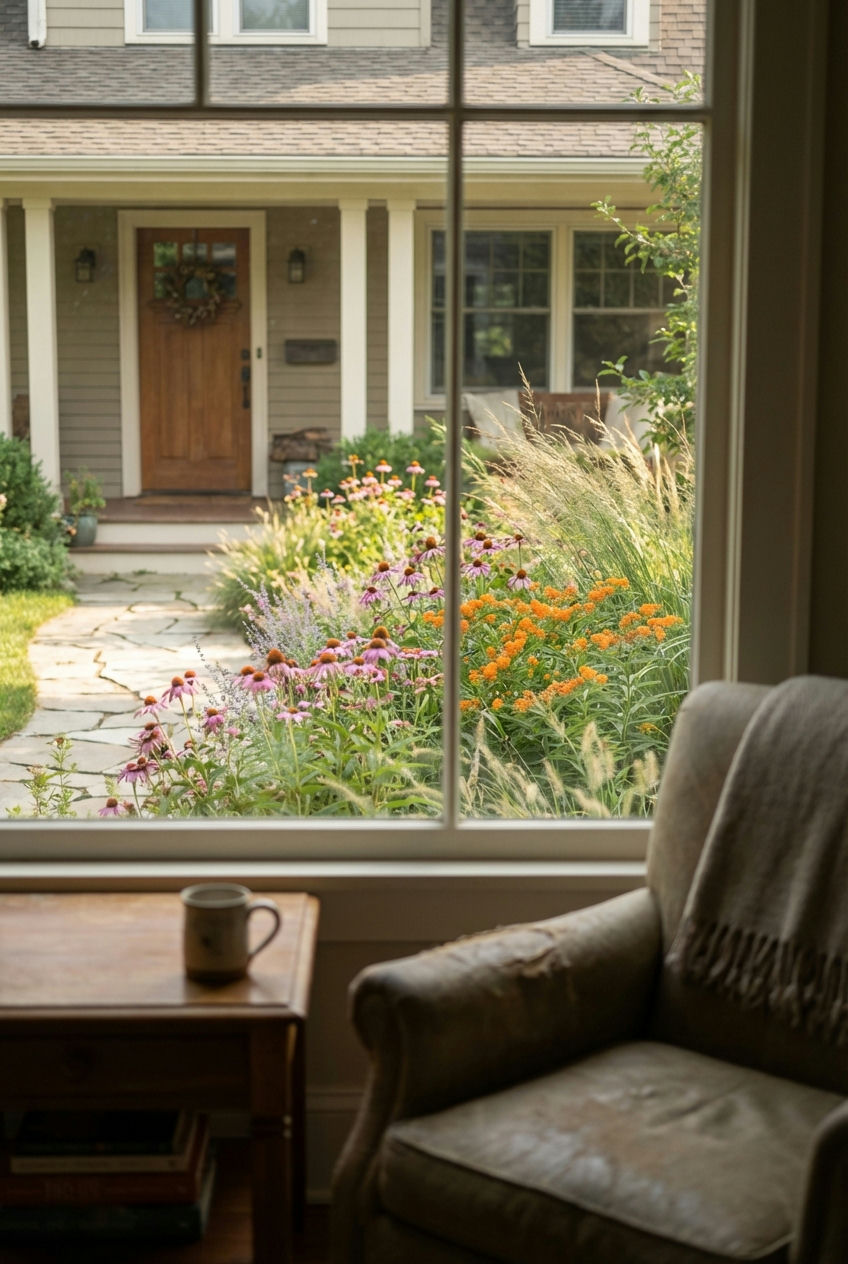
Embrace the beauty and ecological benefits of plants indigenous to your region. Creating a front yard landscaping design that prioritizes native species not only looks stunning but also supports local wildlife, from pollinators to beneficial insects. Imagine drifts of coneflowers, black-eyed Susans, and milkweed, swaying gently in the breeze, requiring less water and maintenance once established. This approach celebrates the unique biodiversity of your area, fostering a harmonious relationship between your garden and its natural surroundings. It’s a low-effort, high-impact choice that truly makes your home stand out with authentic charm.
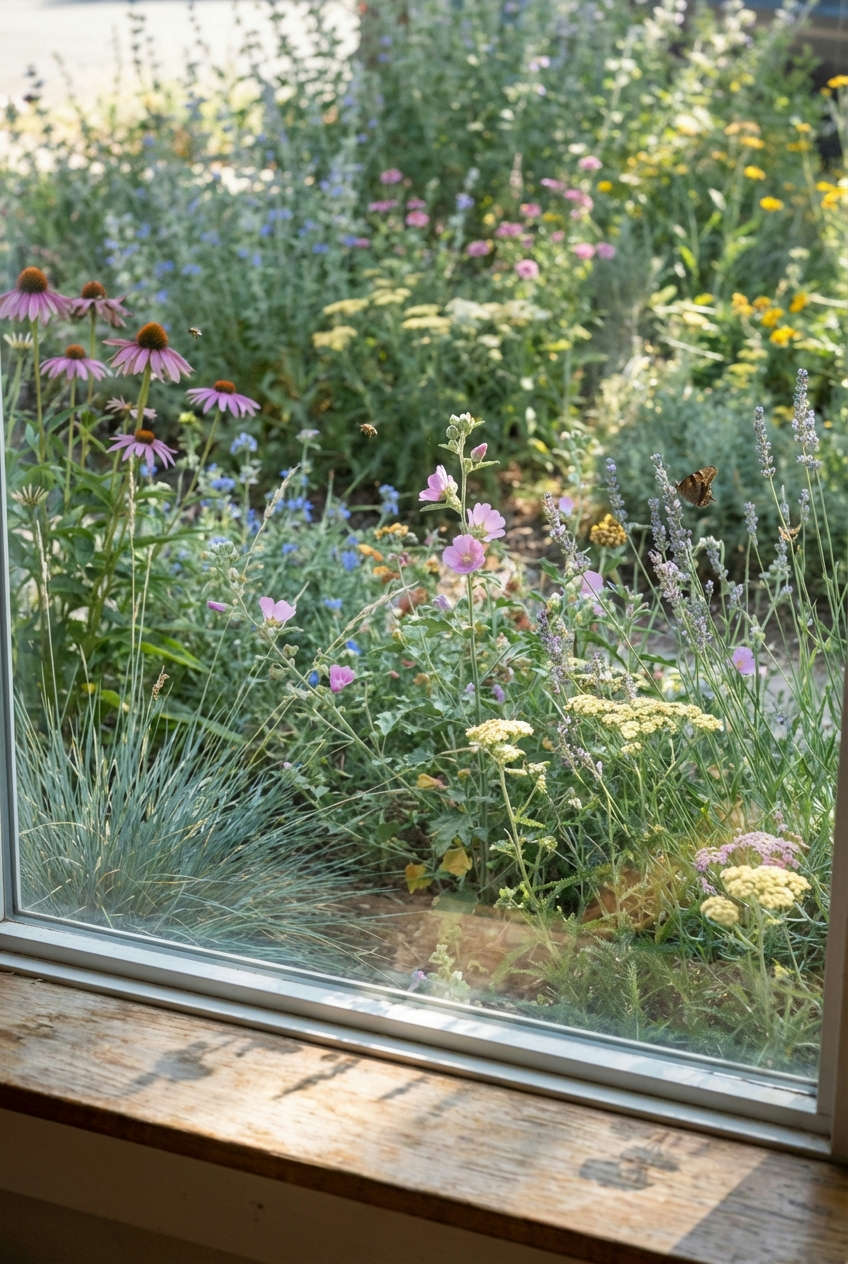
The beauty of a native plant oasis extends beyond aesthetics; it’s a practical insight into how resilient and beautiful landscaping can be. These plants have evolved to thrive in your climate, meaning they’re often more disease-resistant and less prone to pest infestations than their non-native counterparts. This translates to fewer chemicals, less watering, and more time enjoying your outdoor space rather than toiling in it. Plus, the dynamic seasonal changes they offer keep your garden looking fresh and interesting year-round, a true gift to any homeowner.
2. Modern Desert Gardens
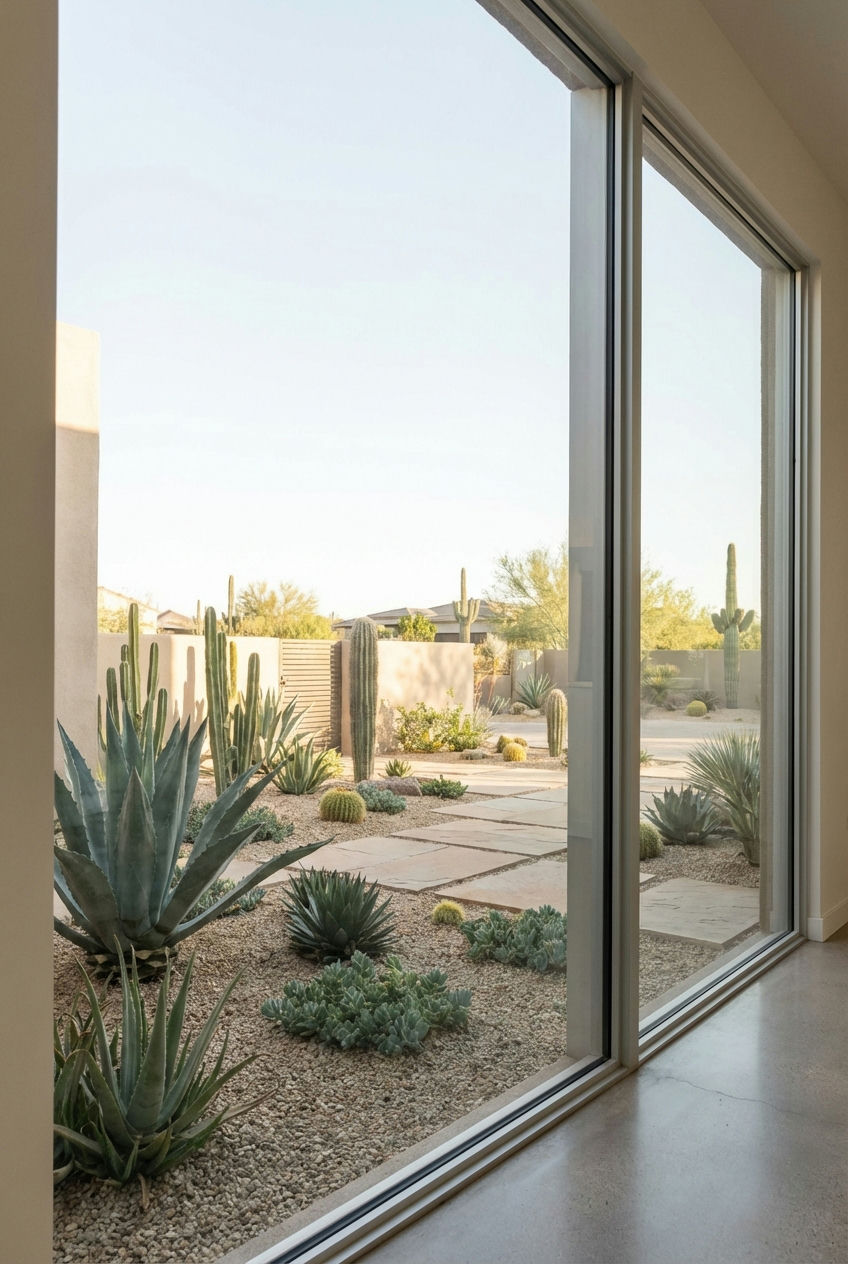
For those in arid climates or homeowners seeking a truly unique and water-wise approach, modern desert gardens are an excellent choice for front yard landscaping. Think sculptural cacti, drought-tolerant succulents, natural stone, and gravel paths, all artfully arranged to create a minimalist yet striking aesthetic. This style embraces the natural beauty of the desert landscape, proving that sustainability doesn’t mean sacrificing visual appeal. It’s a bold departure from traditional green lawns, offering a compelling visual narrative right at your home’s entrance, celebrating texture and form over lushness. The careful placement of each element ensures a sophisticated and low-maintenance outdoor space.
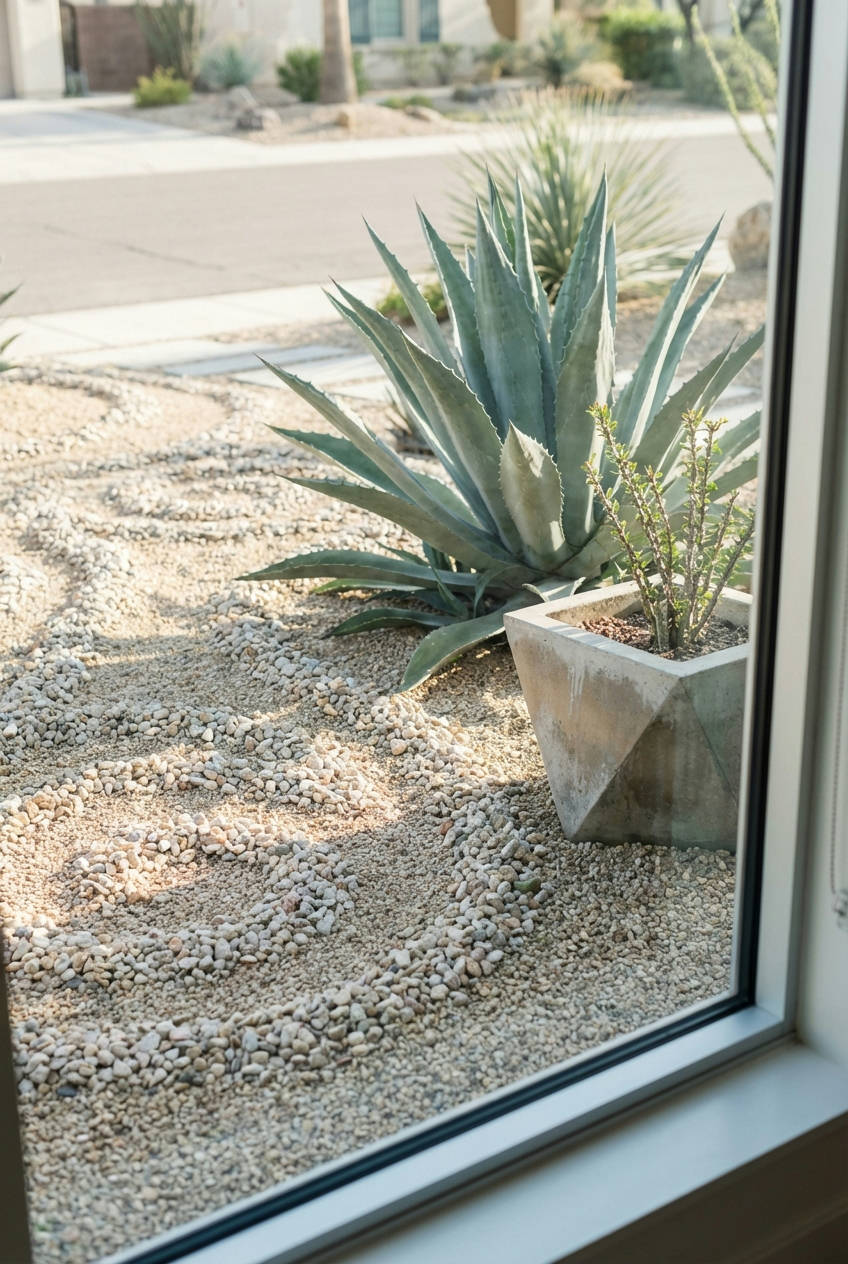
Where it works best? This style truly shines in Southwestern states or regions experiencing prolonged drought, offering a water-conscious solution that doesn’t compromise on beauty. Its minimalist lines and unique plant palette also make it an ideal choice for contemporary or mid-century modern homes, where it can seamlessly extend the architectural aesthetic outdoors. Homeowners appreciate its low water usage and minimal need for mowing, trimming, or fertilizing, translating to significant savings in both resources and time. It’s a design that respects the environment while creating a stunning visual statement.
3. Elevated Entryways
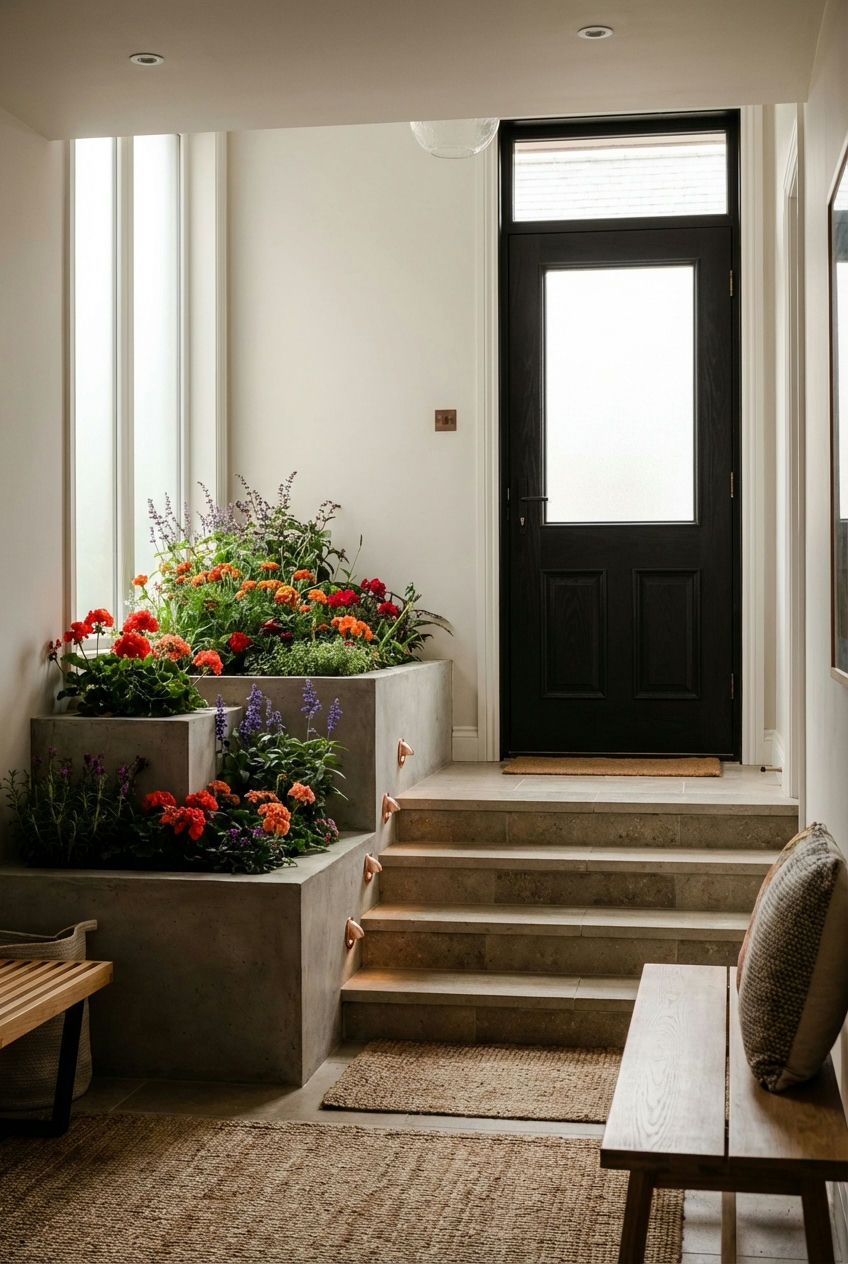
Give your home a grand entrance by focusing on an elevated entryway, turning a simple path into an inviting experience. This can involve creating tiered garden beds flanking the path, installing ambient pathway lighting, or even adding a small, decorative gate for psychological transition. The idea is to guide the eye and the foot, making the journey to your front door feel special and intentional. Consider a mix of soft plantings and hardscaping elements like reclaimed brick or elegant pavers to enhance the sense of arrival. This careful attention to the approach truly sets the tone for visitors and offers a warm welcome home every day.
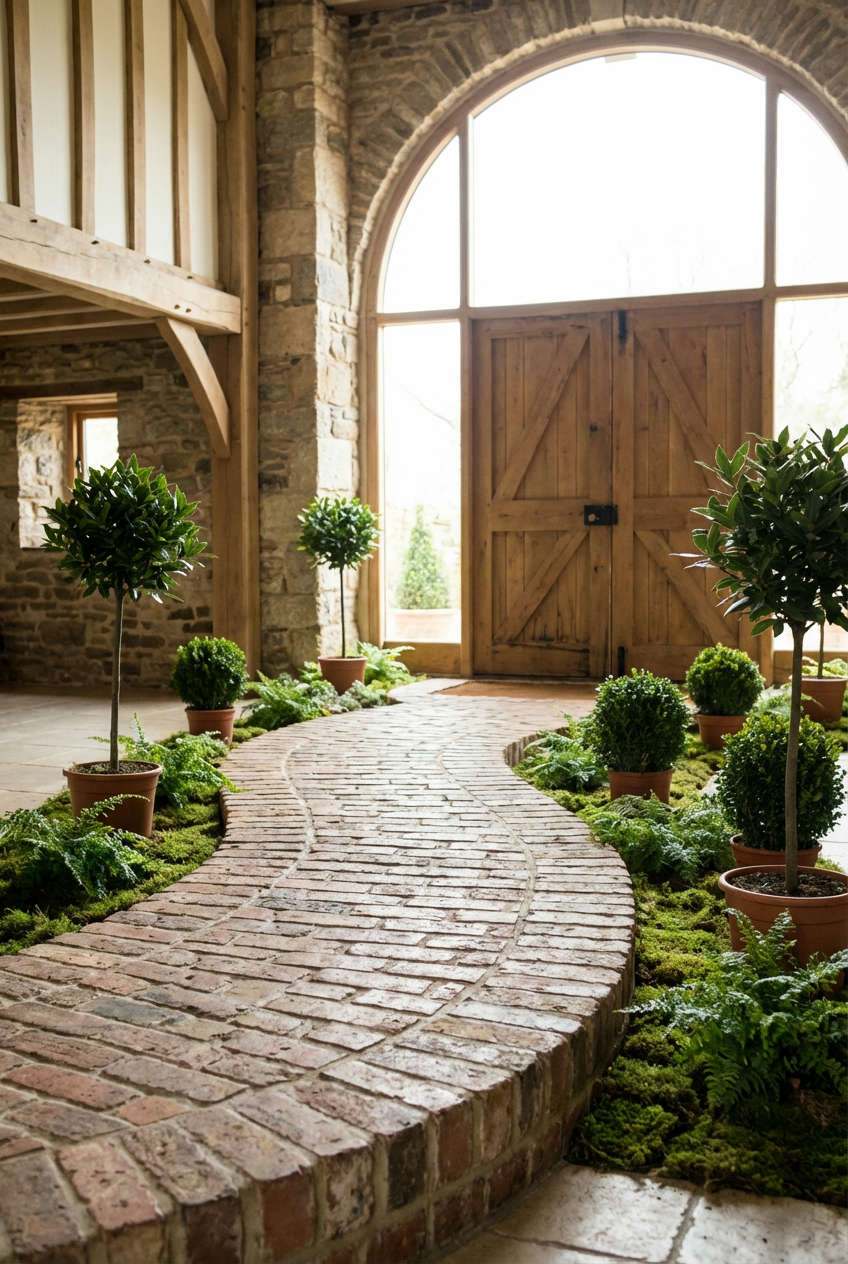
A smart homeowner behavior is investing in quality hardscape materials and professional installation for elevated entryways. While it might seem like a larger upfront cost, durable materials like natural stone or well-laid pavers will last for decades, reducing future maintenance and replacement expenses. Furthermore, a thoughtfully designed elevated entryway significantly boosts curb appeal and property value, making it a wise long-term investment. It’s often the first thing people notice, so making it durable and attractive pays dividends.
4. Edible Front Yards
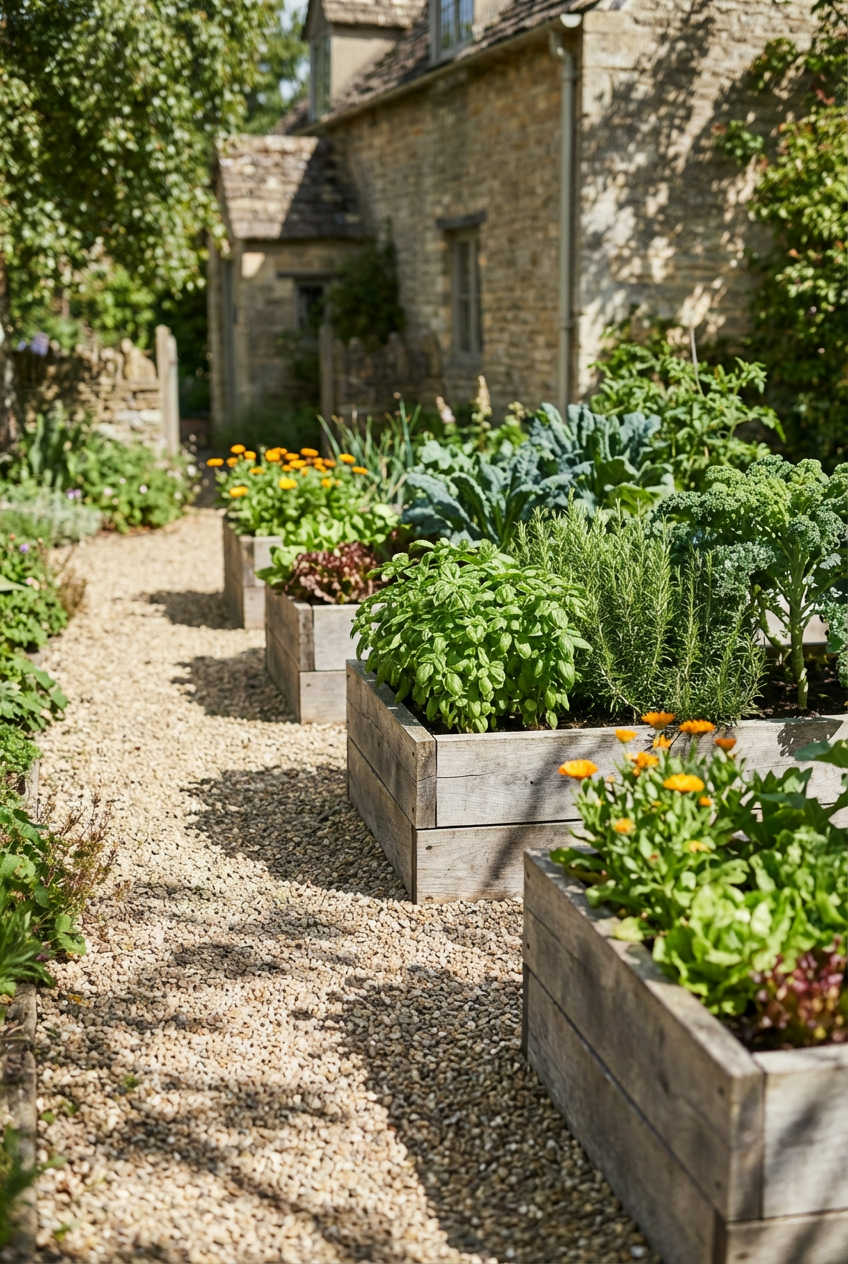
Transforming your front yard landscaping into an edible garden is not only sustainable but also incredibly rewarding. Imagine harvesting fresh herbs, berries, or even small vegetables just steps from your kitchen. This trend moves beyond purely aesthetic plantings to functional beauty, proving that food production can be just as attractive as ornamental flowers. Layer edible plants like rosemary, lavender, various lettuces, or blueberry bushes alongside ornamental varieties for a truly bountiful and visually appealing space. It’s an innovative way to maximize your outdoor footprint, making every inch of your property work harder for you and your family.
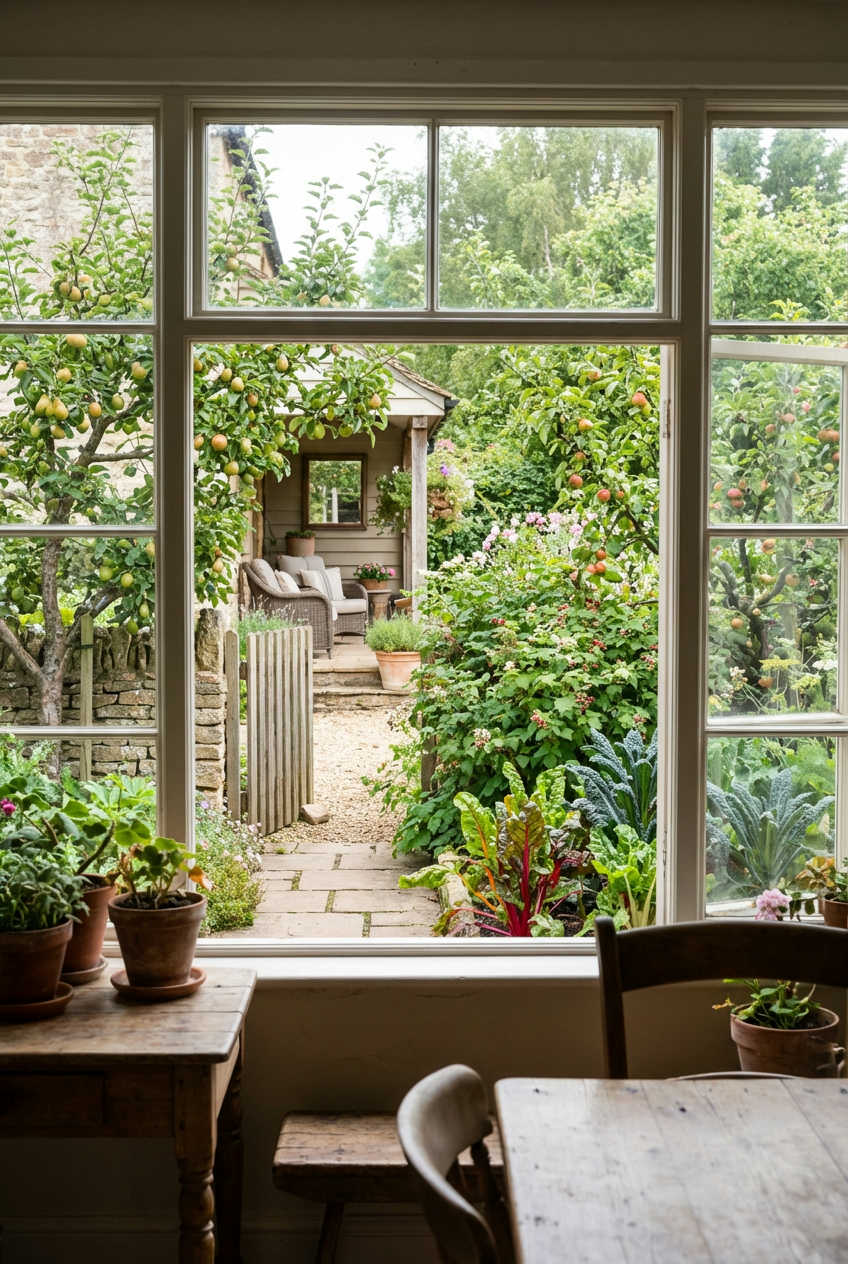
A practical insight for edible front yards is to choose plants that offer both beauty and bounty throughout the seasons. Think about herbs like thyme and oregano that can serve as attractive groundcovers, or small fruit trees that offer lovely blossoms in spring before producing fruit. Consider a variety of textures and colors to keep the garden visually interesting, even when not in peak harvest. This thoughtful selection ensures your edible landscape remains appealing year-round, combining a feast for the eyes with a feast for the table.
5. Integrated Seating Areas
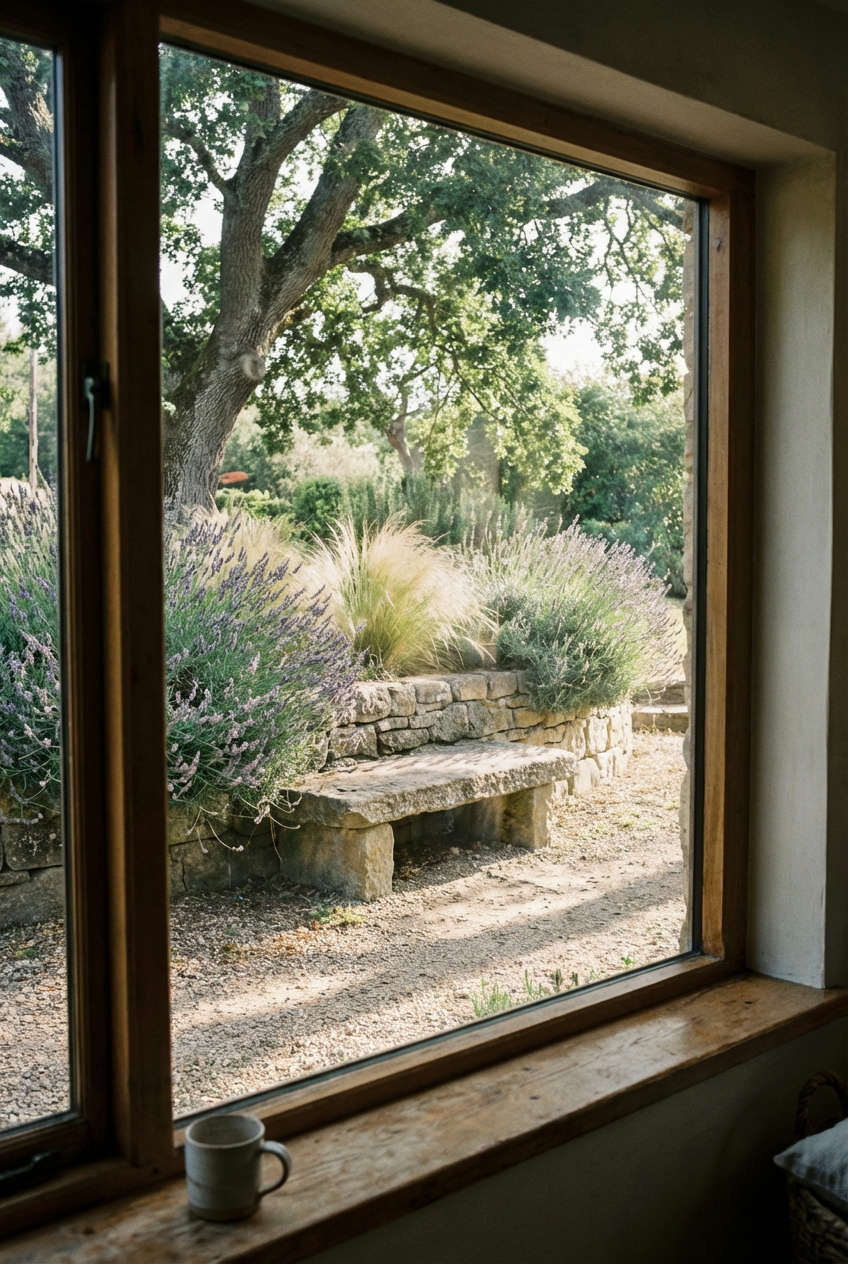
Beyond curb appeal, consider how your front yard can become an extension of your living space with integrated seating. A charming bench tucked under a shade tree, a small bistro set on a cozy porch, or even built-in planters that double as seating can transform your exterior into a delightful spot for morning coffee or evening chats. This idea blurs the lines between indoor and outdoor living, making your property feel more expansive and inviting. It’s about creating intimate moments and opportunities to connect with your neighborhood and enjoy the fresh air from the comfort of your own home, adding both beauty and functionality.
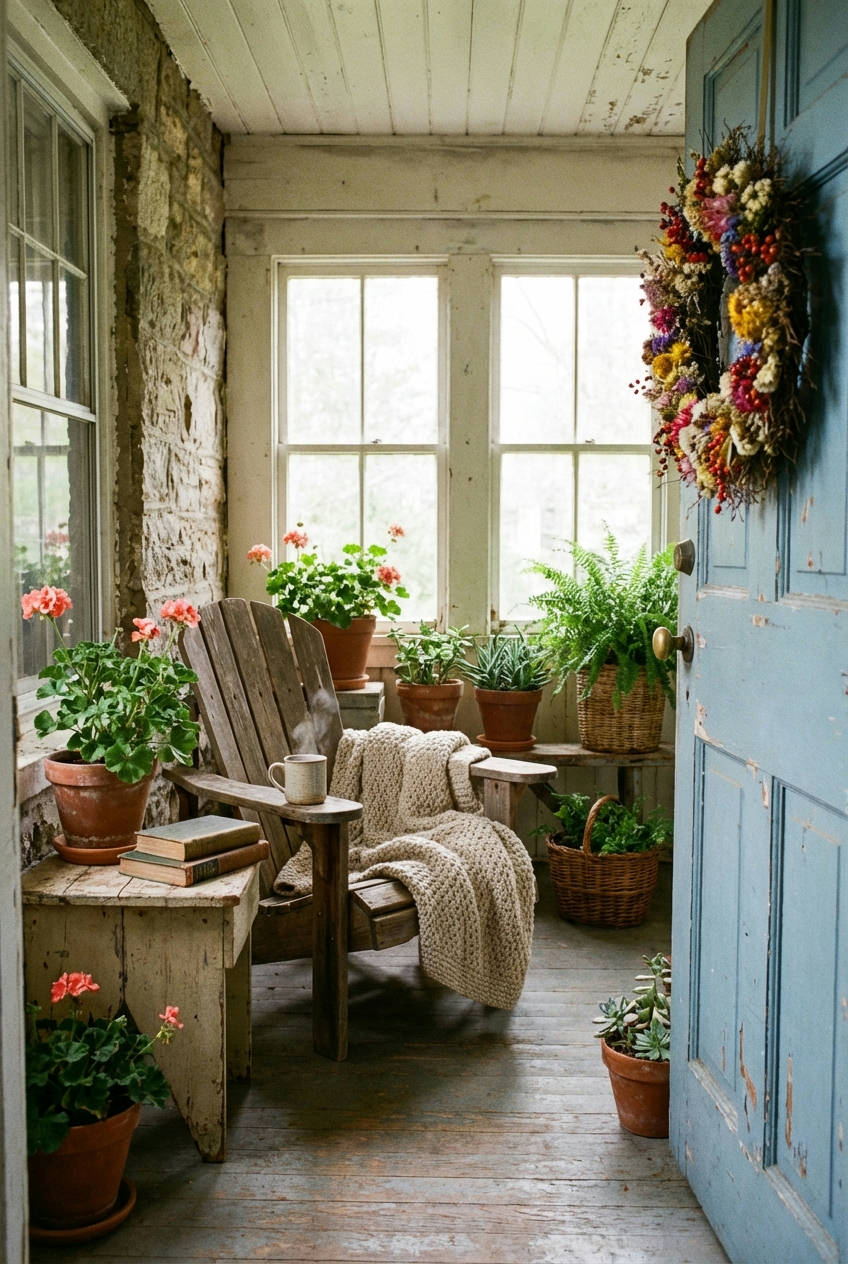
Where it works best for adding integrated seating is in homes with wider setbacks from the street, allowing for a comfortable distance from foot traffic while still engaging with the neighborhood. It’s also fantastic for properties without large backyard spaces, maximizing every available square foot. Think about incorporating materials that complement your home’s exterior, like wood for a rustic feel or sleek metal for a modern touch, ensuring the seating area feels like an organic extension of your home’s design. This thoughtful integration elevates the entire experience.
6. Artistic Hardscaping and Pathways
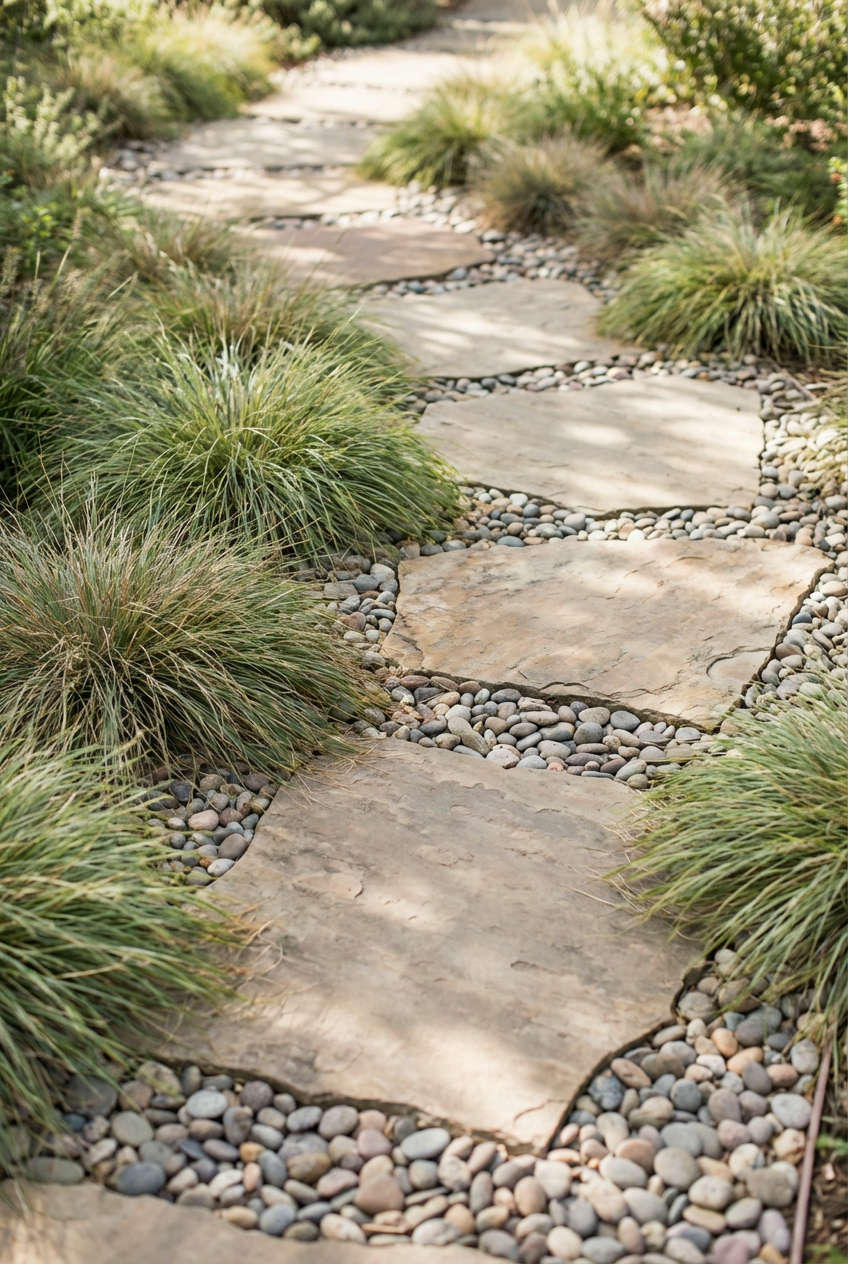
Move beyond simple paving by integrating artistic hardscaping and unique pathways into your front yard landscaping. This trend turns utilitarian elements into eye-catching features. Think curvilinear paths made from mixed materials like crushed gravel and large paver stones, or incorporate decorative rock gardens with sculptural boulders. Hardscaping doesn’t just need to be functional; it can be a primary design element. Consider geometric patterns with contrasting materials, or even incorporate subtle mosaics into your walkway. These thoughtful details elevate the pedestrian experience, guiding visitors elegantly to your front door while adding significant visual interest to your property’s exterior.
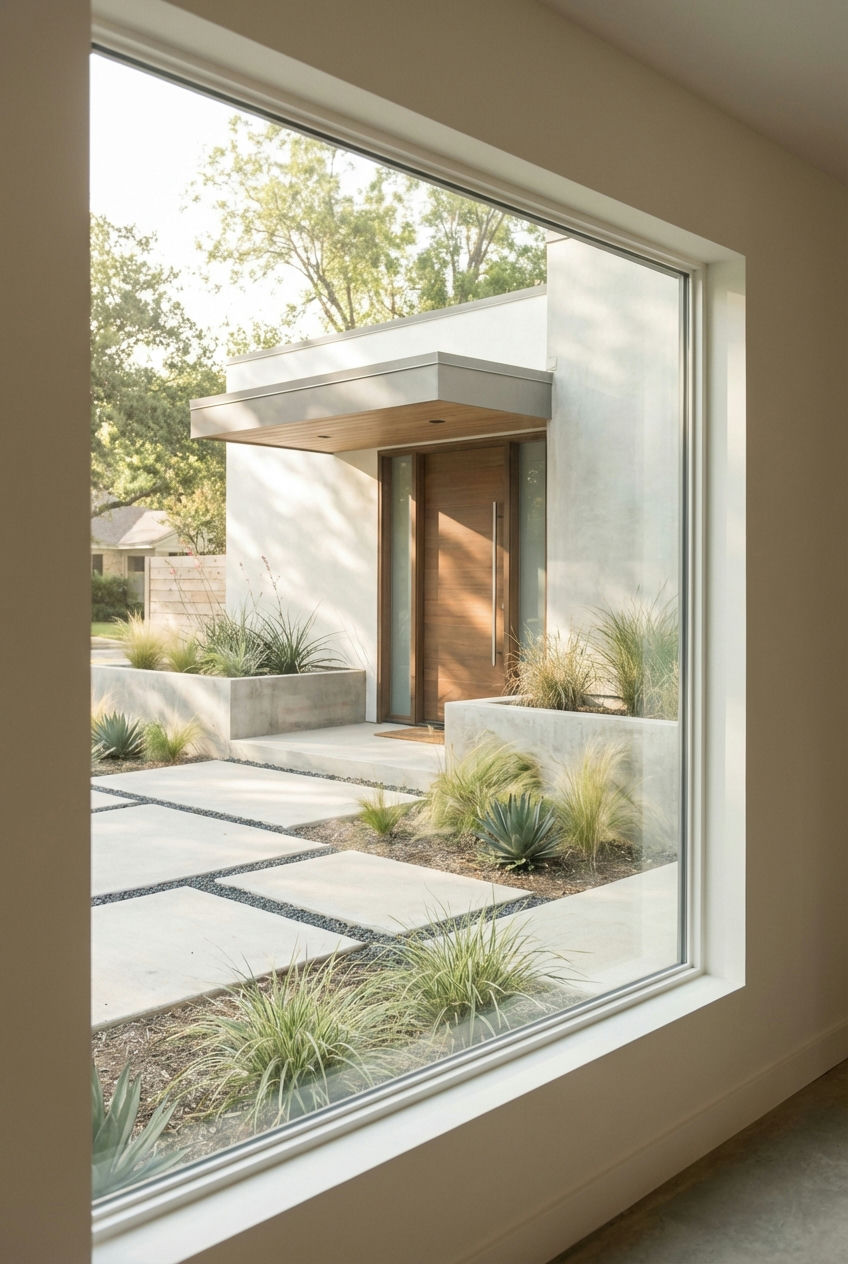
An American lifestyle or regional context aspect often plays a role in hardscaping choices. For instance, in the Southwest, desert-friendly aggregate and natural stone are prevalent, while in the Northeast, bluestone or fieldstone often complement colonial or traditional homes. Considering your region’s architectural styles and natural resources helps create a cohesive and authentic look. Embracing local materials can also be more economical and sustainable, as they typically require less transport and blend seamlessly into the environment.
7. Smart Lighting and Ambiance
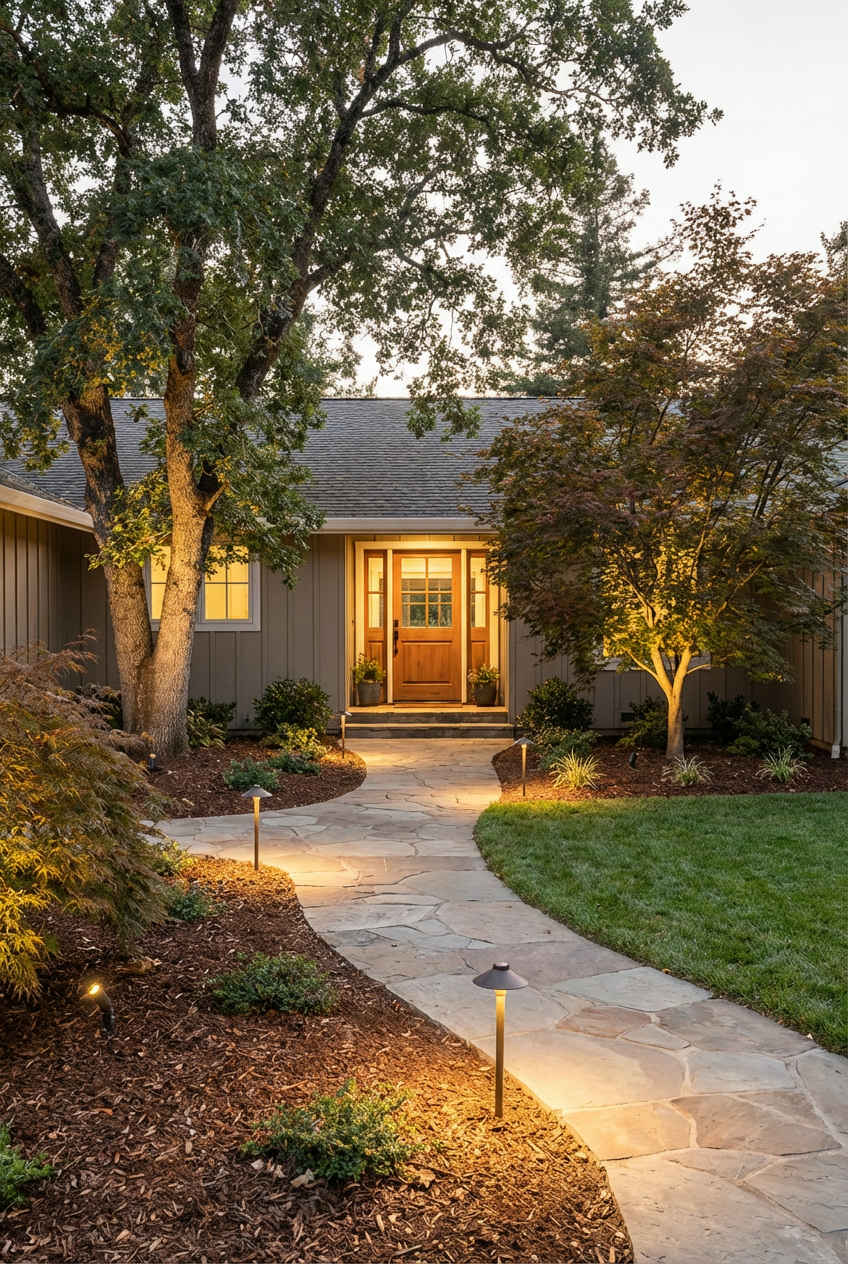
Illuminate your front yard with intelligent design by incorporating smart lighting. Beyond basic pathway lights, think about accent lighting that highlights architectural features of your home, up-lighting on a beautiful tree, or subtle glow from integrated planters. Smart systems allow for scheduling, dimming, and even color changes via an app, adding both security and enchanting nighttime ambiance. This transforms your landscape after dark, making it not just functional but a magical extension of your home. It’s an easy way to elevate your curb appeal and ensure your property looks stunning from dusk till dawn, literally illuminating its best features.
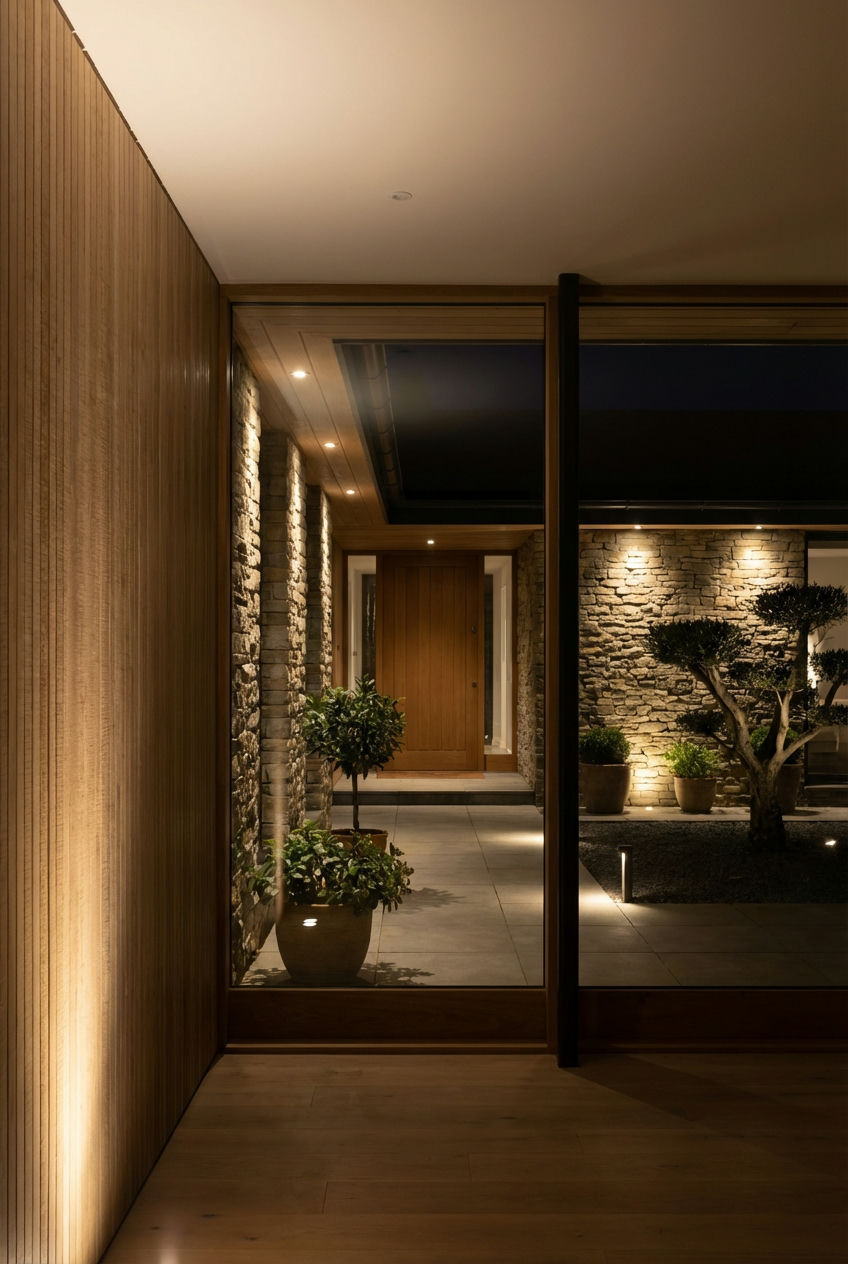
An expert-style commentary on smart lighting would emphasize its dual role: enhancing aesthetics and bolstering security. Dimmable lights can set a welcoming mood, while motion-activated floodlights deter intruders. Opt for low-voltage LED systems for energy efficiency and longevity, and consider integrating them with your existing smart home ecosystem for seamless control. Consulting a professional lighting designer can ensure proper placement and beam angles to avoid light pollution and achieve the desired effect, transforming your front yard into a masterpiece of light and shadow.
8. Vertical Green Walls
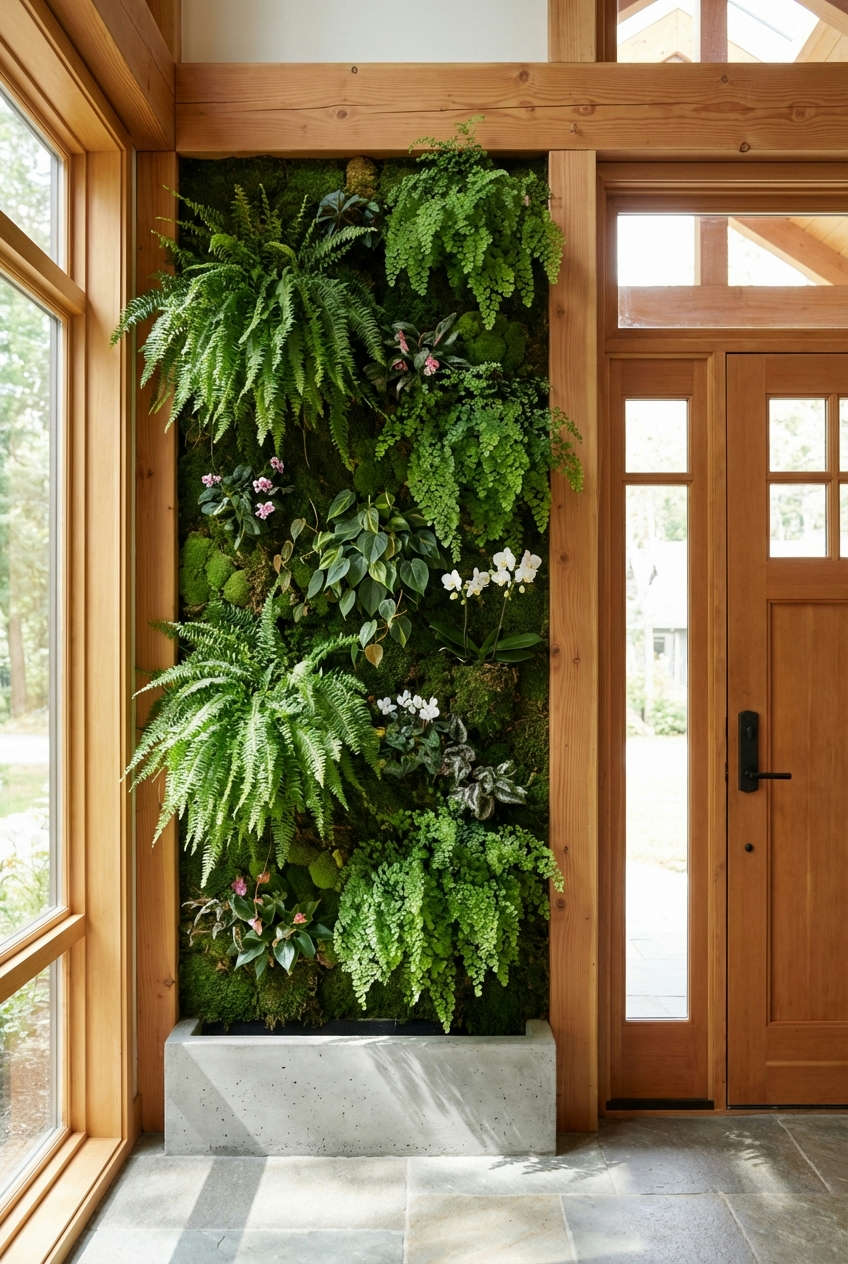
Short on horizontal space but crave lush greenery? Vertical green walls for your front yard landscaping are an innovative solution. Whether it’s a living wall panel flanking your garage door, a series of stacked planters beside the entrance, or an entire wall covered in foliage, this trend adds dramatic visual interest and biodiversity. They can be filled with succulents, herbs, ferns, or flowering plants, creating a dynamic, ever-changing art piece. Vertical gardens are perfect for urban homes or properties with limited space, bringing nature upward and adding a sophisticated, living element to your home’s exterior that captures attention instantly.
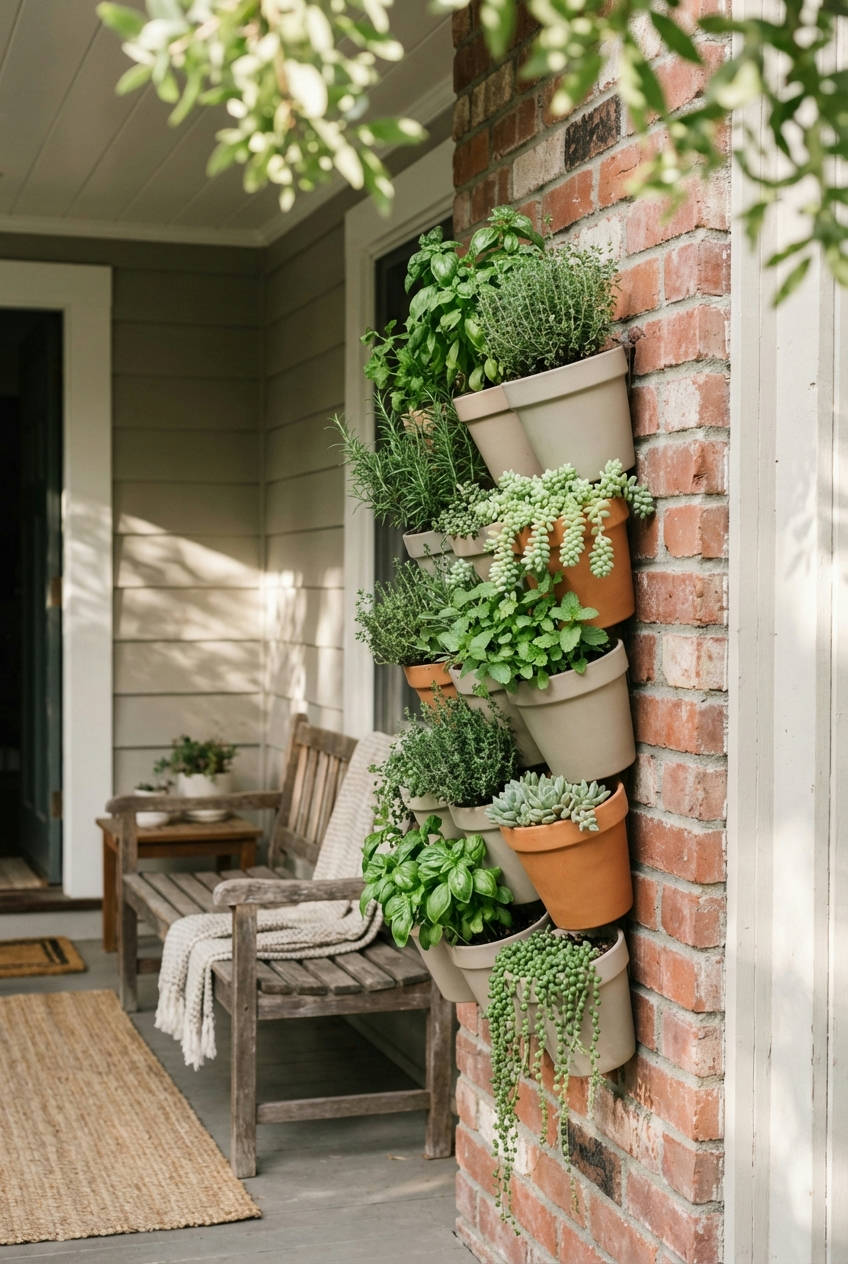
A budget angle for vertical green walls involves exploring DIY options. Instead of professionally installed systems, consider repurposed pallets, old gutters mounted creatively, or modular pocket planters. While larger, irrigation-integrated living walls can be a significant investment, smaller-scale vertical gardens can be incredibly affordable. Focusing on drought-tolerant succulents or herbs can also reduce ongoing watering costs. This allows homeowners to achieve the lush, modern aesthetic without breaking the bank, transforming a blank wall into a verdant display with a little ingenuity.
9. Rain Gardens and Bioswales
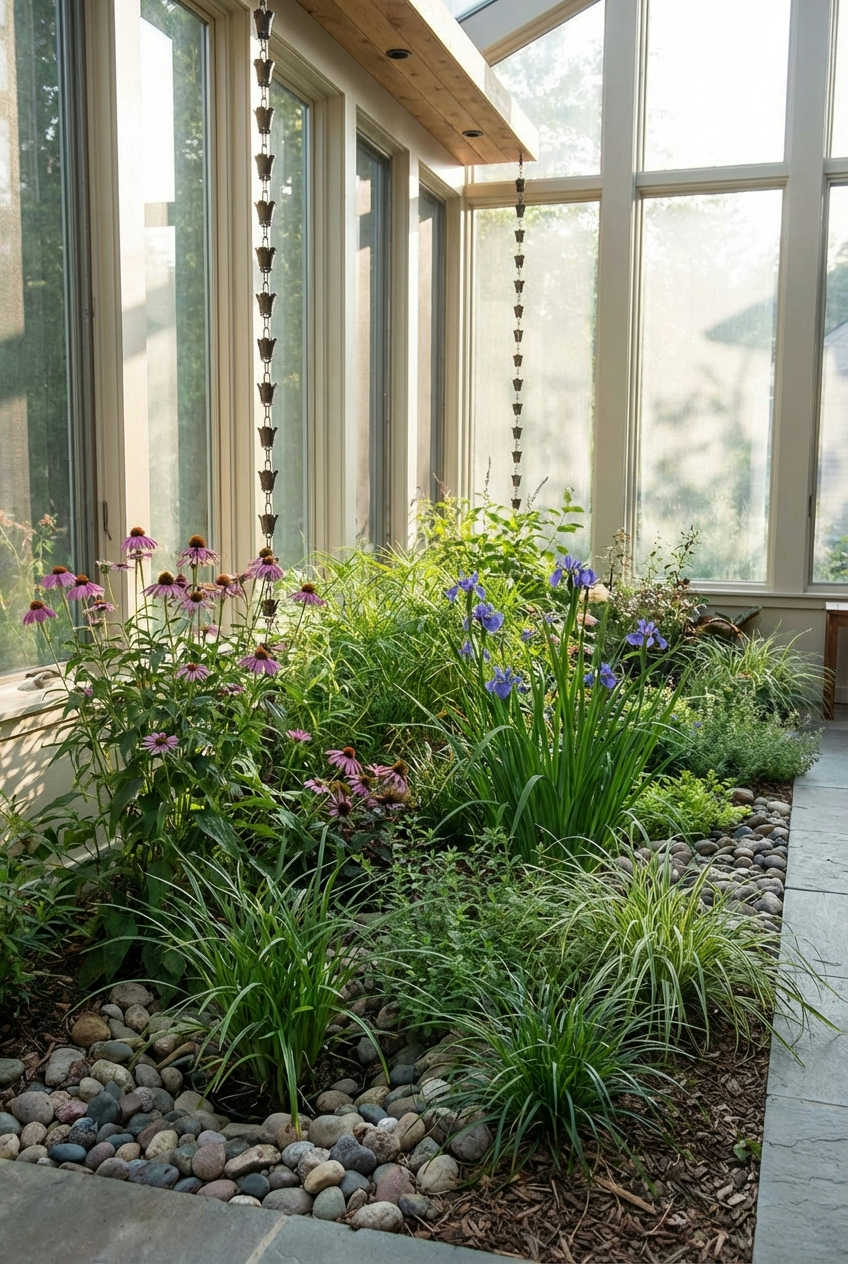
Embrace sustainable water management with rain gardens and bioswales as part of your front yard landscaping. These aesthetically pleasing depressions are designed to collect and absorb rainwater runoff from roofs and driveways, rather than letting it flow into storm drains. Planted with native, water-loving species, they create beautiful, self-sustaining ecosystems that reduce flooding and filter pollutants. Imagine graceful rushes, irises, and asters thriving in these mini wetlands, attracting birds and butterflies. It’s a prime example of form meeting function, creating a gorgeous landscape feature that actively contributes to environmental health and reduces your carbon footprint.
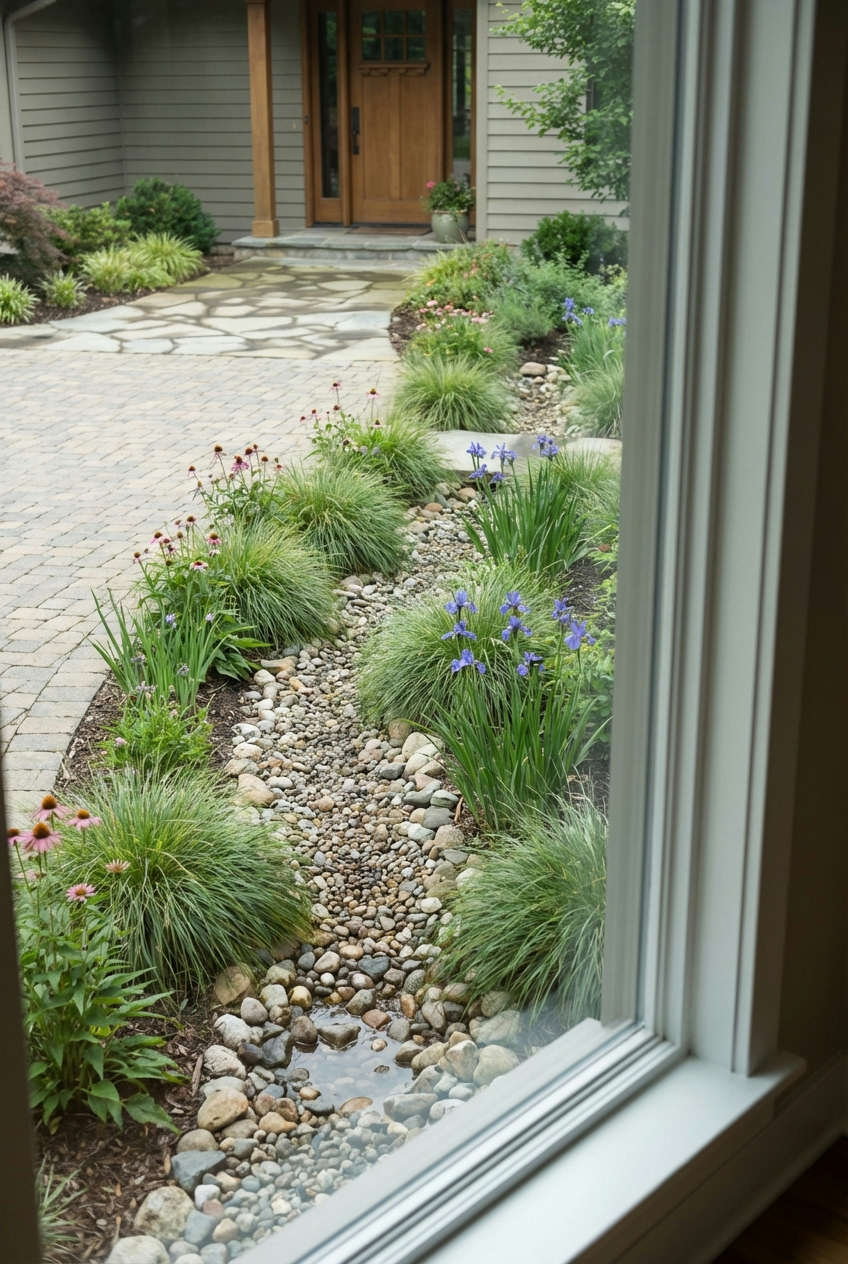
A micro anecdote about rain gardens: “My neighbors installed one last year, and not only does their front yard look incredible with all the new plants, but they told me their street rarely floods during heavy downpours now. It’s amazing to see such a practical solution also be so beautiful.” This small change can make a significant difference, especially in areas prone to excessive rainfall, offering a visible and effective solution to stormwater runoff while enhancing the property’s beauty.
10. Container Gardening Displays
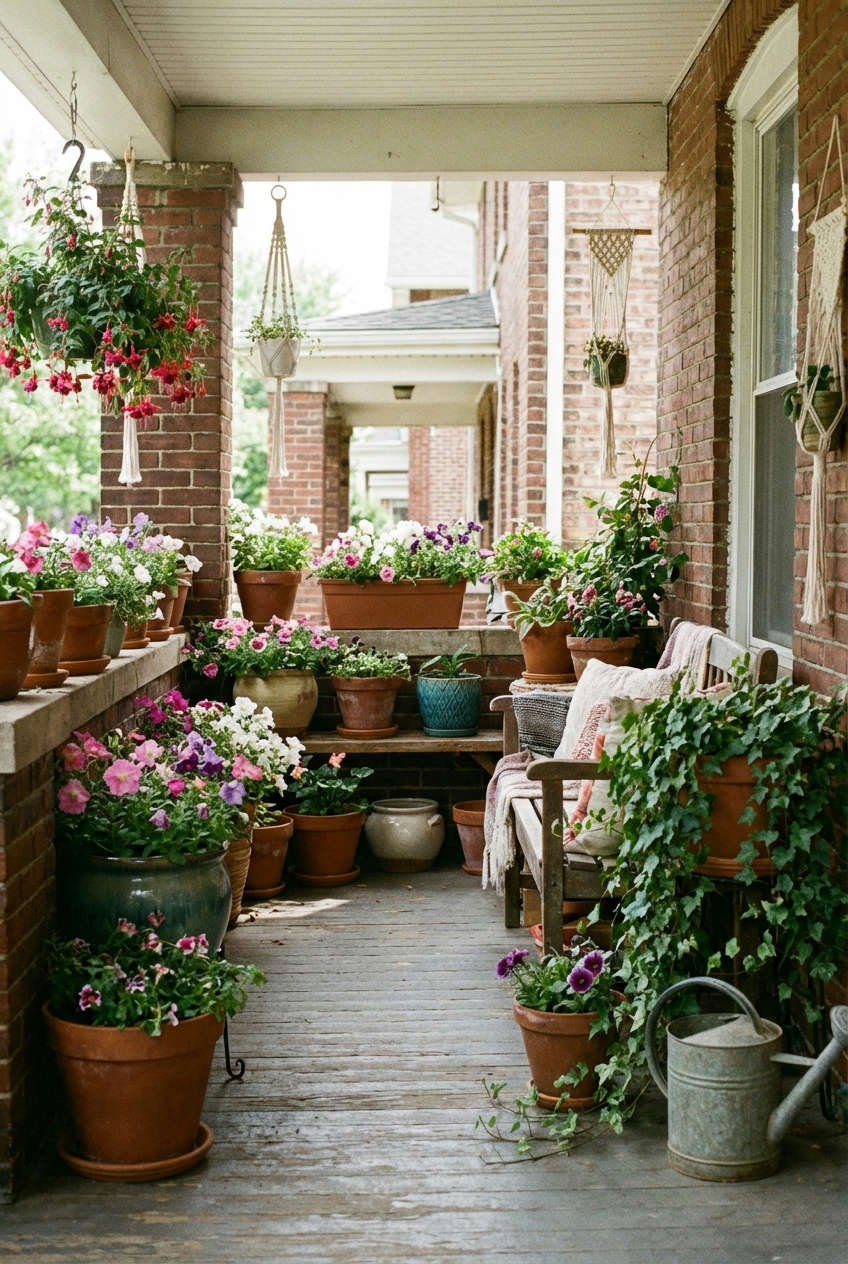
For instant impact and unparalleled versatility, embrace sophisticated container gardening displays in your front yard. Groupings of various-sized pots, filled with a mix of colorful annuals, small shrubs, or even dwarf trees, can define entries, soften hardscapes, and add seasonal flair. The beauty of containers is their mobility; you can rearrange them, swap out plants as seasons change, and respond to design whims. This allows for constant refreshment of your home’s exterior without a major landscape overhaul. Choose planters that complement your home’s architectural style, from terracotta to sleek modern ceramic, to create a cohesive and inviting look.
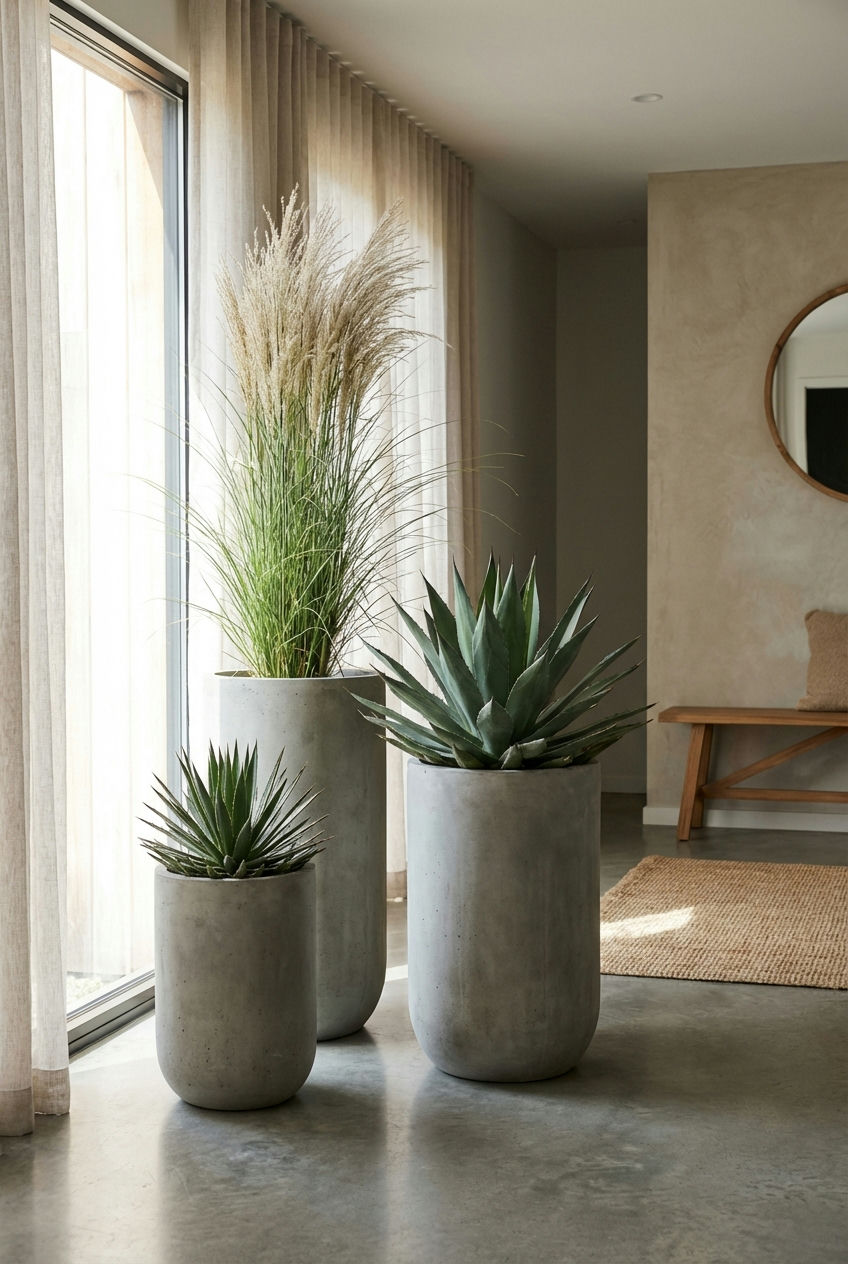
A common mistake to avoid with container gardening is inadequate watering and choosing plants that are too large for their pots. Containers dry out much faster than in-ground beds, especially in sunny locations, so consistent watering is crucial. Also, selecting dwarf varieties or plants that won’t quickly outgrow their containers will prevent them from becoming root-bound and suffering. Ensure your pots have drainage holes to prevent waterlogging, and use a high-quality potting mix for optimal plant health. These simple steps can make all the difference in maintaining a stunning display.
11. Cottage Garden Charm
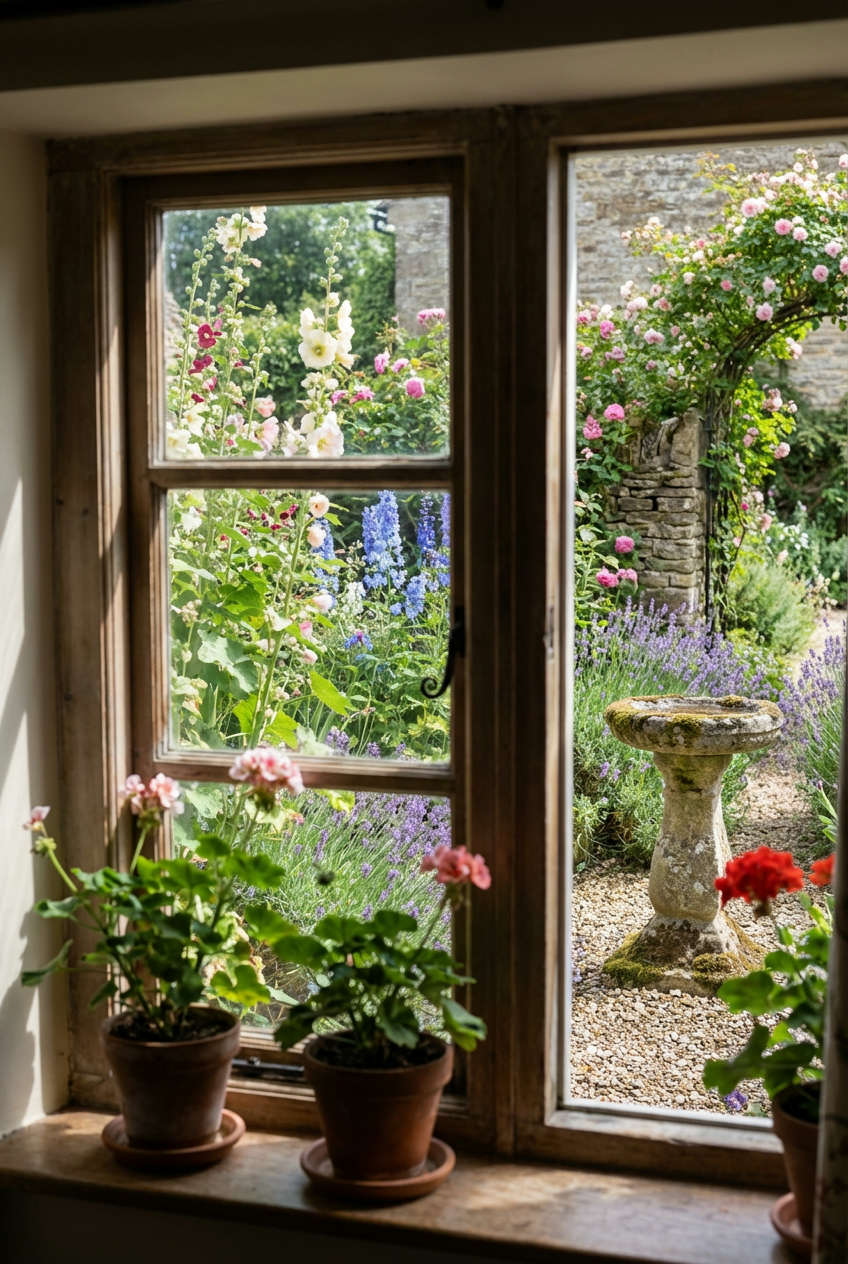
Embrace whimsy and romance with a traditional cottage garden aesthetic for your front yard landscaping. This style is characterized by abundant, informal plantings, often including a mix of perennials, annuals, roses, and climbing vines. Imagine a riot of color and texture spilling over pathways, fragrant blossoms welcoming visitors, and birds flitting among the blooms. It’s less about strict lines and more about natural beauty and a feeling of warmth and welcome. This timeless appeal creates a soft, inviting atmosphere, perfect for homes yearning for a touch of old-world charm that feels both cultivated and wonderfully wild.
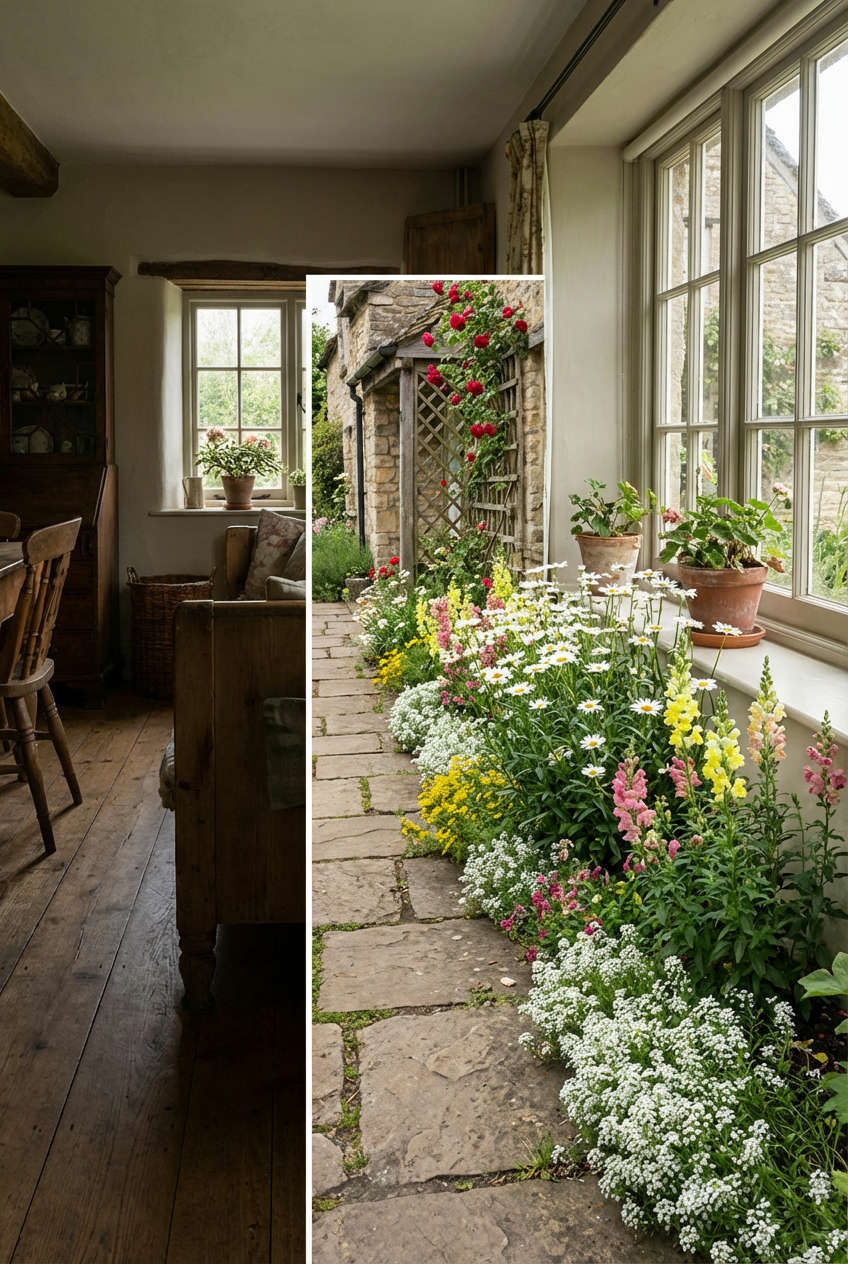
An expert-style commentary on cottage gardens often highlights their layered approach. Start with foundational shrubs and small trees for structure, then fill in with a tapestry of perennials for continuous bloom. Annuals can be tucked into gaps for seasonal color bursts. Don’t forget vertical elements like climbing roses or clematis to add depth. The key is to create a sense of effortless abundance, even though it requires thoughtful planning and maintenance. This style provides continuous visual interest and a rich sensory experience, from the vibrant colors to the delightful scents.
12. Zen-Inspired Spaces
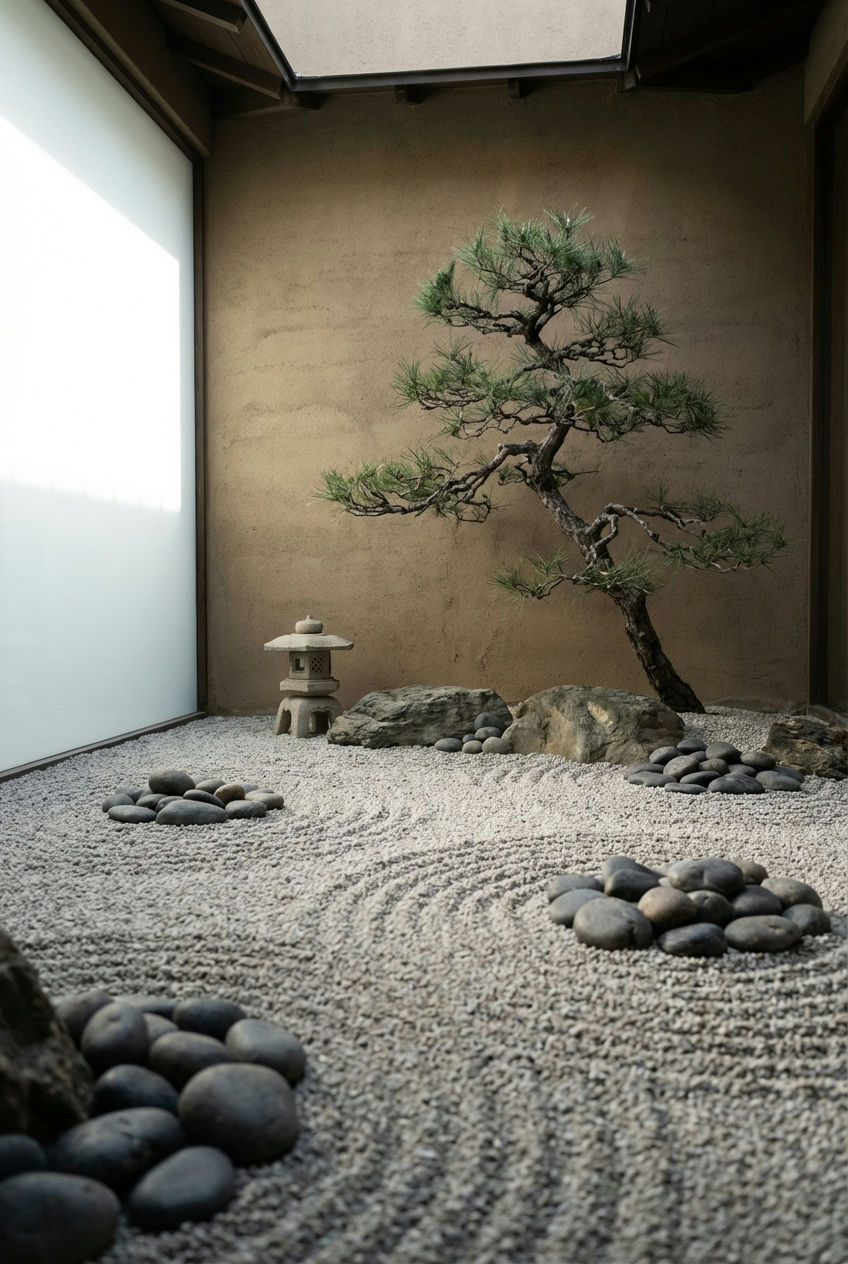
Bring tranquility to your front yard with a Zen-inspired landscape. This design philosophy emphasizes simplicity, natural elements, and thoughtful arrangement to create a calming and contemplative space. Think raked gravel patterns, carefully placed boulders, dwarf conifers, and perhaps a small trickling water feature. The goal is to evoke a sense of peace and harmony, reflecting balance and serenity right at your doorstep. This minimalist approach offers a stark contrast to overly manicured lawns, offering a sense of calm in a busy world, and encouraging quiet reflection before entering your home.
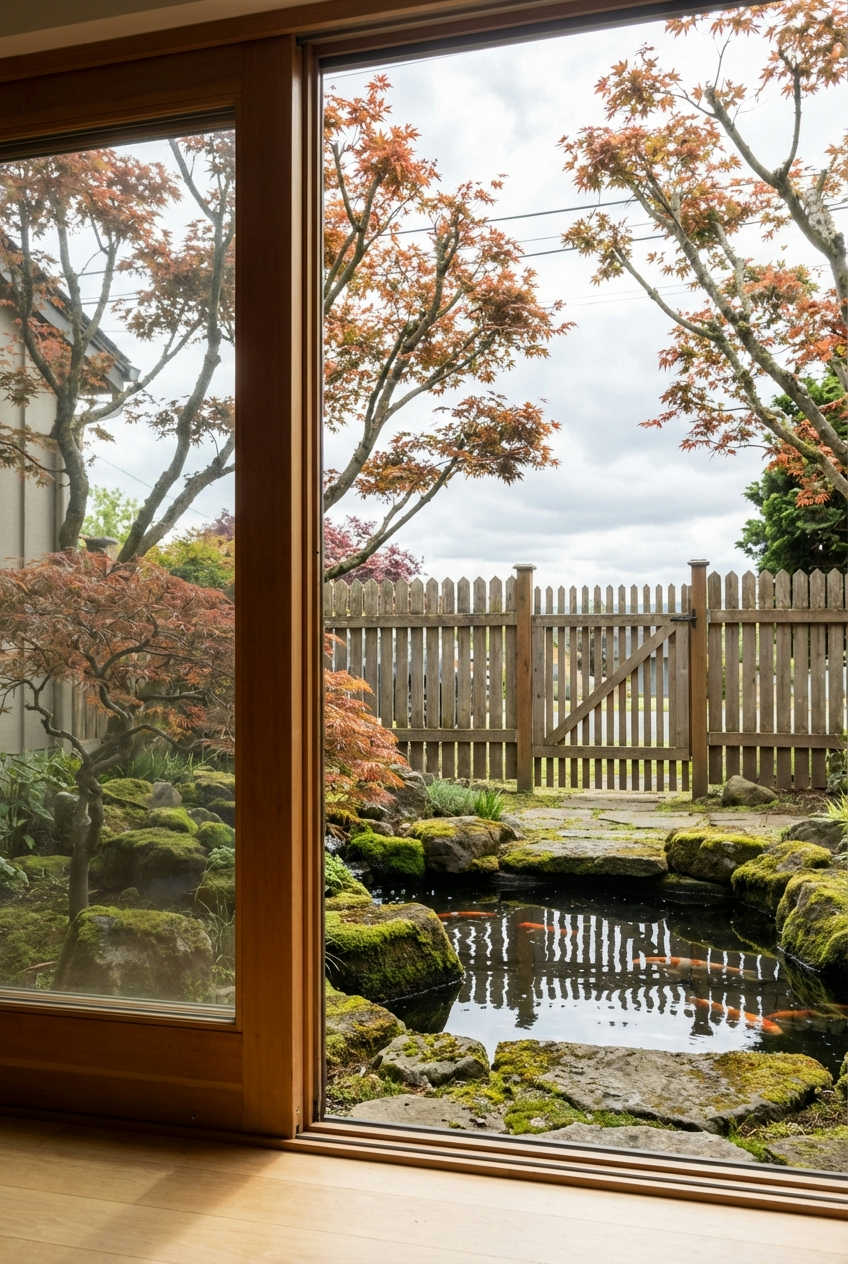
Where it works best is for homes with a modern or minimalist architectural style, as the clean lines and understated elegance perfectly complement each other. It’s also an excellent choice for smaller front yards or urban settings where expansive sprawling gardens aren’t feasible but a sense of nature and calm is desired. Homeowners seeking a low-maintenance landscape will also appreciate its often-succinct plant palette and reliance on hardscaping. For those who crave a sense of peace the moment they arrive home, a Zen-inspired space offers daily respite.
13. Low-Maintenance Groundcovers
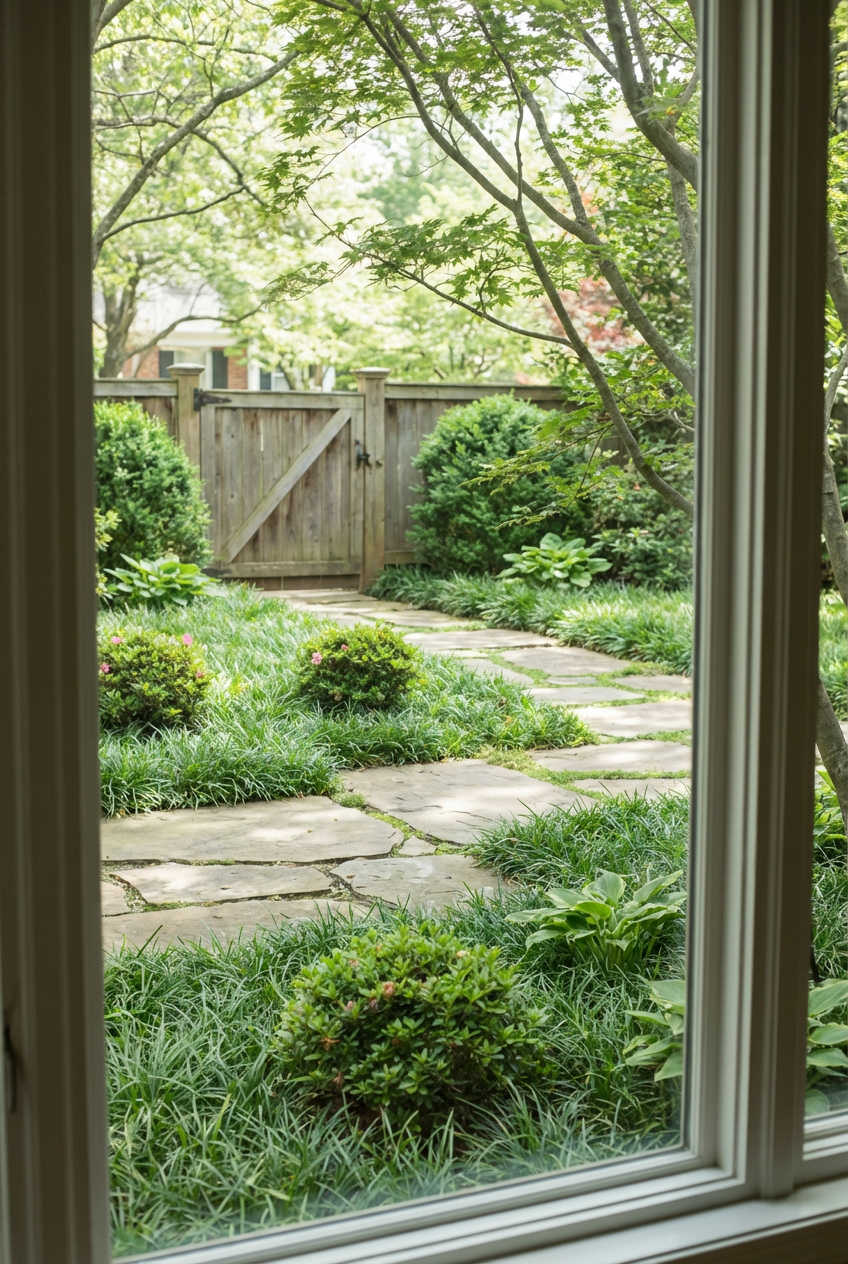
Say goodbye to constant mowing by replacing large sections of lawn with attractive, low-maintenance groundcovers in your front yard landscaping. Varieties like creeping thyme, sedum, mondo grass, or even clover can create a lush, green carpet that requires minimal upkeep once established. These options offer texture, color, and often drought tolerance, reducing water bills and freeing up your weekends. They also suppress weeds and prevent erosion, making them a practical and beautiful alternative to traditional turfgrass. This trend is gaining traction as homeowners seek more sustainable and less labor-intensive ways to maintain their outdoor spaces effectively.
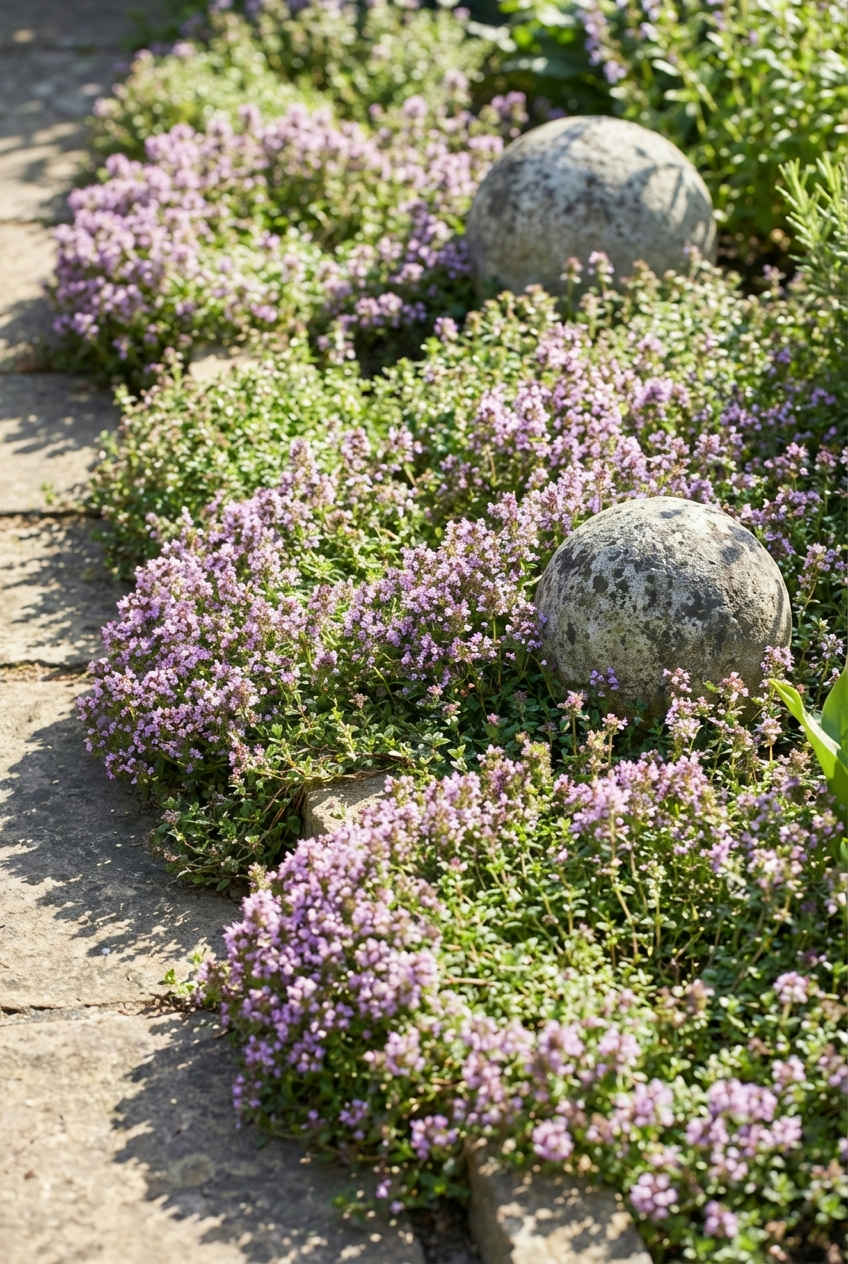
A practical insight when choosing groundcovers is to consider the amount of sun and foot traffic each area receives. Some groundcovers thrive in full sun, others in shade, and some can withstand occasional walking. Selecting the right plant for the right place ensures its success and minimizes future headaches. Always amend your soil properly before planting and provide adequate water during establishment. These choices contribute to a flourishing, low-effort front yard that looks fantastic year-round, transforming burdensome lawn care into visual appeal.
14. Architectural Specimen Plants
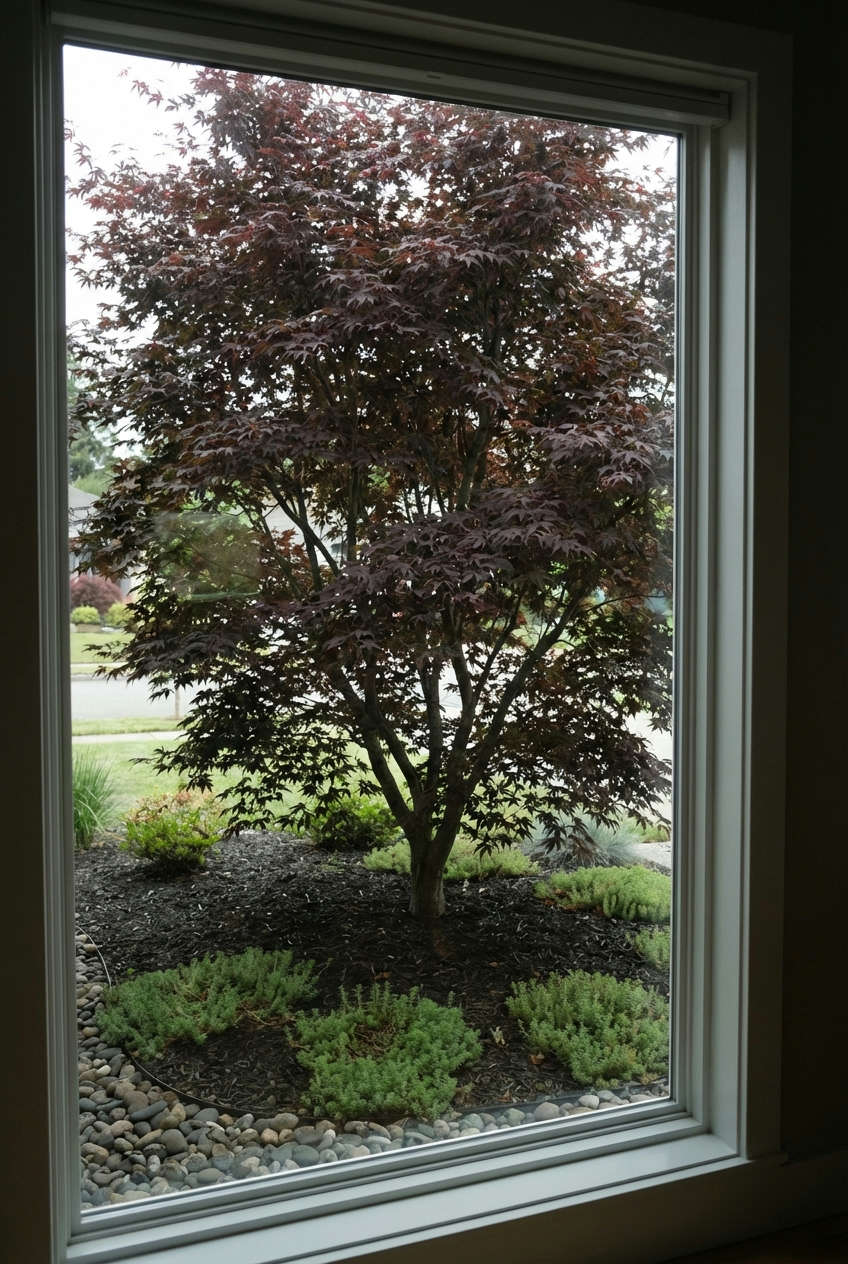
Make a bold statement with architectural specimen plants, turning your front yard into a gallery of natural art. These are plants chosen for their unique form, texture, or color, serving as focal points rather than just background greenery. Imagine a towering, multi-trunked Japanese maple, a meticulously sculpted topiary, or a dramatic agave in a prominent spot. These plants draw the eye and add a sophisticated, curated feel to your landscape. They often work best when given ample space to shine, creating a powerful visual impact that complements your home’s architecture beautifully.
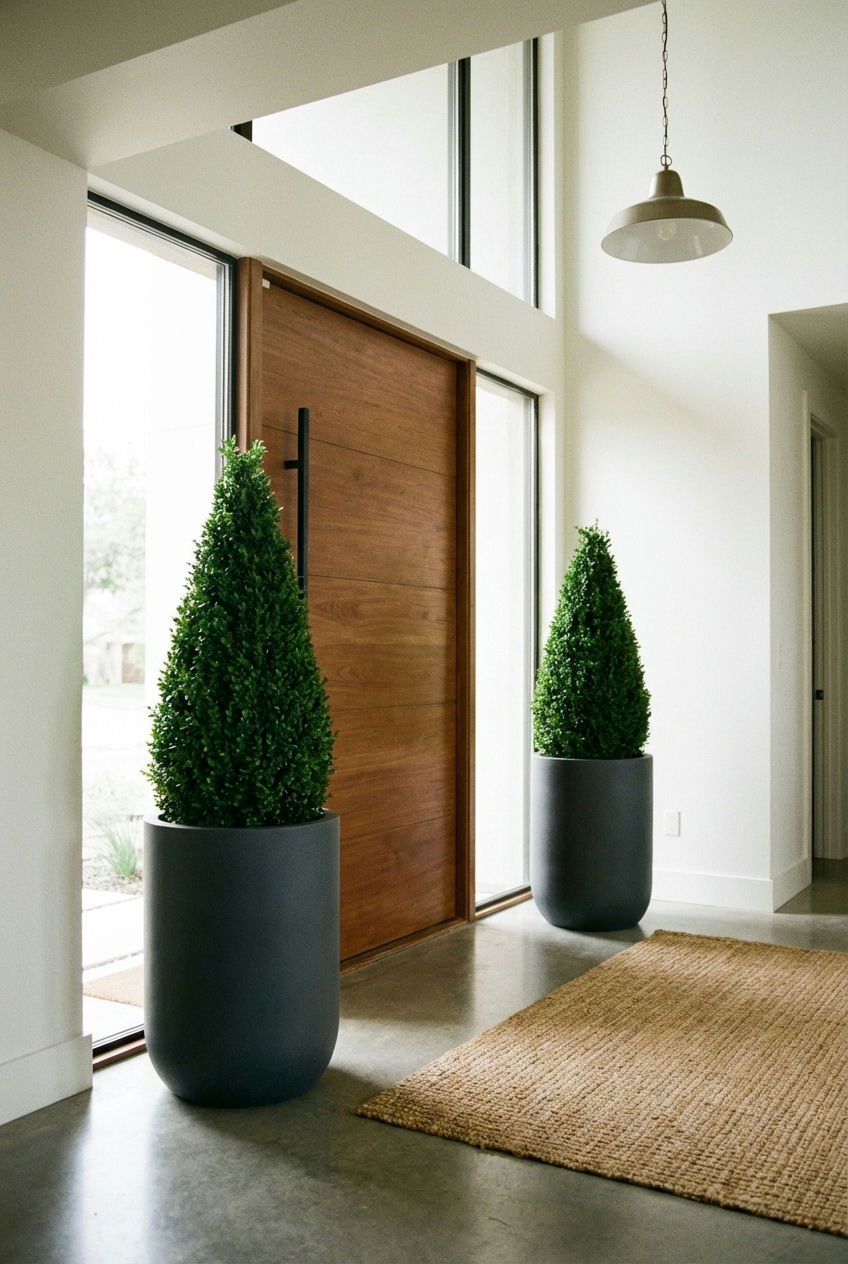
A specific budget/price angle related to specimen plants is that while they can be a more significant upfront investment due to their maturity or unique qualities, their impact on curb appeal and property value is substantial. Think of them as living art pieces that appreciate over time. However, to mitigate costs, consider starting with a younger specimen and nurturing it, or seek out local nursery sales. A single, perfectly placed specimen often has more impact than many smaller, less distinctive plants, offering excellent value for money.
15. Garden Water Features
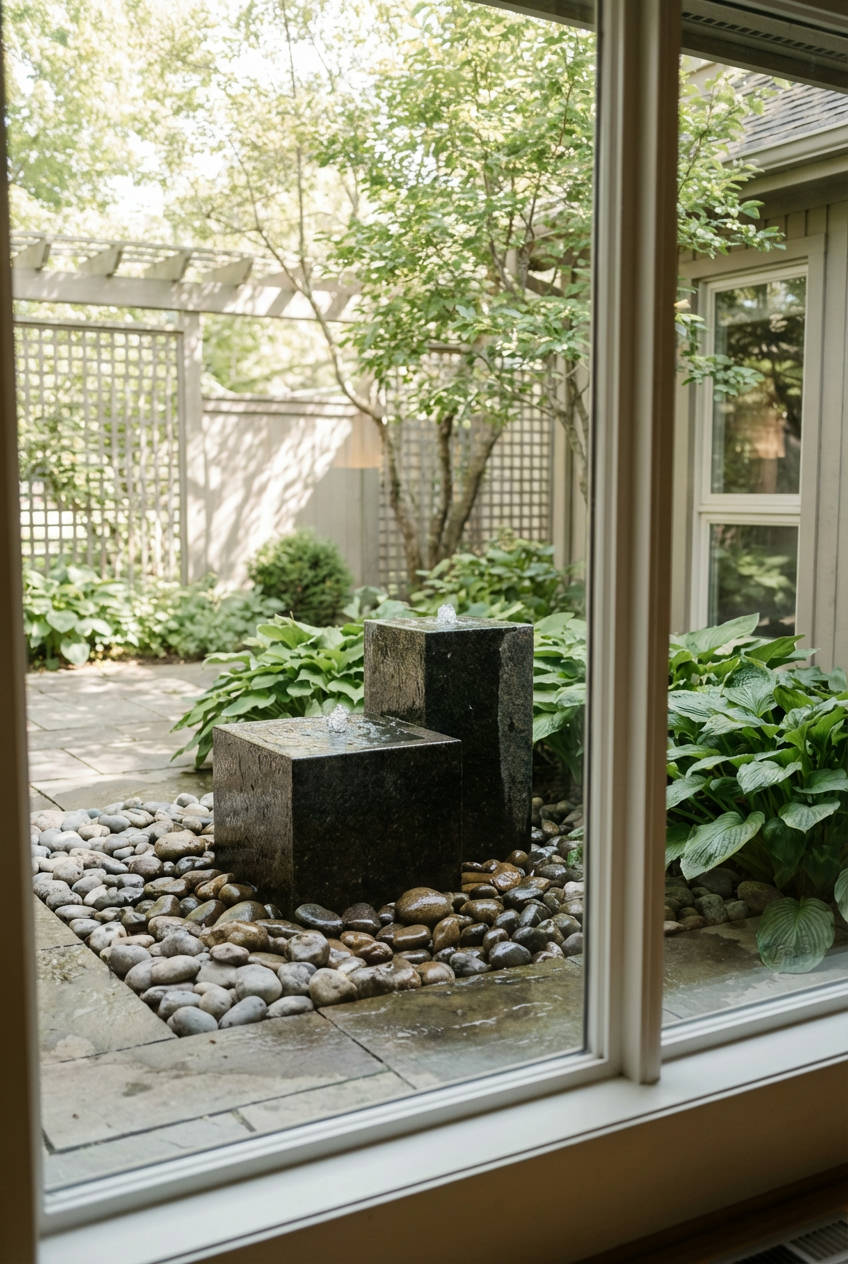
Introduce the soothing sounds and visual appeal of water with a thoughtfully placed water feature in your front yard landscaping. This could be a gentle bubbling fountain near the entrance, a reflective bird bath, or a small, self-contained pond with aquatic plants. The sight and sound of moving water instantly add tranquility and elegance to any landscape, masking urban noise and attracting local wildlife. Water features create a sense of serenity and can act as a natural focal point, drawing the eye and inviting closer contemplation of your beautifully designed space.
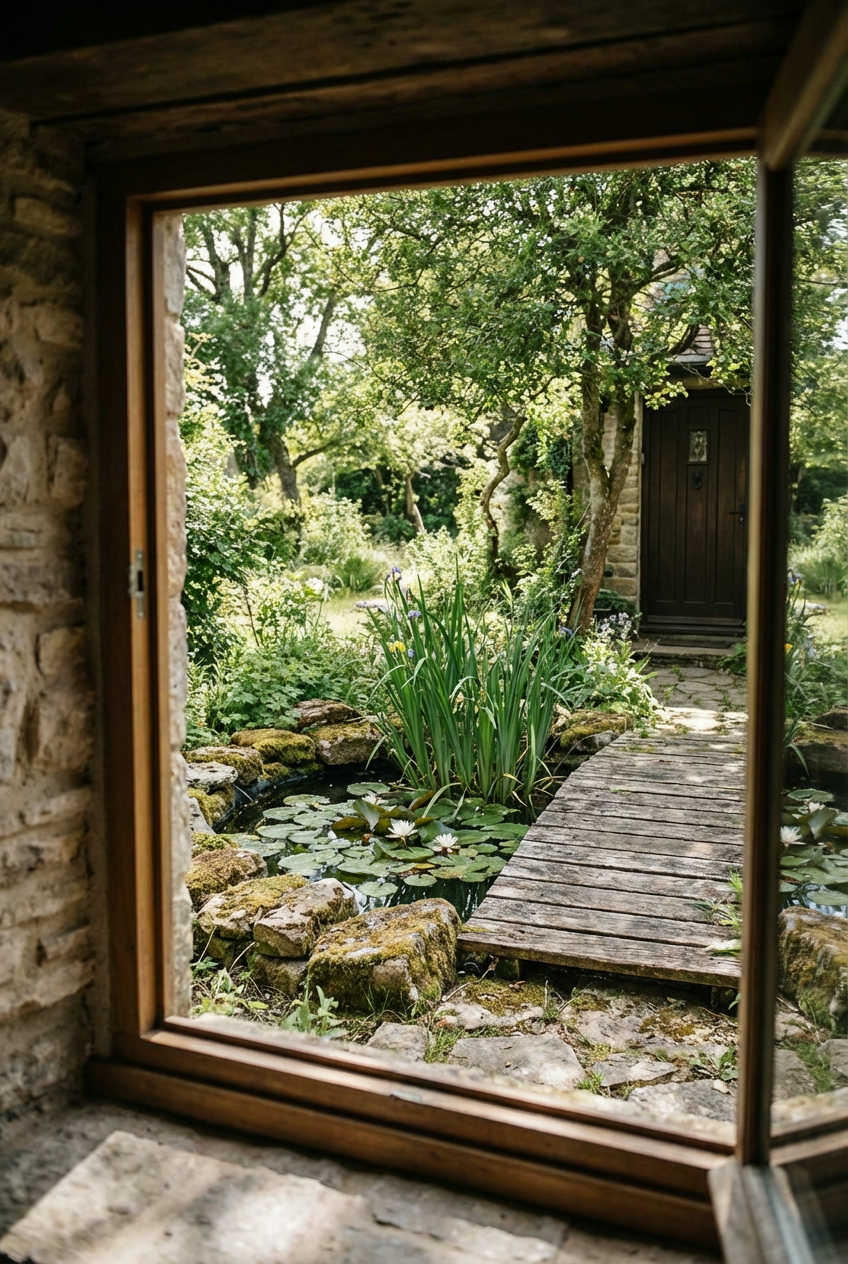
An American lifestyle or regional context often influences water feature choices. In dry climates, a recirculating fountain is much more sustainable than an open pond. In humid regions, careful consideration of mosquito control is crucial. Many homeowners in suburban areas enjoy the sound of gentle water to mask street noise, creating a private oasis. They appreciate the way water features elevate the sensory experience of their front yards, making the space feel more luxurious and peaceful, a true retreat from the everyday hustle and bustle of modern life.
16. Modern Farmhouse Front Gardens
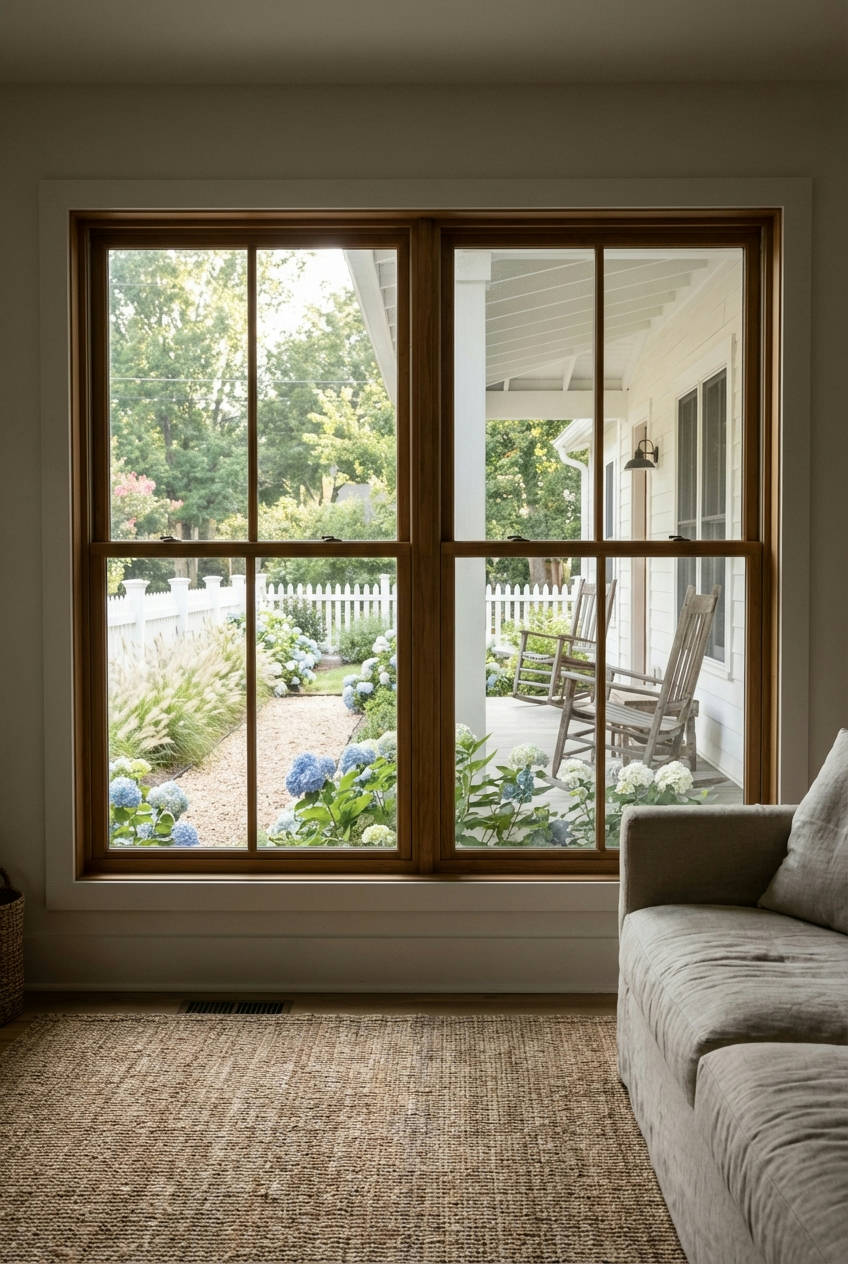
Blend rustic charm with contemporary elegance by designing a modern farmhouse front yard landscaping. This style often features clean lines balanced with natural textures and materials. Think gravel pathways bordered by abundant, informal plantings like hydrangeas, ornamental grasses, and perhaps a small raised vegetable bed. White picket fences or dark-stained wood railings complement the aesthetic, along with galvanized metal accents. It’s about creating a welcoming, unpretentious feel that still appears thoughtfully designed, perfect for capturing that relaxed yet stylish American rural-meets-urban vibe that is so popular today.
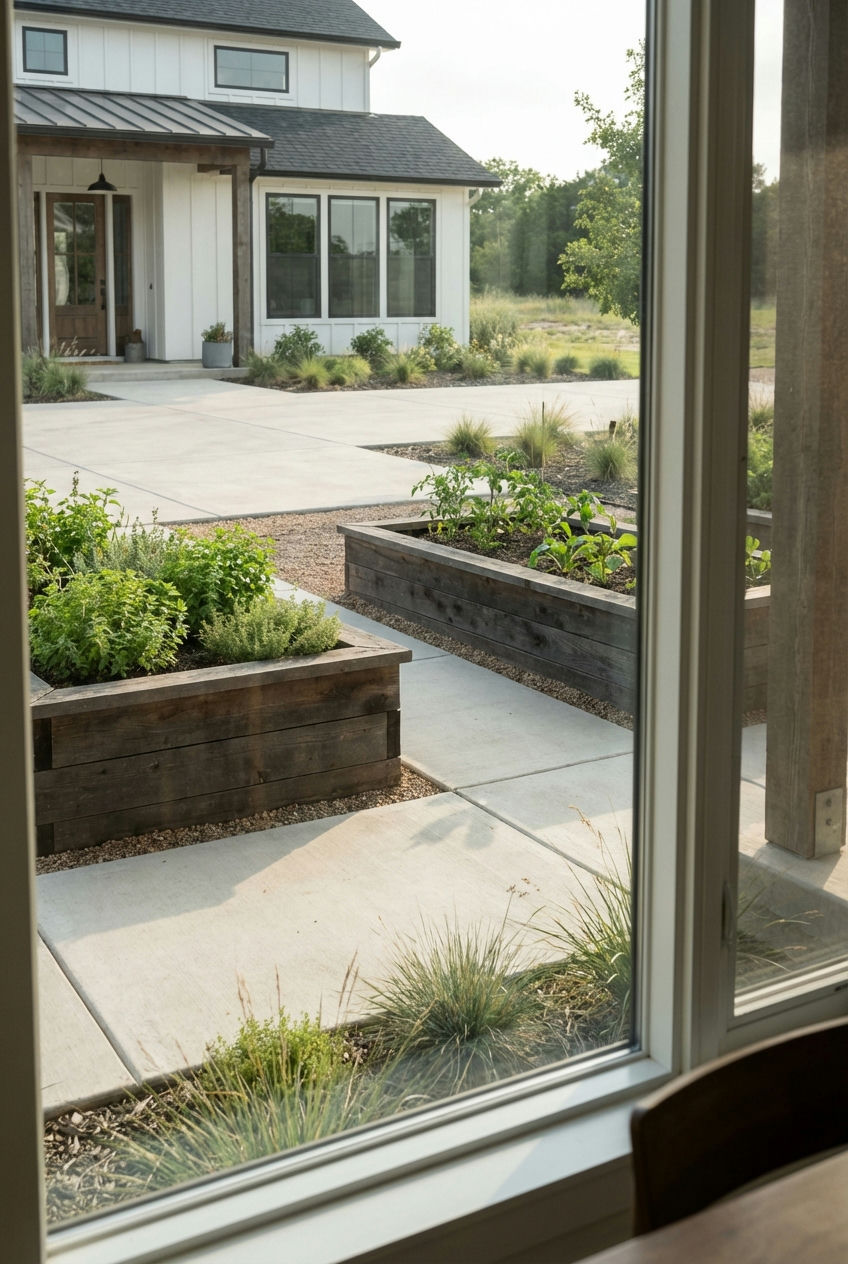
A practical insight for modern farmhouse front gardens is to focus on a cohesive color palette for your plants, often leaning into whites, greens, and blues with pops of muted color. This ensures the garden feels harmonious rather than chaotic. Repeating key plant types, like hydrangeas or boxwoods, creates a sense of rhythm and calm. Incorporating natural materials like wood and stone helps to ground the design and reinforces the farmhouse aesthetic. This attention to detail elevates the space, making it both beautiful and welcoming, epitomizing the modern aesthetic with a nod to tradition.
17. Xeriscaping with Flair
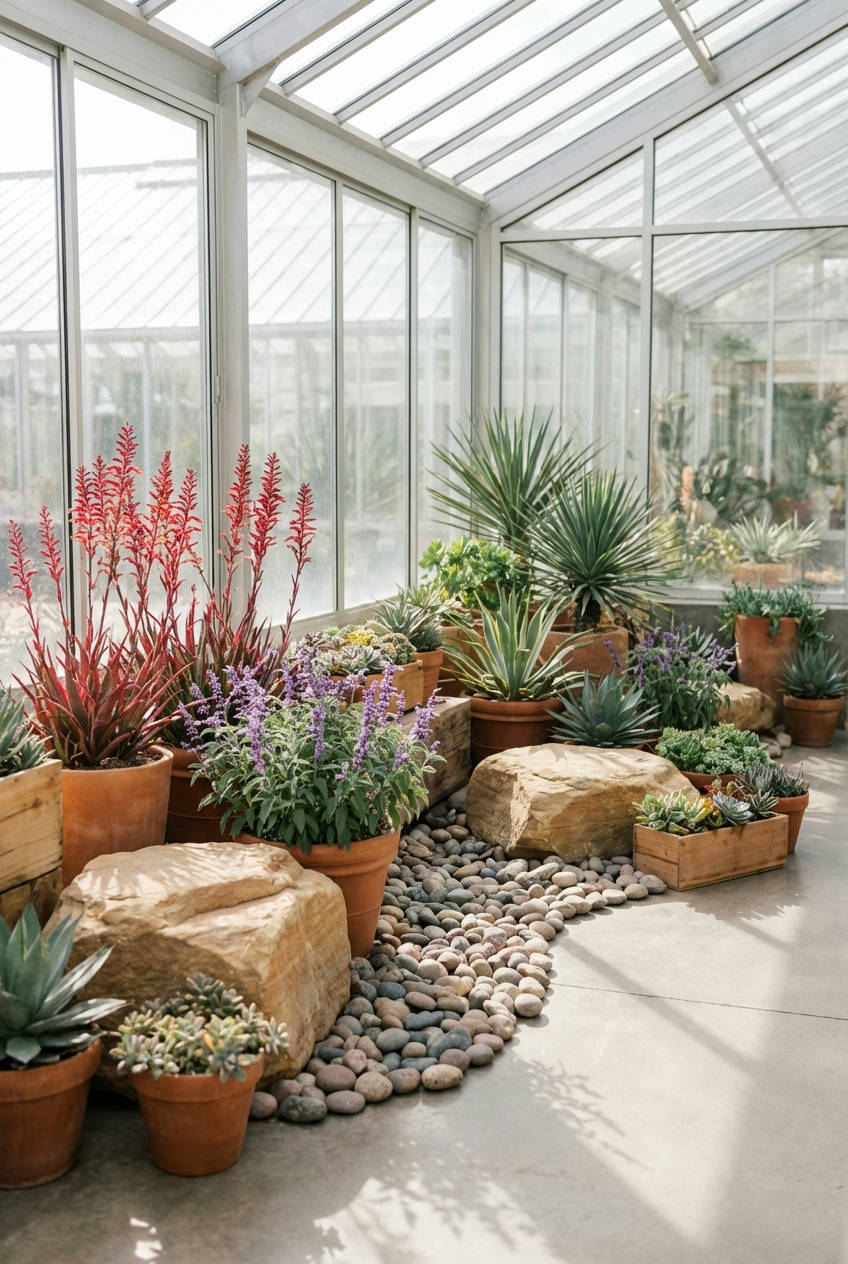
Xeriscaping, the art of landscaping with minimal water, is evolving beyond simple rock gardens to offer truly vibrant and imaginative ideas for your front yard landscaping. Think colorful, drought-tolerant plants combined with artful arrangements of stones, sculptural elements, and permeable pathways. This approach proves that water conservation can be incredibly beautiful and doesn’t mean sacrificing lushness or visual interest. Utilize plants like sedum, lavender, ornamental grasses, and various succulents to create dynamic scenes that thrive with little irrigation. It’s a responsible and truly inspiring way to design a landscape that looks fantastic while being kind to the planet.
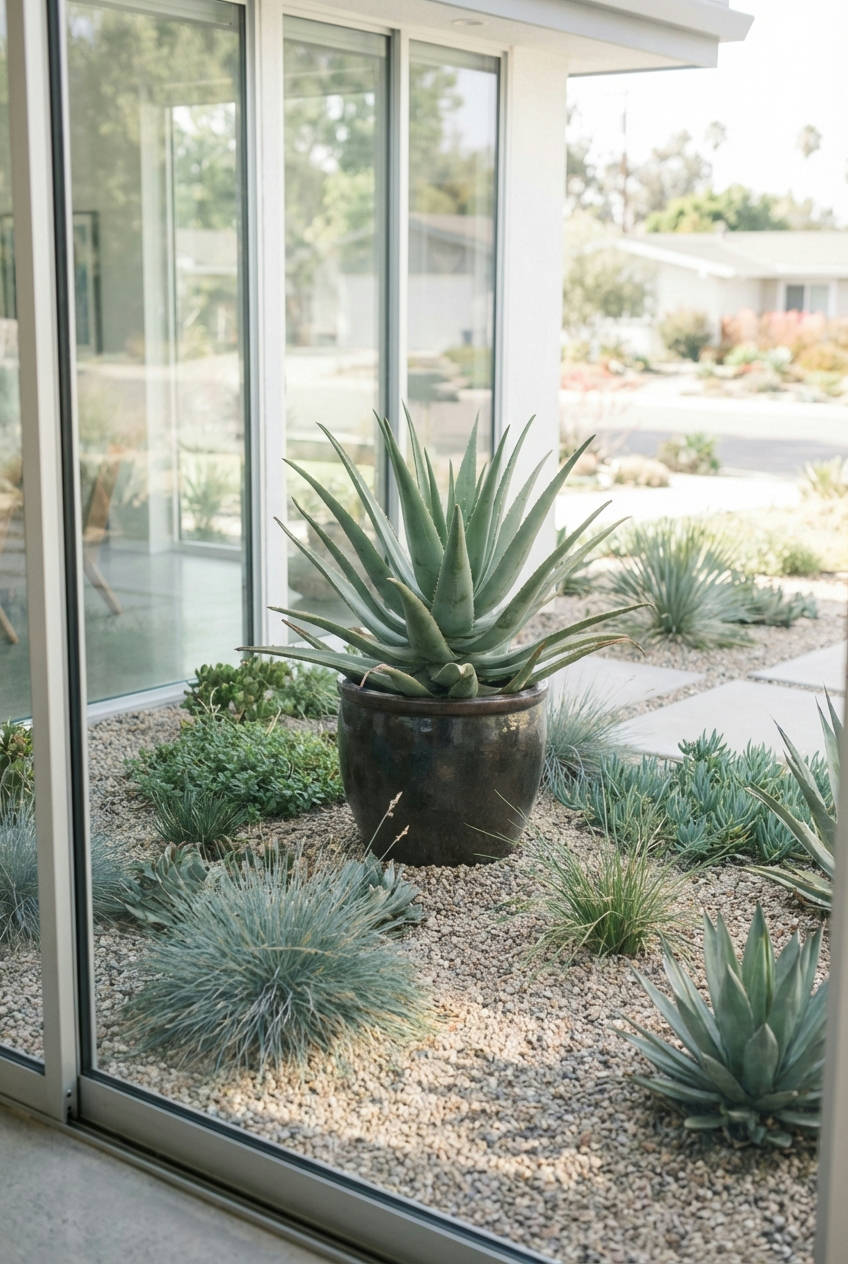
A common mistake in xeriscaping often involves planting incompatible species or insufficient planning of zones, leading to some plants receiving too much or too little water. It’s crucial to group plants with similar water needs together and select species truly adapted to your local climate. Additionally, overlooking soil preparation can hinder success; even drought-tolerant plants need good drainage. Proper initial planning and understanding your plants’ requirements will prevent future issues, ensuring a thriving, water-wise garden that truly flourishes with minimal intervention, saving money on the budget.
18. Sensory Gardens
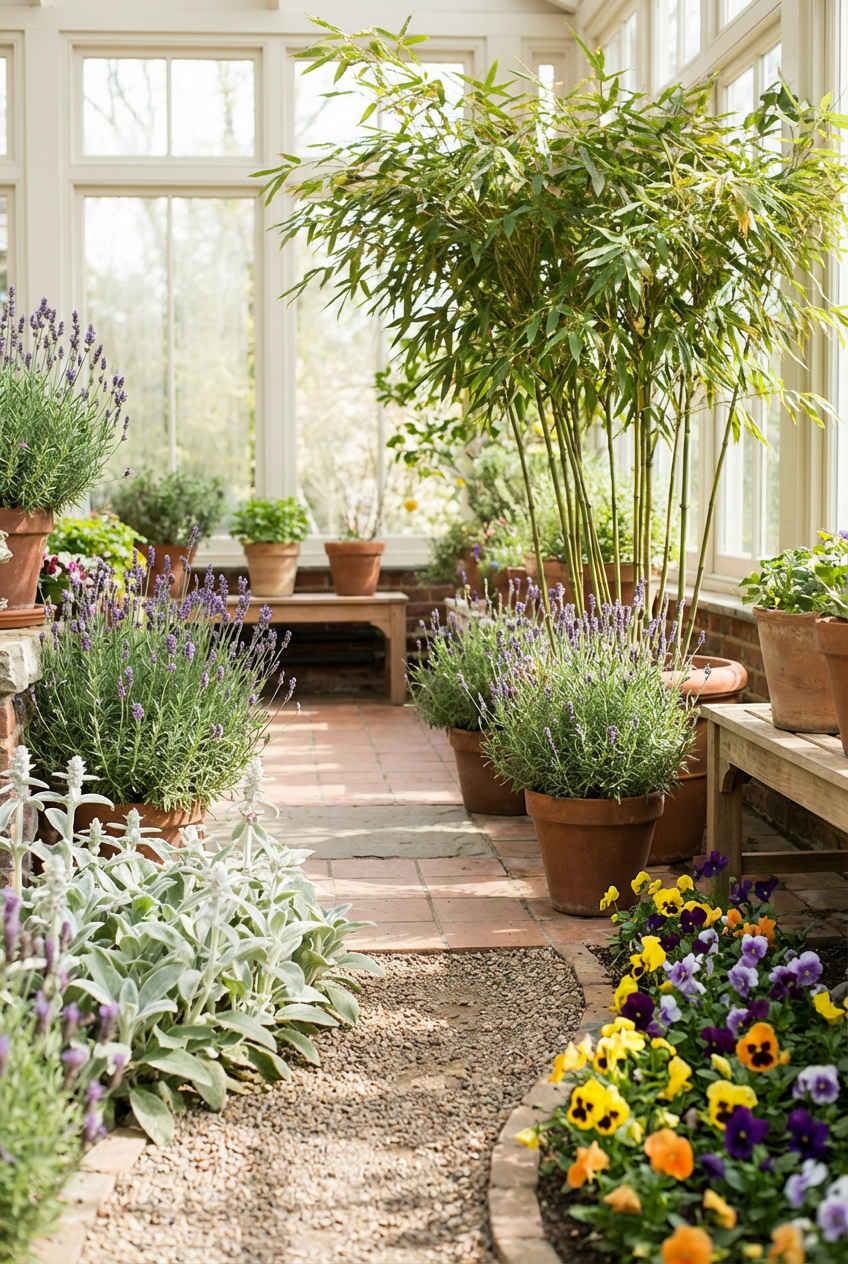
Engage all five senses with a thoughtful sensory garden in your front yard. This approach goes beyond visual appeal, incorporating plants and elements that provide fragrant aromas, interesting textures, soothing sounds, and even edible components. Imagine lavender and chocolate mint for smell, lamb’s ear for touch, rustling bamboos or chimes for sound, and a few berry bushes for taste. This creates an immersive and delightful experience for anyone who approaches your home. It’s an especially wonderful idea for families with children or anyone looking to foster a deeper connection with nature right at their doorstep.
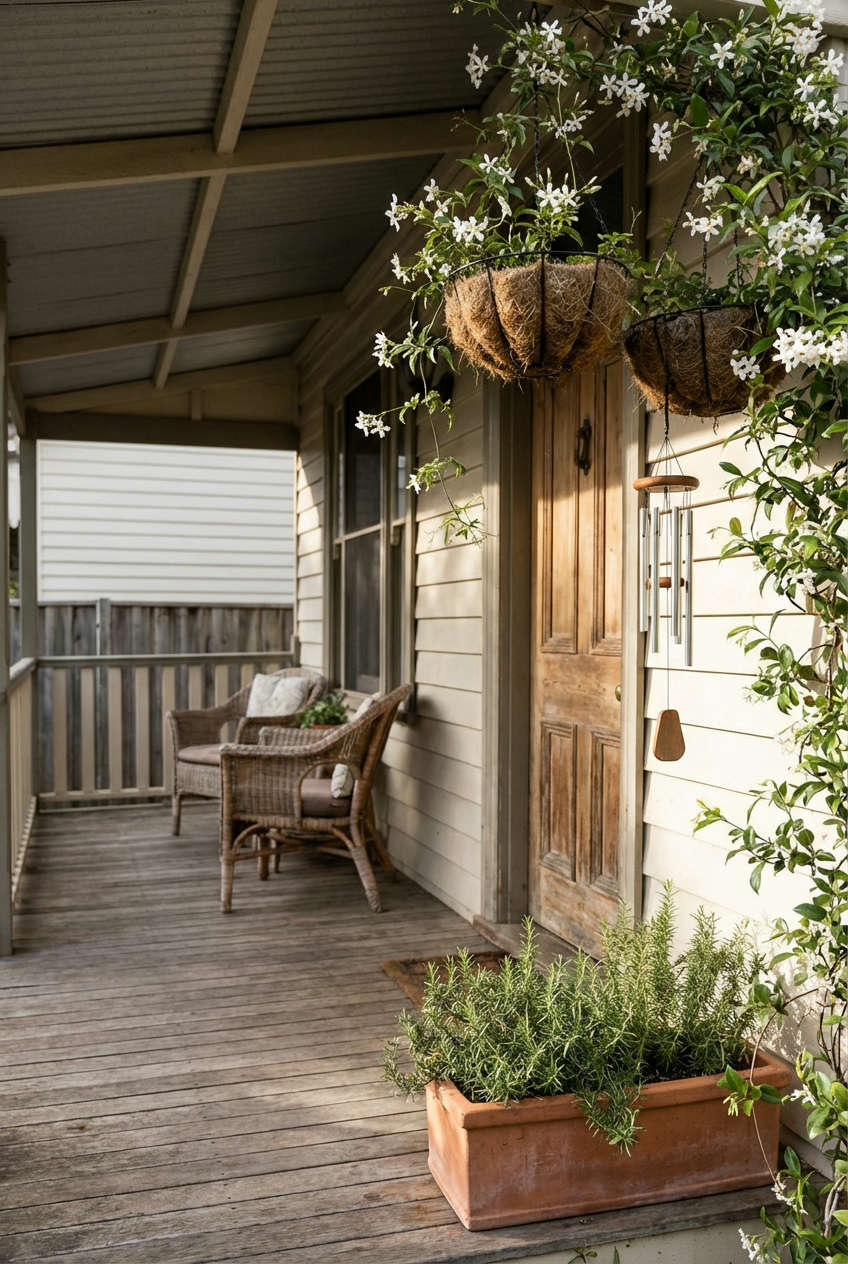
A practical insight for creating a successful sensory garden involves intentional plant selection and placement. Group plants with similar care needs together, and consider the height and spread to ensure each sensory element can be experienced without obstruction. For example, place fragrant plants near seating areas or pathways, and textural plants at arm’s reach. Don’t forget elements like a small water feature for sound, or even a bird feeder to attract chirping visitors. This thoughtful layering ensures a rich, multi-sensory experience that delights and surprises visitors throughout the day.
19. Permeable Paver Driveways
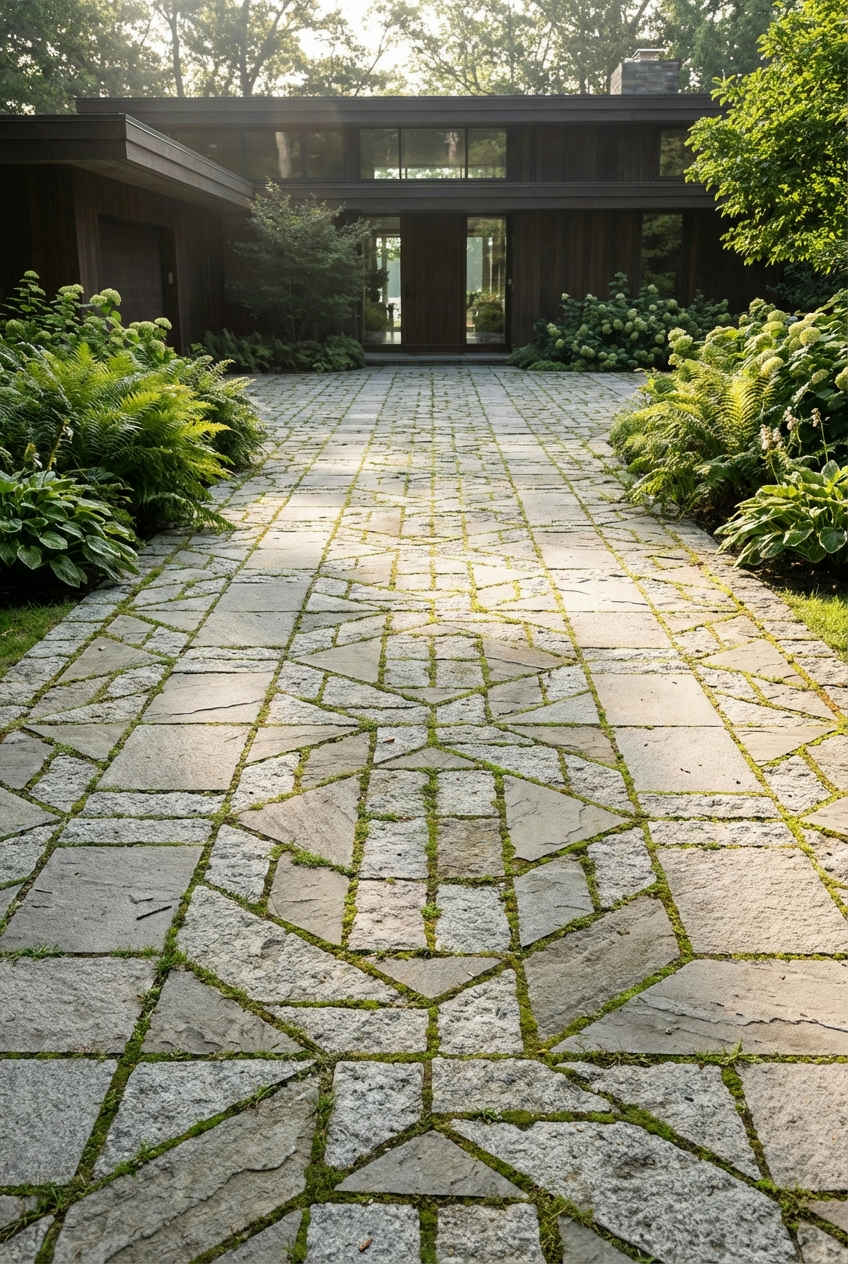
Upgrade your driveway from a dull expanse of concrete to a stylish and sustainable permeable paver surface, enhancing your front yard landscaping. These interlocking pavers allow rainwater to filter through, reducing runoff and replenishing groundwater, all while providing a durable and attractive surface. Available in various colors, shapes, and materials, they can create beautiful patterns that complement your home’s aesthetic. This not only solves drainage problems but also adds a sophisticated design element to a typically utilitarian area, creating a polished and environmentally conscious entry to your home.
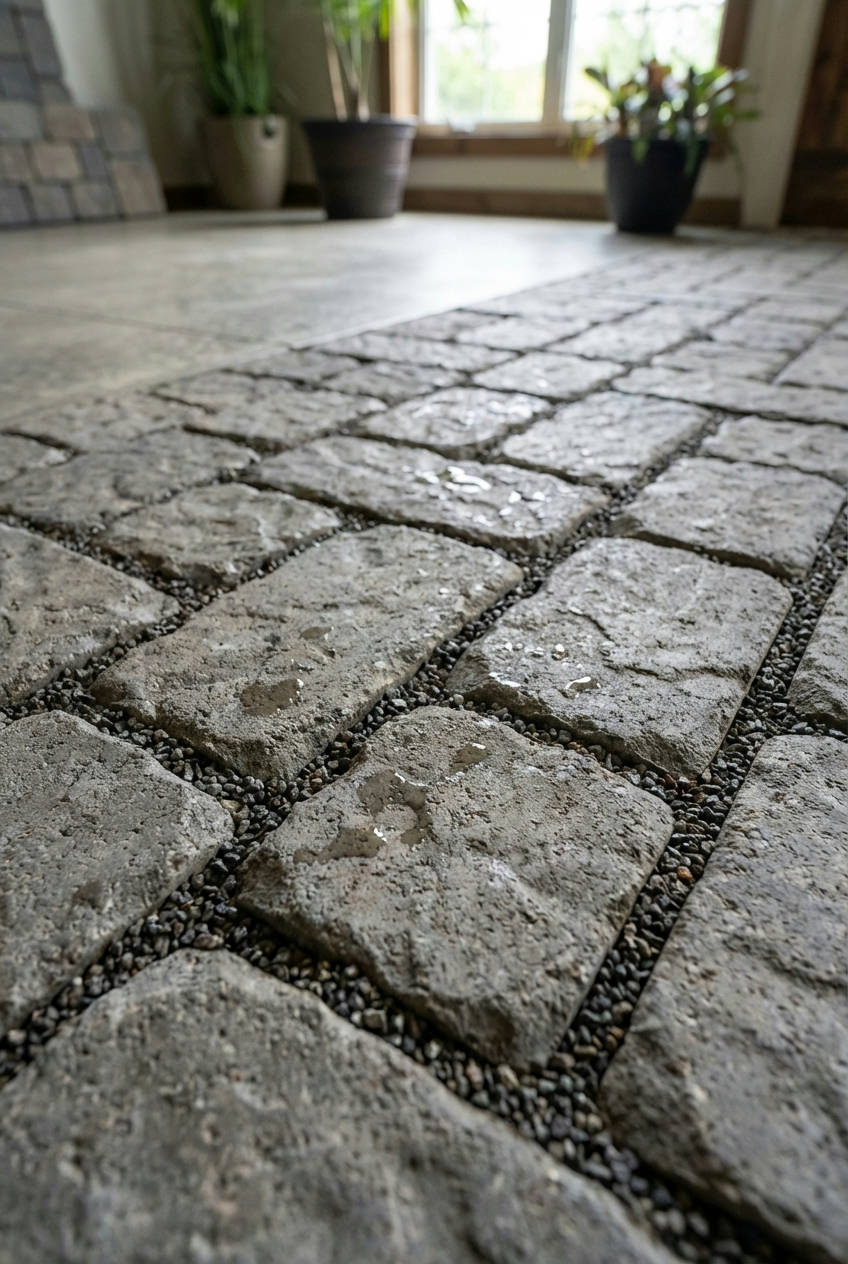
An expert-style commentary on permeable pavers highlights their long-term value. While the initial installation cost might be higher than traditional asphalt or concrete, the benefits far outweigh it. They reduce the need for extensive storm drain systems, lessen the burden on municipal infrastructure, and can even contribute to LEED certification for new builds. Furthermore, their durability means less maintenance and replacement over decades, offering a superior return on investment for the discerning homeowner. This is truly an upgrade that provides both aesthetic and ecological benefits, a testament to thoughtful design decisions.
20. Cohesive Mailbox and Addressing Displays
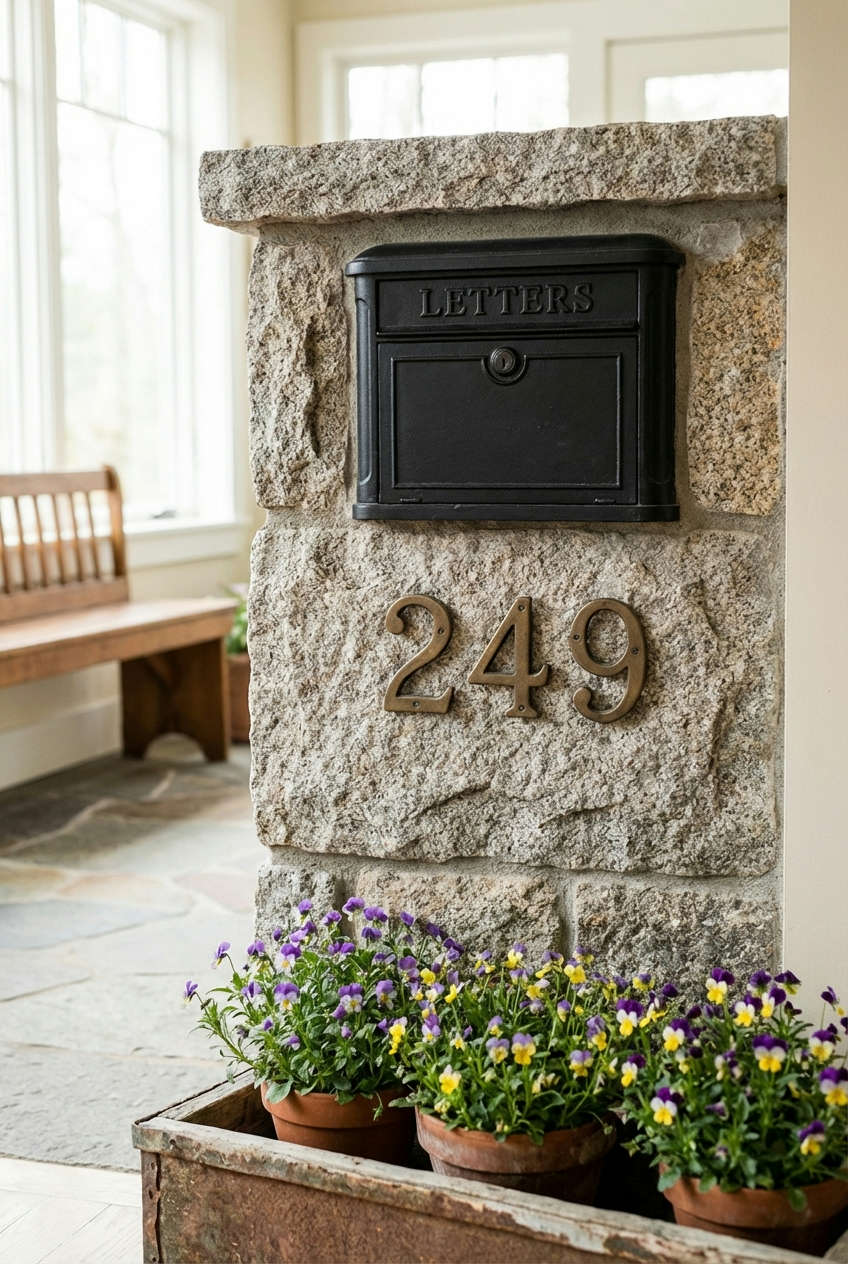
Don’t overlook the smaller details that contribute significantly to your front yard’s overall appeal. A cohesive mailbox and addressing display can elevate an often-forgotten element into a charming design statement. Whether integrated into a custom stone pillar, nestled among flowering shrubs, or mounted with elegant house numbers that match your home’s aesthetic, these details make a big difference. Consider incorporating a small planter at the base of your mailbox or adding subtle lighting to highlight your house numbers at night. These thoughtful touches convey attention to detail and offer a welcoming, polished first impression to any visitor.
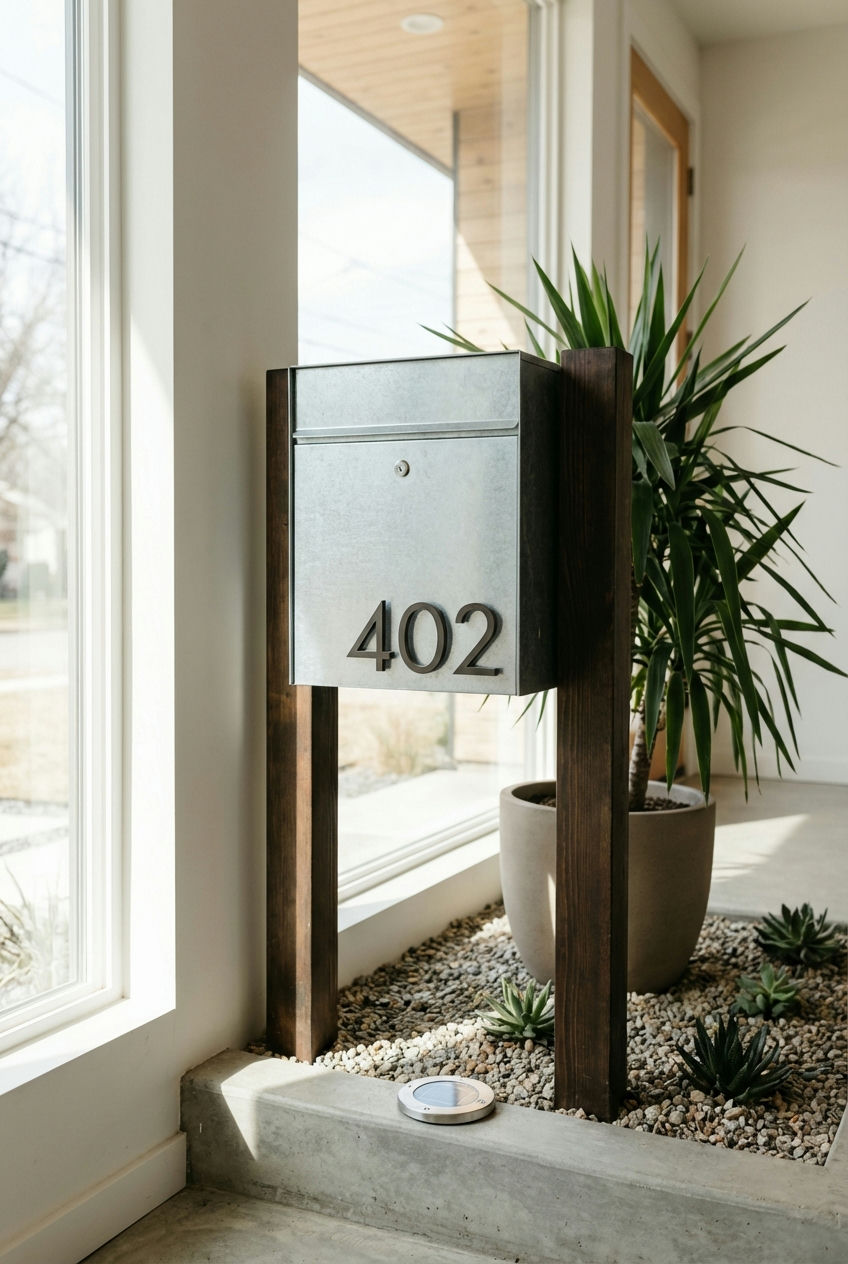
Real homeowner behavior shows that residents often personalize their mailbox and house number displays to reflect their unique style. Whether it’s adding a hand-painted motif, choosing illuminated numbers, or planting a miniature garden around the post, these small acts of customization create a sense of individuality and charm. It’s often one of the easiest and most affordable ways to add curb appeal and a personal touch without embarking on a major landscaping project. This allows every homeowner to express themselves, transforming a practical necessity into a delightful little feature, truly making their “front” statement.
There you have it—20 inspiring ideas to invigorate your front yard in 2026. From sustainable solutions to aesthetic enhancements, these trends offer something for every style and budget. Which ideas resonate most with your vision for your home’s exterior? We’d love to hear your thoughts and plans in the comments below!