
As we step further into the mid-2020s, the enduring charm of farmhouse decor continues to captivate hearts, but it’s evolving. The beloved rustic aesthetic isn’t going anywhere, but it’s shedding some of its more overt elements for a refined, thoughtful approach. We’re seeing a beautiful blend of traditional comfort with contemporary sensibilities, ensuring homes feel both timeless and refreshingly modern. This shift is all about creating spaces that are both authentic and effortlessly stylish, proving that classic comfort can easily adapt to a forward-thinking design landscape.
1. Elevated Neutrals and Warm Undertones
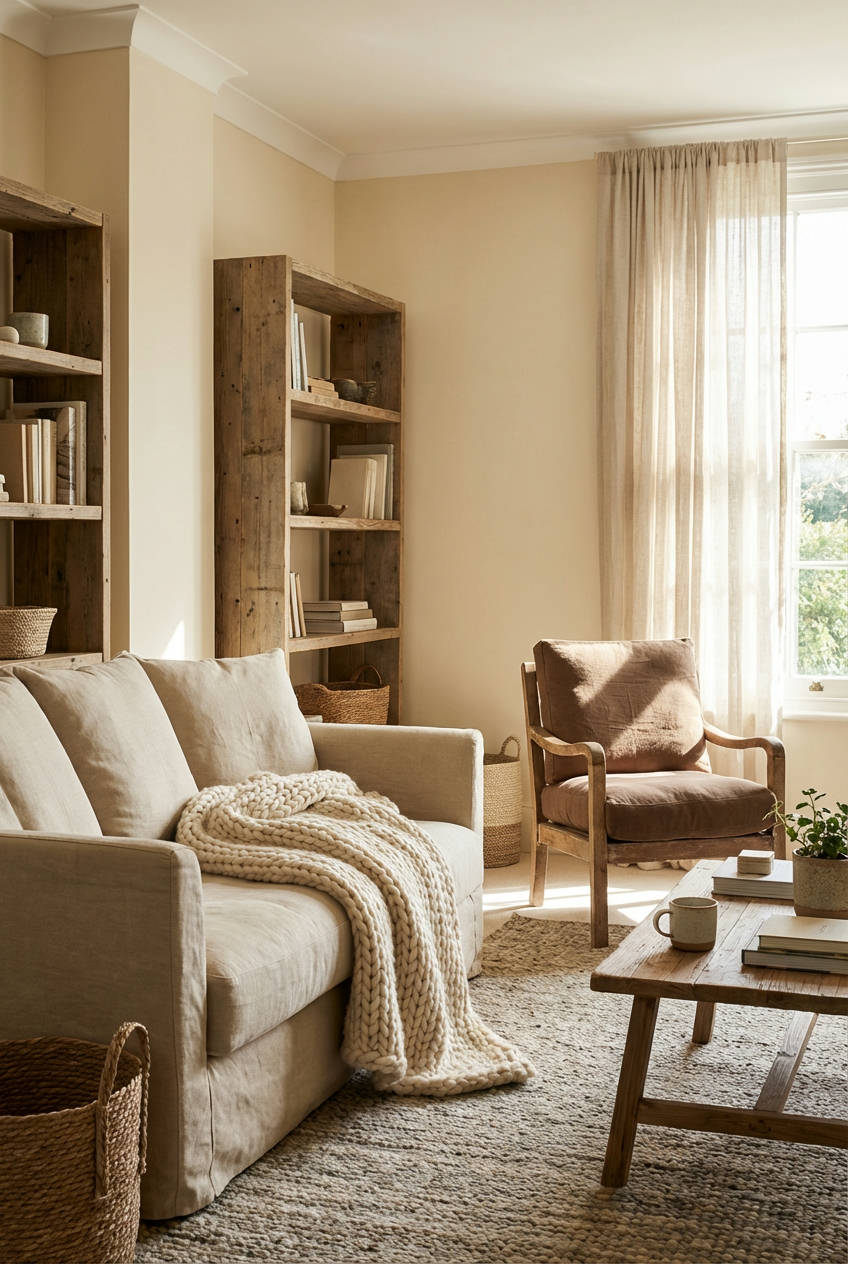
Gone are the days of stark whites dominating every surface in farmhouse design. In 2026, we’re witnessing a beautiful embrace of elevated neutrals, leaning into warmer undertones like creamy ivories, soft beiges, and muted grays. These sophisticated shades create a more inviting and layered feel, providing a perfect backdrop for natural textures and thoughtful furnishings. Think beyond just white walls; introducing subtly colored textiles and painted cabinetry in these warmer hues can instantly elevate the rustic charm of any room. It’s about creating an atmosphere that feels both airy and deeply comforting, moving away from anything too stark or cold.
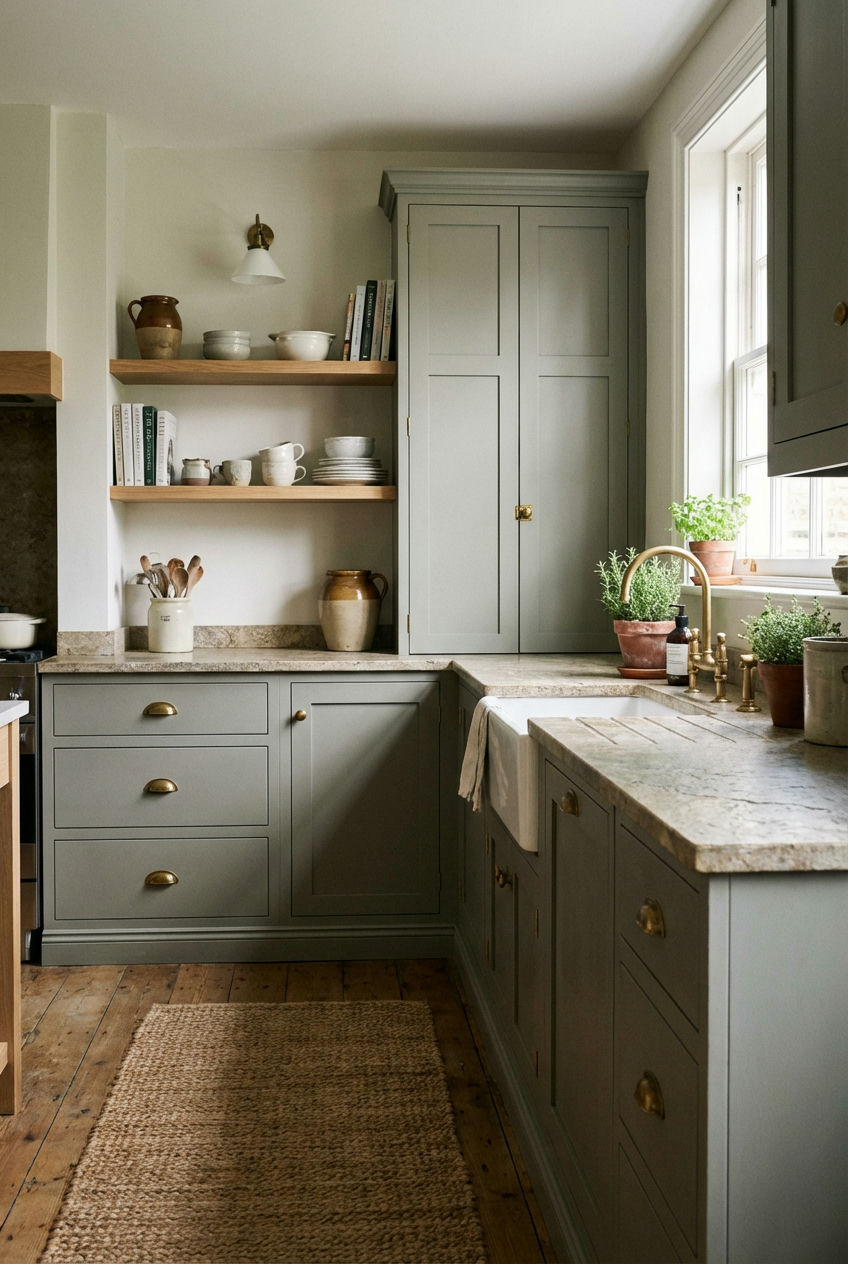
This subtle shift in color palette allows other elements, like antique finds or bespoke pieces, to truly shine without competing for attention. It’s a foundational change that impacts the overall mood, making spaces feel more lived-in and genuinely welcoming, a hallmark of American lifestyle design.
2. Darker Wood Tones and Rich Finishes
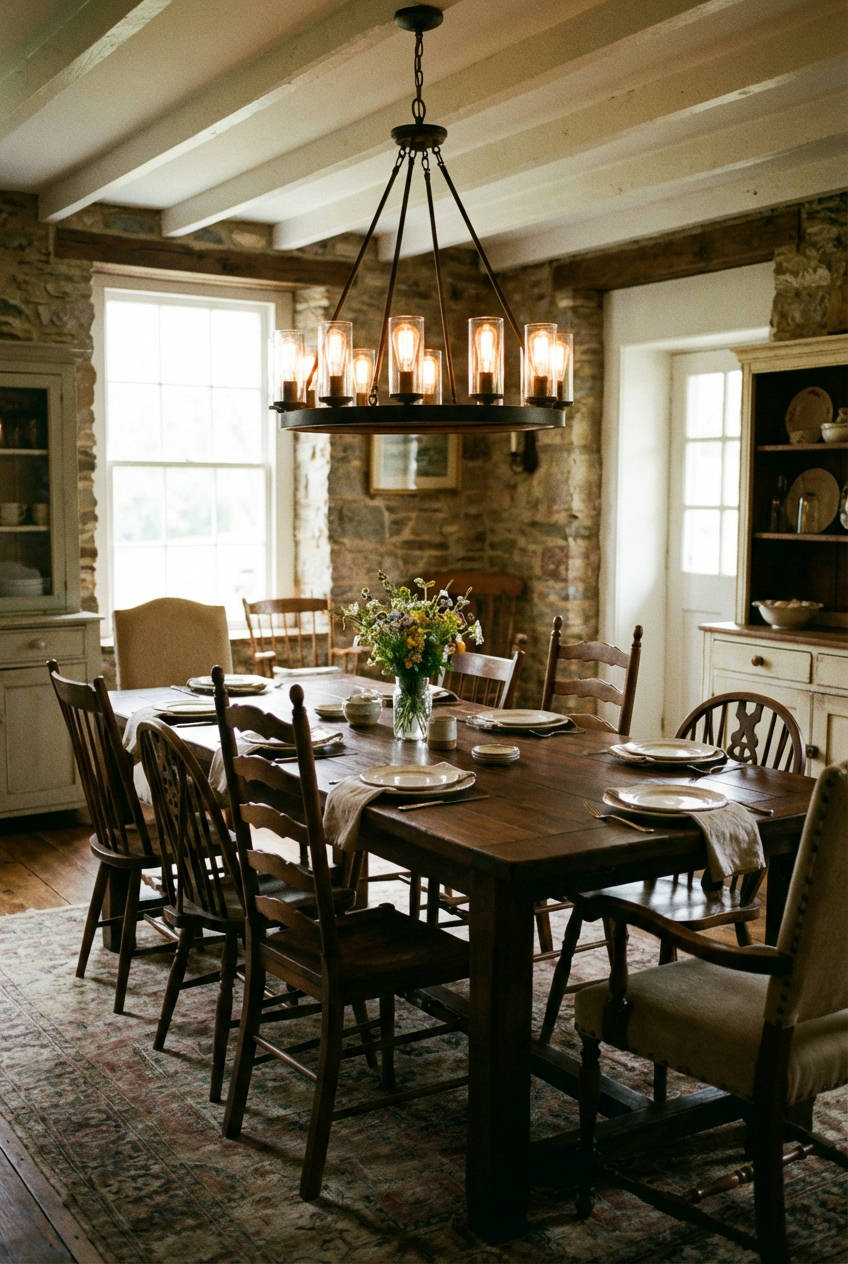
While light woods have had their moment, farmhouse decor in 2026 is seeing a resurgence of darker, richer wood tones. We’re talking deep walnuts, warm mahoganies, and even charcoal-stained oaks, bringing an unexpected depth and sophistication to spaces. These darker finishes aren’t just for furniture; they’re appearing in flooring, accent walls, and exposed beams, grounding the entire aesthetic with a sense of history and gravitas. This move adds a touch of traditional elegance that beautifully complements the softer elements of rustic design, creating a more balanced and visually interesting environment. It’s a deliberate choice that feels both luxurious and authentic to heritage.
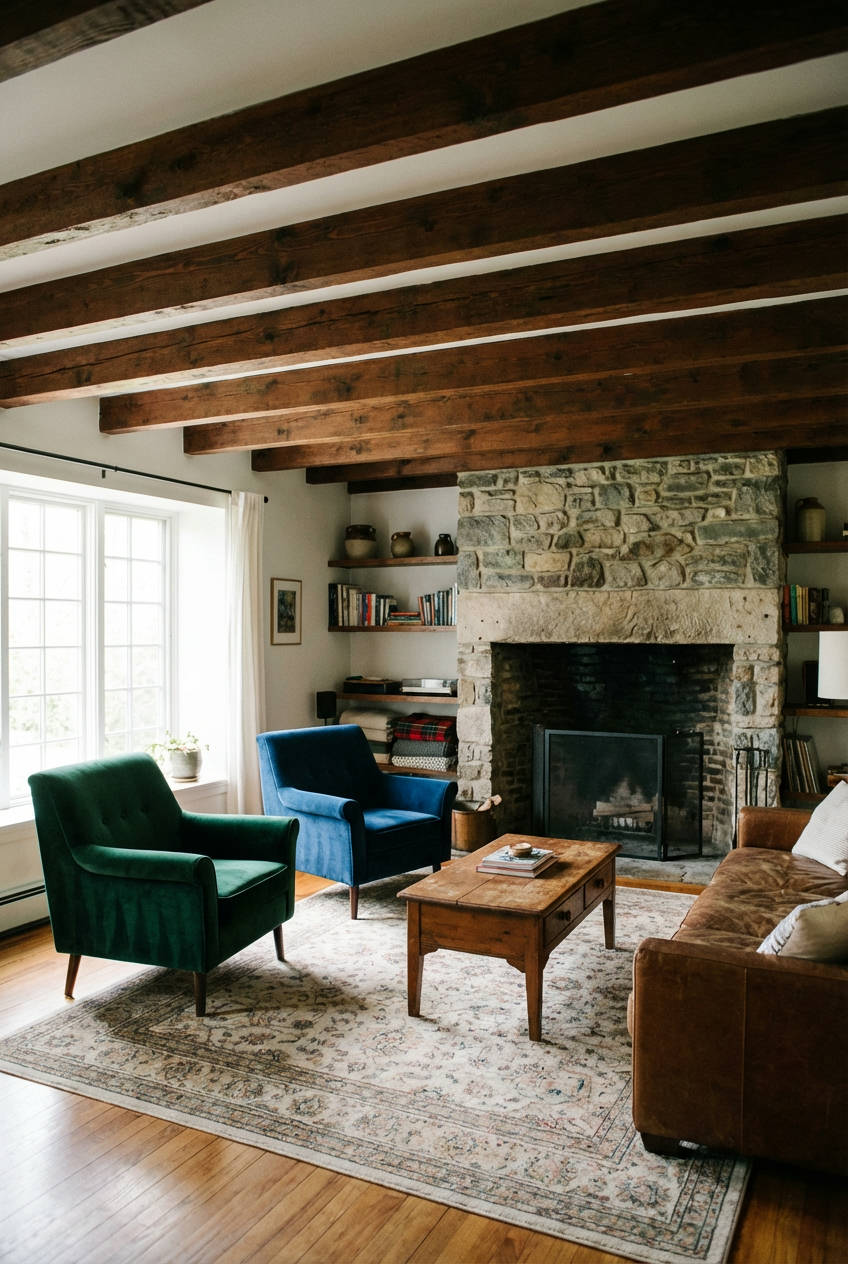
Practical insight here: darker woods tend to show wear and tear less than very light woods, making them a durable and smart choice for high-traffic areas while still maintaining a refined aesthetic.
3. Curated Vintage and Antiques
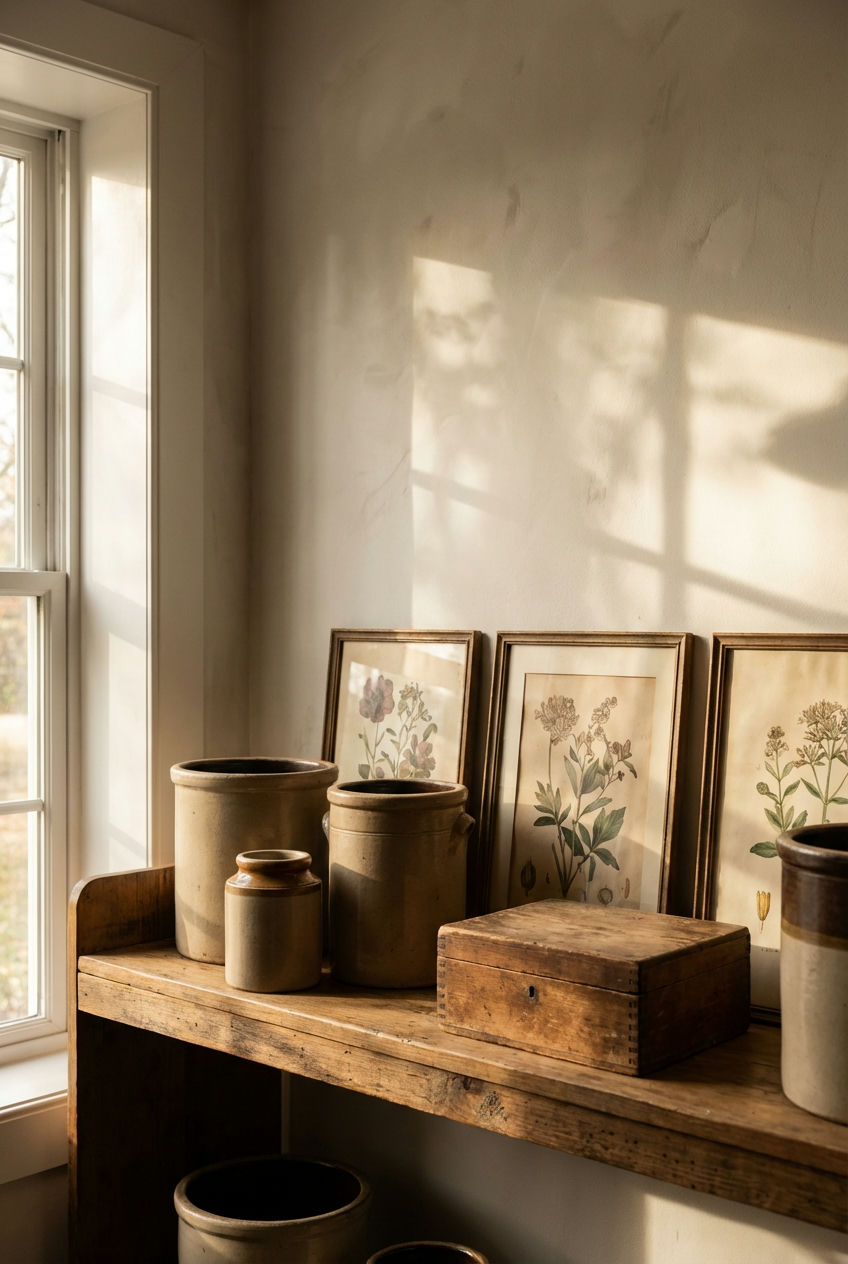
The essence of farmhouse living has always celebrated the past, and in 2026, this translates into a highly curated approach to vintage and antique finds. Instead of simply filling spaces with old items, there’s an intentional selection process, focusing on pieces with genuine character and history that tell a story. Think carefully chosen art, unique furniture with beautiful patina, or a collection of ceramic bowls that feel incredibly personal. This isn’t about clutter; it’s about thoughtful integration, ensuring each vintage piece elevates the overall design rather than overwhelming it. The goal is to make a home feel lived-in and loved, full of unique treasures.
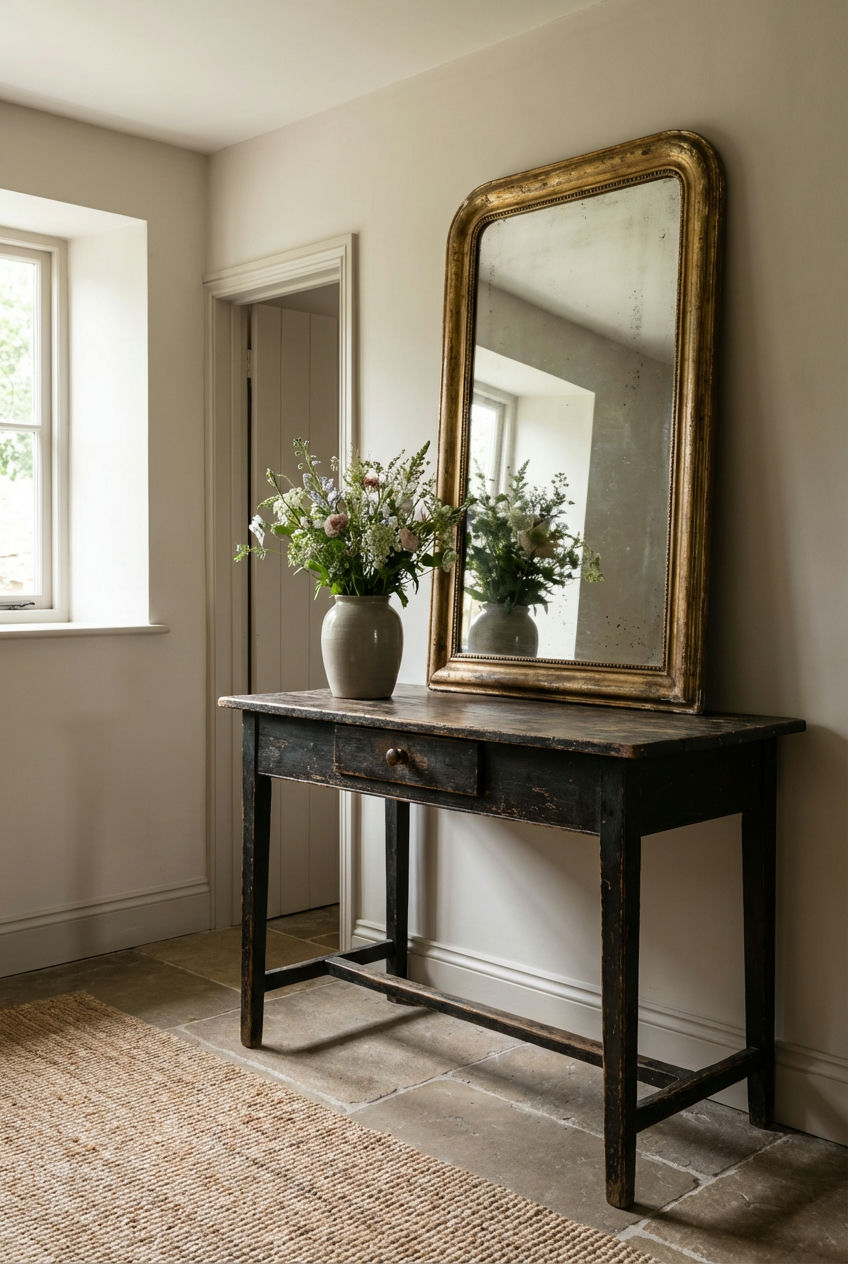
Many homeowners are discovering the joy of treasure hunting at local flea markets or estate sales, a truly authentic American lifestyle pastime, bringing those unique pieces home to infuse their contemporary spaces with rustic warmth.
4. Textured Textiles and Natural Fibers
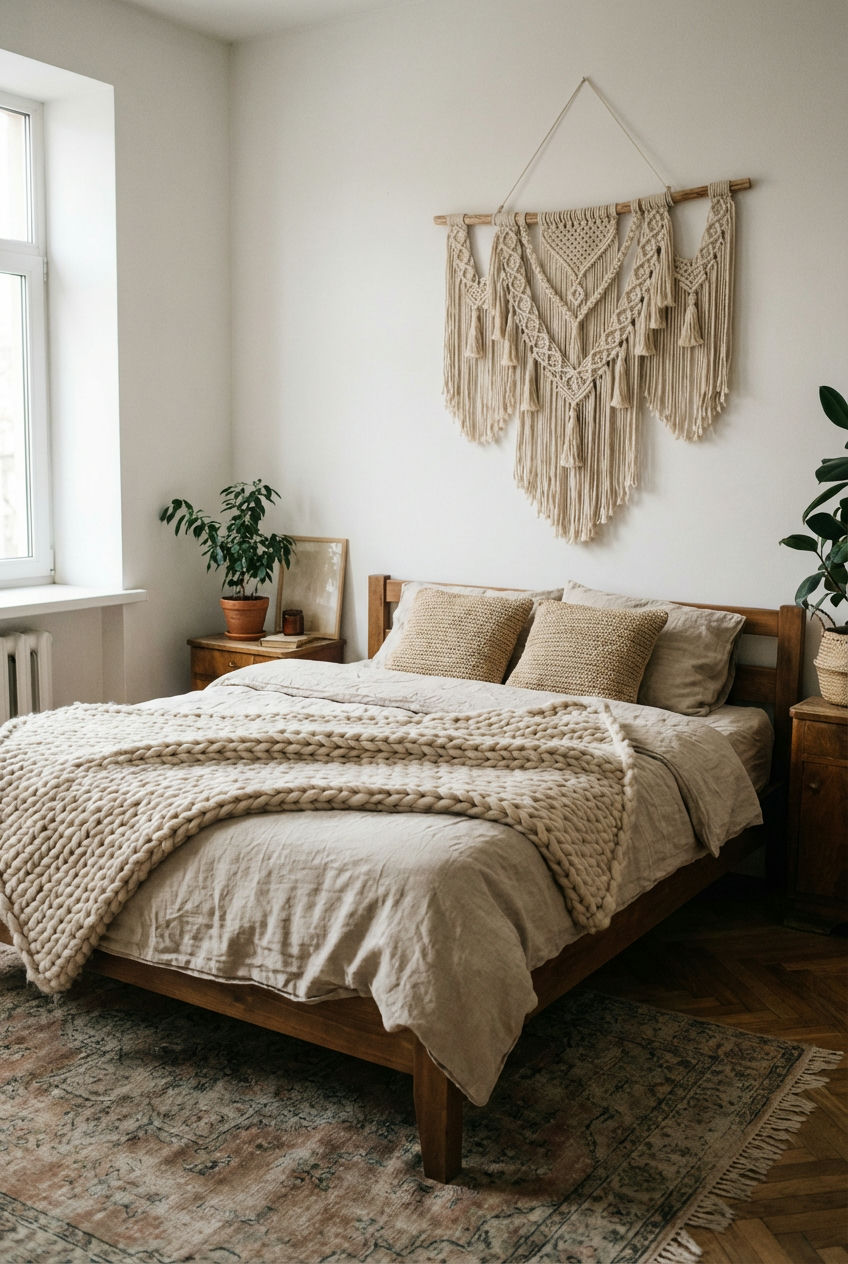
Comfort is paramount in farmhouse design, and in 2026, we’re seeing an even greater emphasis on luxurious, textured textiles and natural fibers. Think chunky linen throws, organic cotton duvets, wool rugs, and even hemp or jute accents. These materials add incredible depth and visual interest, inviting touch and creating a supremely cozy atmosphere. Layering different textures is key, transforming a simple room into a tactile haven. This approach ensures that even minimalist rustic spaces feel soft, welcoming, and deeply comfortable, moving away from anything that feels too stark or uninviting. It’s all about creating an experience for the senses.
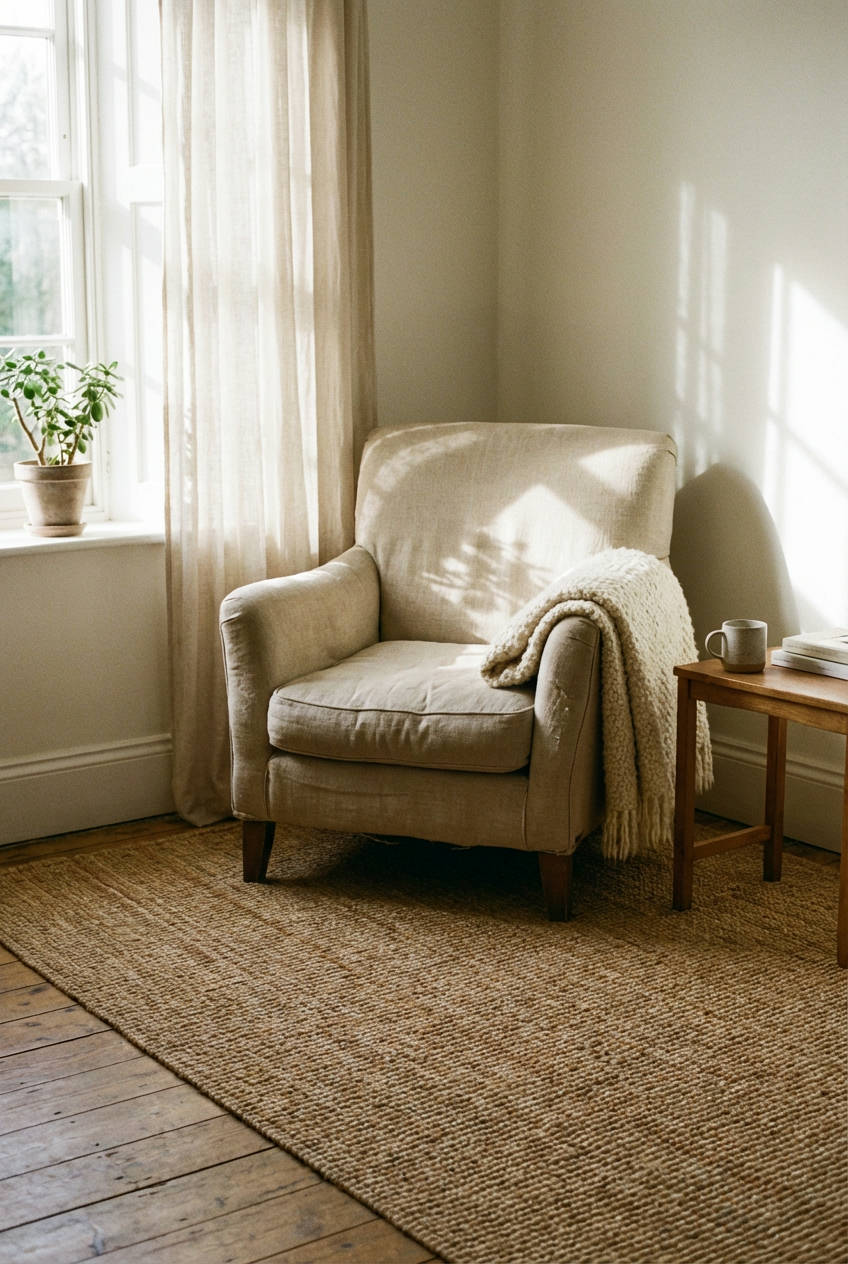
When choosing textiles, an expert-style commentary would highlight opting for natural dyes and sustainable sourcing where possible, further enhancing the authentic, earthy feel of the home.
5. Greenery and Botanical Touches
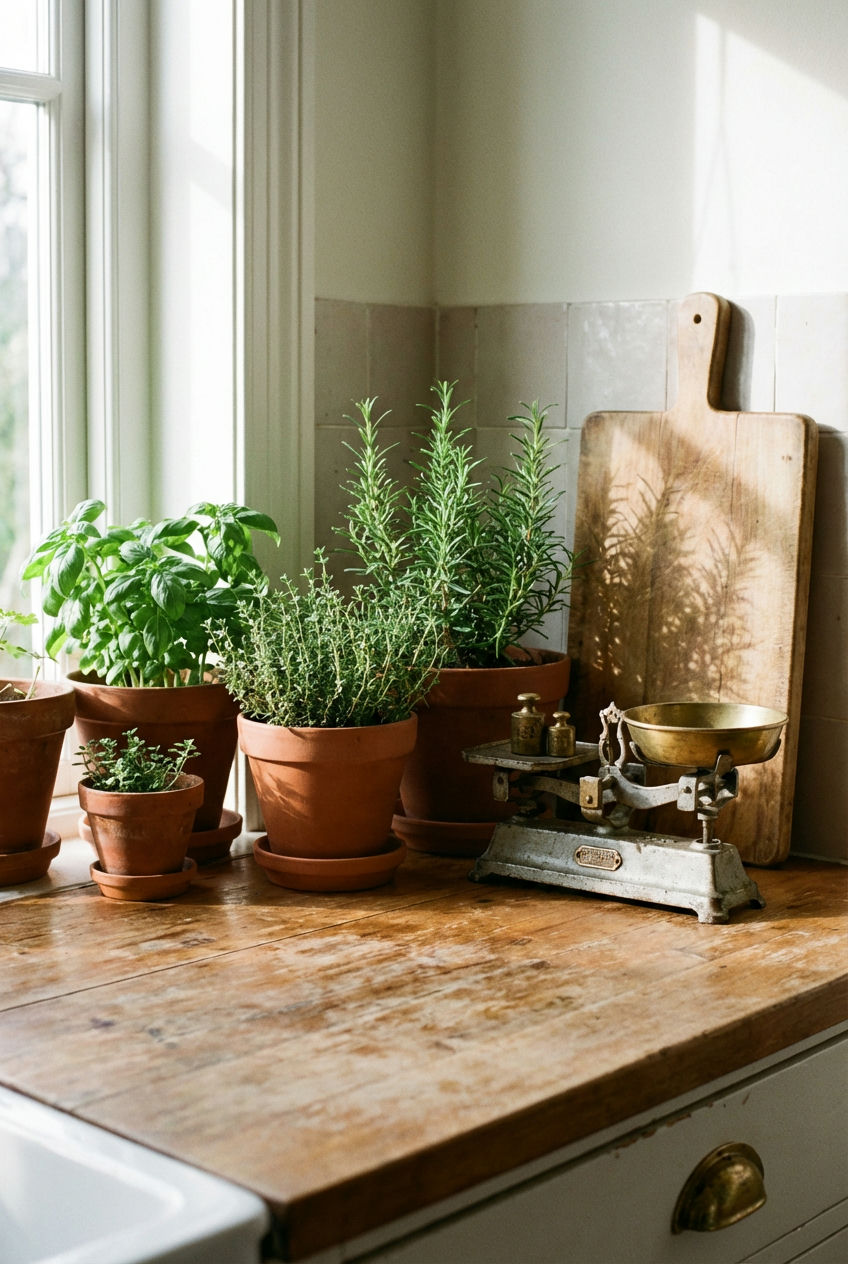
Bringing the outdoors in remains a cornerstone of farmhouse aesthetics, and in 2026, greenery and botanical elements are more vital than ever. This isn’t just about a single potted plant; it’s about integrating various forms of nature to create a fresh, vibrant, and calming environment. Think cascading ferns, tall fig trees, delicate herbs in the kitchen, and even dried floral arrangements that add perennial charm. These natural touches soften hard edges, add pops of living color, and contribute to an overall sense of well-being, crucial for any contemporary home seeking a touch of tranquility. They truly breathe life into any space, making it feel more energetic.
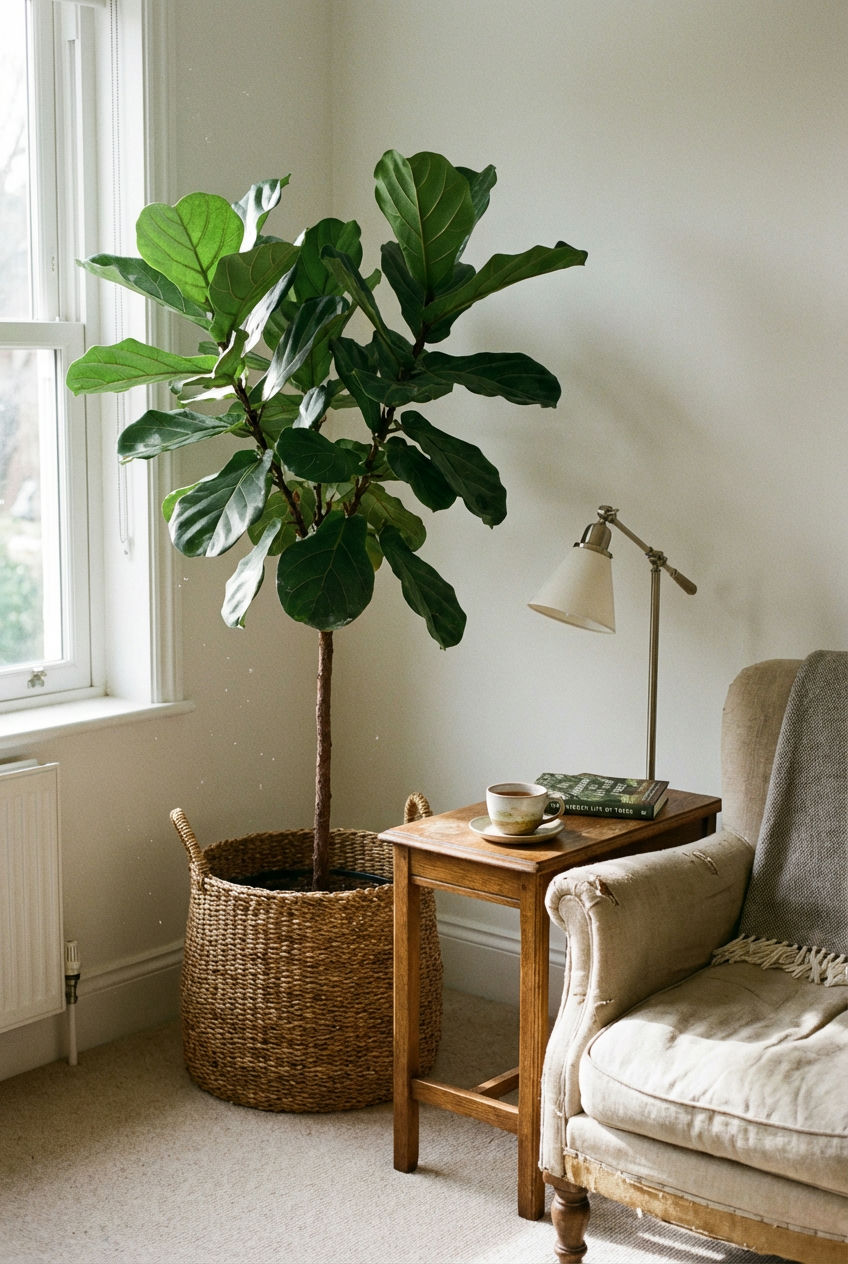
A common mistake to avoid is overdoing it with too many small, cluttered plants; instead, opt for a few larger, impactful pieces or a well-arranged cluster for better visual balance and less maintenance.
6. Statement Lighting with Industrial Flair
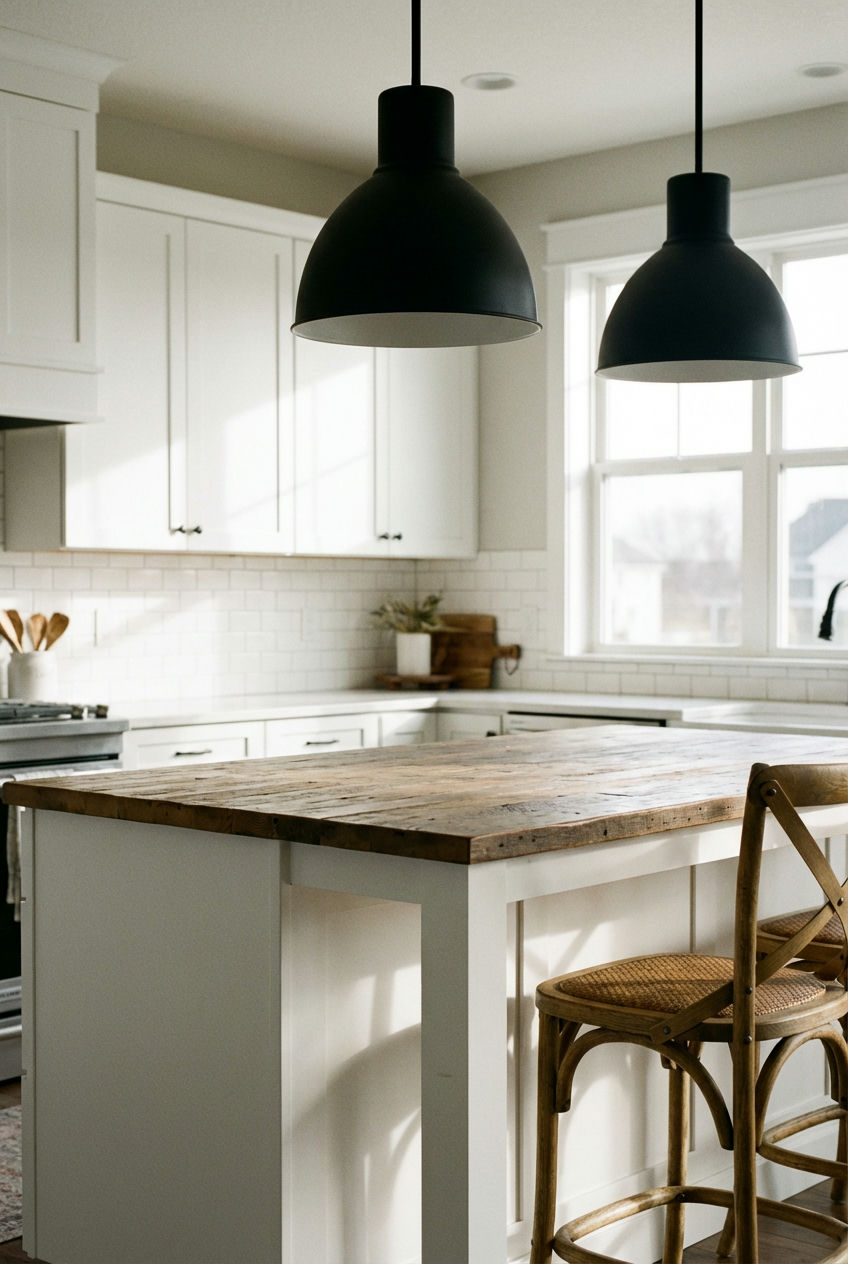
Lighting is no longer an afterthought in the modern farmhouse kitchen or dining room; it’s a focal point. In 2026, we’re seeing a definite leaning towards statement lighting with an industrial edge. Think oversized pendants in matte black or aged bronze, exposed bulb fixtures, or chandelier-style pieces crafted from metal and wood. These elements introduce a striking contrast to the softer, more organic materials typical of rustic decor, adding a touch of urban sophistication. They serve not only as illuminators but as sculptural pieces that enhance the entire aesthetic, drawing the eye and setting a distinct mood for the space.
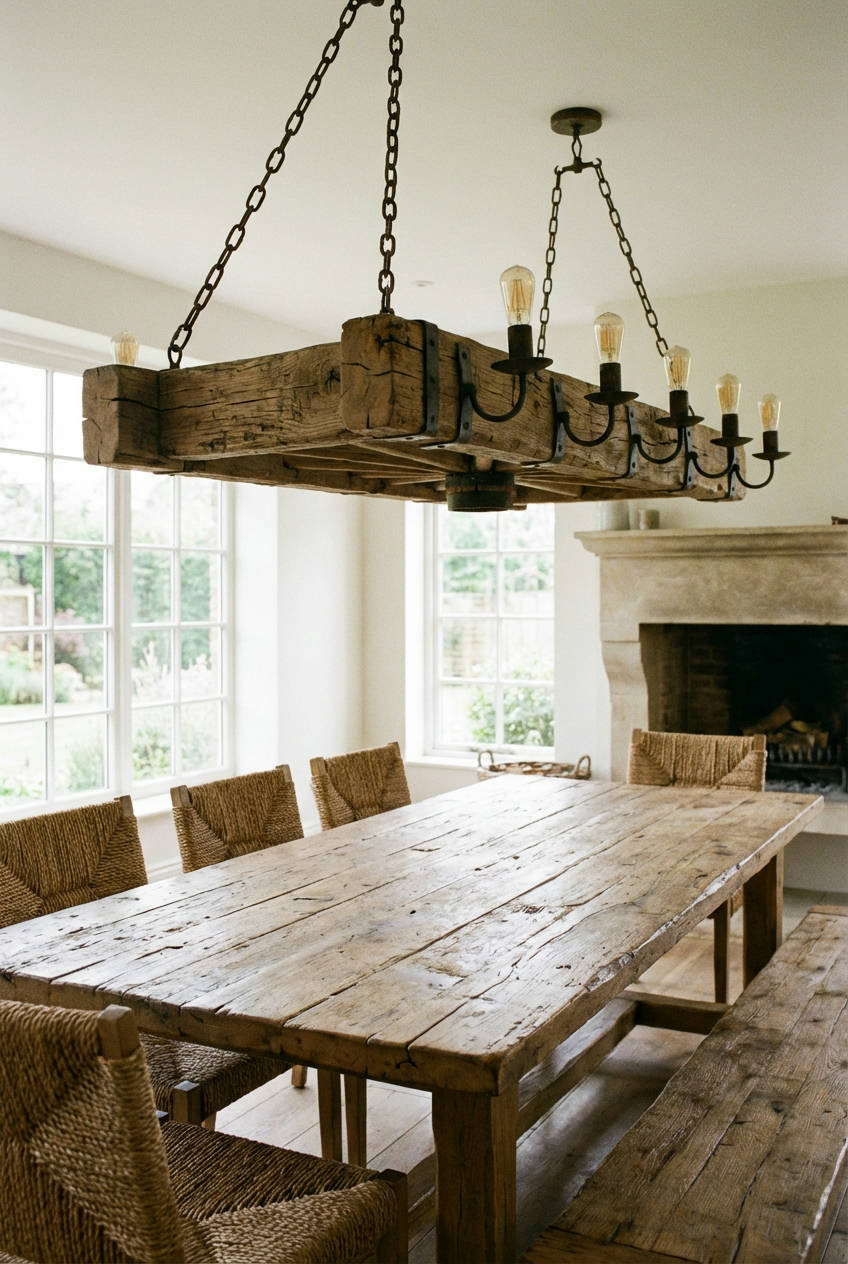
Where it works best: over a kitchen island or a dining table, these statement pieces immediately elevate the entire room and create a conversation starter, perfect for the social hub of any home.
7. Streamlined Furniture with Modern Silhouettes
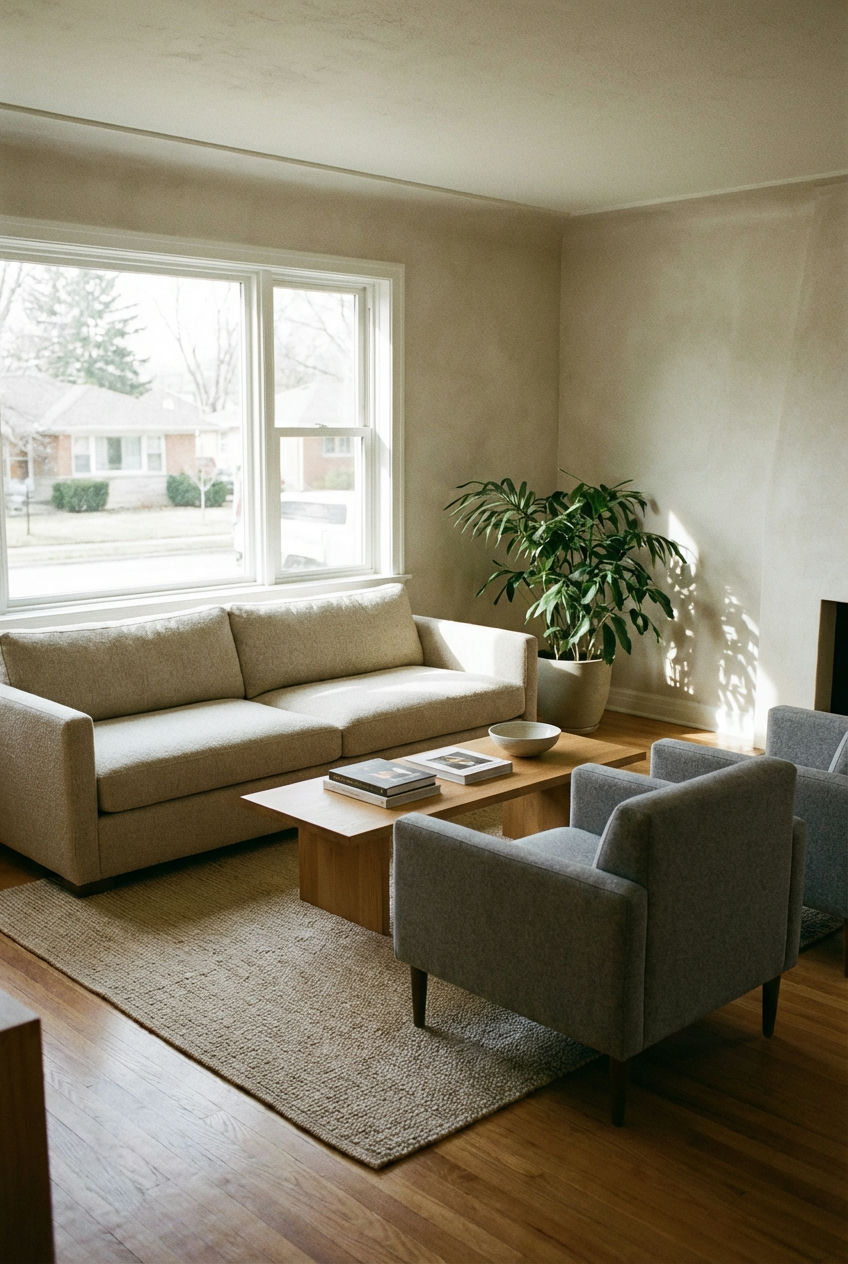
The days of overly bulky or overtly distressed furniture are giving way to cleaner lines and more streamlined silhouettes in farmhouse design. In 2026, furniture pieces are embracing a subtle modernism, featuring classic comfort with a refined edge. Think sofas with simplified forms, dining chairs with elegant curves, and storage units that are both functional and visually light. This approach maintains the warmth and inviting nature of rustic aesthetics but adds a sense of spaciousness and contemporary appeal. It’s about careful selection: finding pieces that feel both timeless and current, avoiding anything that could weigh down a room or feel dated.
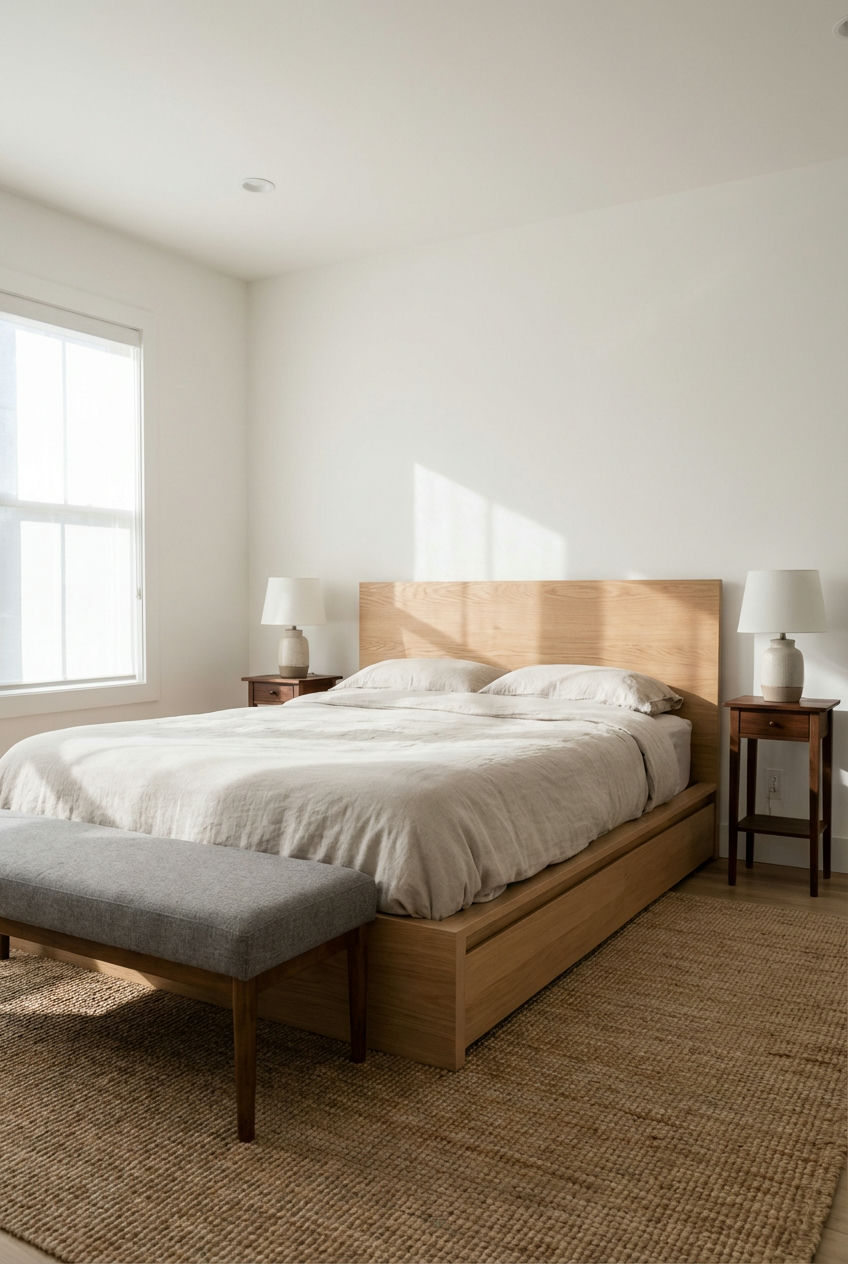
Real homeowner behavior shows that many are investing in quality, versatile pieces that can adapt to evolving tastes rather than chasing fleeting trends, solidifying the long-term appeal of these more streamlined designs.
8. Creative Storage Solutions
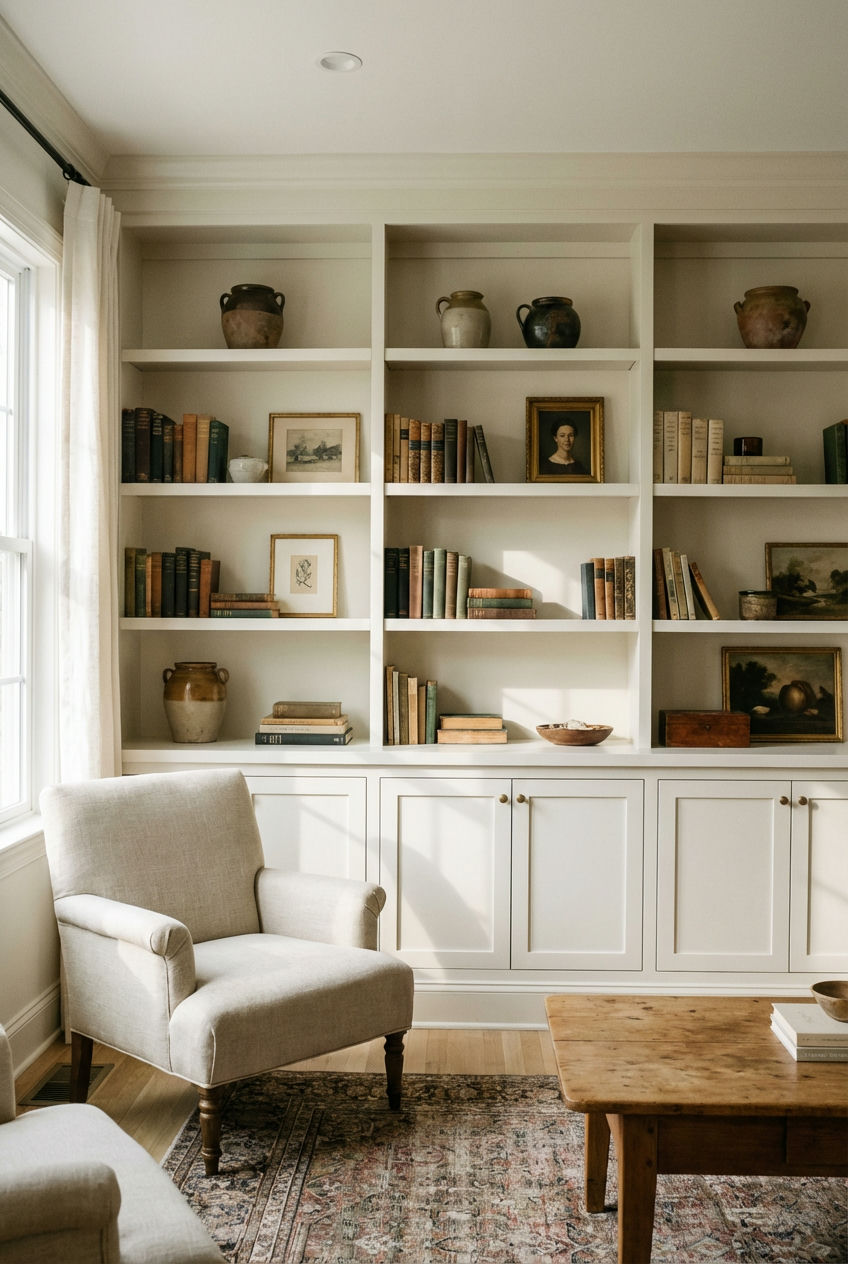
A well-organized home is a happy home, and in 2026, farmhouse design embraces creative and stylish storage solutions. This goes beyond simple baskets, though they certainly still have their place. We’re seeing clever built-ins that blend seamlessly with wall panels, elegant cabinetry with carefully designed interiors, and vintage trunks repurposed for both storage and seating. The emphasis is on keeping clutter at bay while adding to the aesthetic, making functionality an integral part of the decor. It’s about finding beautiful ways to tuck things away, maintaining that serene and uncluttered feeling that makes a space truly relaxing. Every item has a place, and every place is thoughtfully designed.
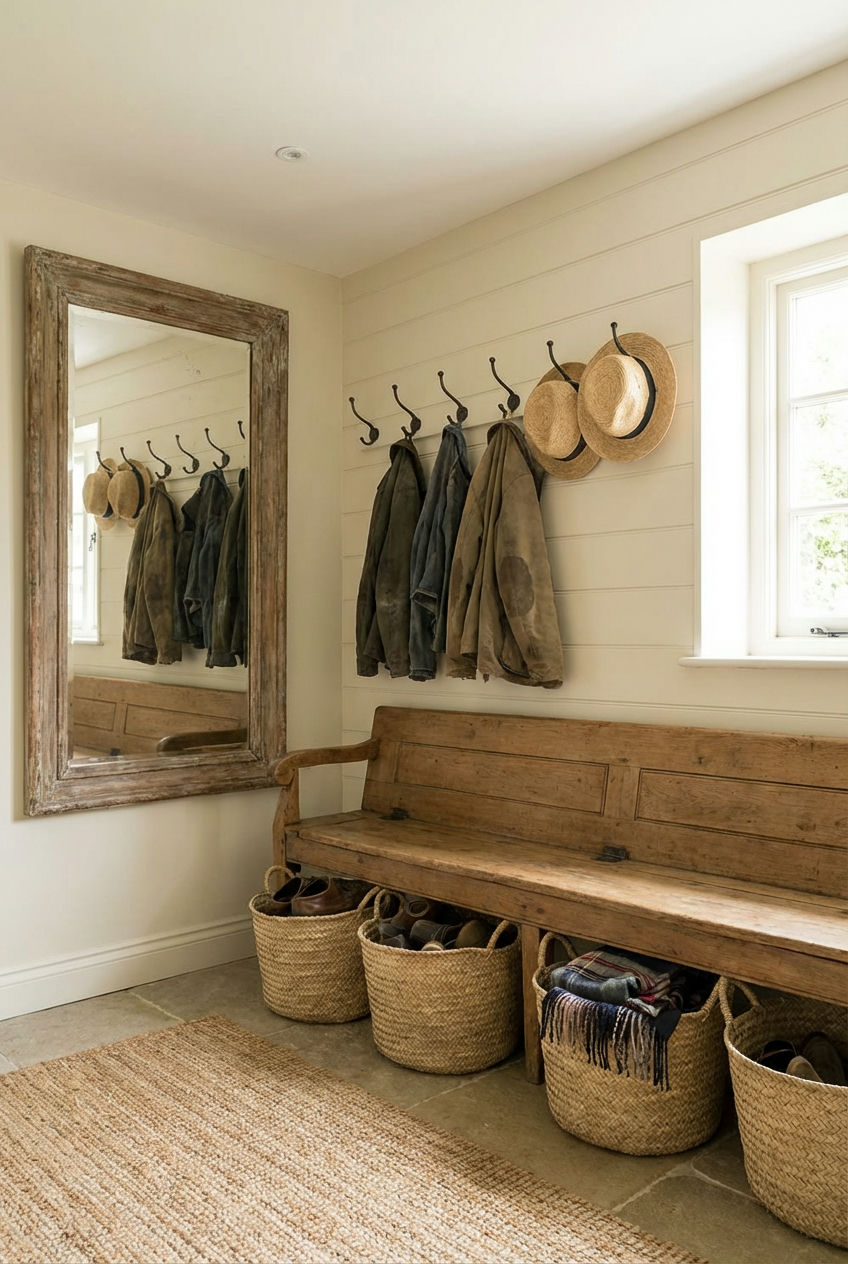
A micro-anecdote: I once watched a friend transform her chaotic entryway with a vintage locker cabinet – instantly creating organized shoe storage and an unexpected industrial-chic focal point. It was brilliant!
9. Elevated Kitchen Islands
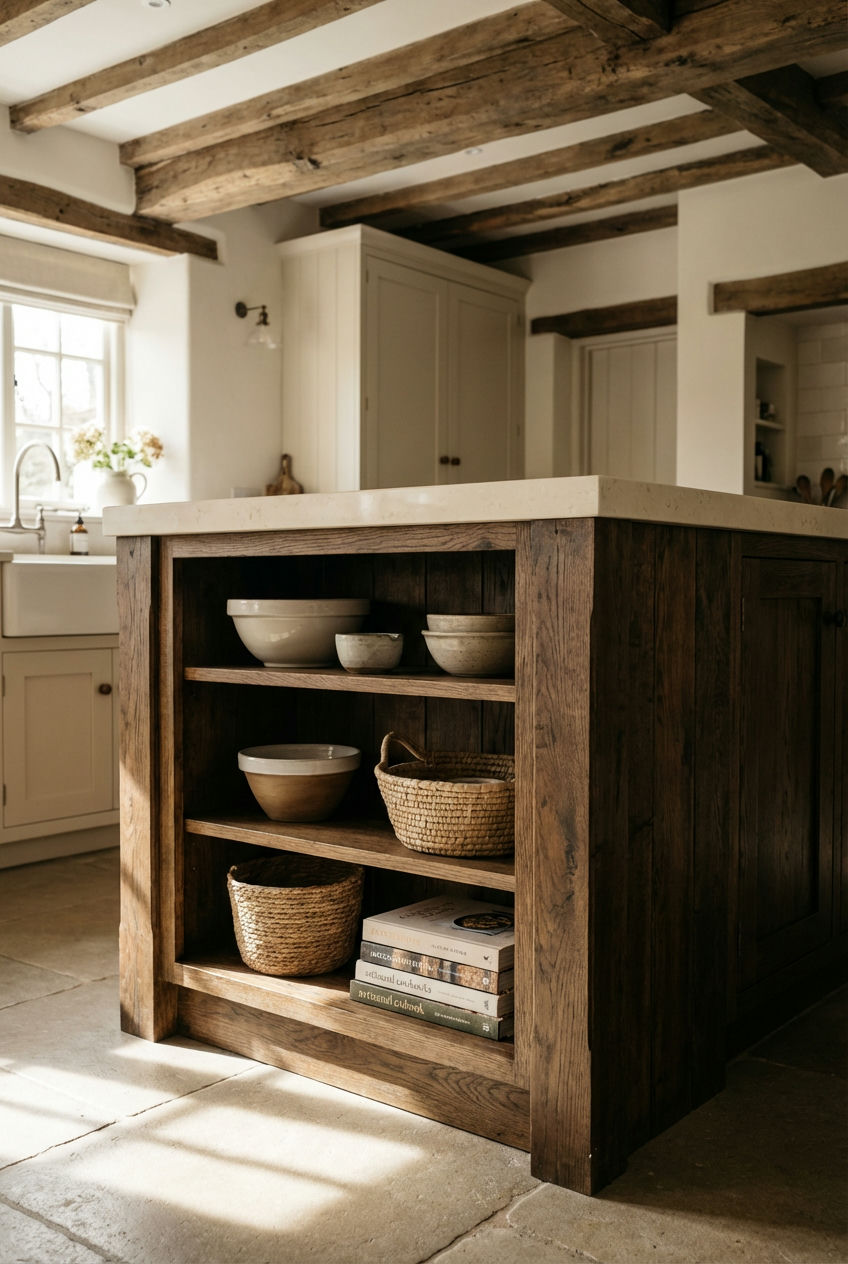
The kitchen island remains the heart of the farmhouse kitchen, but in 2026, it’s getting an upgrade. We’re seeing islands that are more than just prep surfaces; they’re multifunctional hubs with elevated design. This means incorporating features like built-in shelving for cookbooks, integrated seating with comfortable stools, and even contrasting materials – perhaps a dark wood base with a light marble or butcher block top. These islands are designed to serve as gathering points for family and friends, seamlessly blending utility with sophisticated aesthetics. They represent a significant investment in both form and function, truly defining the character of the entire home while reflecting a more refined aesthetic, moving beyond simple rustic charm.
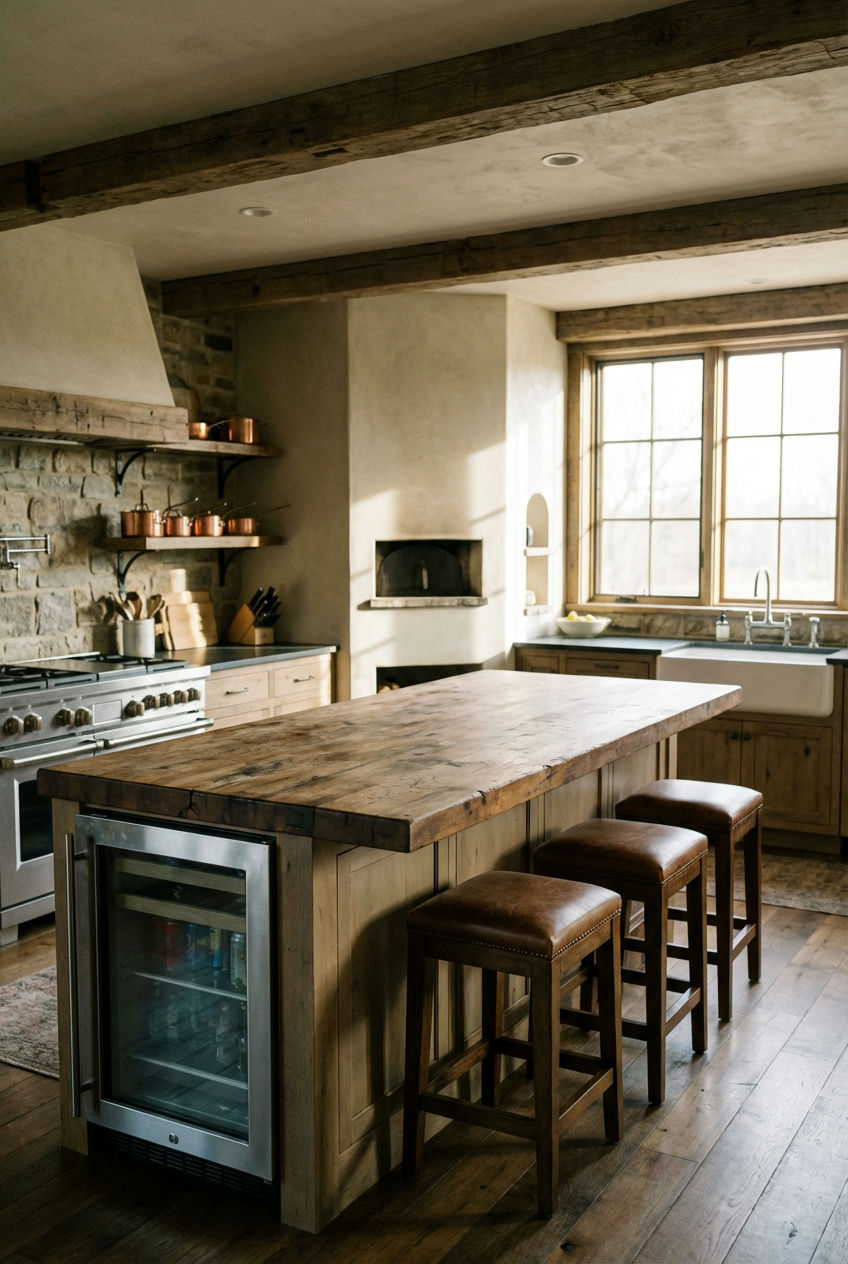
Practical insight: when designing your island, consider incorporating different heights – a standard counter height for prep and a lower table height section for dining, making it truly versatile for diverse activities.
10. Artisanal Craftsmanship and Handmade Details
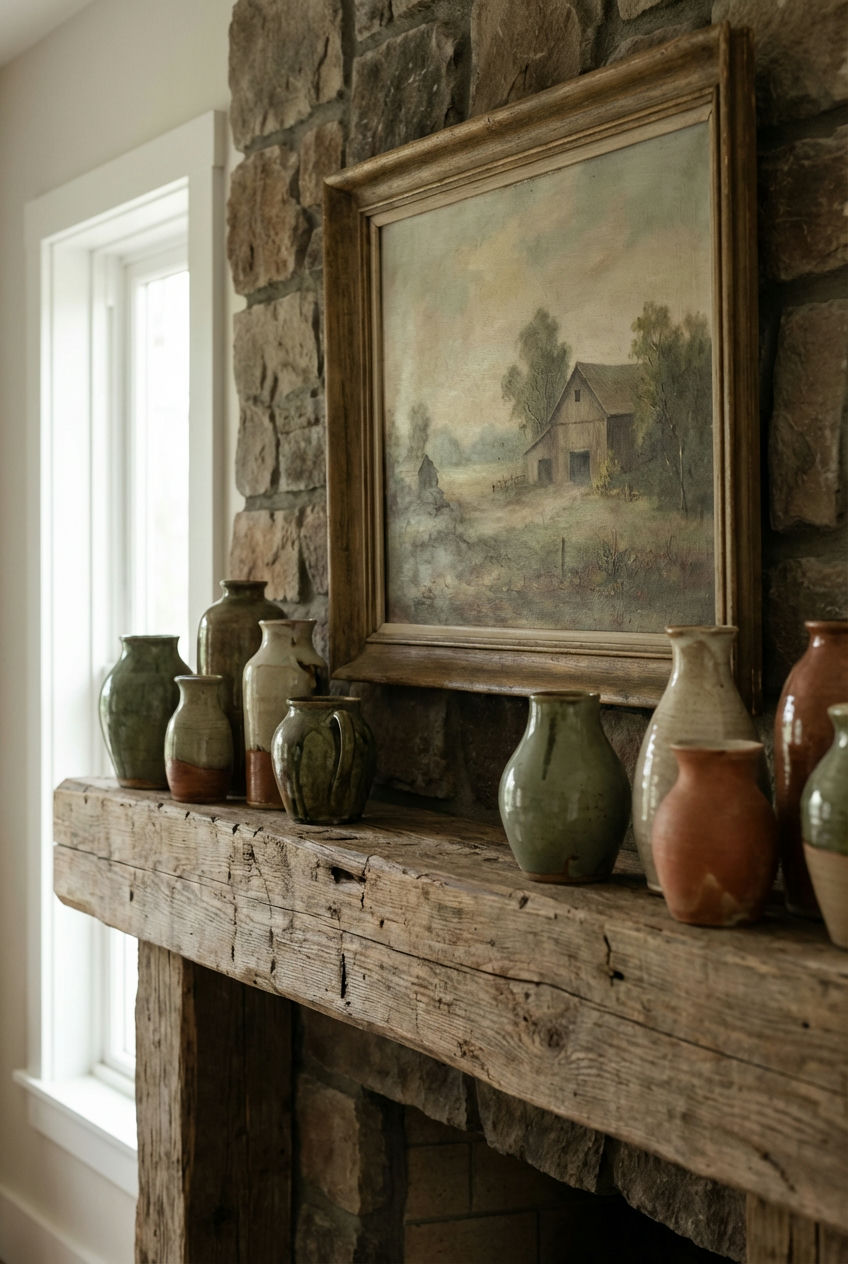
The appreciation for the handmade is growing stronger in farmhouse decor. In 2026, there’s a distinct lean towards artisanal craftsmanship and unique, handmade details that add soul and story to a space. This includes hand-thrown pottery, woven baskets by local artisans, bespoke wooden pieces, and textiles with intricate embroidery or natural dyes. These items aren’t just decorative; they carry the mark of human touch and tradition, imbuing a sense of authenticity and personality. Choosing these pieces over mass-produced alternatives ensures that your home feels special and deeply connected to a craft, a subtle nod to traditional country living. It’s about celebrating the imperfections and uniqueness.
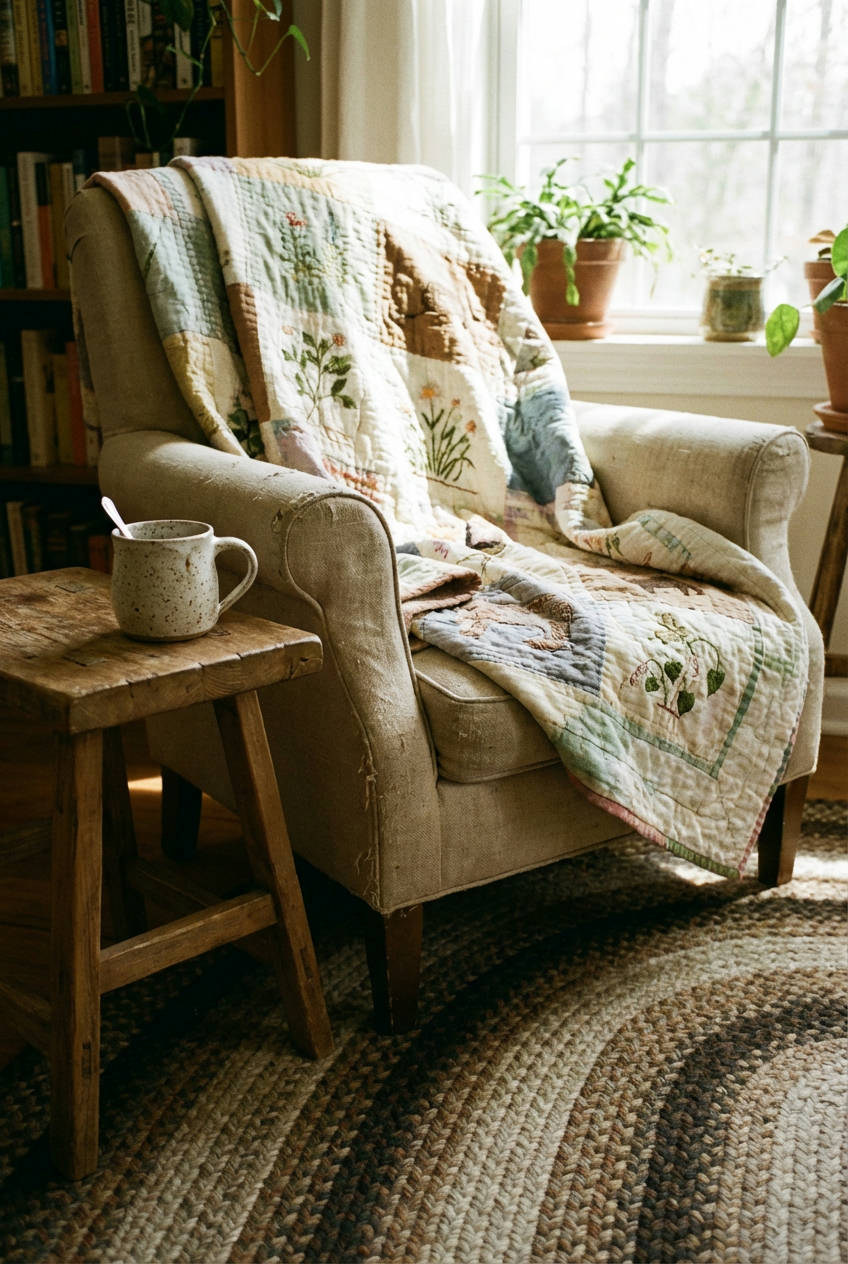
This emphasis on the handmade resonates deeply with the American lifestyle, where supporting local artists and preserving traditional crafts is becoming an increasingly valued aspect of conscious consumerism.
11. Earthy Color Accents
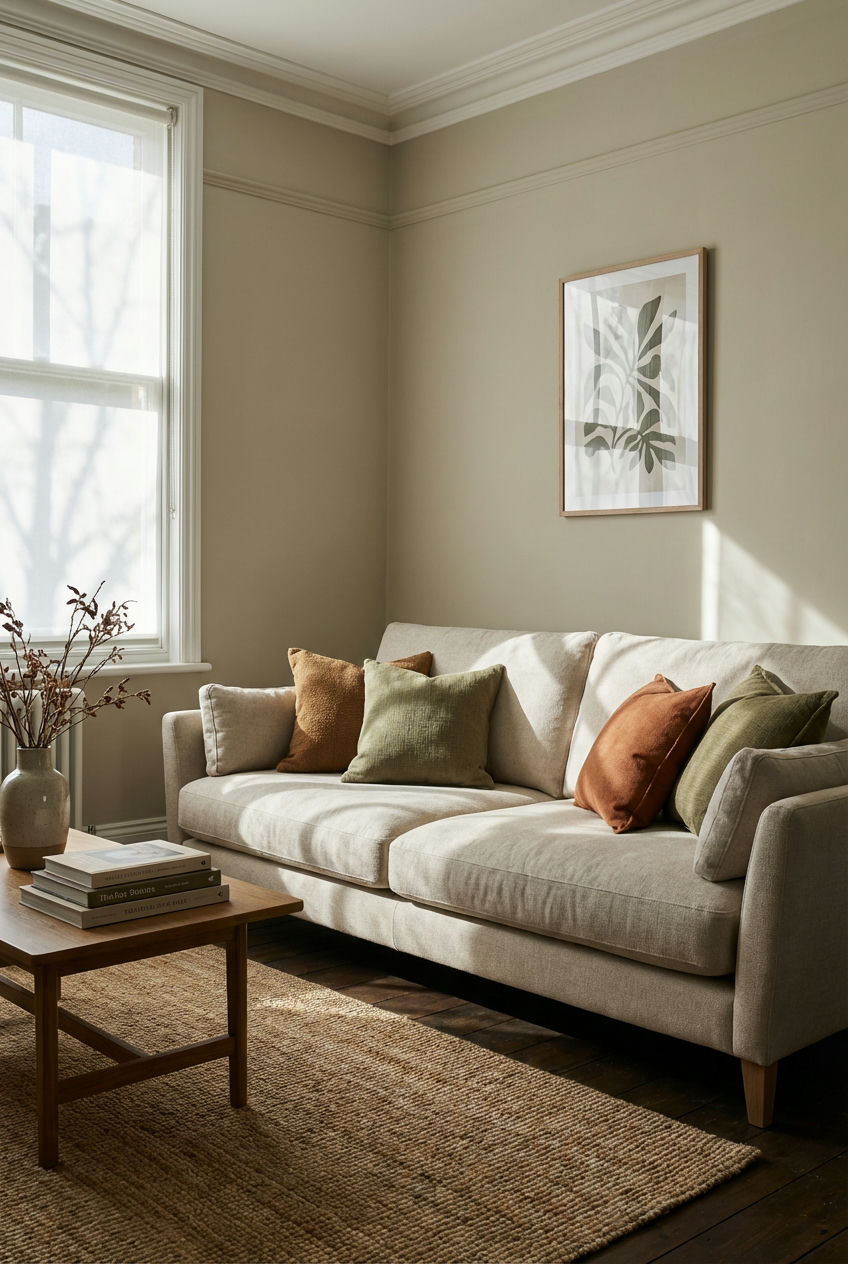
While neutrals form the foundation of farmhouse design, 2026 brings in gentle pops of earthy color accents to add personality and warmth. Think muted terracotta, deep olive green, dusty blues, or subtle burnt oranges. These colors draw inspiration directly from nature, complementing the natural materials and textures favored in the aesthetic. Used sparingly, perhaps in throw pillows, ceramics, or a piece of art, they provide a sophisticated contrast without overwhelming the serene feel of the country setting. It’s about creating moments of visual interest, adding layers to the overall palette and making the space feel more dynamic and inviting than a purely neutral scheme.
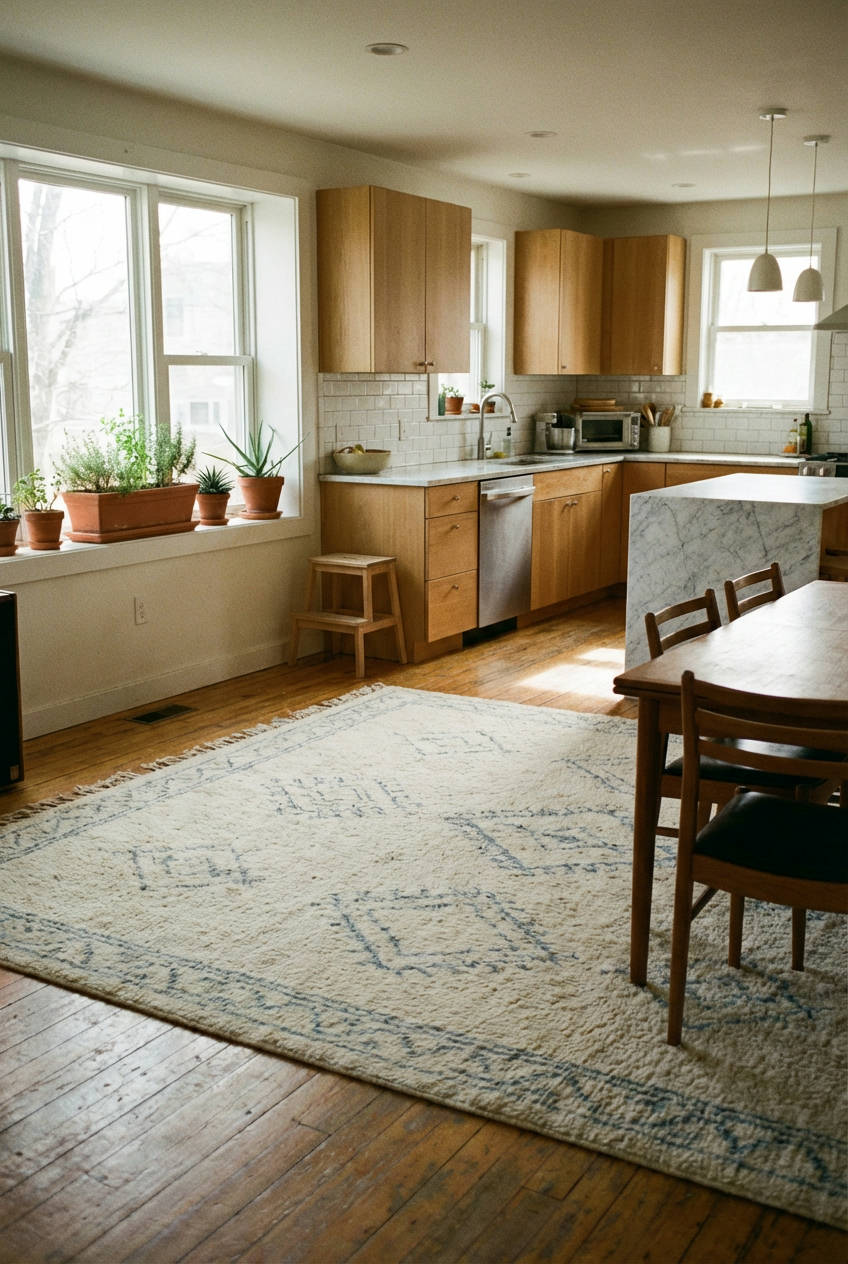
An expert-style commentary on this trend would highlight that these colors work best when repeated subtly throughout the space to create visual cohesion, rather than appearing as isolated bursts of color.
12. Reclaimed Materials and Sustainability
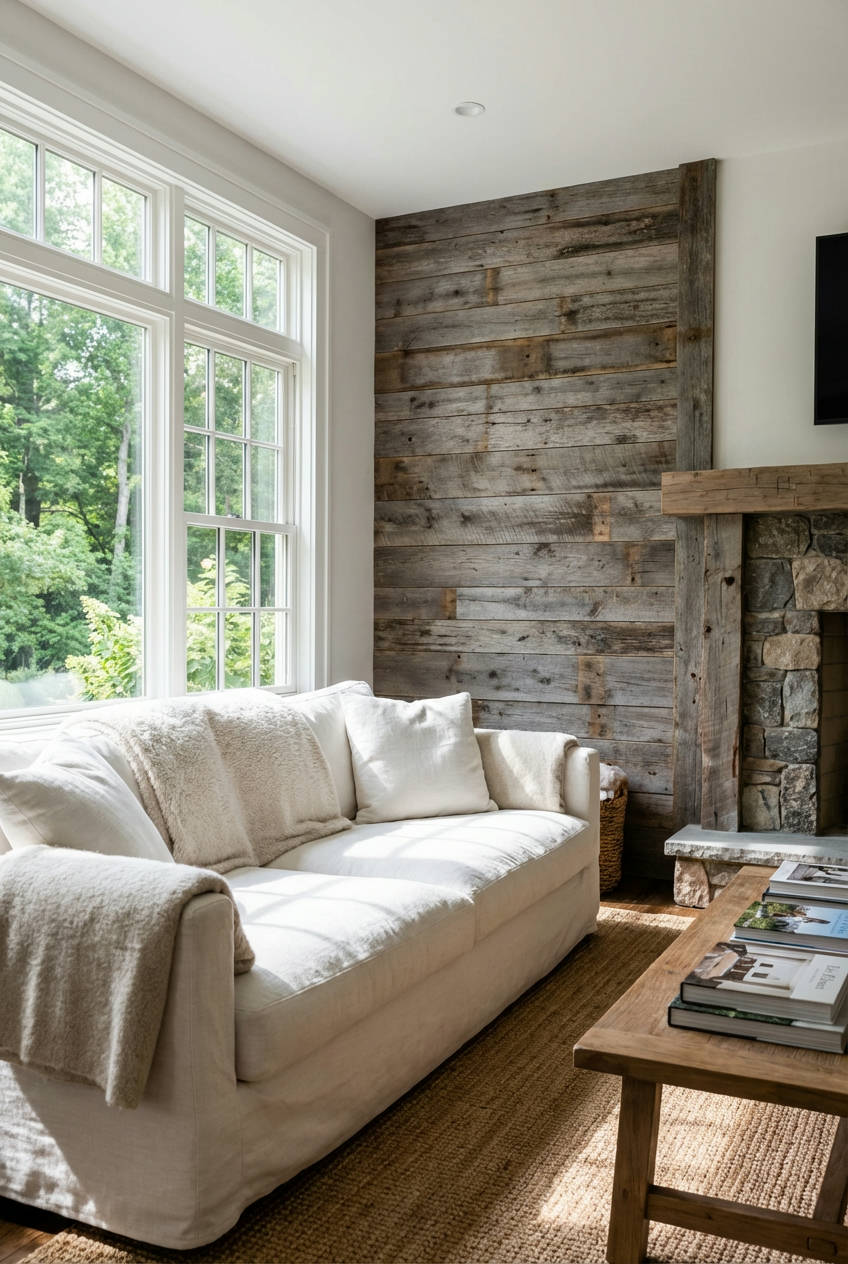
Conscious living extends to our homes, and in 2026, farmhouse design is increasingly embracing reclaimed materials and sustainable practices. This means incorporating elements like barn wood for accent walls or furniture, repurposed architectural salvage becoming decorative features, and choosing furnishings made from recycled or ethically sourced materials. Beyond the aesthetic contribution of rich history and unique character, these choices also reflect a commitment to environmental responsibility, a significant value in modern home decor. It’s about creating beauty with a purpose, respecting the earth as much as the heritage from which the style draws inspiration. Every piece tells a story of its past life.
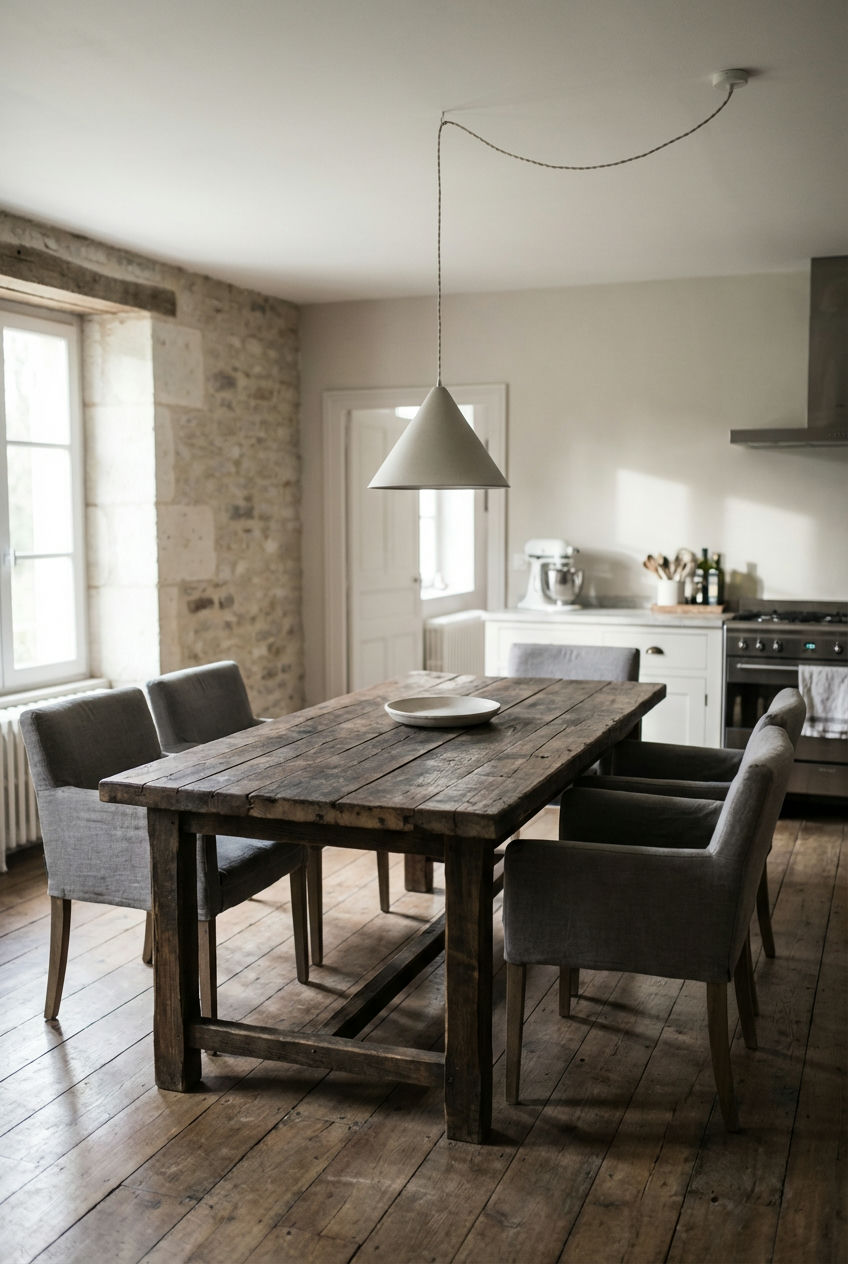
The budget/price angle here is often surprising: while some reclaimed materials can be pricey, savvy shoppers can find incredible deals at architectural salvage yards, saving money while adding unparalleled character.
13. Modern Artwork and Gallery Walls
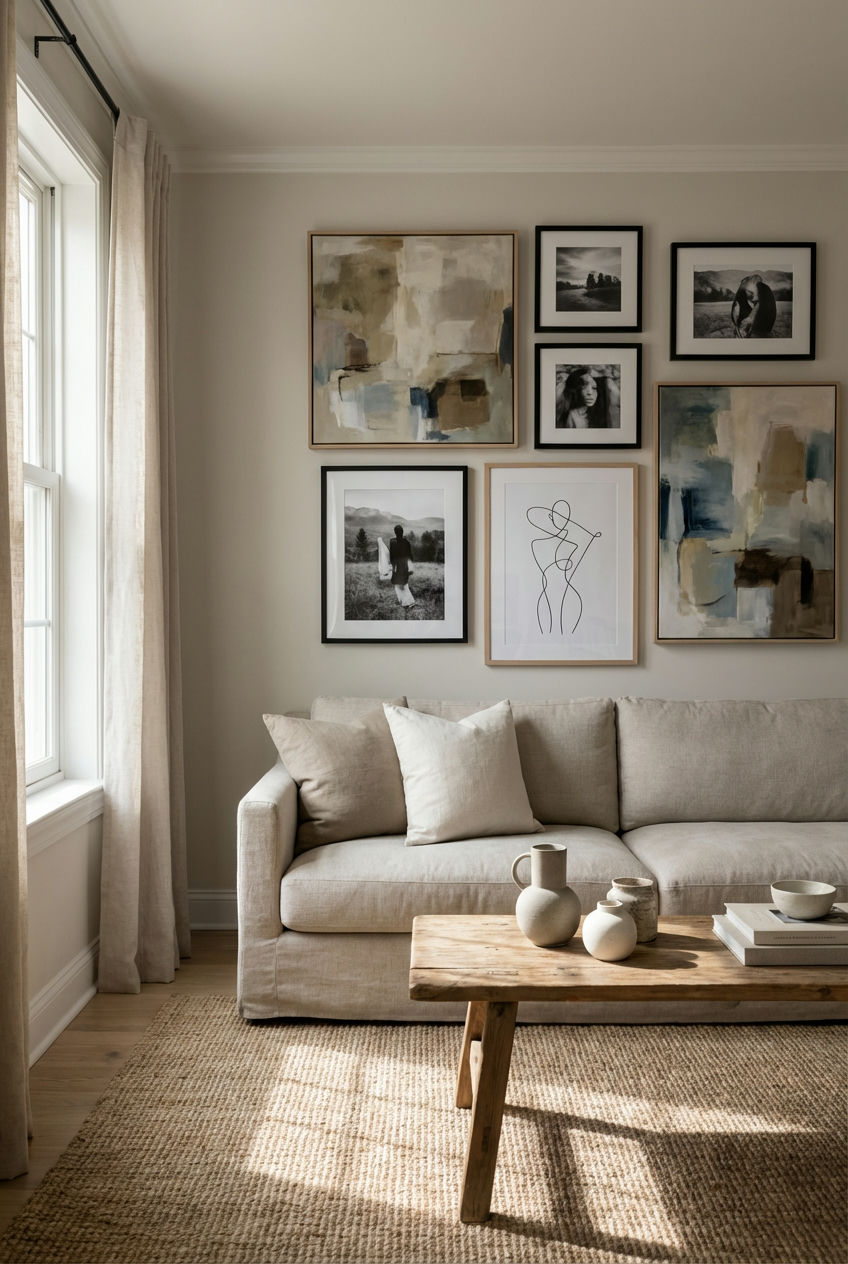
To prevent the farmhouse aesthetic from feeling too literal, 2026 sees the introduction of thoughtfully integrated modern artwork and curated gallery walls. This involves pairing abstract pieces, contemporary photography, or minimalist prints with traditional country elements. The juxtaposition creates an engaging visual tension, adding a layer of sophistication and personal expression. Instead of overtly themed wall decor, homeowners are opting for art that resonates with them, subtly infusing their personality into the rustic backdrop. It’s about building a collection that feels authentic, rather than simply filling wall space for the sake of decoration. This brings a fresh, unexpected twist to classic charm.
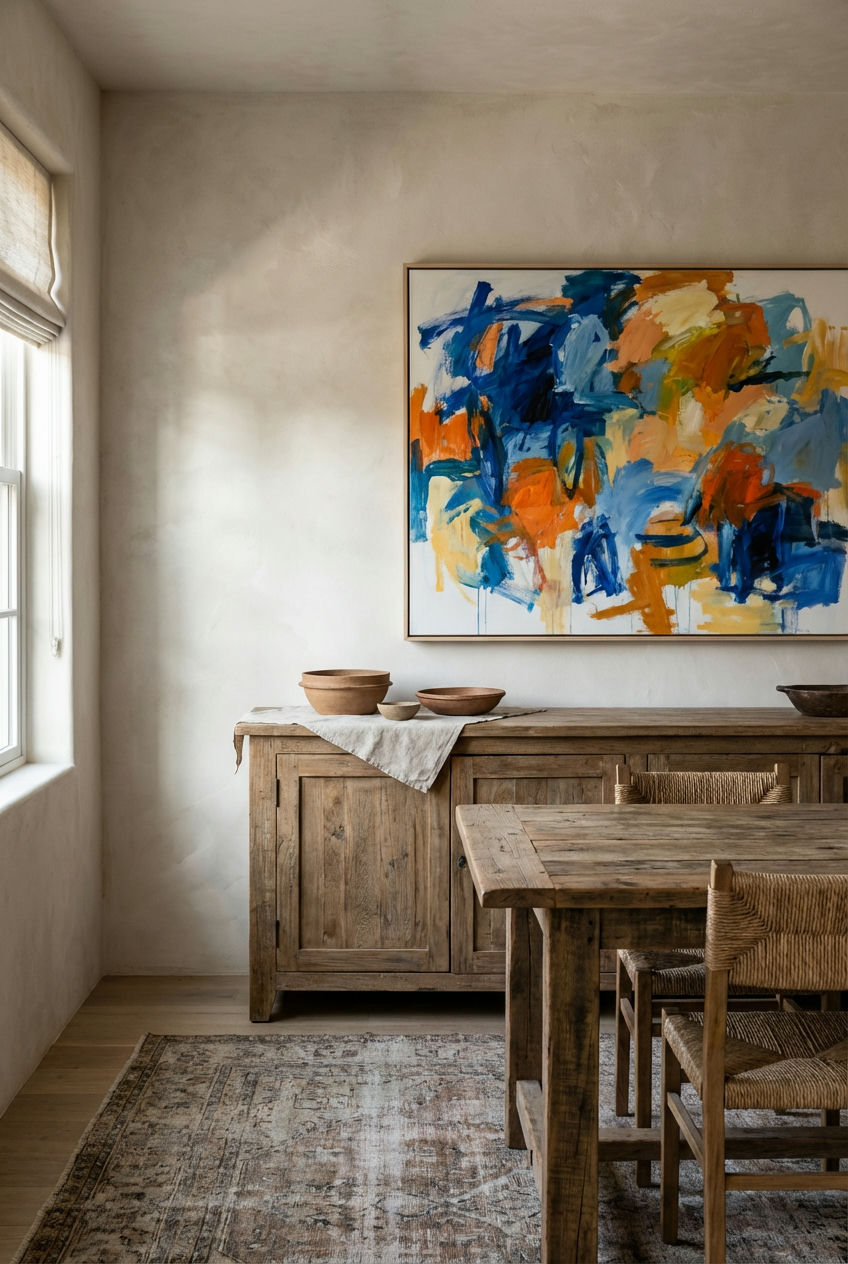
Common mistakes in creating gallery walls often include clumping too many small pieces together or failing to create a cohesive theme; instead, aim for balance in size and color, with thoughtful spacing for visual impact.
14. Spa-Like Bathrooms with Rustic Touches
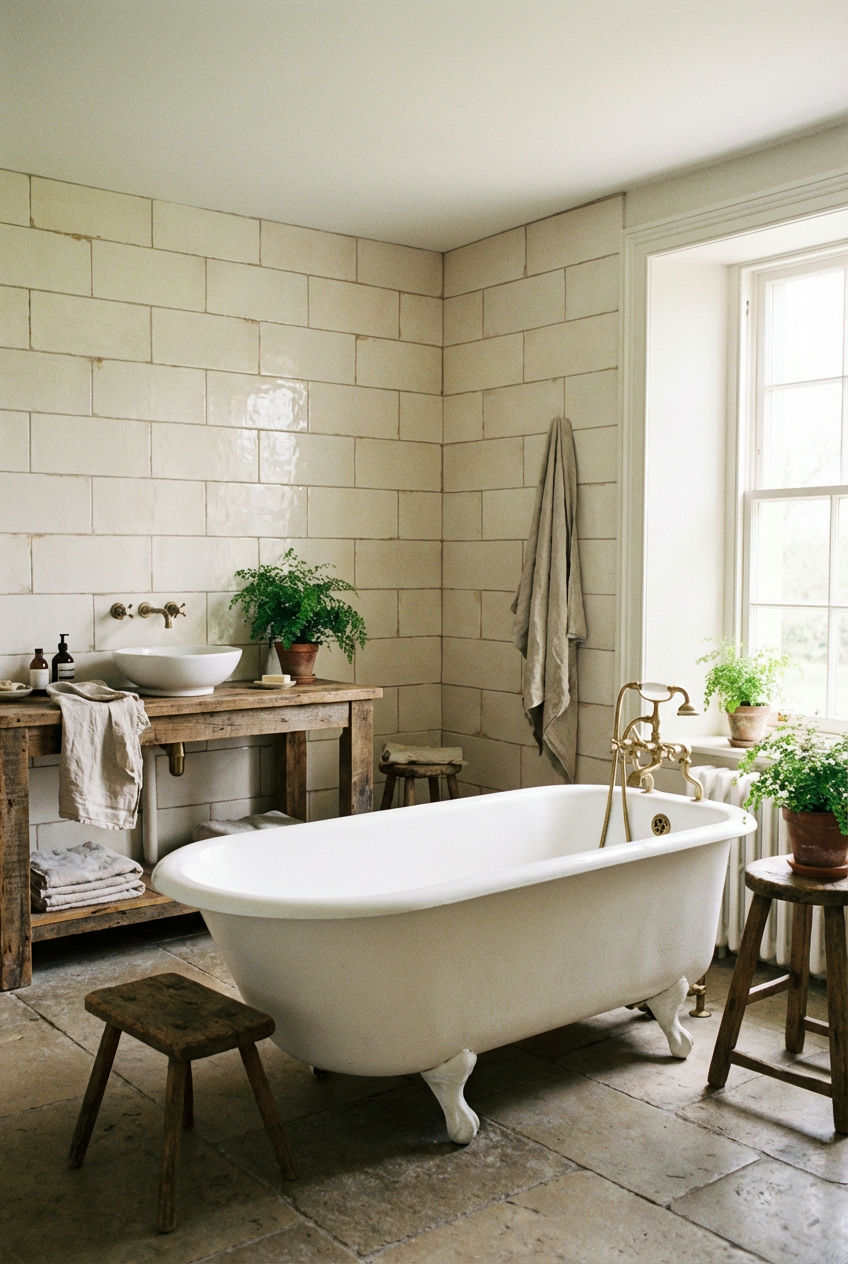
The farmhouse bathroom is evolving into a serene, spa-like sanctuary where comfort meets understated elegance. In 2026, we’re seeing large soaking tubs, natural stone or wood vanities, and thoughtful organization creating a tranquil retreat. While embracing modern amenities, rustic touches like exposed wood beams, vintage-style fixtures, or a simple galvanized tub repurposed for storage prevent the space from feeling cold or impersonal. The emphasis is on calming colors, natural textures, and abundant soft lighting, transforming a functional area into a haven of relaxation. It’s about finding balance: merging utility with the soothing ambiance one would expect in a high-end personal retreat.
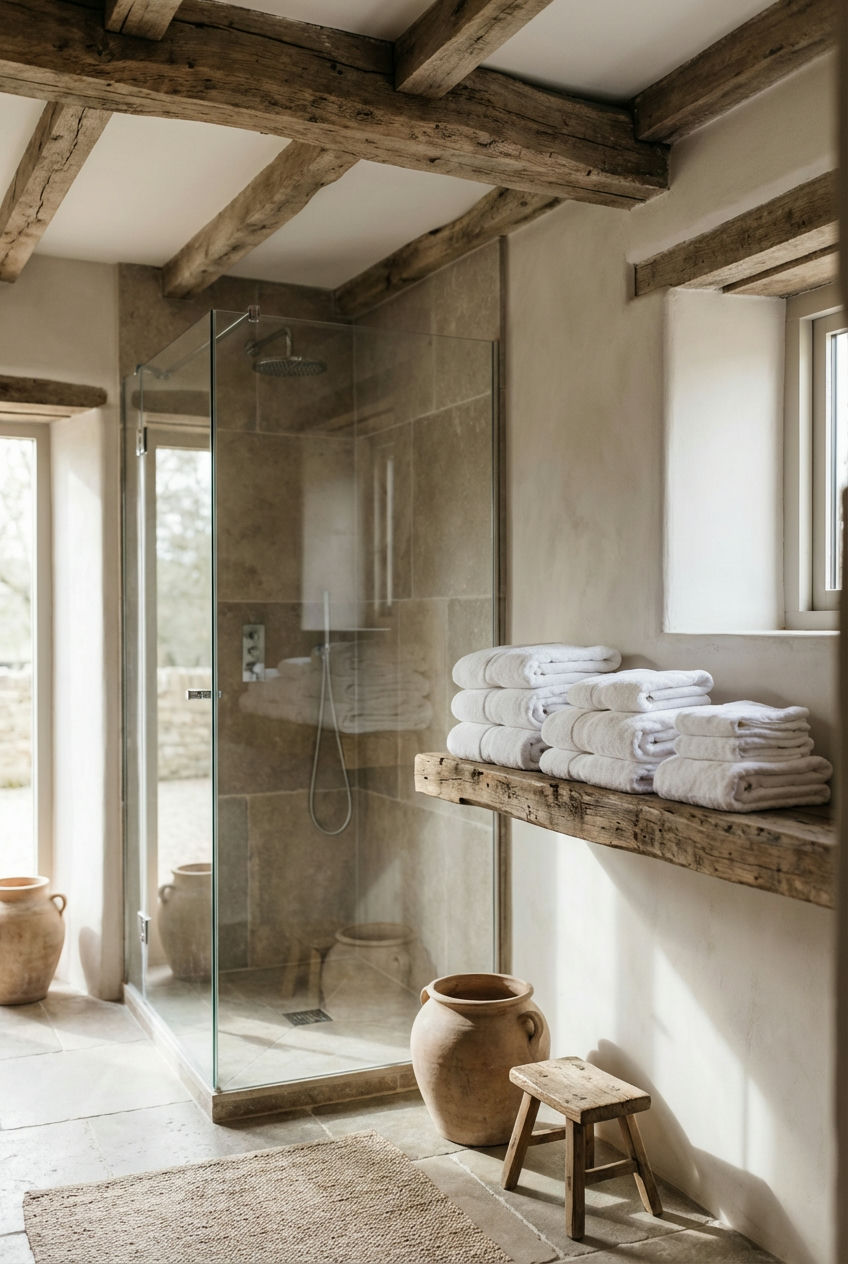
Practical insight: incorporating plants that thrive in humidity, like ferns or peace lilies, can further enhance the spa-like atmosphere while contributing to air quality, a small detail that makes a big difference in a bathroom.
15. Blended Metals and Finishes
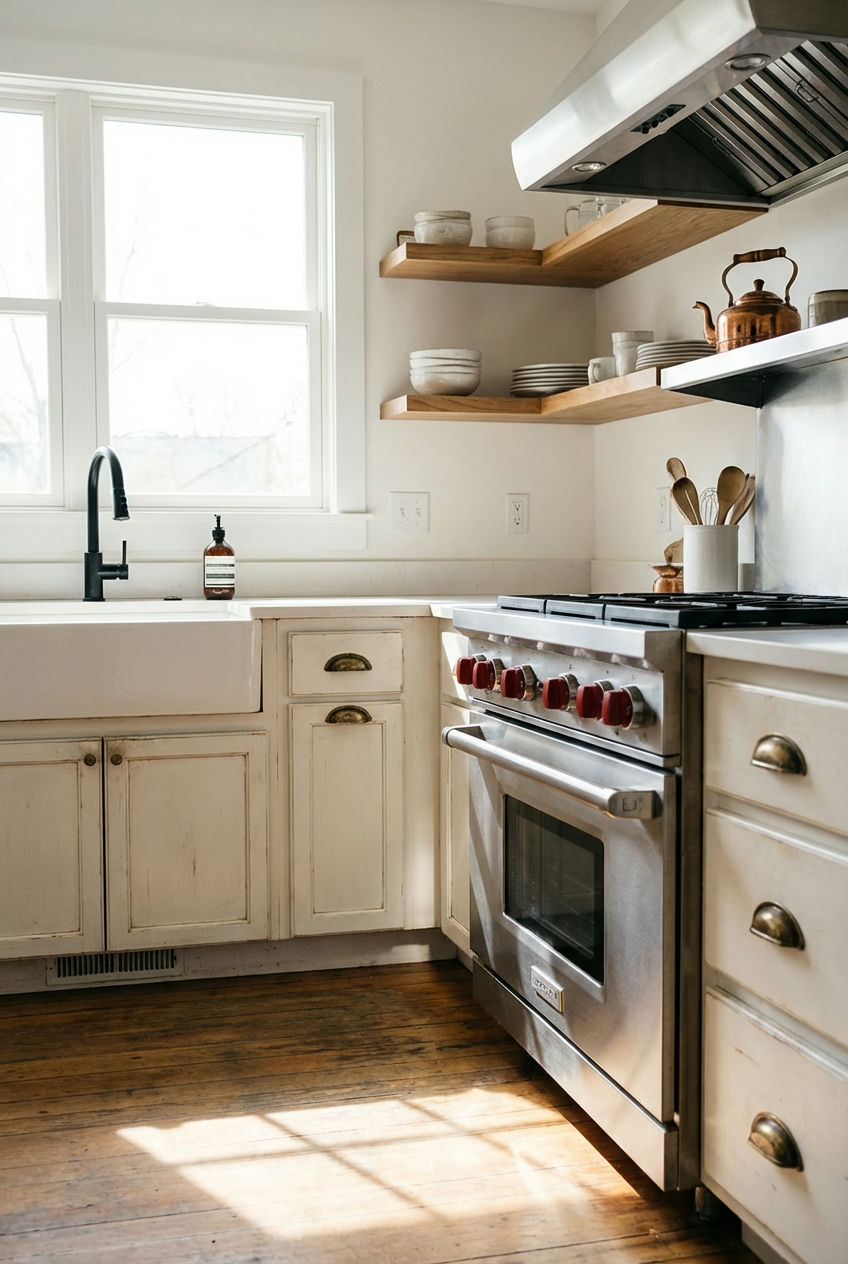
Monochromatic metal schemes are out; in 2026, farmhouse decor joyfully embraces blended metals and finishes. This means confidently mixing matte black light fixtures with antique brass hardware, or chrome faucets with oil-rubbed bronze accents. The key is to create a cohesive yet dynamic look by ensuring the finishes share a similar undertone (warm or cool) or are balanced throughout the space. This approach adds depth and a bespoke feel, making a space feel collected over time rather than designed all at once. It’s a confident step away from matchy-matchy aesthetics, allowing for more personality and visual intrigue within the home environment, ensuring a unique and tailored atmosphere.
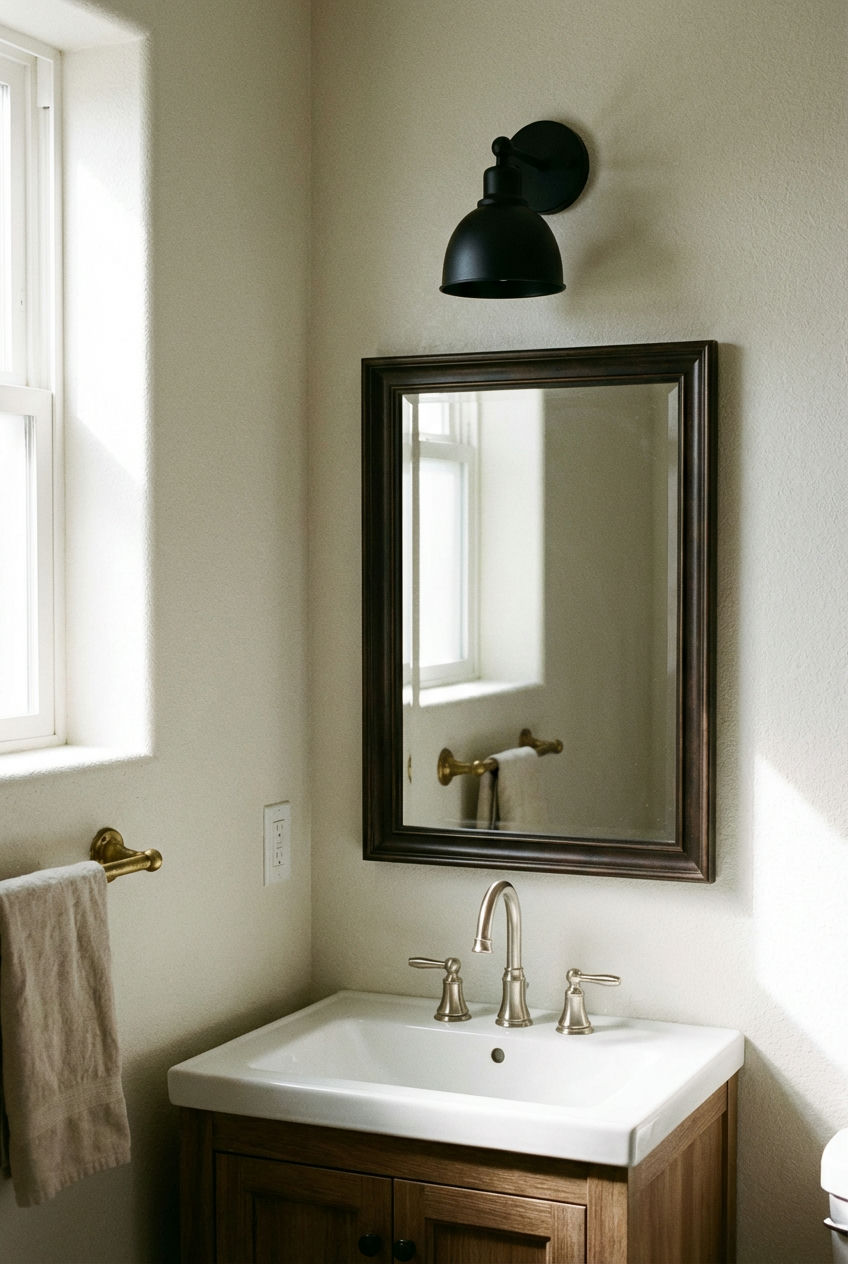
This trend is perfectly suited for the American lifestyle where individuality and self-expression are celebrated, allowing homeowners to create truly unique and personalized interiors that reflect their taste.
16. Cozy Nooks and Dedicated Zones
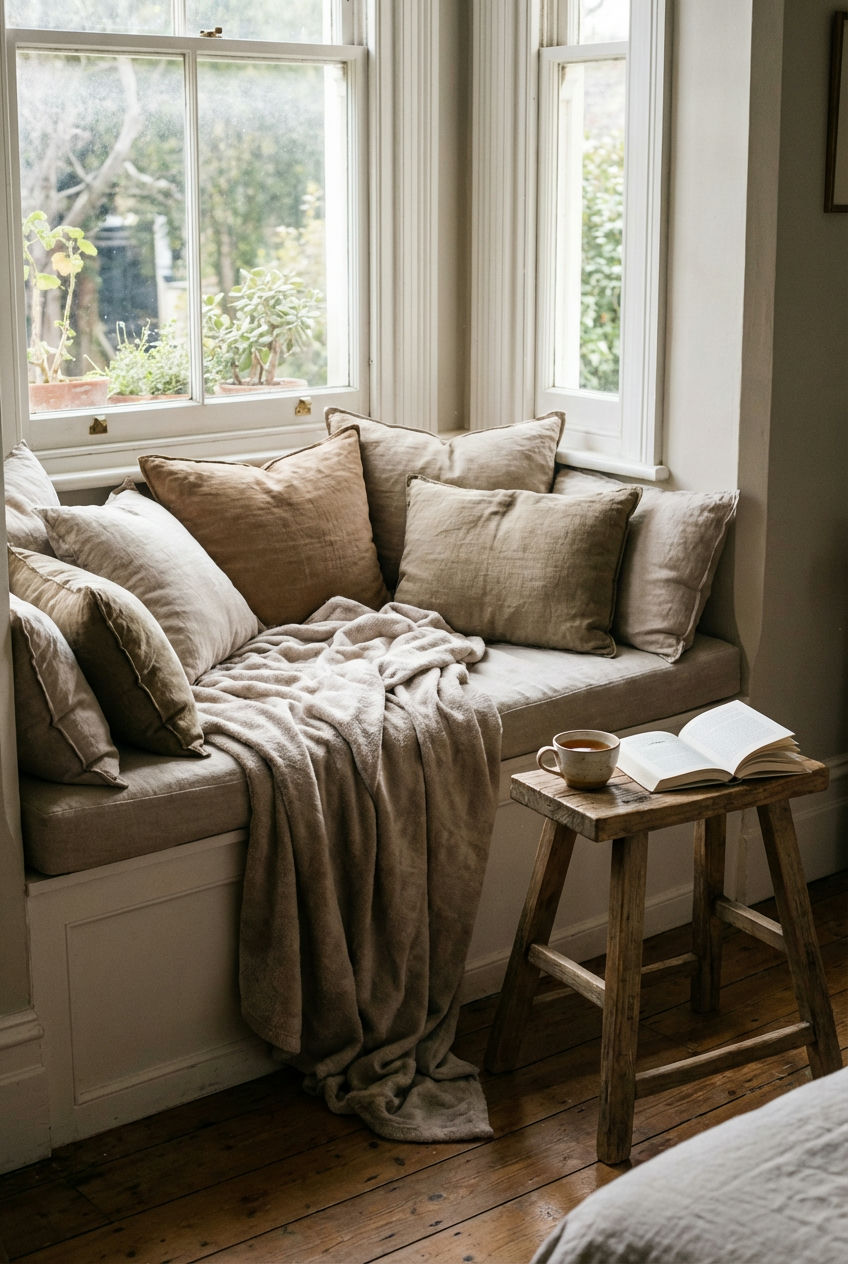
While open-concept living remains popular, farmhouse design in 2026 recognizes the importance of creating smaller, intimate spaces for quiet reflection or specific activities. Think window seats piled with pillows, a secluded library corner with a comfortable armchair, or a breakfast nook bathed in morning light. These “cozy nooks” and dedicated zones offer a sense of retreat and purpose within a larger space, catering to individual needs for privacy and comfort. They provide an opportunity to layer textures, play with lighting, and curate personal collections, making a larger home feel more intimate and functional for everyday life. It’s about maximizing every square foot.
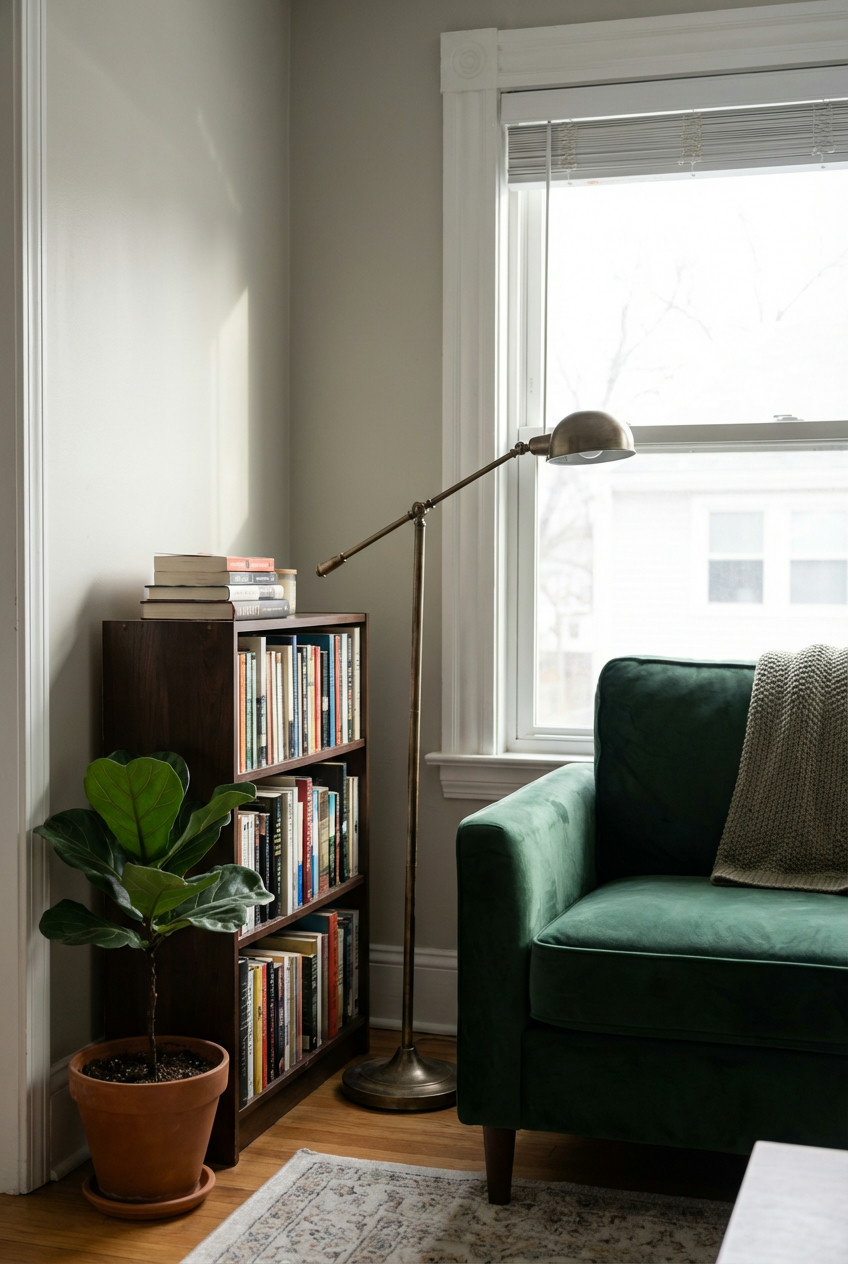
A micro-anecdote: my sister carved out a tiny, unused corner of her living room into a charming coffee bar, making her morning ritual feel incredibly special and organized without taking up much space.
17. Subtle Patterns and Textural Wallpapers
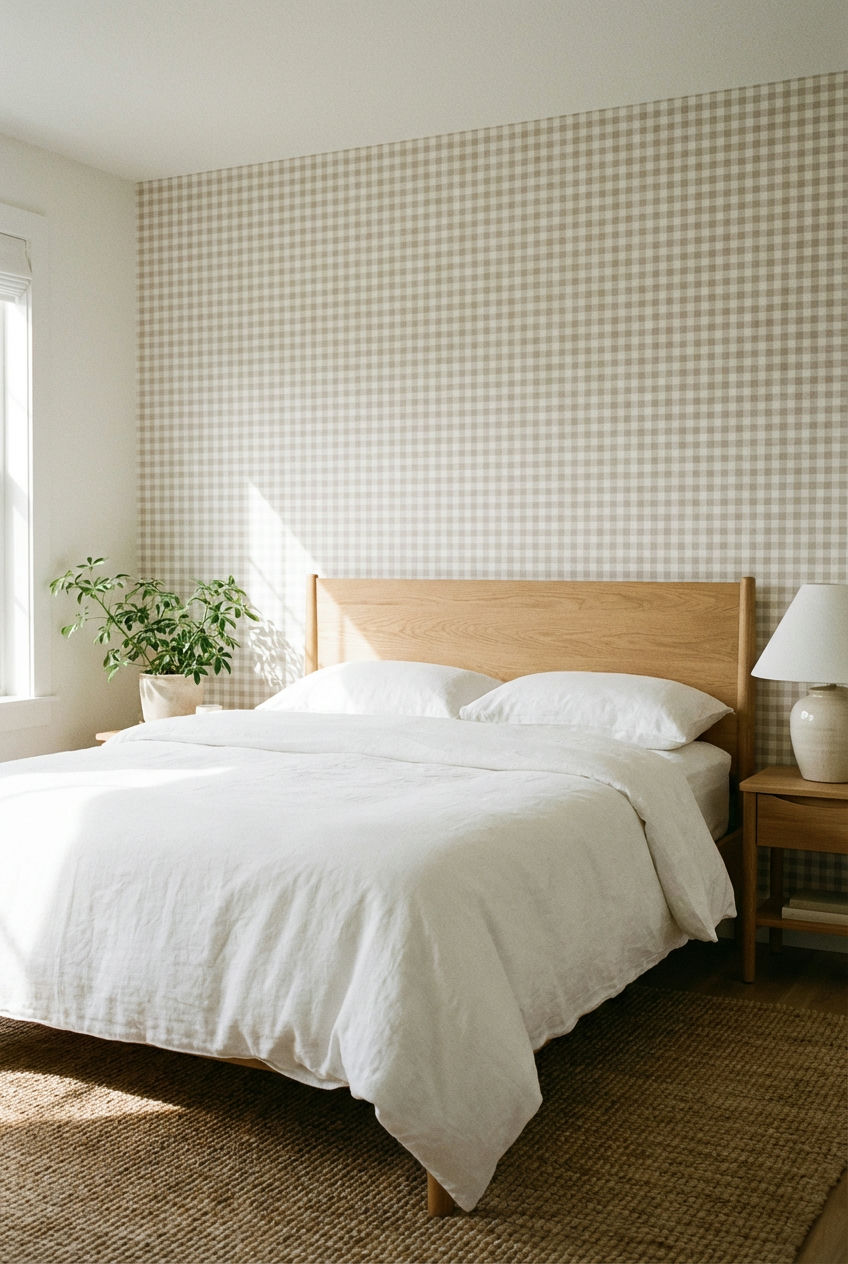
Moving beyond plain painted walls, farmhouse design in 2026 is embracing subtle patterns and textural wallpapers to add depth and interest. This isn’t about bold, overwhelming prints; it’s about delicate stripes, muted florals, gingham checks, or grasscloth textures that provide a quiet backdrop. These choices enrich the overall aesthetic without competing with other design elements, instead complementing the natural wood and soft textiles. They introduce a layer of sophistication and visual softness, making rooms feel more refined and intentionally designed, far from the stark uniformity of simpler times. It allows for a restrained playfulness within a traditionally grounded space.
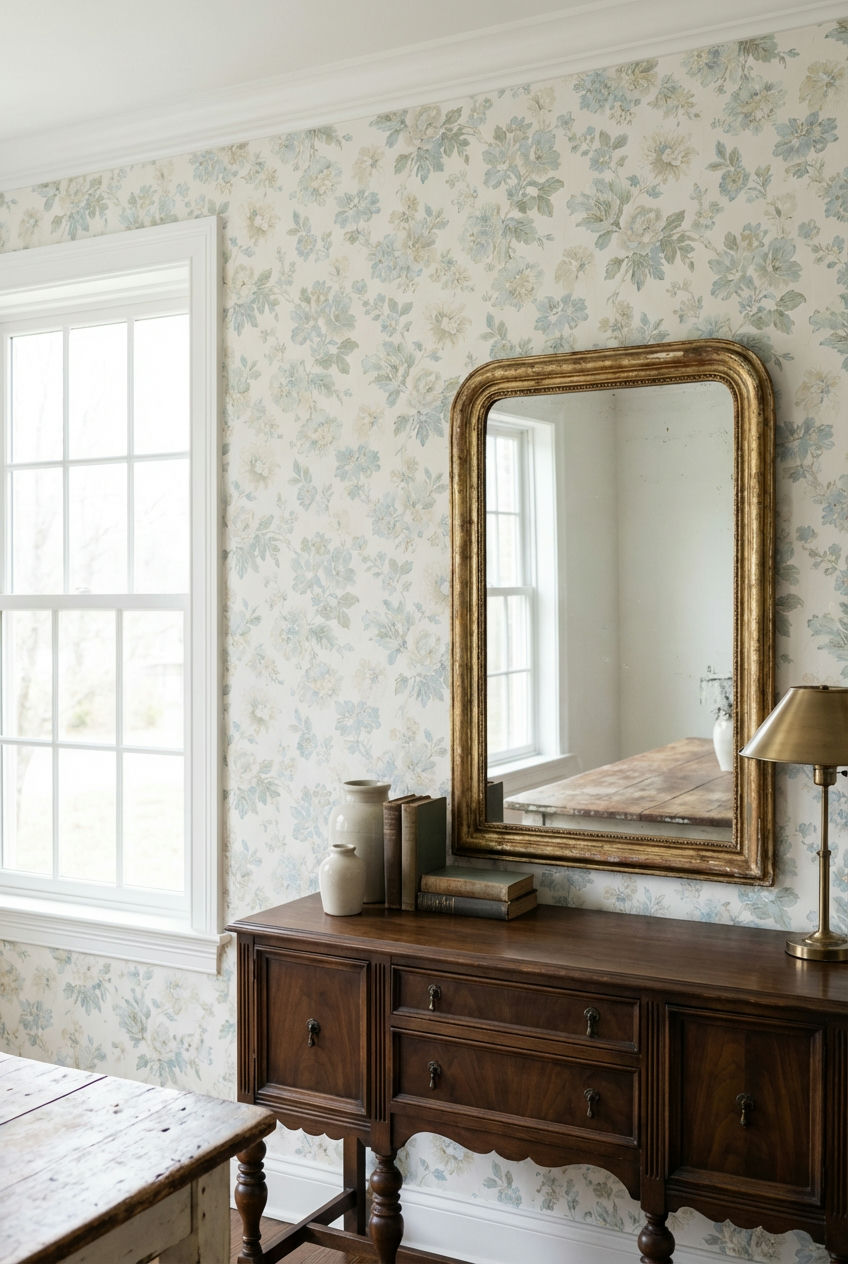
Where it works best: in a smaller room, a powder bath, or as an accent wall in a primary bedroom, these wallpapers can add a surprising touch of bespoke charm and make the space feel uniquely special without a huge budget investment.
18. Indoor-Outdoor Living Integration
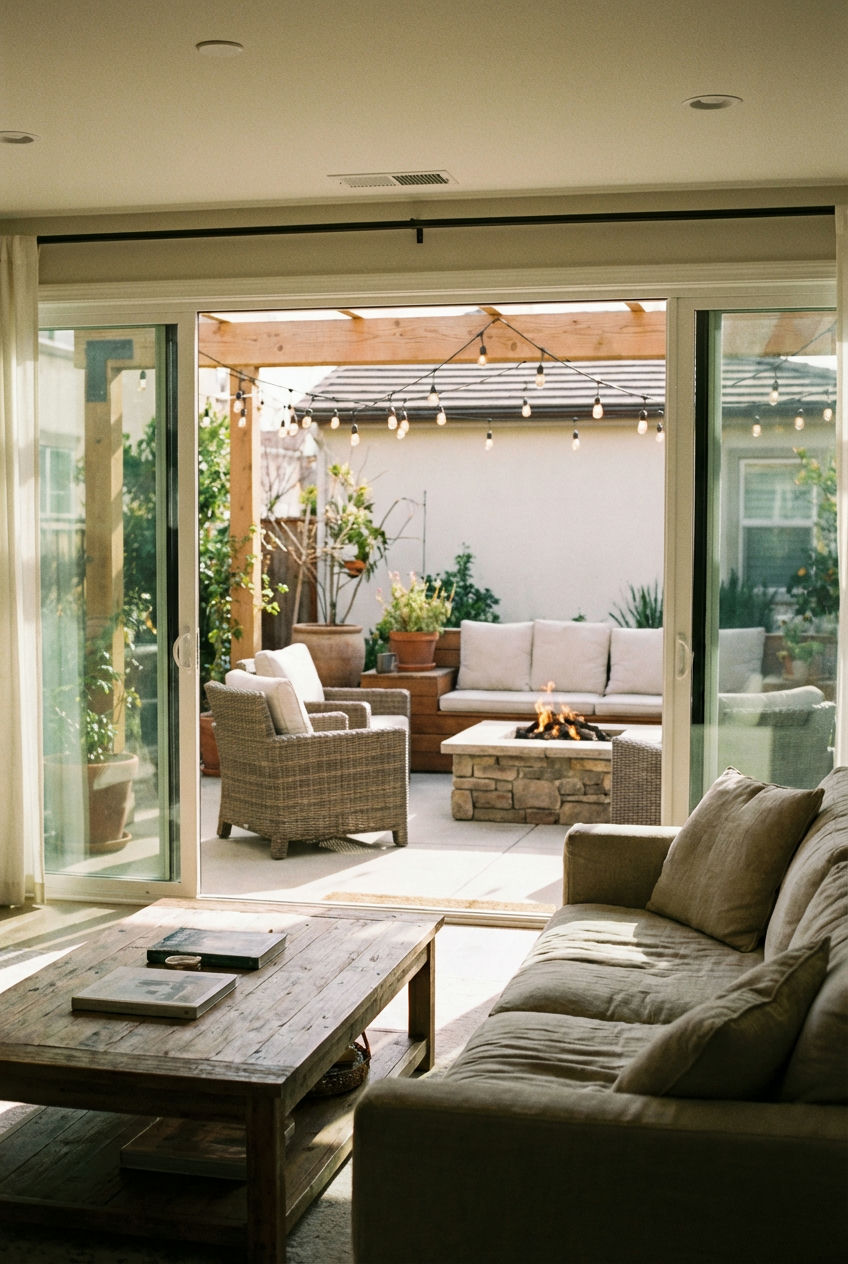
Seamlessly blending indoor and outdoor living spaces is a key trend in 2026 for farmhouse homes. This means incorporating large sliding glass doors, expansive patios for entertaining, and outdoor kitchens that flow effortlessly from the interior. The design elements from inside—natural wood, comfortable seating, and muted color palettes—are extended to the exterior, blurring the lines between the two. This creates an expanded sense of space and encourages a lifestyle connected to nature, a characteristic deeply rooted in the country ideal. It’s about enjoying every square foot of your property, transforming patios into true extensions of the home.
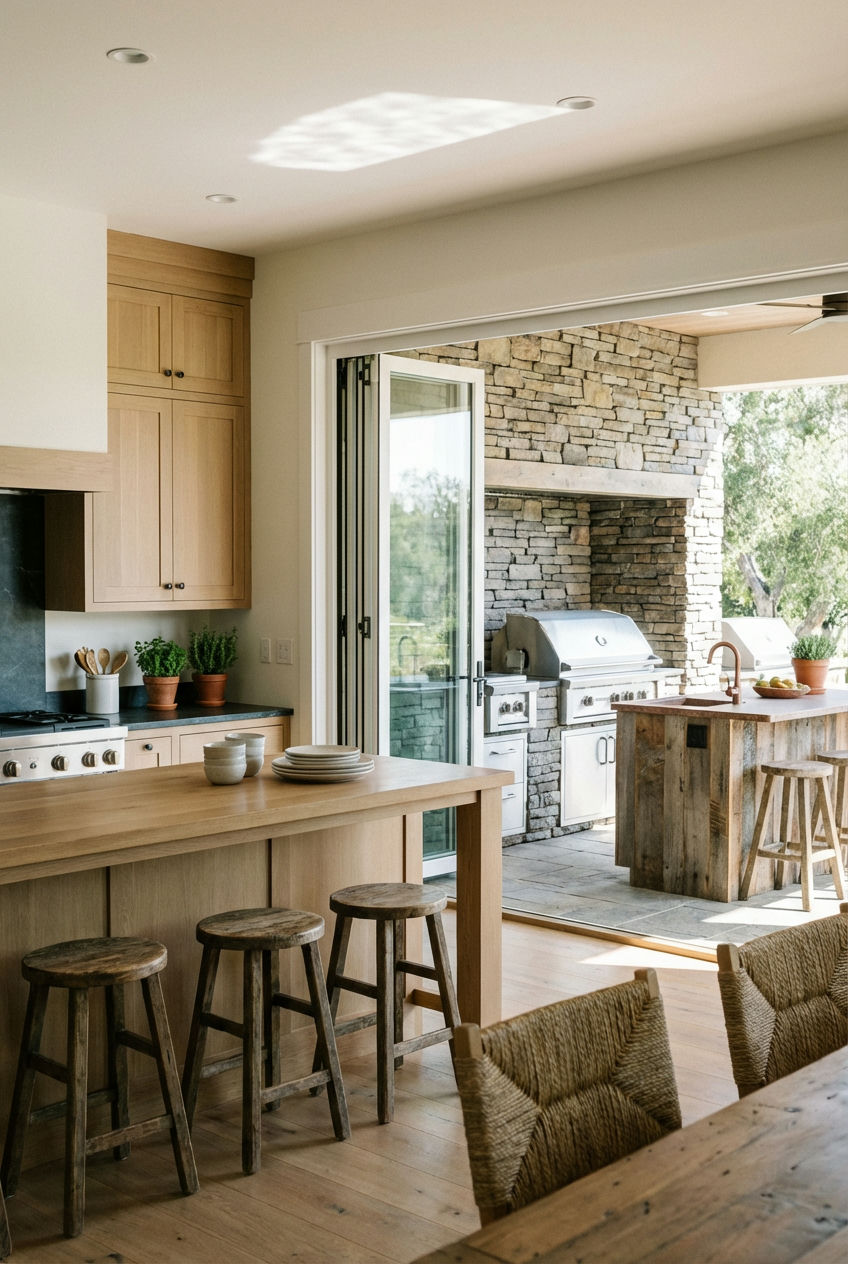
Real homeowner behavior confirms this desire for more outdoor engagement, with many prioritizing investments in durable, stylish outdoor furniture and integrated kitchen amenities to maximize their living space.
19. Personalized Touches and Storytelling
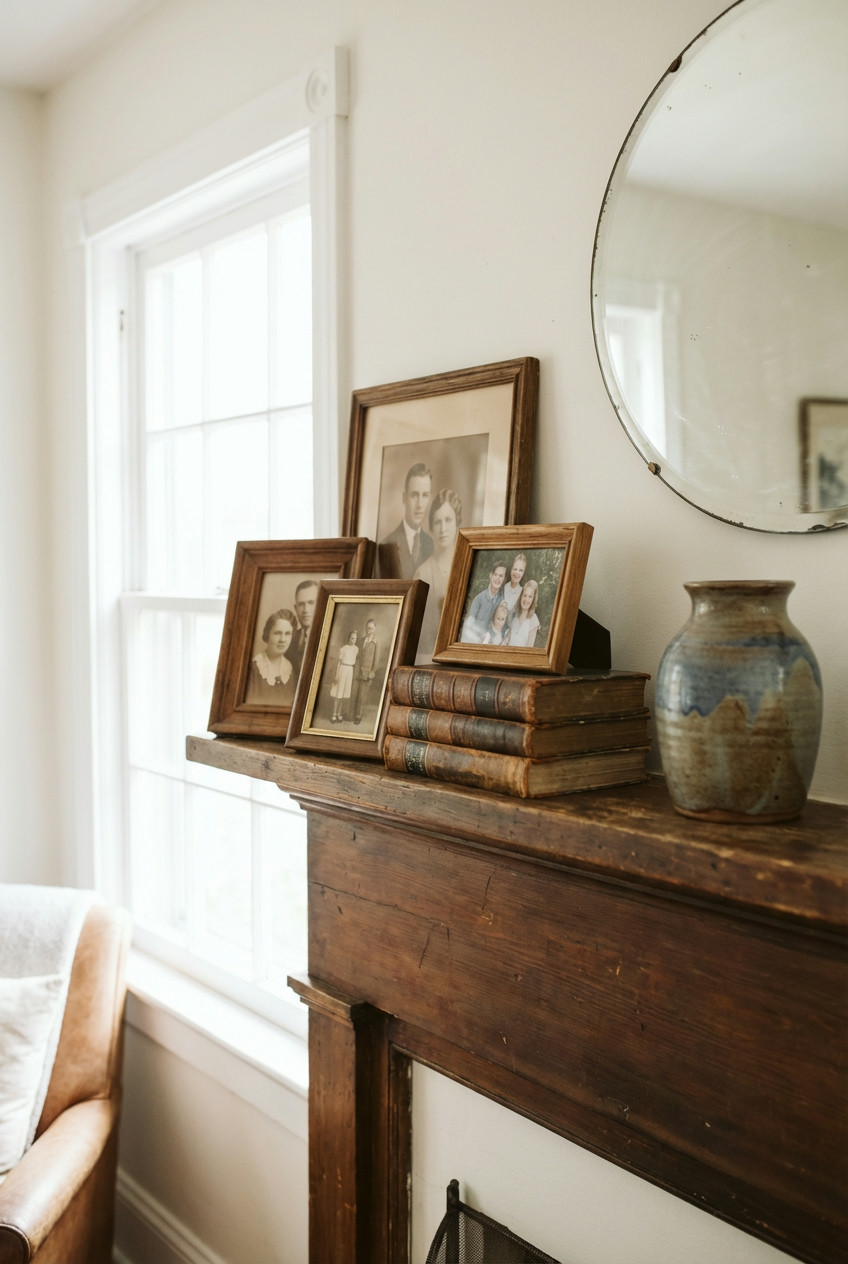
The rise of personalized touches and storytelling moments is paramount in farmhouse decor for 2026. This moves beyond generic decorative items to incorporate cherished family heirlooms, travel souvenirs, or custom pieces that reflect the homeowner’s unique journey. Each item chosen contributes to a narrative, making the space feel deeply personal and authentic, rather than professionally staged. It’s about displaying objects that hold meaning, creating a home that feels truly lived-in and loved, full of memories and cherished moments. This creates an inherent warmth and individuality that store-bought perfection simply cannot replicate. It offers a tangible connection to personal history.
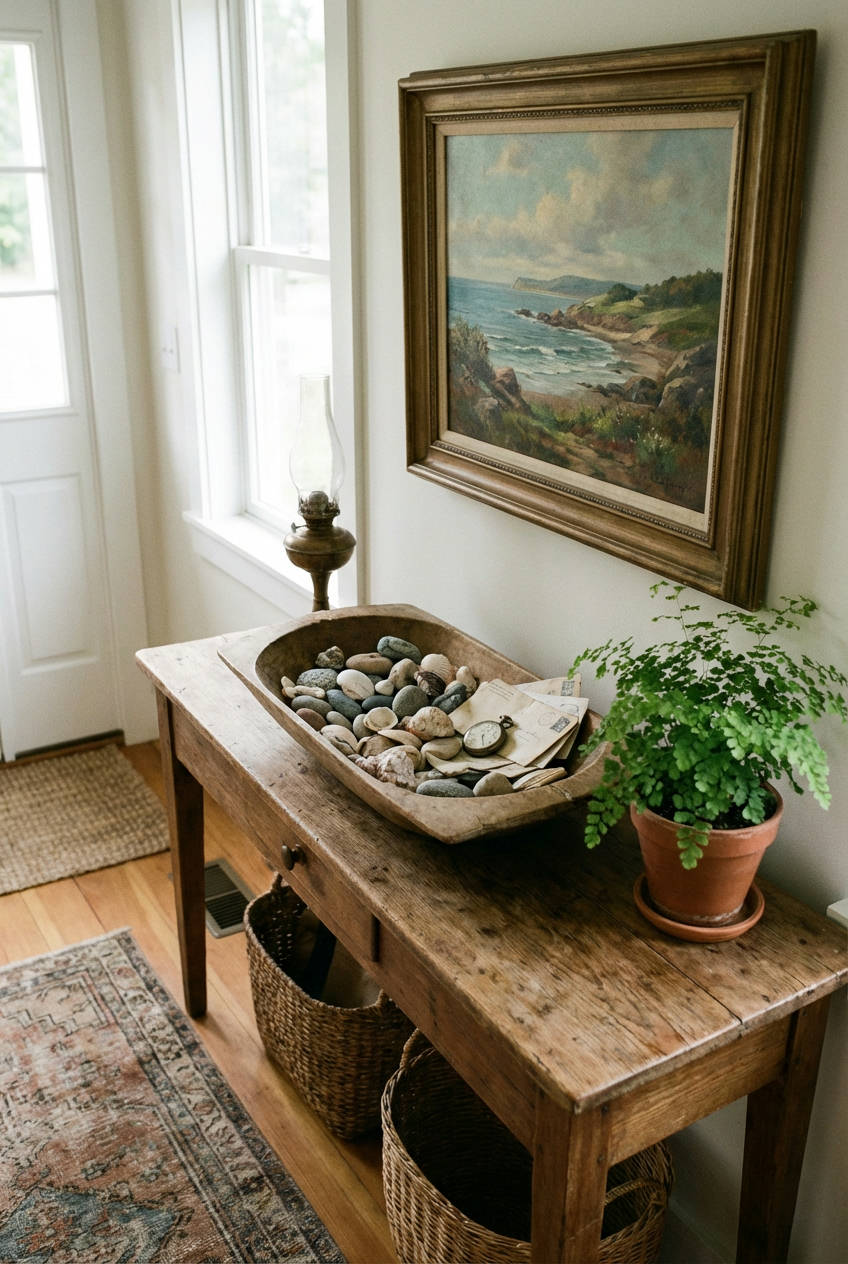
The budget/price angle here is compelling: oftentimes, the most meaningful and impactful decor comes from what you already own or find second-hand, making it a truly cost-effective way to personalize your home.
20. Wabi-Sabi Inspired Imperfection
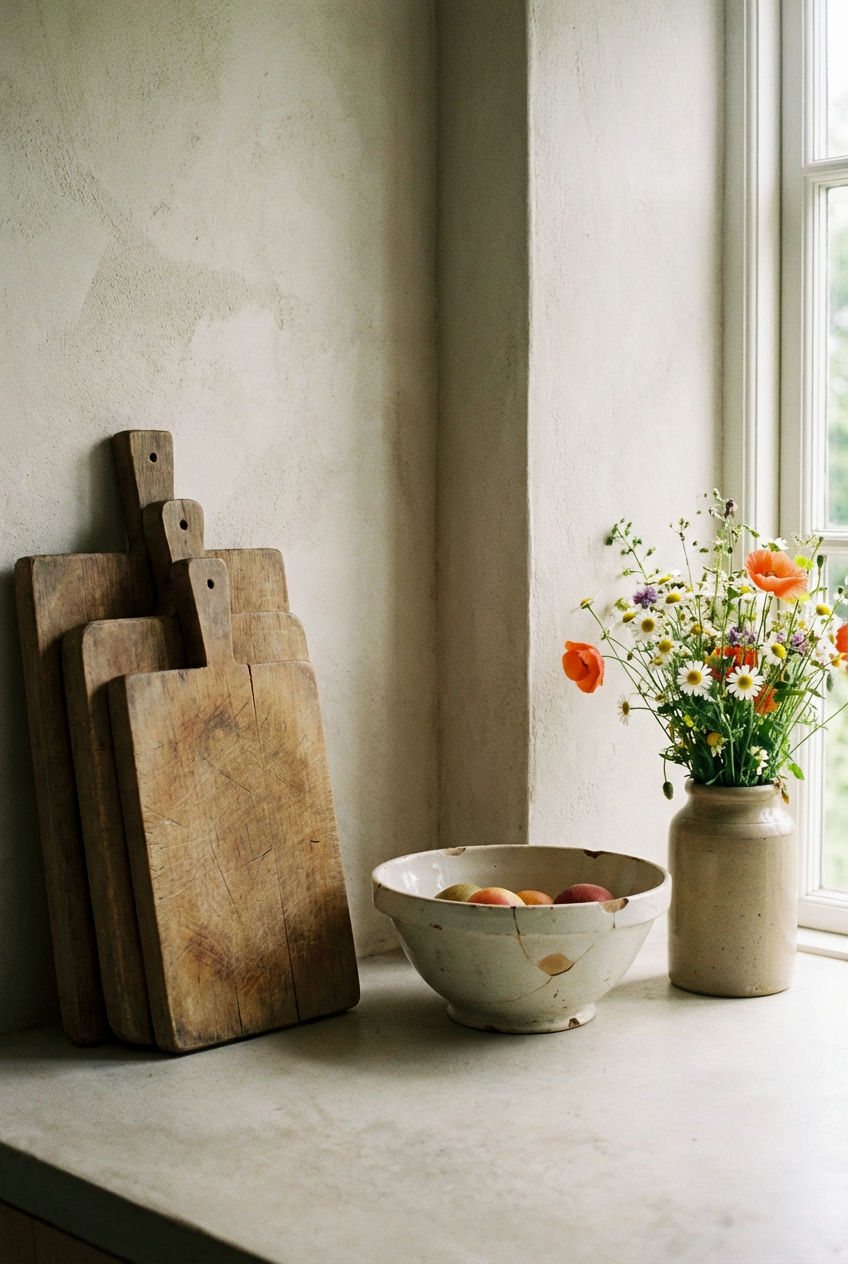
The rustic beauty of farmhouse style finds a thoughtful companion in the philosophy of Wabi-Sabi for 2026. This Japanese aesthetic embraces imperfection, natural wear, and the beauty of transient, authentic materials. In a design context, this means celebrating chipped pottery, gracefully aged wood, patinated metals, and embracing the slightly uneven texture of handmade linens. It’s about appreciating the unique character that time and use impart, rather than striving for artificial perfection. This approach adds profound depth and soul, ensuring a space feels incredibly grounded and genuinely lived-in. It provides a comforting acceptance of reality, enhancing the inherent beauty of natural materials and their journey.
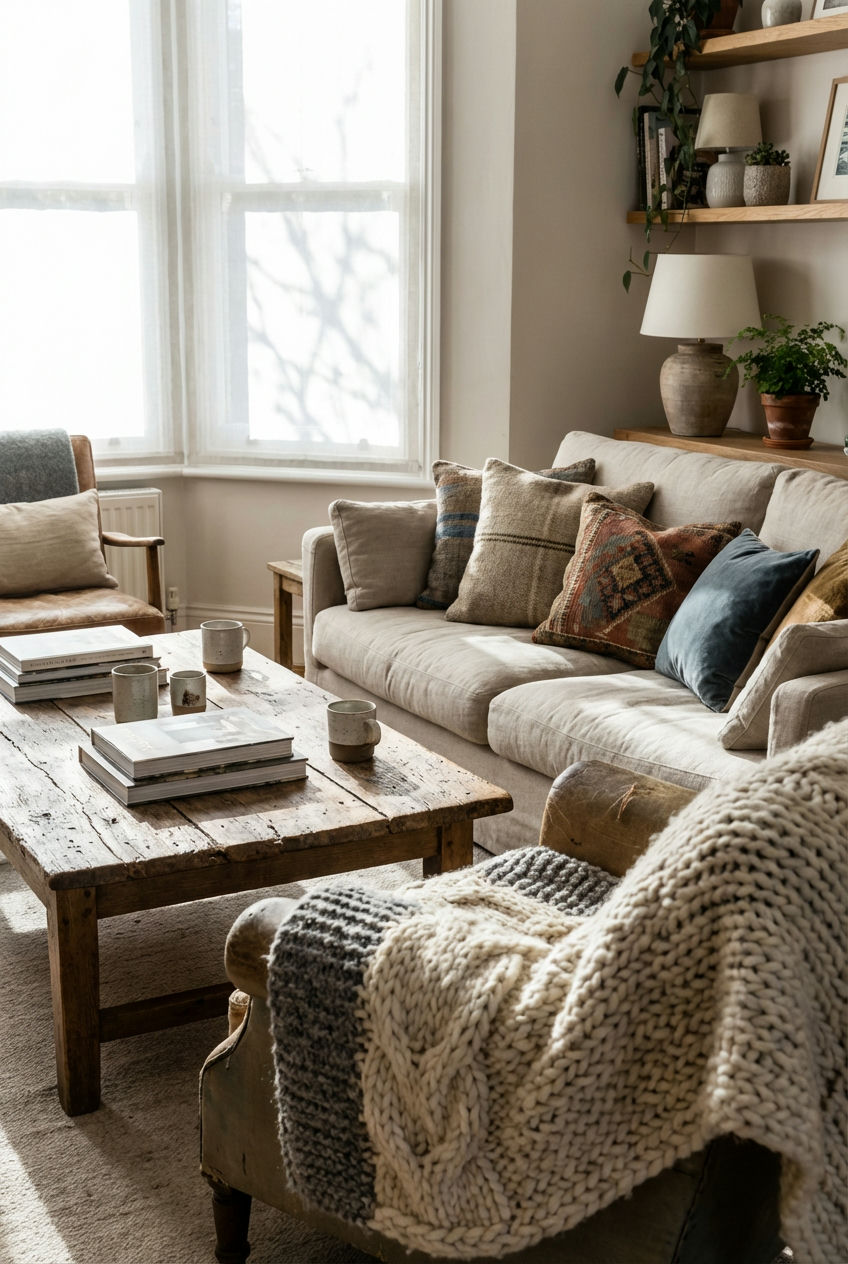
Common mistakes in adopting this trend involve deliberately “damaging” new items; true Wabi-Sabi embraces genuine wear, so it’s more about thoughtful selection of naturally aged pieces rather than artificial distressing of new ones.
The evolution of farmhouse decor in 2026 is truly exciting, showcasing a refined elegance that retains its beloved warmth and comfort. It’s clear that the future of this style lies in thoughtful curation, quality craftsmanship, and a deep appreciation for the authentic. We hope these insights inspire you to create spaces that feel both timeless and deeply personal. We’d love to hear your thoughts and favorite trends in the comments below!