
As we step into 2026, the allure of creating a personal sanctuary within our homes has never been stronger. Forget grand, sprawling landscapes; this year, it’s all about carving out intimate, unexpected havens that feel truly our own. From hidden nooks to verdant retreats tucked away, the concept of a secret garden is evolving, inviting us to rediscover beauty and tranquility in forgotten corners. Join us as we explore 16 captivating ideas to bring this timeless enchantment into your living spaces.
1. The Verdant Nook Transformation
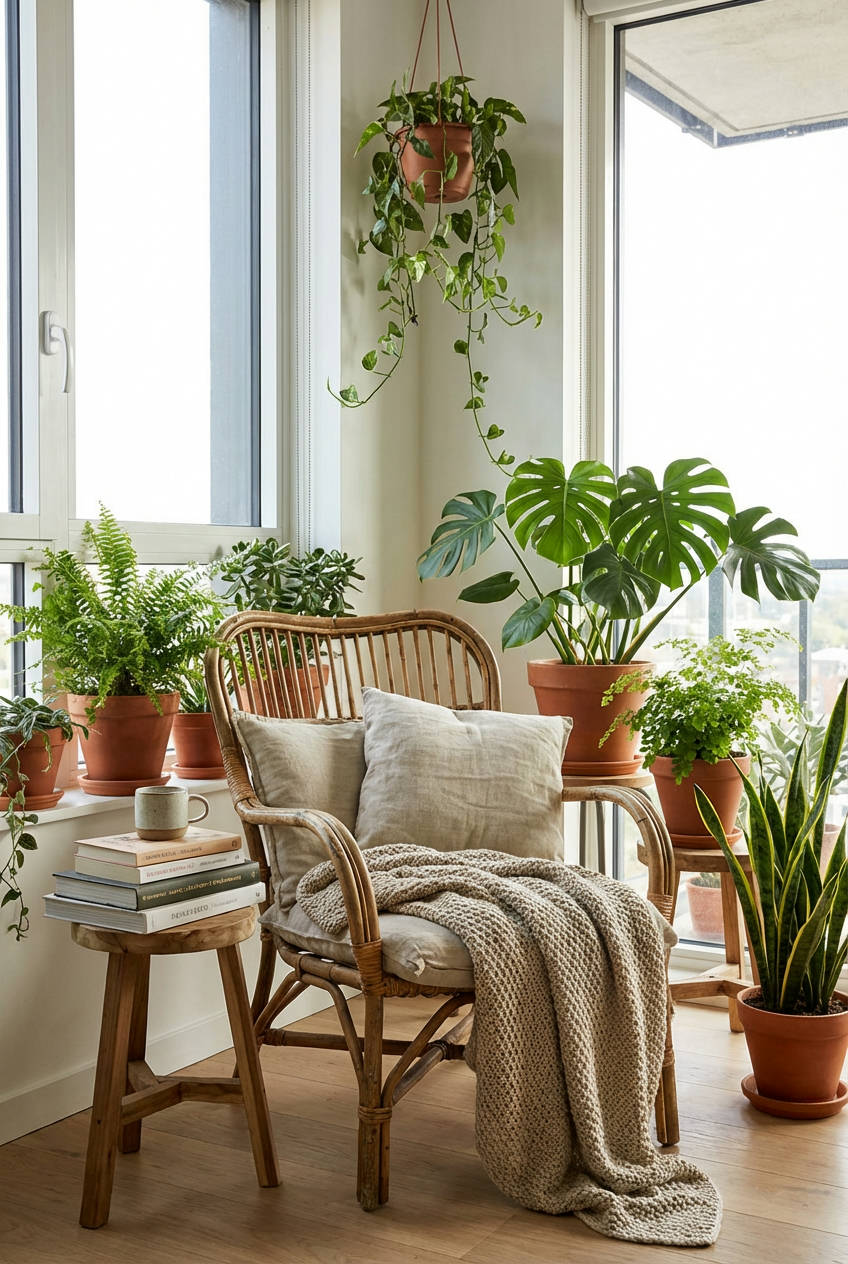
Imagine transforming an underutilized corner into a lush, vibrant green space, a true urban secret garden where stress melts away. This isn’t just about plants; it’s about curating a miniature ecosystem that offers a refreshing escape from the daily grind. Think floor-to-ceiling shelving overflowing with a mix of leafy greens, trailing vines, and perhaps a small bubbling water feature. The key is to blend various textures and heights, creating depth and a sense of discovery, making this once-overlooked spot feel like a discovered hidden gem, a truly serene domestic retreat. It speaks to our innate desire for connection with nature.
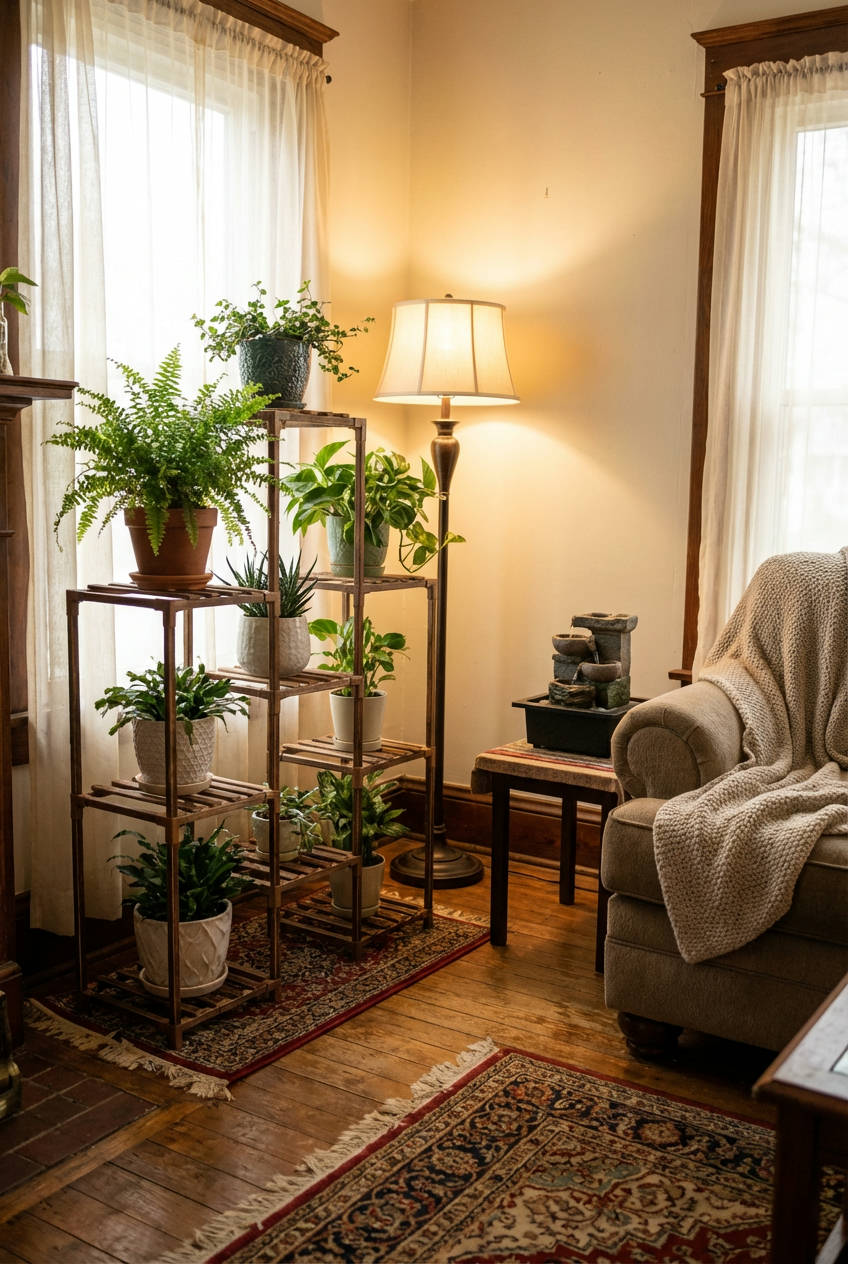
This approach works best in spaces that can benefit from a burst of life and color, such as a dull entryway, a forgotten hall corner, or even a small bathroom. Consider the light conditions and choose plants that will thrive, ensuring your verdant nook remains a healthy, flourishing haven. Adding a comfortable sheepskin throw or a small stool can encourage you to pause and fully immerse yourself in this tranquil micro environment. It becomes a breathing piece of art that continuously cleans the air and soothes the soul. It’s all about purposeful design.
2. Hidden Patio Retreats
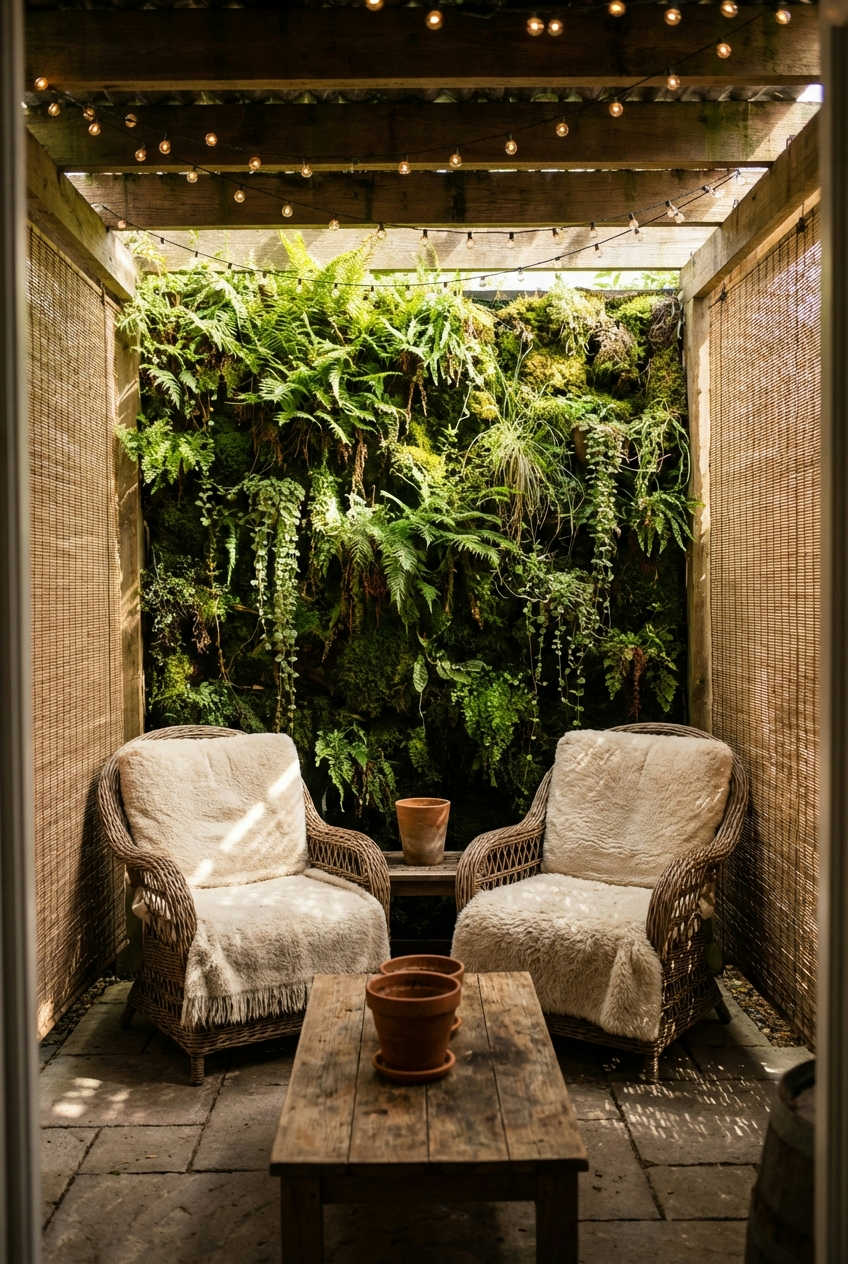
Even in urban landscapes, a secluded patio can become your outdoor haven, a truly secret escape that feels miles away from city bustle. This design concept focuses on creating privacy and intimacy, often through strategic planting, lattice work, or even stylish outdoor curtains. Think of it as an extension of your indoor living, a place to enjoy morning coffee or an evening cocktail under the stars, feeling utterly ensconced. The goal is to design a space that whispers calm, an inviting spot where you can unwind without feeling exposed, making it an intimate extension of your personal universe. Every element contributes to its hidden charm.
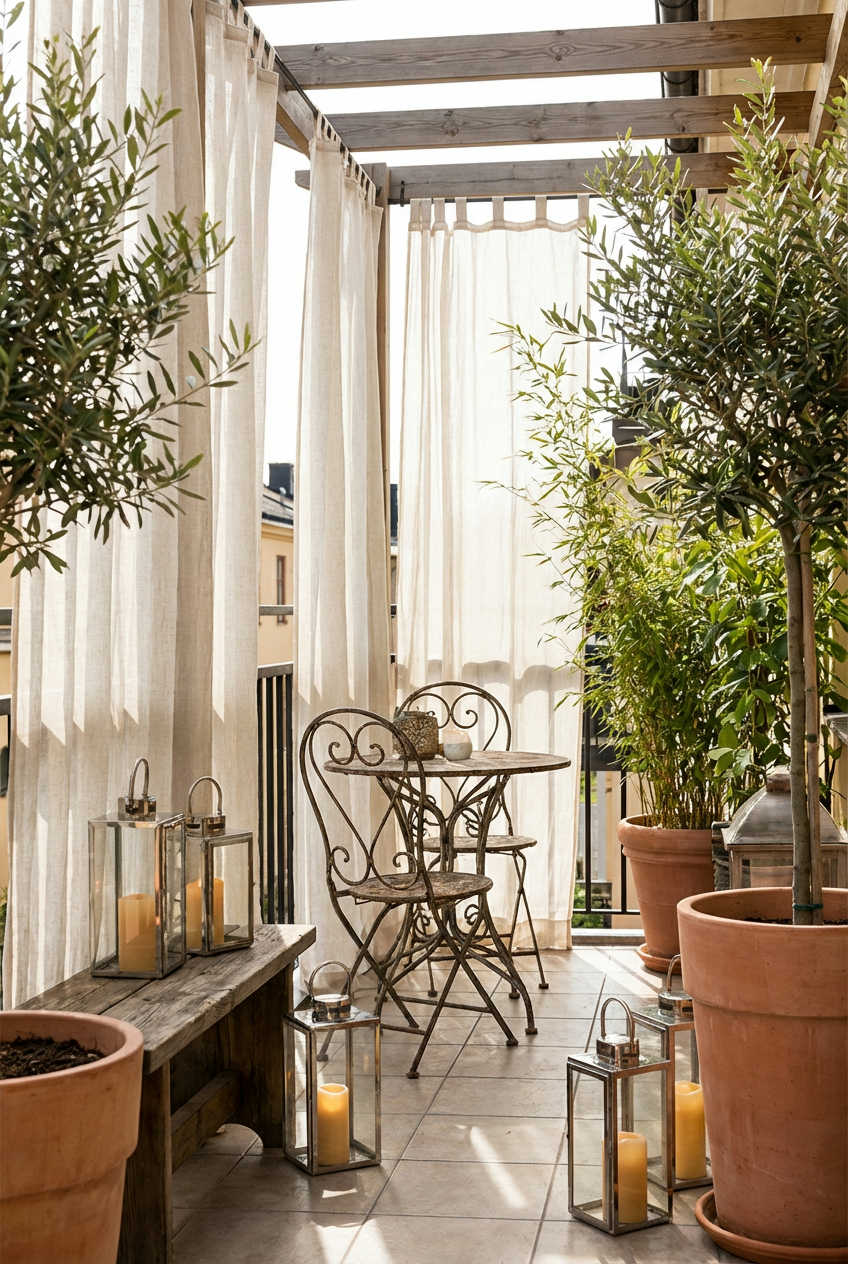
One practical insight when designing such a space is to consider the path leading to it. A meandering stone pathway, perhaps bordered by fragrant herbs like lavender or rosemary, enhances the sense of discovery and transition. This isn’t just about the destination but the journey to your tranquil spot. Incorporating features like wind chimes or a small, bubbling water feature can add an auditory layer to the sensory experience, heightening the feeling of being in a truly special, set-apart space. This elevates the entire experience, transforming a simple patio into a mindful escape.
3. The Indoor Herb Grotto
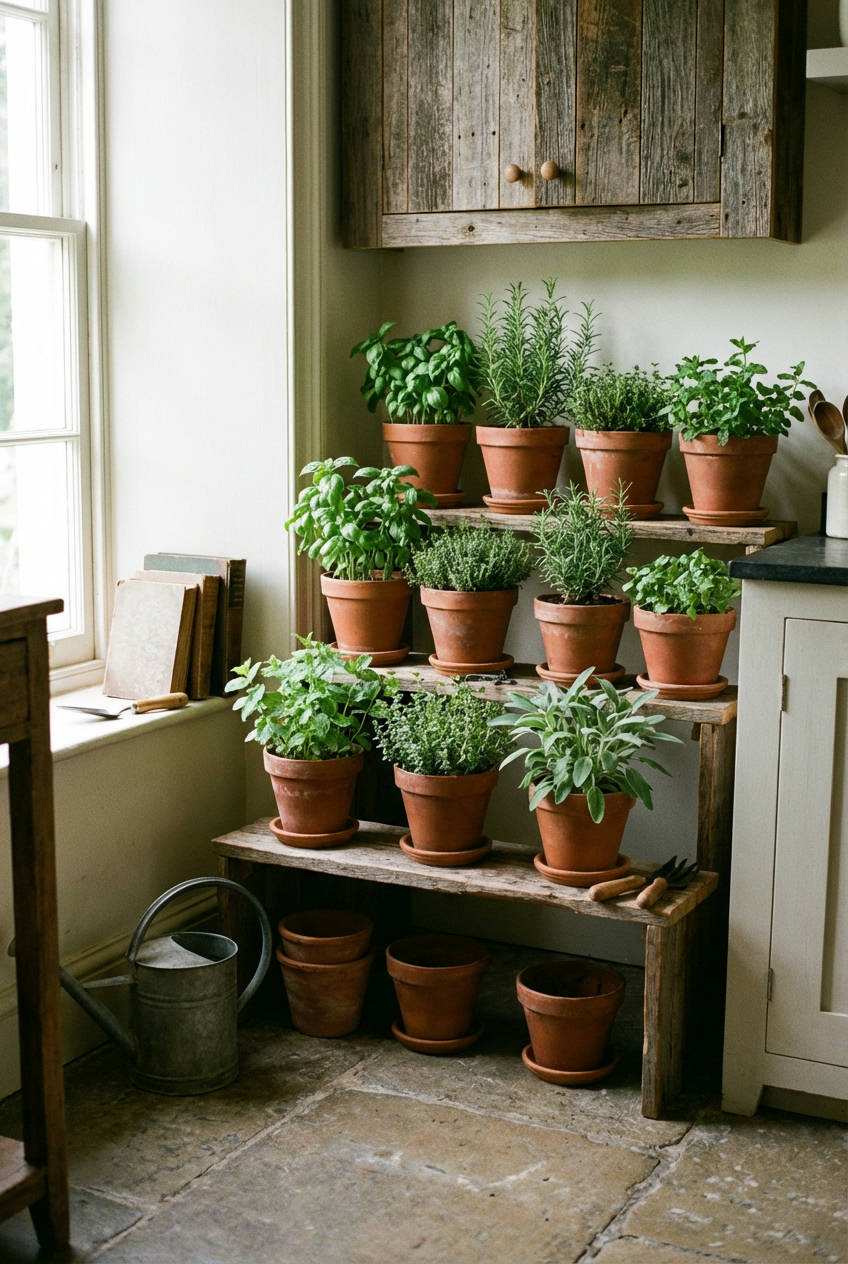
For those who love to cook and cherish fresh ingredients, an indoor herb grotto can be a delightful and practical secret garden addition to the kitchen or a sunny window sill. Imagine a dedicated spot, perhaps a cleverly repurposed vintage cabinet or a series of hanging planters, brimming with aromatic herbs like basil, mint, rosemary, and thyme. This isn’t just about utility; it’s about bringing the vibrant energy and fresh scents of a garden indoors, making cooking a more sensory and joyful experience. It’s a little slice of nature, perpetually offering its bounty while enhancing your home’s aesthetic, a truly living installation.
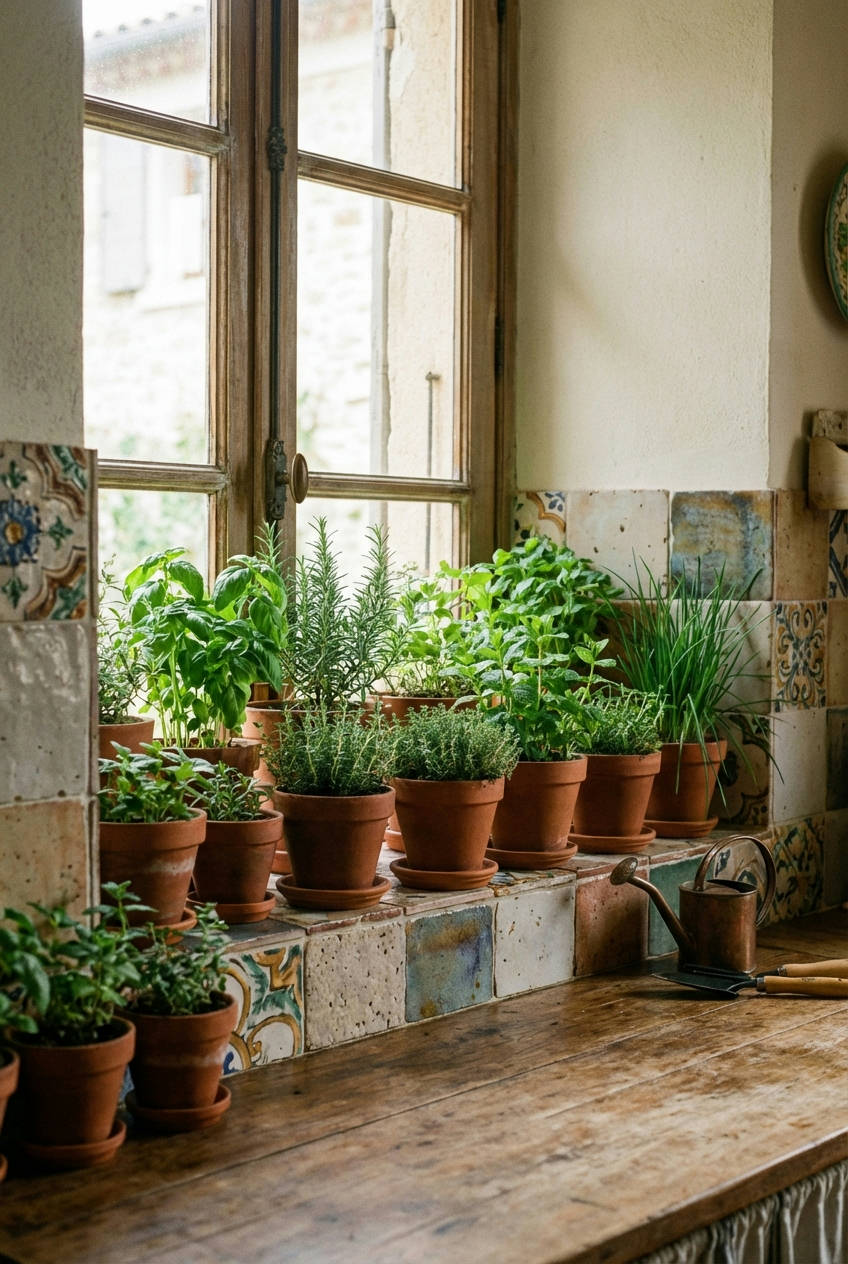
This idea beautifully blends American lifestyle sensibilities with European culinary traditions, where fresh herbs are a staple. This dedicated space ensures you always have fresh ingredients at hand, elevating simple weeknight meals. It’s a small luxury that pays dividends in flavor and sensory enjoyment. Plus, the act of tending to your herbs can be a wonderfully mindful, calming ritual in itself. It is a genuine connection to provenance. One friend of mine told me she started one and now can’t imagine cooking without plucking fresh parsley directly from her kitchen counter for dinner.
4. Backyard Micro-Forest
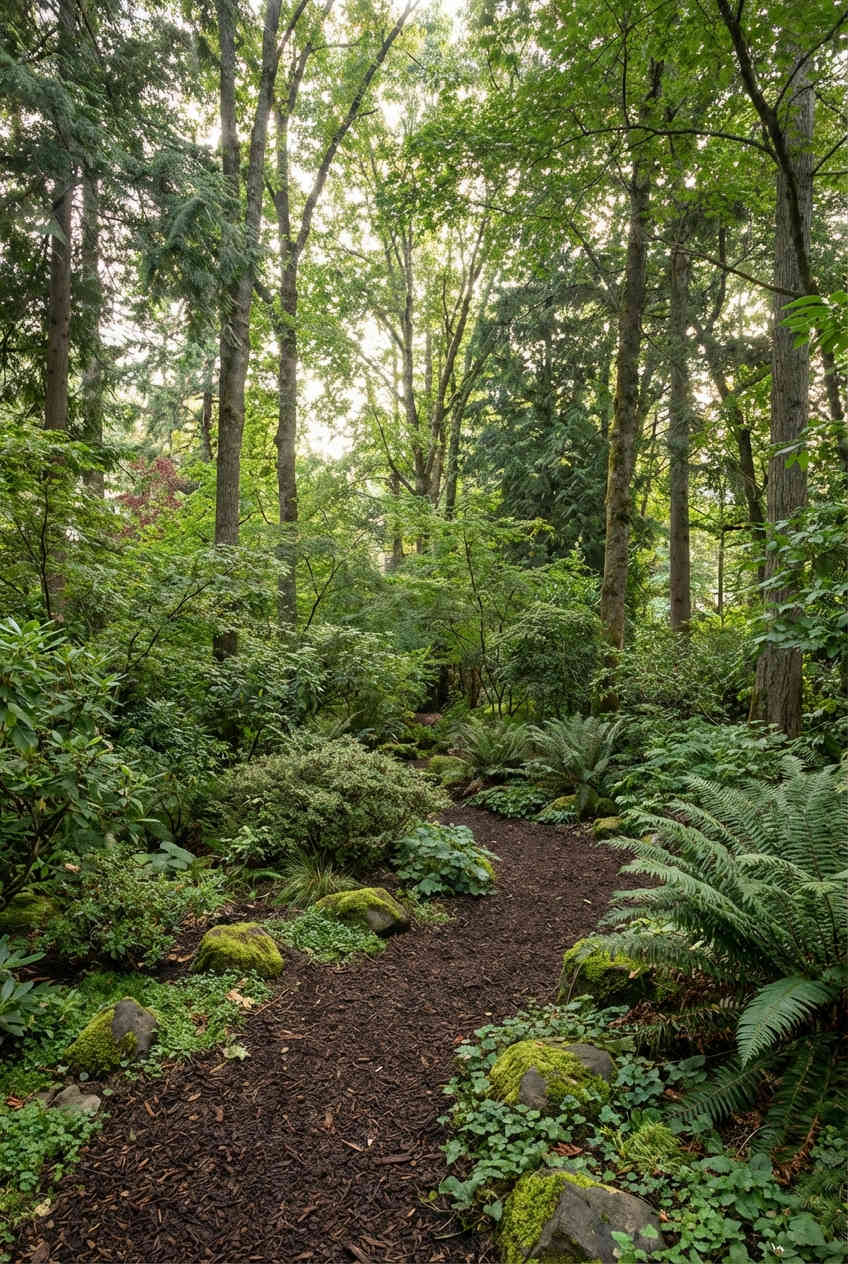
For those with a slightly larger outdoor space, even a modest backyard can be transformed into a secret, captivating micro-forest. This goes beyond simple landscaping, intending to mimic the natural density and layered beauty of a woodland edge. Think small deciduous trees underplanted with shrubs, ferns, and native groundcovers, creating a sense of depth, enclosure, and wildness. It’s an invitation to bring wildlife closer to home, offering nesting spots for birds and a genuine sense of connection to nature, a truly immersive outdoor experience that feels untouched. This design philosophy champions biodiverse beauty.
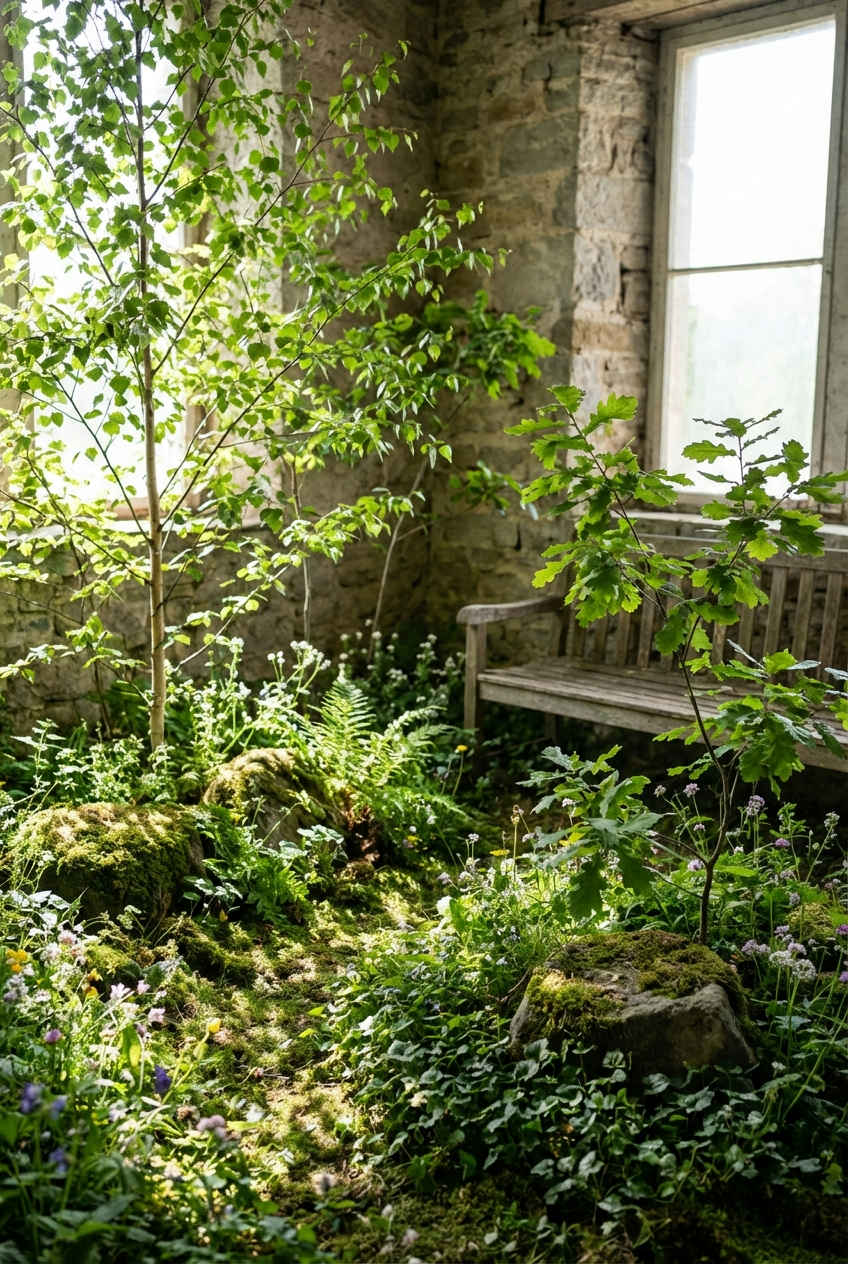
Where it works best? This concept thrives in yards that can accommodate varying plant sizes and where you desire a strong sense of privacy and natural beauty. It’s particularly effective in breaking up large, open lawns or creating a visual barrier from neighbors. Consider plants native to your region to ensure they flourish and support local ecosystems. A small bench tucked away within the foliage will provide a perfect spot for quiet reflection, truly enhancing the experience of being in your very own private nature reserve. It is a commitment to ecological beauty and peace.
5. The Bathroom Serenity Zone
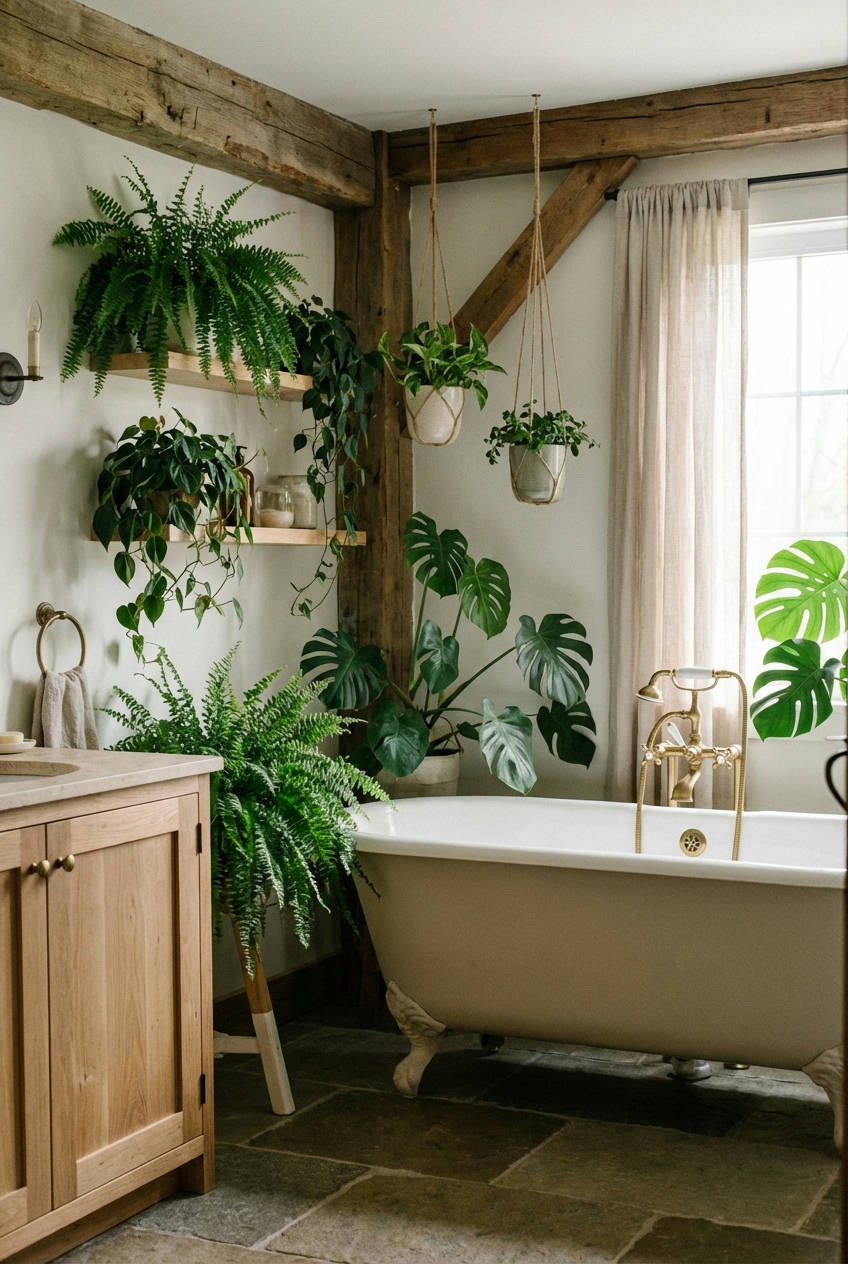
Transforming your bathroom into a personal sanctuary often means embracing the concept of a “soft” secret garden. This isn’t about massive plants, but strategically placed greenery and natural elements that evoke calm. Think moisture-loving plants like ferns and orchids on shelves or cascading from hanging planters. Coupled with soft, natural textures like bamboo bath mats, linen towels, and perhaps ambient lighting, the bathroom becomes a restorative spa-like environment. It’s a deliberate design choice that turns a functional space into one of rejuvenation, a hidden oasis designed for quiet moments. Every detail contributes to its tranquil purpose.
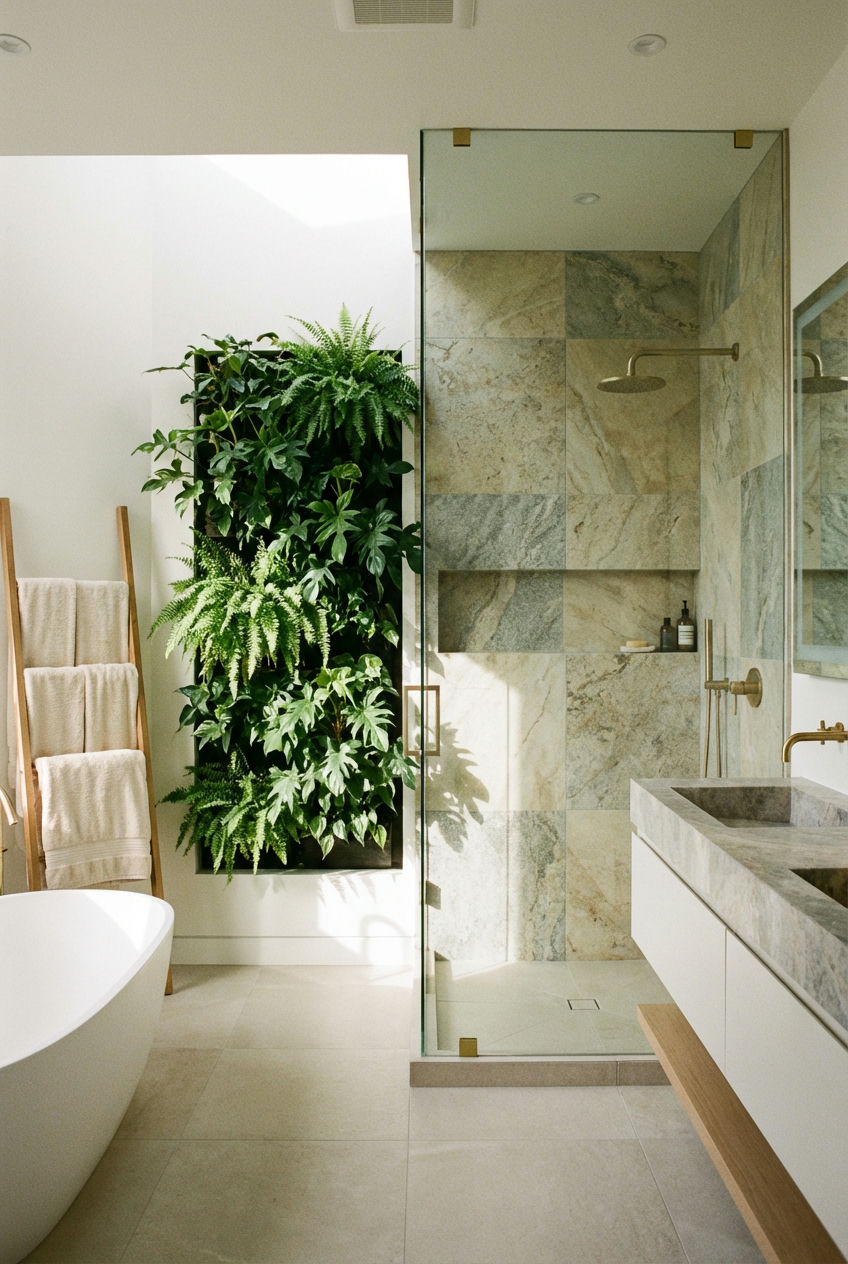
Micro anecdote: My friend Sarah wanted to make her small city apartment bathroom feel less utilitarian. She added a few hanging eucalyptus branches, a small waterproof speaker for nature sounds, and suddenly, her evening bath became her favorite ritual, a truly delightful escape. This simple addition completely transformed her perspective. This transformation was inexpensive and extremely impactful, demonstrating that even subtle changes can make a big difference in creating a more engaging and calming space. Small touches sometimes have the most profound effects.
6. Balcony Sanctuary
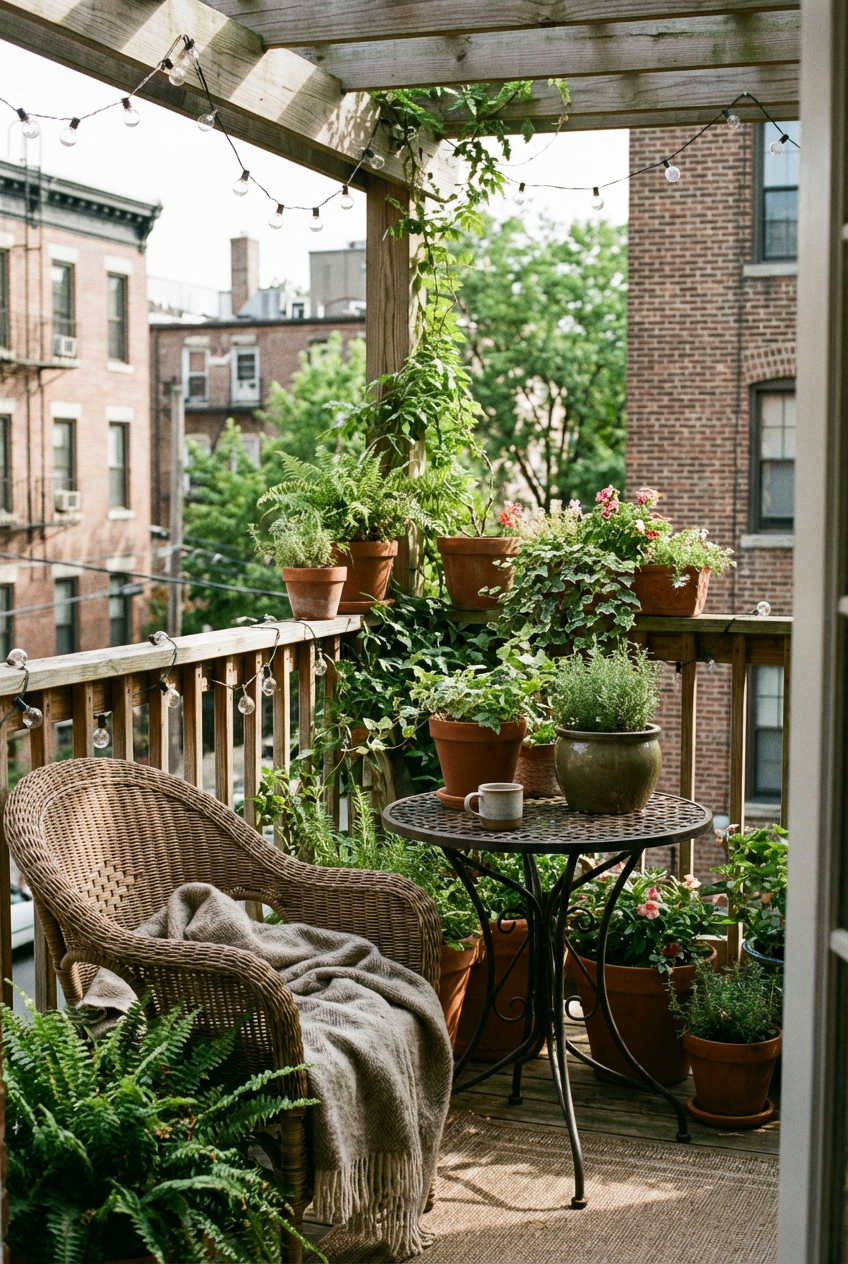
Even the smallest balcony can become a private, enchanting secret garden with thoughtful design. The key is to maximize vertical space and select plants that thrive in containers. Consider tall, slender evergreens for natural privacy screens, intertwined with climbing vines on trellises. Add comfortable seating with weather-resistant cushions, soft outdoor lighting, and perhaps a small tabletop water feature for ambient sound. This transformation turns a sometimes overlooked outdoor space into a cherished retreat, a place where you can enjoy fresh air and greenery, feeling completely at peace and secluded from the world below.
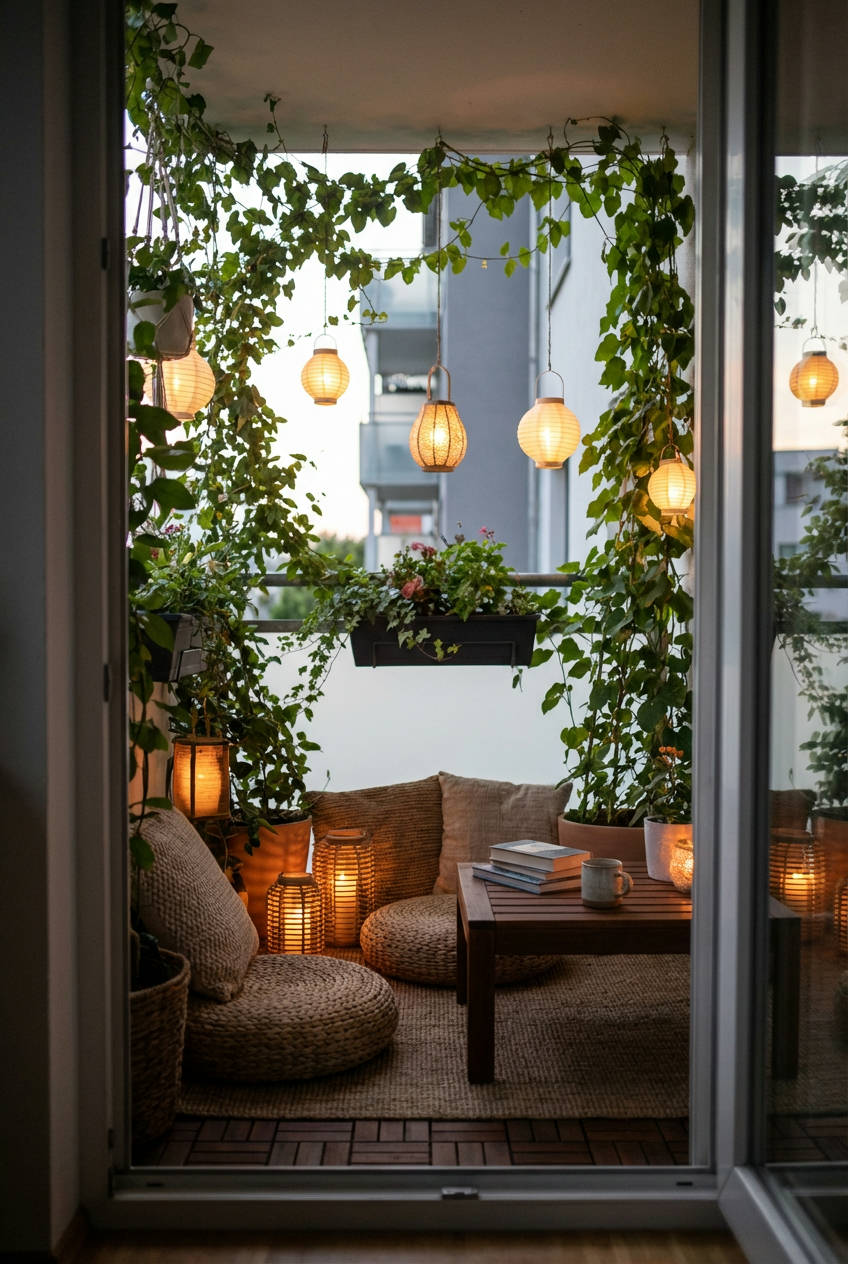
One common mistake to avoid with balcony gardens is over-cramming the space, which can make it feel cluttered rather than serene. Instead, focus on a few key pieces and choose plants with varying heights and textures to create visual interest without overwhelming the area. Also, ensure your pots have good drainage to prevent root rot. This simple step can save you a lot of heartache. It’s better to have a few thriving plants than many struggling ones. Remember, less can often be more when creating a tranquil, inviting outdoor retreat.
7. The Conservatory Corner
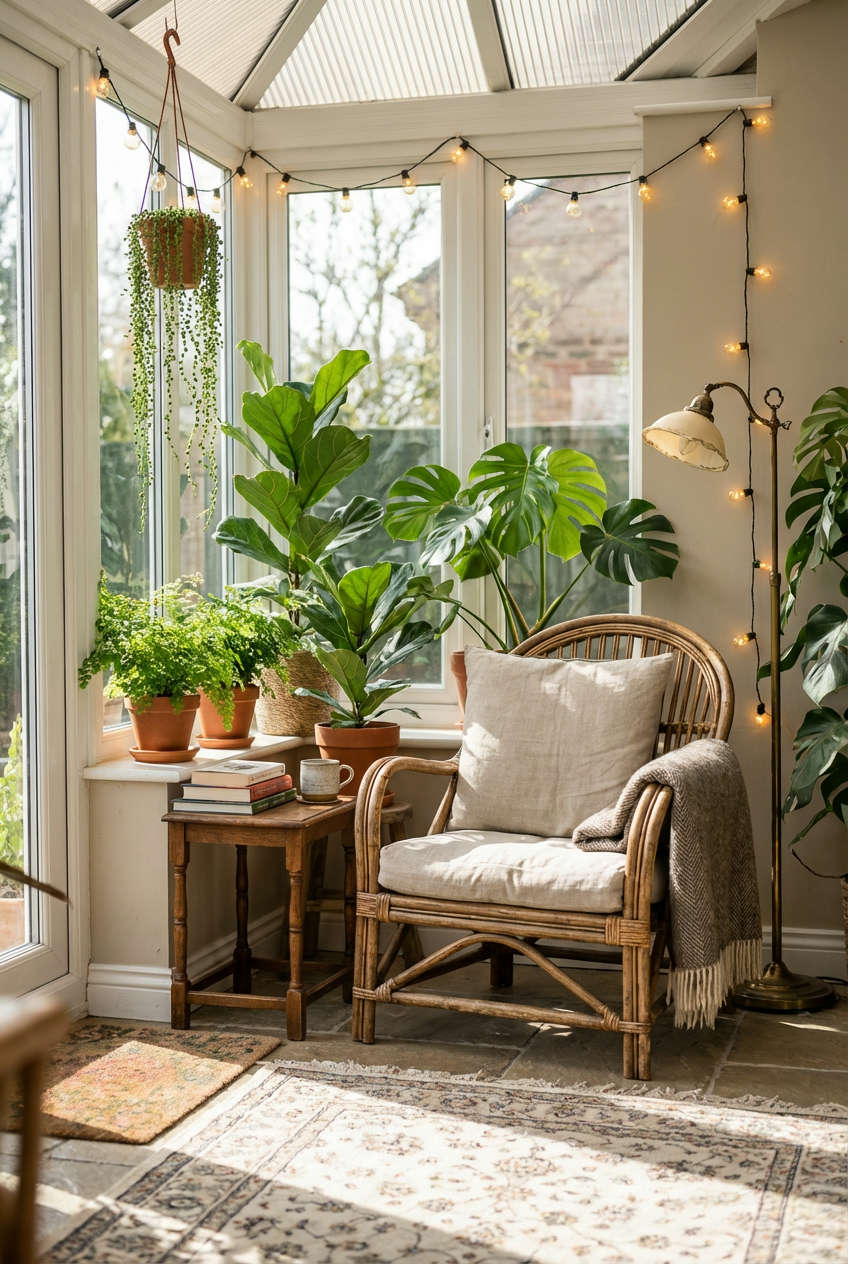
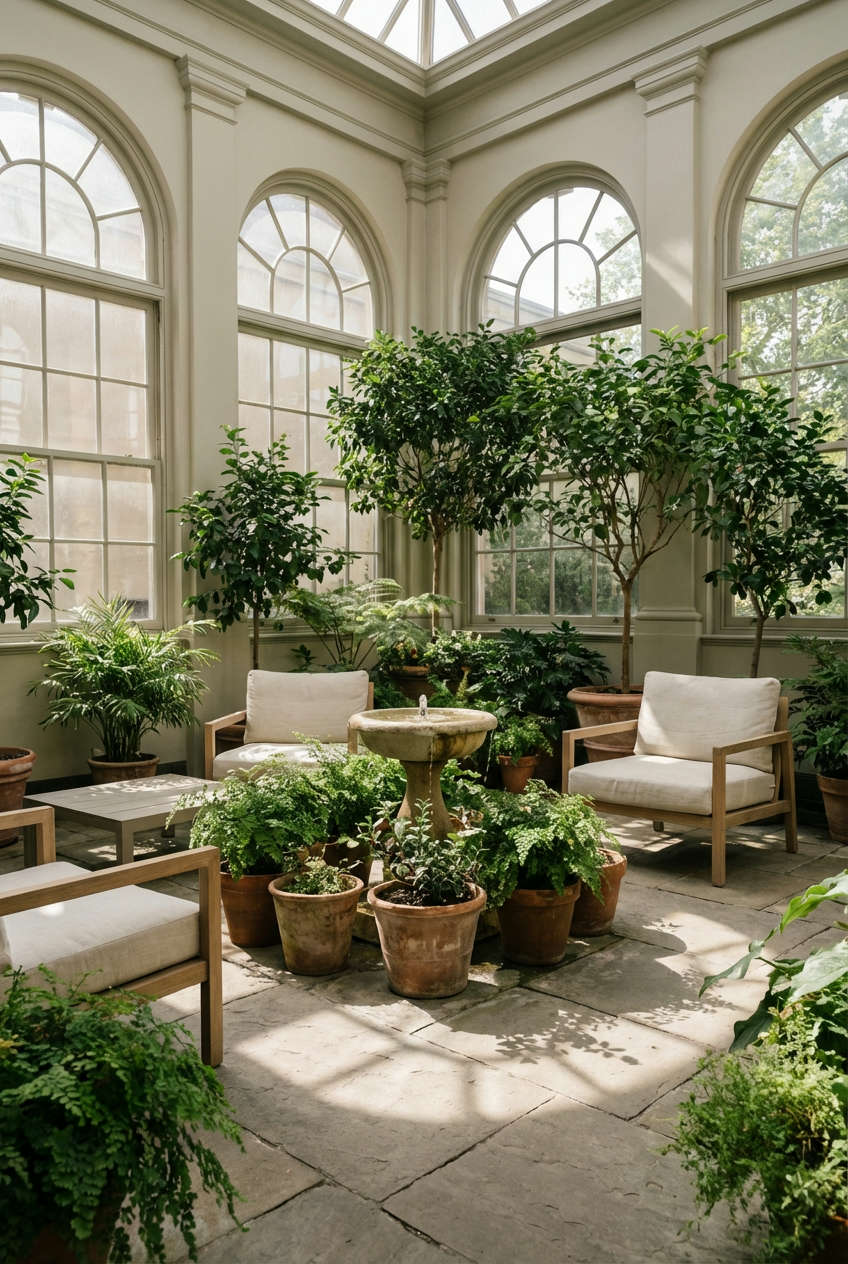
If you’re fortunate enough to have a conservatory or even a sunroom, transforming a corner into a designated “conservatory core” can be a fantastic way to embrace the secret garden aesthetic for 2026. This involves grouping larger, statement plants like fiddle-leaf figs, bird of paradise, or mature olive trees with smaller, delicate varieties. Integrate comfortable, weather-resistant furniture, perhaps a wicker lounge chair or a small daybed, and soft textiles to create an inviting reading nook. It becomes an indoor-outdoor transitional space that feels utterly enchanting, a glass-enclosed haven bathed in natural light. This arrangement creates a constant connection to nature.
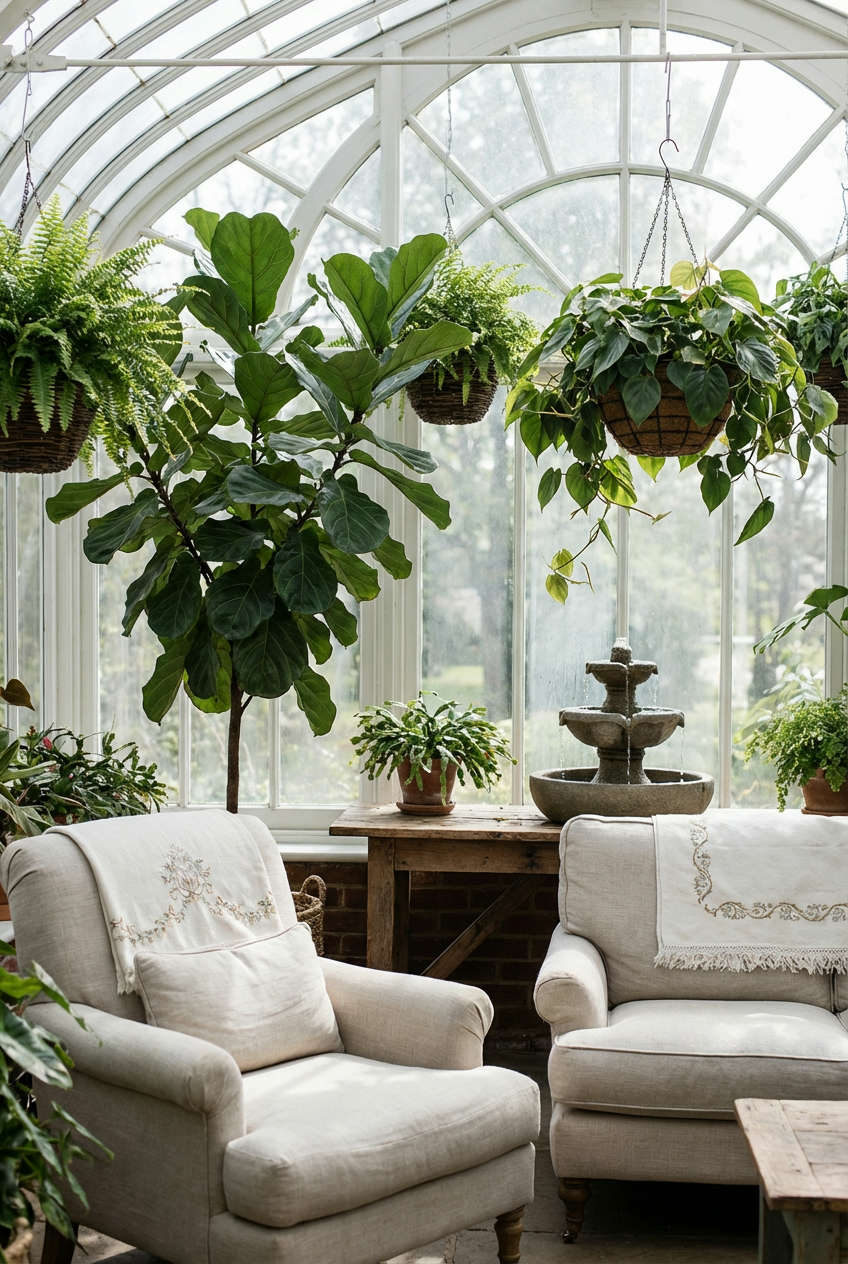
Real homeowner behavior shows that these spaces often become the most used rooms in the house, especially during cooler months when outdoor gardening is not feasible. Homeowners gravitate towards natural light and greenery. People genuinely seek out places where they can feel connected to the outside world without battling the elements. It’s where they’ll read, enjoy coffee, or simply watch the rain, feeling sheltered yet immersed in the changing seasons. The investment in plants and suitable furniture quickly pays off in daily enjoyment and increased well-being, fostering a peaceful lifestyle.
8. The Enchanted Entryway
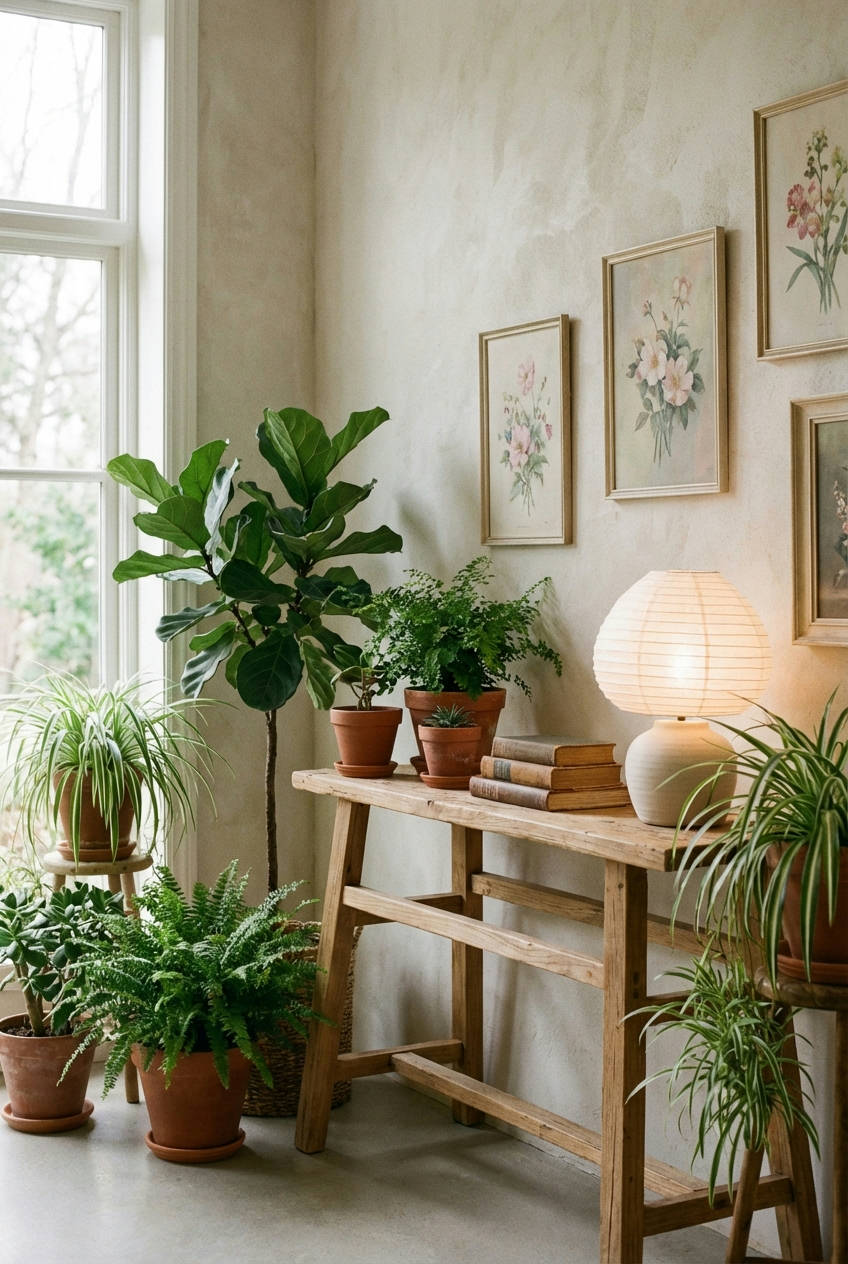
Your home’s entryway can be so much more than just a place to kick off shoes; it can be the first hint of a larger secret garden theme unfolding within your abode. Think about establishing a small, welcoming tableau that features a mix of potted plants, perhaps a fragrant jasmine or a structured olive tree, alongside artisanal pottery or a small, antique bench. The goal is to create an immediate sense of wonder and warmth, a subtle nod to the natural beauty that awaits further inside, making the transition from the outside world feel truly special and inviting. It’s about setting a mood from the moment you step in.
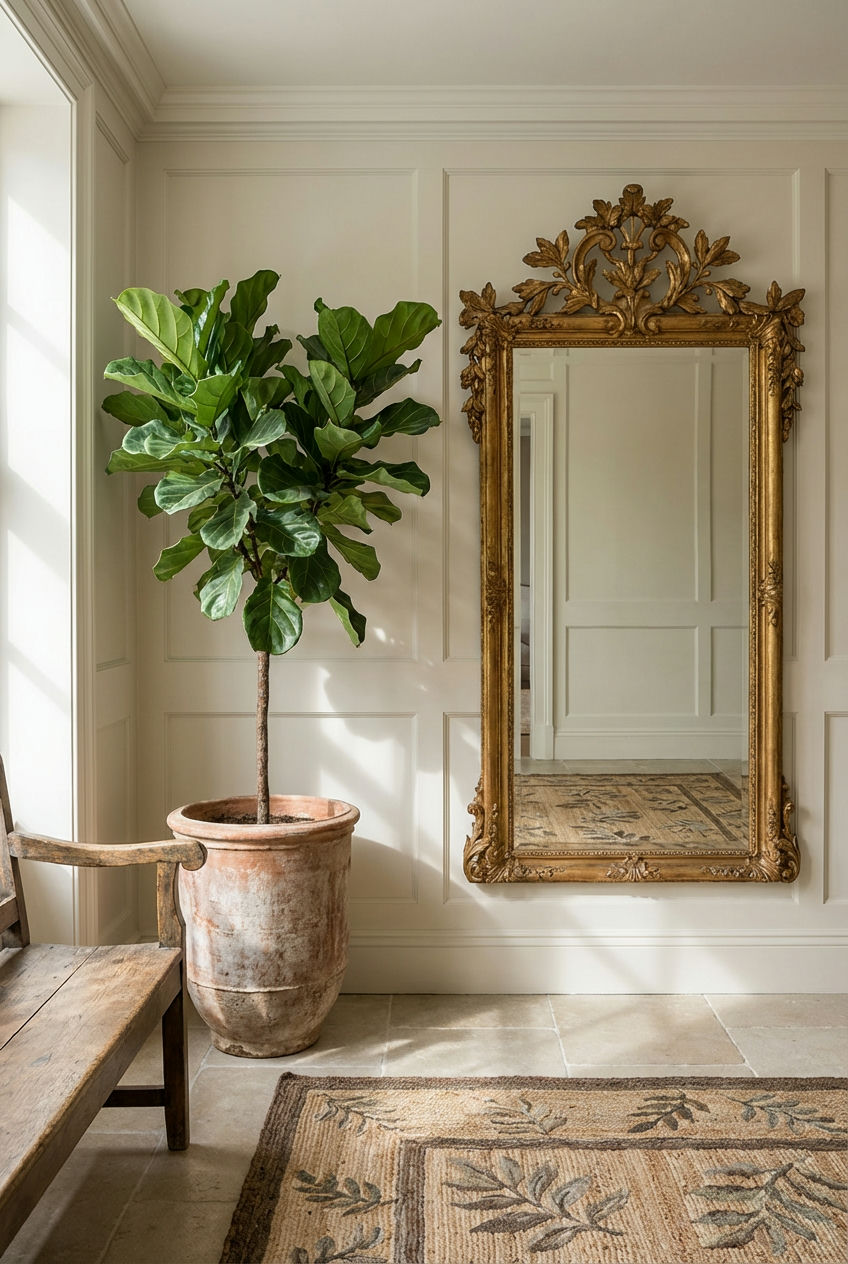
For those living in tighter urban spaces in America, an entryway can often feel cramped and utilitarian. This approach is a budget-friendly way to introduce biophilic design without needing extensive renovations. A few well-chosen plants and thoughtfully placed accessories can transform the mood. Look for plants that can tolerate lower light levels if your entryway doesn’t get much sun. A good quality entry rug can also define the space and add texture. It’s about making a strong first impression that whispers natural elegance, a delightful prelude to the rest of your home’s character. This small investment brings significant aesthetic returns.
9. Under-Stair Wonderland
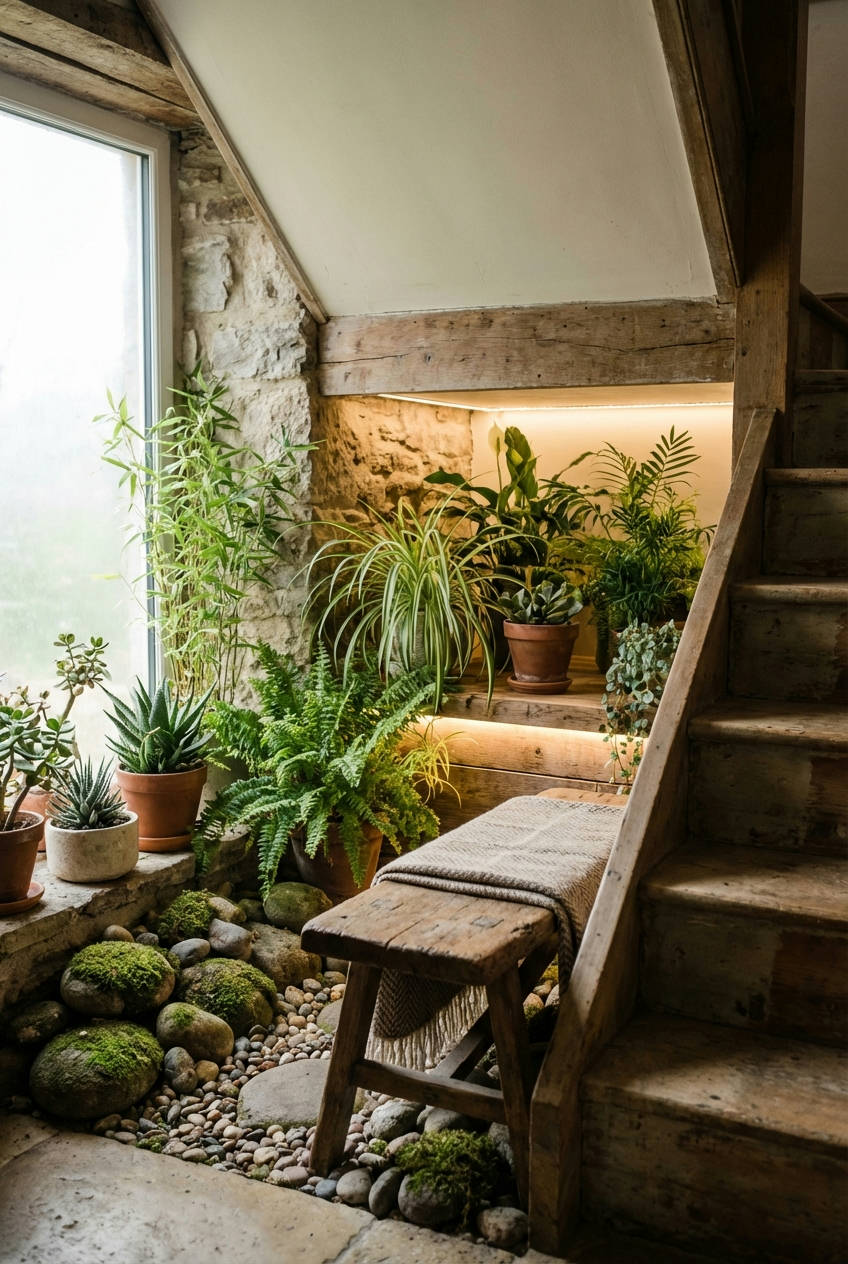
The often-overlooked space beneath a staircase presents a fantastic opportunity to craft a truly unique and intimate secret garden experience. Far from being a storage dumping ground, this nook can be transformed into a miniature landscape. Think about mossy stones, small ferns, creeping groundcovers, and perhaps a small, enclosed terrarium with exotic mosses and miniature plants. Lighting is key here: subtle up-lights can highlight textures and create dramatic shadows, turning this forgotten corner into an enchanting focal point and a conversation starter, making it feel whimsical and magical. It’s an unexpected burst of green in an architectural space.
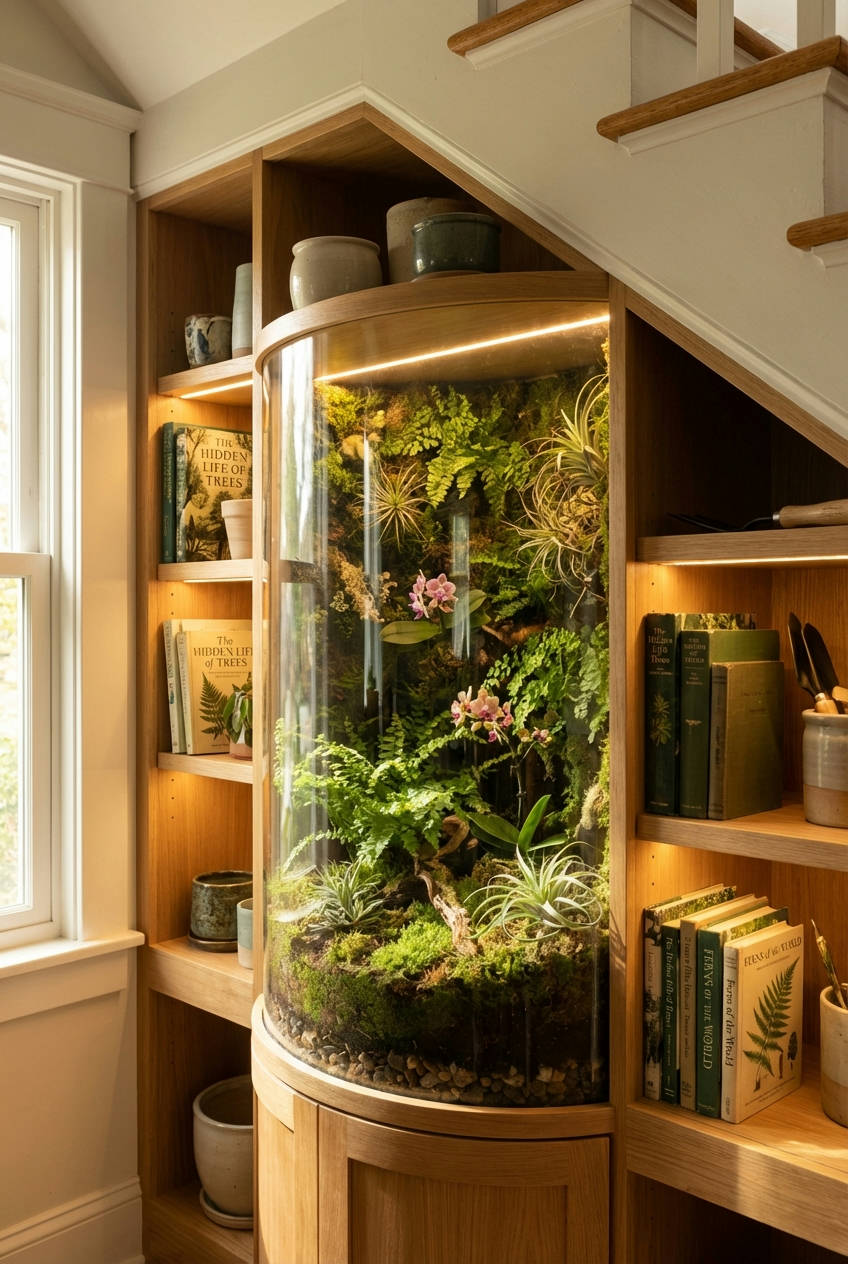
An expert-style commentary on this topic often emphasizes the strategic use of verticality and different plant heights to create depth. Because this space can be enclosed, humidity-loving plants and indirect lighting setups are ideal. Think about the microclimate you’re forming. Consider installing a small, self-contained water feature for gentle auditory ambiance. This approach utilizes often dead space, bringing unexpected life and beauty into the heart of your home, making it a unique feature that reflects advanced landscaping principles. It’s an artful blend of design and botany that elevates the entire dwelling.
10. Bedroom Biophilic Retreat
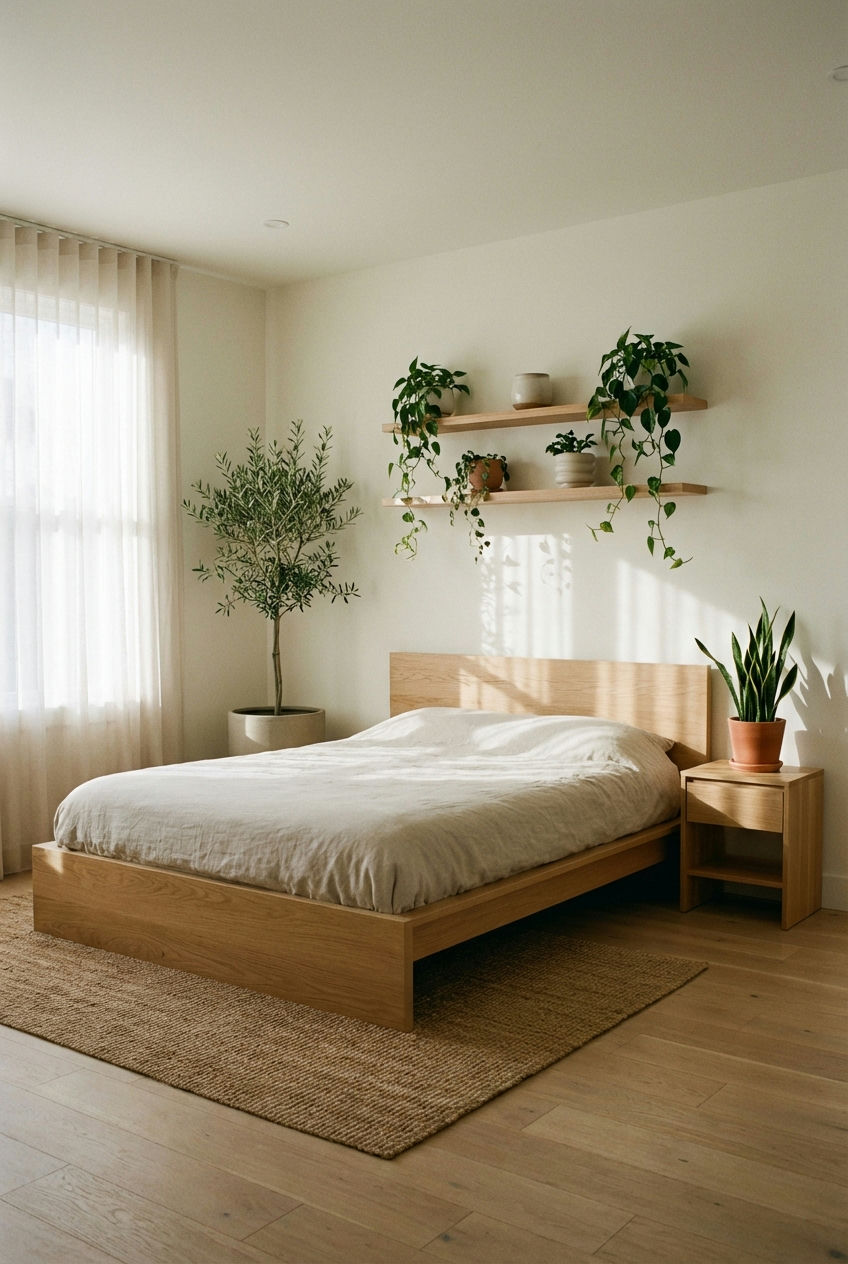
Your bedroom should be a sanctuary, and the inclusion of natural elements can transform it into a calming, biophilic secret garden. This isn’t about clutter; it’s about thoughtful placement of plants that enhance air quality and aesthetics. Imagine a sleek floating shelf above your bed with cascading pothos, or a tall, elegant snake plant by the window. Soft, natural bedding in organic cotton or linen, earthy tones on the walls, and perhaps a gentle scent diffuser with essential oils like lavender or cedarwood contribute to this serene atmosphere. It’s about creating a space conducive to rest and rejuvenation every single night.
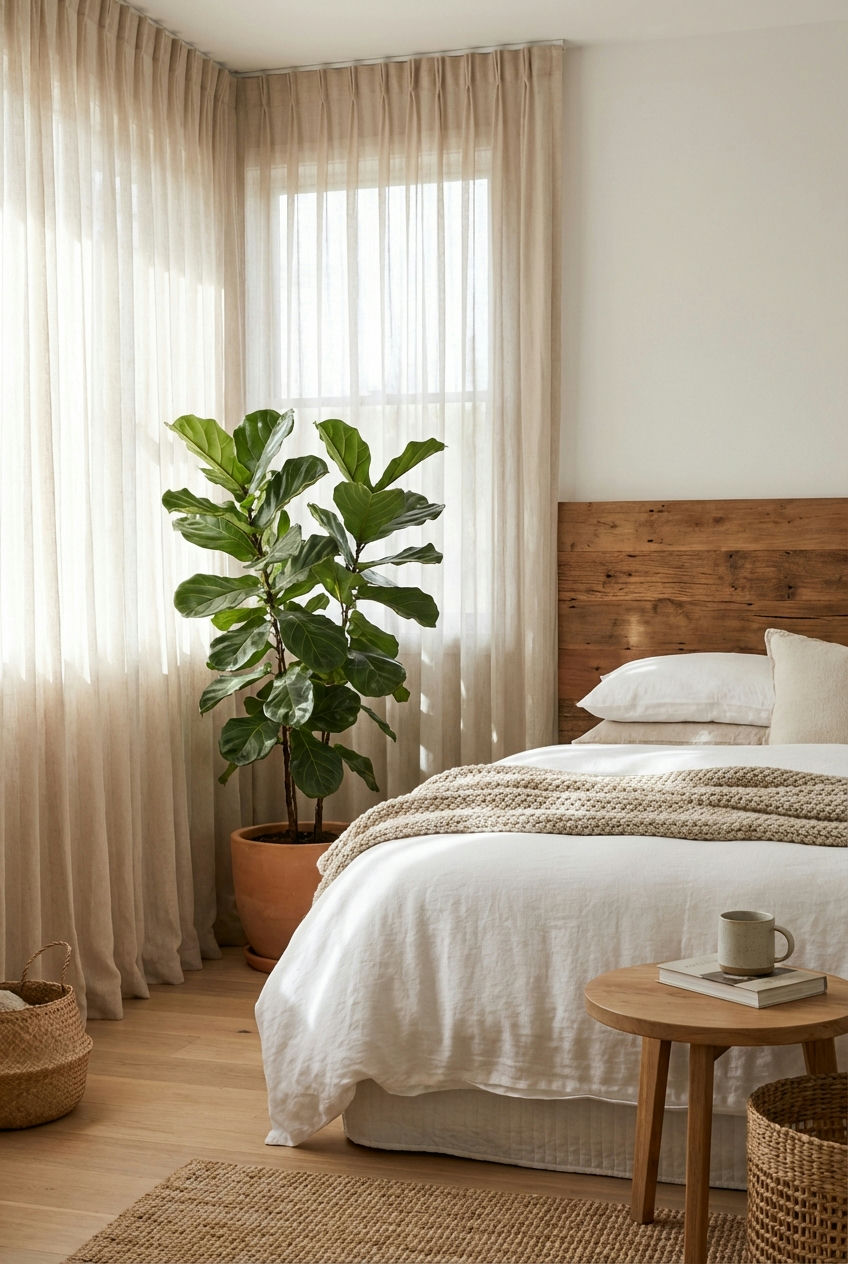
Practical insight here: choose plants known for their air-purifying qualities, such as snake plants, ZZ plants, or peace lilies, which also tolerate lower light and are low-maintenance. This is especially important for American homeowners looking for easy-care solutions that improve their indoor air quality. Avoid overly fragrant plants in the bedroom, as they can interfere with sleep. The goal is subtle, understated nature that promotes tranquility, not an overpowering botanical exhibit. A simple plant can change the entire mood of a space, making it feel more alive and peaceful, contributing to overall well-being.
11. Living Wall Art Installation
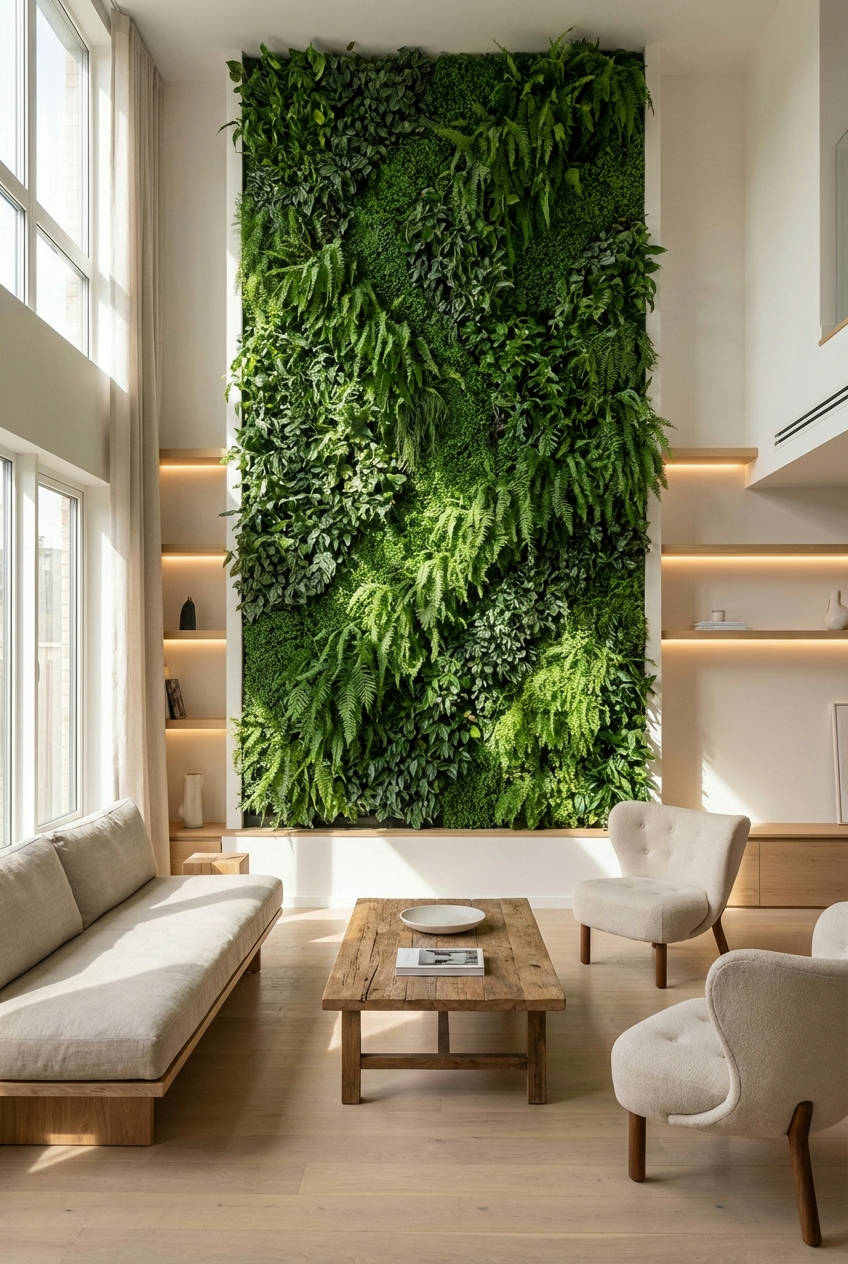
For a truly modern take on the secret garden, consider a living wall art installation. This dynamic feature transforms an entire wall, or a significant portion of it, into a vertical tapestry of thriving plants. Using modular panels or specialized irrigation systems, you can create breathtaking botanical displays, from lush mixes of ferns and mosses to vibrant floral patterns. It’s a statement piece that breathes life into a room, literally, improving air quality and boosting mood. This unexpected burst of greenery serves as an artistic focal point, blending nature and contemporary design seamlessly, a truly captivating secret. It’s a bold and innovative expression of biophilia.
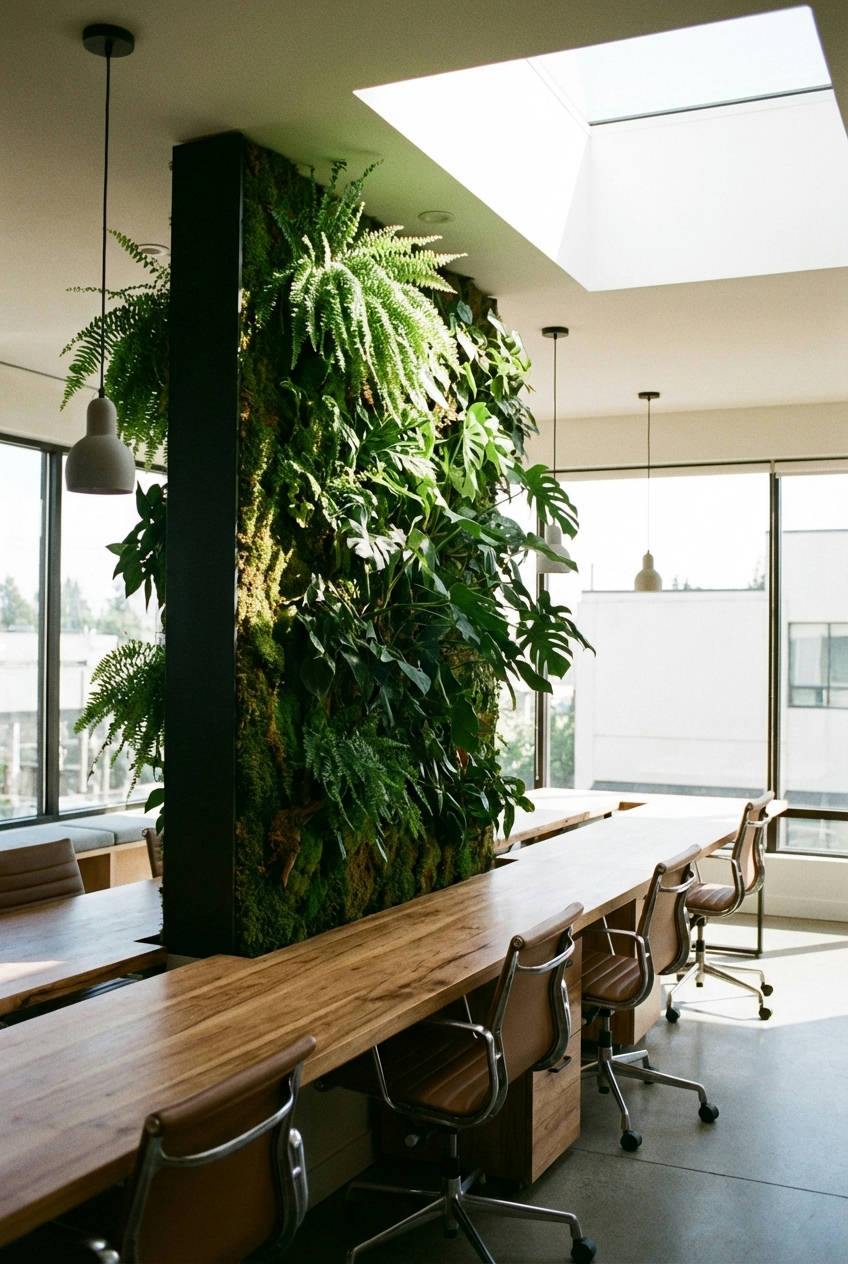
This design choice can have a higher initial cost due to specialized irrigation and plant selection, placing it on the mid to high end of the budget spectrum. However, the long-term benefits in terms of aesthetics, air quality, and the sheer joy of living with bespoke nature often outweigh the expense. Think of it as a living, evolving piece of art that continually enriches your environment. It’s an investment in both home value and personal well-being. Maintenance, while not insignificant, becomes part of enjoying this unique feature, much like tending to any prized artwork.
12. Window Box Wonders
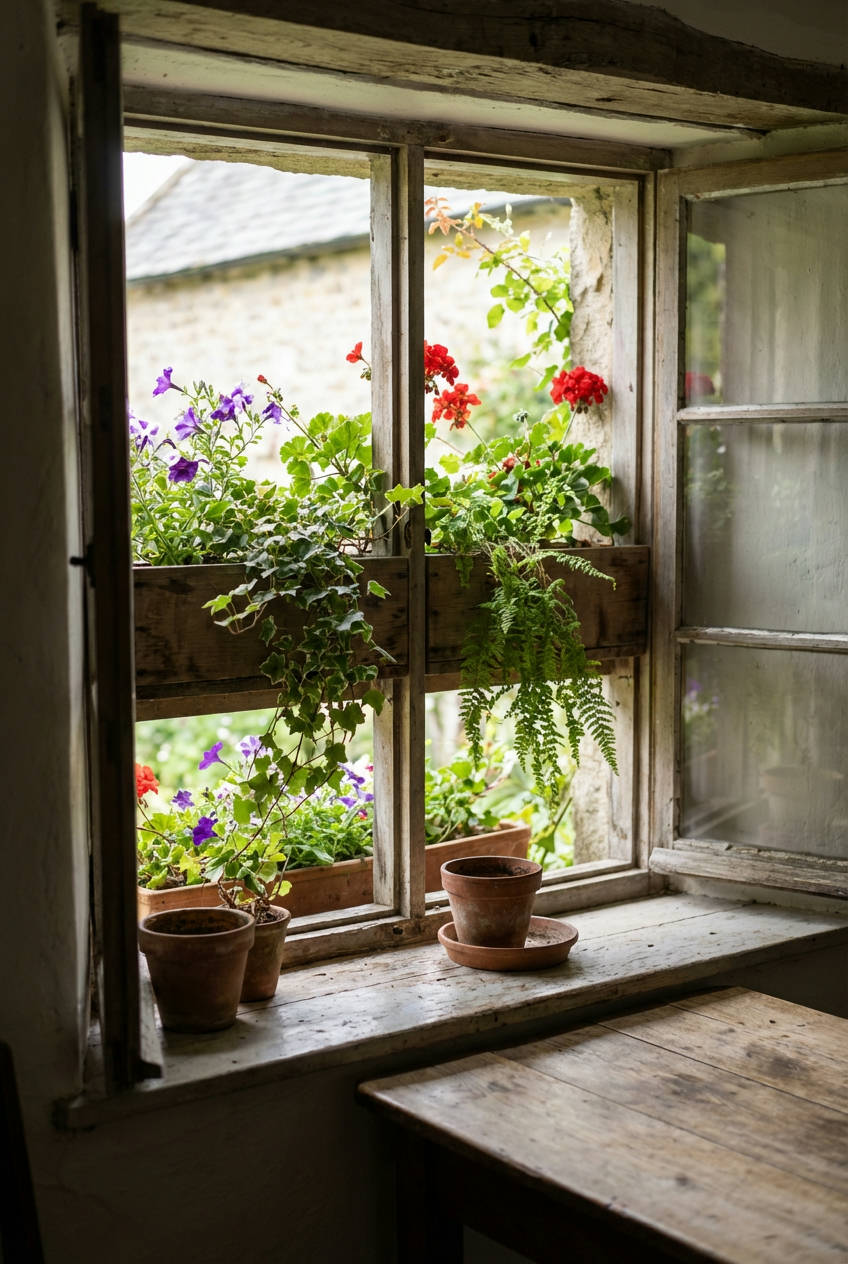
Even without a traditional garden, you can cultivate a small, charming secret space right outside your windows with thoughtfully designed window boxes. These aren’t just for curb appeal; they’re miniature ecosystems that bring nature’s beauty directly to your line of sight. Fill them with flowering annuals that provide splashes of color, trailing ivy for softness, or even compact herbs for kitchen access. The view from inside becomes infinitely more engaging, creating a perpetual sense of connection to the outdoors, no matter your living situation. This is especially impactful for apartment dwellers seeking a green touch. They transform mundane panes into vibrant vignettes.
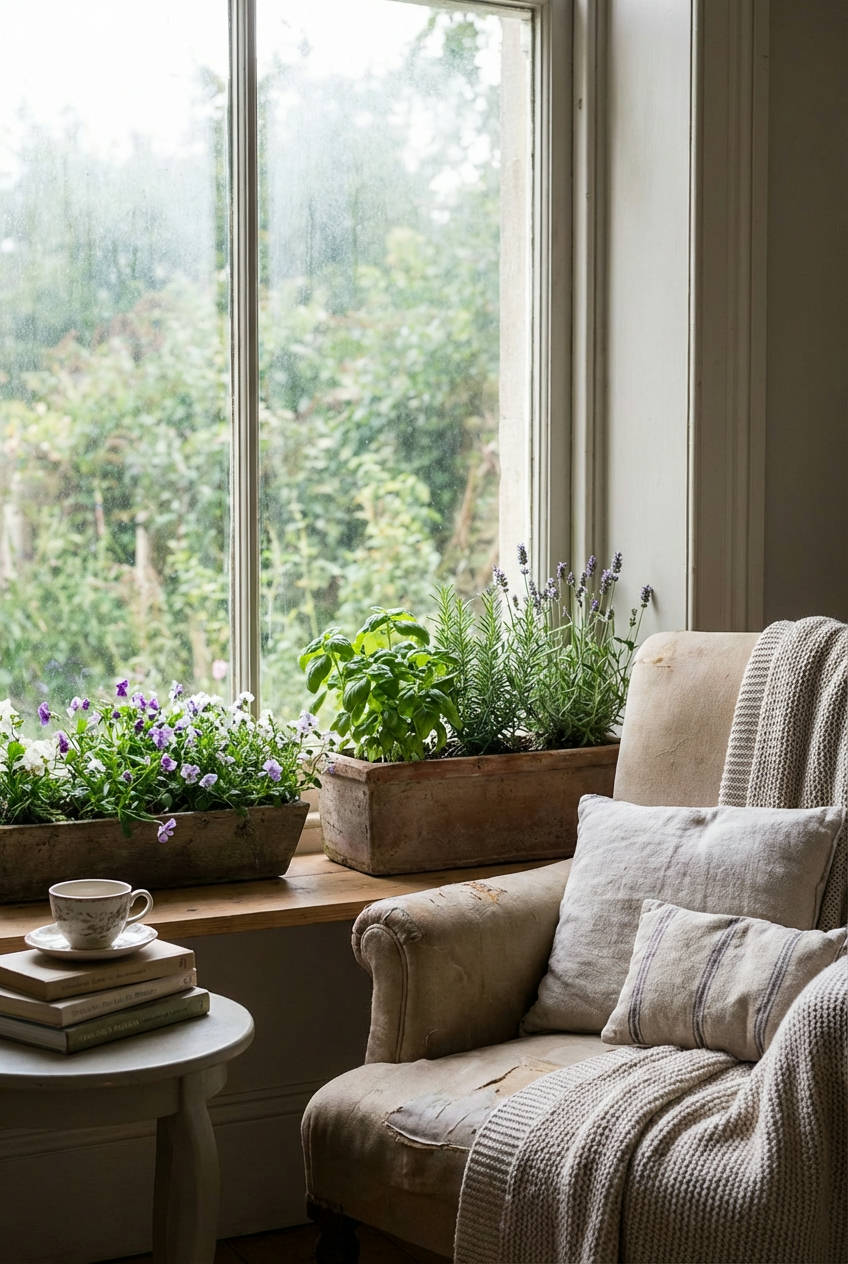
My neighbor, Mrs. Henderson, meticulously tends to her window boxes, always changing out the flowers with the seasons. She once told me it’s her way of having a garden, even in her small brownstone. The joy it brings her, and the delight it brings passersby, is palpable. This small act of gardening creates a ripple of beauty. Choosing plants that perform well in your climate and light conditions is crucial. Good drainage and regular watering are key to keeping them flourishing and providing a continuous display of natural wonder. Her consistent dedication results in eye-catching beauty.
13. The Courtyard Oasis
For homes with an interior courtyard, transforming it into a meditative oasis is an exceptional way to integrate a true secret garden. This enclosed space offers unparalleled privacy and a microclimate conducive to a variety of plants. Consider a central water feature – a simple fountain or a tranquil pond – surrounded by lush, architectural plants like bamboo or Japanese maples. Comfortable outdoor seating, perhaps a low lounge or floor cushions, invites contemplation. The surrounding walls can be adorned with climbing vines or vertical gardens, creating a profound sense of enclosure and serene escape, a true hidden gem. It becomes the peaceful heart of the home.
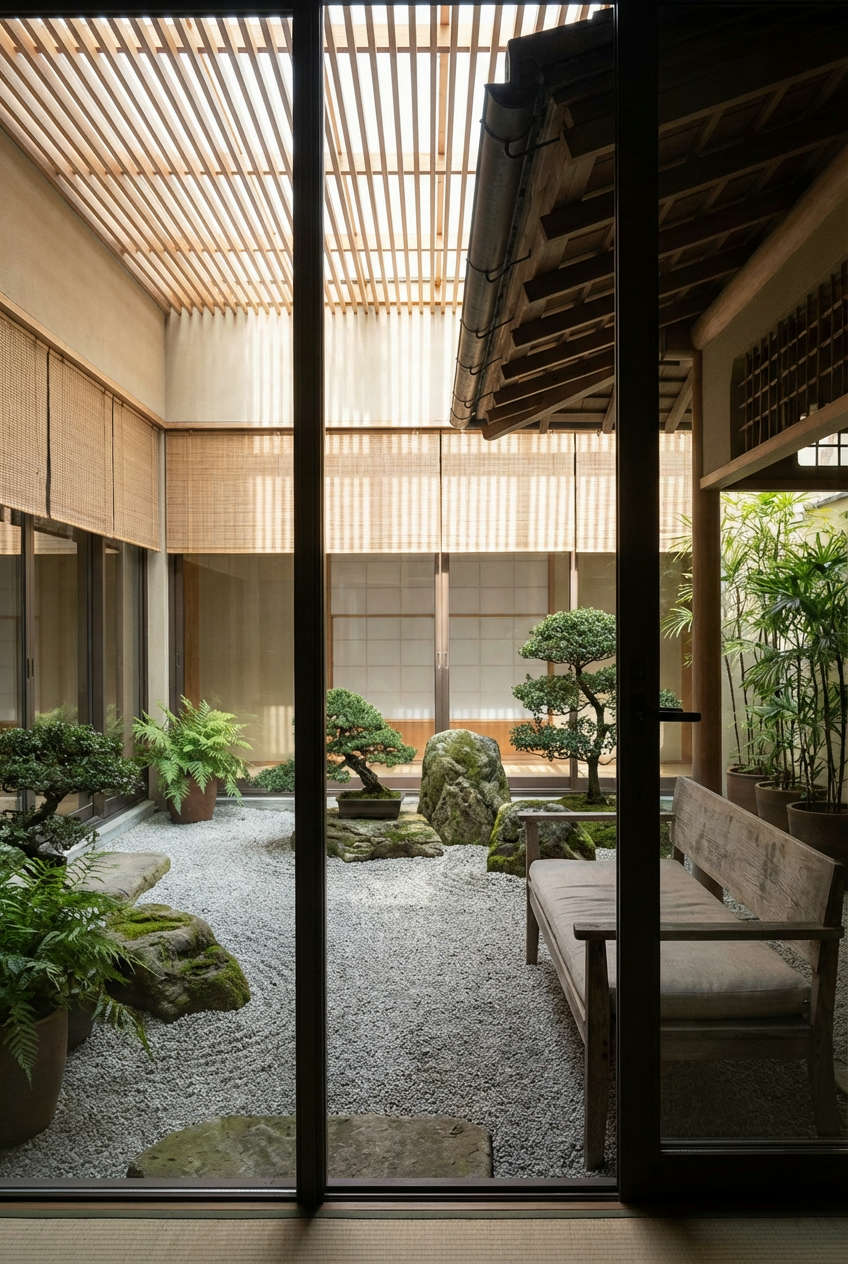
Where it works best? This concept is ideal for homes with existing courtyards, common in Southwestern American architecture or older European-influenced designs. It excels in providing an outdoor experience that is sheltered from wind and noise, making it perfect for quiet relaxation or intimate gatherings. Designing for year-round appeal, if possible, extends its enjoyability. Consider drought-tolerant plants or native species in regions with water restrictions to maintain its beauty responsibly. It integrates nature into the home’s core, enhancing both visual appeal and daily living. This space transforms into a private world, a truly personal retreat.
14. The Deskscape Haven
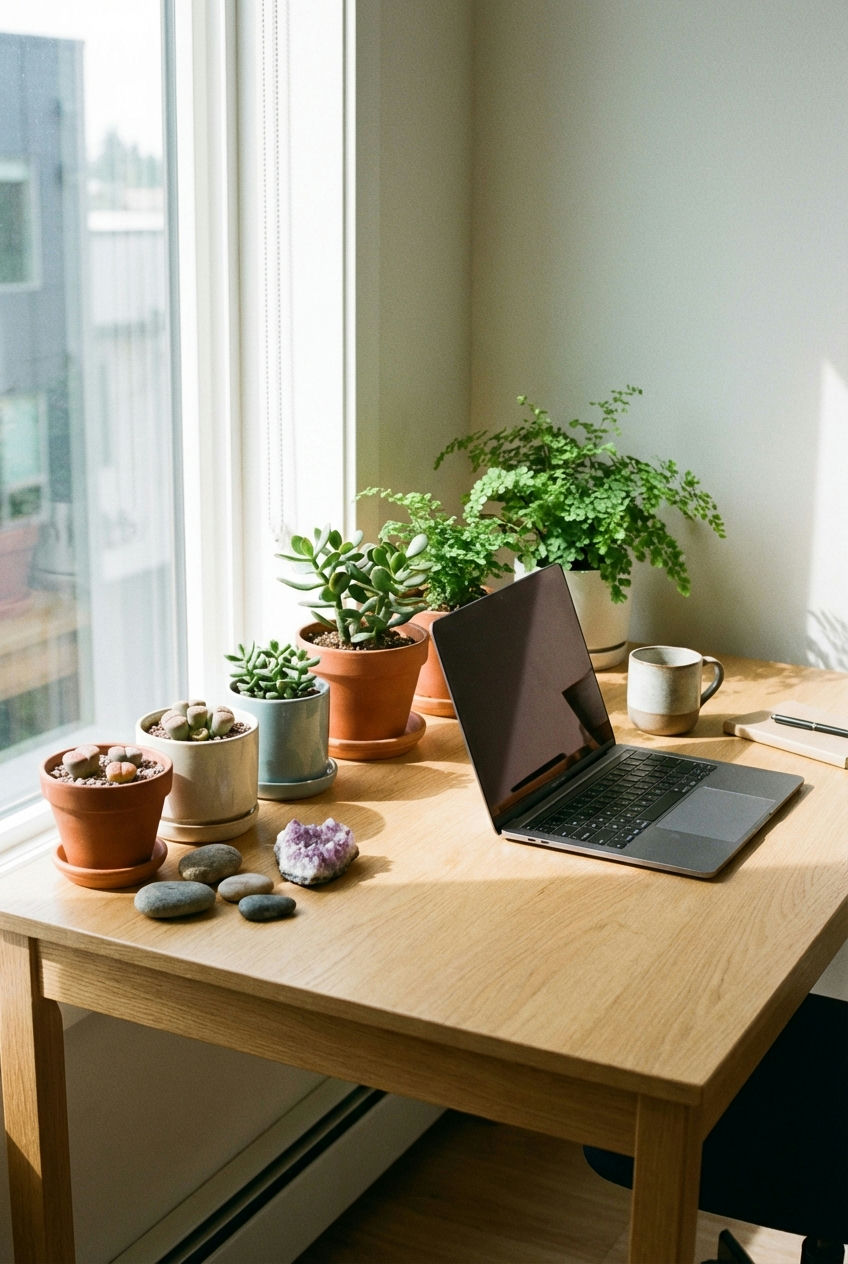
Your workspace, whether a dedicated home office or a kitchen counter nook, can greatly benefit from a micro secret garden element. This isn’t about sprawling foliage, but carefully curated desk plants that bring calm and focus. Think small succulents, an elegant orchid, or a compact fern arranged alongside natural materials like smooth river stones, a wooden pen holder, or a small essential oil diffuser. This deskscape becomes a personal, refreshing haven, a subtle reminder of nature’s tranquility amidst deadlines and emails. It’s a small detail that makes a big impact on daily productivity and mental well-being, a truly intentional design. It enhances focus and creativity.
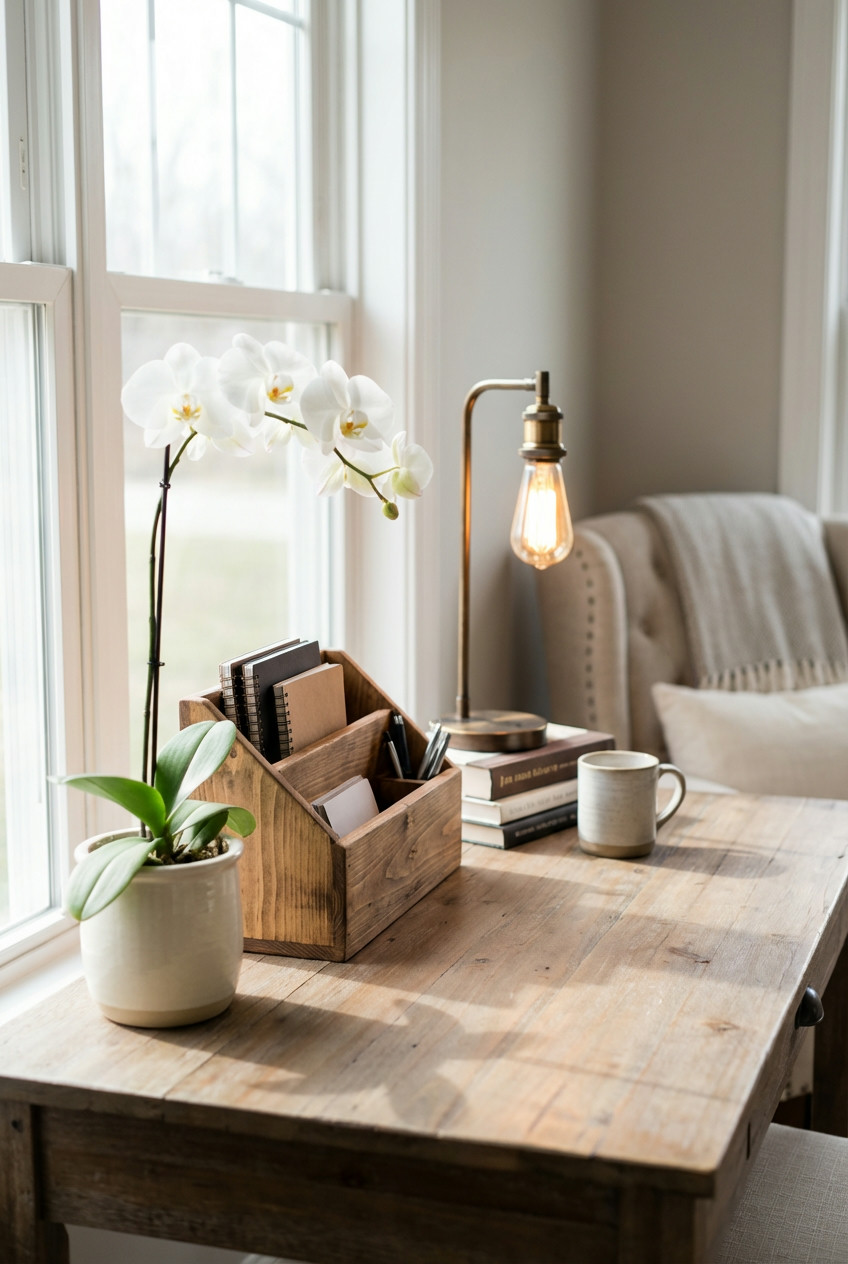
One common mistake people make is choosing plants that are too large or require too much maintenance for a desk environment. Opt for low-light tolerant and slow-growing varieties that won’t quickly outgrow their space or demand constant attention. Spider plants, Pothos, or even artificial but realistic-looking options are fantastic. The idea is to enhance, not distract. This budget-friendly upgrade can dramatically improve your daily experience, making work feel less like a chore and more like a peaceful pursuit, fostering a better work-life balance. Small changes can create significant positive ripples in your daily routine.
15. Garden Shed Conversion
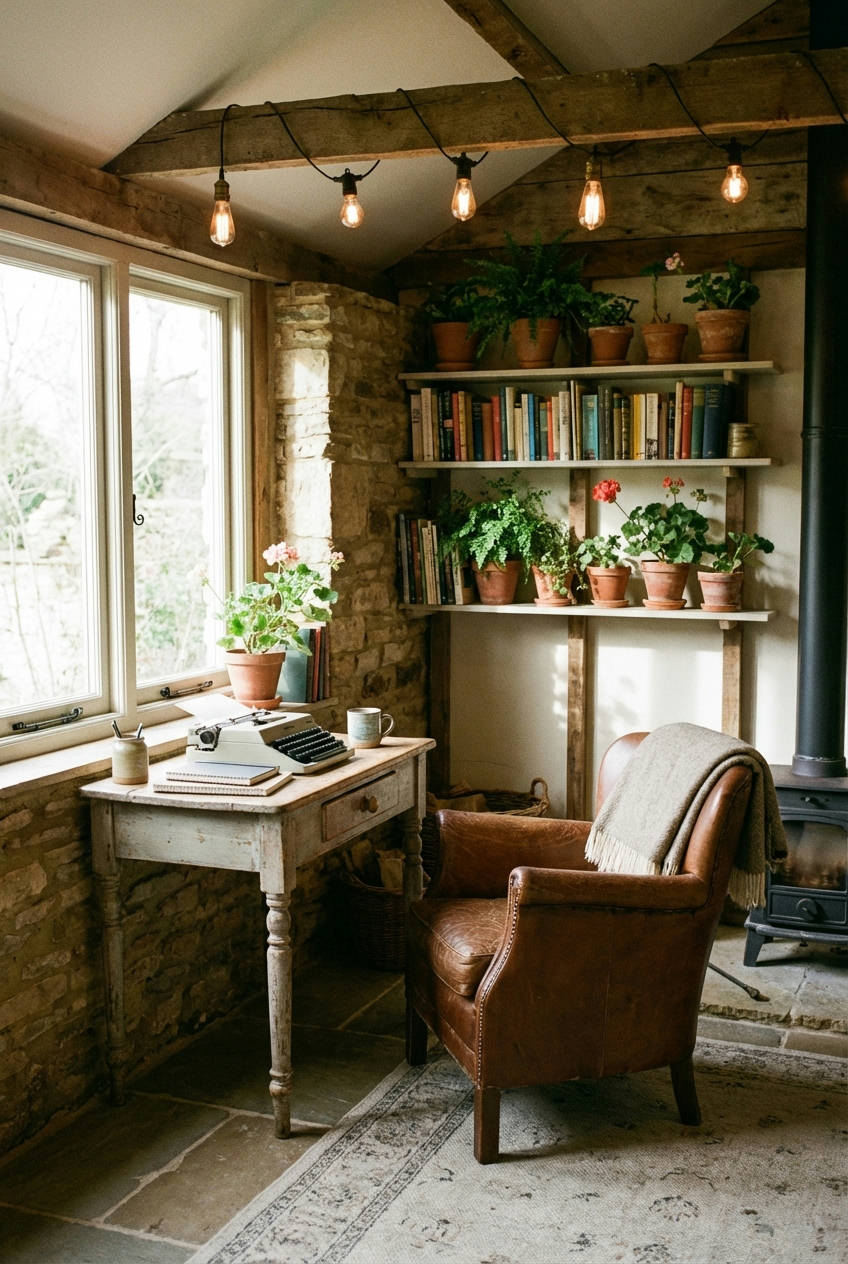
Beyond simply storing tools, an old garden shed can be transformed into a genuine secret garden hideaway, a tiny cottage of dreams. Imagine painting the exterior in a charming color, installing window boxes, and then outfitting the interior as a cozy reading nook, an artist’s studio, or a meditation space. Add string lights, comfortable seating, and shelves filled with botanical prints or actual potted plants. This conversion creates a dedicated escape from the main house, a personal sanctuary just steps away, brimming with character and a sense of delightful discovery, a truly private world. Its unassuming exterior belies the charm within.
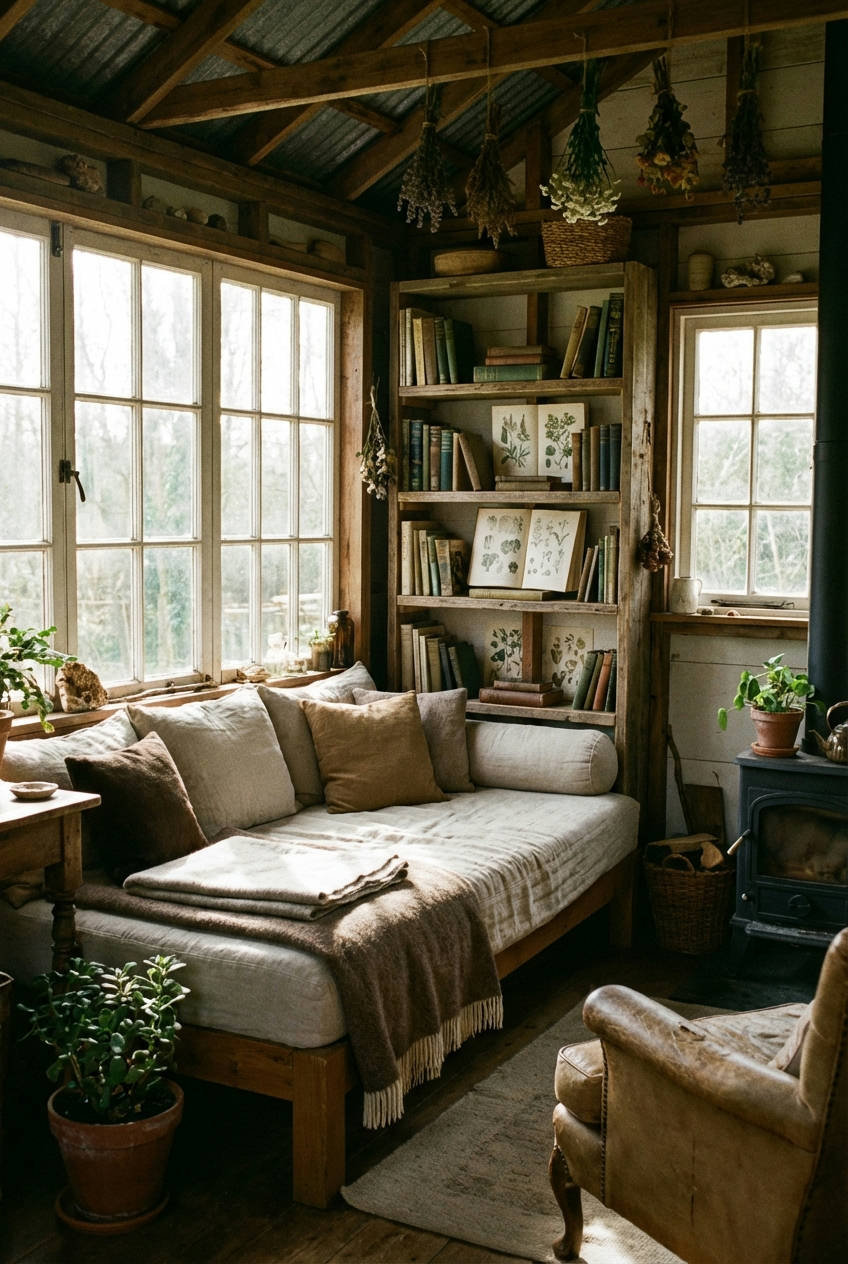
Real homeowner behavior confirms that these “she-sheds” or “man-caves” are increasingly popular. People are seeking ways to carve out personal space without the cost of a full home addition. It provides a distinct departure from the main living areas, fostering a sense of psychological separation. It’s a testament to the American desire for personal space and creative expression. This project typically involves insulation, electrical work (for lighting and outlets), and interior finishing, making it a moderately involved, but incredibly rewarding, DIY endeavor that transforms an underutilized structure into a beloved special spot. It’s an act of reclaiming space for joy and solitude.
16. The Vertical Indoor Vineyard
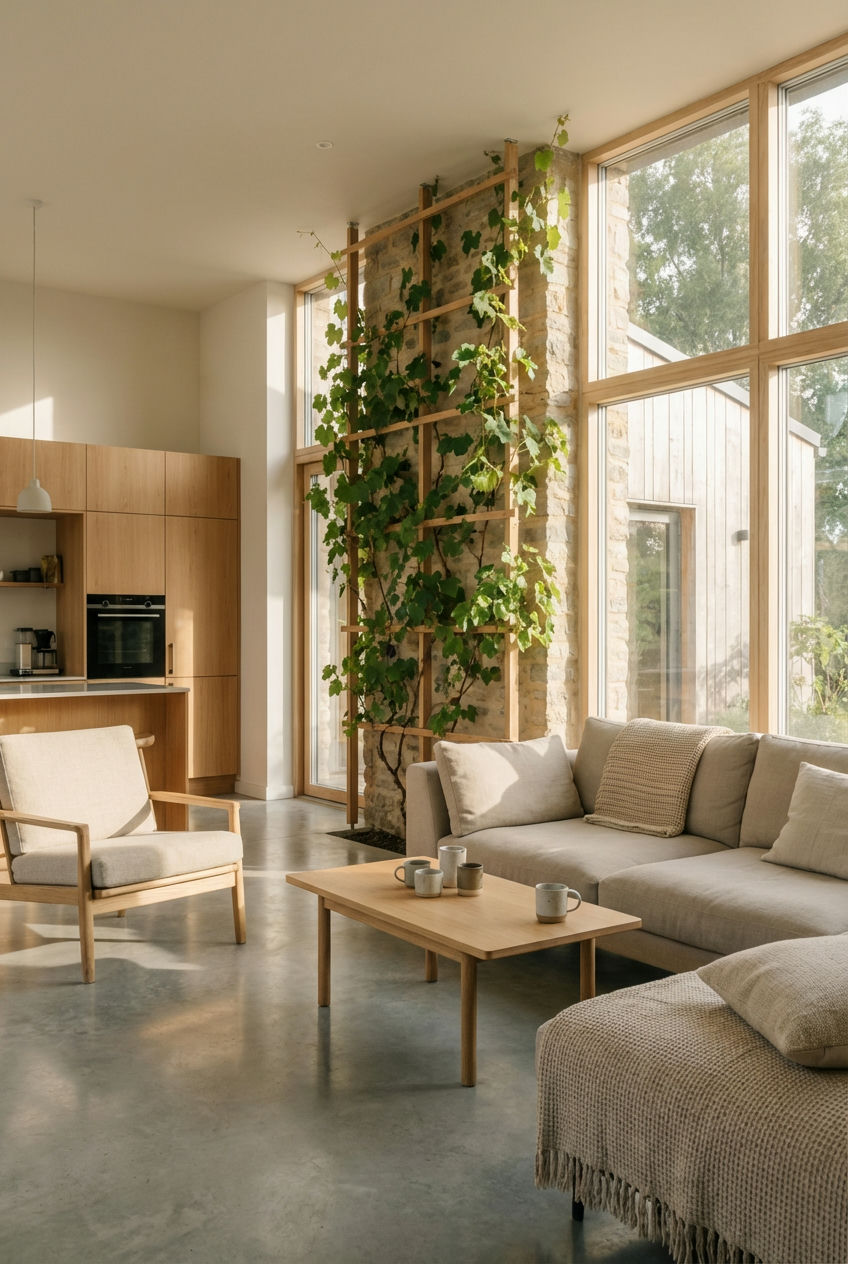
For a truly unexpected and stunning indoor feature, consider cultivating a “vertical indoor vineyard.” While not a traditional secret garden, this concept involves training resilient, edible vines (like certain grape varieties, passionfruit, or even specific berry bushes) to grow vertically along a wall or trellis in a sun-drenched interior space. The effect is breathtaking: lush green foliage, perhaps even bearing fruit, that creates a living, edible work of art. It’s a bold statement that merges natural beauty with practical indulgence, an ingenious way to bring life and vibrant color into a usually sterile space, ensuring a constantly evolving display. This cultivates a unique aesthetic.
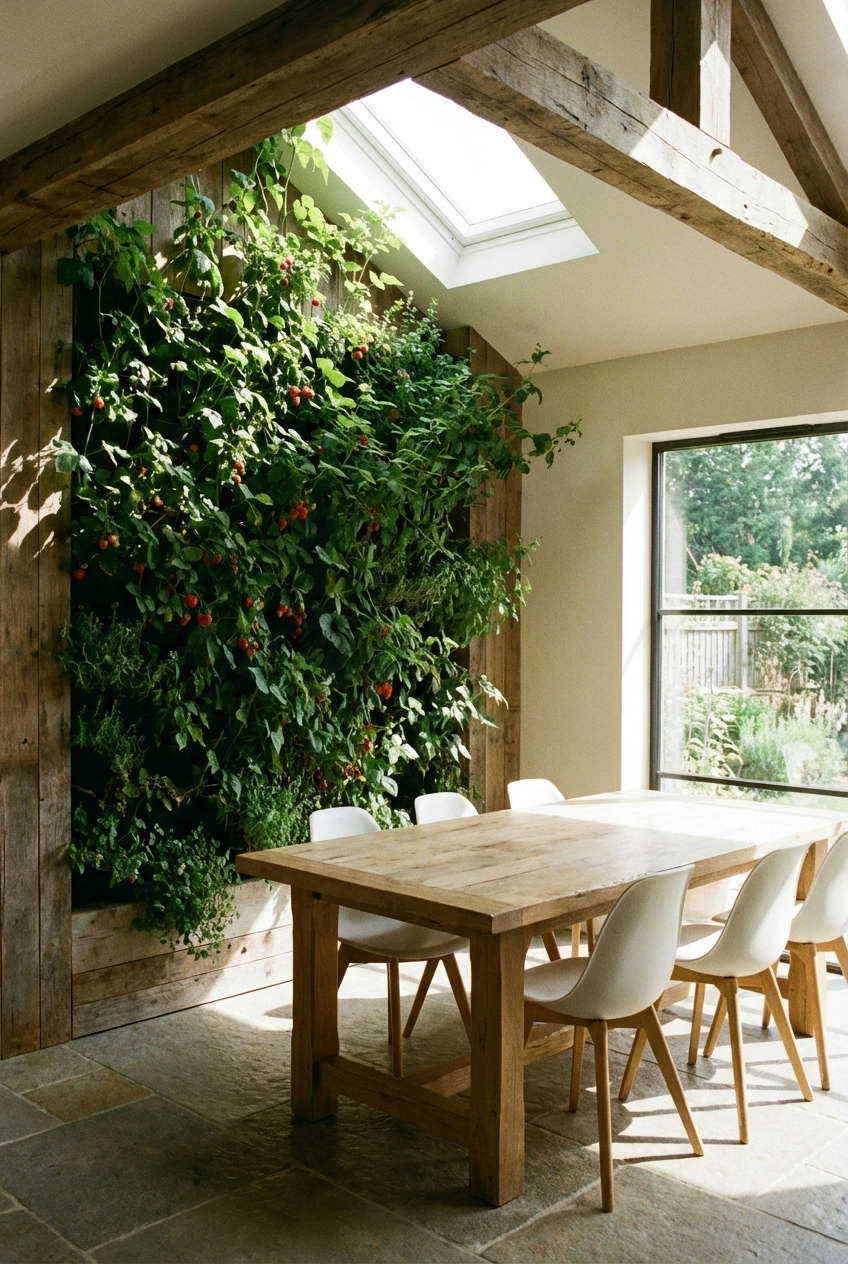
Expert-style commentary highlights the importance of selecting self-pollinating varieties for fruit-bearing vines in an indoor setting. Proper structural support and adequate lighting (often supplemented with grow lights during darker months) are critical for success. This unique project requires a bit more advanced horticultural knowledge but offers an unparalleled reward: fresh produce and an extraordinary visual feature. It truly pushes the boundaries of indoor gardening, transforming a room into a dynamic, productive ecosystem for adventurous green thumbs. It’s truly a conversation piece, blending agriculture and interior design with flair.
From micro-forests to deskscapes, the concept of a “secret garden” in 2026 is about personalizing your space with intention and a touch of natural wonder. Whether grand or minute, these green havens enrich our lives and connect us to the restorative power of nature. Which of these ideas resonates most with you? Share your thoughts and your own secret garden dreams in the comments below!