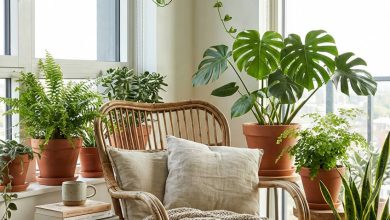

As we step into 2026, the allure of bringing nature’s delicate beauty right to our doorsteps has never been stronger. Homeowners and garden enthusiasts alike are seeking spaces that not only soothe the soul but also provide a vital sanctuary for wildlife. A carefully curated butterfly garden is more than just a pretty patch of flowers; it’s a living ecosystem, a dynamic canvas for color, and a testament to sustainable living. Whether you’re a seasoned gardener or just starting out, this guide will inspire you to create a vibrant haven that celebrates these enchanting creatures and elevates your outdoor living experience.
1. Creating a Nectar-Rich Haven
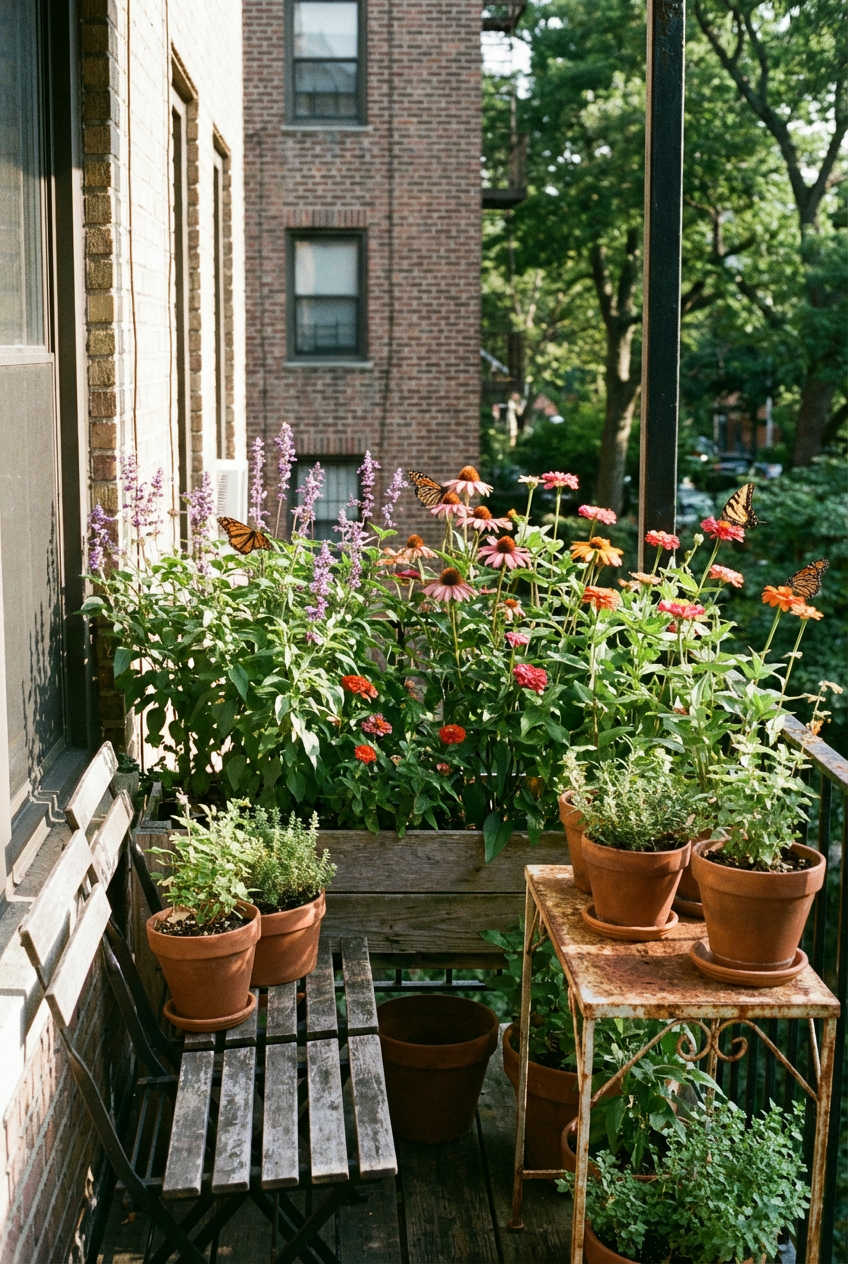
Designing a space where nature’s most delicate dancers can thrive starts with understanding their dietary needs. A successful butterfly garden in 2026 is inherently a nectar-rich haven, prioritizing a diverse array of flowering plants that provide sustenance from early spring through late fall. Think beyond a single season; a continuous bloom cycle is paramount. This strategic planting ensures that native pollinators, especially the majestic butterfly, always have access to vital energy sources. Consider layering your plant choices, from low-growing annuals to taller perennials and shrubs, to create interesting visual appeal while simultaneously offering a buffet for winged visitors.
Opt for native plants whenever possible, as they are often best suited to your local climate and provide the most nutritional value for local species. Many nurseries now offer “pollinator-friendly” sections, simplifying the selection process. Remember, a thriving eco-system begins at home, and planting thoughtfully contributes directly to supporting the local insect populations that maintain the balance of our natural world. Practical insight: When selecting plants, always check the mature size and sun requirements to avoid overcrowding and ensure your plants flourish, providing maximum bloom.
2. The Monarch Waystation Trend
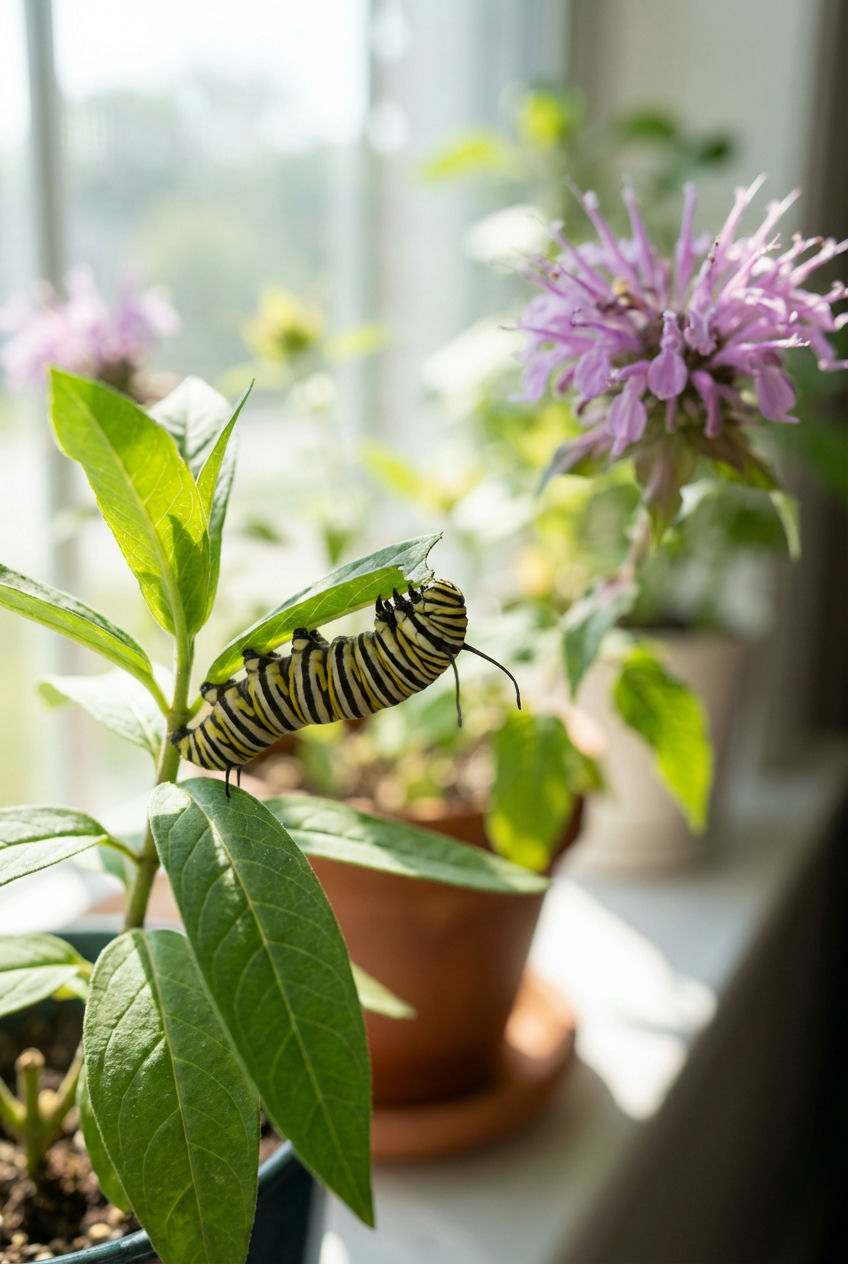
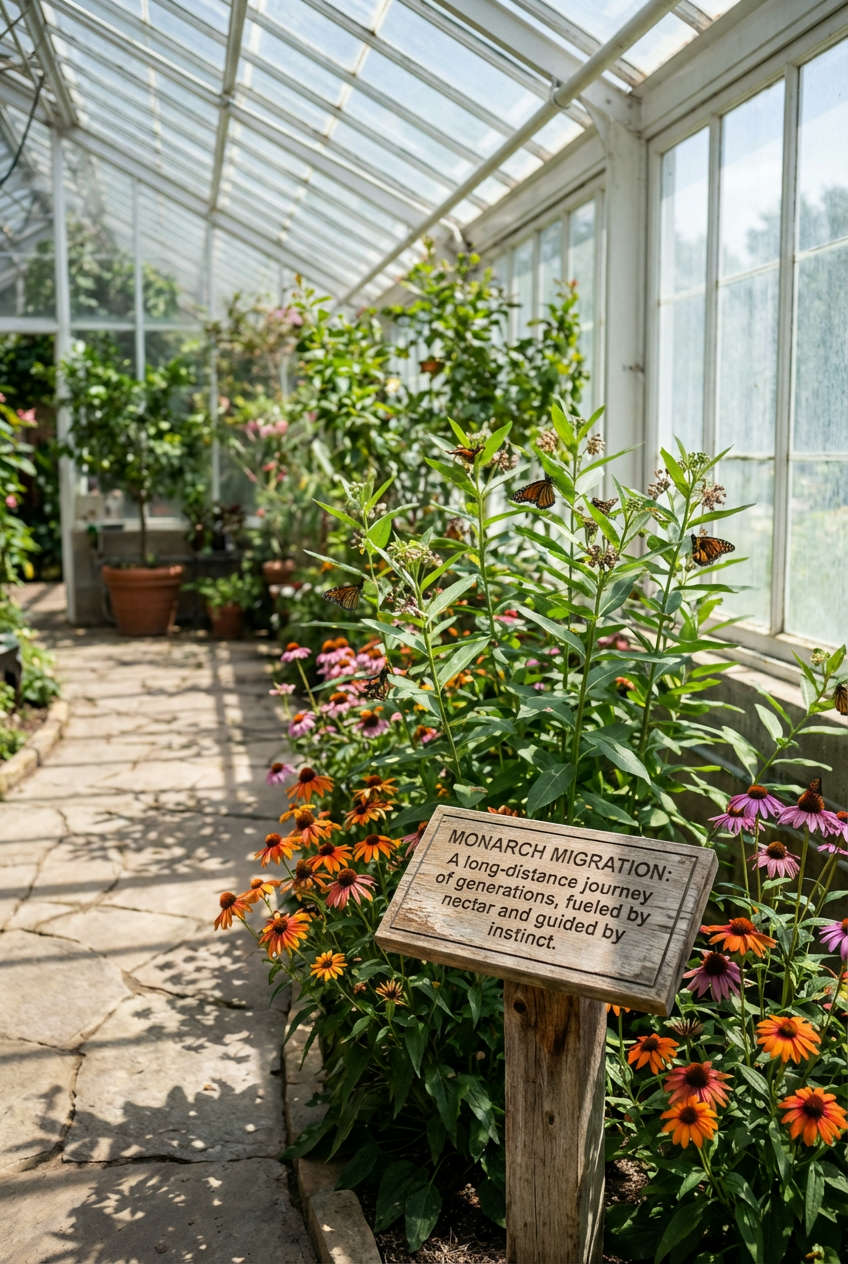
The dedication to saving the iconic Monarch butterfly has led to a significant surge in creating designated Monarch Waystations within home gardens. This isn’t just a trend; it’s a vital conservation effort. These special sections within a larger butterfly garden focus specifically on providing both nectar sources for adult Monarchs and, critically, milkweed plants for their caterpillars. In 2026, embracing this initiative means selecting the right type of milkweed native to your region – tropical milkweed can sometimes do more harm than good in certain climates. Knowing which varieties are appropriate is key to truly helping these magnificent creatures on their incredible migratory journey.
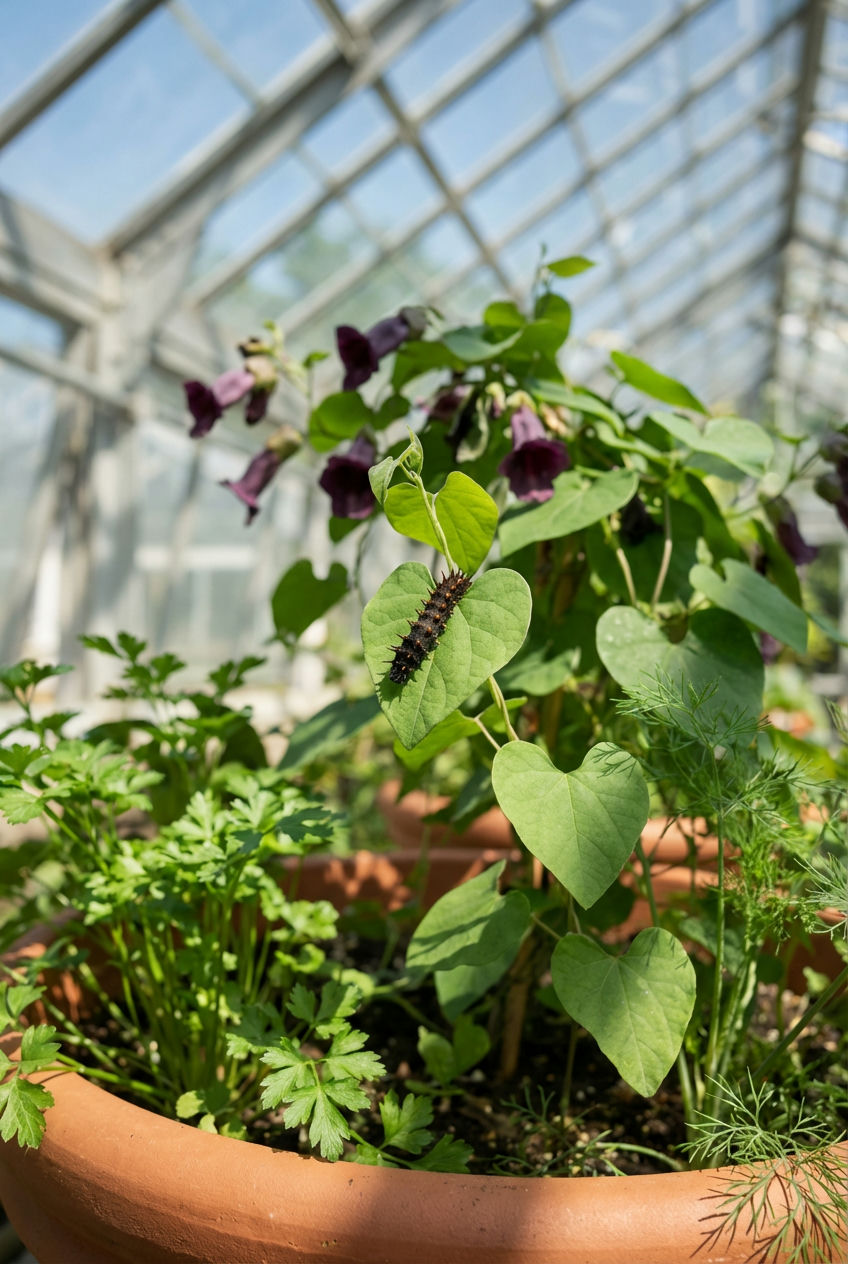
Establishing a waystation is incredibly rewarding, offering a front-row seat to the fascinating metamorphosis cycle. You can witness caterpillars transforming into chrysalises and then emerging as adult butterflies. It’s a powerful educational tool for families and a simple, impactful way to contribute to global biodiversity. American lifestyle or regional context: Across the United States, enthusiasm for Monarch Waystations is growing from California’s coast to the Midwest’s prairies, reflecting a nationwide commitment to saving these treasured insects.
3. Water Features for Wildlife
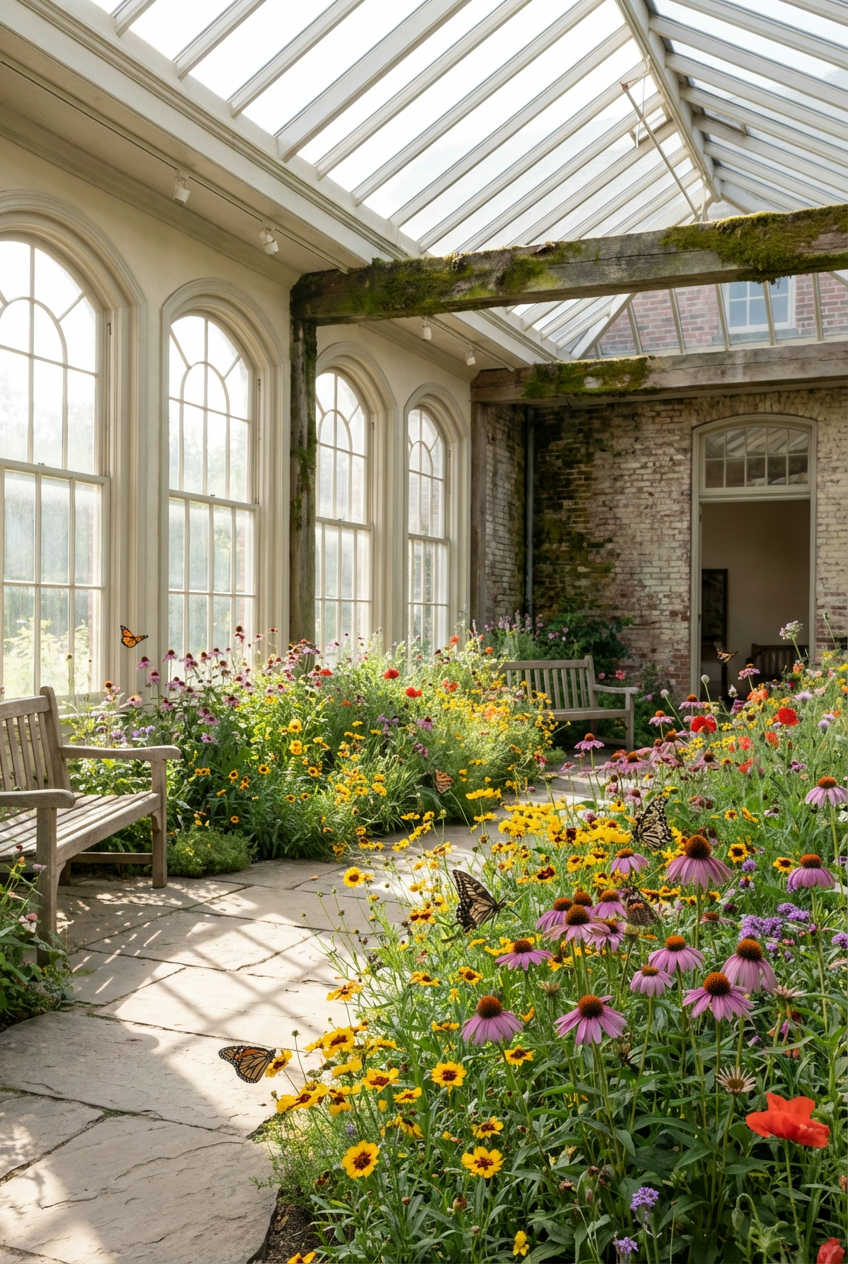
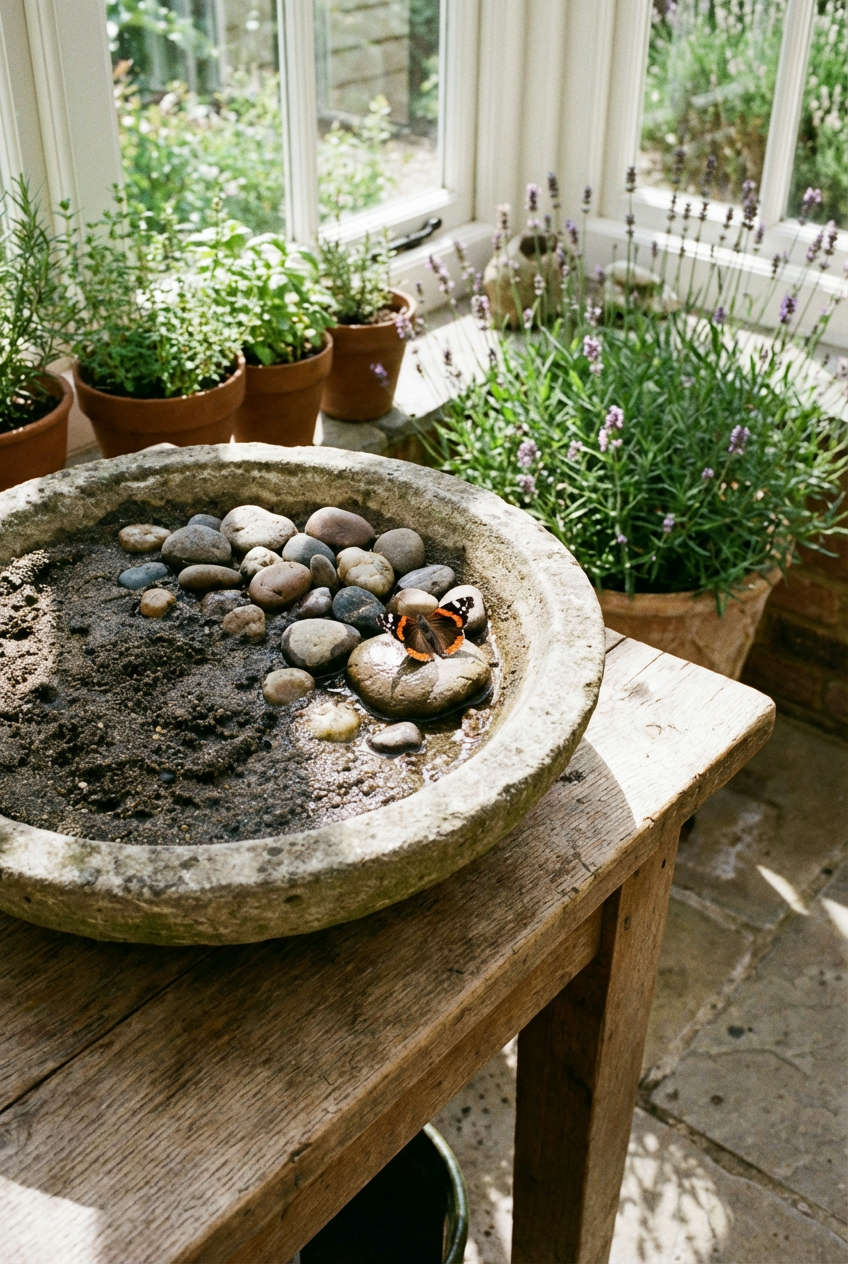
While flowers are the main attraction, a thoughtful butterfly garden in 2026 also includes essential elements like water. Butterflies, like all living creatures, need water, but they can’t drink from open ponds or deep bird baths. They require shallow puddling areas where they can safely land and sip moisture, often enriched with minerals. Creating an inviting “butterfly puddler” can be as simple as filling a shallow dish with wet sand or mud, embedded with a few flat stones. This provides both hydration and essential nutrients, completing the ecosystem for your garden’s winged residents beyond just floral provisions.
Strategically placing these puddling stations near nectar sources encourages butterflies to linger in your garden, increasing your chances of observing them. It’s a small detail that makes a big difference to the overall health and vibrancy of your garden’s insect life. The sight of a vivid butterfly delicately drinking is a moment of pure tranquility. Micro anecdote: Just last summer, I watched a Swallowtail spend nearly twenty minutes at my simple mud puddle, a testament to how crucial these small water sources are.
4. Native Host Plants are Key
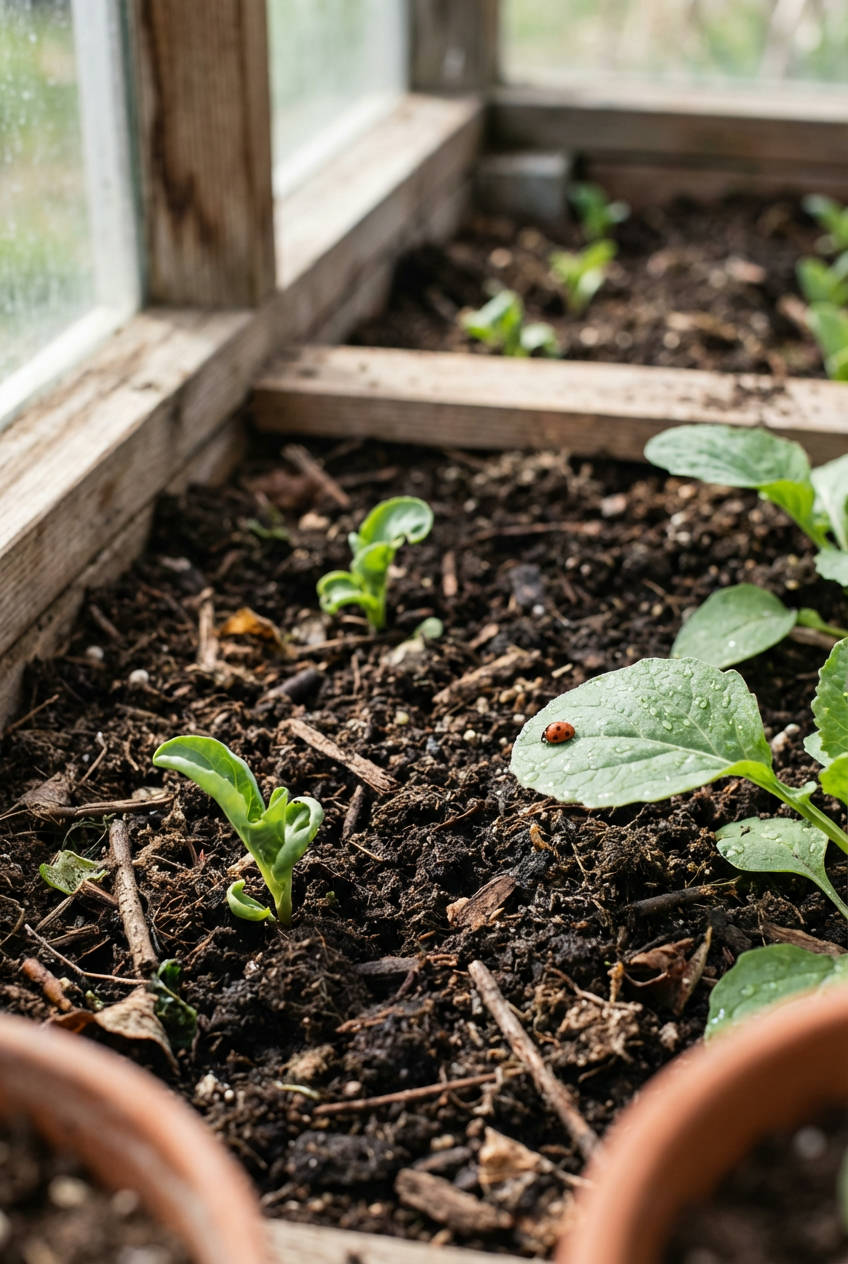
Beyond providing nectar for adult butterflies, a truly comprehensive butterfly garden also incorporates host plants – specific plant species on which caterpillars feed. For a thriving ecosystem, you need to think about the entire life cycle of the butterfly. Different butterfly species have evolved to lay their eggs on particular plants, and their caterpillars will exclusively eat those plants. Without these host plants, the butterfly life cycle cannot begin or complete in your garden. Researching the native species in your area and their corresponding host plants is a crucial step in designing a vibrant and sustainable habitat.
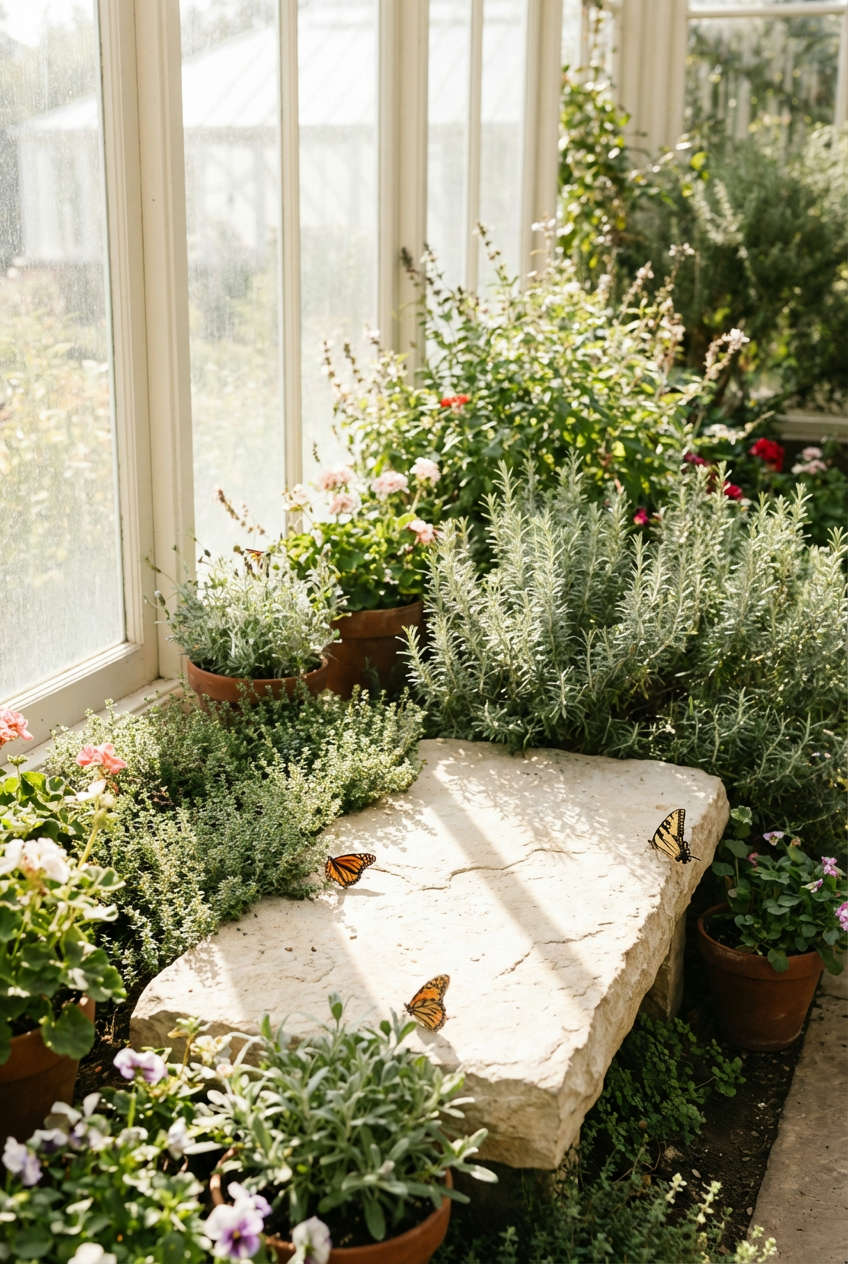
This focus on host plants ensures that your garden isn’t just a drive-through for butterflies but a full-service nursery and home. It transforms your outdoor space into a sanctuary where generations of butterflies can emerge and thrive. It’s a commitment to ecological balance that goes beyond superficial beauty. Where it works best: This approach is ideal for homeowners who want to foster a truly self-sustaining butterfly population and observe the complete metamorphosis cycle firsthand, particularly effective in suburban and rural settings.
5. Embrace the Wildflower Look
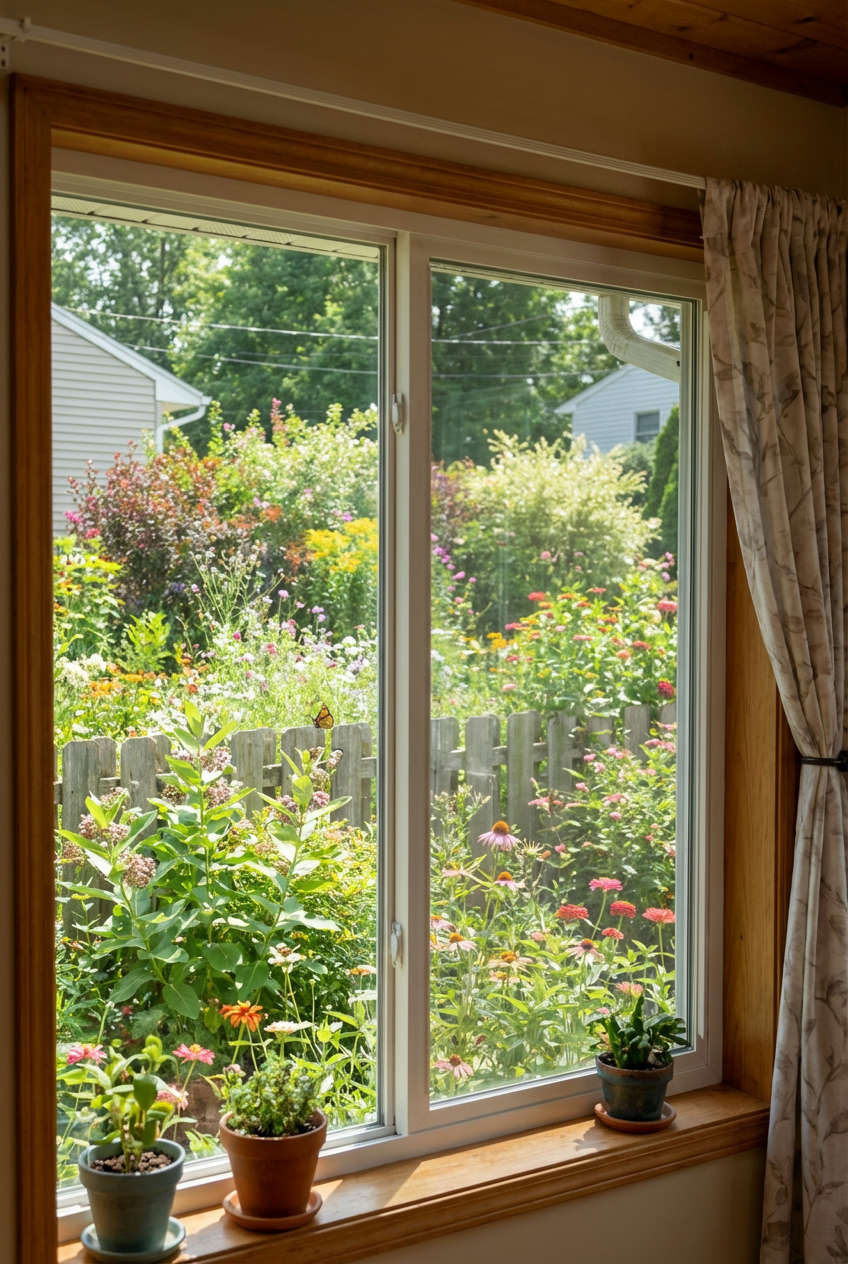
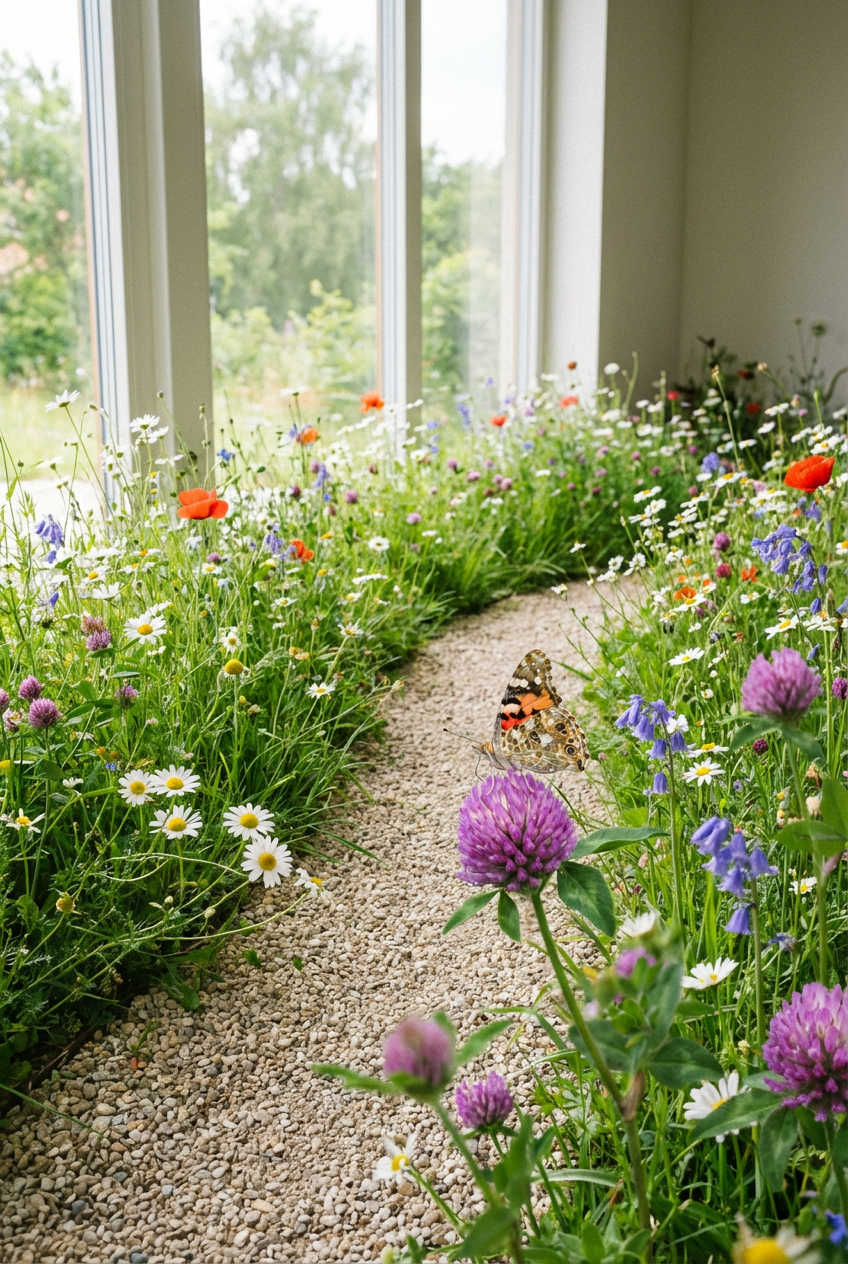
In 2026, the trend in butterfly garden design leans heavily into a more natural, informal aesthetic. Moving away from rigidly manicured beds, many homeowners are embracing the charm and biodiversity of a wildflower look. This style mimics natural meadows, providing a rich tapestry of colors, textures, and heights that are irresistible to a variety of pollinators, including the beautiful butterfly. It’s about planting in drifts and layers, allowing plants to intermingle and self-seed, creating a dynamic and ever-evolving landscape that feels both vibrant and effortlessly beautiful. This approach also often requires less maintenance once established.
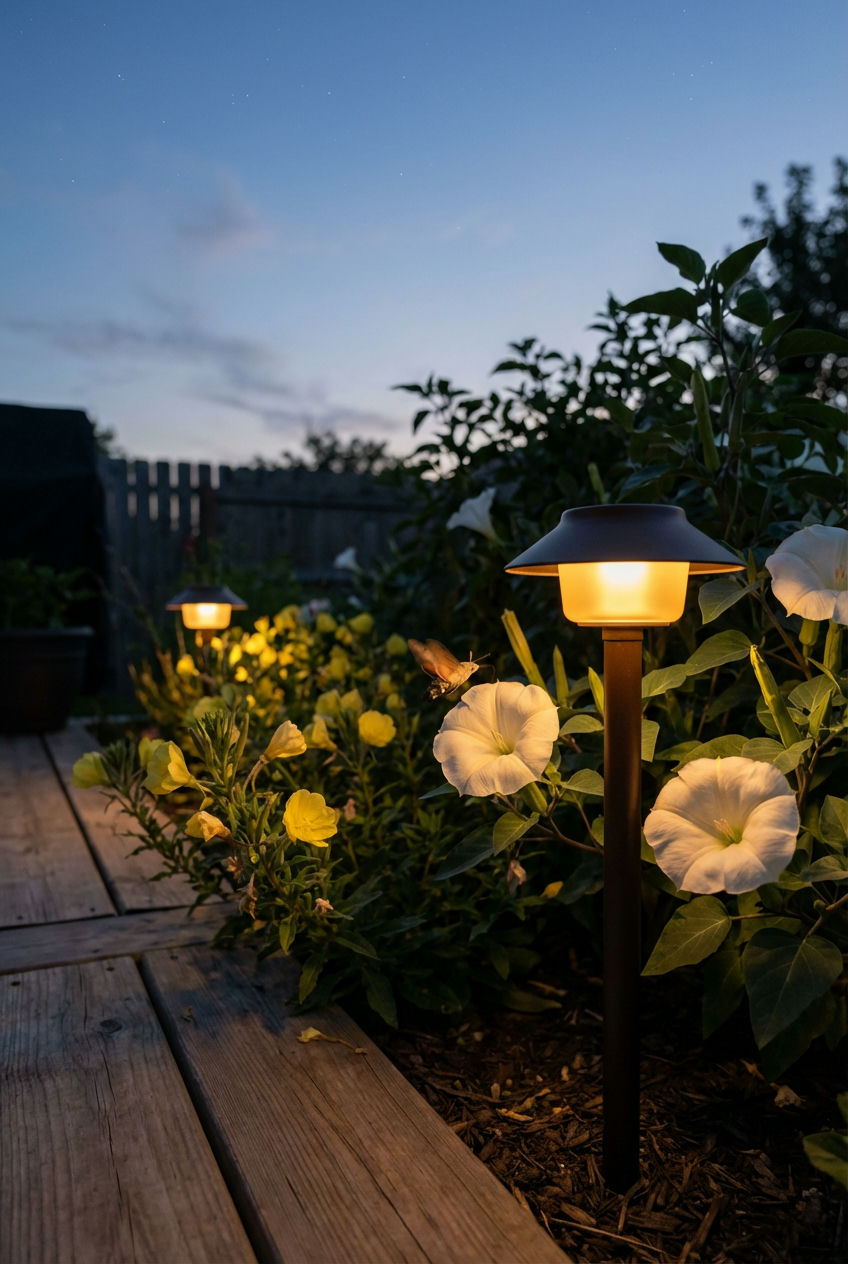
Beyond its aesthetic appeal, a wildflower garden is a powerhouse for local ecology. It offers shelter, food, and breeding grounds for not just butterflies but also bees, beneficial insects, and birds. Plus, the ease of maintenance once established frees up more time to simply enjoy the ever-changing spectacle. Expert-style commentary: “A well-designed wildflower space provides continuous bloom cycles, crucial for supporting diverse butterfly populations throughout their active seasons, moving beyond single-season interest.”
6. Vertical Gardens for Small Spaces
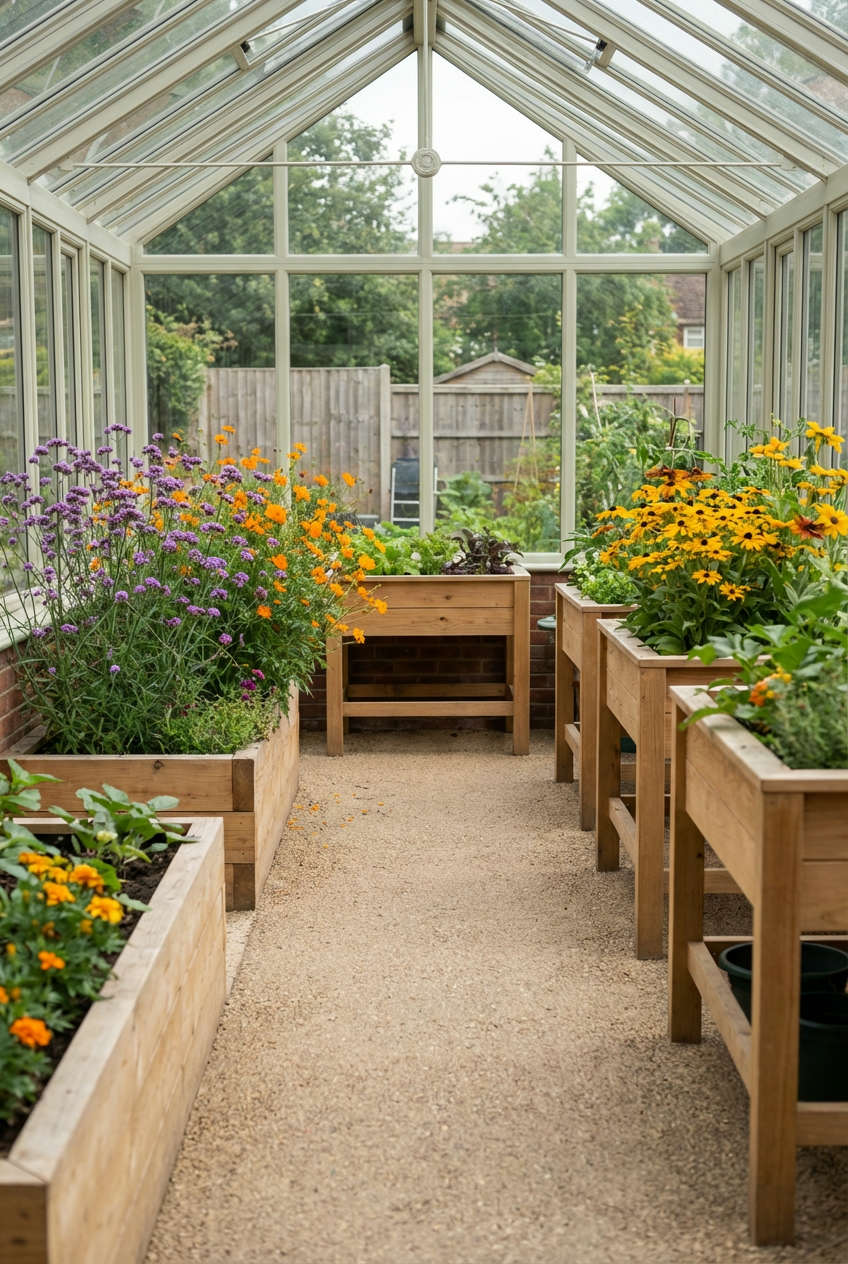
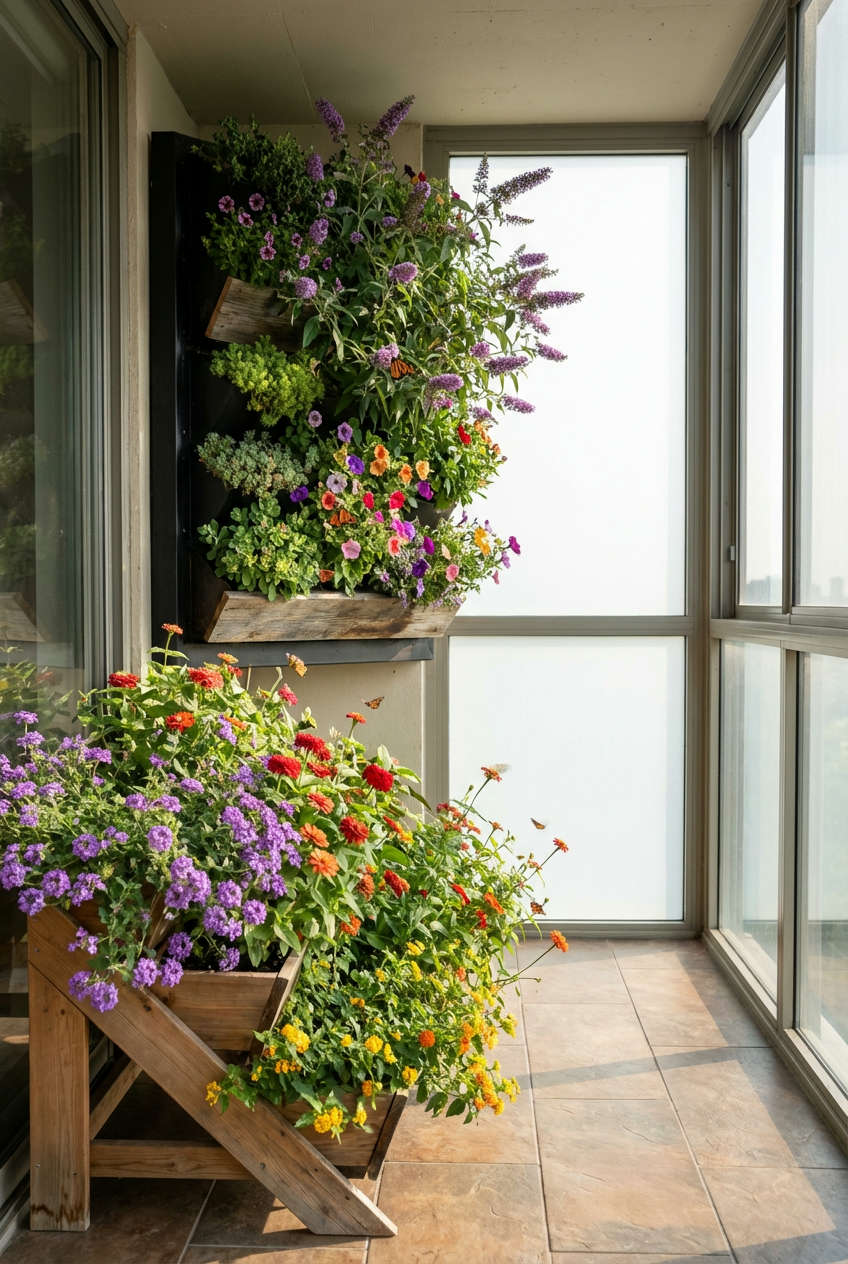
Even in urban environments, a flourishing butterfly garden is entirely achievable with clever design. Vertical gardens have emerged as an incredibly popular solution for maximizing space, allowing city dwellers to create vibrant, nectar-rich habitats on patios, balconies, and even exterior walls. By utilizing vertical planters, living walls, or tiered hanging baskets, you can cultivate a diverse range of butterfly-attracting flowers without needing extensive ground space. This innovative approach brings the magic of a butterfly haven to compact settings, proving that every square foot can contribute to urban biodiversity.
The beauty of vertical gardening extends beyond space-saving; it also creates visually stunning displays that draw the eye upwards, enhancing your outdoor aesthetic. Selecting drought-tolerant and compact varieties of flowers will ensure your vertical garden thrives with less maintenance. Budget/price angle: DIY vertical garden setups can be surprisingly affordable, using repurposed pallets or off-the-shelf pocket planters, making a butterfly sanctuary accessible on nearly any budget.
7. Sustainable Gardening Practices
A truly modern butterfly garden, especially in 2026, prioritizes sustainability. This means actively avoiding pesticides and herbicides, which are incredibly harmful to butterflies and their caterpillars. Instead, embracing organic pest control methods, encouraging beneficial insects, and fostering healthy soil are paramount. Consider composting your kitchen scraps to enrich your garden beds naturally, reducing waste and providing vital nutrients. Using rain barrels to collect water for irrigation is another excellent sustainable practice that conserves resources and benefits the environment, creating a healthier habitat for every visiting butterfly.
By adopting sustainable practices, you not only protect the delicate ecosystem of your garden but also contribute to broader environmental health. It’s about working with nature, not against it, creating a resilient and vibrant space for all creatures. This holistic approach makes the garden a source of pride and purpose. Real homeowner behavior: Many homeowners are incorporating slow-release organic fertilizers and mulching heavily to reduce water needs, showcasing a shift towards responsible gardening.
8. Beyond Flowers: Shelter & Sun
While an abundance of flowers is crucial for a thriving butterfly garden, thinking about the wider environment for a butterfly is equally important. Butterflies need more than just nectar; they also require shelter from wind and predators, as well as sunny spots for basking. Incorporating elements like shrubs, tall grasses, or even strategically placed large rocks can provide these much-needed refuges. A garden that offers varied microclimates ensures butterflies have safe places to rest, warm up, and hide from harsh weather, making your space a truly welcoming sanctuary.
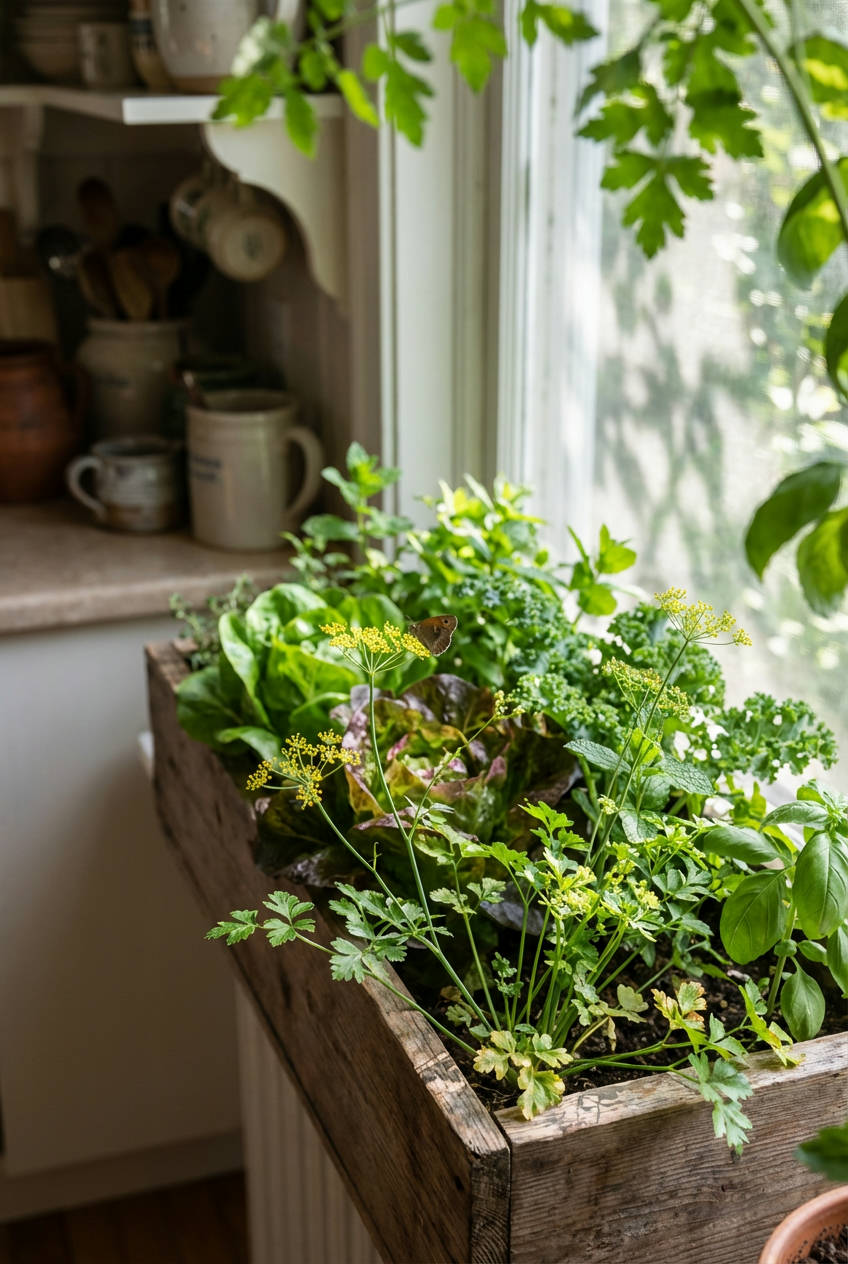
Consider the sun exposure throughout your garden at different times of the day. Butterflies are cold-blooded and need the sun’s warmth to be active. A well-placed basking spot can dramatically increase the number of butterflies you see. Common mistakes and how to avoid them: A common mistake is to only focus on bloom plants. Forgetting about shelter and sunning spots can make your garden attractive for feeding but not for long-term residency. Integrate diverse plant heights and non-plant elements early in your design to avoid this oversight.
9. Pollinator Corridors
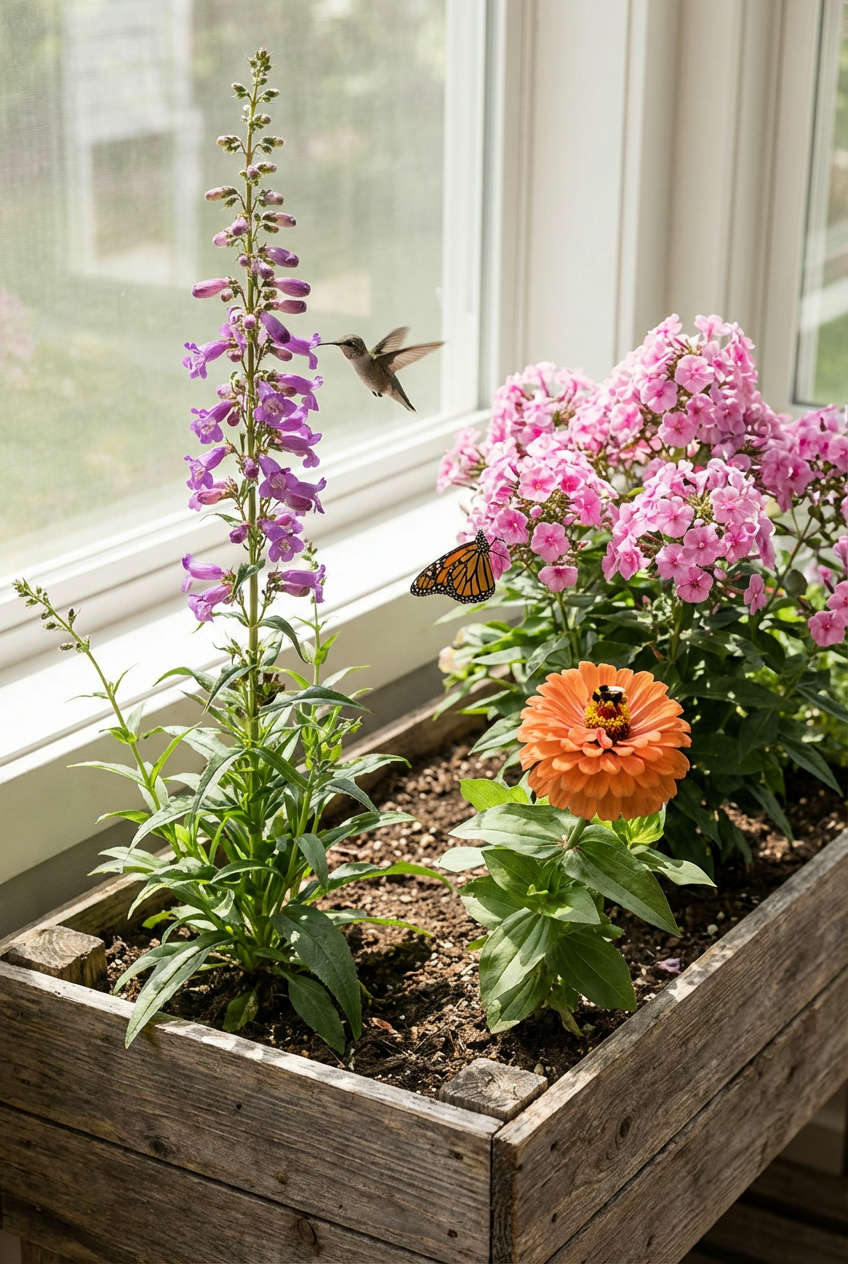
Looking to 2026, the concept of a butterfly garden is expanding beyond individual yards to interconnected “pollinator corridors.” This innovative approach involves neighbors and communities collaborating to create a continuous network of butterfly-friendly habitats. By extending your efforts beyond your fence line, perhaps by encouraging a neighbor or participating in a community initiative, you contribute to a larger ecological impact. These corridors allow a butterfly to travel safely and find sustenance over greater distances, boosting their chances of survival and reproduction. It’s a powerful way to make your individual garden part of a much bigger, more effective conservation movement.
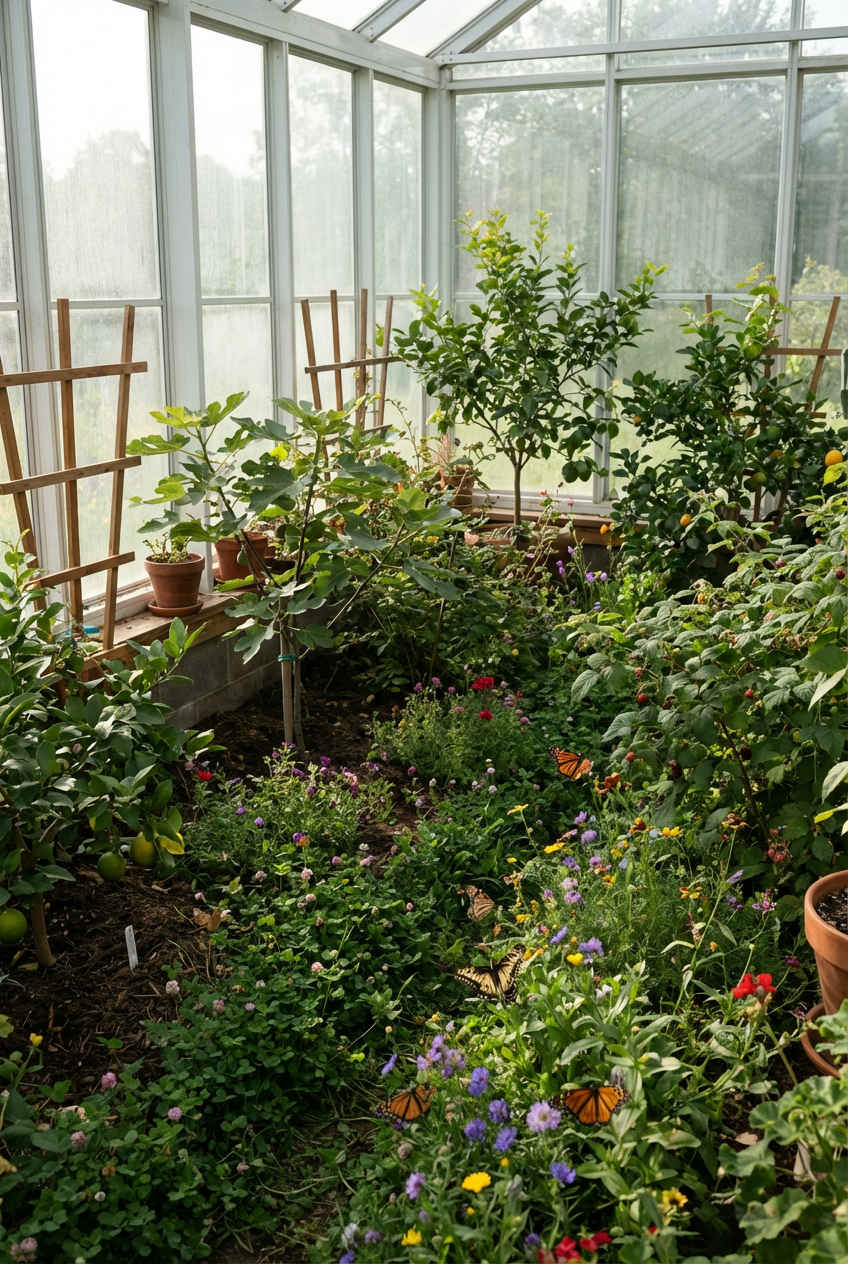
Participating in or initiating a pollinator corridor project can be incredibly rewarding. It fosters community spirit and amplifies the positive effects of your gardening efforts. Even small patches connected can make a monumental difference for butterfly populations struggling with habitat loss. Practical insight: Contact local conservation groups or extension offices to learn about existing pollinator corridor initiatives in your area or how to start one.
10. Lighting for Evening Moth Visitors
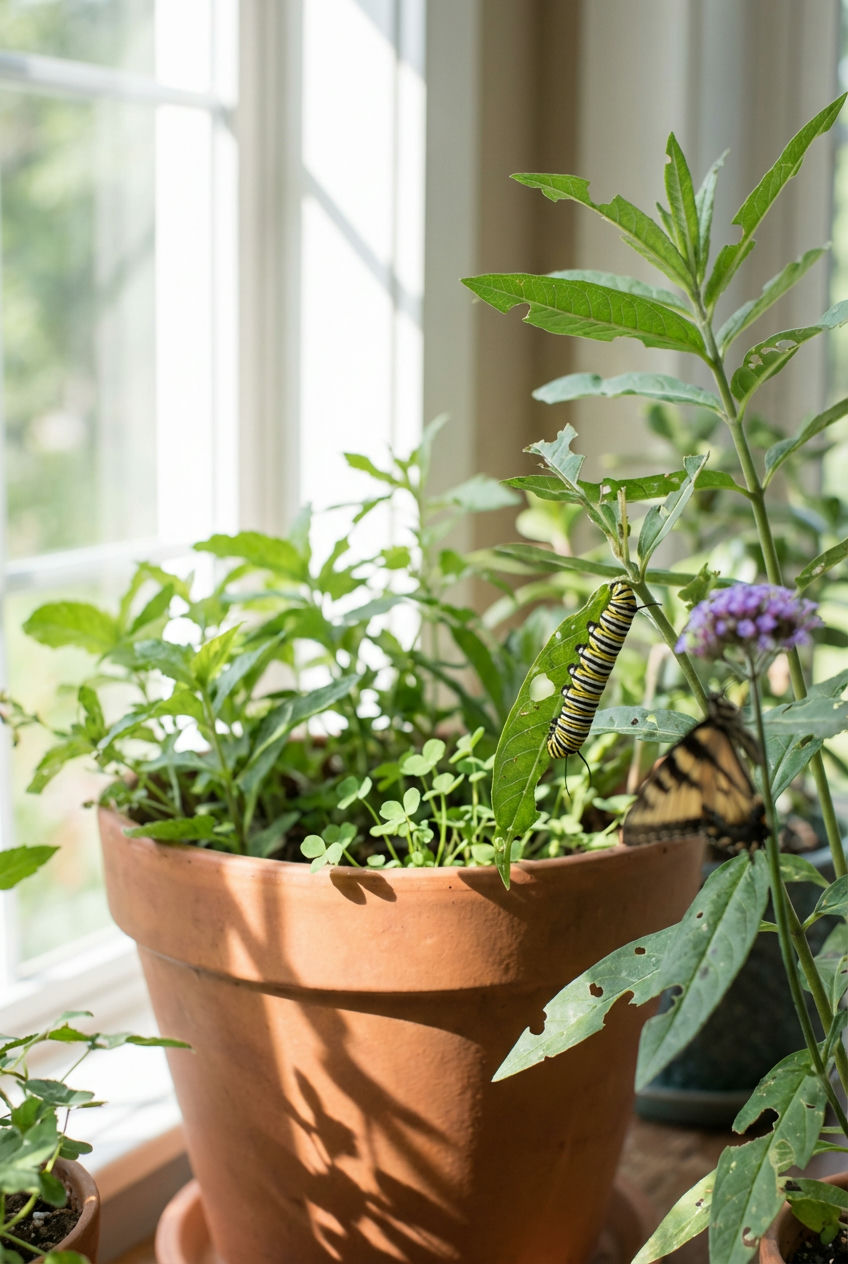
While often associated with daytime beauty, an evolving butterfly garden in 2026 also considers its nocturnal visitors: moths. Many moth species are crucial pollinators, and some are as striking as any butterfly. Thoughtful lighting choices can either support or hinder these evening fliers. Overly bright, unshielded outdoor lighting can disrupt moth navigation and attract them to dangerous heat sources. Instead, opt for dim, downward-facing, or amber-spectrum lighting where necessary, or, even better, observe strict “lights out” policies to allow these nocturnal creatures to thrive naturally. This ensures your garden is truly hospitable around the clock.
By being mindful of your outdoor lighting, you extend your garden’s ecological benefit to a whole new set of pollinators. It also creates a serene evening ambiance that enhances your enjoyment of the space after sunset. Consider planting night-blooming flowers to truly celebrate this hidden aspect of your garden. American lifestyle or regional context: In many suburban and rural areas across America, reducing light pollution is becoming increasingly important, not only for sky-gazing but also for local wildlife preservation.
11. Raised Beds for Accessibility
A truly inclusive butterfly garden in 2026 considers accessibility for all gardeners. Raised beds are an excellent solution, making planting, weeding, and enjoying your butterfly-attracting flowers much easier for individuals with mobility challenges or those who prefer not to bend and kneel excessively. They also offer advantages like improved drainage and warmer soil temperatures, which can benefit certain plants. By designing your garden with raised beds, you ensure that anyone can engage with the joy of creating a haven for a butterfly, fostering a deeper connection to nature for a wider audience.
Raised beds can also be aesthetically pleasing, defining garden spaces and adding architectural interest. They can be built from various materials, from wood and stone to repurposed materials, allowing for customization to fit any garden style. Micro anecdote: My grandmother, who loves tending her flowers but struggles with bending, adored her new raised bed filled with coreopsis and ageratum; it let her continue her passion without strain.
12. Year-Round Interest
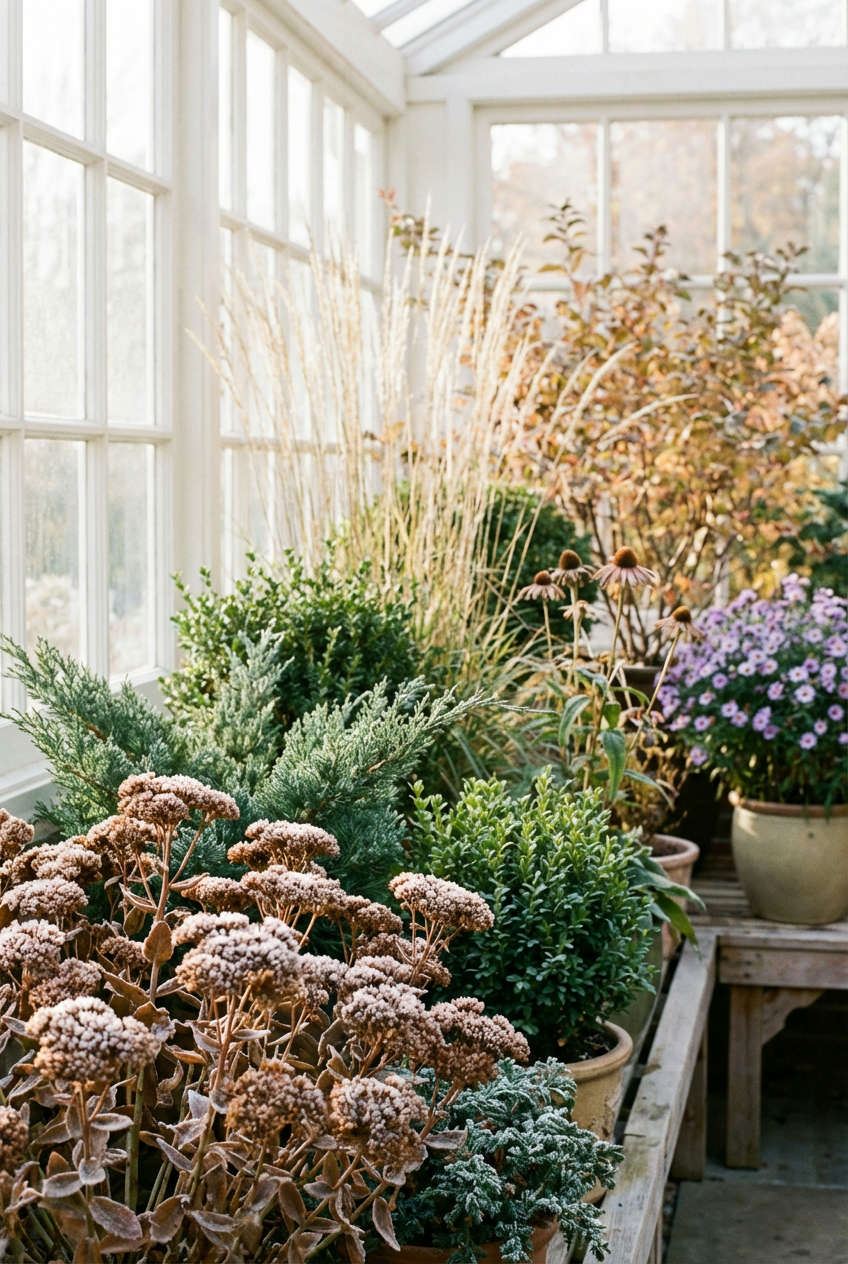
A vibrant butterfly garden isn’t just a spring and summer affair; in 2026, the focus is on creating year-round interest. While nectar flows from spring to fall are crucial for the butterfly, incorporating evergreens, ornamental grasses, and plants with interesting seed heads ensures your garden remains alive and beautiful, even in dormancy. These elements provide visual structure and, importantly, offer critical shelter for overwintering insects, birds, and other small wildlife. Think about foliage color, bark texture, and how plants look when “finished” blooming to design a truly dynamic space.
By cultivating a garden with four-season appeal, you’re not just creating a habitat for butterflies; you’re developing a more resilient and engaging landscape for yourself. This sustained beauty encourages continued enjoyment and appreciation of nature’s cycles. Where it works best: This design principle is especially effective in regions with distinct seasons, allowing gardeners to enjoy their outdoor space and support wildlife even when flowers aren’t in bloom.
13. Educational Signage and Art
A modern butterfly garden in 2026 often serves as an educational space, not just a beautiful one. Incorporating subtle, tasteful educational signage can enhance the experience for visitors and family members, explaining the importance of host plants, identifying specific butterfly species, or highlighting the life cycle. Beyond information, garden art can celebrate these creatures, from delicate metal butterfly sculptures nestled among flowers to painted rock designs depicting caterpillars. These elements add personality and depth, transforming your garden into an engaging narrative about nature.
Thoughtful signage can turn a simple stroll through the garden into a learning opportunity, fostering curiosity and respect for the natural world. Art adds a touch of whimsy and personality, reflecting the gardener’s passion. Expert-style commentary: “Informative signage subtly integrated into a garden can greatly enhance visitor engagement, turning passive observers into active learners about the local ecosystem and the importance of butterfly conservation.”
14. Designing for Observation
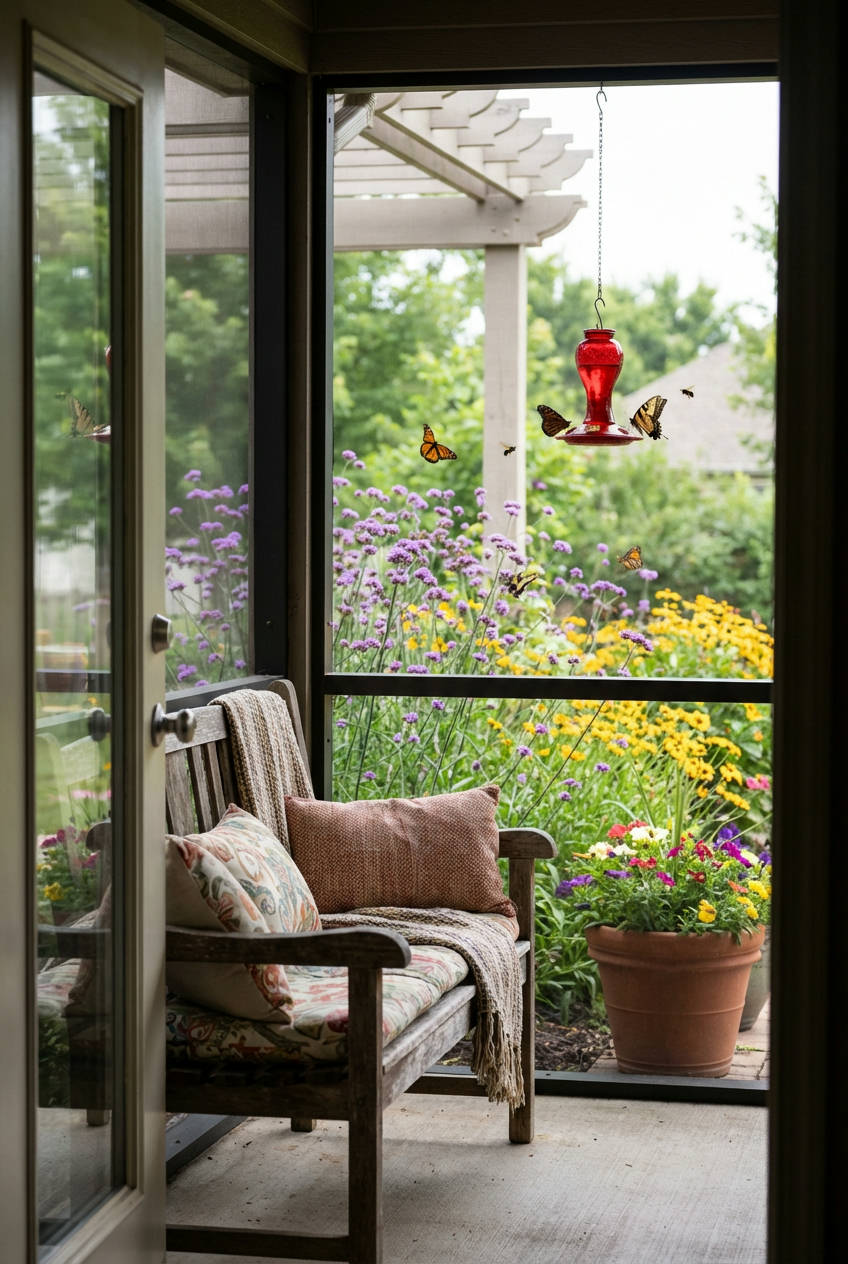
For many, the true joy of a butterfly garden lies in the observation of these beautiful creatures. In 2026, garden design increasingly incorporates elements that invite long, peaceful viewing. This means placing seating areas strategically—a comfortable bench near a particularly active patch of nectar plants, or a quiet hammock shaded by overarching trees, offering a prime vantage point. Pathways should wind through key planting areas, allowing for close-up views without disturbing the butterflies. Designing for observation enhances the gardener’s connection to their living masterpiece and multiplies the daily moments of delight as a butterfly flits by.
Creating these dedicated observation spots ensures you get to fully appreciate the fruits of your labor and the intricate dance of nature unfolding in your backyard. It transforms the garden into a personal sanctuary for both you and the wildlife. Budget/price angle: Observation areas don’t require expensive furniture; a simple, weathered Adirondack chair or a tree stump strategically placed can provide the perfect spot to watch the magic unfold.
15. The Meadow Lawn Alternative
One of the most revolutionary trends for a butterfly garden in 2026 is the growing popularity of replacing traditional lawns with low-maintenance, ecologically rich meadow lawns. Instead of a monoculture of grass, these areas are seeded with native wildflowers and clovers that provide nectar and host plants for a wide array of pollinators, including the beautiful butterfly. This shift not only significantly reduces water consumption and the need for chemical treatments but also creates a vibrant, dynamic habitat that hums with life. It’s a powerful statement for environmental stewardship and aesthetic evolution.
Transitioning to a meadow lawn can involve a bit of planning and patience, but the long-term benefits for local ecology and reduced yard work are immense. Plus, the ever-changing tapestry of flowers offers constant visual intrigue. Real homeowner behavior: Many homeowners frustrated with high water bills and constant mowing are actively exploring and implementing meadow lawn alternatives, seeing it as both an eco-friendly and practical step.
16. Integrating Edibles with Attractants
The lines between ornamental and functional gardening are beautifully blurring, and in 2026, a truly holistic butterfly garden often integrates edibles. Many culinary herbs and vegetables, like dill, fennel, parsley, and various varieties of cabbage, serve as both delicious additions to your kitchen and crucial host plants for various butterfly caterpillars. Allowing some of your herbs to bolt and flower also provides nectar for adult butterflies and other beneficial pollinators. This creates a multi-functional garden that feeds both wildlife and your family, maximizing the utility and beauty of your outdoor space.
This integrated approach showcases smart design, where every plant serves multiple purposes. It encourages a deeper appreciation for the interconnectedness of food systems and natural ecosystems, all within your own backyard. Practical insight: When integrating edibles, be mindful of any pest control you might use on your food plants; always opt for organic, butterfly-safe methods to protect your pollinator visitors.
17. Selecting Diverse Plant Shapes
Beyond color, the shape and structure of plants play a significant role in creating an attractive and functional butterfly garden. In 2026, thoughtful gardeners are focusing on diversity in plant shapes – flat-topped clusters for easy landing, tubular flowers for long proboscises, and open, single blooms providing accessible nectar. This variety caters to the feeding preferences of different butterfly species, ensuring your garden is a welcoming buffet for a wider range of visitors. Layering these shapes also creates visual interest and depth, making your garden more dynamic and aesthetically pleasing throughout the seasons.
Understanding which butterfly-attracting plants offer what type of flower shape will guide your selections towards maximum impact. This detailed consideration elevates your garden from just a collection of pretty flowers to a carefully engineered ecosystem. American lifestyle or regional context: From the delphiniums of New England gardens to the desert willow of the Southwest, selecting native yet diverse plant shapes across different US regions is paramount for local butterfly species.
18. Permaculture Principles
The movement towards permaculture is profoundly influencing butterfly garden design in 2026. This approach emphasizes creating self-sustaining ecosystems that mimic natural patterns, minimizing human intervention. For a butterfly, this means designing multi-layered gardens with canopy (small trees/shrubs), understory (perennials), groundcover, and even root crops. It’s about closed-loop systems, where fallen leaves become mulch, and nutrient cycling is optimized. This holistic design increases biodiversity, reduces maintenance, and creates a highly resilient habitat that flourishes with minimal external input, making it a sustainable haven for every butterfly.
Embracing permaculture principles might seem daunting, but even small steps, like incorporating more native plants or letting parts of your garden go “wild,” can make a big difference. It’s about designing with nature, not against it, for a healthier planet. Micro anecdote: My own garden truly transformed when I started stacking functions, realizing my comfrey provided mulch, attracted bees, and added nutrients without extra effort.
19. Embracing the Imperfect
Perhaps the most liberating trend for a butterfly garden in 2026 is the growing acceptance and celebration of imperfection. This means moving away from the notion of a perfectly manicured, pristine garden, and instead embracing a bit of wildness. Leaving some leaf litter for overwintering insects, allowing certain “weeds” if they are host plants, and accepting a little nibbling on leaves by caterpillars are all signs of a healthy, thriving ecosystem. A truly successful garden for a butterfly is not always picture-perfect in a conventional sense, but it is bursting with life, resilience, and natural beauty, reflecting an evolved understanding of ecology.
This shift in mindset reduces stress for the gardener, as less time is spent striving for an unattainable ideal and more time is enjoyed watching the natural world thrive. It’s about balance and understanding that biodiversity often thrives in less controlled environments. Common mistakes and how to avoid them: A common mistake is to remove all “weeds” and tidy every spent plant, inadvertently removing crucial host plants or overwintering sites for butterflies. Learn which plants are beneficial even if they don’t fit traditional aesthetic norms.
Creating a butterfly garden in 2026 is an enriching endeavor that offers beauty, purpose, and a vital connection to the natural world. From nectar-rich havens to essential host plants and thoughtful design elements, every choice you make contributes to a vibrant ecosystem. We hope these 19 ideas spark your imagination and inspire you to cultivate a slice of paradise for our winged friends. What are your favorite butterfly-attracting plants, or what design elements are you excited to incorporate into your own garden this year? Share your thoughts and ideas in the comments below!