
As we step closer to 2026, our living spaces continue to evolve, reflecting a deeper desire for comfort, functionality, and personal expression. The living room, often the heart of our homes, is undergoing a transformation that goes beyond fleeting trends, embracing more mindful design choices. This article explores 21 innovative ideas that are set to define living room design in the coming years, offering a blend of timeless elegance and contemporary flair.
1. Biophilic Bliss
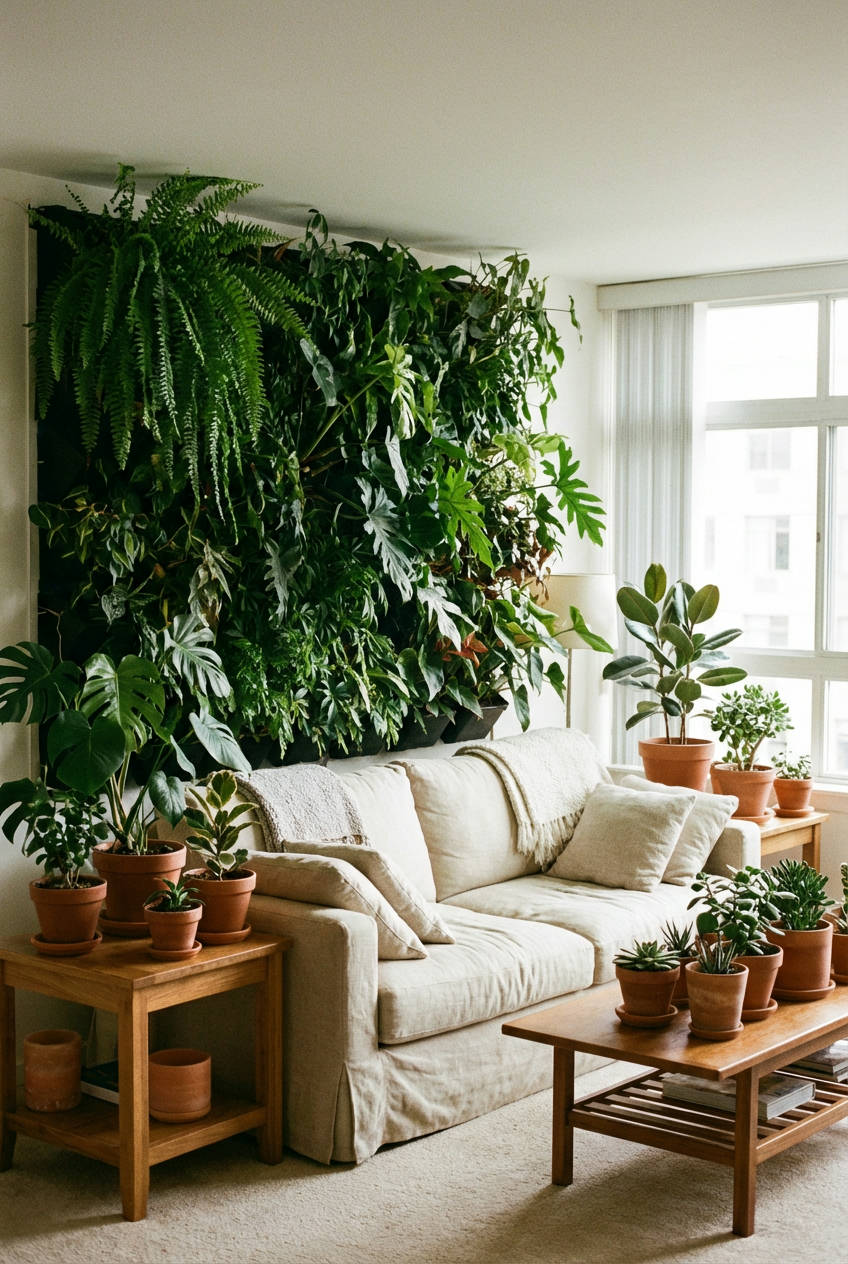
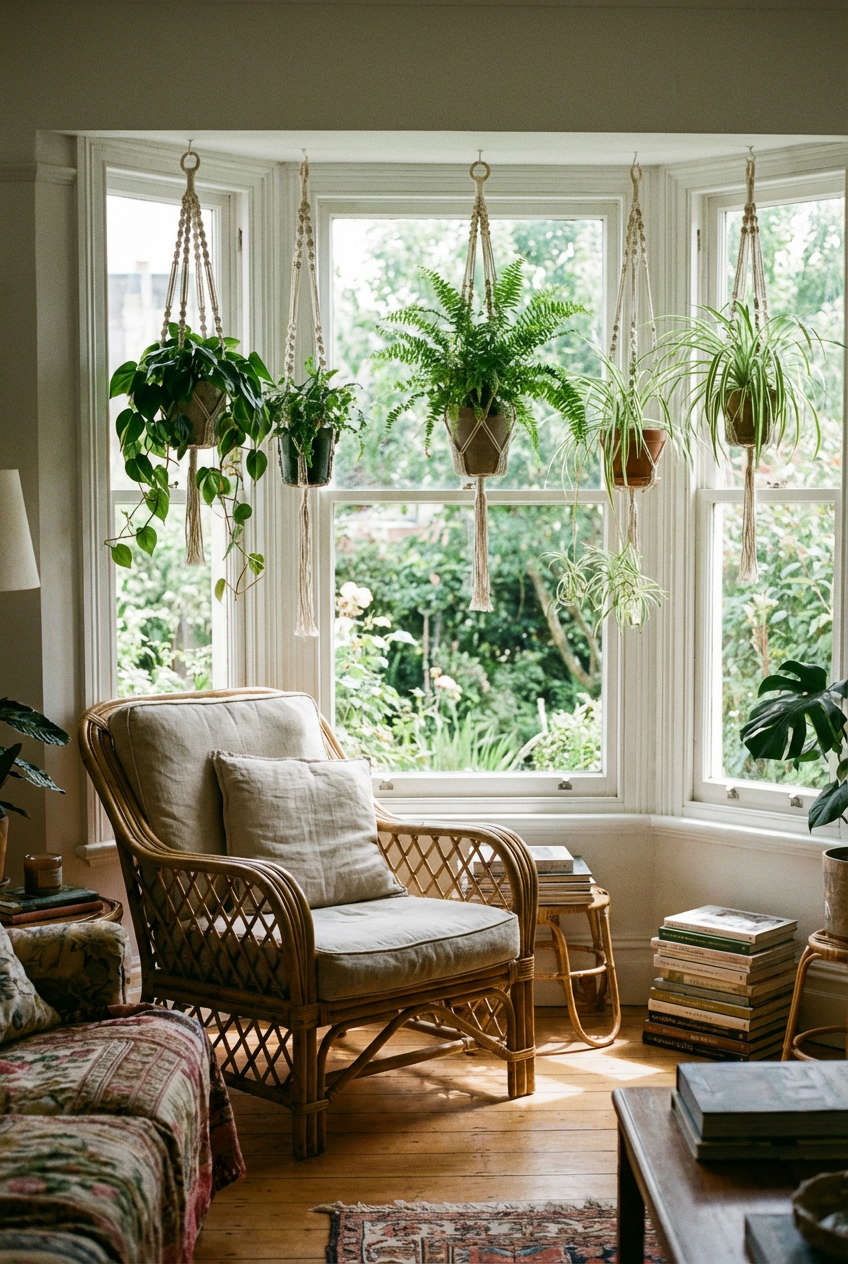
Bringing the outdoors in isn’t just a trend; it’s a movement towards creating healthier, more calming environments. In 2026, biophilic design will take center stage in the living room, integrating natural elements like ample greenery, natural wood textures, and stone finishes. Imagine a serene space where potted plants hang from the ceiling, their leaves dappling soft light, and a living wall acts as a stunning focal point. This approach not only beautifies your living area but also improves air quality and overall well-being, fostering a sense of tranquility and connection to nature within your home.
The beauty of biophilic design lies in its versatility, allowing it to seamlessly integrate into various aesthetic preferences, from minimalist to bohemian. Consider incorporating natural materials in your furniture choices, such as a reclaimed wood coffee table or woven jute rugs, to further enhance the organic feel. The key is to create a harmonious balance between the man-made and the natural, ensuring your living space feels both sophisticated and deeply soothing. This blend makes it perfect for the American lifestyle, where a connection to nature is increasingly valued amidst busy urban and suburban lives.
2. Curated Comfort
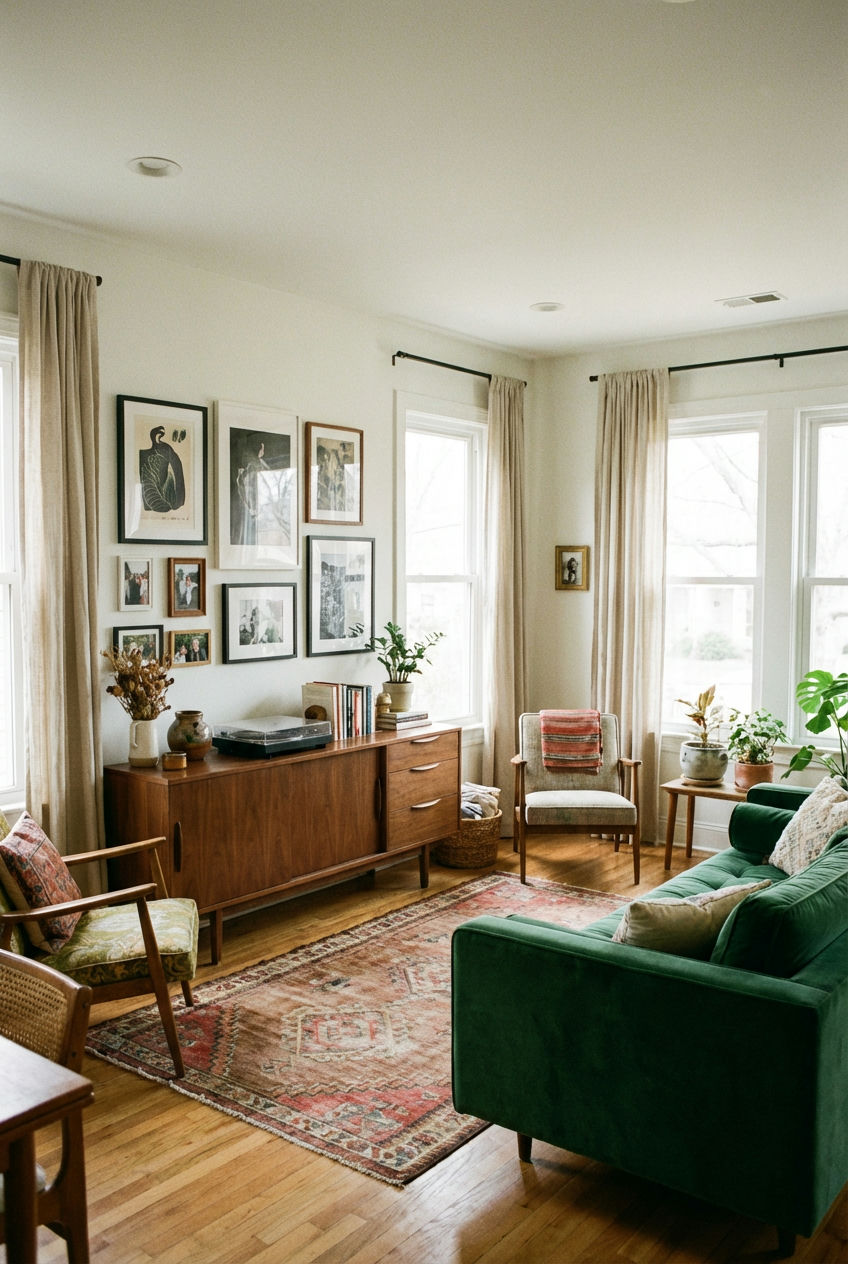
No longer are we seeking impersonal showroom looks; instead, 2026 will see a resurgence of highly personalized and thoughtfully curated living rooms. This trend emphasizes collecting pieces that tell a story, whether it’s a vintage armchair discovered at a flea market, handcrafted ceramics, or artwork from independent artists. The goal is to create a space that feels uniquely “you,” filled with character and warmth. It’s about combining different eras, textures, and styles in a way that feels cohesive and inviting, showcasing your journey and passions. This approach elevates the ordinary into something truly special.
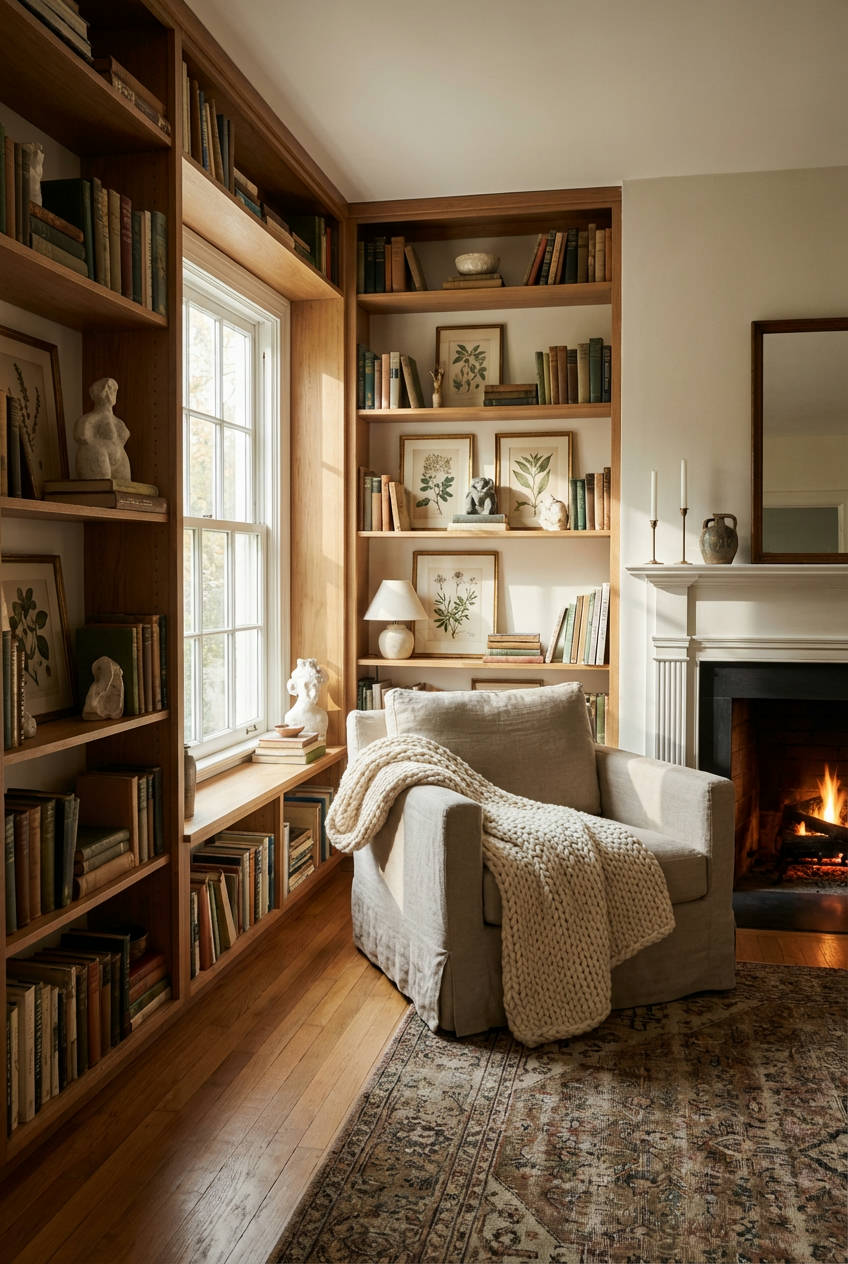
Think about mixing family heirlooms with modern purchases, or pairing a sleek, contemporary coffee table with a rustic area rug. The beauty of curated comfort is that there are no strict rules, allowing your personality to shine through every design choice you make. It’s an affirmation that your living space is a reflection of who you are, creating an atmosphere that’s both stylish and deeply personal. Practical insight: Start by identifying items that hold sentimental value or genuinely spark joy, then build your design around them.
3. Sculptural Silhouettes
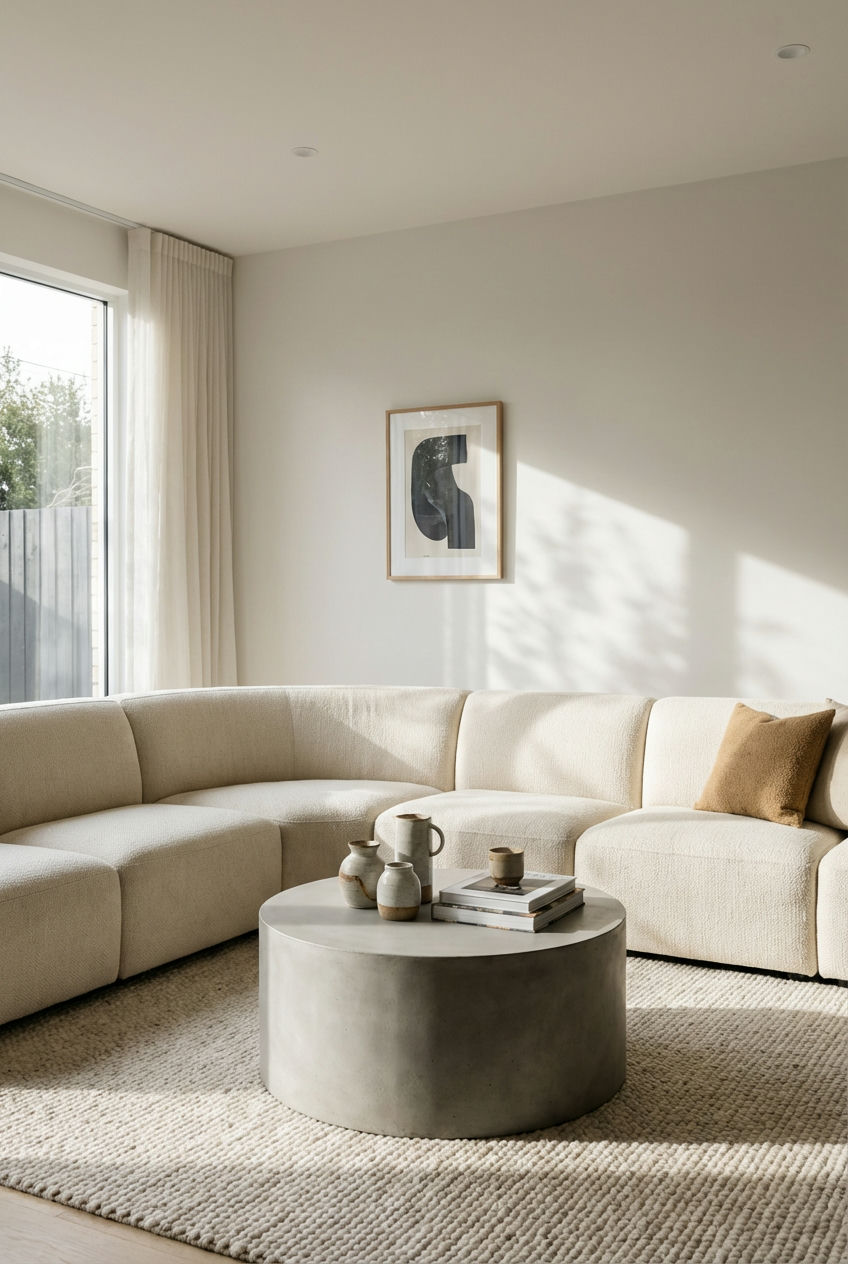
Furniture in 2026 is becoming art itself, with a strong emphasis on sculptural forms and architectural elements that add visual intrigue to the living room. Expect to see organic curves, bold geometric shapes, and statement pieces that command attention. An undulating sofa, an abstract-shaped coffee table, or chairs with dramatic lines can transform your space from merely functional to strikingly artistic. These pieces are chosen not just for their utility but for their aesthetic contribution, turning everyday objects into conversation starters and central design features that define the entire room’s personality.
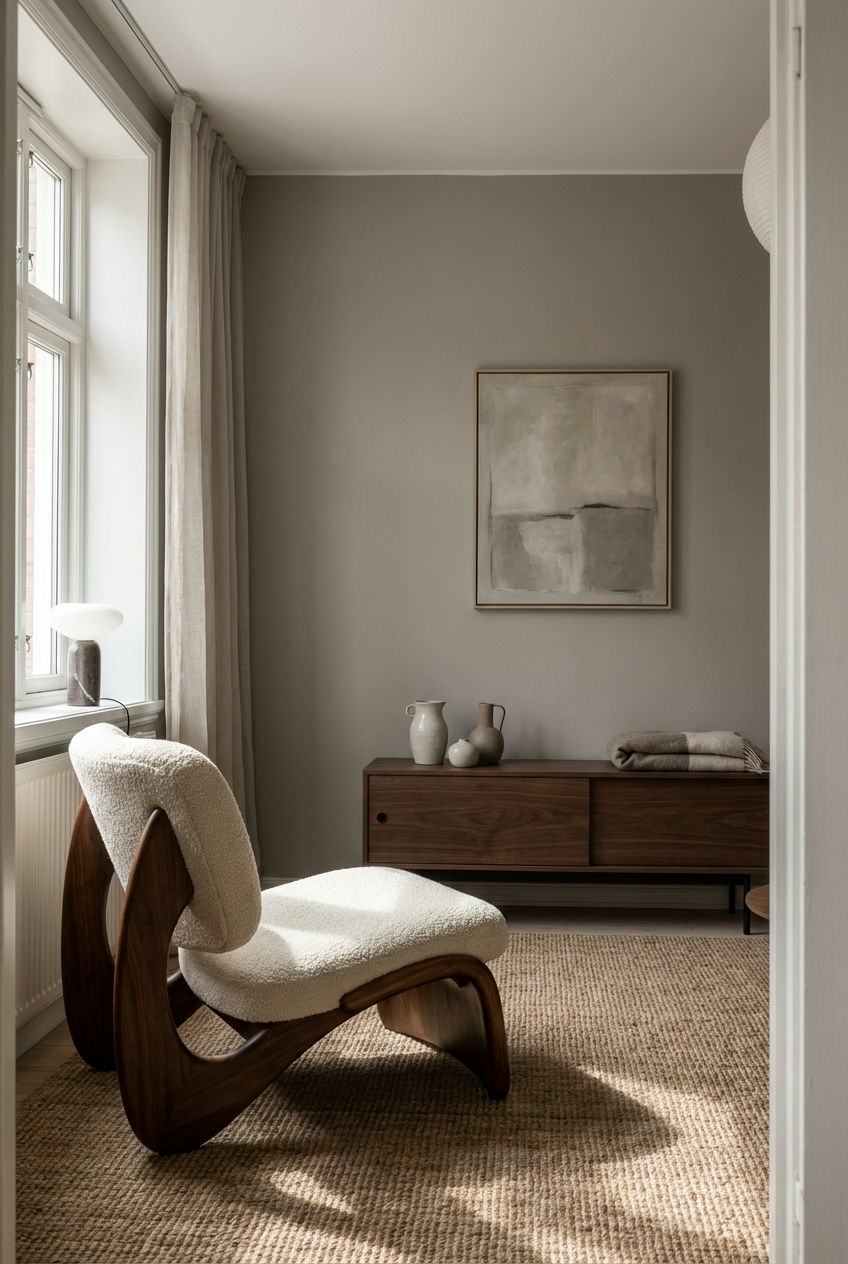
These sculptural forms often come in luxurious, tactile materials like bouclé, velvet, or polished wood, further enhancing their visual appeal. The careful placement of such items can create dynamic views and focal points, guiding the eye through the space. This approach encourages a more intentional way of furnishing, where each piece is a deliberate choice. When considering sculptural elements for your living space, focus on balance; one or two impactful pieces are often more effective than cluttering the room with too many vying for attention.
4. Earthy Palettes
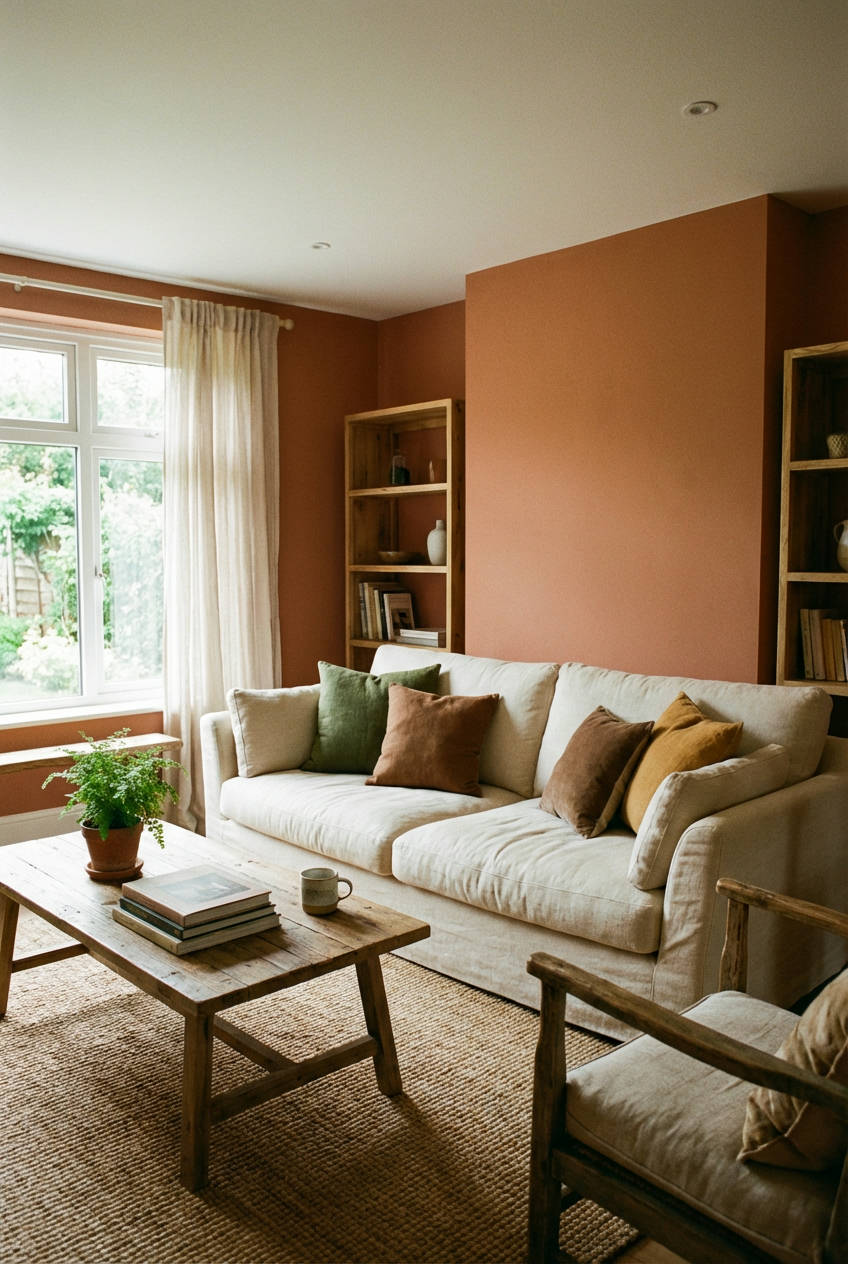
Moving away from stark whites and grays, the living room in 2026 embraces warm, earthy palettes inspired by nature. Think rich terracotta, deep forest greens, sandy beiges, and muted ochres that create a sense of groundedness and serenity. These colors are inherently soothing and timeless, providing a sophisticated backdrop for various decorating styles. They invite comfort and relaxation, making your living space feel like a welcoming sanctuary. This color trend reflects a broader desire for connection to the natural world and a yearning for stability in our homes.
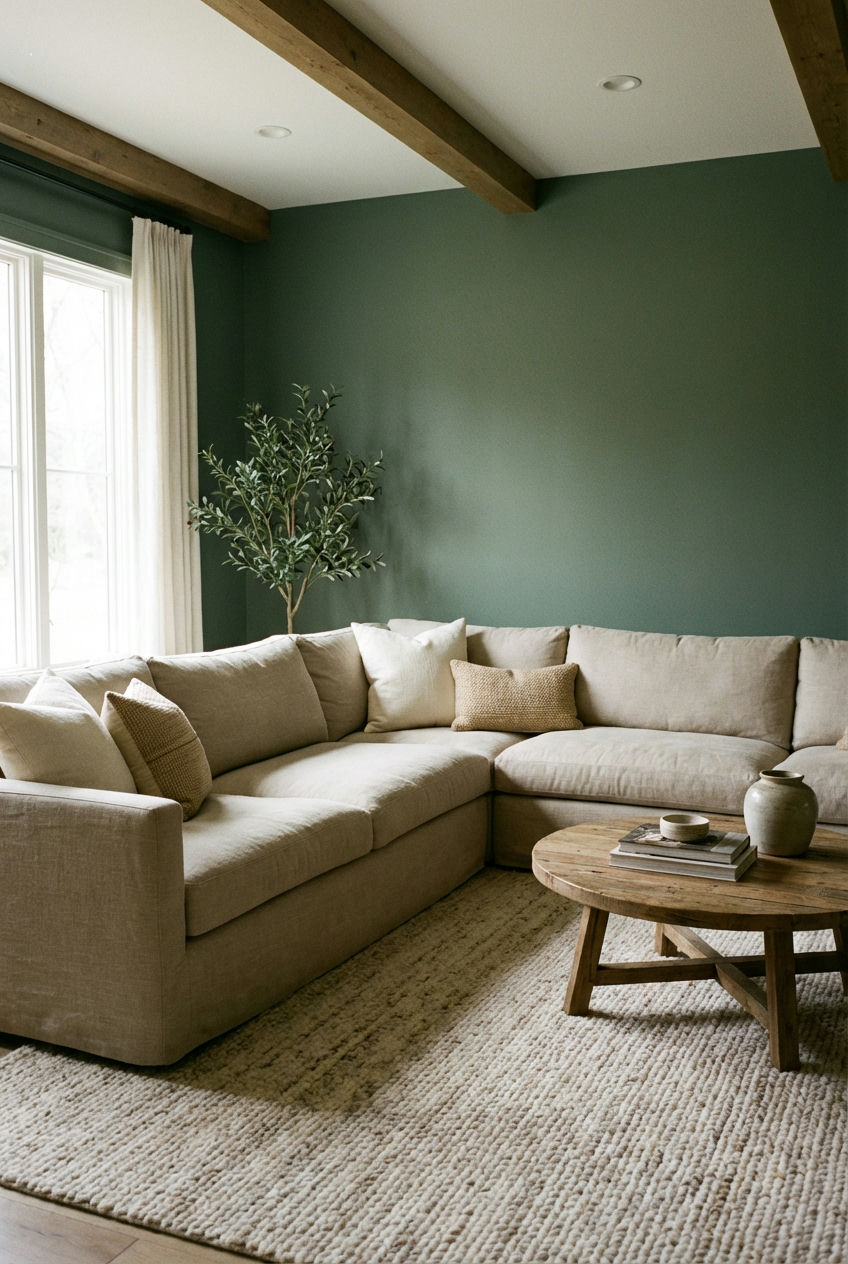
These colors pair beautifully with natural materials like wood, jute, and linen, enhancing the organic feel of the space. Consider using different shades and textures within the same earthy family to add depth and interest without overwhelming the senses. A deep olive accent wall, coupled with a cream-colored sofa and wooden accents, can create a beautifully balanced and inviting living environment. Common mistakes to avoid include using too many saturated colors from this palette, which can make the room feel heavy; instead, layer with lighter neutrals to maintain balance.
5. Smart Home Integration
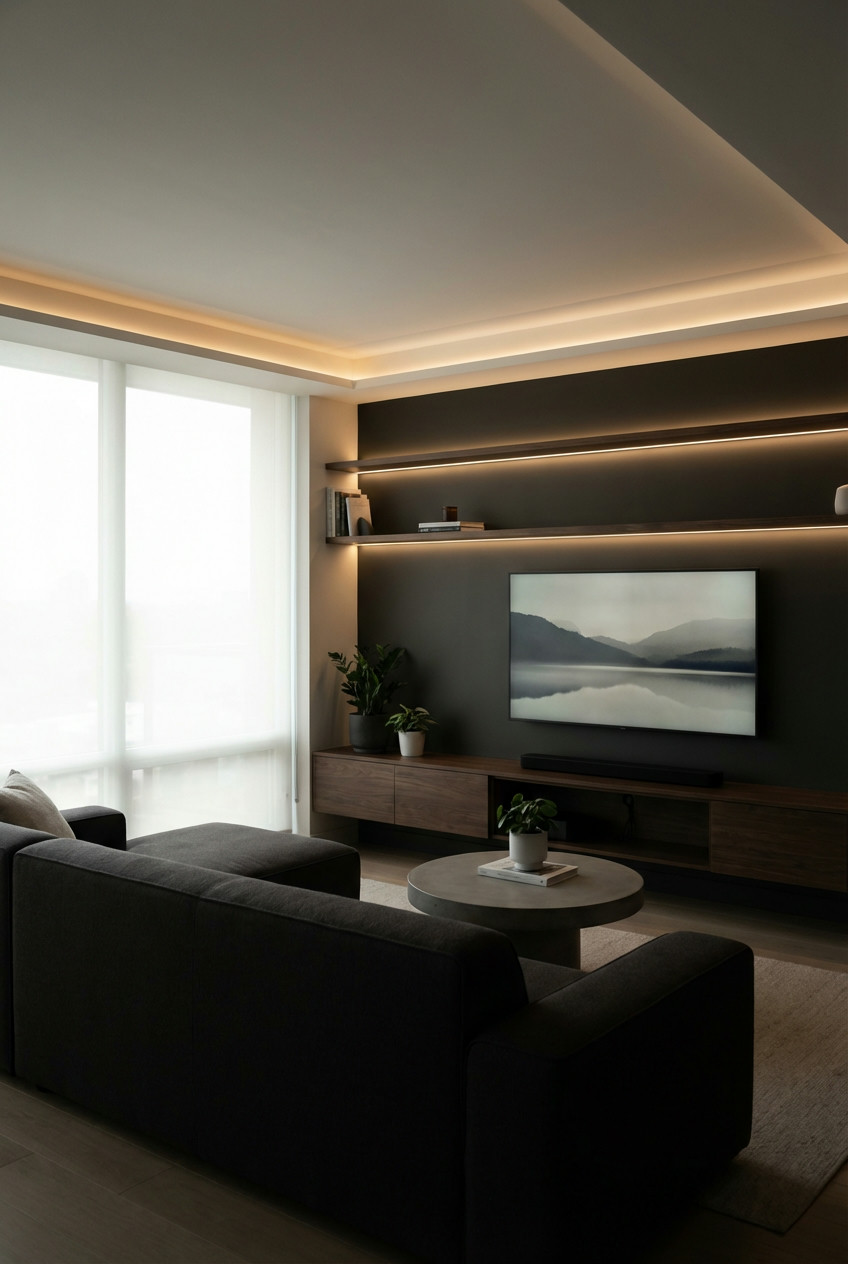
Technology is no longer hidden away but seamlessly integrated into the living room, enhancing comfort and convenience without sacrificing aesthetics. In 2026, smart home devices will become virtually invisible, blending into the decor while offering unparalleled control over lighting, temperature, audio, and even window treatments. Imagine adjusting mood lighting with a simple voice command, or having your thermostat learn your preferences to optimize energy efficiency. This trend focuses on intuitive experiences, making everyday life smoother and more enjoyable, transforming your space into an effortlessly responsive environment that anticipates your needs.
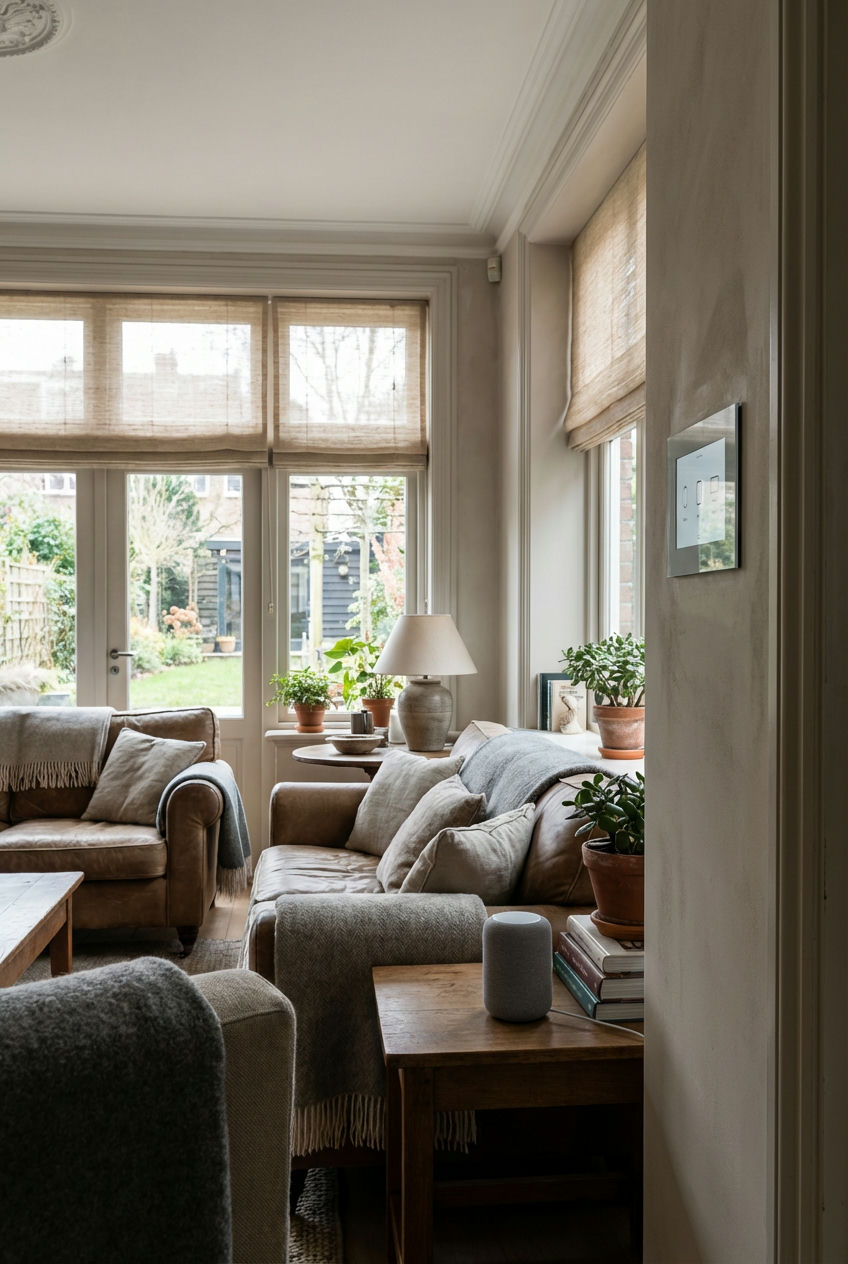
From automated blinds that respond to sunlight to invisible speakers offering crystal-clear audio, the emphasis is on utility without visual clutter. The key is to select devices that either disappear into the background or complement the overall design aesthetic. This seamless integration ensures that while your living space is high-tech, it never feels overwhelming or cold. It’s about optimizing your environment for maximum comfort and relaxation, making your home truly work for you. Many American homeowners are increasingly adopting these technologies to simplify their daily routines.
6. Textural Layering
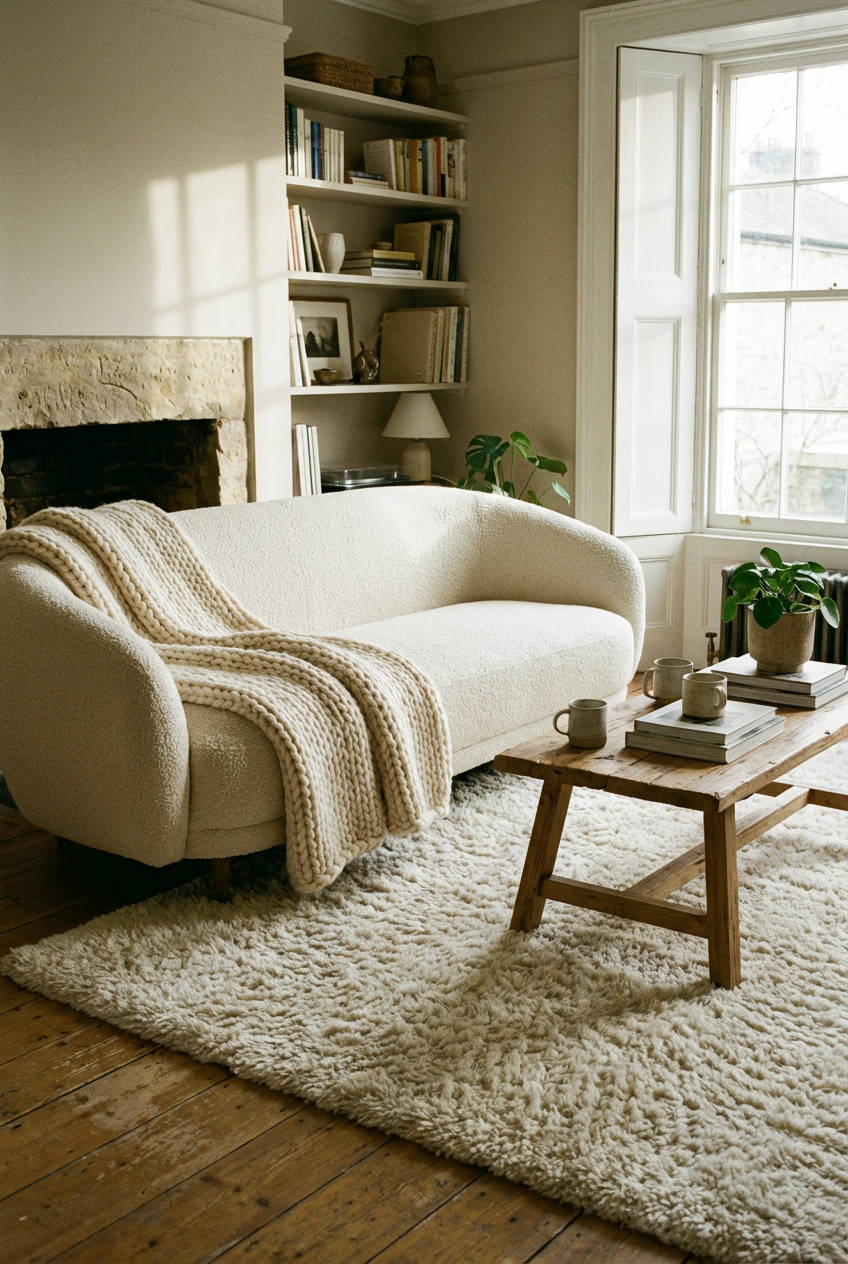
Add depth and visual interest to your living room by embracing the art of textural layering. This approach moves beyond just color and form, focusing on combining varied materials and surfaces to create a rich, tactile experience. Think plush velvet sofas paired with chunky knit throws, a sleek marble coffee table atop a shaggy wool rug, and raw wood accents complementing smooth ceramic vases. Each texture contributes to a multisensory environment that feels both luxurious and inviting, encouraging touch and exploration. This method prevents a space from feeling flat, adding warmth and personality.
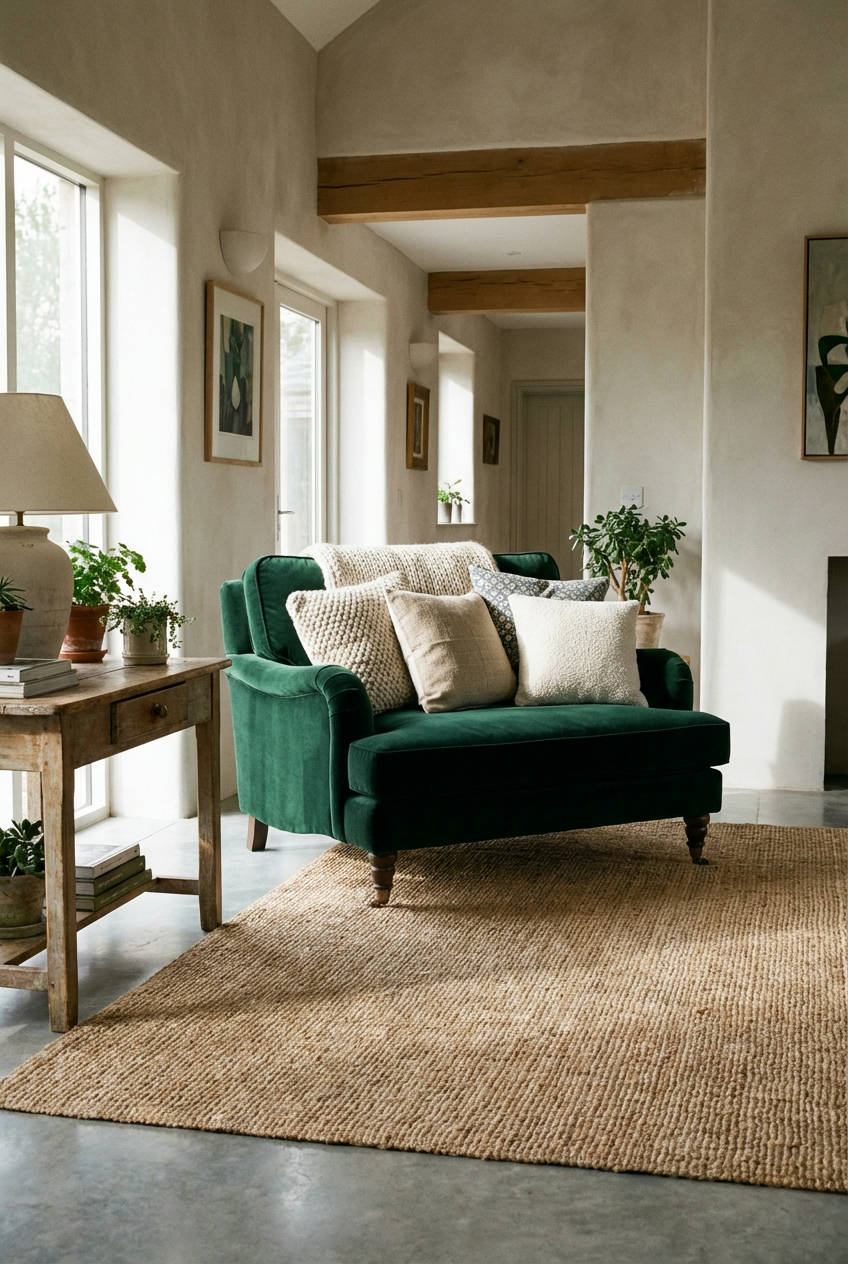
The beauty of textural layering is that it works across all design styles, from minimalist to maximalist, adding a sophisticated dimension without the need for excessive ornamentation. Even a monochromatic scheme can feel incredibly rich and dynamic when ample textures are at play. Experiment with different fabrics for upholstery, pillows, and throws, and incorporate varied finishes in your furniture and accessories. This creates a deeply comforting and visually stimulating living environment. Where it works best: in spaces that might otherwise feel stark or too uniform, injecting them with warmth and character.
7. Sustainable Choices
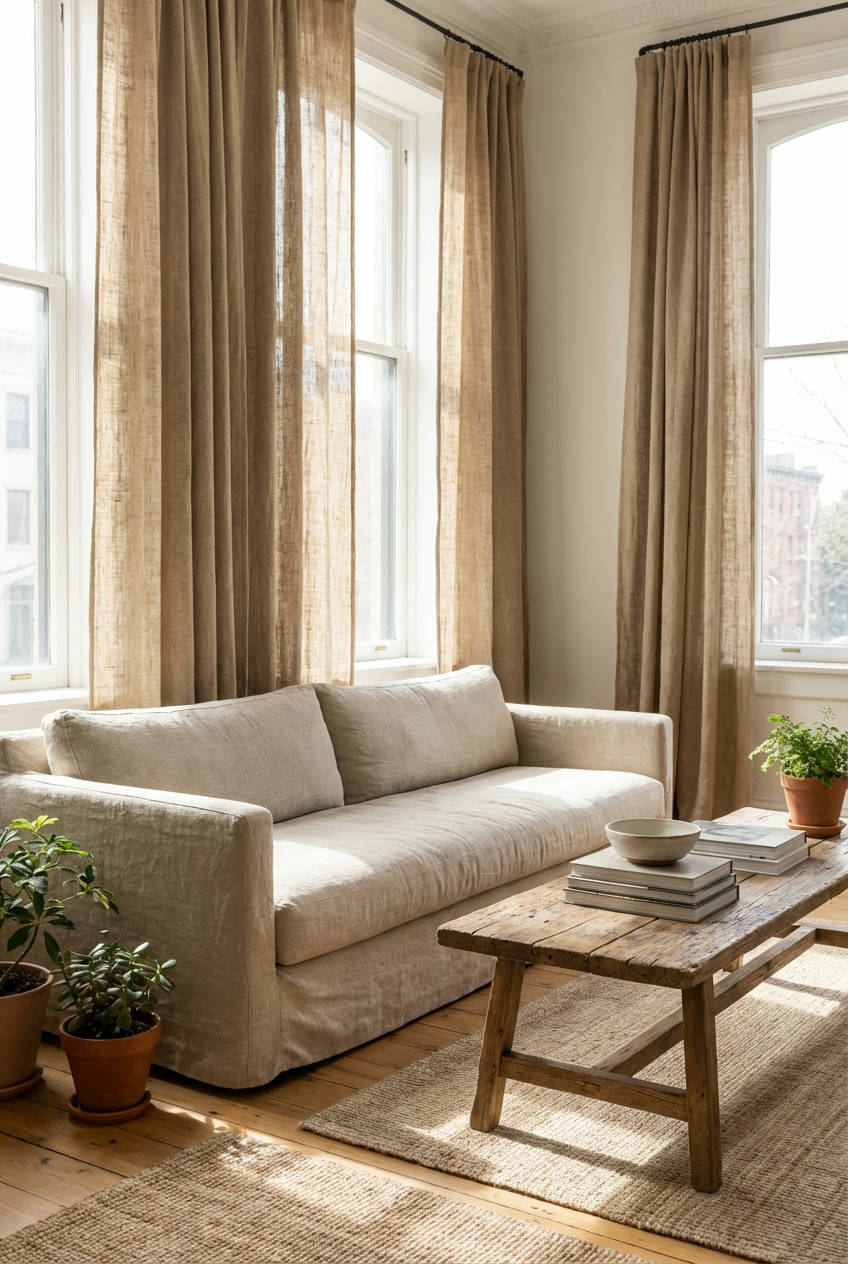
Conscious consumption is driving design choices, with sustainability becoming a cornerstone for the modern living room in 2026. This means opting for furniture made from recycled or responsibly sourced materials, choosing organic and non-toxic fabrics, and investing in pieces built to last. Think about ethically produced textiles, reclaimed wood furniture, or upcycled decor items that minimize environmental impact. This trend isn’t just about eco-friendliness; it’s also about investing in quality and supporting fair labor practices, aligning values with aesthetics and creating a home that feels good in every sense.
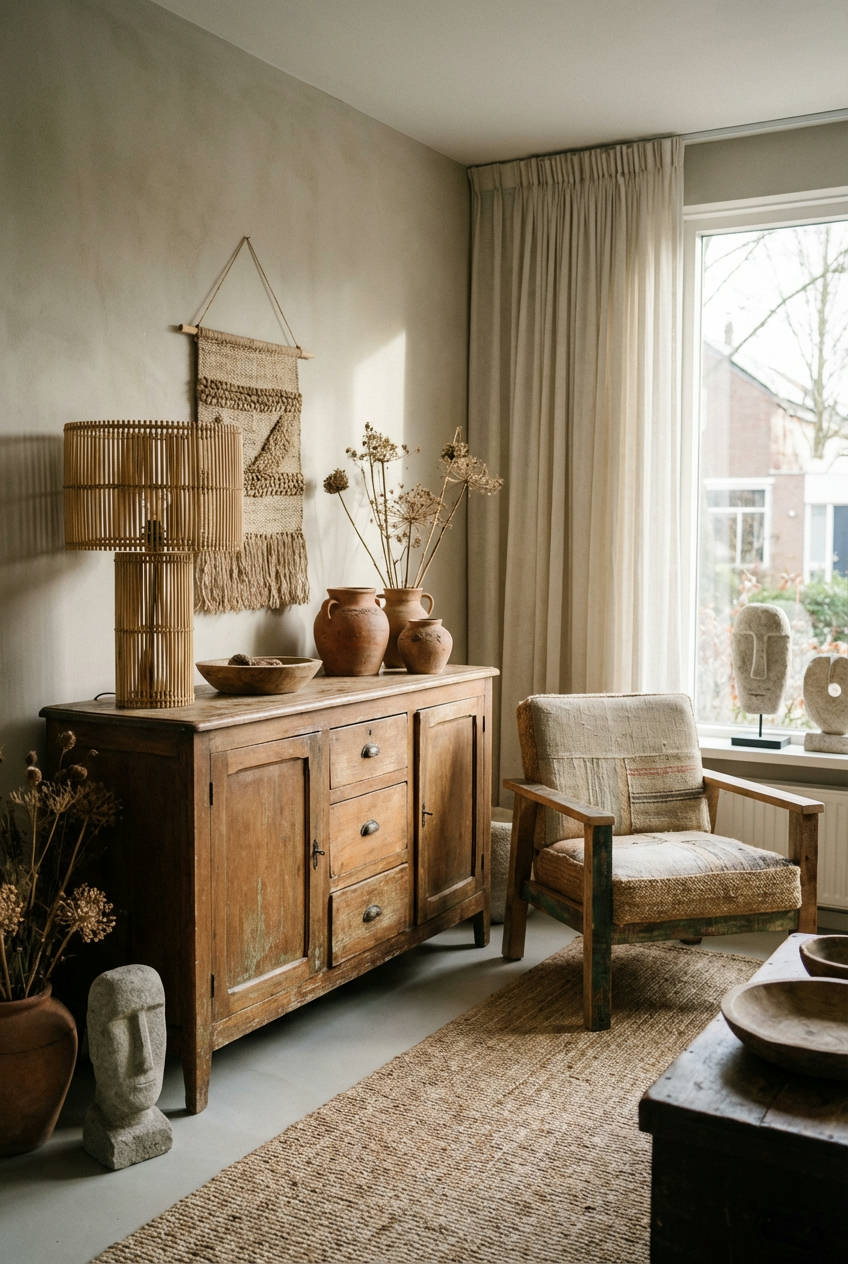
Beyond materials, consider supporting local artisans and small businesses who often prioritize sustainable practices and craft unique, high-quality items. Repairing and repurposing existing furniture is another excellent way to embrace this trend, giving old pieces new life and reducing waste. Your living space becomes a testament to thoughtful decisions, contributing to a healthier planet and a more mindful lifestyle. Expert-style commentary: Sustainability in design is moving from a niche market to an expected standard, reflecting a generational shift in consumer values.
8. Multifunctional Furniture
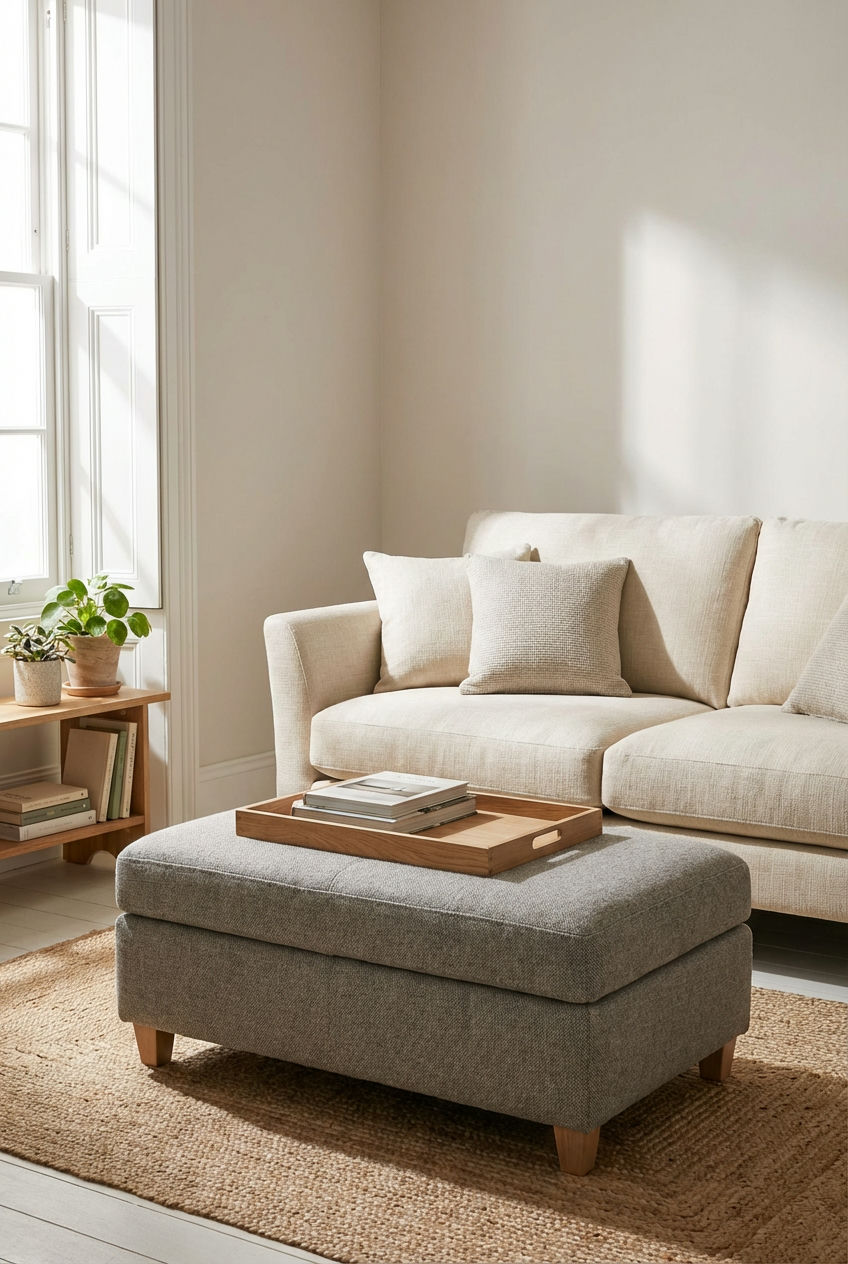
As homes continue to adapt to diverse needs, particularly in urban areas, multifunctional furniture will be a cornerstone of living room design in 2026. Pieces that serve more than one purpose are invaluable for maximizing space and enhancing efficiency. Imagine ottomans that double as storage, coffee tables that lift to become dining surfaces, or modular sofas that can be reconfigured for various seating arrangements. This trend is about intelligent design that allows your living area to seamlessly transition between different activities throughout the day, from entertaining guests to working from home, without clutter.
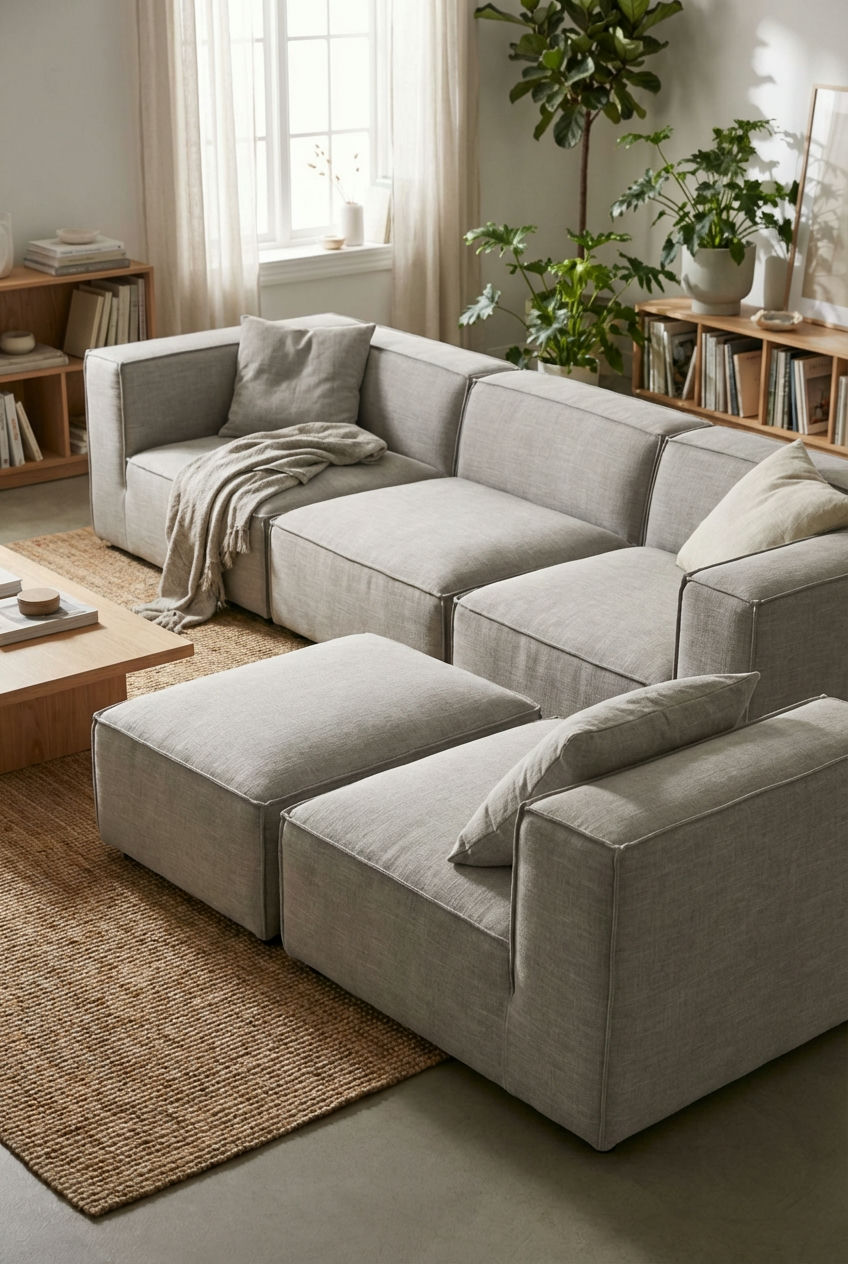
From small apartments to spacious family homes, the utility of multifunctional pieces cannot be overstated. They help maintain a tidy and organized environment, as every item has a designated place that doubles as something else. Look for hidden compartments, expandable surfaces, and flexible modules that can be adapted to your evolving needs. This thoughtful approach to furnishing ensures that your living space always feels spacious and well-ordered, no matter how many functions it needs to fulfill. Budget/price angle: Investing in high-quality multifunctional pieces can save money in the long run by reducing the need for multiple single-purpose items.
9. Statement Lighting
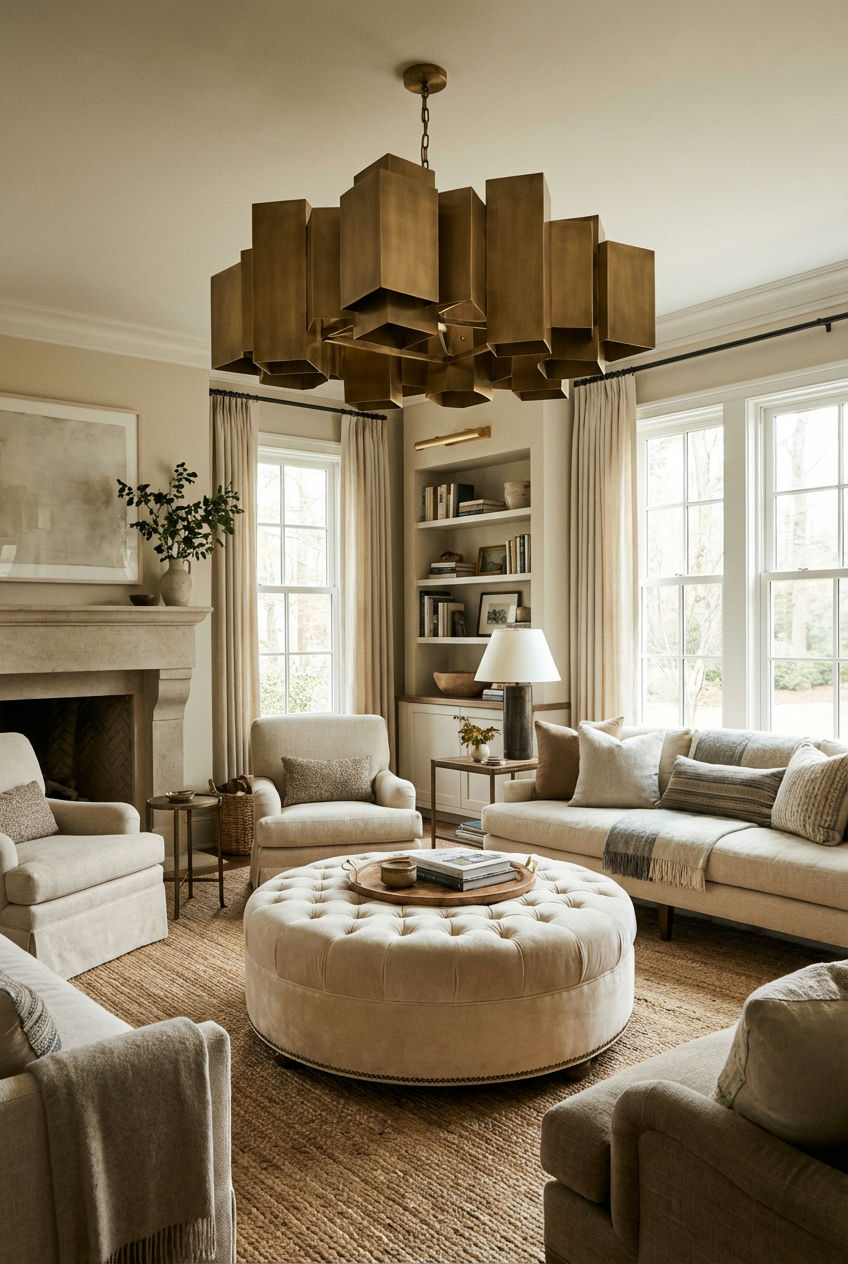
Lighting is no longer just utilitarian; in 2026, it becomes a powerful decorative element in the living room, serving as a focal point and a work of art. Expect to see oversized pendants, sculptural floor lamps, and unique wall sconces that draw the eye and add architectural interest. These statement pieces not only illuminate the space but also contribute significantly to its overall aesthetic, casting interesting shadows and creating dynamic atmospheres. They can define zones within an open-plan layout or add a touch of drama to a more traditional setting, elevating the entire design.
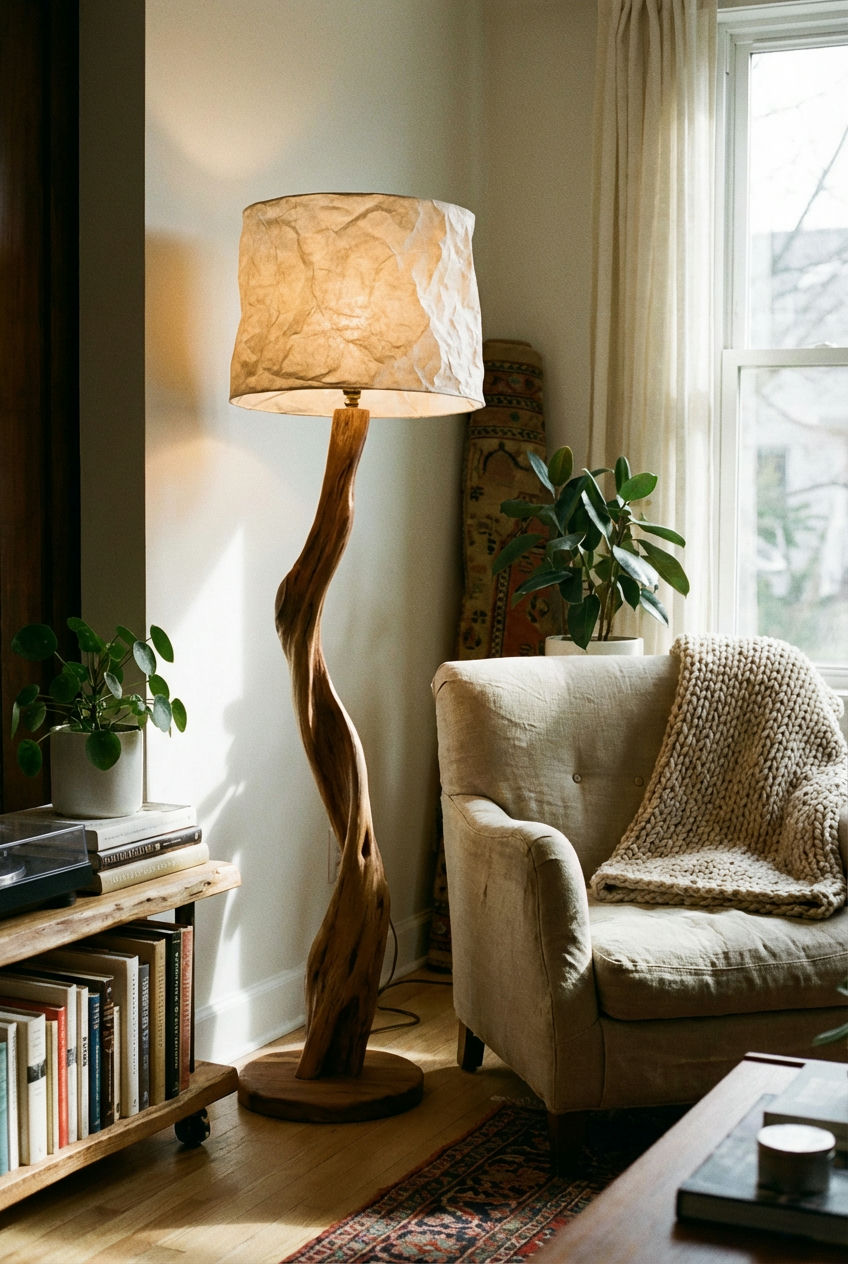
Consider the interplay of light and shadow, and how different fixtures can create various moods throughout the day. Dimmers are essential for versatility, allowing you to transition from bright task lighting to a soft, ambient glow. From art deco-inspired forms to minimalist designs, there’s a statement light for every style, ensuring your living space shines in its best light. A micro anecdote: “My neighbor installed this massive, woven pendant light, and suddenly their entire living room felt like a high-end gallery space – it completely transformed the vibe.”
10. Organic Modern
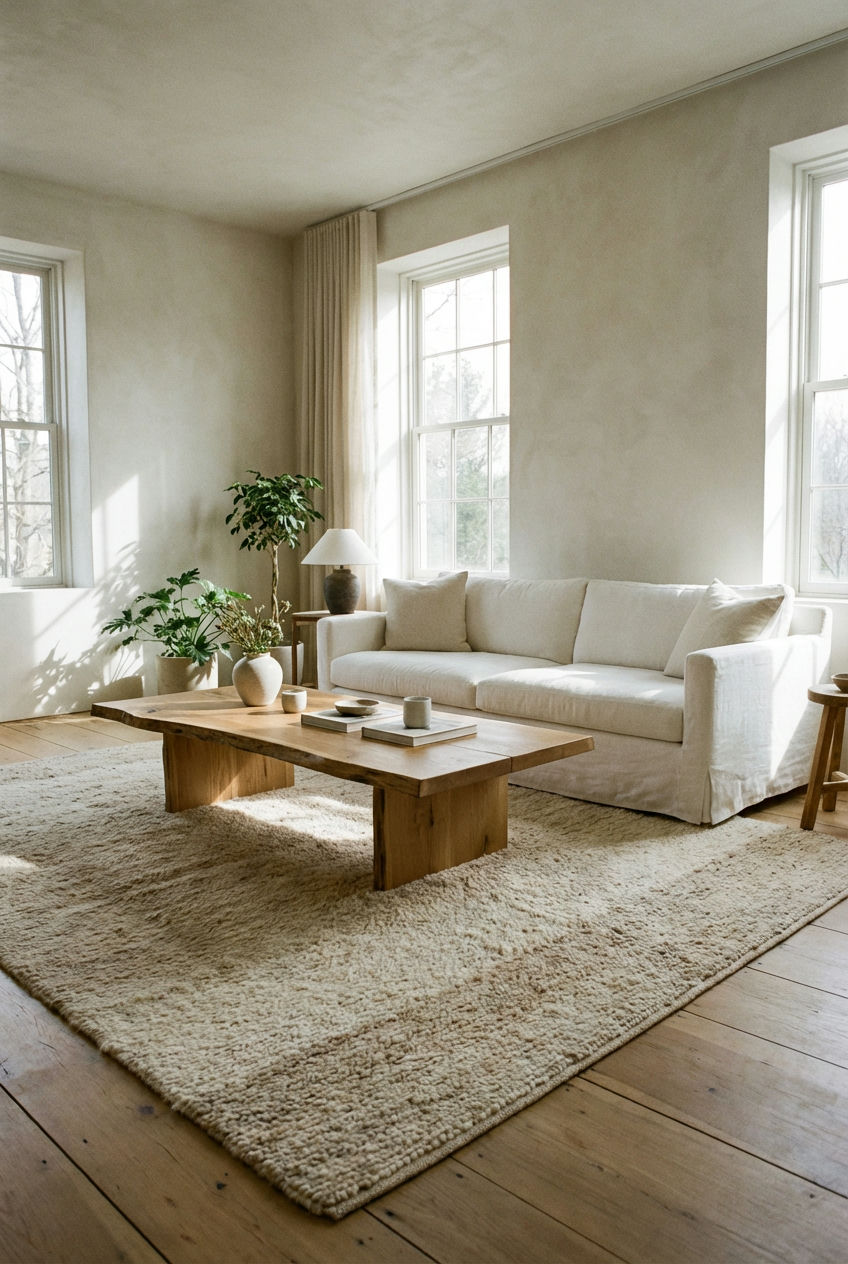
The “organic modern” aesthetic will dominate living room design in 2026, blending the clean lines and minimalist sensibility of modernism with the warmth and texture of natural elements. This style favors simplicity and functionality but softens it with earthy tones, natural materials like wood and stone, and organic shapes. The result is a highly sophisticated yet inviting space that feels both sleek and grounded. It’s about creating harmony between structure and nature, ensuring that modern living doesn’t feel cold or sterile, but rather comfortable and deeply connected to the natural world.
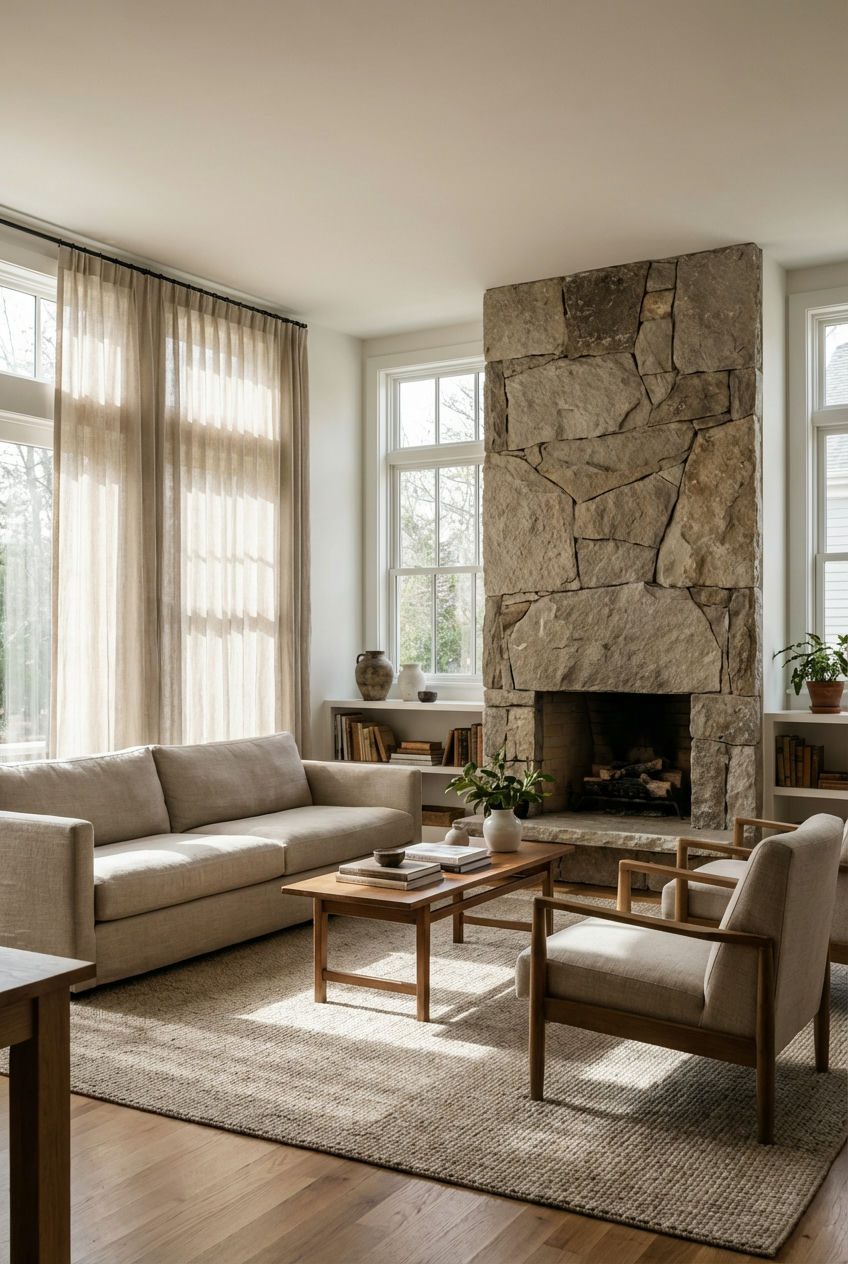
Think about a concrete fireplace paired with a soft, bouclé sofa, or a sleek, Scandinavian-inspired wall unit adorned with rustic ceramic pottery. The palette often centers around neutrals—cream, beige, grey, and black—punctuated by natural wood tones and touches of green from indoor plants. This approach creates a timeless and comfortable living environment that feels both contemporary and enduringly classic. Where it works best: In homes seeking a balance between sophistication and natural warmth, particularly if you appreciate clean aesthetics but desire comfort.
11. Nostalgic Nooks
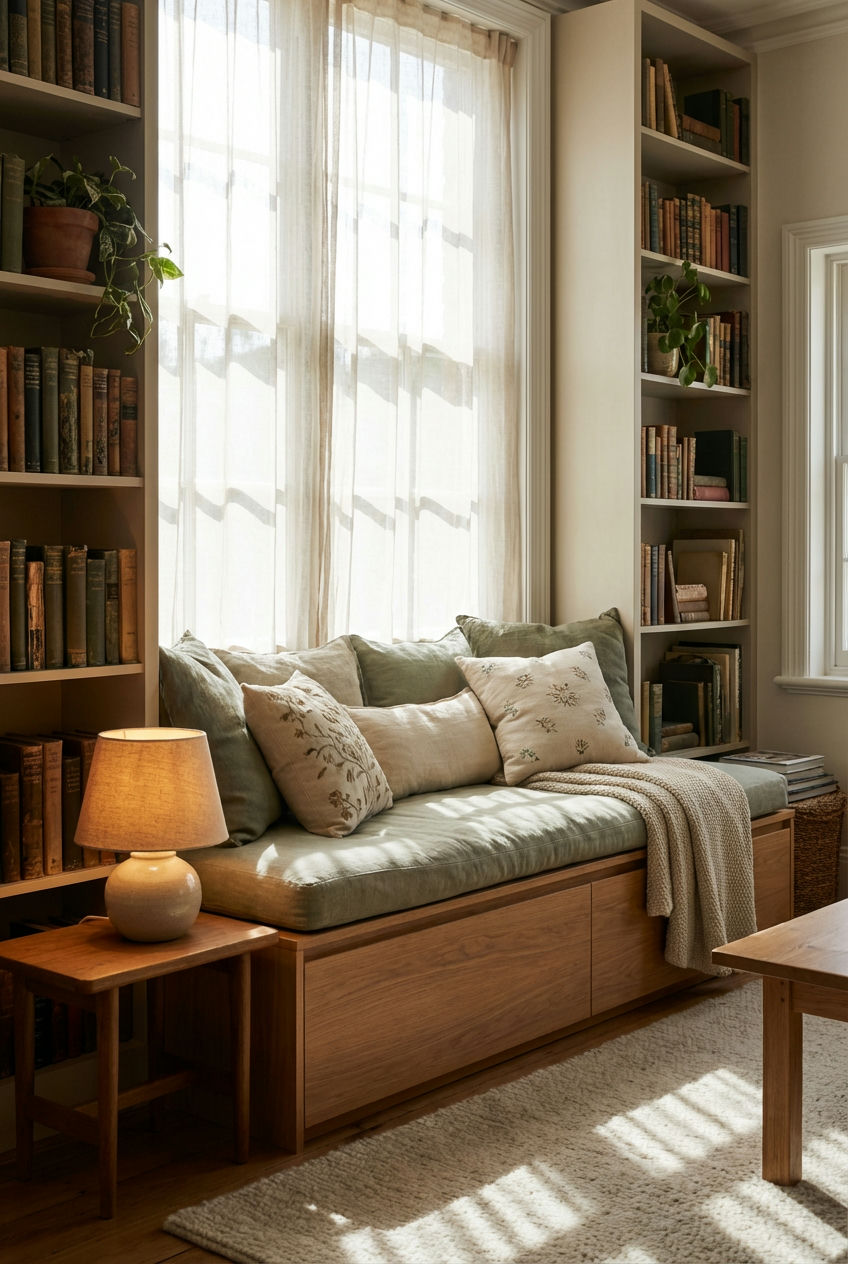
In a fast-paced world, creating cozy, nostalgic corners within the living room offers a welcome retreat. These intimate spaces are designed for relaxation, reading, or quiet contemplation, evoking a sense of comfort and familiarity. Think upholstered window seats piled high with pillows, a vintage armchair tucked into a corner with a warm throw, or a small, round table perfect for journaling. These nooks are about carving out personal sanctuaries where one can unwind and escape the demands of daily living, emphasizing a design that nurtures mental well-being and encourages slow living.
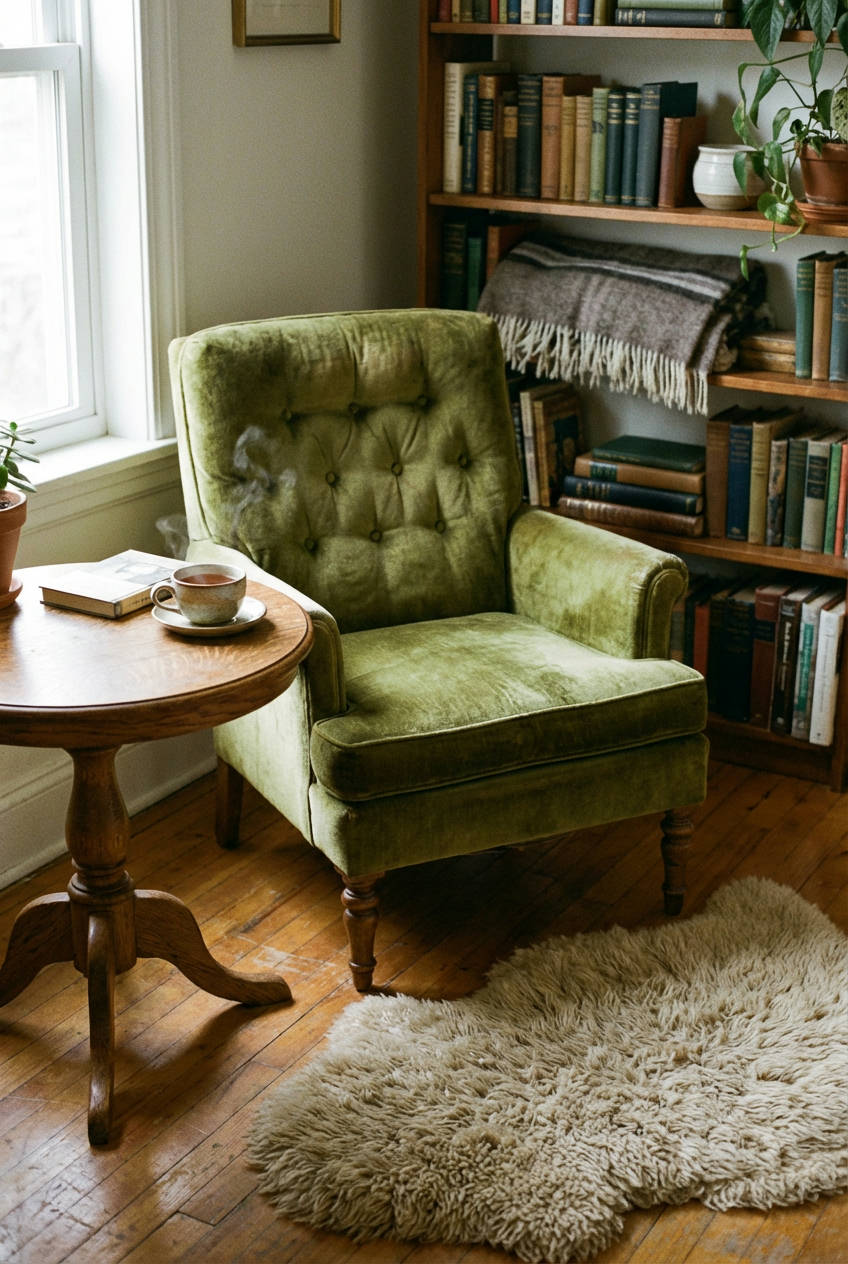
The key to these nostalgic nooks is their inviting nature, often achieved through soft lighting, plush textures, and personal touches like framed photos or beloved heirlooms. They don’t require an entire room; even a carefully arranged corner can serve as an ideal spot. This trend celebrates the beauty of smaller moments and encourages us to design spaces that support our emotional needs. Real homeowner behavior: Many are actively creating these zones to escape digital overload and enjoy simple pleasures like reading a physical book or listening to music.
12. Bold Pattern Play
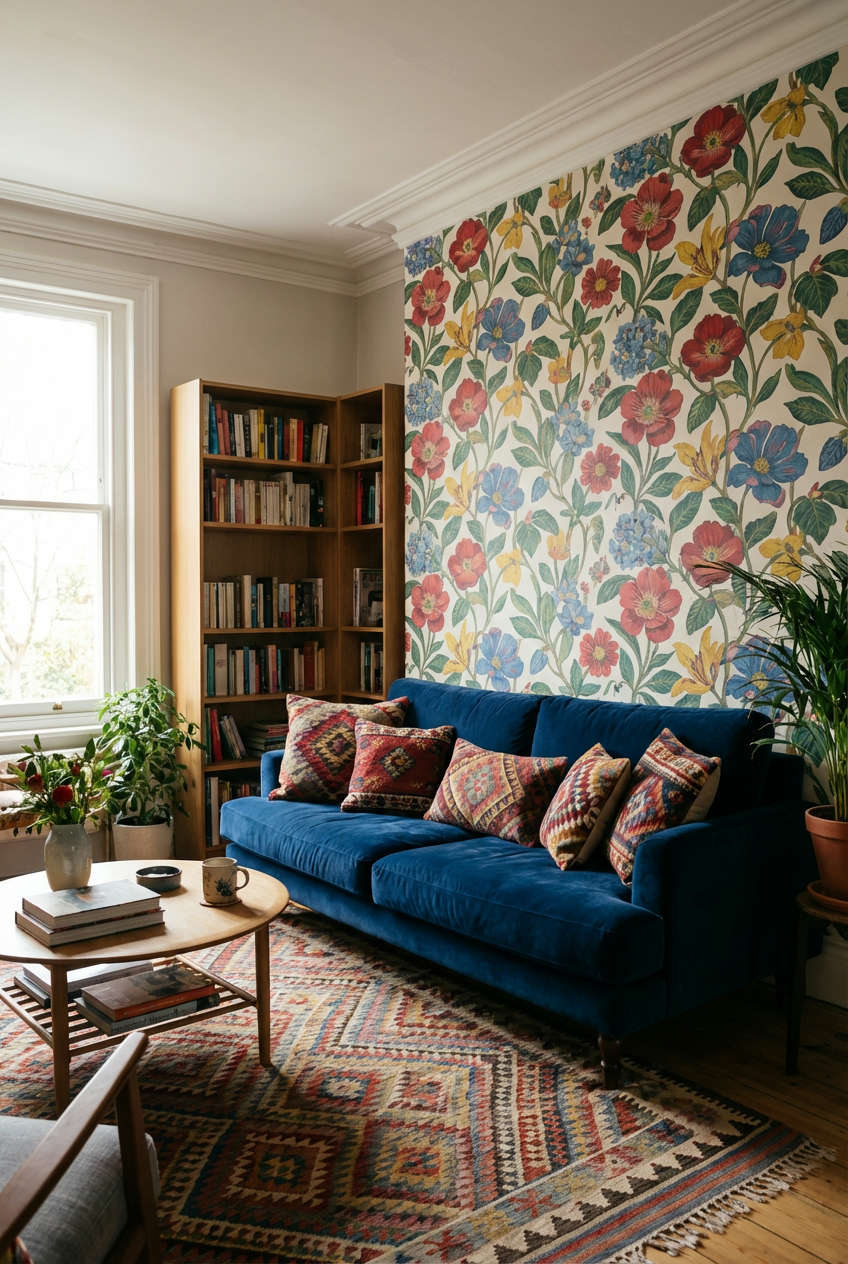
Forget subtle accents; in 2026, the living room will embrace bold and expressive patterns. From maximalist wallpapers and large-scale geometric rugs to graphic textiles and abstract art, patterns are being used to inject personality and vibrancy into spaces. The trick is to find a cohesive thread, perhaps through a shared color palette or a unifying style, that allows different patterns to coexist harmoniously. This approach adds depth, movement, and an undeniable sense of character, making your space feel dynamic and full of life, a true reflection of adventurous design.
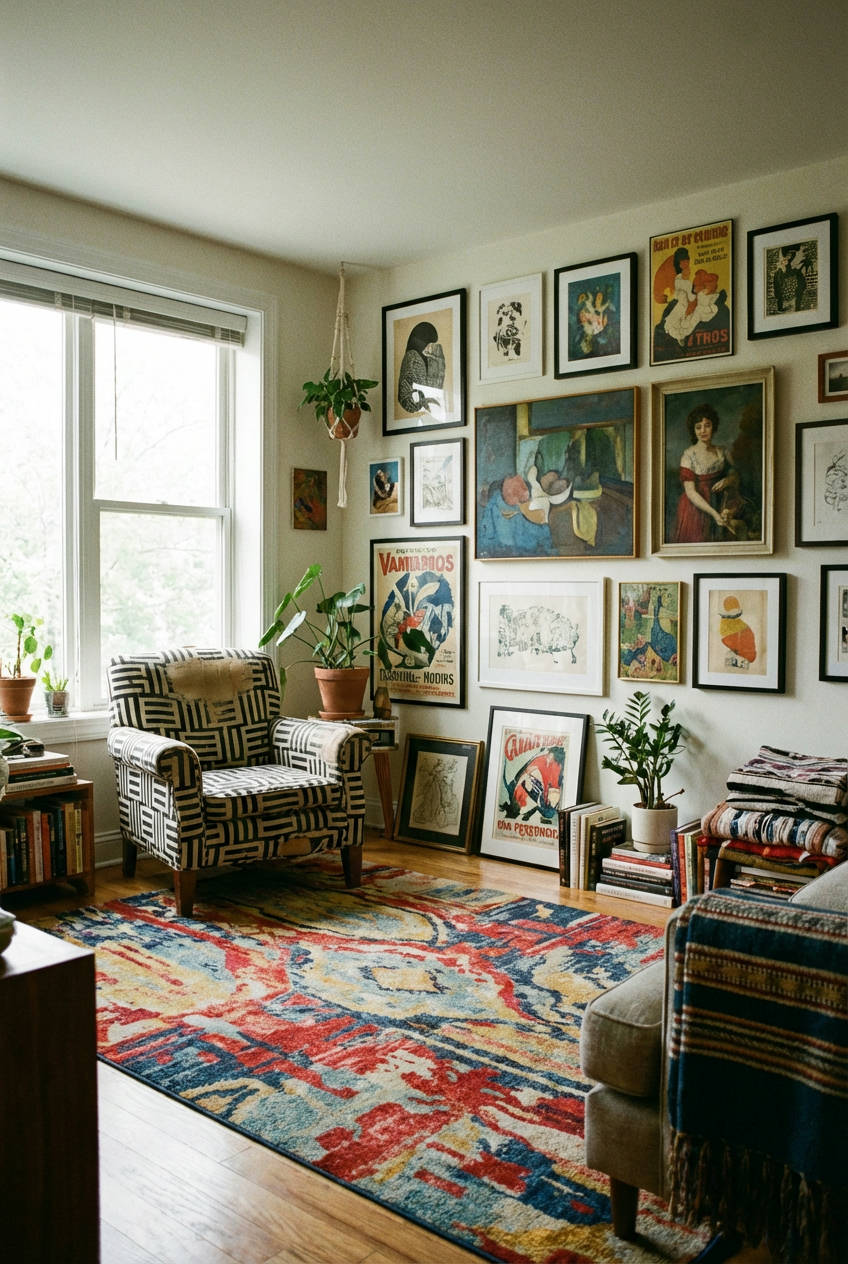
Don’t shy away from mixing and matching; a striped pillow on a floral sofa can be surprisingly chic if the colors align. Start with a dominant pattern and then layer in smaller, complementary ones. This takes confidence, but the payoff is a truly unique and memorable living environment. It’s about breaking free from conventional design rules and allowing your expressive side to shine through, creating a space that feels entirely original and full of joyful energy. Practical insight: Use a mood board to test out different pattern combinations before committing to ensure visual harmony.
13. Integrated Art Walls
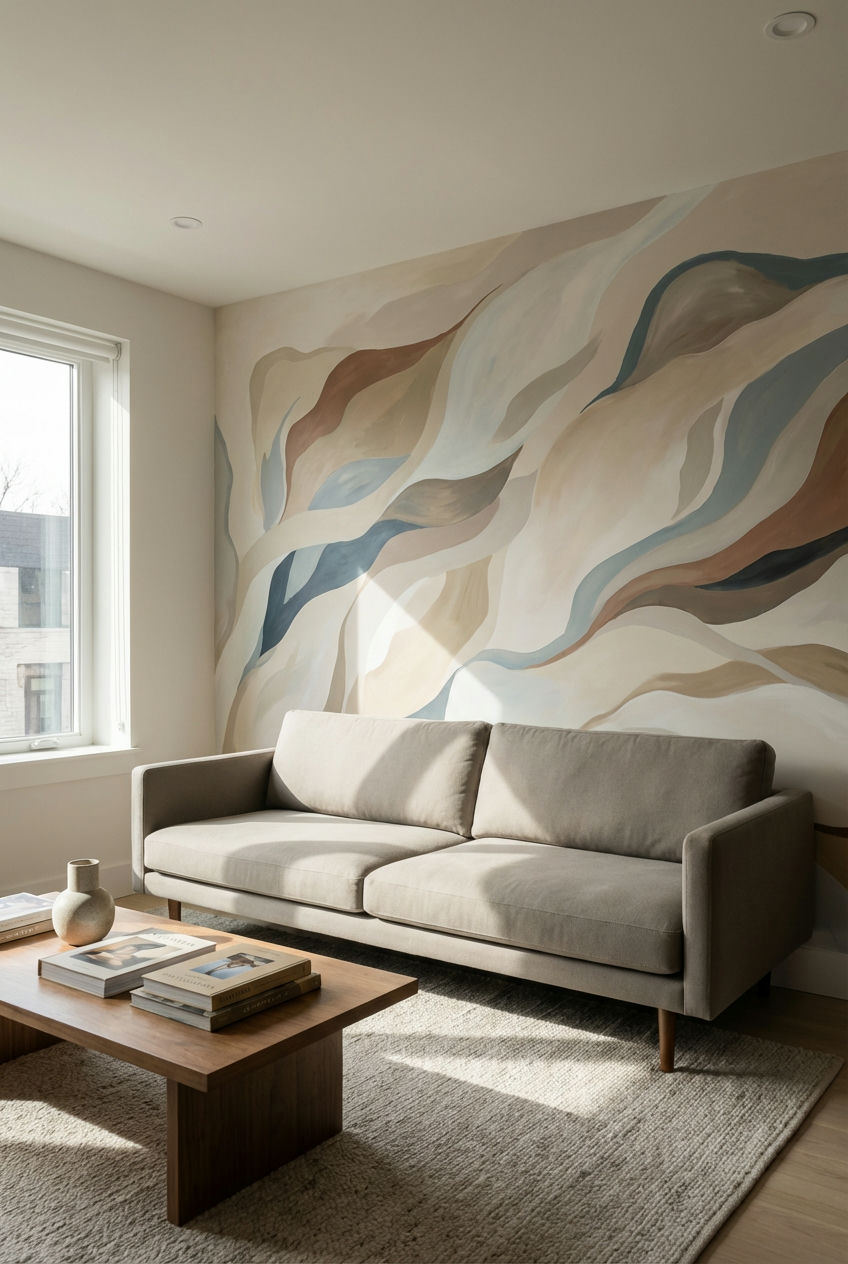
Art is moving beyond simple hanging pieces, becoming an integrated feature of the living room itself in 2026. Think murals, custom painted scenes, or even curated gallery walls that flow seamlessly into the architectural elements of the space. This approach turns a wall into a dynamic canvas, adding personality and a unique focal point that can change the entire mood of the room. It’s about merging artistry with interior design, creating environments that are both functional and deeply inspiring. The walls themselves become part of the narrative, telling a story or evoking a particular emotion.
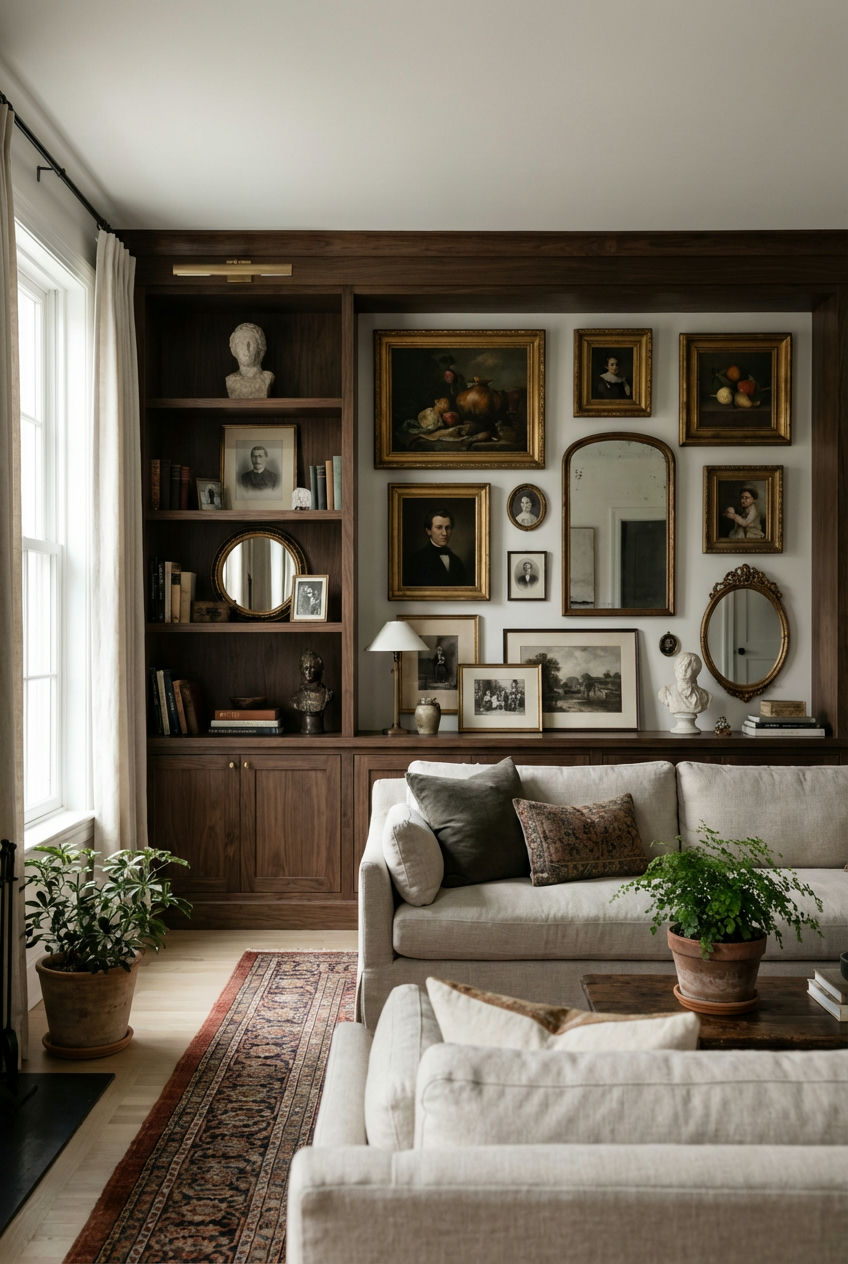
From a subtle textured plaster finish that creates a sculptural effect to a bold, hand-painted graphic, the possibilities are endless. This allows for bespoke design that feels deeply personal and adds an element of luxury without necessarily requiring expensive art pieces. Consider how the light interacts with these art walls, enhancing their texture and depth throughout the day, creating an ever-evolving visual experience for the living residents and guests. A micro anecdote: “My friend commissioned a local artist to paint a serene landscape mural, and it transformed their small living room into a vast, tranquil escape.”
14. Flexible Zone Planning
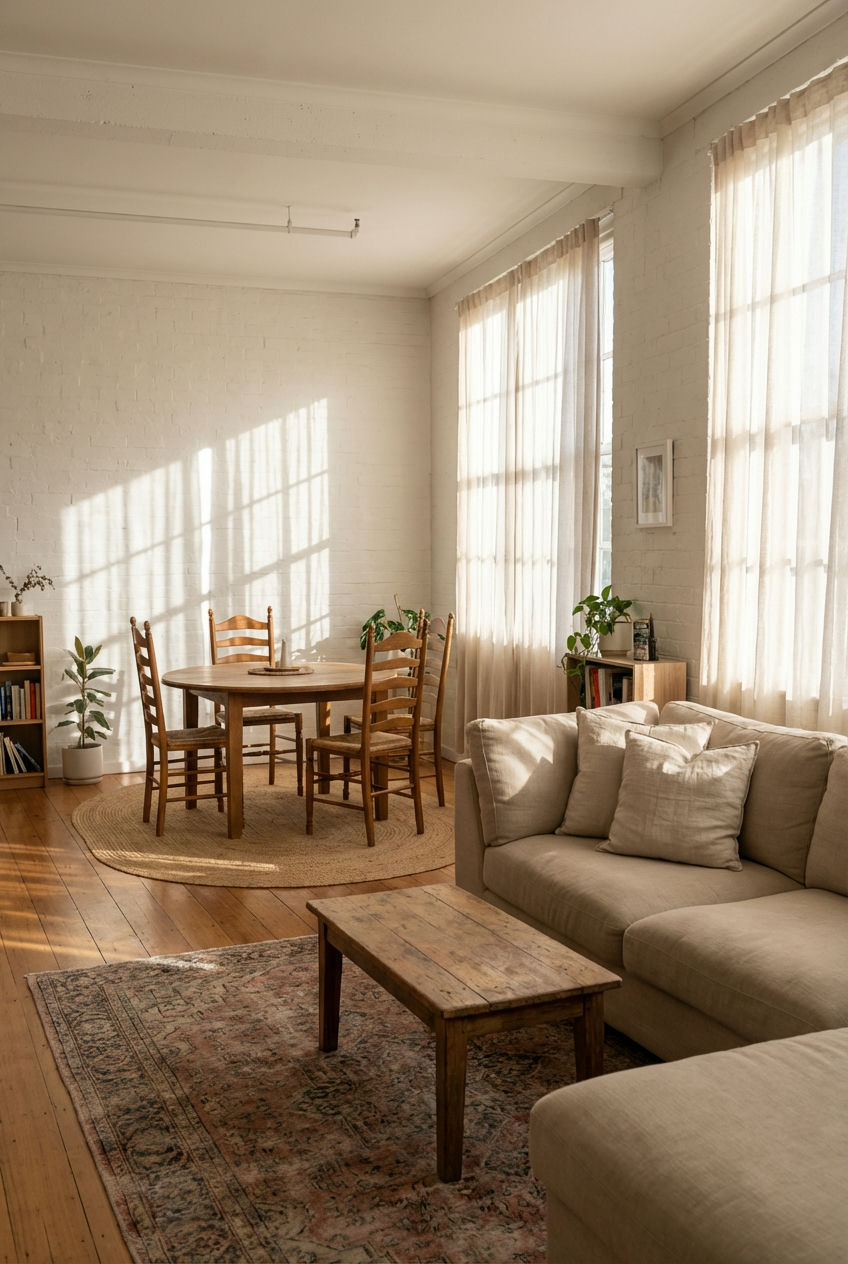
Open-plan living is evolving, with an emphasis on creating distinct yet fluid zones within the larger living room areas. This allows for flexibility and functionality, enabling different activities to occur simultaneously without feeling disjointed. Think about using strategically placed rugs to define a conversation area, a console table to delineate a workspace, or even a freestanding bookshelf to create a semi-private reading nook. The goal is to optimize both shared and individual spaces, offering variety and adaptability for modern living needs.
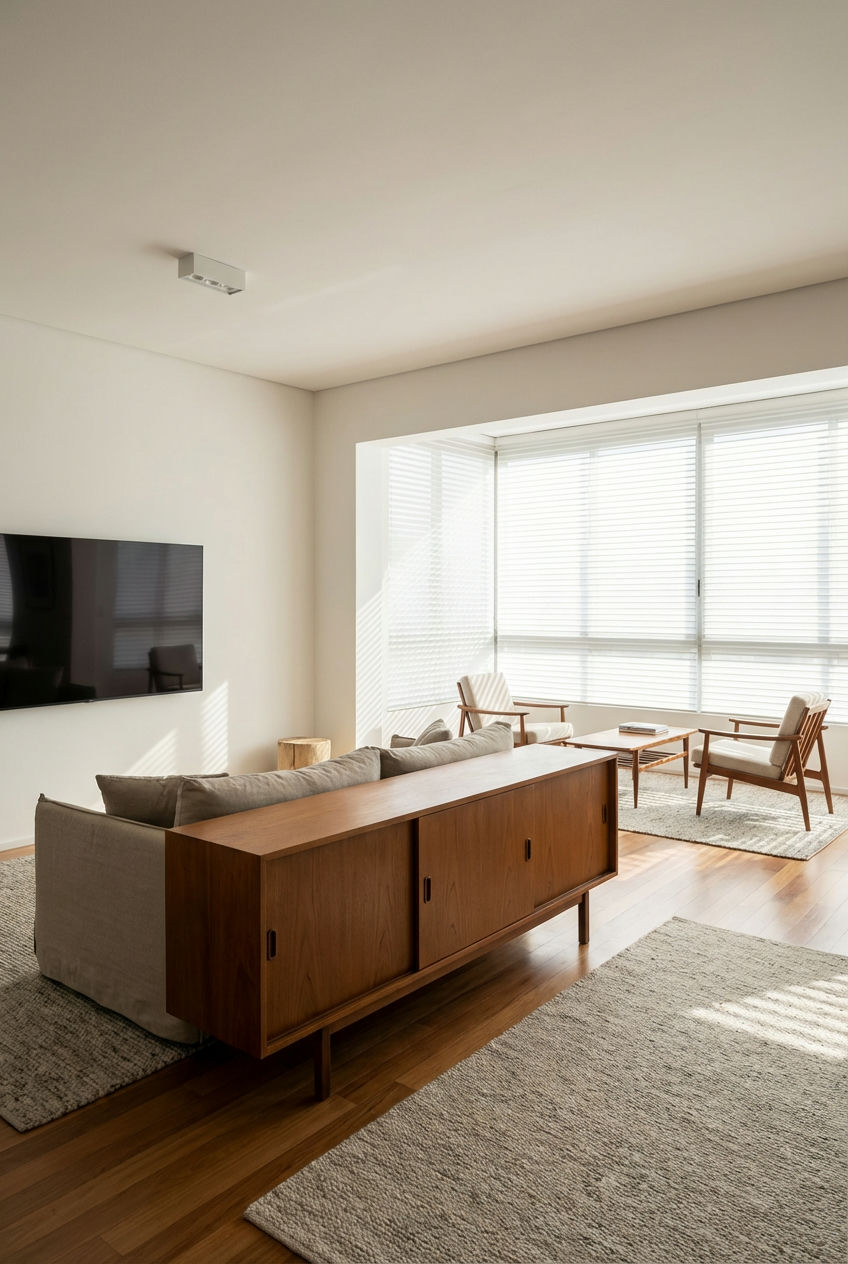
Screens, both decorative and functional, can also play a role in creating these fluid divisions, offering privacy when needed without completely closing off the space. The beauty of flexible zone planning is its ability to adapt to changing household needs, making the most of every square foot. This concept is particularly appealing in smaller homes or apartments where maximizing space efficiency is crucial, ensuring every corner of your living area serves a clear purpose while maintaining an open feel. Common mistakes: Over-segmenting a small space, making it feel cramped instead of defined.
15. Velvet and Bouclé
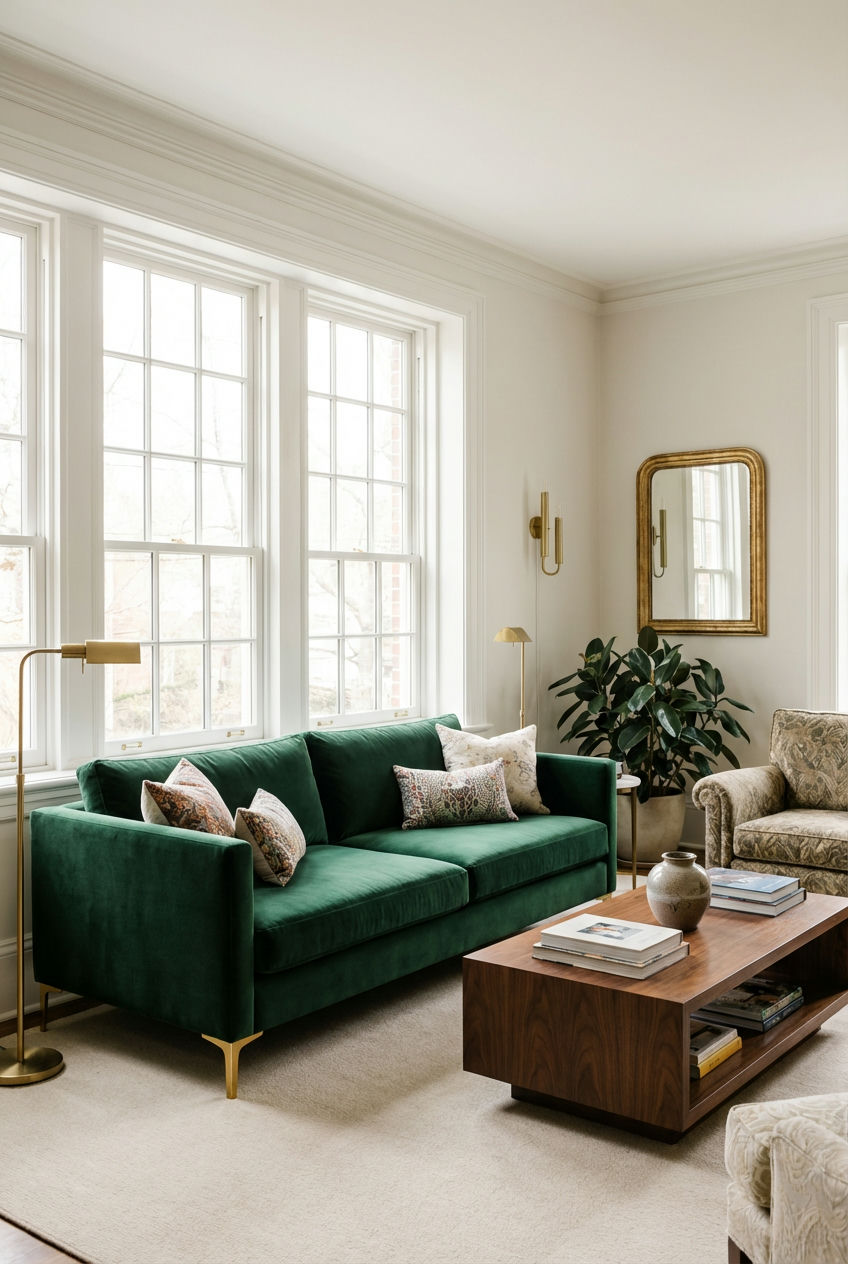
Luxurious, tactile fabrics like velvet and bouclé are gracing living room interiors in 2026, adding an immediate sense of richness and comfort. Velvet, with its opulent sheen, brings a touch of classic elegance, while bouclé, with its looped texture, provides a cozy, contemporary feel. These materials are not just beautiful to look at; they invite touch and instantly elevate the perceived quality of a space. Whether it’s a full sofa, an accent chair, or plush decorative pillows, incorporating these textures makes a statement of sophisticated comfort in your living area.
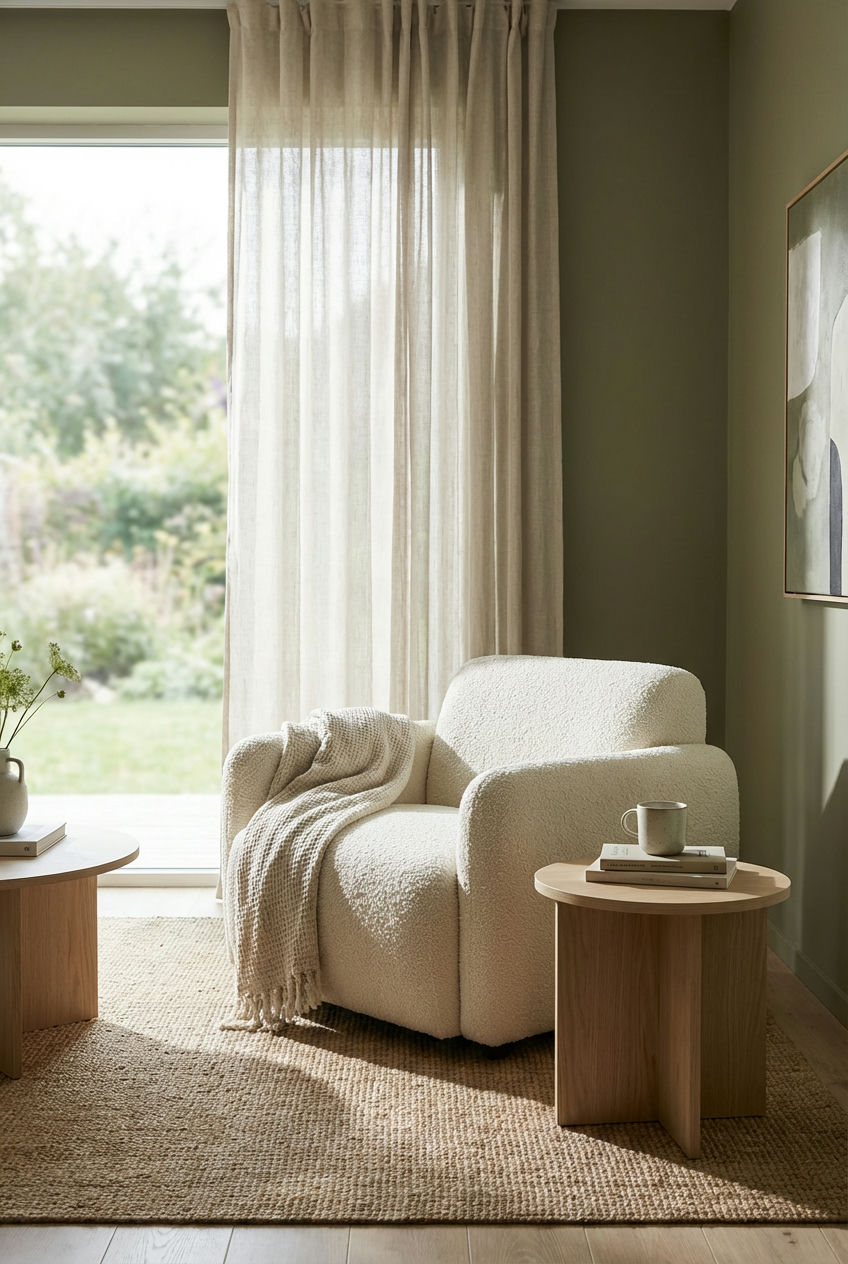
These fabrics are incredibly versatile and can be incorporated into various design schemes, from art deco glamour to minimalist Scandinavian. They add visual weight and warmth, making a room feel more complete and inviting. Consider a velvet throw to add a pop of color and texture to a neutral sofa, or an entire bouclé armchair for a soft, sculptural presence. The key is to balance these rich textures with smoother surfaces to achieve a harmonious and sophisticated look, ensuring the room feels luxurious but not overwhelming. Budget/price angle: While a full sofa can be an investment, velvet or bouclé throw pillows are a cost-effective way to introduce this trend.
16. Warm Woods and Rattan
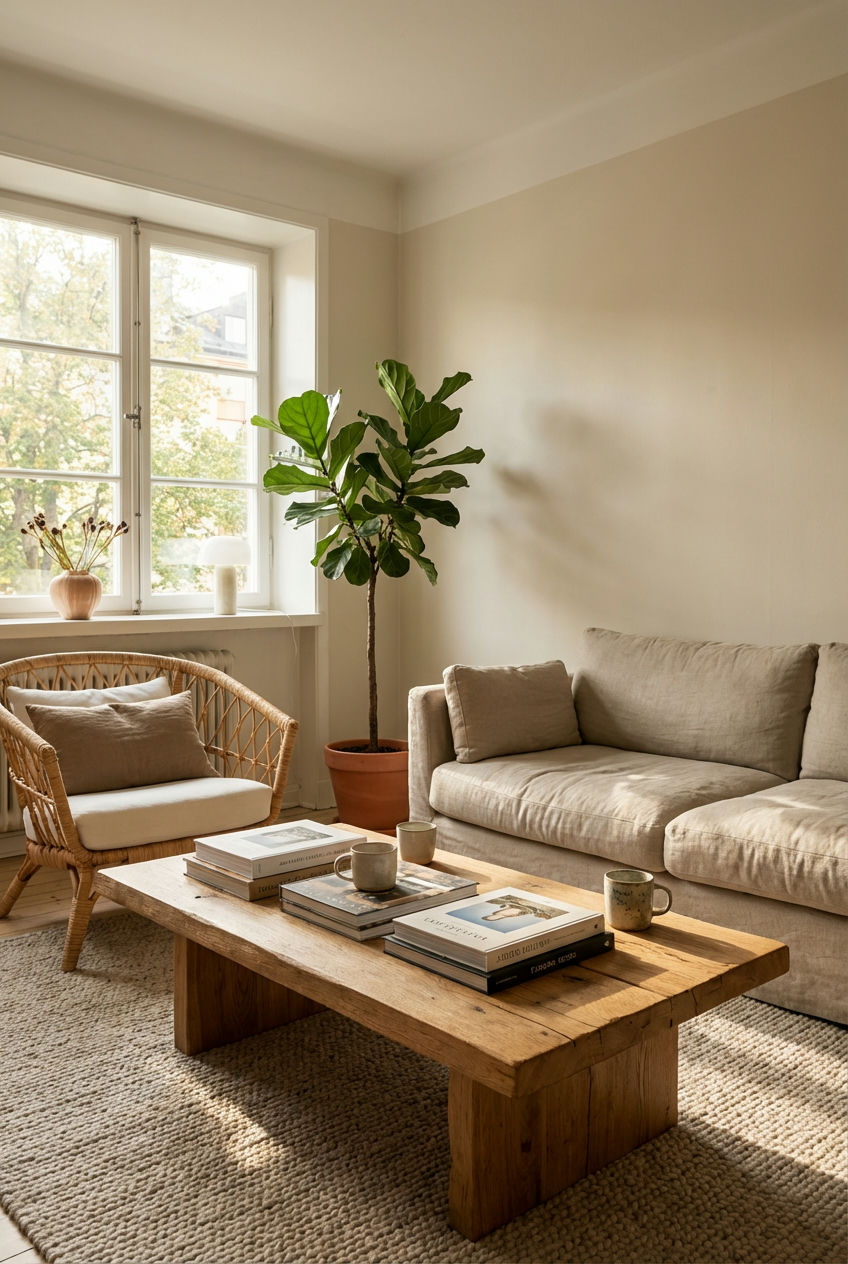
Natural, warm wood tones and handcrafted rattan elements bring a touch of earthy charm and timeless appeal to the living room in 2026. Moving away from overly cool or bleached wood finishes, there’s a preference for richer, more inviting tones that add warmth and character. Rattan, in particular, offers a bohemian yet refined aesthetic, perfect for lighter, breezier looks. These materials introduce organic textures and an artisanal feel, promoting a sense of calm and connection to nature within your living environment, creating spaces that feel both authentic and stylish.
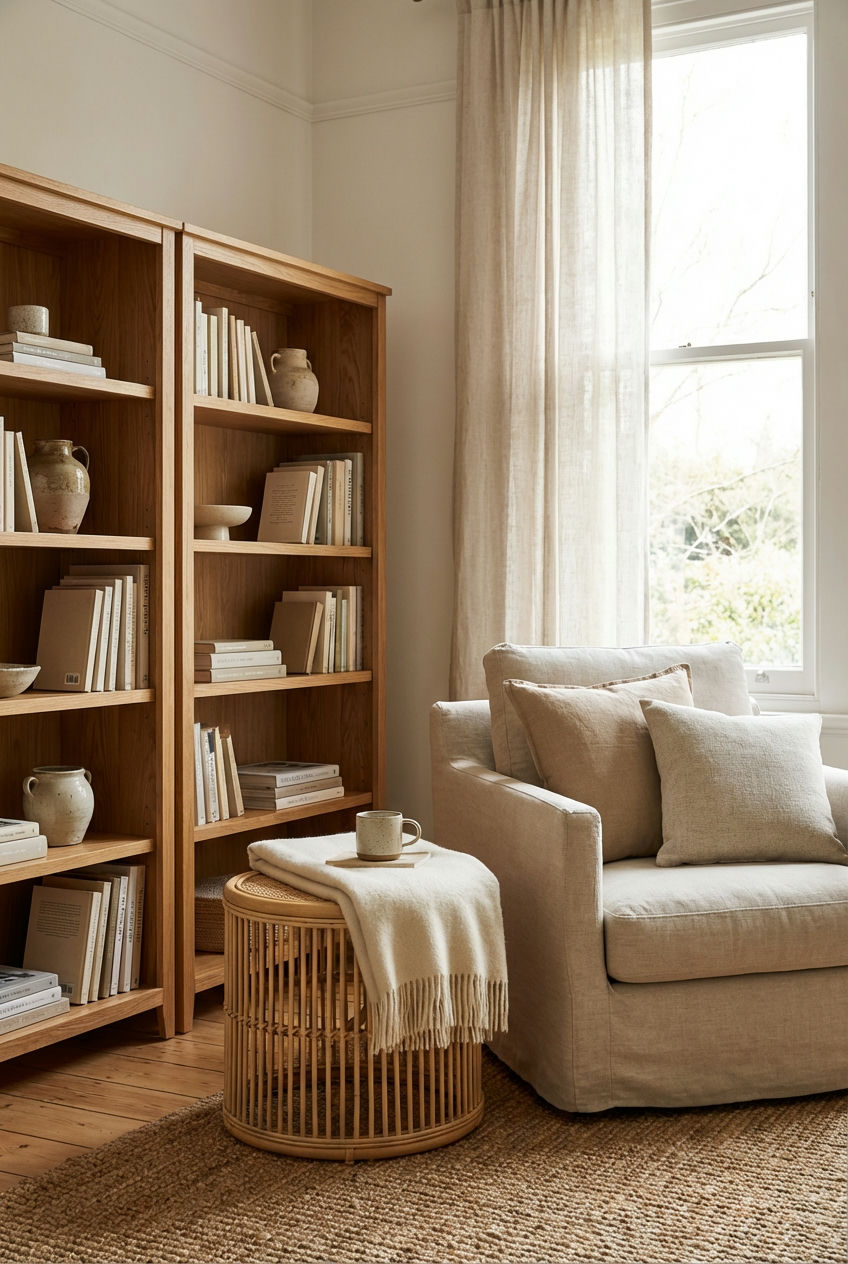
From coffee tables and side tables to accent chairs and decorative screens, these materials add a layer of natural elegance. Pair them with softer textiles like linen or cotton to create a balanced and inviting space. The versatility of warm woods and rattan allows them to integrate beautifully into various styles, from coastal to modern farmhouse, making them enduring choices for any home. A micro anecdote: “I bought a vintage rattan armchair last year, and it’s become everyone’s favorite spot in our living room – it’s just so effortlessly chic and comfortable.”
17. Japandi Influence
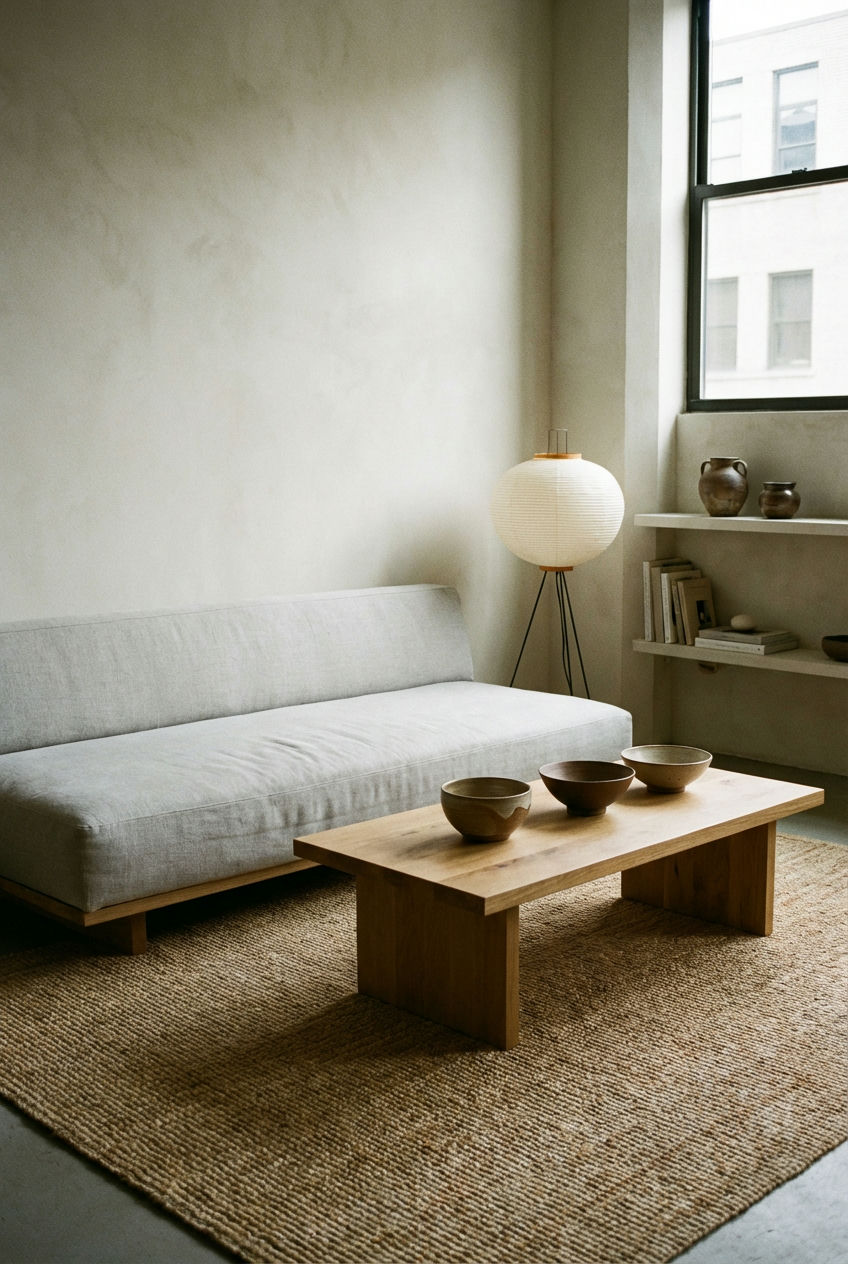
The harmonious fusion of Japanese minimalism and Scandinavian warmth, known as Japandi, continues to be a strong influence on living room design in 2026. This aesthetic celebrates simplicity, natural materials, clean lines, and a calm, uncluttered environment. It prioritizes functionality and craftsmanship, with an emphasis on durable, high-quality pieces that are built to last. The palette is often muted, featuring soft neutrals, natural wood tones, and subtle hints of black, creating a serene and timeless space that promotes peace and mindfulness in your daily living.
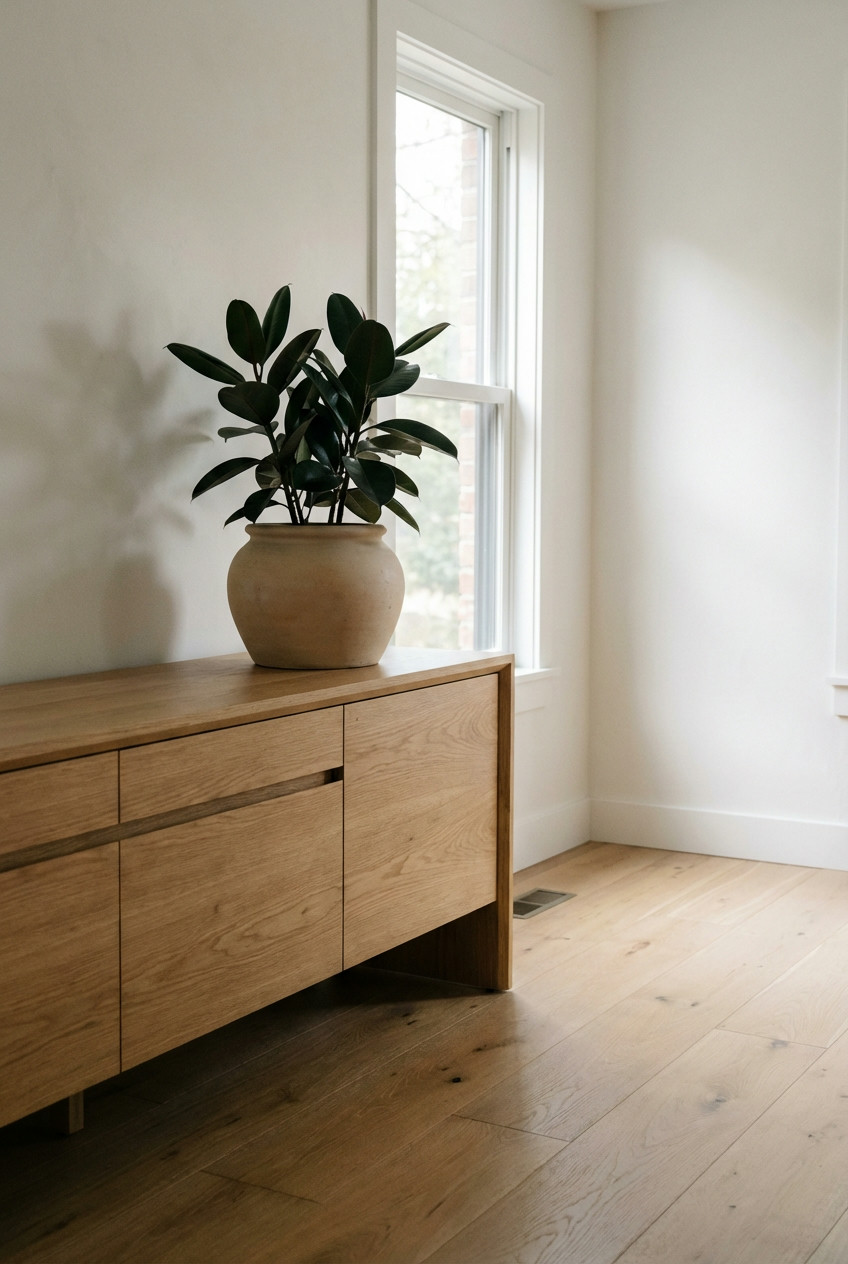
Key elements include natural wood furniture, often with exposed joinery, handcrafted ceramics, textured linens, and carefully chosen greenery. The focus is on quality over quantity, with every item having a purpose and contributing to the overall sense of tranquility. It’s about finding beauty in imperfection and embracing a streamlined existence. This style appeals to those seeking a calm, contemplative home environment. Expert-style commentary: Japandi isn’t just a trend; it’s a philosophy of living that encourages intentionality and appreciation for craftsmanship, ensuring its longevity in design.
18. Dark Cozy Walls
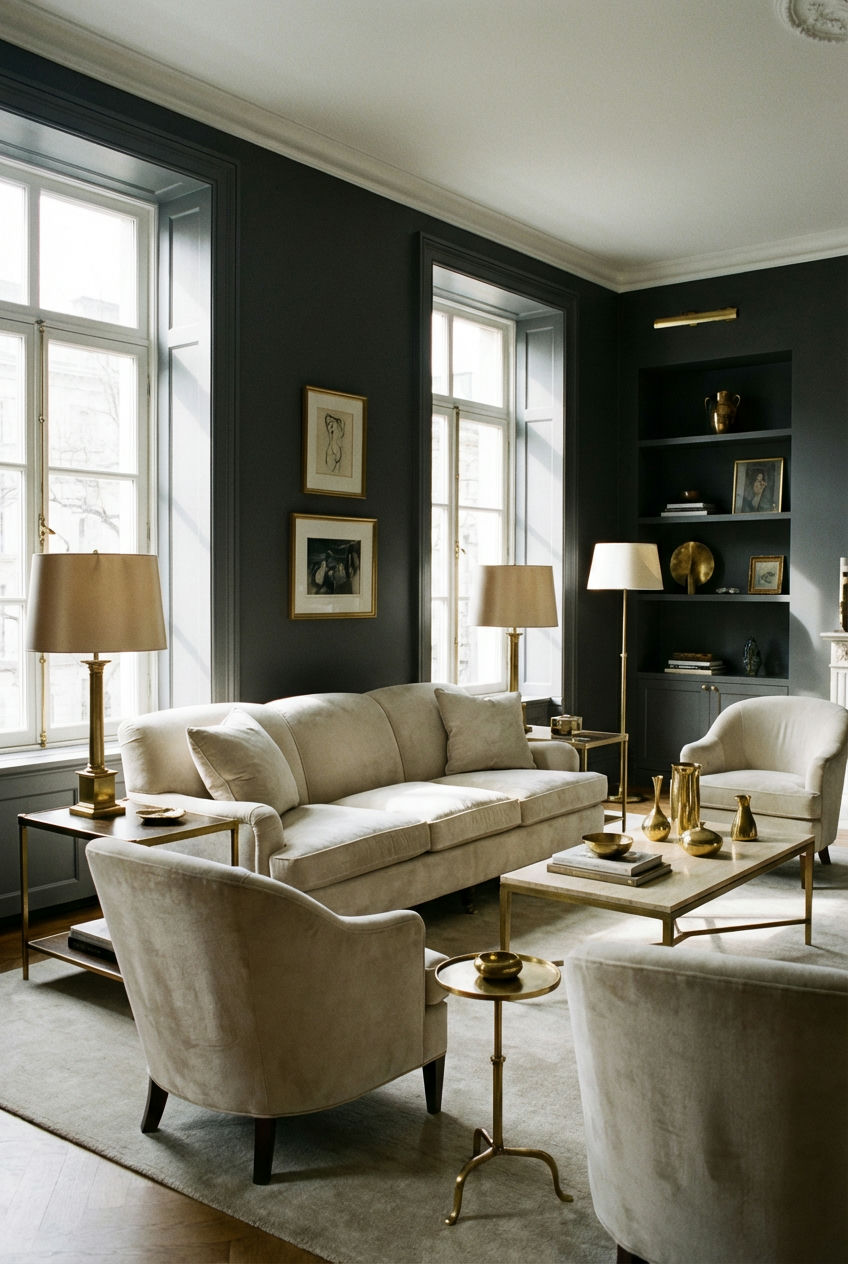
Defying the conventional wisdom of bright and airy, dark, moody walls are making a powerful statement in the living room for 2026. Deep blues, rich charcoals, forest greens, and even black can create an incredibly intimate, sophisticated, and cozy atmosphere. Far from making a room feel small, these dark hues can make a space feel more expansive and envelop you in a luxurious embrace. They provide a dramatic backdrop that truly allows lighter furniture, artwork, and metallics to pop, transforming an ordinary space into a deeply atmospheric and inviting sanctuary for living.
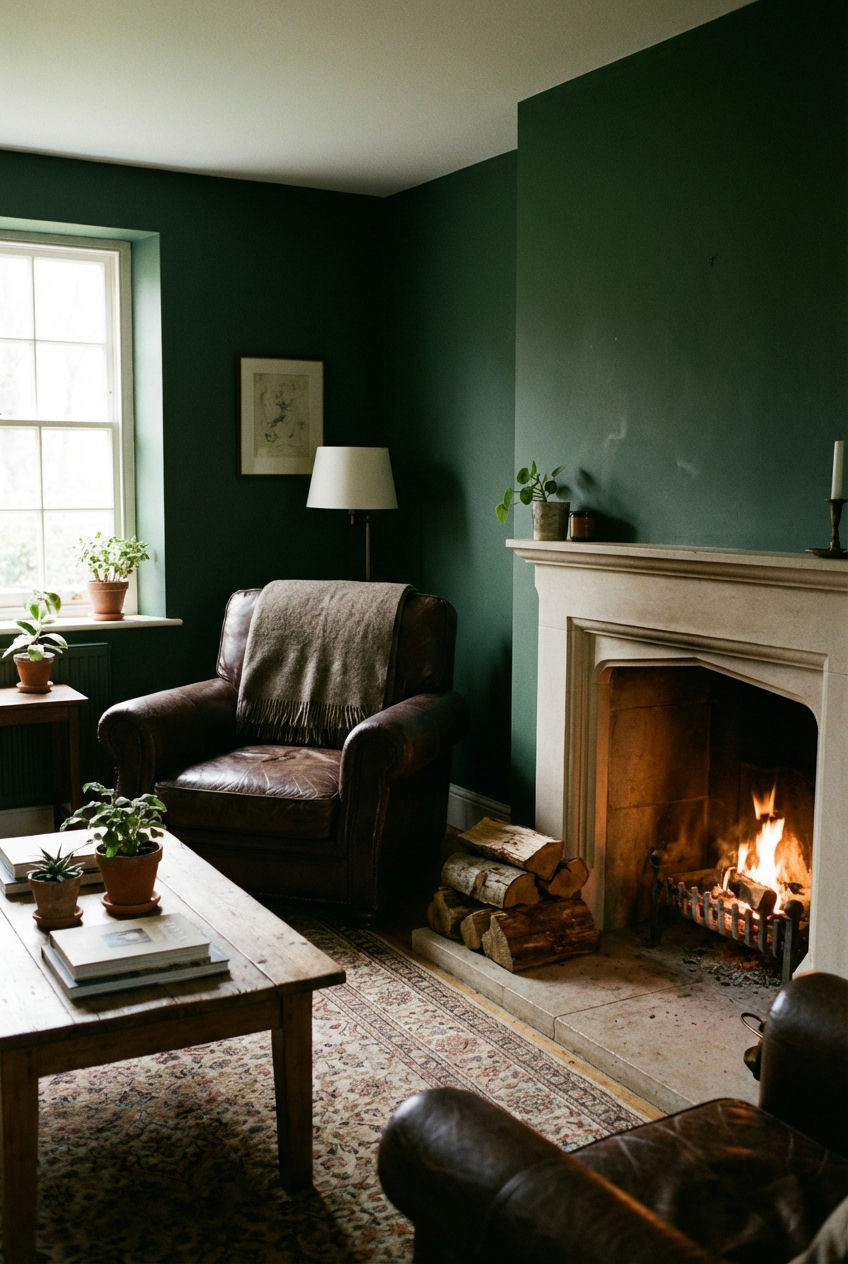
To prevent the space from feeling too heavy, balance dark walls with plenty of light, whether from large windows, strategic lamp placement, or reflective surfaces like mirrors. Incorporate a variety of textures – a plush rug, velvet cushions, or wooden furniture – to add warmth and softness. This trend is perfect for creating a dramatic and memorable space that’s both elegant and incredibly comfortable, especially during colder months. Practical insight: Use an eggshell or satin paint finish on dark walls; it reflects a subtle amount of light, preventing the color from falling flat.
19. Personal Libraries
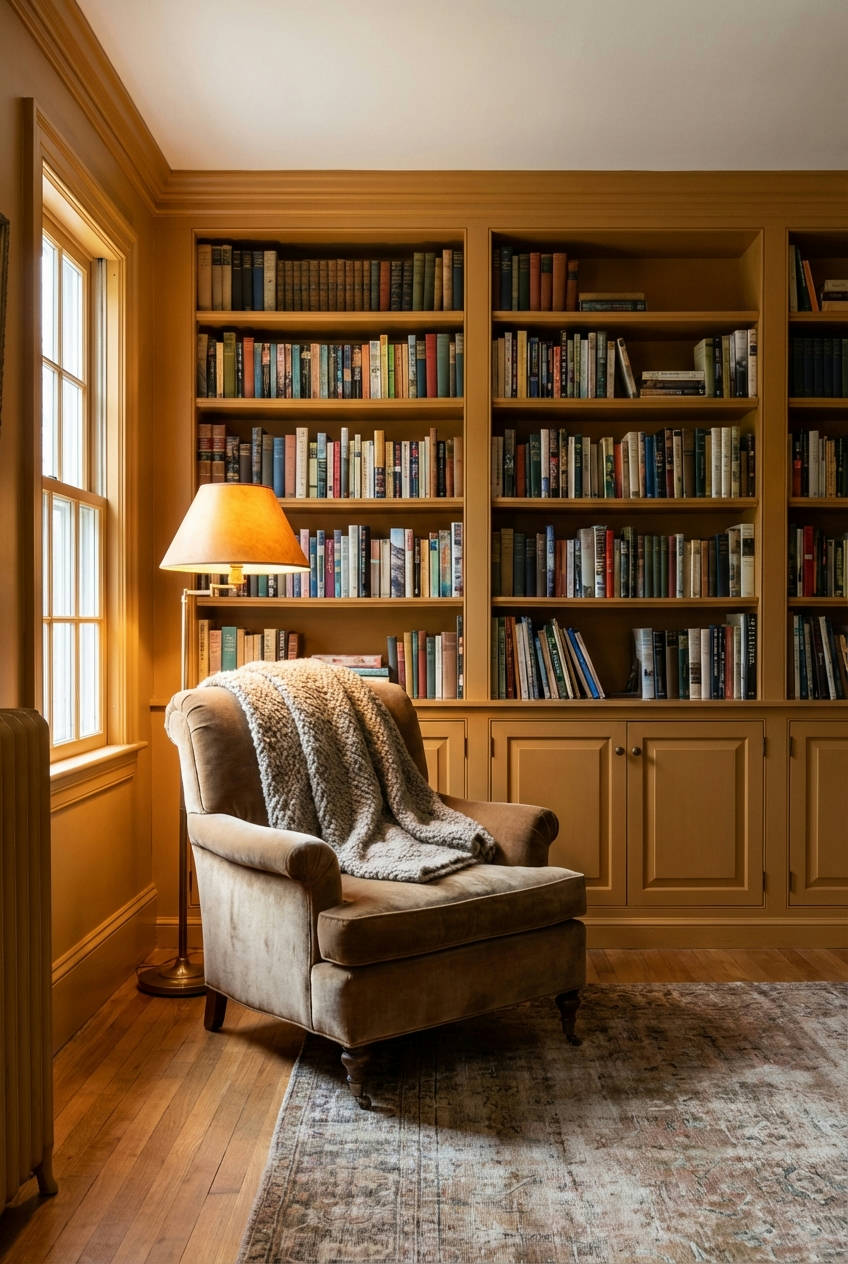
Books are back in a big way, and personal libraries are becoming a cherished feature of the living room in 2026. This trend goes beyond a few scattered books; it’s about creating dedicated spaces for collections, from built-in bookshelves that frame a fireplace to floor-to-ceiling units that showcase literary treasures. A personal library adds intellectual depth, warmth, and character to any living area, reflecting the homeowner’s interests and creating a cozy, inviting atmosphere that encourages reading and contemplation, a true sanctuary for the mind.
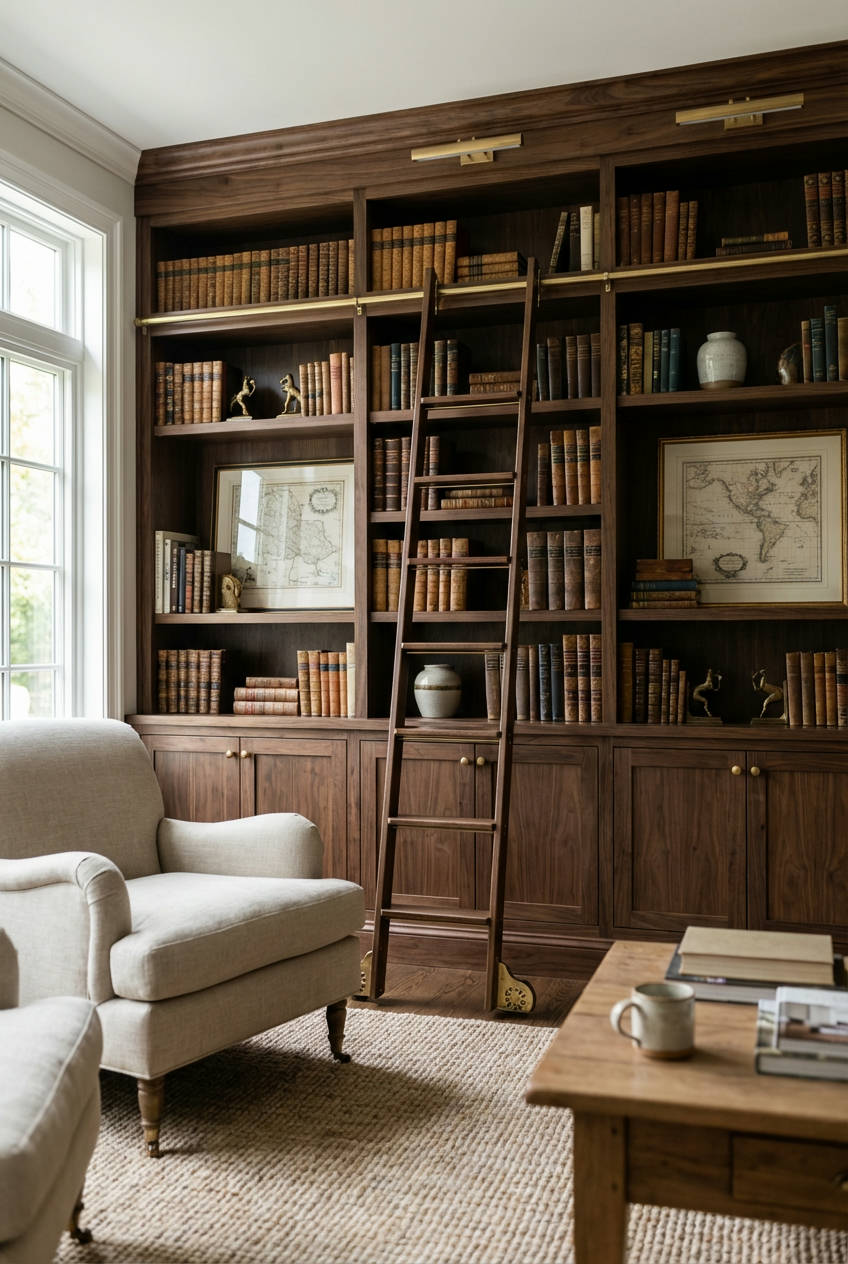
Beyond books, these shelves can be styled with decorative objects, framed photos, and small pieces of art, adding personality and visual interest. Integrated lighting can highlight your collection and create a warm glow. Even in smaller spaces, creative solutions like floating shelves or modular units can create a mini-library. This trend speaks to a desire for intellectual stimulation and a deep appreciation for the tangible joy of physical books. Real homeowner behavior: Homeowners are actively swapping digital entertainment for enriching physical experiences within their personal spaces.
20. Artisanal & Handmade
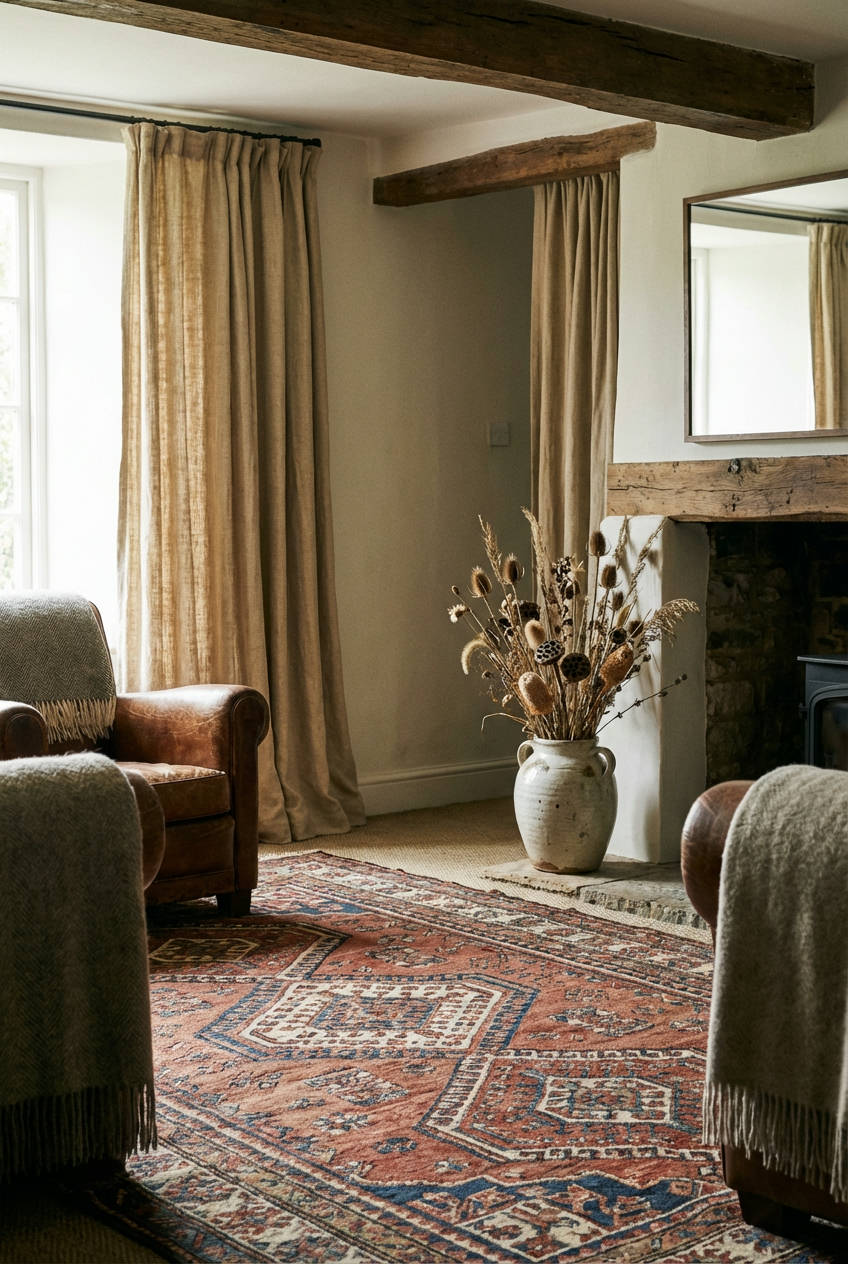
There’s a growing appreciation for the unique charm and story behind artisanal and handmade items in 2026 living room design. Moving away from mass-produced decor, people are seeking out ceramics, textiles, furniture, and art crafted by skilled artisans. These pieces often carry a distinctive character, subtle imperfections, and a sense of heritage that instantly adds authenticity and soul to a space. Incorporating handmade elements creates a richer, more personal environment, celebrating craftsmanship and supporting individual creators, making your living space feel truly special and one-of-a-kind.
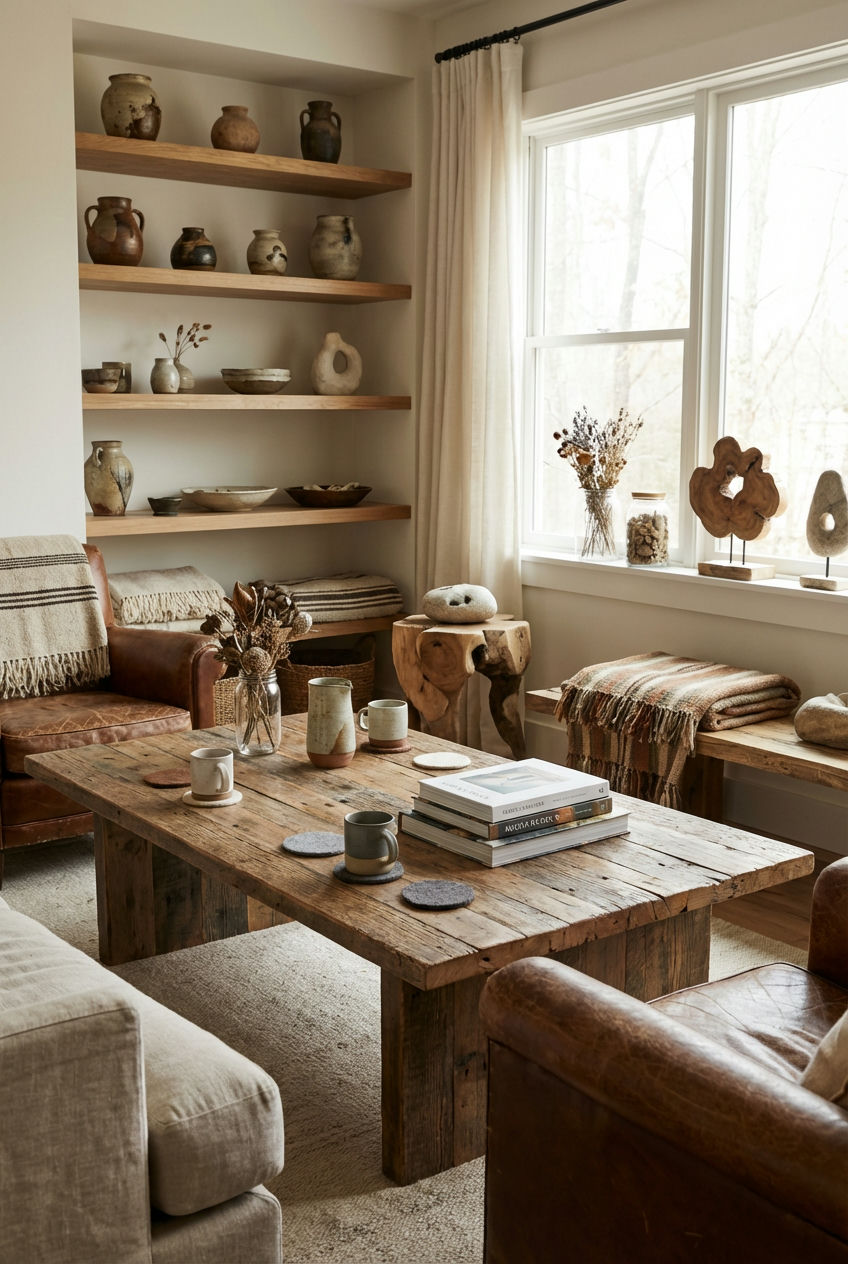
Consider a hand-thrown pottery bowl as a centerpiece, a locally sourced woven blanket draped over a sofa, or a unique piece of folk art. These items bring warmth and a narrative to your home, reflecting a desire for meaningful possessions rather than fleeting trends. They often feature natural materials and traditional techniques, imbuing your space with a sense of history and artisanal quality. Where it works best: In homes that prioritize character, authenticity, and a connection to human creativity, adding a layer of soul to the living environment.
21. Acoustic Comfort
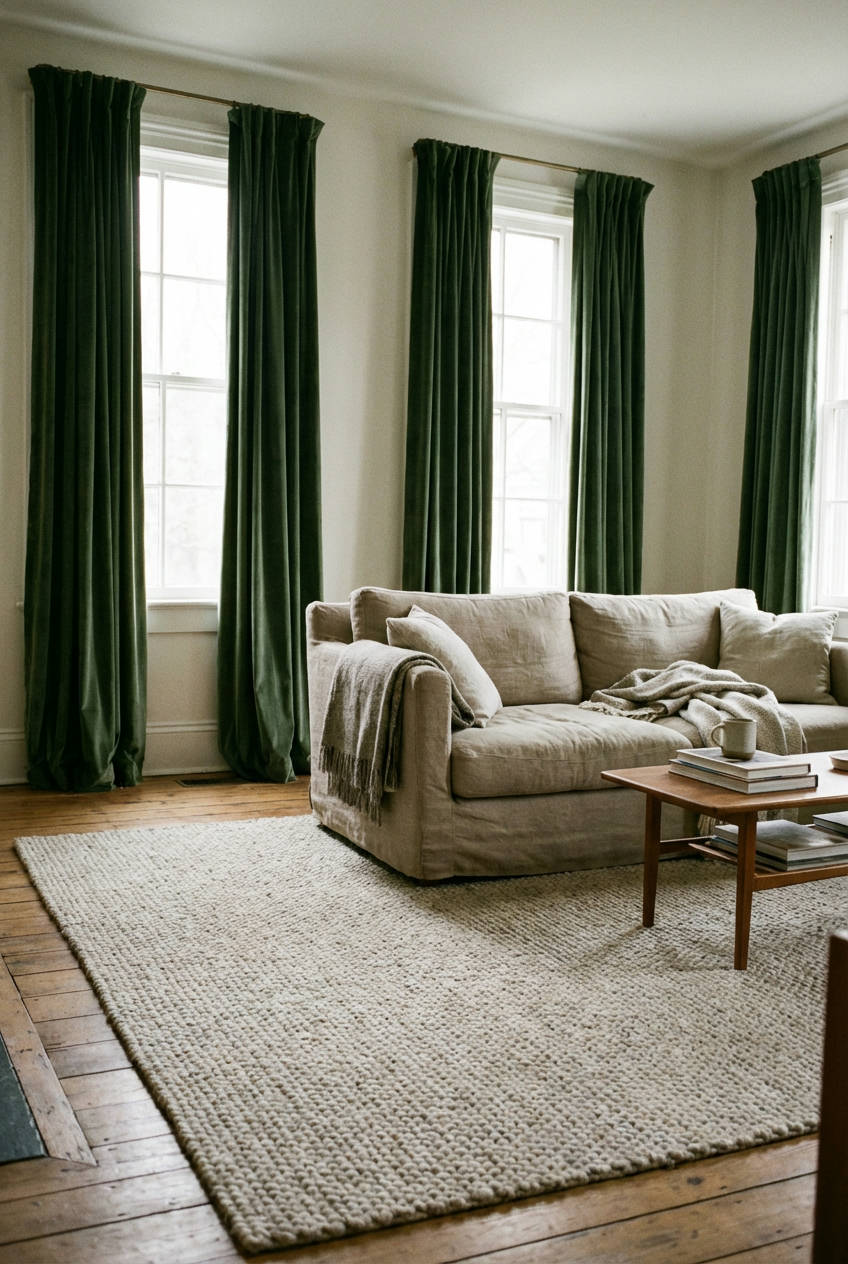
Beyond visual aesthetics, the sensory experience of the living room is paramount in 2026, with an increased focus on acoustic comfort. This means designing spaces that not only look good but also sound good, minimizing echoes and absorbing unwanted noise. Think about incorporating soft furnishings like thick rugs, heavy drapes, upholstered furniture, and fabric-paneled walls. These elements don’t just add texture and style; they actively contribute to a quieter, more peaceful ambiance, making your living area a truly restful retreat from the outside world. It’s about designing for a holistic sensory experience.
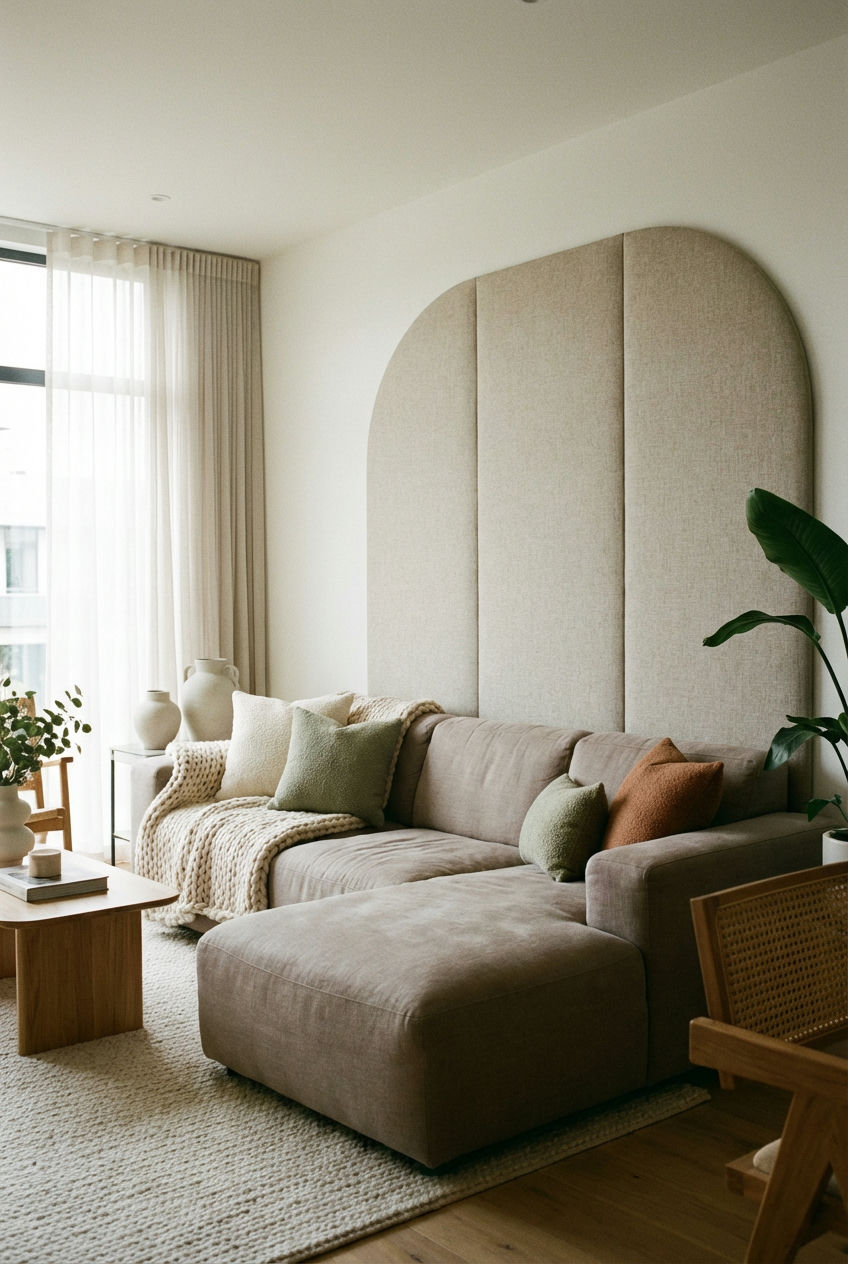
Acoustic panels disguised as art, textured wallpapers, and even strategically placed bookshelves filled with books can also help dampen sound. This is especially important in open-plan layouts where sound can easily travel. By consciously addressing acoustics, you create a more intimate and enjoyable space for conversations, music, or quiet reflection. This focus on the auditory aspect ensures your living room is not just visually appealing but also a truly comfortable and nurturing environment for all your daily activities. Practical insight: Placing soft elements opposite hard surfaces is a simple yet effective way to improve acoustic balance.
The living room design landscape for 2026 is all about creating spaces that are deeply personal, functional, and infused with a sense of calm and well-being. From embracing nature to integrating smart technology seamlessly, these trends reflect a holistic approach to home decor. We hope these 21 ideas spark inspiration for your own living spaces. Which of these trends are you most excited to try? Let us know in the comments below!