

As we step into 2026, the allure of a neutral living room continues to captivate, offering a serene escape from the hustle and bustle of daily life. It’s more than just a passing trend; it’s a foundational aesthetic that promises longevity and versatility, allowing homeowners to build a sanctuary tailored to their evolving tastes. This year, we’re seeing richer textures, thoughtful layers, and intentional pops of interest emerge within these foundational palettes, proving that ‘neutral’ is anything but boring. So, if you’re dreaming of a living space that feels both timeless and refreshingly modern, join us as we explore the most inspiring neutral living room ideas for 2026.
1. The Muted Monochrome Canvas
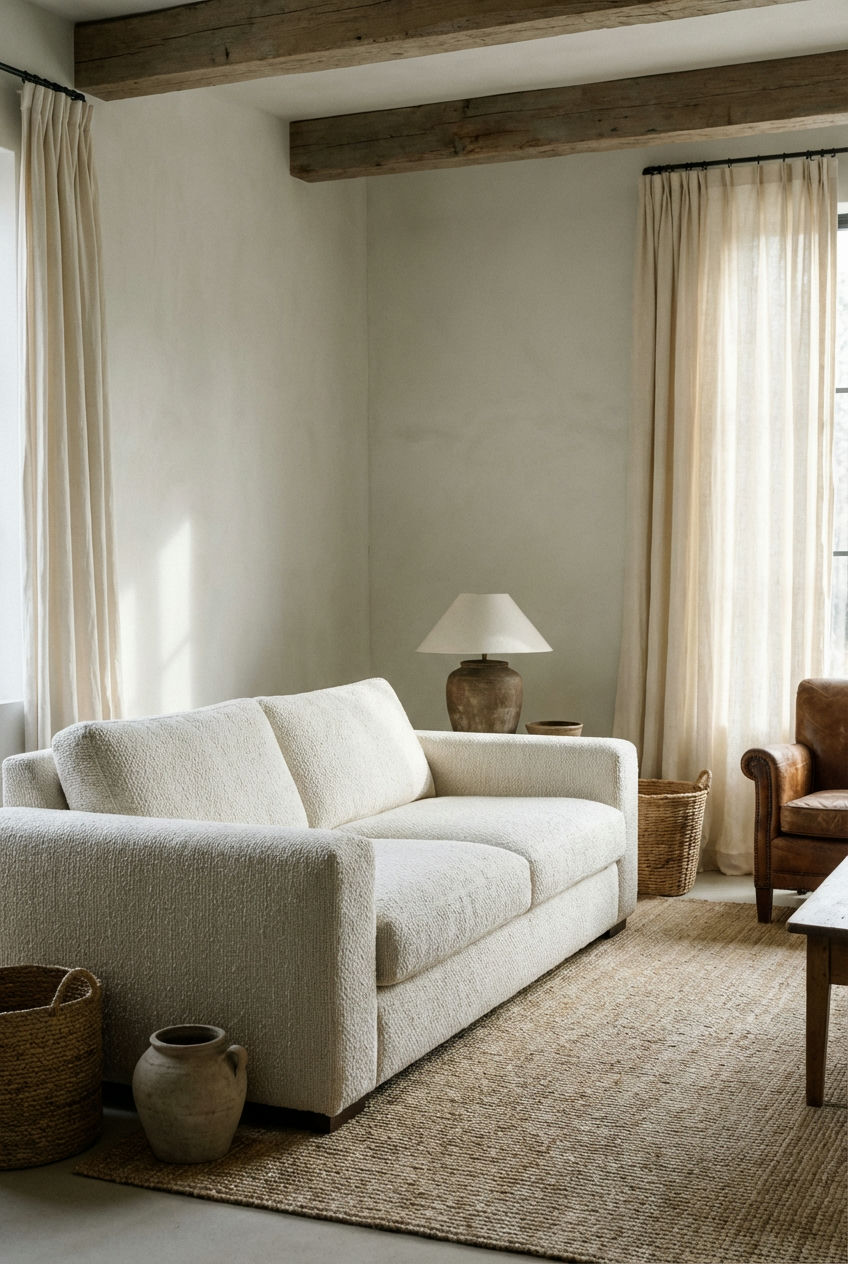
Embrace a harmonious and utterly calming aesthetic with a truly neutral living room that delves deep into the nuances of a single color family. Think soft greys, gentle beiges, and off-whites, layered seamlessly to create depth without introducing stark contrasts. This approach focuses on texture – plush rugs, nubby throws, and subtly patterned cushions – to prevent the space from feeling flat. It’s a sophisticated play on understated elegance, creating a soothing backdrop for everyday life. The beauty here lies in the subtle shifts of tone, making the room feel expansive and incredibly inviting. It’s all about comfort and quiet luxury.
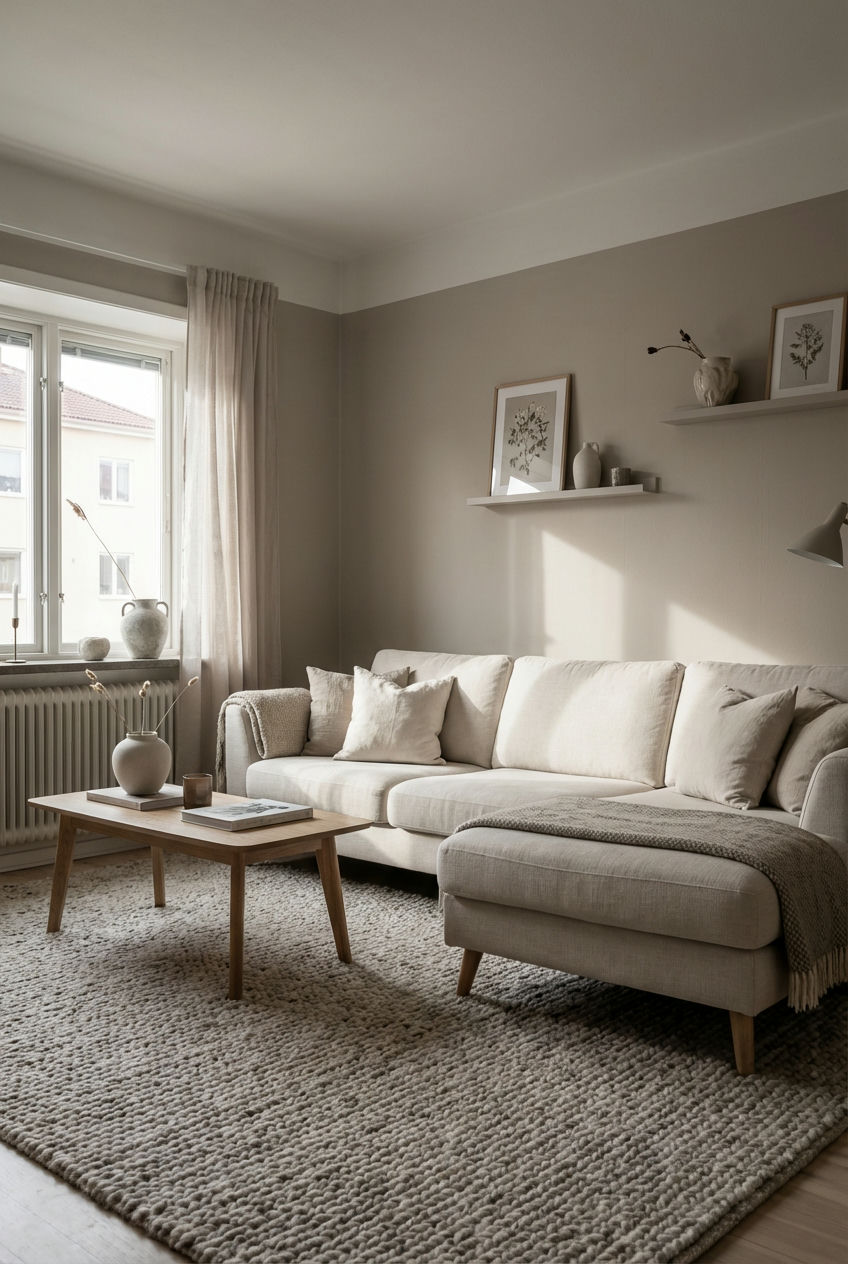
Achieving this look often involves careful consideration of the undertones in your chosen paint colors and fabrics. For instance, a “greige” with a slightly warm undertone will create a different mood than one leaning cooler. Sometimes, people are afraid monochrome will be boring, but the trick is to think about it like a chef creating a dish – you layer flavors (or in this case, textures and shades) to create complexity and interest. This meticulous curation ensures the space feels rich and layered, rather than stark, offering a tranquil sanctuary from the outside world. It offers a practical insight into how thoughtful layering can elevate a monochromatic design.
2. Earthy Tones with Black Accents
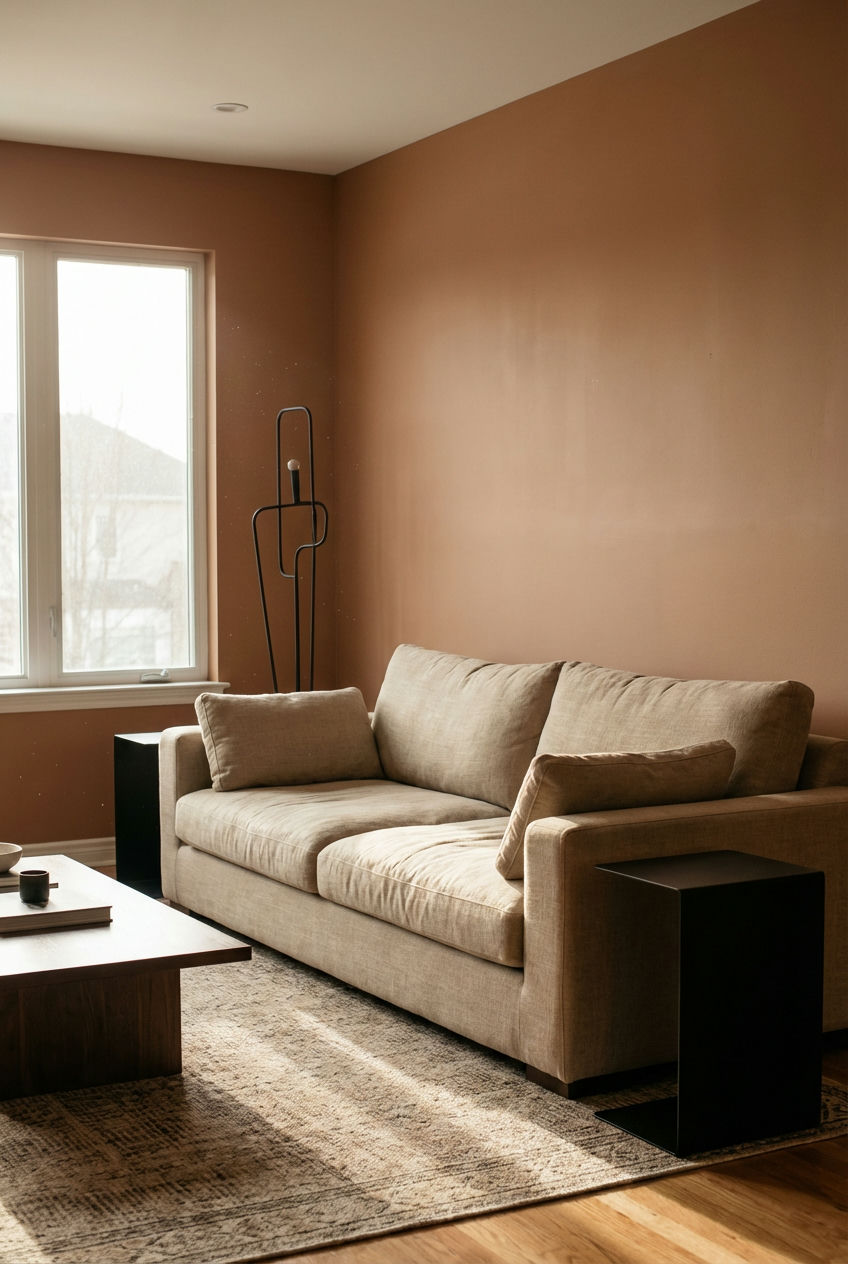
Infuse warmth into your space with an Earthy palette complemented by striking Black accents. This combination grounds the room, creating an inviting and sophisticated atmosphere. Think terracotta, olive green, muted browns, and sandy beiges for your main elements, like sofas or large rugs. Then, introduce black through minimalist light fixtures, slender console tables, or abstract art frames. The contrast isn’t harsh; rather, the black elements provide a sharp, modern edge that prevents the earthy tones from feeling too rustic or subdued. It’s a look that feels both organic and incredibly chic, pushing the boundaries of traditional neutral decor. This style offers a fresh take on modern interiors.
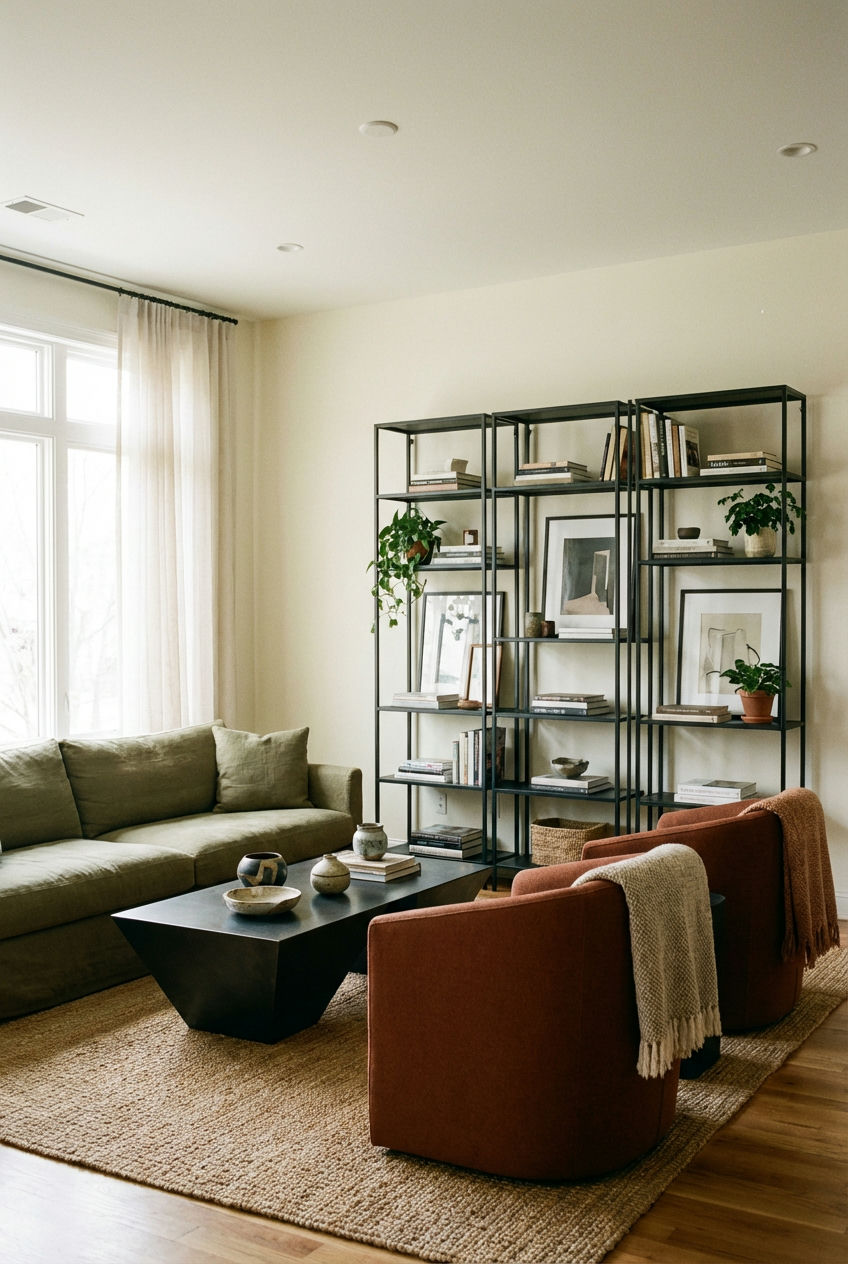
This approach works wonderfully in homes that lean into natural materials and a desire for a grounded aesthetic. The black accents act as a visual anchor, pulling the eye around the room and highlighting specific design choices. For many homeowners in places like Arizona or California, this style resonates with the surrounding landscape, bringing the beauty of the outdoors in. It’s about creating a dialogue between the softness of natural hues and the definitive statement of black, ensuring your neutral living room feels anything but bland. This American lifestyle context makes the design relatable and desirable.
3. Sculptural Forms and Textural Play
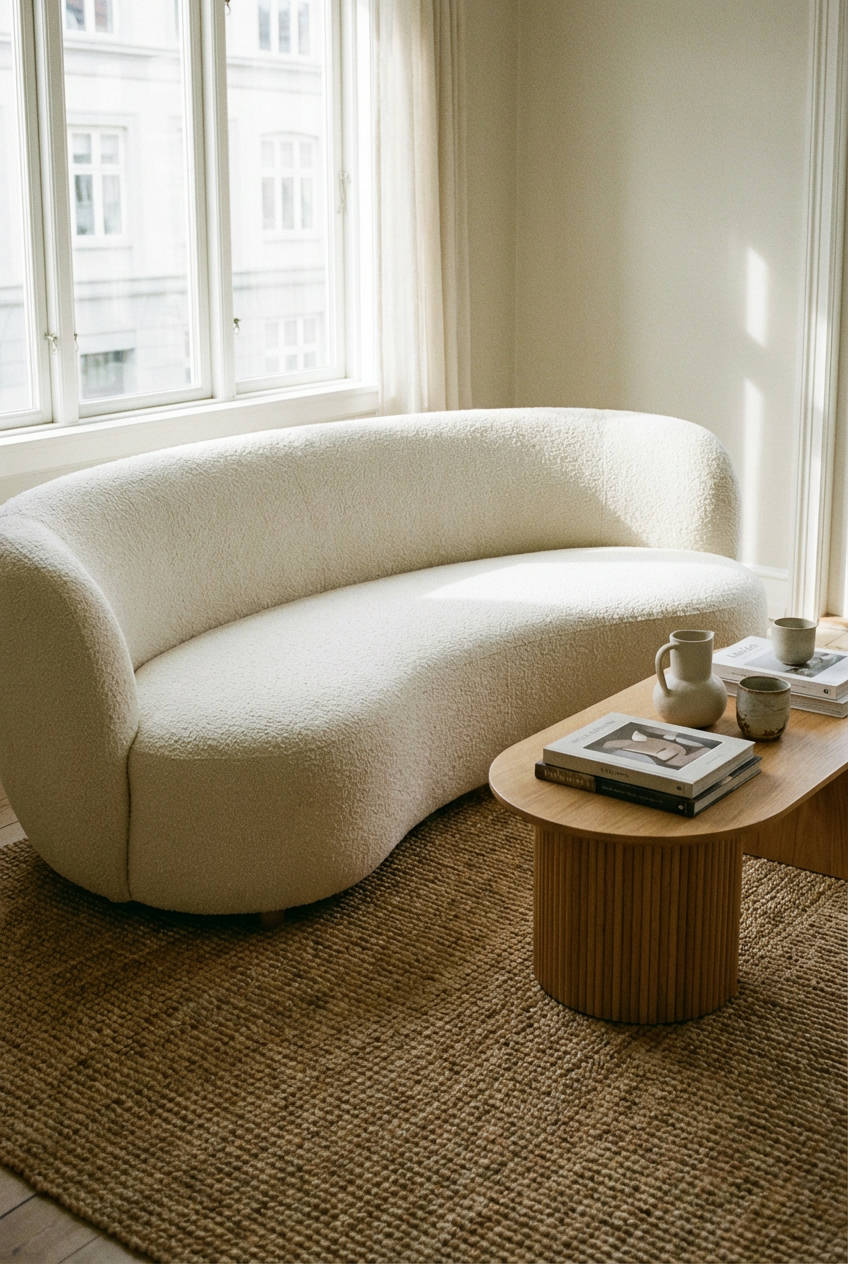
In 2026, the neutral living room embraces bold forms and rich textures as primary design elements. Forget flat surfaces; think curvilinear sofas, chunky knit throws, and fluted wall panels. This Style strategy uses shape and material to add interest, allowing a muted color palette to shine without distraction. A large, artfully draped linen throw over a contemporary sofa, or a boucle chair with an unusual silhouette, instantly elevates the space. It’s about creating a tactile experience and visual intrigue through the inherent beauty of materials, making the entire room feel dynamic and inviting, even with minimal color. This approach brings out the inherent beauty of natural materials.
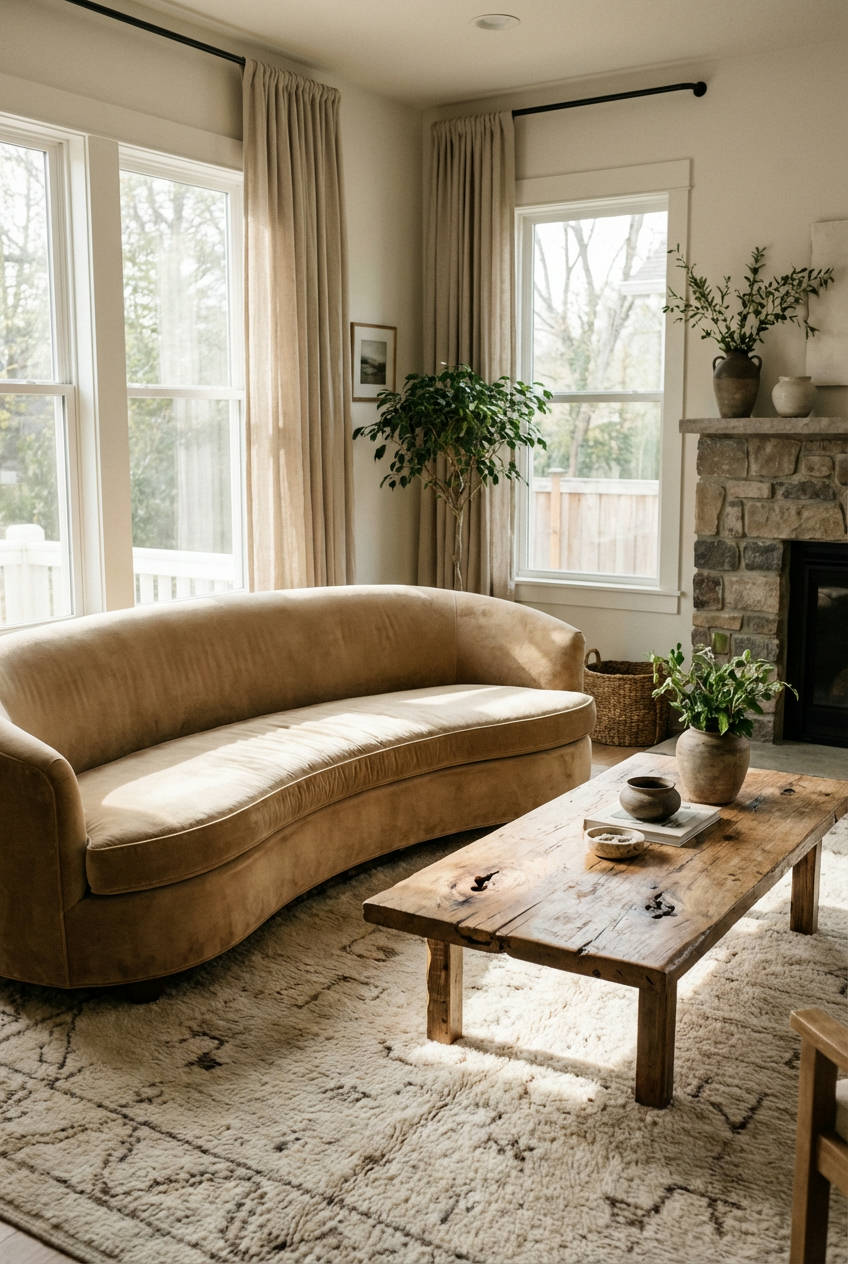
When selecting pieces for this style, consider how light interacts with each surface. A rough plaster wall will cast different shadows than a smooth painted one, just as a chunky wool rug absorbs light differently from a sleek leather ottoman. My friend recently remodeled her living room this way, and the difference is incredible – it feels so much more tactile and intentional. It’s a reminder that good design isn’t just about color; it’s about how everything feels to the eye and the touch. This micro anecdote showcases a real-life application and success.
4. Warm White with Minimalist Decor
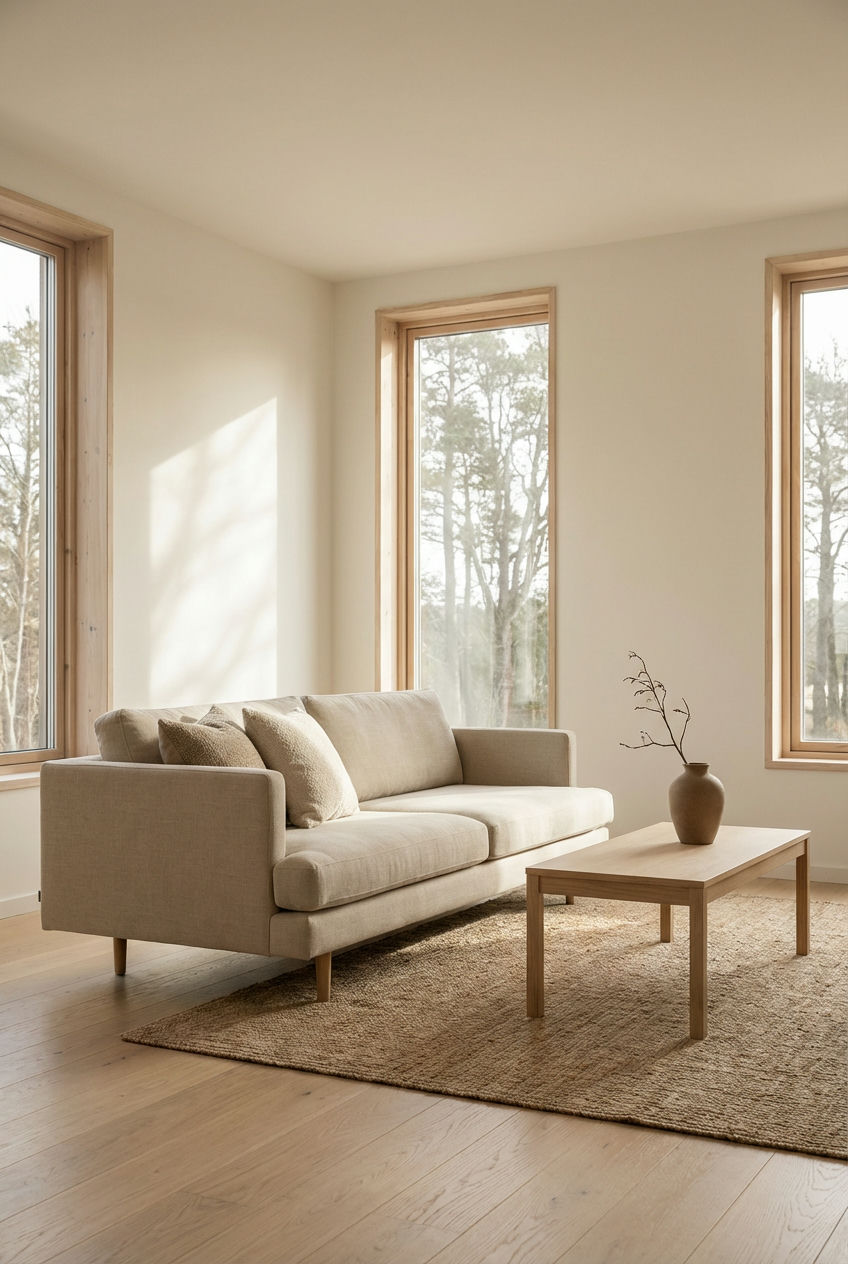
Elevate simplicity with a focus on Warm White hues paired with clean, minimalist decor. This approach celebrates bright, airy spaces that feel both expansive and incredibly chic. Opt for whites with subtle yellow or cream undertones for walls and large furniture pieces, avoiding anything too stark or cold. Then, introduce carefully chosen, understated decor items: a single piece of abstract art, a sculptural vase, or a stack of elegant books. The key is to keep lines clean and clutter non-existent, allowing the quality of each piece and the natural light to truly shine. It’s about intentionality and tranquility in every detail.
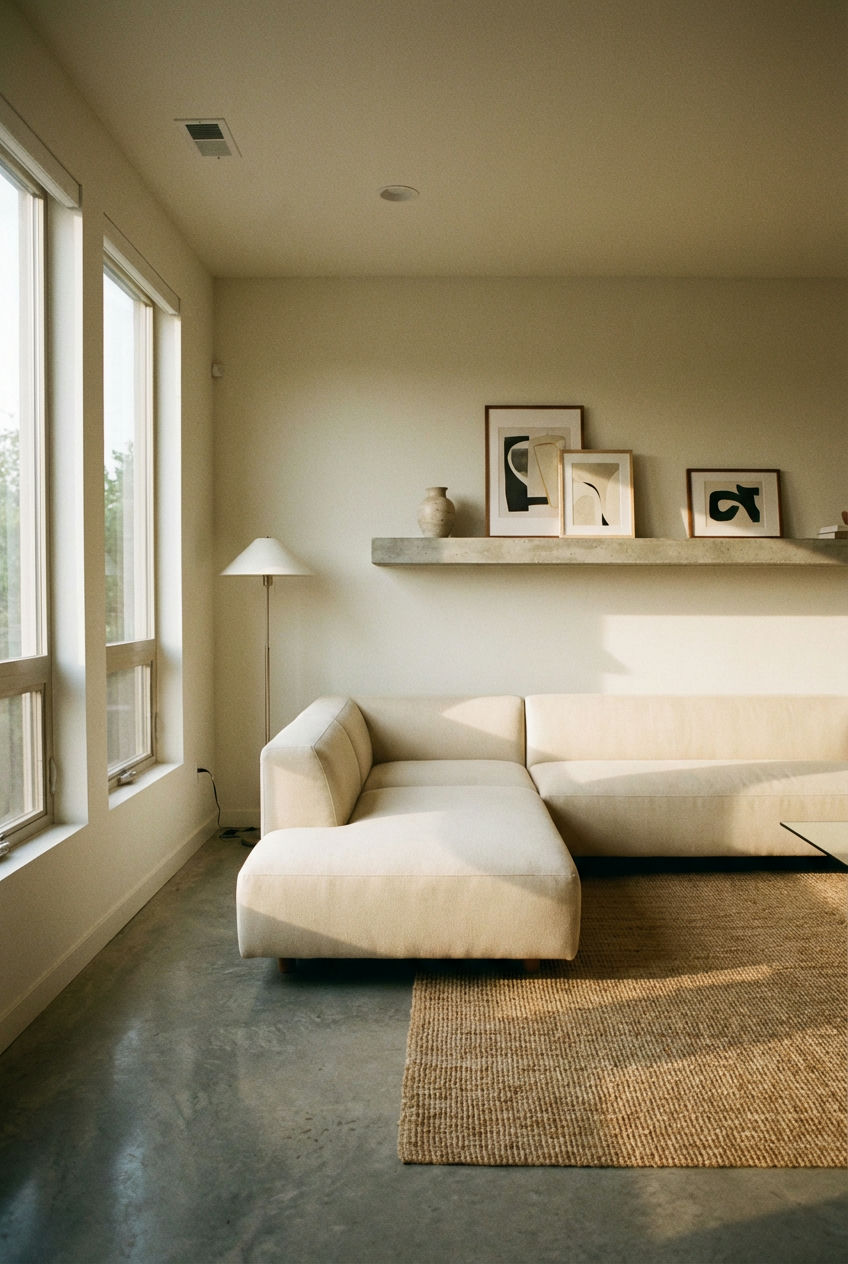
This design philosophy thrives on intentional negative space, allowing the eye to rest and appreciate the details that are present. It’s less about filling a room and more about curating it. This look works best in spaces with ample natural light, where the warm whites can truly glow and expand the sense of openness. It creates a serene and sophisticated environment, perfect for unwinding after a long day or for focused work. The simplicity reduces visual noise, contributing to a sense of calm and order that many find refreshing in their homes. This ‘where it works best’ provides specific context for the design.
5. Grey and Beige Harmony
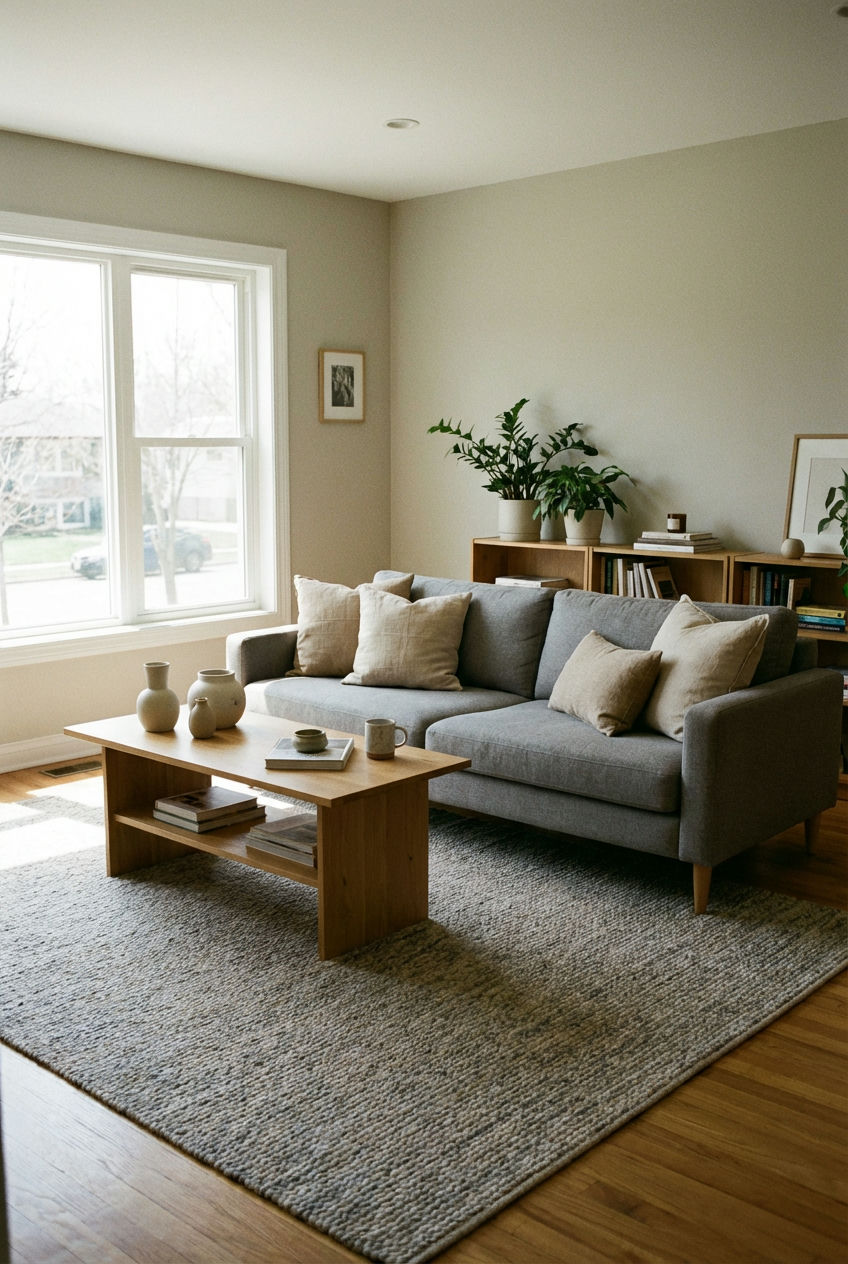
The timeless combination of Grey and beige creates a balanced and incredibly adaptable foundation for any living room. This Style avoids the pitfalls of overly cool greys or overly warm beiges by blending them meticulously to achieve a harmonious “greige” effect. Think a light grey sofa paired with beige throw pillows, or walls in a soft greige that shifts subtly with the light. This palette offers an understated elegance that feels both contemporary and enduringly classic. It’s the perfect backdrop for introducing different textures, natural woods, and even subtle metallic accents, allowing the room to evolve as your tastes do. The versatility of this blend is truly its superpower.
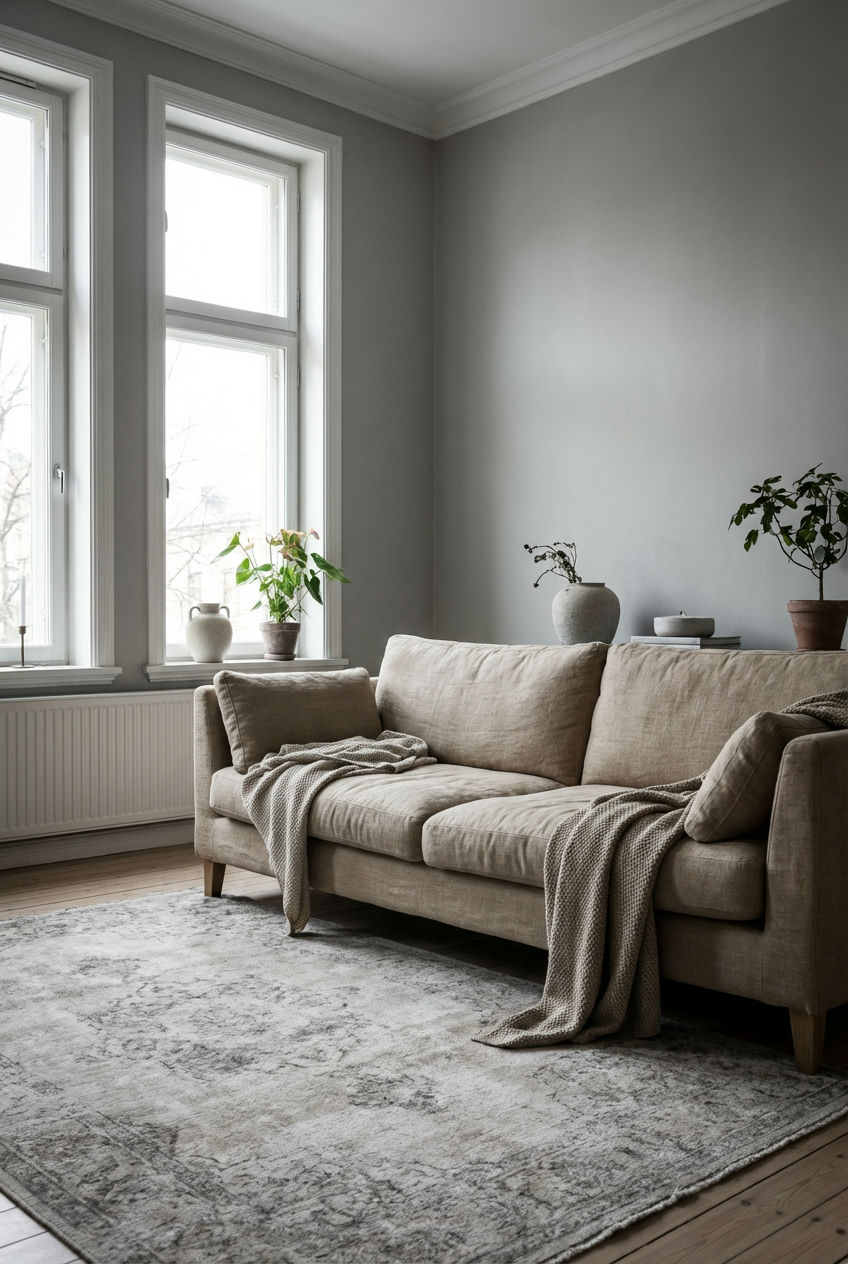
Often, homeowners struggle with choosing between cool and warm tones, resulting in a space that feels disjointed. An expert tip here is to sample several “greige” paint colors on different walls in your living room. Observe them throughout the day under various lighting conditions to see how the undertones change. What looks perfectly balanced in the store might pull too yellow or too blue in your home. This intentional sampling prevents costly mistakes and ensures you land on the perfect blend for your space. This expert-style commentary provides valuable advice.
6. Dark and Moody Neutrals
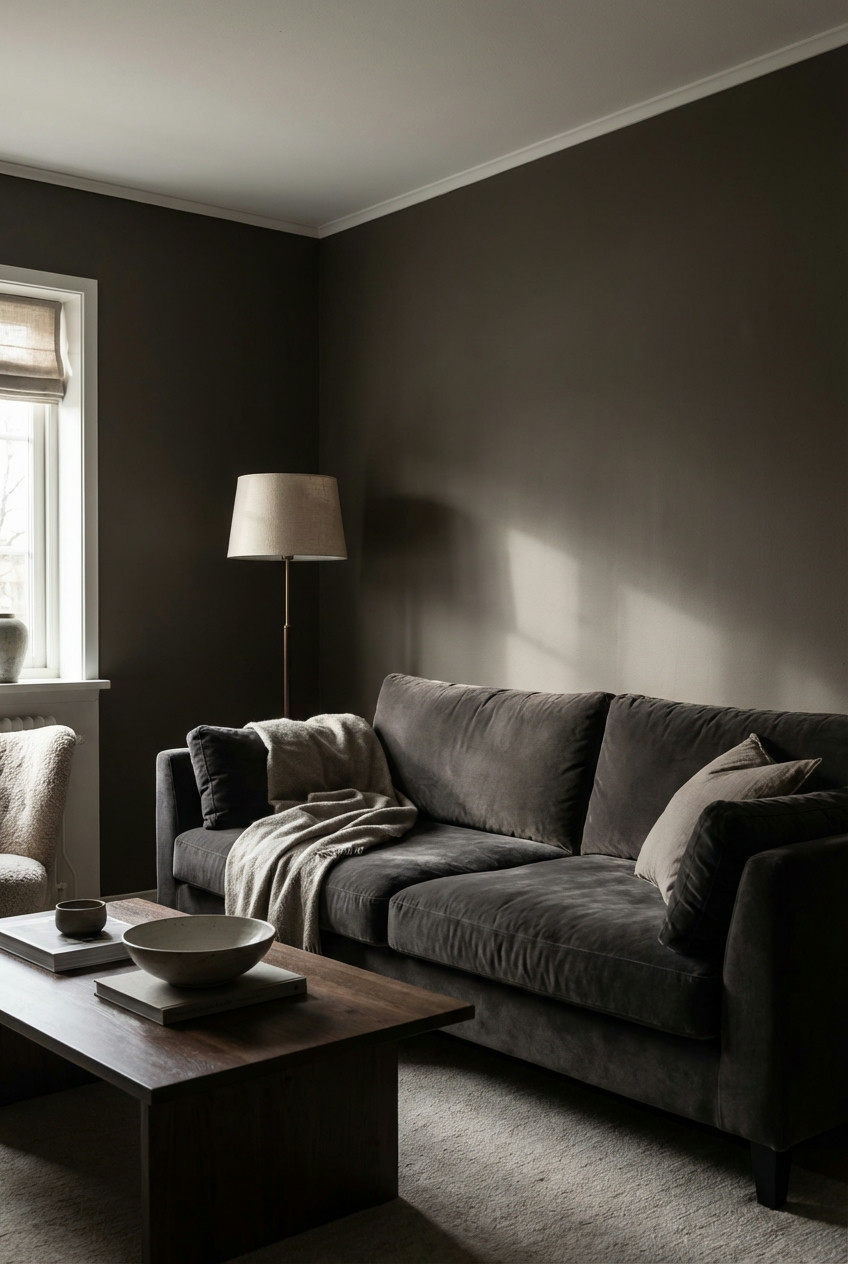
Challenge conventional wisdom with a Dark and Moody take on the neutral living room. This sophisticated style embraces deep charcoals, rich taupes, and even very dark greiges for walls, creating an intimate and dramatic atmosphere. Instead of feeling small, a dark room can feel expansive and enveloping, especially when layered with luxurious textures like velvet, brushed wool, and dark wood. The trick is to ensure there’s enough ambient lighting and strategic pops of lighter tones or metallics to bounce light around. This bold choice offers a refreshing departure from bright, airy spaces, providing a sense of comfort and cozy elegance, especially for those seeking depth.
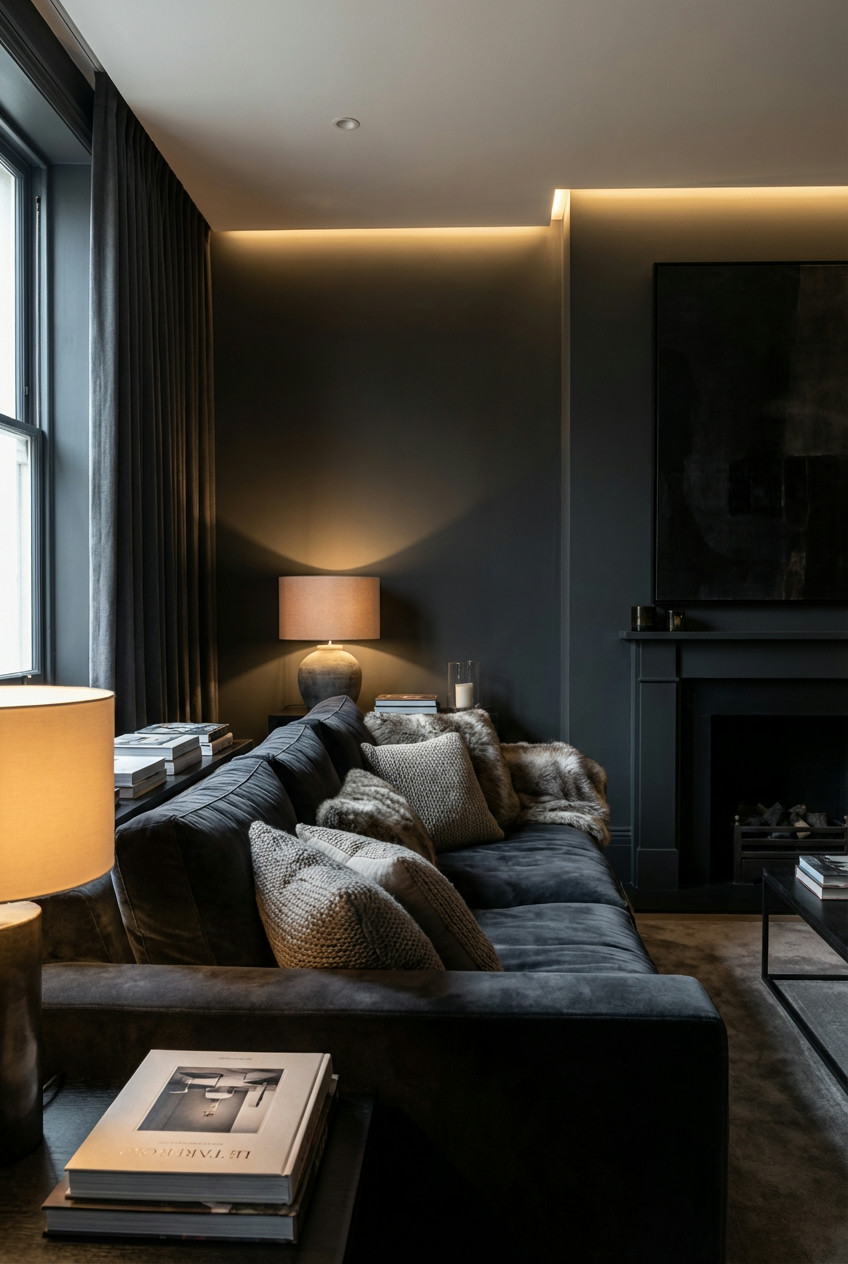
While this aesthetic might seem daunting, it’s surprisingly versatile. Many often fear that dark colors will make a room feel smaller, but with careful planning, they can actually enhance coziness and depth. It’s a common mistake to use dark colors without enough textural variation or thoughtful lighting. The cost of painting darker walls is the same, but investing in quality, layered lighting fixtures – think dimmable sconces, a statement chandelier, and floor lamps – truly elevates this look and is where a larger portion of the budget might be wisely allocated. This budget/price angle highlights smart spending.
7. Coastal Calm with Beige Tones
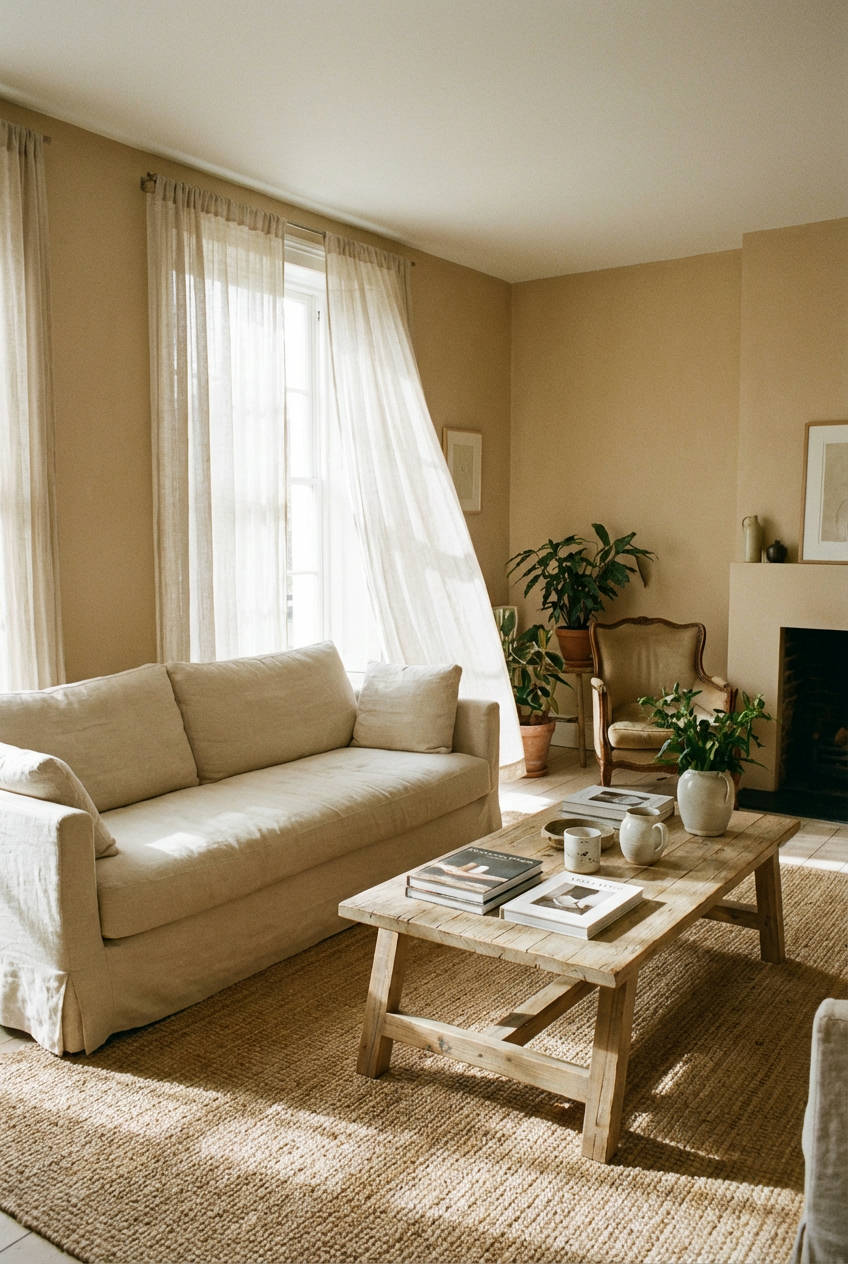
Bring the tranquility of the seaside indoors with a Cozy coastal aesthetic, focusing heavily on a spectrum of natural Beige tones. This interpretation of a neutral living room eschews overt nautical themes, instead drawing inspiration from sand dunes, weathered driftwood, and natural fibers. Think bleached oak floors, linen slipcovered sofas in various shades of cream and sand, and textural elements like jute rugs and rattan accents. The goal is to create an airy, relaxed, and utterly inviting space that feels like a permanent vacation. Natural light is a key player here, enhancing the subtle nuances of the beige palette and creating a perpetually bright atmosphere.
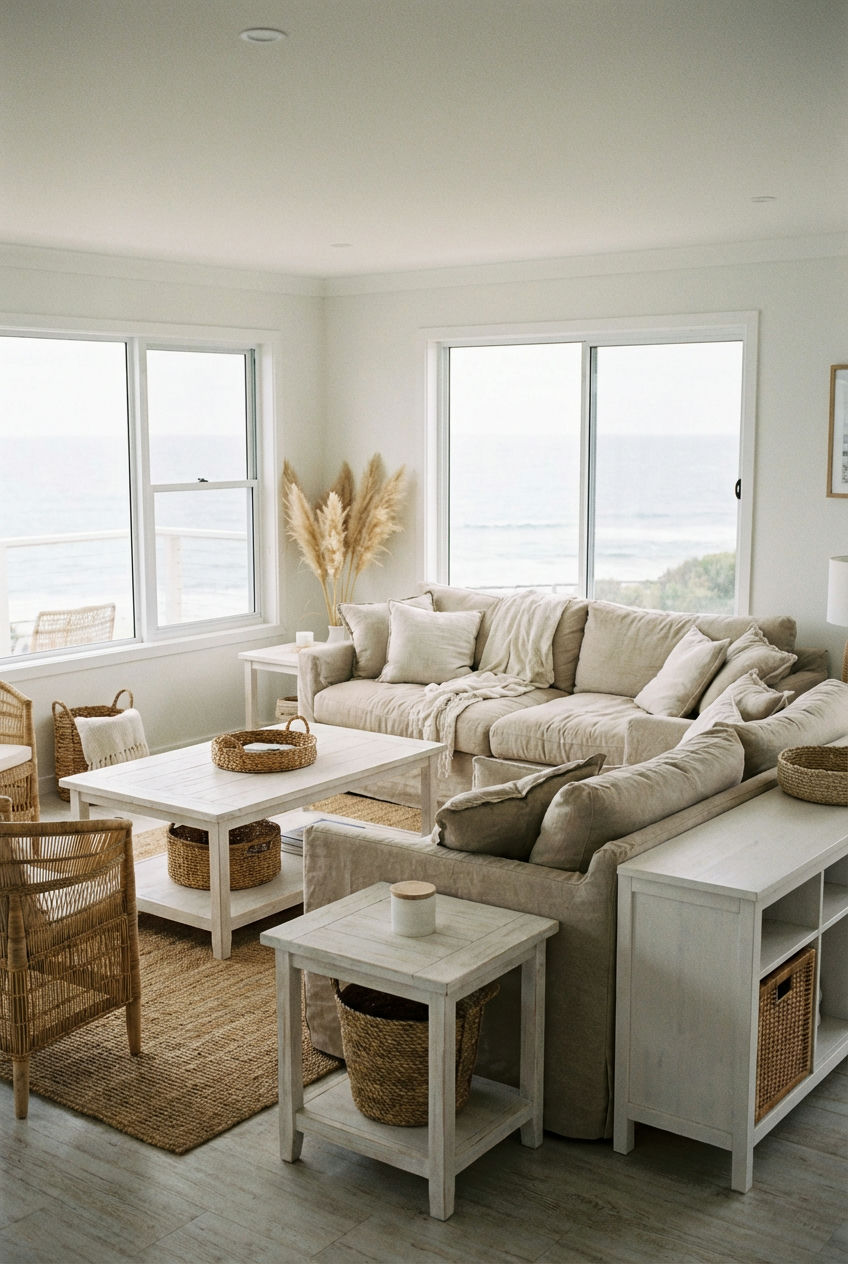
Many homeowners gravitate towards this timeless look because it offers a sense of enduring peace and subtle sophistication without feeling overdone. It’s about evoking a feeling, not rigidly sticking to a theme. For instance, you might see families in Florida or coastal New England choosing this particular vibe to reflect their surroundings. They’re often drawn to the light and airy feel, desiring a retreat that’s both stylish and practical for everyday living, with materials that stand up to active lifestyles. This ‘real homeowner behavior’ offers genuine insight.
8. Industrial Edge with Grey & Black
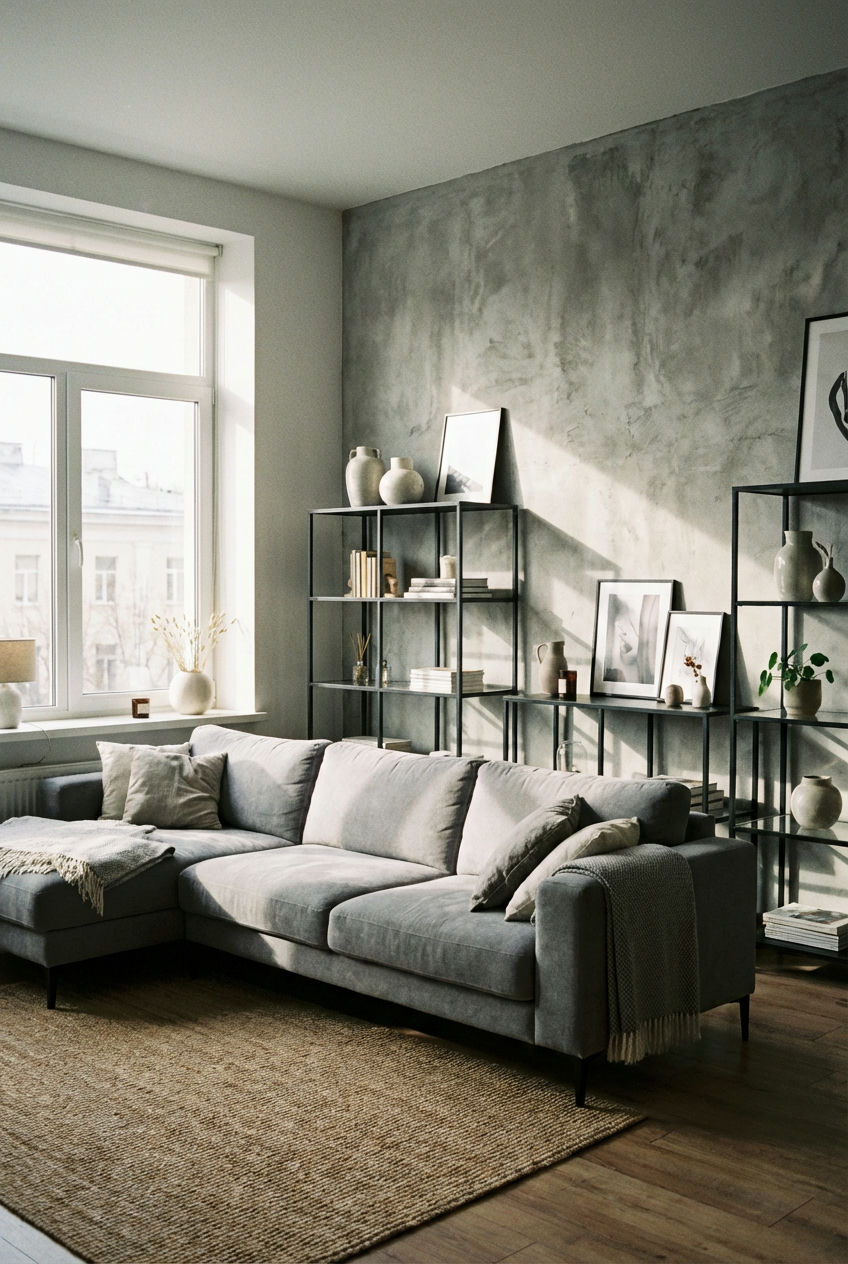
Infuse a raw, urban chic into your space by leaning into a Grey and black palette with an industrial edge. This Style celebrates exposed elements and utilitarian aesthetics, creating a sophisticated and robust living environment. Think concrete-effect walls or floors, a plush grey sofa, and then bring in sharp black metal details — an iron-framed coffee table, an exposed filament light fixture, or sleek shelving units. The contrast between the soft grey upholstery and the unyielding black metal creates a dynamic tension that is both modern and inviting. This isn’t just about harshness; it’s about blending softness with strong, architectural lines for impactful design.
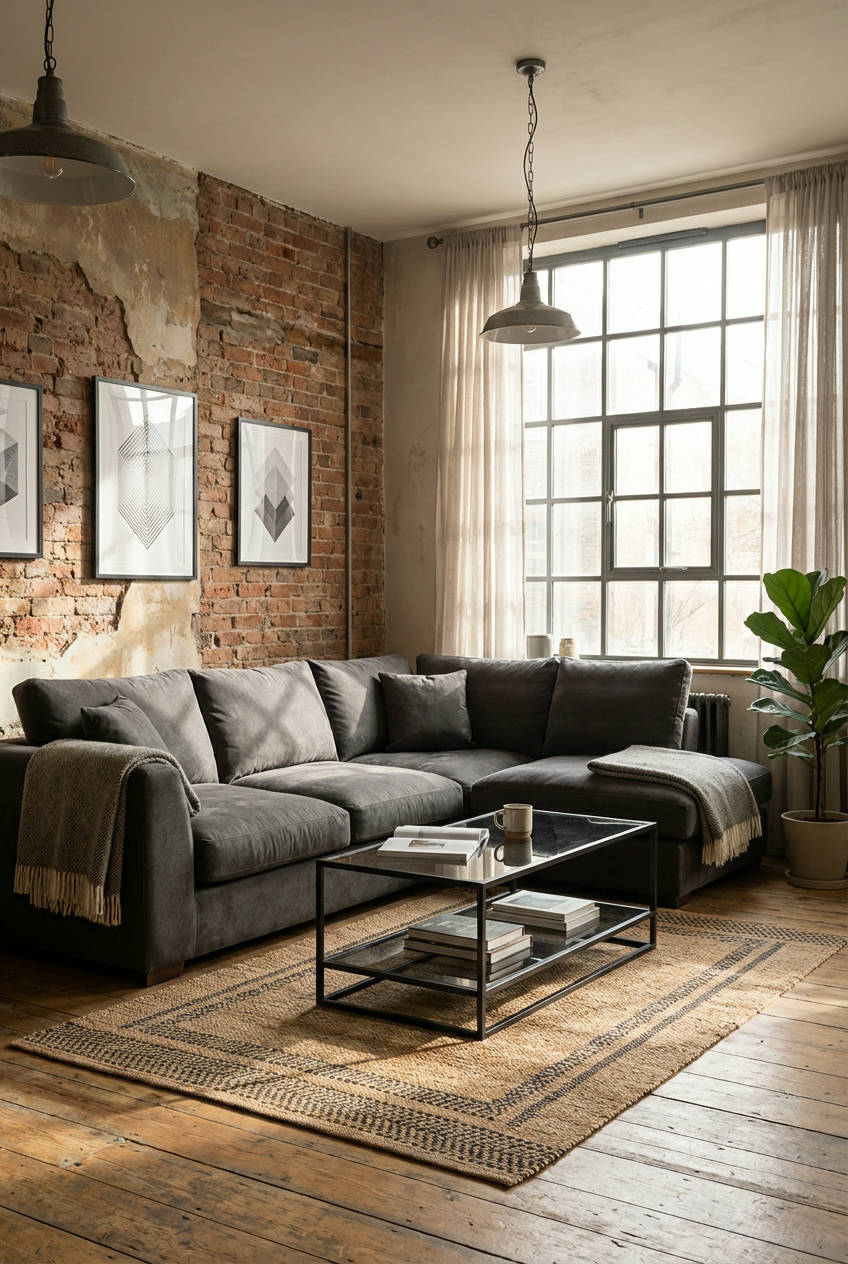
To avoid the common mistake of an overly cold or sterile industrial look, it’s crucial to layer in warmth through textiles and natural elements. Think a shaggy rug, a faux fur throw, or a few strategically placed green plants to soften the hard edges. People often think industrial means stark, but it can be incredibly warm if done right. This blending of textures is key to making the space feel lived-in and comfortable, rather than like a showroom. It’s the contrast that makes it engaging, creating a space that feels uniquely styled and inviting. This addresses common mistakes and provides solutions.
9. Rustic Charm with Off-Whites
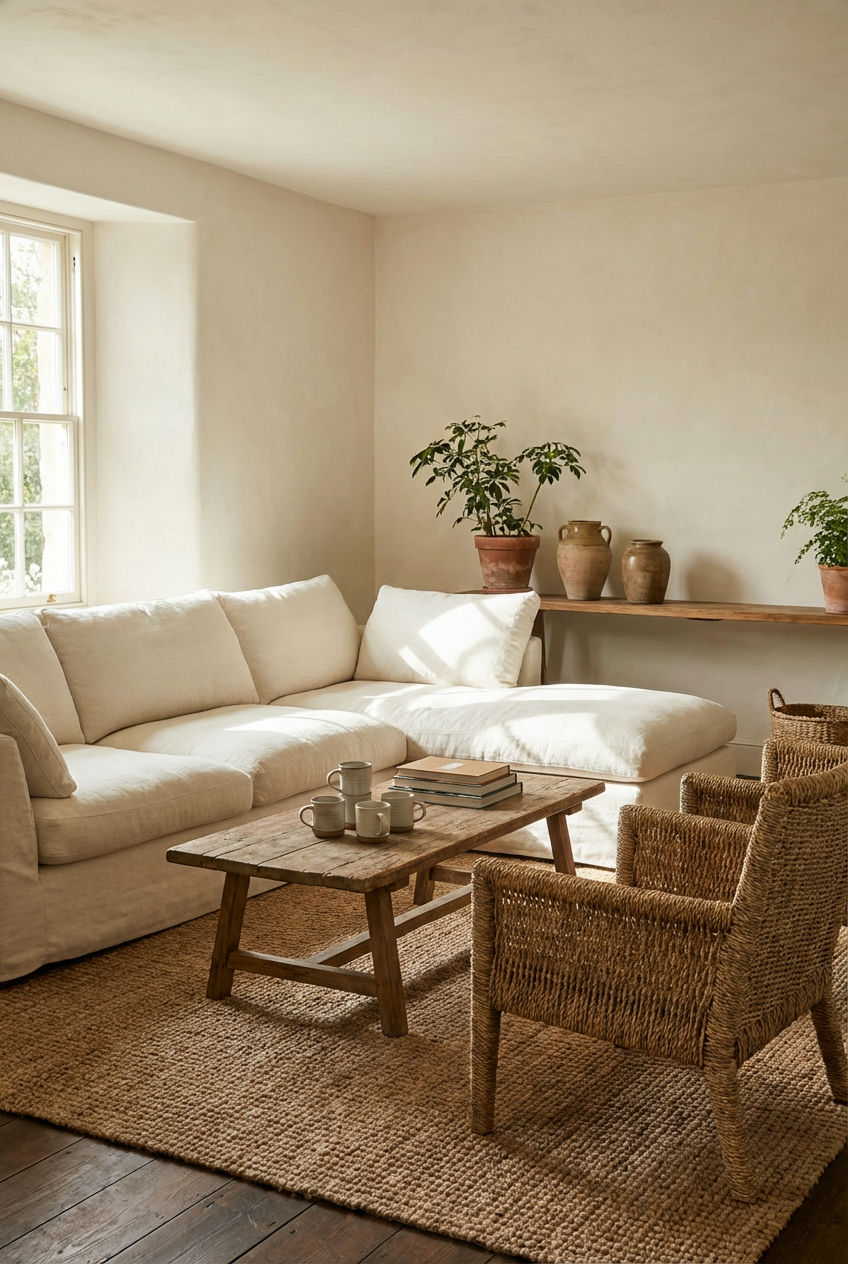
Embrace a gentle, down-to-earth aesthetic with a neutral living room saturated in inviting Off-Whites, providing a backdrop for rustic allure. This Style celebrates natural imperfections and handmade elements, creating a comforting and unpretentious sanctuary. Imagine creamy walls, a large, plush linen sofa, and then introduce elements like a reclaimed wood coffee table, woven baskets, and stoneware pottery. The off-whites prevent the rustic elements from feeling too heavy or dated, instead lending an airy and refined feel. It’s about creating a timeless space that honors craftsmanship and the beauty of simplicity, a true haven in any home.
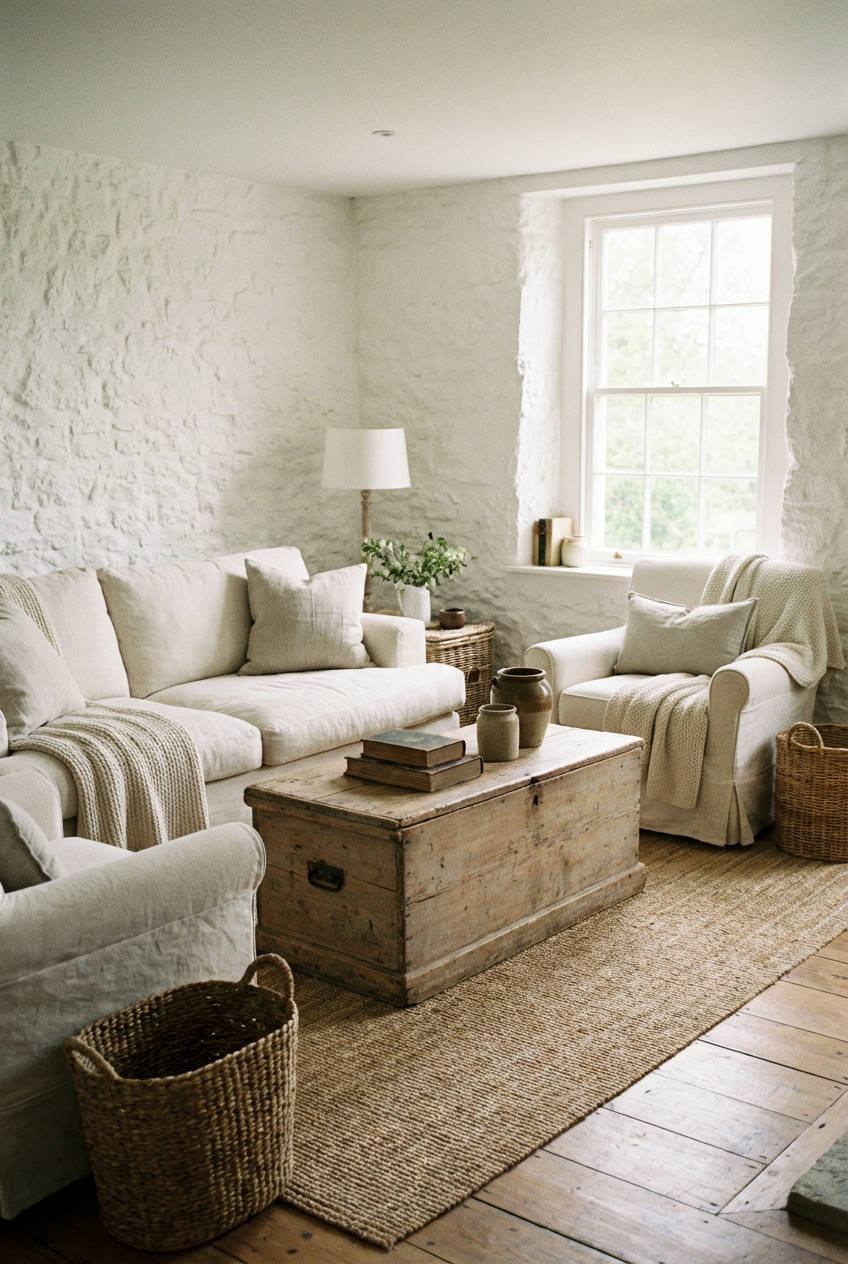
This look is particularly effective in homes that feature architectural details like exposed beams, stonework, or shiplap, which naturally lend themselves to a rustic aesthetic. It’s about bringing a sense of history and warmth into a space, even if your home is newly built. This style also translates beautifully to farmhouse aesthetics prevalent in many American suburban and rural areas. It’s a comfortable, livable luxury that doesn’t feel ostentatious, making it highly appealing. It’s the kind of space where you want to curl up with a good book and a warm cup of coffee. This American lifestyle context makes the design relatable.
10. A Subtle Pop of Color
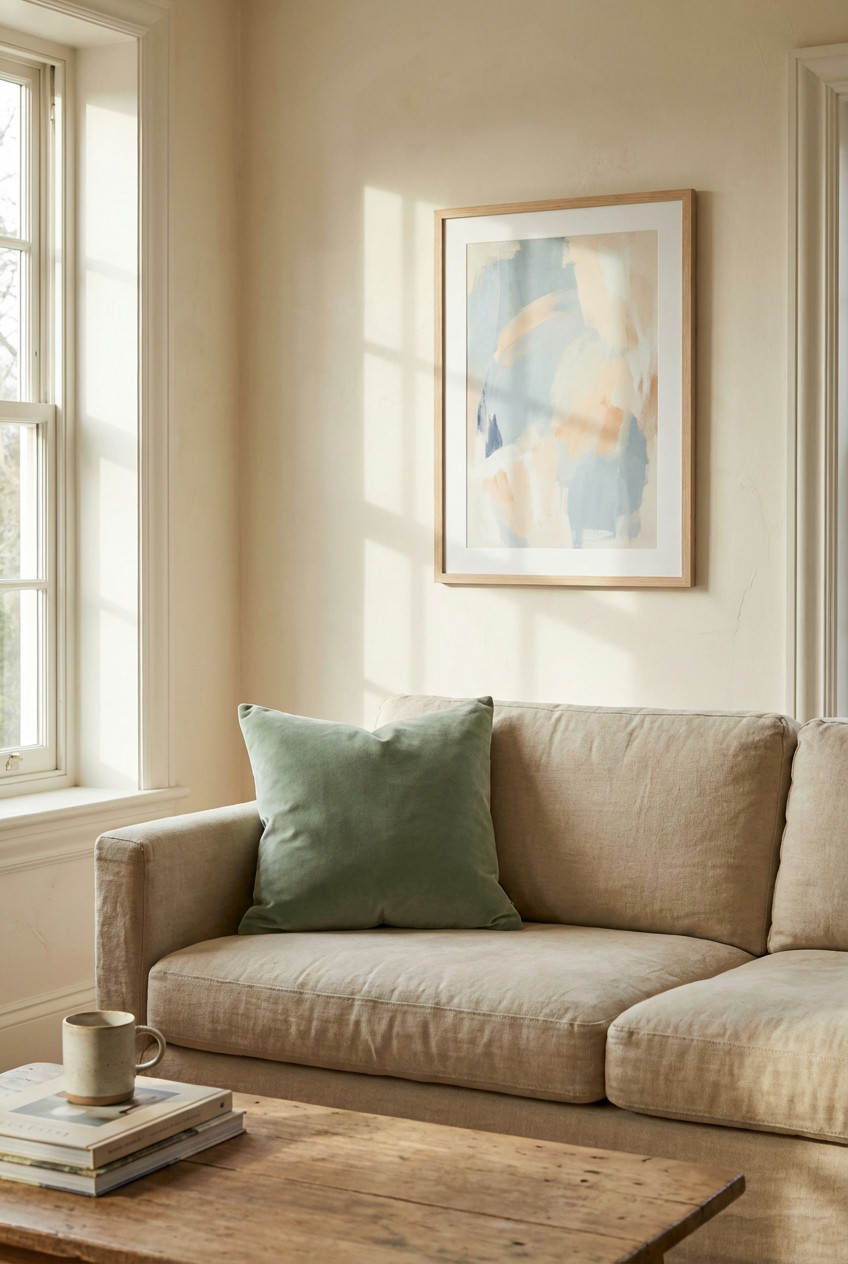
Even in a truly neutral living room, a well-placed Pop of Color can elevate the entire space without overwhelming it. This year, we’re seeing softer, more organic hues making an appearance – think dusty blues, muted sage greens, or a gentle terracotta. The key is restraint: perhaps a single throw pillow, a piece of abstract art with a hint of color, or a small ceramic vase. These subtle injections of color provide visual interest and personality, preventing the neutral palette from feeling too stark, while still maintaining the serene aesthetic. It’s a sophisticated way to add cheer without sacrificing tranquility.
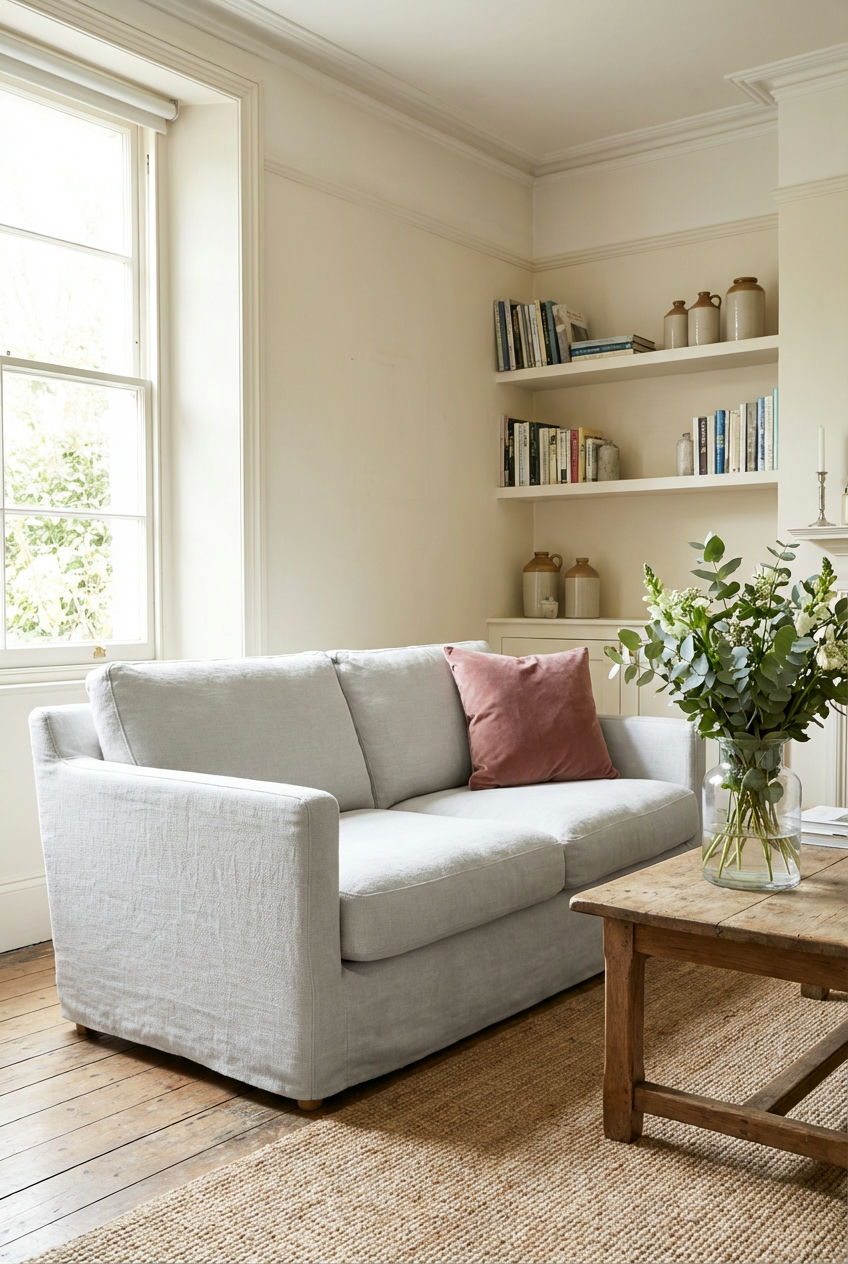
When incorporating a pop of color, consider its impact on the overall mood. A soft blue can enhance a sense of calm, while a muted terracotta might add warmth. It’s a common mistake to choose too vibrant or too many different accent colors, which can quickly disrupt the neutral harmony. Stick to one or two complementary hues in small doses. This approach allows for easy updates too; if you tire of the color, replacing a pillow or a vase is far less commitment than repainting an entire wall. This offers crucial advice on avoiding common pitfalls.
11. Earthy Neutrals with Black Accents
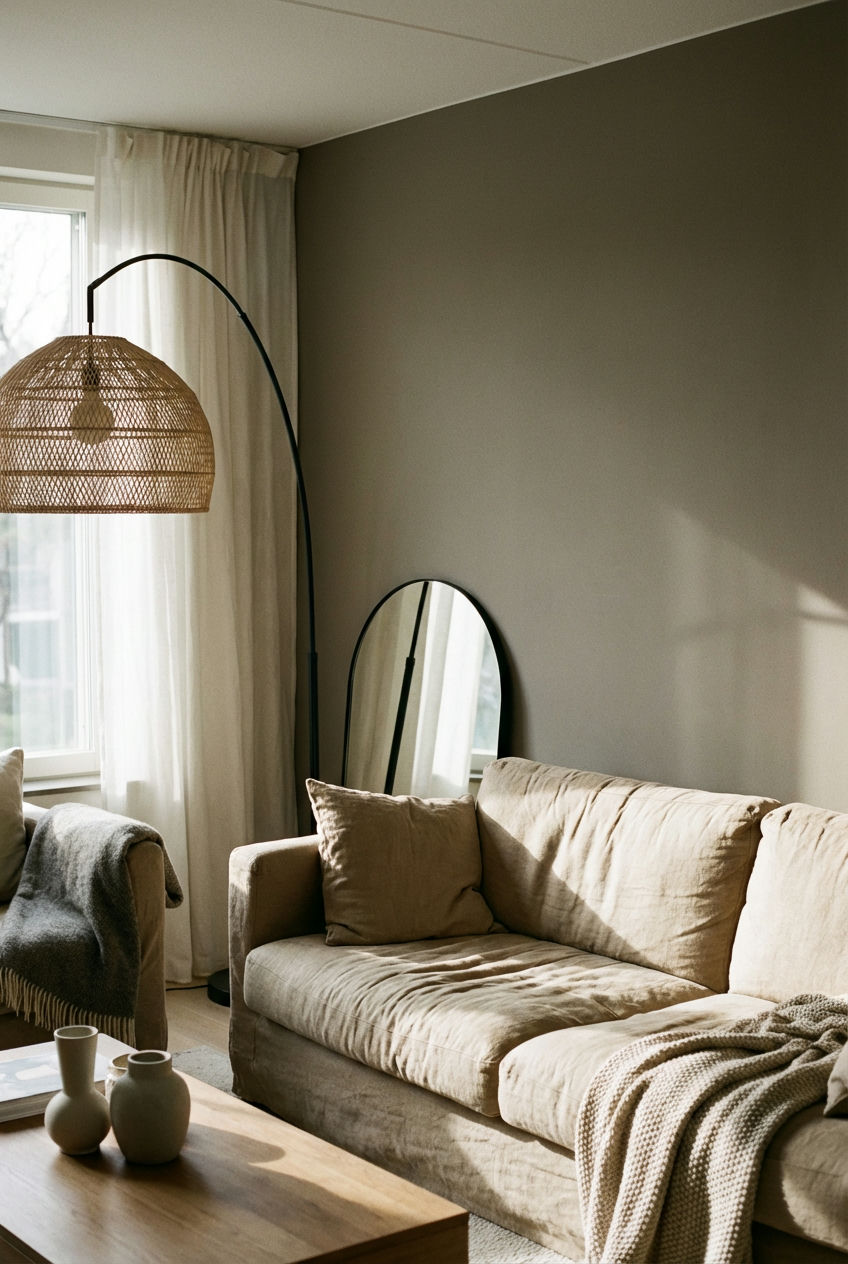
Ground your living room with a rich blend of Earthy neutrals, punctuated by the crisp elegance of Black accents. This combination brings a sophisticated depth to any space, moving beyond simple beige or grey. Imagine walls painted in a deep mushroom, a sofa in a warm oat, and then introduce black through striking elements like a graphic floor lamp, sleek picture frames, or a slim-profile coffee table. The black acts as an anchor, defining the space and adding a contemporary edge that prevents the earthy tones from feeling too soft. It’s a statement of quiet strength and enduring style, perfect for creating a truly curated atmosphere.
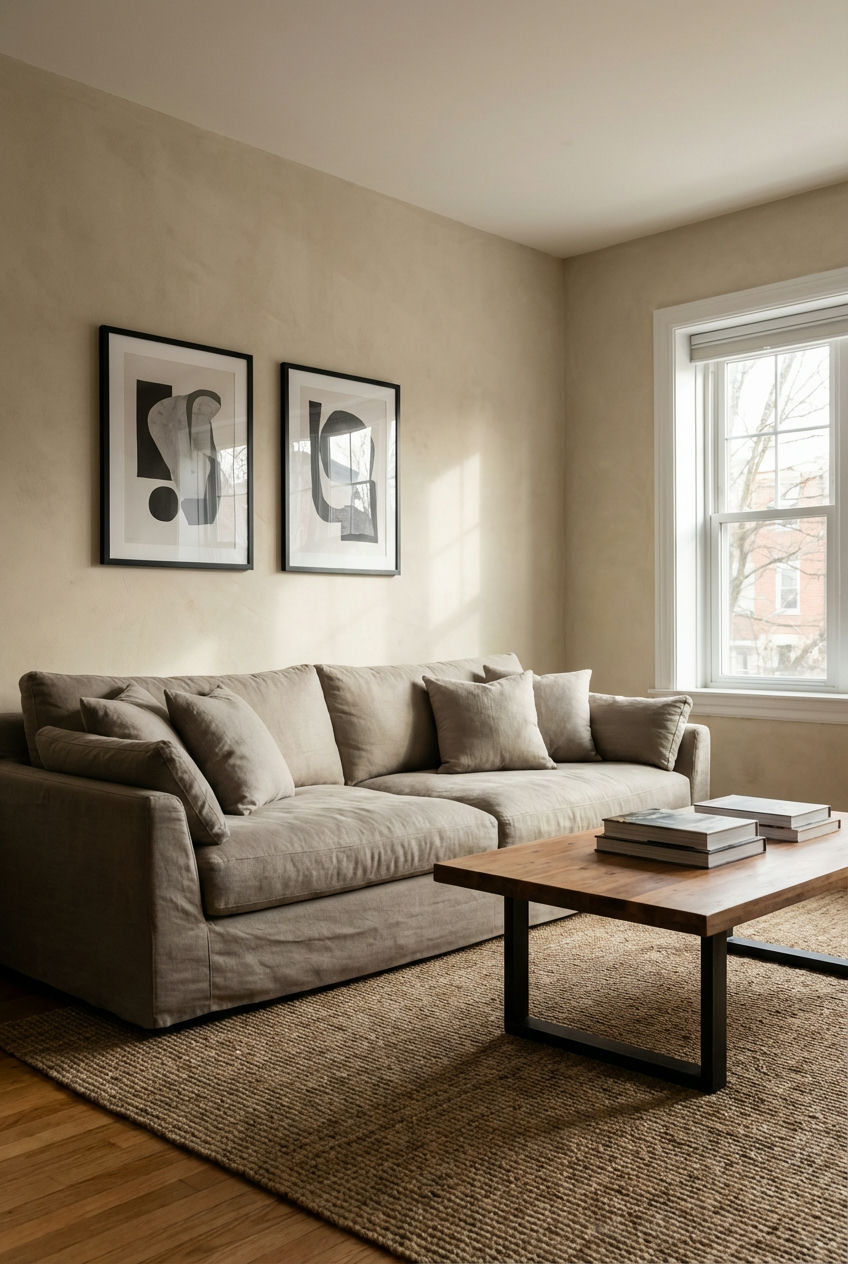
This design approach often appeals to those who appreciate a connection to nature but desire a refined aesthetic rather than a purely rustic one. It’s about taking cues from natural landscapes – think dark soil, tree bark, and dry grasses – and translating them into a sophisticated interior palette. This particular pairing of earthy neutrals and black accents works exceptionally well in homes with an open-concept layout, where the black elements can help define zones and add architectural interest without making the space feel choppy. This context indicates ‘where it works best.’
12. Timeless Greige Paint Color
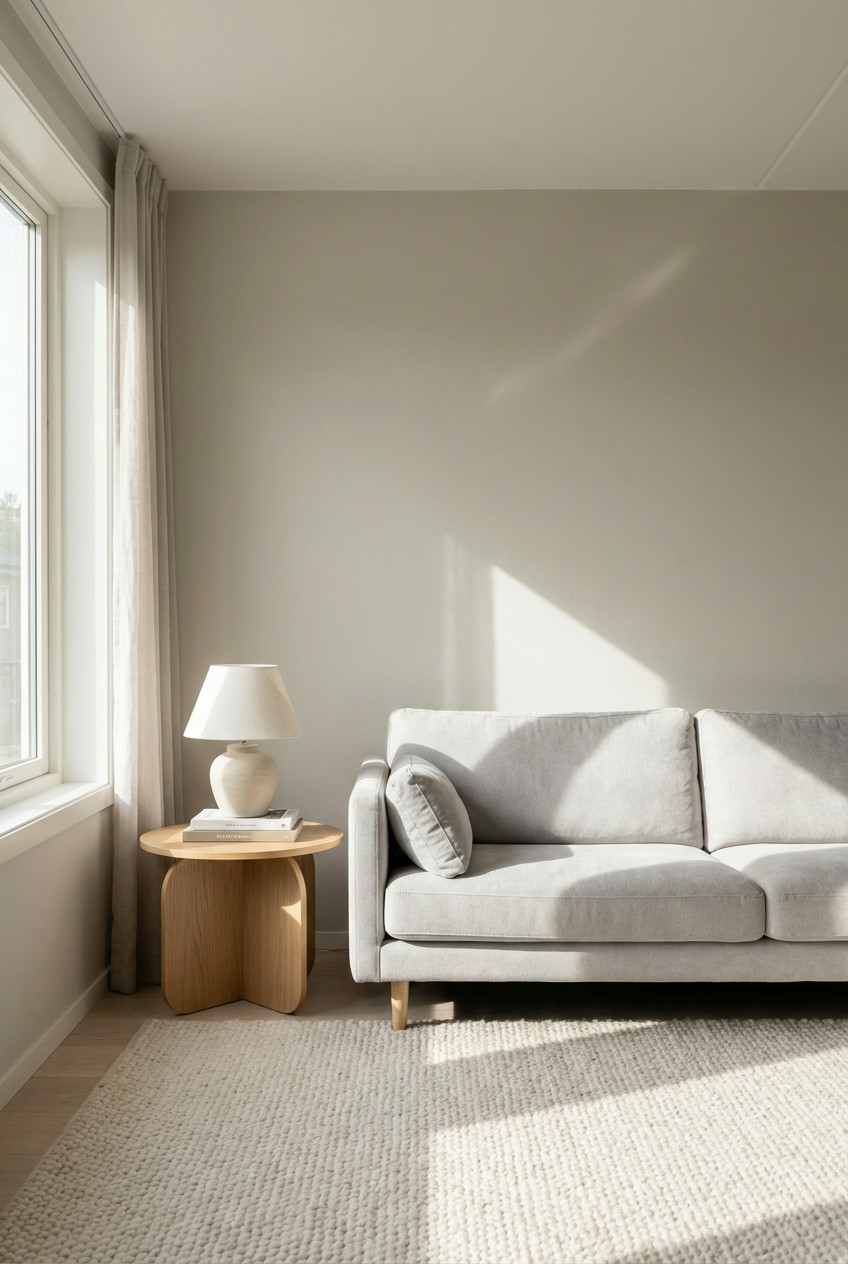
When it comes to foundational elements, a perfectly chosen greige paint color can transform your entire neutral living room. This incredibly versatile hue, a sophisticated blend of grey and beige, offers warmth without leaning too heavily into either extreme. It acts as a chameleonic backdrop, adapting beautifully to different lighting conditions and pairing effortlessly with a wide range of furniture and decor styles. Opt for a greige with subtle undertones that complement your existing furniture or the natural light in your room. It’s the ultimate choice for those seeking a fresh, adaptable, and genuinely timeless canvas for their living space, promising enduring appeal.
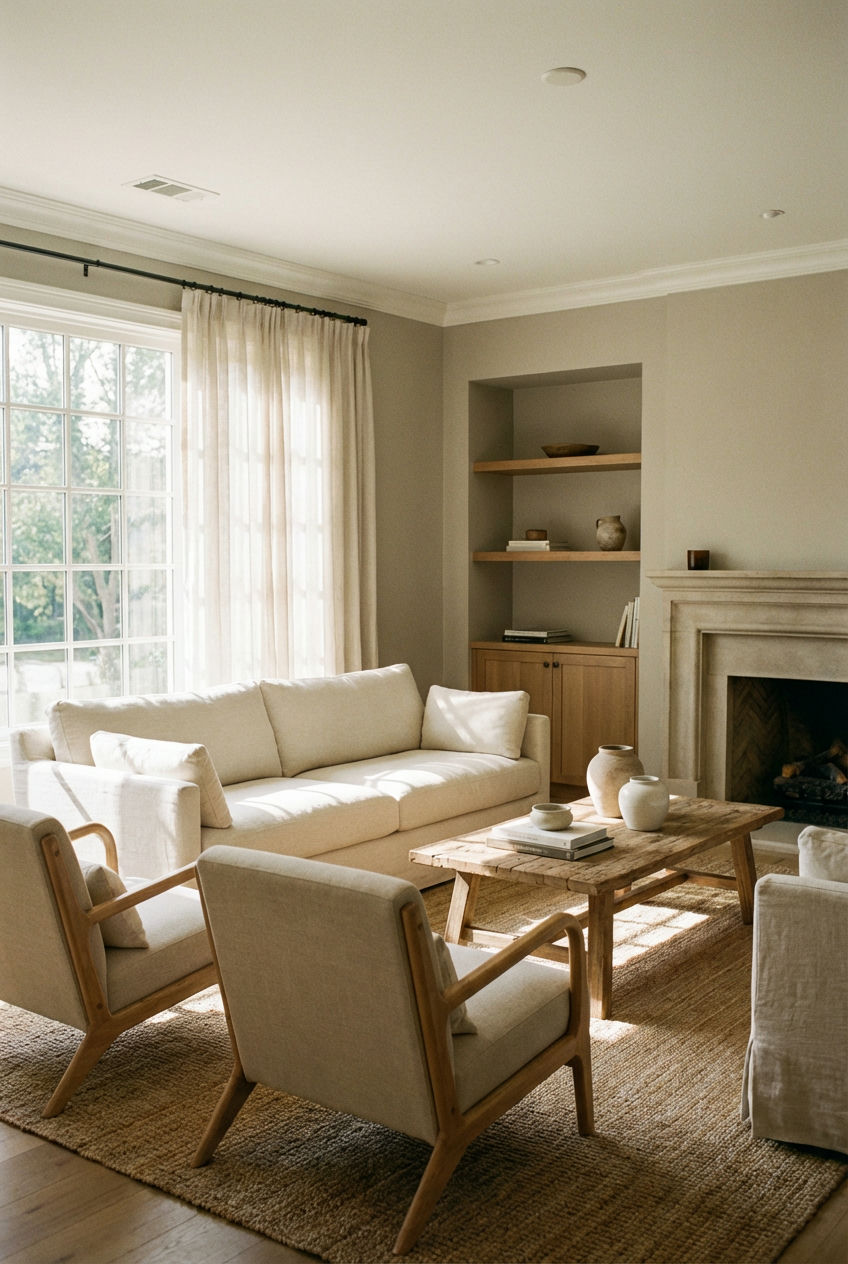
Choosing the right greige is critical, and it often involves a bit of trial and error. What looks perfect on a small paint chip can look entirely different on an entire wall, influenced by natural light, artificial light, and even your flooring. I always suggest clients purchase several samples and paint large swatches on different walls to observe them throughout the day. It’s a minimal investment that prevents a costly redo. This dedication to testing ensures you find a hue that truly feels right for your home, creating a harmonious foundation. This micro anecdote offers practical, real-world advice.
13. Layered Textures with a Plush Rug
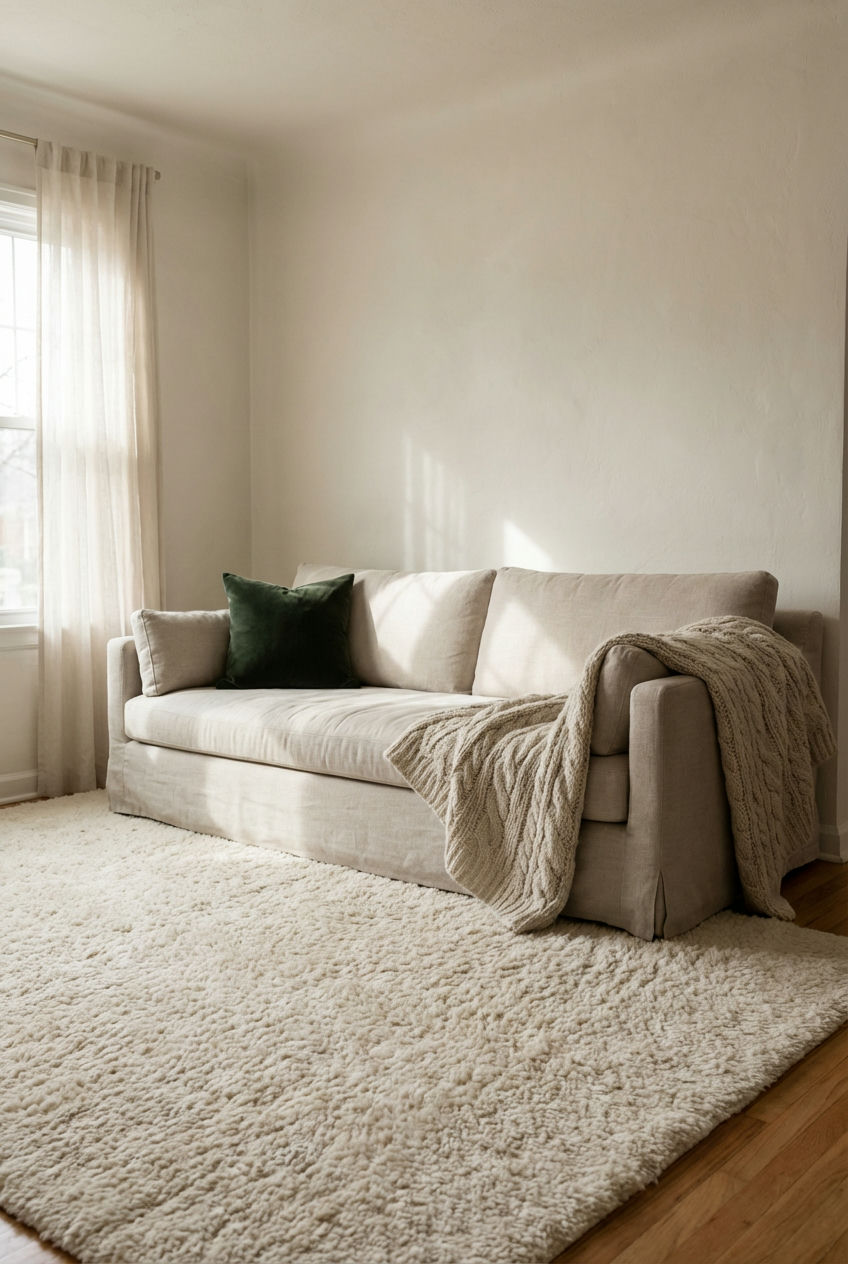
Even the most understated neutral living room can achieve incredible depth through thoughtful layering, and a plush rug is often the anchor. Think beyond just color and focus on how various materials feel and look together. Start with a substantial, soft rug – perhaps a high-pile wool or a luxurious shag in cream or charcoal – to define the seating area. Then build upon this with linen sofa covers, velvet throw pillows, and chunky knit blankets. Each layer adds visual weight and tactile appeal, creating a space that feels incredibly inviting and rich without relying on bold hues. It’s truly about engaging the senses.
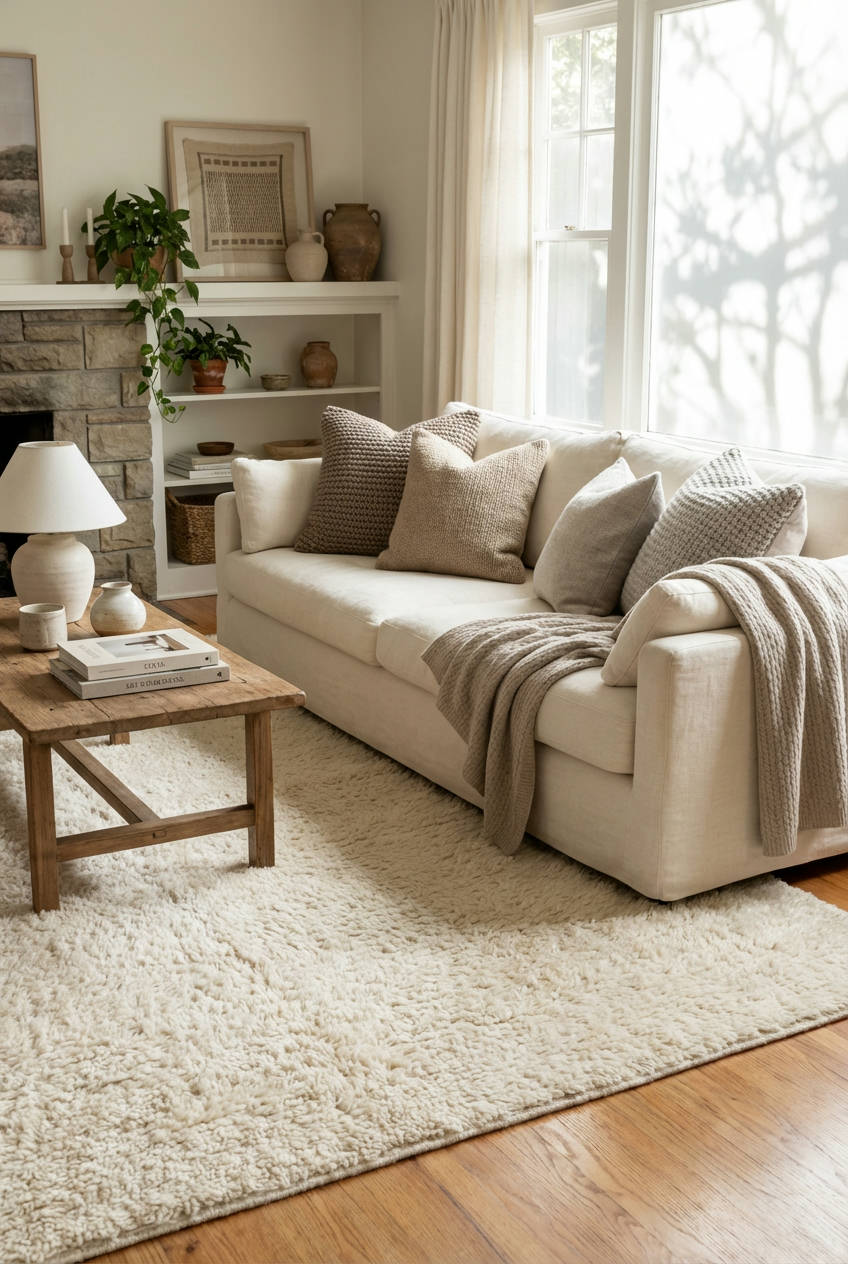
The rug isn’t just an accessory; it’s a foundational piece that dictates the feel of the entire room. It absorbs sound, adds warmth, and visually anchors your furniture grouping. A common mistake is choosing a rug that’s too small for the space, which can make the room feel disjointed. An expert tip is to ensure that at least the front legs of all major seating pieces rest on the rug, or ideally, all legs. This creates a cohesive and well-defined conversation area, making the space feel more intentional and luxurious. This expert-style commentary offers professional advice.
14. Modern Farmhouse Neutrals
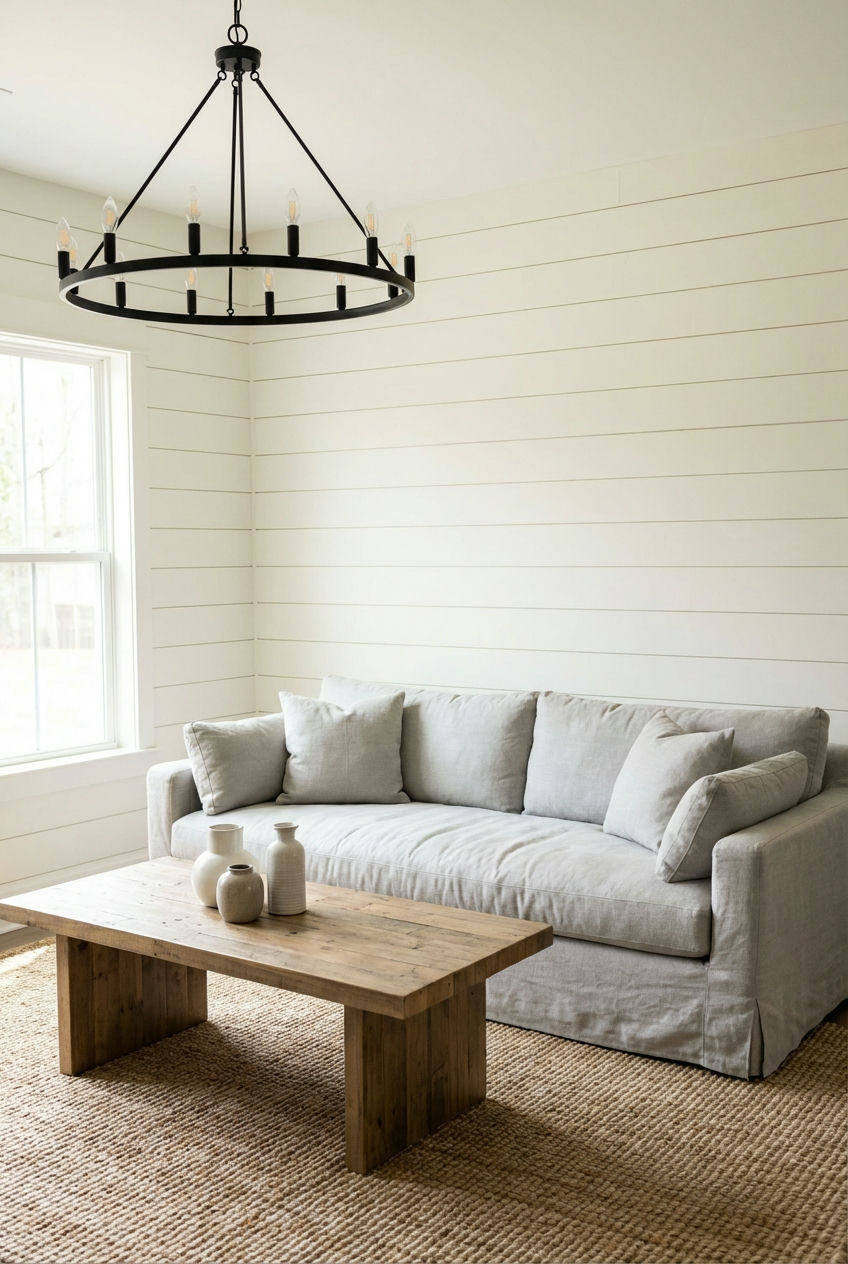
Marrying the comfort of rustic living with clean, contemporary lines, the modern farmhouse Style continues its reign in the realm of neutral living room design. This aesthetic skillfully blends warm whites, soft greys, and natural wood tones to create a balanced, inviting space. Think shiplap walls, a large comfortable slipcovered sofa, and natural wood beams or accents. Instead of distressed elements, choose pieces with refined finishes. Metal accents, such as matte black lighting fixtures or sleek console tables, provide that modern edge, ensuring the space feels current and sophisticated rather than overly country.
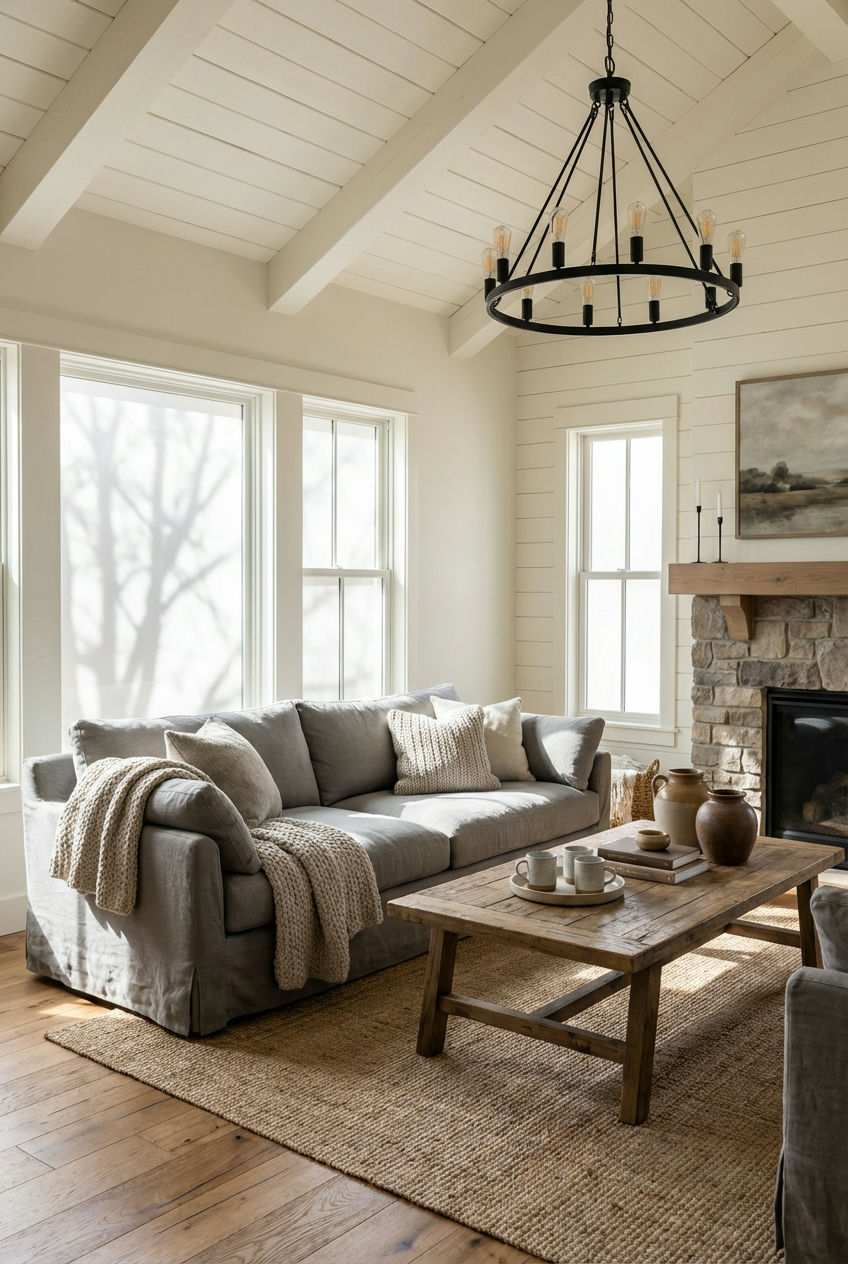
This design is hugely popular across America, from suburban developments to more rural settings, due to its inherent appeal of comfort and practicality with an updated twist. Homeowners often appreciate that it feels both aspirational and achievable, creating a relaxed yet stylish environment ideal for family life and entertaining. Incorporating vintage finds, like an old wooden chest repurposed as a coffee table, can further personalize the space and add character without breaking the bank. It’s a style that embraces both high-end and affordable elements seamlessly. This ‘budget/price angle’ suggests accessible options.
15. Sophisticated Black and White
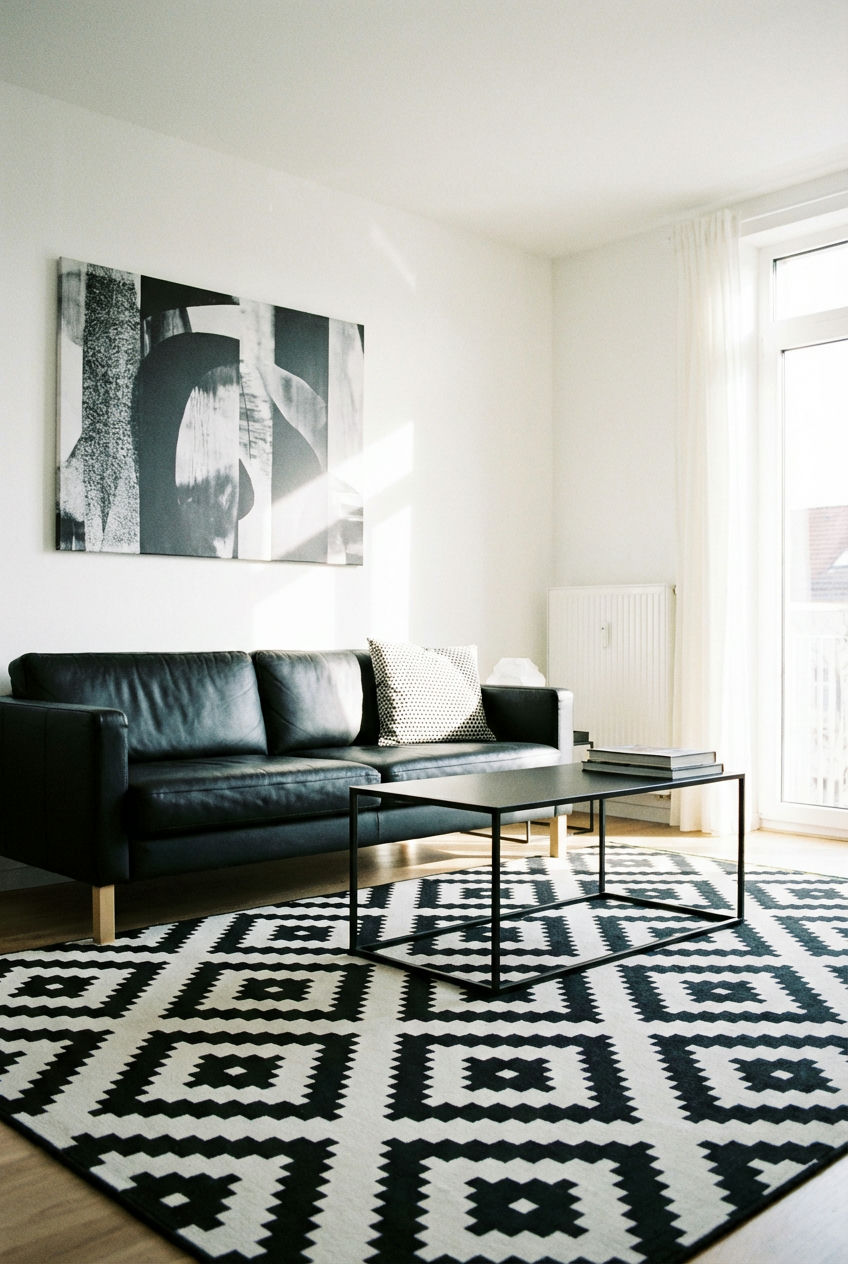
Embrace the ultimate in timeless elegance with a high-contrast Black and white neutral living room. This classic pairing is far from boring when executed with intention, creating a space that feels crisp, bold, and incredibly sophisticated. Think gleaming white walls, a plush black sofa or accent chairs, and then intersperse with graphic patterns, geometric forms, and varying textures. A striking black-and-white abstract art piece, modern black light fixtures, or a patterned rug can add visual interest without introducing color. The key is balance, allowing each hue to make a statement while complementing the other for stunning impact.
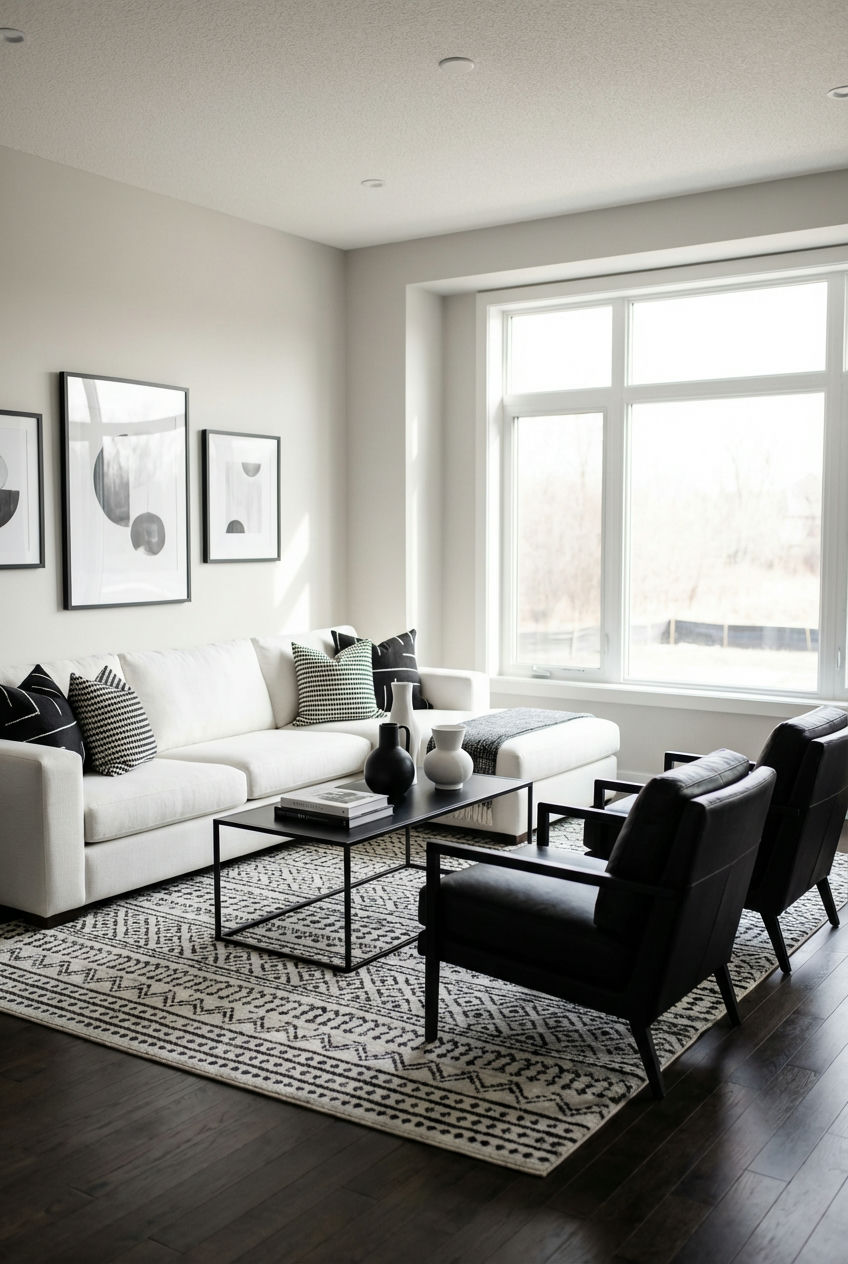
This aesthetic truly shines in spaces with strong architectural features or high ceilings, where the contrast can be fully appreciated. It’s not a look for the faint of heart, but for those who love bold statements and clean lines. An important consideration is to avoid “matchy-matchy” furniture sets; instead, mix and match pieces with varied textures and finishes. A soft boucle white chair next to a sleek black leather sofa provides far more visual interest than two identical black pieces, keeping the room dynamic and engaging. This practical insight emphasizes the importance of variation.
16. Cozy Hygge with Warm Neutrals
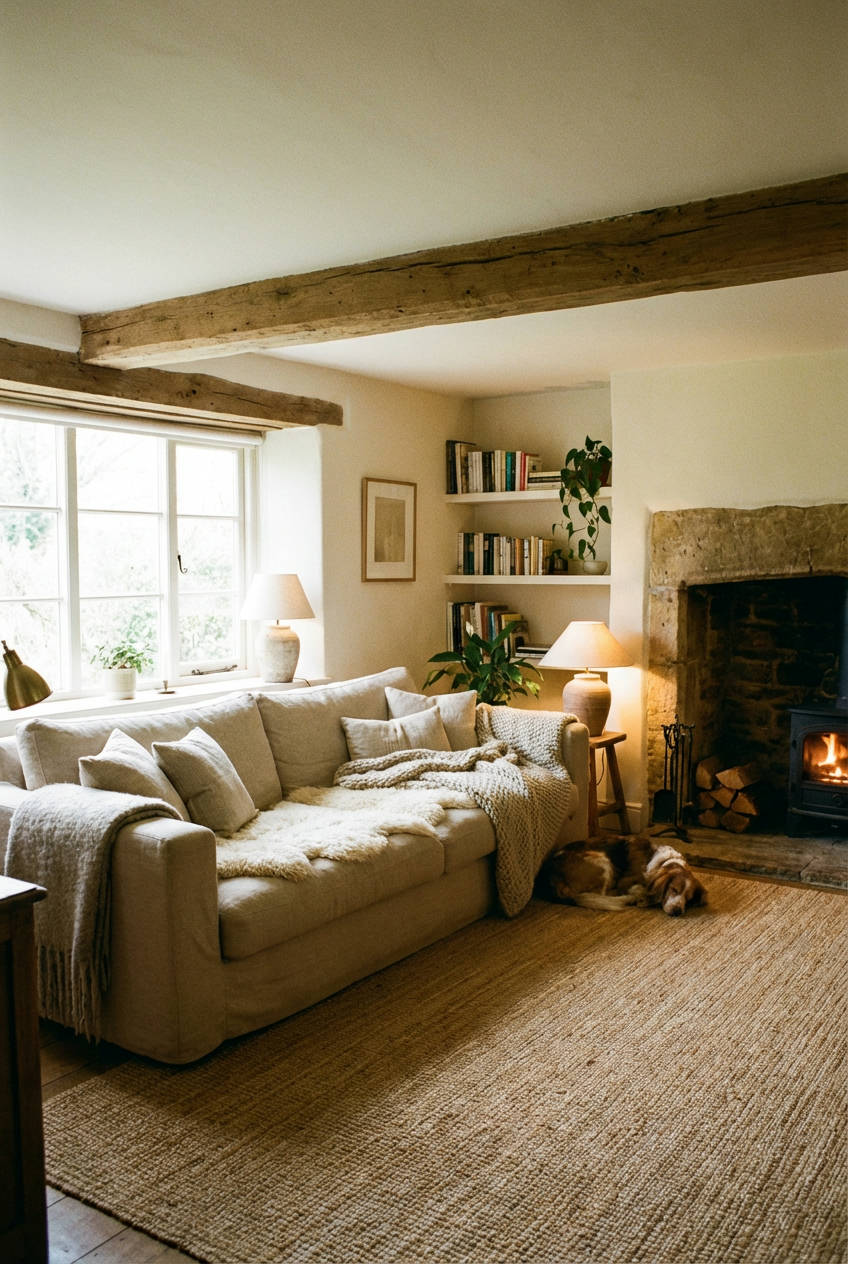
Embody the Danish concept of “hygge” by designing a Cosy and infinitely inviting neutral living room, rich in warm hues. This approach prioritizes comfort and well-being, focusing on soft textures, gentle lighting, and an overall sense of peace. Think creamy whites, soft oatmeal tones, and light wood finishes for your main elements. Layer in faux fur throws, wool blankets, and plenty of plush pillows on a deep, welcoming sofa. Scented candles, a crackling fireplace, and warm, ambient lighting complete the picture, transforming your living room into a true sanctuary from the outside world.
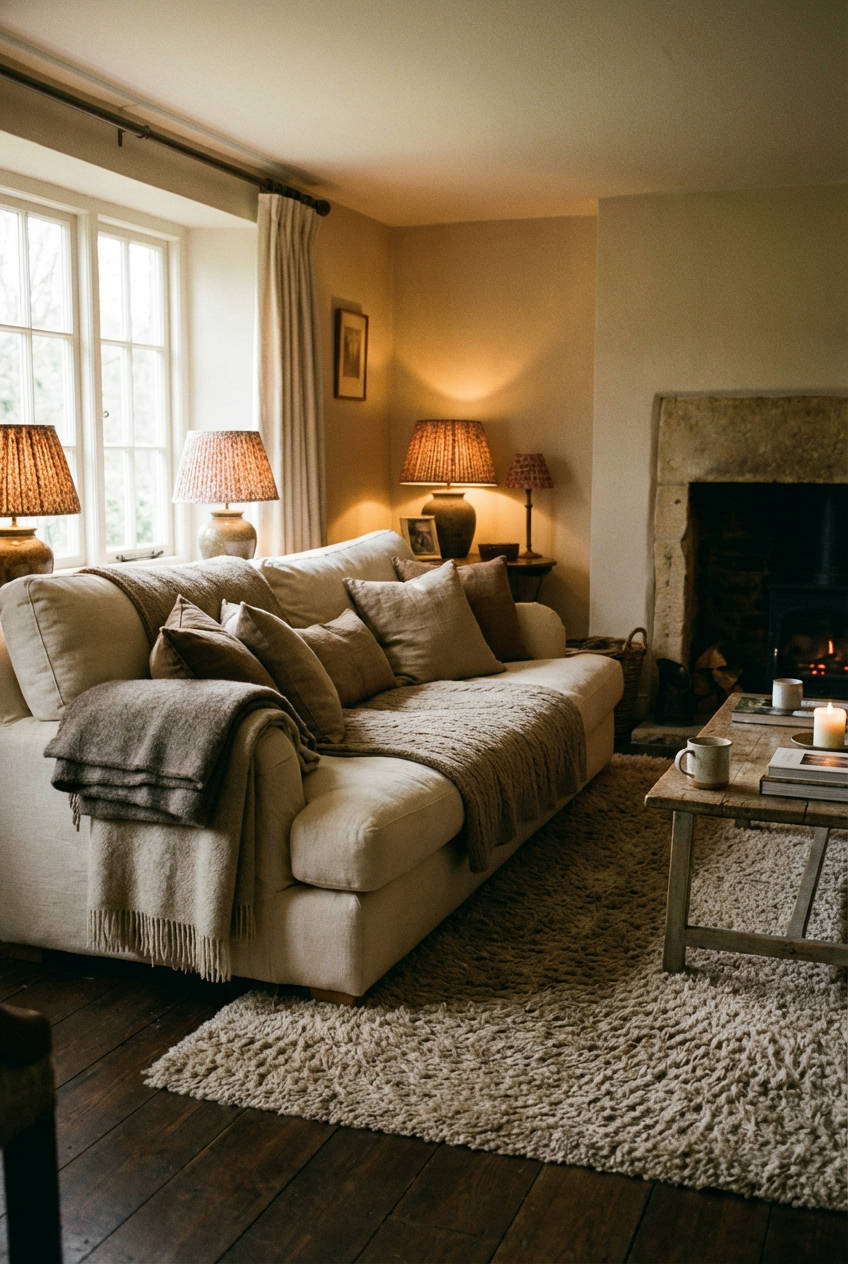
To really nail the hygge look, avoid harsh overhead lighting. Instead, rely on multiple sources like floor lamps, table lamps, and sconces, all equipped with warm-toned bulbs and ideally on dimmers. It’s also about the small details: a favorite mug of tea, a good book, and the quiet joy of being present. The budget for this style doesn’t have to be high; many elements involve simple comforts you might already own or can find affordably. The focus is on curating a feeling, not spending a fortune. This budget/price angle highlights affordability.
17. Minimalist Sanctuary with Natural Materials
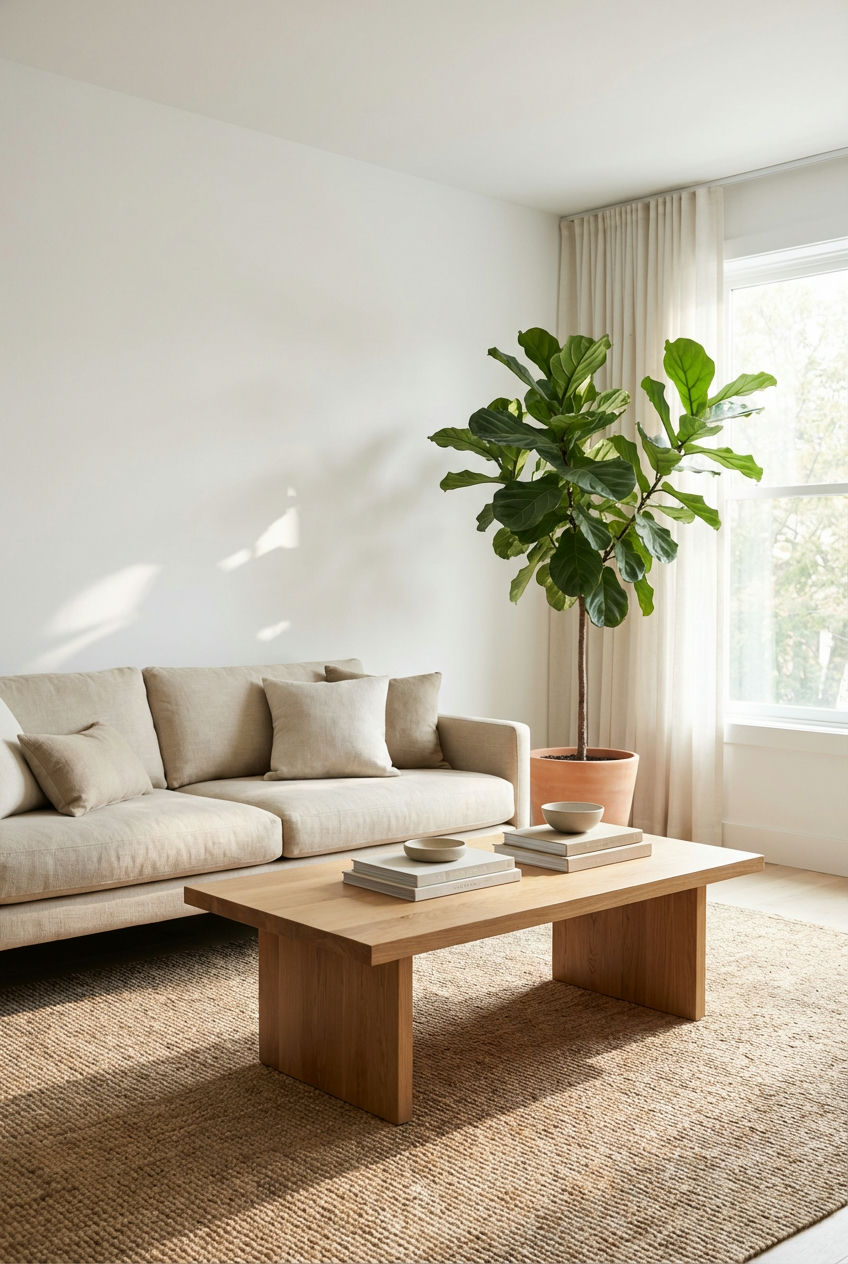
Cultivate a serene and uncluttered neutral living room by focusing on minimalist Ideas, elevated through the thoughtful incorporation of natural materials. This aesthetic champions clean lines, open spaces, and a quiet reverence for the inherent beauty of wood, stone, linen, and wool. Imagine walls painted in a soft, barely-there off-white, paired with a simple, well-proportioned sofa covered in natural linen. Introduce a sleek, solid wood coffee table, a beautiful ceramic vase, and strategically placed greenery. Each element is chosen for its quality and form, contributing to an overall sense of calm and effortless sophistication.
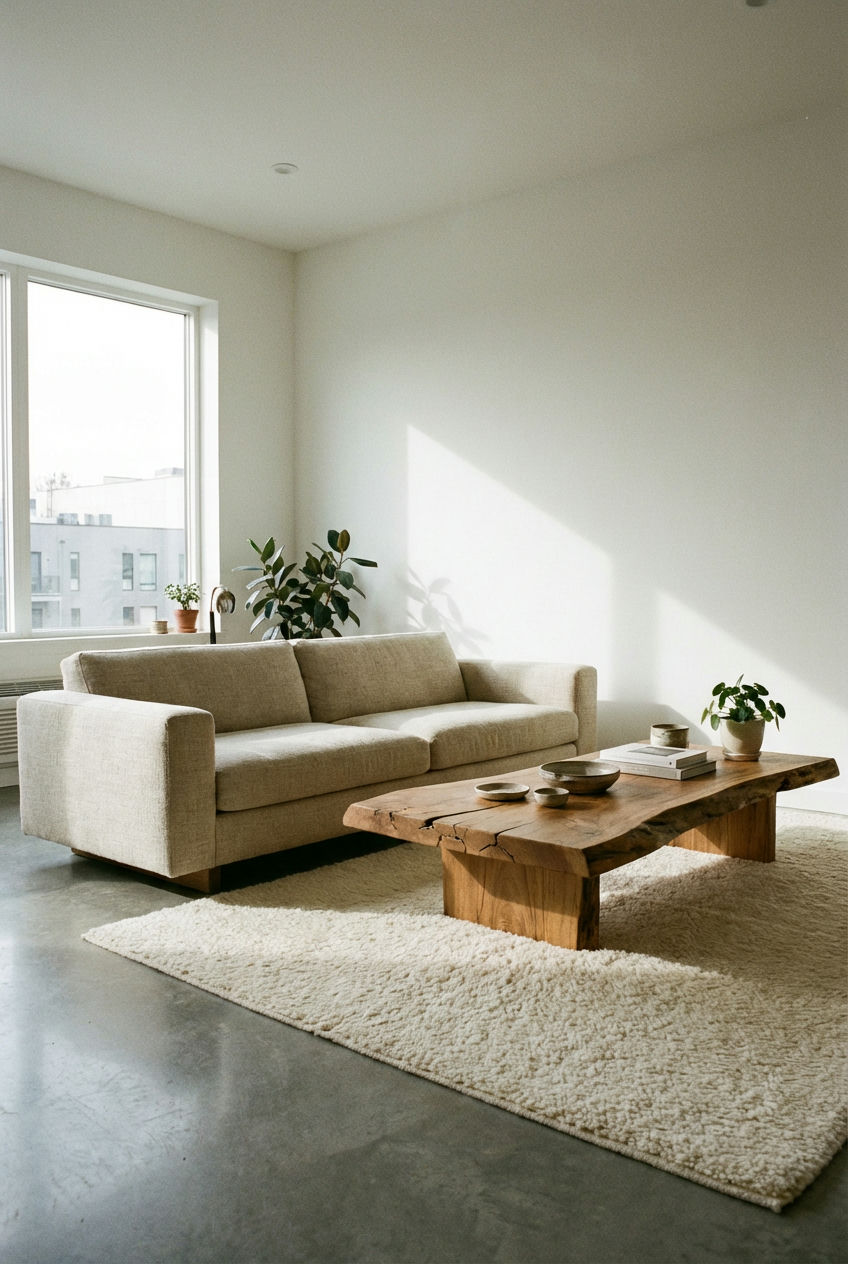
To avoid a cold or unwelcoming minimalist space, the key is to ensure the materials you choose have warmth and texture. A sleek metal piece can be balanced by a chunky knit throw, or a smooth stone by a soft linen curtain. Many homeowners in urban environments, particularly in cities like New York or Los Angeles, are drawn to this style as a counterpoint to the busy city life outside their windows. It’s a retreat that feels both high-end and deeply restorative, proving that less truly can be more when done right. This American lifestyle context makes the design appealing.
18. Global Influences with Earthy Tones
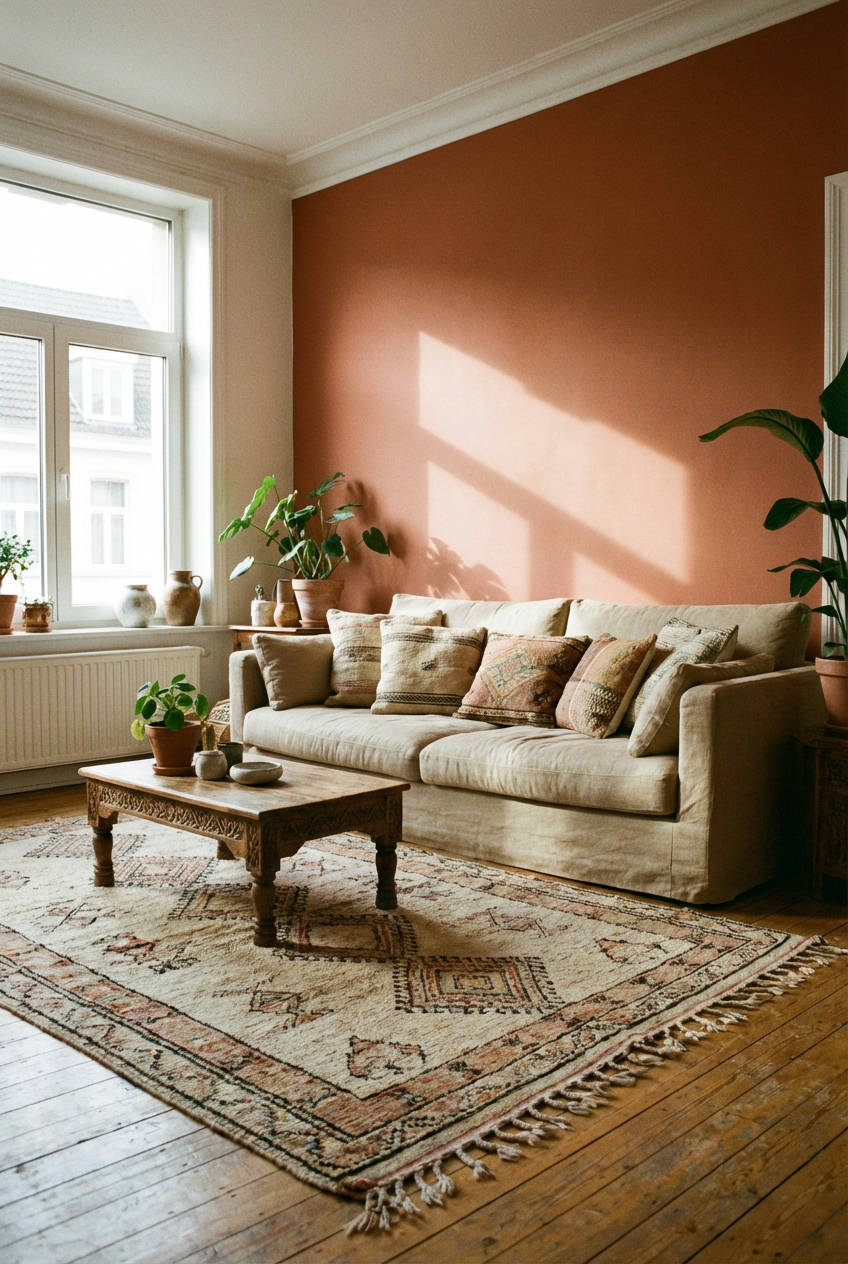
Infuse your Earthy neutral living room with a sophisticated wanderlust by incorporating global-inspired elements. This Style celebrates artisanal craftsmanship and collected treasures, creating a nuanced and richly textured space. Think terracotta walls, a natural linen sofa, and then layer in unique pieces like hand-woven textiles from different cultures, intricate carved wooden side tables, or a collection of pottery from your travels. The earthy color palette acts as a unifying force, allowing diverse textures and patterns to coexist harmoniously. It’s about telling a story through your decor, creating a truly personal and inviting atmosphere.
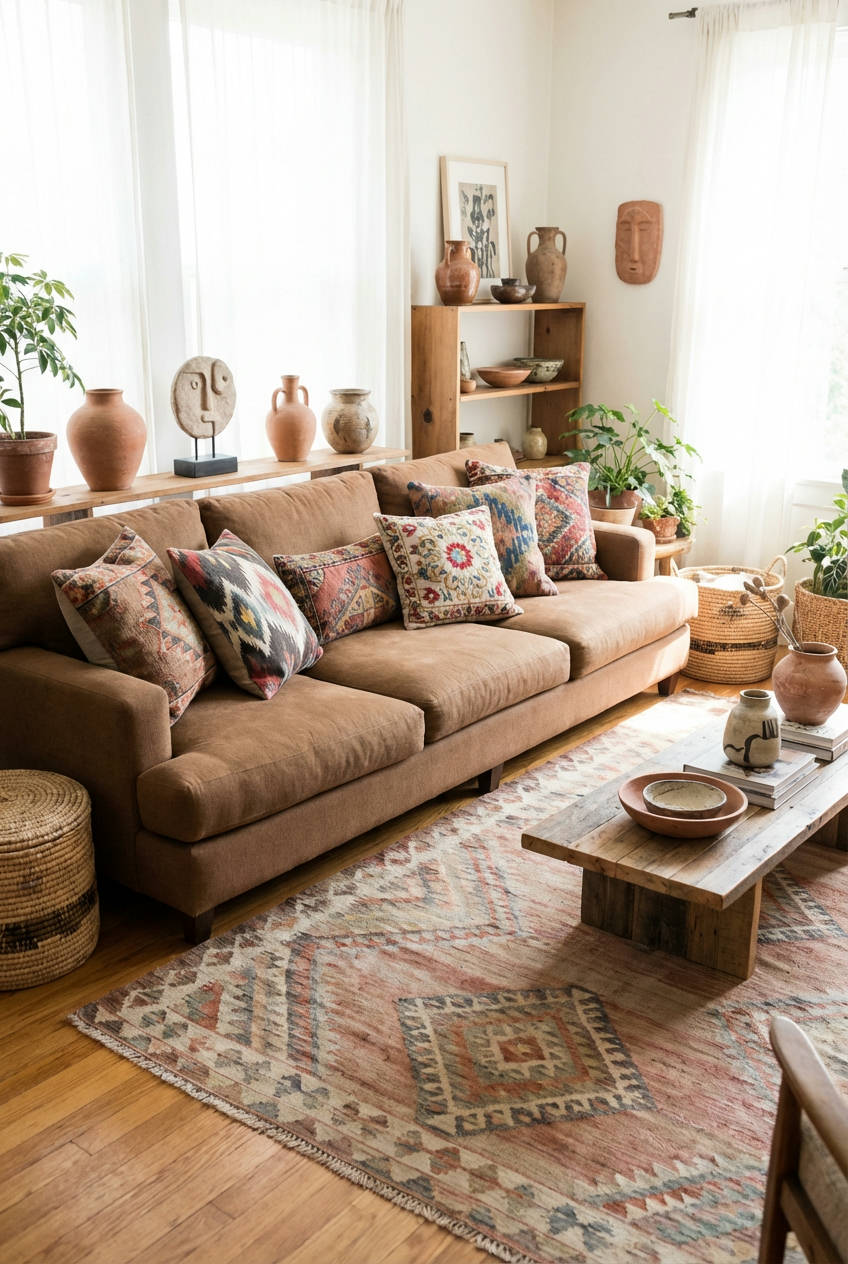
When curating this look, the key is authenticity. Avoid mass-produced items that merely mimic global aesthetics; instead, seek out genuine artisanal pieces. This doesn’t mean you need to travel the world to find them; many online retailers specialize in fair-trade, handmade goods. A common mistake is to overdo it with too many patterns or too much clutter, which can undermine the earthy tranquility. Select a few impactful pieces and allow them space to breathe. This thoughtful curation results in a unique and deeply personal living room. This addresses common mistakes and provides a solution.
19. Statement Overhead Light Fixture
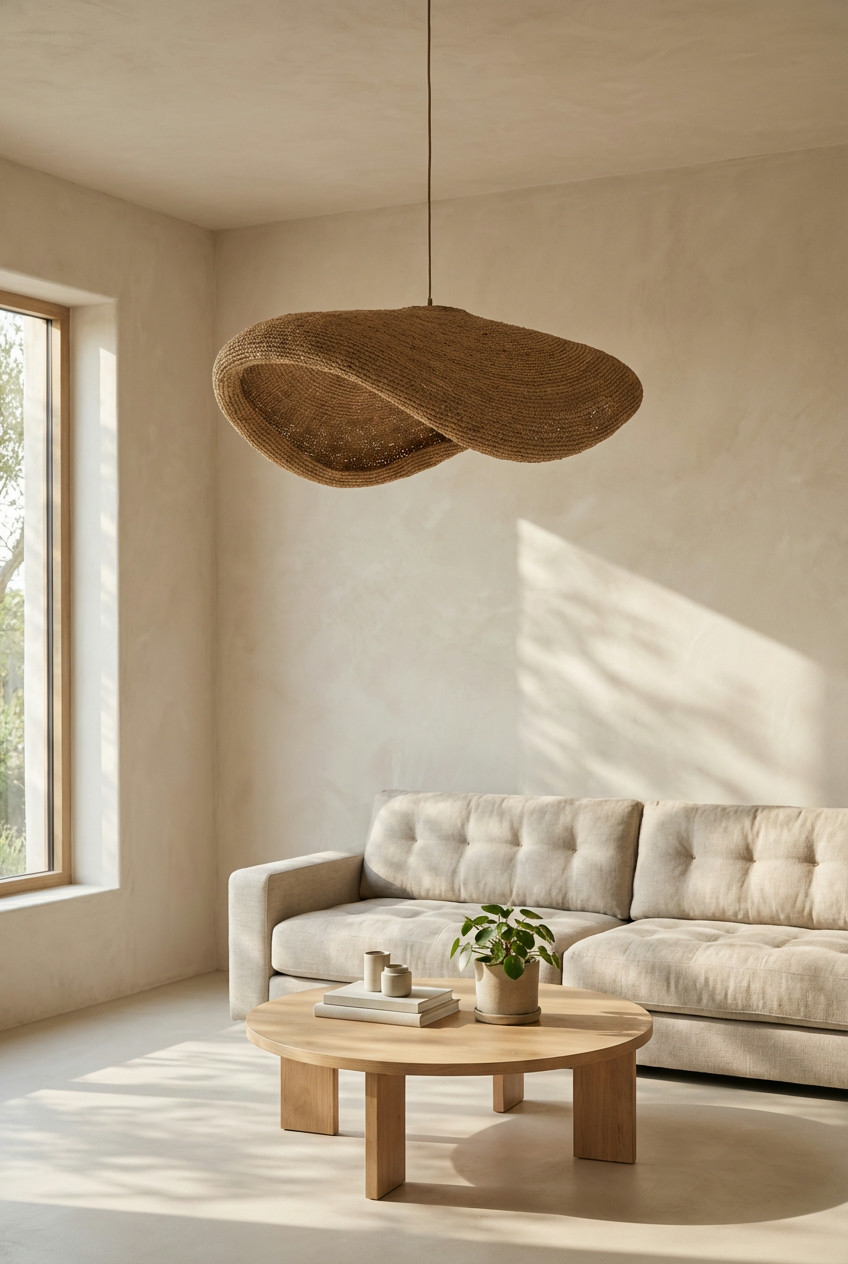
In a beautifully composed neutral living room, a carefully chosen Fixture can become a powerful focal point, adding both function and sculptural artistry. Forget generic flush mounts; in 2026, it’s all about overhead lighting that makes a statement. Think oversized woven pendants casting intricate shadows, a multi-arm chandelier in matte black or brushed brass, or even a minimalist orb design. This single element can dictate the style of the room, drawing the eye upward and providing an unexpected layer of interest. It’s a key piece in pulling a refined neutral palette together, offering both ambient light and undeniable visual appeal.
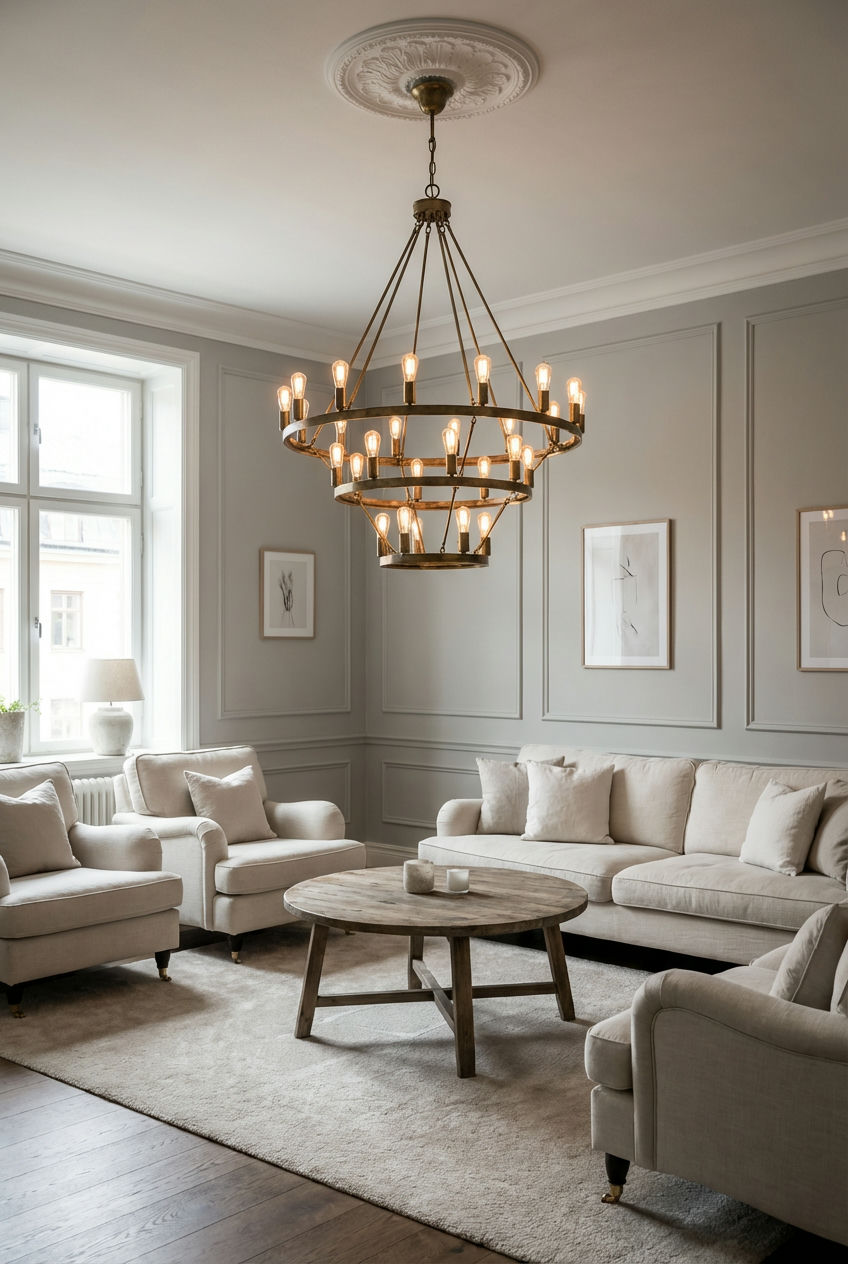
When selecting a statement fixture, consider the scale of your room and the height of your ceilings. A chandelier that’s too large can overwhelm a small space, while one that’s too small can get lost in a grand room. This decision is often where people get stuck, debating between something artistic and something purely functional. The goal here is to blend both. A well-chosen fixture can significantly enhance the perceived value and design intent of your entire living room, proving that lighting is as much about decor as it is about illumination. This practical insight underlines the importance of scale and dual purpose.
There you have it – 19 inspiring ideas to craft your perfect neutral living room in 2026. Whether you’re seeking serene simplicity or a thoughtfully layered space, these approaches prove that neutrals are anything but boring. Which of these looks are you most excited to try in your own home? Share your favorite ideas and how you plan to incorporate them in the comments below!